Tag: Sports

  • WNBA Deletes Betting Video – The Collision of Sport, Celebrity, and Ethics

    WNBA Deletes Betting Video – The Collision of Sport, Celebrity, and Ethics

    The WNBA recently deleted a social media video that depicted prominent players Paige Bueckers and Angel Reese appearing to bet on a game. This swift removal by the league ignited significant public discourse regarding athlete conduct, the ethics of sports betting, and the responsibilities of professional sports organizations in managing their public image and player interactions.

    The incident, initially reported by outlets like TMZ, brought into focus the delicate balance between promoting player personalities and upholding strict ethical standards.

    What looks like a simple social media post actually touches on deep-seated issues within professional sports.

    The Initial Incident and Swift Removal

    The video in question circulated briefly across various social media platforms before its official removal by the WNBA. It reportedly showed Paige Bueckers, a guard for the Dallas Wings, and Angel Reese, a forward for the Atlanta Dream, engaging in what appeared to be a betting exchange during a game.

    The exact nature of the bet or its stakes was not immediately clear from the short clip.

    The WNBA’s rapid response in deleting the content indicated a clear recognition of the potential controversy and a desire to control the narrative.

    League officials have historically maintained a zero-tolerance policy regarding gambling by players on WNBA games.

    WNBA Policies on Gambling and Player Conduct

    Professional sports leagues, including the WNBA, operate under stringent rules designed to protect the integrity of their competitions. These rules explicitly prohibit players, coaches, and other team personnel from betting on games within their own league.

    The rationale behind these prohibitions is multifaceted.

    It aims to prevent any perception of impropriety, maintain fair play, and safeguard public trust in the sport’s outcomes.

    Even seemingly innocuous bets between players can raise questions about potential conflicts of interest or undue influence.

    The WNBA’s Collective Bargaining Agreement (CBA) and individual team contracts typically outline these regulations in detail. Violations can lead to severe penalties, ranging from fines to suspensions, and in extreme cases, even permanent bans from the league.

    The league’s quick action to delete the video suggests an immediate assessment that the content, regardless of its intent, could be misconstrued as a breach of these established policies.

    The Rise of Sports Betting and Athlete Visibility

    The landscape of sports betting has transformed dramatically in recent years. Legalized sports betting has expanded across numerous states in the United States since the Supreme Court’s 2018 ruling in Murphy v. NCAA.

    This expansion has brought sports betting into mainstream consciousness, with extensive advertising and partnerships between sports leagues and betting operators.

    This new environment creates a complex challenge for leagues and athletes.

    While leagues profit from partnerships with betting companies, they must also rigorously enforce rules preventing their own participants from engaging in betting activities that could compromise integrity.

    At the same time, the rise of social media has given athletes unprecedented platforms for self-expression and direct engagement with fans. This increased visibility, however, comes with enhanced scrutiny.

    Every action, both on and off the court, can be captured and shared instantaneously, often without full context.

    For players like Paige Bueckers and Angel Reese, who are highly recognizable figures in women’s basketball, their actions are constantly under public observation.

    Paige Bueckers and Angel Reese: Star Power and Scrutiny

    Paige Bueckers, a standout guard, returned to the court in the 2023-2024 college season after recovering from an ACL injury that sidelined her for the entire 2022-2023 college season. Her return generated significant excitement and media attention.

    Angel Reese, a rookie sensation from the 2024 WNBA Draft, quickly became one of the league’s most talked-about players. Her on-court performance and vibrant personality have made her a prominent figure.

    Both players represent the new generation of WNBA stars who combine athletic prowess with significant social media influence.

    Their celebrity status amplifies the impact of any public misstep, intentional or otherwise.

    The deletion of the video underscores the intense pressure on these athletes to maintain impeccable public images, not just for their personal brands but also for the league’s reputation.

    Ethical Implications and Public Perception

    The incident immediately raised ethical questions among fans and commentators. Even if the bet was a harmless, low-stakes wager between friends, the optics of professional athletes betting on their own sport can be damaging.

    Public perception is critical for sports leagues.

    Any hint of gambling by players can erode fan confidence in the fairness and authenticity of games.

    This is particularly true in a league like the WNBA, which has been building its audience and commercial appeal.

    The incident also highlights the need for continuous education for athletes regarding league policies and the potential pitfalls of social media. What might seem like an innocent moment among peers can quickly become a national headline.

    The WNBA’s swift action to remove the video was a move to protect its brand and reinforce its commitment to ethical conduct.

    The Role of Social Media in Professional Sports

    Social media platforms have become indispensable tools for sports leagues and athletes alike. They offer direct communication channels, enable content sharing, and foster fan engagement.

    However, they also present significant risks.

    Content posted online can be easily misunderstood, taken out of context, or used to generate controversy.

    Leagues and teams often have social media guidelines for their players, but enforcing these can be challenging given the spontaneous nature of digital interactions.

    The deleted video serves as a stark reminder of the double-edged sword of social media visibility for professional athletes.

    It can build brands and connect with fans, but it also opens players up to intense scrutiny and potential misinterpretations.

    Potential Consequences and Future Actions

    While the WNBA quickly deleted the video, the long-term consequences for the players involved or the league itself remain to be seen.

    Typically, leagues conduct internal investigations into such matters.

    These investigations would determine the exact nature of the interaction and whether any league rules were violated.

    Depending on the findings, the WNBA could issue warnings, fines, or other disciplinary actions.

    The incident might also prompt the WNBA to revisit and reinforce its social media policies and ethical training programs for players.

    Ensuring that all athletes understand the gravity of gambling prohibitions and the impact of their online presence is crucial for maintaining league integrity.

    Broader Implications for Athlete Endorsements

    For high-profile athletes like Bueckers and Reese, endorsements are a significant part of their income and brand building. Sponsors often require their celebrity partners to maintain a positive public image and adhere to high ethical standards.

    An incident involving gambling, even if minor, could potentially impact endorsement deals.

    Brands are increasingly sensitive to controversies that could reflect poorly on their image.

    This adds another layer of pressure on athletes to be acutely aware of their public conduct, both online and offline.

    Maintaining Integrity in a Betting-Heavy Era

    The tension between the proliferation of legalized sports betting and the need to maintain sports integrity is a defining challenge of the current era.

    Leagues benefit financially from betting partnerships but must also vigilantly guard against corruption.

    The deletion of the WNBA video is a small but significant data point in this ongoing struggle.

    It demonstrates a league’s immediate response to protect its core values.

    It also highlights the constant vigilance required from all stakeholders.

    Athletes must be educated. Policies must be clear. Enforcement must be consistent.

    The Unseen Impact of Deleted Content

    Despite the WNBA’s swift action to remove the video, the initial exposure means the content circulated. Screenshots, re-uploads, and discussions about the incident persisted.

    In the digital age, truly deleting content is often impossible.

    The memory of the event, and the questions it raised, remains part of the public record.

    This reinforces the idea that once something is online, it is difficult to fully erase.

    The incident serves as a cautionary tale for all public figures.

    Every action, every post, every casual moment can be amplified and scrutinized.

    Looking Ahead: The WNBA’s Path Forward

    The WNBA, like other professional sports leagues, continues to navigate a complex media and ethical landscape. The incident involving Bueckers and Reese will likely contribute to ongoing discussions within the league about best practices.

    This includes enhanced player education.

    It involves clearer guidelines for social media use.

    It requires consistent enforcement of integrity policies.

    The league aims to grow its audience and maintain its reputation.

    It must balance player promotion with strict ethical oversight.

    It must ensure that its stars shine brightly, but within the boundaries of fair play and public trust.

    The video disappeared. The questions lingered. The league responded. The players continued.

    The game.
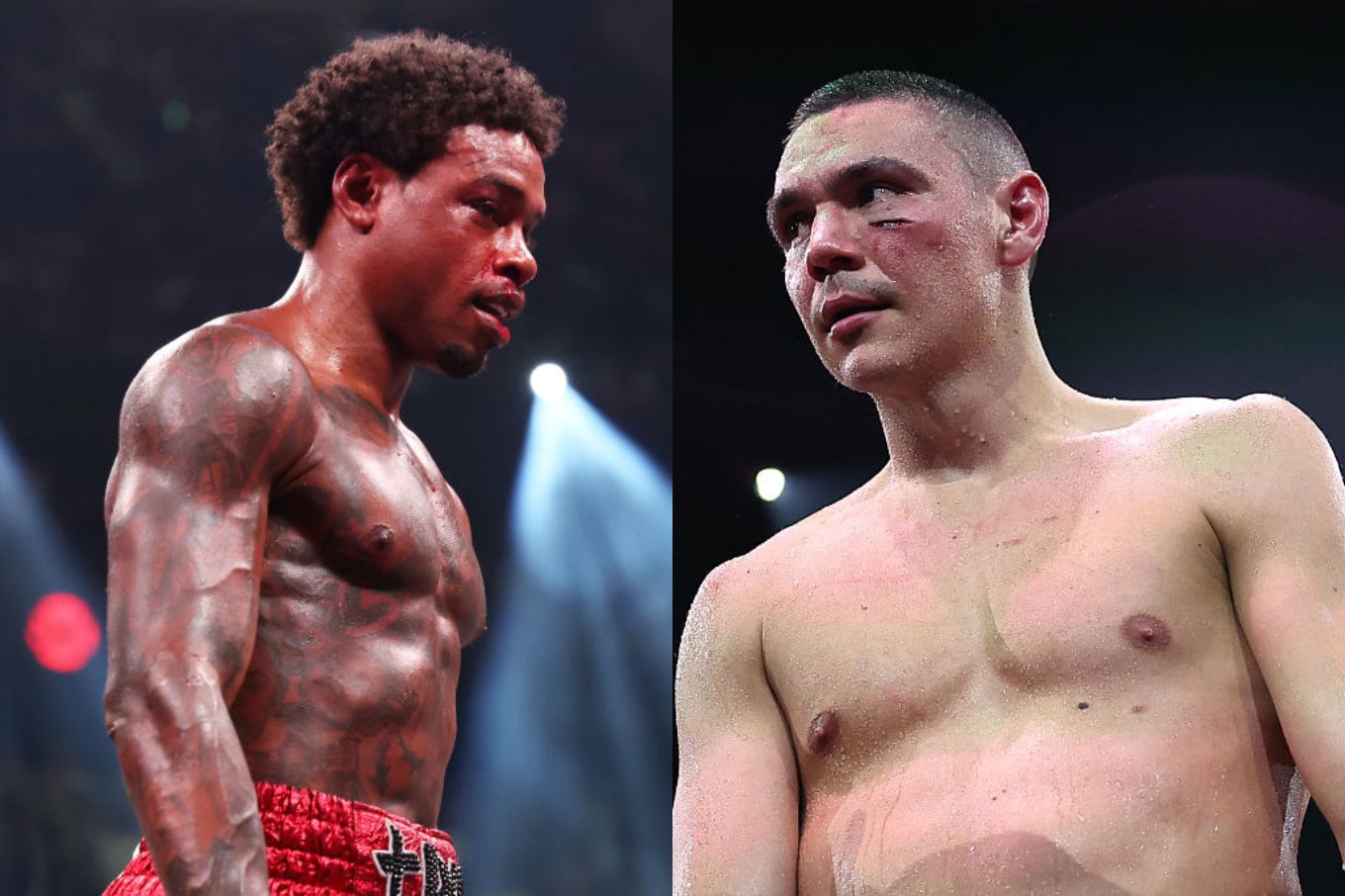

  • Errol Spence Jr. vs. Tim Tszyu: How to Watch the Middleweight Pay-Per-View

    Errol Spence Jr. vs. Tim Tszyu: How to Watch the Middleweight Pay-Per-View

    The highly anticipated middleweight boxing match between Errol Spence Jr. and Tim Tszyu can be streamed live online through designated pay-per-view platforms. This event represents a significant moment in the boxing calendar, drawing global attention to the middleweight division. Fans must purchase access to the pay-per-view broadcast to watch the fight as it unfolds.

    This particular bout has generated considerable buzz within the combat sports community. Both fighters possess impressive resumes and distinct fighting styles. Their clash is expected to be a strategic and powerful display of boxing prowess.

    The Fighters: Errol Spence Jr.

    Errol Spence Jr. enters this contest as a highly decorated American professional boxer. He is known for his aggressive, southpaw style and formidable body punching. Spence has held multiple world championships in the welterweight division, unifying titles during his career.

    His professional record reflects a career marked by significant victories. He has faced and defeated several top-tier opponents. His transition or continued presence in the middleweight division adds another layer of intrigue to his career trajectory.

    Spence’s journey includes overcoming significant personal challenges, including a serious car accident in 2019. His return to elite competition after such an event solidified his reputation for resilience. This narrative often resonates deeply with sports fans.

    His technical skill, combined with his power, makes him a dangerous opponent for anyone in his weight class. The anticipation for his performance against Tszyu is palpable among boxing analysts and fans alike.

    The Challenger: Tim Tszyu

    Tim Tszyu, an Australian professional boxer, comes from a renowned boxing lineage. He is the son of former unified light-welterweight world champion Kostya Tszyu. This heritage often places additional expectations on his performances.

    Tszyu has carved out his own successful career, establishing himself as a formidable presence in the super-welterweight and now middleweight divisions. He is recognized for his powerful right hand and relentless pressure style.

    His professional record is largely unblemished, featuring a series of dominant victories. Tszyu has demonstrated a consistent ability to finish opponents. He has also shown a capacity to adapt within fights.

    This fight against Spence Jr. represents one of the most significant challenges of his career. It offers an opportunity to elevate his status on the global boxing stage. A victory would undoubtedly solidify his position as a top middleweight contender.

    Why This Fight Matters

    The Spence Jr. vs. Tszyu matchup carries substantial implications for the middleweight division. Both fighters are at or near their athletic primes. Their styles are expected to create an exciting and competitive encounter.

    For Spence Jr., a victory would reaffirm his status as one of boxing’s elite, potentially paving the way for further unification bouts. It would also demonstrate his ability to perform at a high level across different weight classes.

    For Tszyu, defeating a fighter of Spence Jr.’s caliber would be a career-defining moment. It would significantly boost his international profile and open doors to other major fights. This is a chance for him to step out of his father’s shadow even further.

    The fight also contributes to the broader narrative of boxing’s evolving landscape. It showcases how top fighters are willing to face each other in high-stakes contests. This commitment to competitive matchups is crucial for the sport’s health and appeal.

    Understanding Pay-Per-View Access

    Pay-per-view (PPV) events are a cornerstone of modern boxing broadcasts. They allow promoters and broadcasters to monetize high-demand fights directly from consumers. Viewers pay a one-time fee to access the live broadcast.

    The cost of PPV events can vary depending on the platform and region. These fees contribute to the substantial purses earned by the fighters. They also cover the production costs associated with a major sporting event.

    Accessing a PPV typically involves purchasing the event through a dedicated streaming service or traditional cable/satellite provider. Online platforms have become increasingly popular for their convenience and accessibility.

    How to Purchase the Livestream

    To watch the Errol Spence Jr. vs. Tim Tszyu fight online, viewers will need to identify the official broadcasters or streaming partners. These partners typically announce their PPV offerings well in advance of the fight date.

    Common platforms for boxing PPV events include major sports streaming services. These services often have dedicated sections for live events. Users typically create an account, purchase the event, and then access the stream on fight night.

    It is important to ensure that the chosen platform is legitimate and authorized to broadcast the event. Unauthorized streams can suffer from poor quality, interruptions, or legal issues. Official sources provide the best viewing experience.

    Viewers should also check for regional restrictions. Some broadcasts may only be available in specific countries or territories. VPN services can sometimes circumvent these restrictions, but their legality and effectiveness can vary.

    The Undercard and Event Details

    Beyond the main event, boxing pay-per-views often feature a robust undercard. These preliminary fights showcase other talents and build anticipation for the headliner. The undercard typically includes a mix of rising prospects and established contenders.

    Details regarding the full fight card, including the undercard bouts, are usually released closer to the event date. These details can influence the overall value proposition of the PPV purchase. A strong undercard adds significant appeal.

    The event location and time are also critical pieces of information for viewers. Fight times are often adjusted to accommodate prime-time viewing in different global markets. This can mean early morning or late-night viewing for some international audiences.

    Official announcements from promoters and broadcasters will confirm the exact date, time, and venue. These details are essential for planning viewing parties or personal schedules around the event.

    Training Camps and Preparation

    Both Errol Spence Jr. and Tim Tszyu undergo rigorous training camps in preparation for a fight of this magnitude. These camps involve intense physical conditioning, sparring sessions, and strategic planning. Fighters often relocate to specialized training facilities.

    Spence Jr. is known for his disciplined approach to training. He works with a dedicated team of coaches and nutritionists. His preparation focuses on maximizing his endurance and sharpening his technical skills.

    Tszyu’s camps are similarly demanding. He emphasizes strength and conditioning, often incorporating unique training methods. His team focuses on exploiting opponent weaknesses and refining his aggressive style.

    The mental aspect of preparation is also crucial. Fighters must maintain focus and manage the pressure associated with a high-profile event. Media obligations and fan expectations add to this mental load.

    Reports from training camps often provide insight into the fighters’ physical condition and strategic approaches. These reports help build anticipation among fans. They also inform expert predictions for the fight’s outcome.

    The Impact of Fan Engagement

    Fan engagement plays a crucial role in the success of any major boxing event. Social media platforms amplify discussions, predictions, and reactions leading up to and during the fight. This digital interaction creates a shared experience for viewers.

    Promotional activities, including press conferences and open workouts, further fuel fan interest. These events allow fighters to showcase their personalities and build narratives. They also provide opportunities for direct interaction with the media.

    The pay-per-view model relies heavily on this fan enthusiasm. A strong narrative and compelling fighter personalities can significantly boost PPV buys. The personal stories of athletes, their struggles, and their triumphs resonate deeply.

    The global reach of online streaming ensures that fans from various countries can participate in the excitement. This broad access contributes to the event’s overall cultural impact. It transforms a boxing match into a global spectacle.

    Anticipation builds. Narratives unfold. Champions emerge.

    Boxing.


  • Andy Roddick’s Acting Debut in ‘The Dink’ – Jake Johnson Praises Performance

    Andy Roddick’s Acting Debut in ‘The Dink’ – Jake Johnson Praises Performance

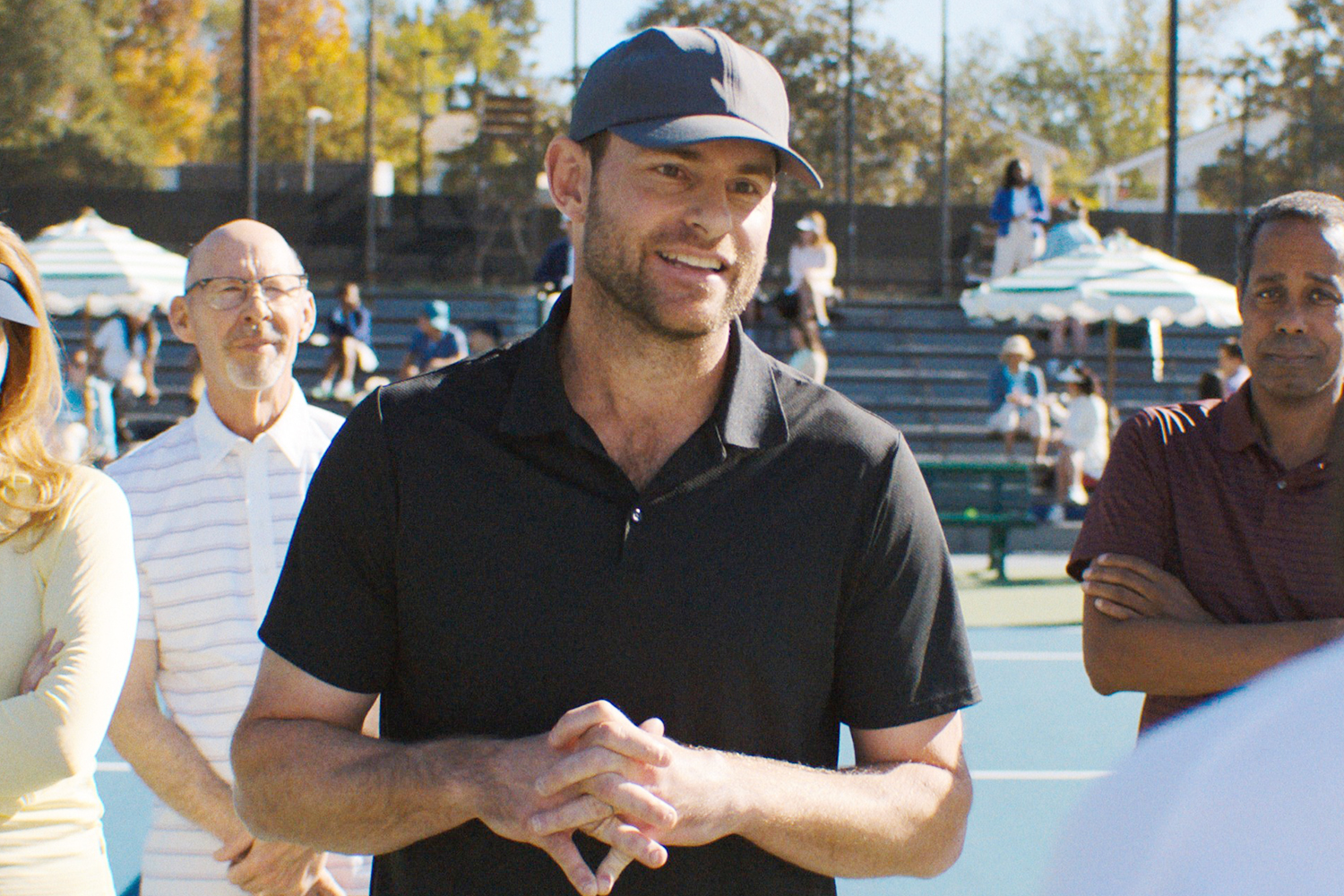
    Andy Roddick, the former professional tennis player, is making his acting debut in the film titled ‘The Dink.’ This cinematic venture sees Roddick stepping into a new arena, moving from the tennis court to the silver screen. His co-star, Jake Johnson, has offered enthusiastic praise for Roddick’s performance, specifically commending his comedic talents and natural on-screen presence. Johnson stated that Roddick is “always funny, but he’s on another level in this movie,” signaling a notable and impactful debut.

    This transition marks a significant career development for Roddick. It introduces him to a new audience while also intriguing his existing fanbase. The project itself is expected to draw considerable interest, merging the worlds of professional sports and entertainment.

    From Grand Slams to Green Screens: Roddick’s New Chapter

    Andy Roddick’s career on the professional tennis circuit was marked by significant achievements. He was known for his powerful serve and competitive spirit. Roddick achieved a Grand Slam title, winning the US Open in 2003.

    His career spanned more than a decade at the highest levels of the sport. Roddick’s retirement from professional tennis allowed for exploration of new interests. This acting role in ‘The Dink’ represents one such new direction.

    The move into acting is not entirely unprecedented for athletes. Many sports figures have attempted transitions into film and television. Roddick’s existing public persona, known for its wit and candor, may translate well to comedic roles.

    His presence in ‘The Dink’ is anticipated to be a major draw. Fans of tennis will likely be curious to see his performance. Film enthusiasts, particularly those interested in sports-themed comedies, will also take note.

    Jake Johnson’s Endorsement: A Sign of Quality

    Jake Johnson, an established actor known for his roles in television series like ‘New Girl’ and films such as ‘Spider-Man: Into the Spider-Verse,’ provides a credible endorsement. Johnson’s praise carries weight within the industry. His comments suggest that Roddick’s performance is more than a mere celebrity cameo.

    Johnson’s specific words, “He’s always funny, but he’s on another level in this movie,” indicate a standout comedic turn. This level of commendation from a seasoned actor implies genuine talent. It suggests Roddick’s role is substantial and well-executed.

    The collaboration between Johnson and Roddick likely involved significant on-set interaction. Johnson’s observations would be based on direct experience. This makes his praise particularly valuable in assessing Roddick’s acting ability.

    An actor’s first major role can be challenging. A strong endorsement from a co-star can significantly boost confidence and public perception. It also sets positive expectations for the film’s release.

    ‘The Dink’: What We Know About the Film

    Details about ‘The Dink’ remain somewhat under wraps. The title itself suggests a connection to tennis terminology. A “dink” in tennis refers to a soft shot, often a drop shot, designed to land just over the net. This could imply a comedic take on the sport or a metaphorical application of the term.

    The genre is widely expected to be comedy. Roddick’s natural humor aligns with this expectation. Jake Johnson’s background also leans heavily into comedic roles, further supporting this assumption.

    The production team and director have not been widely publicized yet. However, the involvement of actors like Johnson suggests a certain level of industry backing. The film’s premise is likely to revolve around a sports theme, given Roddick’s background.

    Further announcements regarding the plot, cast, and release date are anticipated. These details will provide a clearer picture of the film’s scope and potential impact. The initial news focuses primarily on Roddick’s surprising and praised acting turn.

    The Athlete-Actor Pipeline: A Historical Perspective

    The transition of athletes into acting is a well-established phenomenon in Hollywood. Many sports figures have successfully navigated this career change. This history provides context for Roddick’s current endeavor.

    Early Examples in Film

    Johnny Weissmuller, an Olympic swimmer, famously transitioned to play Tarzan in the 1930s. He became synonymous with the character. His physical prowess and screen presence made him a natural fit for action-adventure roles.

    Jim Brown, a legendary NFL running back, had a significant acting career. He starred in films like ‘The Dirty Dozen’ and ‘100 Rifles.’ Brown’s roles often leveraged his tough, commanding presence.

    Modern Era Transitions

    Dwayne “The Rock” Johnson, a former professional wrestler, has become one of Hollywood’s highest-grossing actors. His career demonstrates the potential for athletes to achieve massive success. Johnson’s charisma and physicality are central to his appeal.

    Michael Jordan, a basketball icon, starred in the 1996 film ‘Space Jam.’ While a more unique project, it showcased the crossover appeal of sports stars. The film blended live-action and animation.

    Shaquille O’Neal, another NBA legend, also pursued acting. He appeared in films such as ‘Kazaam’ and ‘Steel.’ His acting career was less critically acclaimed but demonstrated his willingness to explore entertainment.

    Ronda Rousey, a former UFC fighter, has appeared in action films like ‘Furious 7’ and ‘The Expendables 3.’ Her athletic background provided a strong foundation for these roles.

    The Challenge of Authenticity

    Not all athlete transitions are equally successful. The challenge often lies in convincing audiences of their acting authenticity. Some athletes struggle to shed their sports persona for a new character.

    Roddick’s comedic turn in ‘The Dink’ might be a strategic choice. Comedy often allows for a more natural, less dramatic entry into acting. His existing wit could be a significant asset.

    The success of these transitions often depends on several factors. These include natural talent, dedicated training, and the right project. Roddick’s choice of ‘The Dink’ and Johnson’s praise suggest a promising start.

    Roddick’s Post-Tennis Career: From Analyst to Actor

    Following his retirement from professional tennis, Andy Roddick remained active in the public eye. He transitioned into a role as a tennis analyst and commentator. His insights and humor were well-received by fans.

    Roddick has worked with various sports broadcasting networks. His commentary often provides a candid and knowledgeable perspective on the game. This role kept him connected to the sport that defined his early career.

    He also engaged in philanthropic efforts. Roddick established the Andy Roddick Foundation, focusing on youth development. His commitment to community work has been a consistent aspect of his post-playing days.

    The move into acting represents another significant diversification of his career. It shows a willingness to explore different creative avenues. This latest venture expands his public profile beyond sports. It positions him as a figure with broad appeal.

    The Impact on ‘The Dink’s’ Marketing and Reception

    Andy Roddick’s involvement in ‘The Dink’ will undoubtedly influence its marketing strategy. His name recognition alone will attract attention. The film can leverage his existing fanbase in sports.

    Promotional materials will likely highlight his debut. Interviews with Roddick and Johnson will be key. These will build anticipation and explain the nature of Roddick’s role.

    The film’s reception will be closely watched. Critics and audiences will evaluate Roddick’s performance with keen interest. His success could pave the way for future acting roles.

    A positive critical and audience response would validate his career shift. It would also contribute to the film’s overall box office success. The novelty of his debut is a significant selling point.

    Conversely, a lukewarm reception could make future acting opportunities more challenging. The stakes are high for Roddick’s first major cinematic effort. The early praise from Jake Johnson provides a strong foundation.

    The film’s performance will also be a test of the broader appeal of sports figures in non-sports roles. If ‘The Dink’ performs well, it could encourage more athletes to pursue acting. It reinforces the idea that talent can transcend specific fields.

    The Role of Comedy in Athlete Transitions

    Comedy often serves as an accessible entry point for athletes into acting. The genre can forgive some initial stiffness or inexperience. Natural charisma and timing are often more important than dramatic range in comedic roles.

    Andy Roddick has a reputation for quick wit and a personable demeanor. These traits are highly valuable in comedy. They allow an actor to connect with the audience on a more immediate level.

    Many successful athlete-actors started in roles that played to their existing strengths. For Roddick, this strength appears to be humor. ‘The Dink’ may be tailor-made to showcase this aspect of his personality.

    The contrast between his intense athletic past and a lighthearted comedic role can also be appealing. Audiences enjoy seeing different facets of public figures. This can create a unique draw for the film.

    The choice of a comedic film for a debut is often strategic. It can lower the pressure compared to a heavy dramatic role. It allows the actor to ease into the craft while entertaining the audience.

    The success of ‘The Dink’ may well hinge on Roddick’s ability to capitalize on his comedic timing. Jake Johnson’s positive assessment suggests he has done just that. This bodes well for his future in the entertainment industry.

    The tennis world watches. The film industry watches. The audience anticipates.

    A new star rises.

  • Jake Paul and the NFL: Celebrity Ambition Meets Professional Sports

    Jake Paul and the NFL: Celebrity Ambition Meets Professional Sports

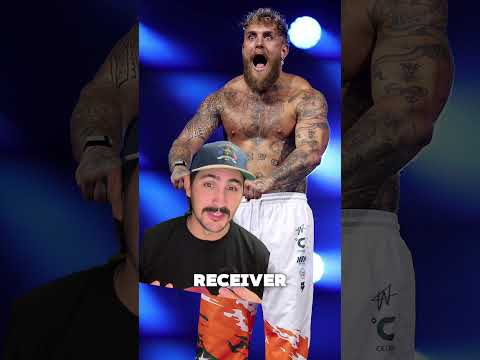
    Jake Paul, a figure recognized for his extensive social media presence and his subsequent career as a professional boxer, has publicly stated that he has engaged in discussions with multiple National Football League (NFL) teams. This claim, initially reported by TMZ, has immediately fueled widespread speculation and debate regarding the feasibility of such a transition and the increasing blur between celebrity status and the demanding world of professional sports. Paul’s trajectory from online entertainer to combat sports athlete provides a unique context for these new aspirations, positioning him at the center of a discussion about ambition, talent, and the evolving landscape of athletic careers.

    The announcement underscores a broader trend where personalities from outside traditional sports attempt to cross into established professional leagues. Paul’s journey, marked by high-profile boxing matches against former MMA fighters and other celebrities, has consistently drawn significant viewership and revenue. His potential entry into the NFL, if materialized, would represent one of the most unconventional career shifts in modern sports history, challenging conventional notions of athlete development and recruitment.

    The Genesis of a Crossover Claim

    Jake Paul’s statement about NFL team discussions emerged in July 2026. The specific teams involved in these alleged talks have not been publicly identified by Paul or any NFL entity. This lack of specific detail has contributed to both intrigue and skepticism among sports analysts and fans.

    Paul’s athletic background, while unconventional for an NFL hopeful, is not entirely devoid of competitive experience. He has participated in several professional boxing bouts, securing victories against notable opponents. This combat sports experience, however, differs significantly from the physical and strategic demands of American football.

    His previous athletic endeavors included high school wrestling, a common starting point for many professional athletes. However, his focus shifted dramatically toward digital content creation and, more recently, professional boxing. The leap from these disciplines to the NFL’s elite level is considered substantial by many.

    Celebrity Influence in Professional Sports

    The notion of a prominent celebrity like Jake Paul attempting to enter a major professional sports league highlights the growing influence of digital fame. In an era where social media reach can translate into significant marketing power, individuals with large followings often find pathways into industries traditionally reserved for highly specialized talent.

    Paul’s brand is built on disruption and spectacle. His boxing matches have often been criticized for their entertainment value outweighing their competitive merit, yet they consistently attract pay-per-view audiences. Transferring this draw to the NFL could offer unprecedented marketing opportunities for any team willing to take such a risk.

    This situation also raises questions about meritocracy in professional sports. Critics argue that such a move, if not based on proven football prowess, could undermine the integrity of the league. Proponents might suggest it injects new interest and expands the NFL’s audience.

    Previous Crossovers and Their Outcomes

    While rare, crossovers between different sports are not unprecedented. Michael Jordan famously transitioned from basketball to minor league baseball in the 1990s. His endeavor, while generating immense media attention, did not result in a successful Major League Baseball career.

    Other athletes have moved between sports with more success, often within related disciplines. Herschel Walker, a Heisman Trophy winner in college football, also competed in the Olympics as a bobsledder and later in mixed martial arts. These transitions, however, typically involved individuals with exceptional, multi-sport athletic pedigrees from a young age.

    The key distinction for Paul lies in his primary identity as a digital celebrity and boxer, rather than a lifelong football player. His potential entry would therefore be viewed through a different lens than a traditional athlete switching disciplines.

    The Rigors of the NFL

    The National Football League is widely regarded as one of the most physically demanding and strategically complex professional sports leagues globally. Success in the NFL requires a unique combination of speed, strength, agility, endurance, and highly specialized technical skills developed over many years.

    NFL players typically begin their football careers in youth leagues, progressing through high school and college programs. This extensive developmental pipeline allows for the cultivation of specific positional skills, tactical understanding, and the physical conditioning necessary to withstand the brutal nature of the game.

    The average NFL career length is relatively short, often due to the intense physical toll. Players compete at the peak of athletic performance, making any late entry or a transition from a vastly different sport a significant challenge.

    Positional Considerations

    If Paul were to genuinely pursue an NFL career, his potential position would be a subject of intense speculation. His size and boxing-honed athleticism might suggest roles requiring explosive power or specific tackling abilities.

    However, the nuanced skill sets of positions like quarterback, wide receiver, or defensive back require years of specialized training and game experience. Even roles like kick returner or special teams gunner demand exceptional speed, agility, and a deep understanding of football schemes.

    Any team considering Paul would need to assess his raw athletic potential against his profound lack of conventional football experience. This would likely involve extensive tryouts and a willingness to invest significant coaching resources.

    Public Reaction and Media Scrutiny

    Jake Paul’s claim has predictably generated a wide spectrum of public reactions. Many sports enthusiasts and commentators express skepticism, viewing the announcement as a publicity stunt or an unrealistic aspiration.

    Social media platforms have been inundated with discussions, memes, and opinion pieces analyzing the likelihood of Paul ever stepping onto an NFL field. The debate often centers on whether Paul possesses the necessary talent, dedication, and background to compete at the highest level of professional football.

    Media outlets, including TMZ, which broke the initial claim, continue to cover the story, highlighting its entertainment value. The narrative surrounding Paul’s NFL ambitions plays into broader cultural discussions about celebrity, authenticity, and the pursuit of unconventional dreams.

    The Role of Speculation

    In the absence of official confirmation from NFL teams, speculation remains rampant. Some argue that Paul’s statements are a strategic move to maintain relevance and generate buzz, a tactic he has employed successfully throughout his career.

    Others consider the possibility, however remote, that an NFL team might genuinely be interested in Paul, not necessarily for his immediate playing ability, but for the enormous media attention and potential revenue he could bring. This perspective acknowledges the commercial aspects of professional sports.

    Regardless of the outcome, Paul’s announcement has successfully drawn attention to himself and the ongoing conversation about celebrity involvement in professional athletic endeavors.

    The Business of Sports and Entertainment

    The potential intersection of Jake Paul’s brand with the NFL underscores the increasing convergence of sports and entertainment industries. Modern professional sports leagues often seek personalities who can transcend the athletic arena and capture broader public interest.

    Paul’s proven ability to market himself and generate massive online engagement could be a valuable asset for a team looking to expand its fan base, particularly among younger demographics. His social media following numbers in the tens of millions across various platforms.

    However, the NFL maintains a carefully curated image of athletic excellence and competitive integrity. Any decision to bring in a celebrity with limited football experience would need to be weighed against potential impacts on this brand identity.

    Financial Implications

    Should an NFL team seriously consider Jake Paul, the financial implications would be multifaceted. Beyond a potential player salary, the marketing opportunities could be substantial. Jersey sales, increased viewership, and sponsorship deals could all see a boost.

    Conversely, there are financial risks. A high-profile, underperforming player could lead to negative public relations and fan backlash. Teams would need to carefully calculate the return on investment for such an unconventional signing.

    The discussion also extends to the broader economic model of sports entertainment, where individual celebrity can sometimes overshadow traditional team-based narratives. Paul’s situation exemplifies this modern dynamic.

    What Comes Next?

    As of July 2026, Jake Paul’s claims remain unverified by the NFL or any specific team. The next steps would likely involve concrete actions: official tryouts, signed contracts, or public statements from NFL organizations.

    Without such developments, Paul’s statements will likely continue to fuel debate and serve as a case study in celebrity-driven news cycles. His history suggests a knack for generating attention and pursuing ambitious, often unexpected, career paths.

    The sports world awaits further details, assessing the sincerity and feasibility of this latest claim. Whether it culminates in an actual NFL appearance or remains a topic of conversation, Paul has once again demonstrated his capacity to command headlines.

    The world watches. The sports community debates. The entertainment industry buzzes.

    Jake Paul.


  • Bronny James’ Ignorance: The LeBron Signing Mystery – A Family Dynamic

    Bronny James’ Ignorance: The LeBron Signing Mystery – A Family Dynamic

    The Public Statement and Its Immediate Impact

    Bronny James, son of NBA icon LeBron James, recently made a public declaration regarding his father’s impending free agency. He stated unequivocally that he does not know where LeBron James will sign. This admission, captured by TMZ, immediately injected a new layer of intrigue into one of the NBA’s most closely watched off-season narratives.

    The statement from the younger James has been interpreted in various ways. Some view it as a genuine expression of a son’s limited knowledge about his father’s professional dealings. Others suggest it could be a deliberate strategy to deflect media attention or manage expectations around a highly scrutinized family.

    Regardless of the underlying intent, the comment underscores the unique pressures experienced by the James family. Every action and utterance from either Bronny or LeBron is subject to intense public and media scrutiny, especially concerning their intertwined basketball careers.

    LeBron James’ Free Agency Context

    LeBron James’ free agency is consistently one of the most significant events in the National Basketball Association’s calendar. His decisions have historically reshaped league power dynamics and championship aspirations for multiple franchises. As of July 2026, speculation about his next move is rampant across sports media.

    Teams across the league are reportedly preparing significant offers. Analysts frequently discuss potential destinations that would maximize his legacy, championship window, or even align with his family’s preferences. The stakes are consistently high for any team hoping to acquire his services.

    The current free agency period follows a career marked by strategic moves. James has famously moved between franchises, including two stints with the Cleveland Cavaliers and his tenure with the Miami Heat, before joining the Los Angeles Lakers. Each decision has been a seismic event in professional sports.

    Previous Free Agency Decisions

    LeBron James’ free agency periods have often been characterized by intense speculation and dramatic announcements. His 2010 decision, broadcast on ESPN in a special titled “The Decision,” saw him depart Cleveland for the Miami Heat. This move created a “Big Three” alongside Dwyane Wade and Chris Bosh, leading to two NBA championships.

    In 2014, James returned to the Cleveland Cavaliers, fulfilling a promise to his home state. This second tenure culminated in a historic championship in 2016, overcoming a 3-1 deficit against the Golden State Warriors. His departure from Cleveland in 2018 to join the Los Angeles Lakers marked another significant shift, aiming to bring a championship to a storied franchise in a new conference.

    Each of these decisions involved complex negotiations, family considerations, and a weighing of competitive opportunities. Public statements from family members, while not always direct, have frequently been part of the broader narrative surrounding these pivotal career moments.

    The Bronny James Factor

    Bronny James’ own burgeoning basketball career adds another layer of complexity to his father’s professional choices. As an emerging talent, Bronny’s path to the NBA has been closely watched, often in conjunction with his father’s desire to play alongside him.

    Bronny James was drafted into the NBA in the 2024 NBA draft. His selection by the Los Angeles Lakers created a unique situation, as it placed him on the same roster as his father. This move was widely seen as a fulfillment of LeBron James’ long-expressed wish to share an NBA court with his son.

    The father-son duo playing on the same professional team represented a historic milestone. It garnered immense media attention and significantly impacted the Lakers’ public image and marketing strategies. This dynamic makes Bronny’s recent statement all the more intriguing, suggesting a potential separation of their professional trajectories, or at least, public knowledge of them.

    Navigating Public and Private Lives

    For high-profile athletes and their families, the boundary between public and private life is often blurred. Every interaction, especially those captured by media outlets like TMZ, becomes fodder for public consumption and analysis. Bronny James’ remark is a prime example of this phenomenon.

    The statement itself was brief, but its implications are far-reaching. It forces a consideration of how much a family member, even a grown son, is privy to an NBA superstar’s confidential career negotiations. It also raises questions about strategic communication within such a public family.

    This situation is not isolated. Other athletes and their families have navigated similar challenges. The consistent media presence means that even casual remarks can take on outsized importance, shaping public perception and influencing narratives that extend beyond the basketball court.

    Media Scrutiny and Speculation

    The TMZ video of Bronny James immediately went viral across social media platforms and sports news outlets. Commentators and fans alike began dissecting the brief interaction, searching for deeper meaning or hidden clues about LeBron James’ intentions.

    Sports analysts on major networks such as ESPN and TNT discussed the statement extensively. Some suggested it indicated a genuine lack of information, perhaps due to the sensitive nature of contract negotiations. Others speculated about potential rifts or a deliberate attempt to create distance between father and son regarding career decisions.

    The media’s role in amplifying such statements is crucial. A short video clip can become a national talking point, driving engagement and conversation for days. This constant scrutiny often puts pressure on individuals like Bronny James, who are navigating their own careers while under the shadow of a legendary parent.

    The Role of Paparazzi and Tabloid Media

    TMZ, known for its celebrity news coverage, frequently captures candid moments with public figures. Their reporting style often emphasizes direct quotes and visual evidence, which can sometimes remove context or amplify perceived drama. The interaction with Bronny James exemplifies this approach.

    The nature of tabloid media ensures that any statement from a member of the James family will be widely disseminated. This creates a challenging environment for managing public perception. Even a simple, honest answer can be misconstrued or sensationalized for headlines.

    For athletes, learning to navigate these media encounters is part of their professional development. Deciding what to share, how to share it, and when to remain silent becomes a strategic consideration, especially when family members are involved.

    The Business of Basketball and Family

    LeBron James is not just an athlete; he is a global brand and a significant business entity. His career decisions involve complex financial considerations, endorsement deals, and the management of a vast business empire. These factors often extend beyond the simple act of playing basketball.

    The decision of where to sign involves agents, legal teams, financial advisors, and family discussions. It is a multi-faceted process that rarely includes all members of an athlete’s inner circle in every detail. Confidentiality is paramount, especially during sensitive negotiation phases.

    Bronny James, as an emerging NBA player himself, is also building his own brand and career. While intertwined with his father’s legacy, he also seeks to establish his own identity and professional path. This dual dynamic creates a unique set of challenges in managing public expectations and personal aspirations.

    Future Implications for the James Family

    The public nature of LeBron James’ free agency and Bronny’s comments will likely continue to shape narratives around the family. Whether LeBron ultimately signs with a new team or re-signs with his current one, the discussion will inevitably touch upon the family’s role in the decision-making process.

    The public will continue to observe how Bronny’s career develops, both independently and in relation to his father’s. The desire for them to play together has been a significant storyline, but the realities of NBA team building and individual career trajectories can be complex.

    Ultimately, the James family navigates a unique intersection of sports, celebrity, and business. Their actions and statements are not just personal choices; they are public events that resonate throughout the sports world and beyond.

    The NBA free agency period brings intense focus. Players weigh options. Teams present their cases. Fans anticipate announcements. Media outlets analyze every rumor. Bronny James’ statement added a surprising twist to this familiar cycle.

    The private family discussions. The public speculation. The media engagement.

    The constant scrutiny.

    The James family.


  • NFL Star Challenges Pat McAfee Over ESPN Layoffs – “Is Everybody Fired To Pay You?”

    NFL Star Challenges Pat McAfee Over ESPN Layoffs – “Is Everybody Fired To Pay You?”

    An unnamed NFL star recently posed a direct challenge to sports media personality Pat McAfee regarding the ongoing layoffs at ESPN. The star’s question, delivered publicly, highlighted a perceived connection between McAfee’s substantial contractual earnings and the job losses experienced by numerous ESPN employees. This public inquiry amplified existing discussions surrounding the financial strategies of major media conglomerates and the compensation structures for high-profile talent.

    The exchange quickly garnered attention across social media platforms and sports news outlets. It brought into sharp relief the difficult balance media companies face between securing top-tier talent and maintaining a stable workforce. The incident serves as a significant marker in the evolving narrative of sports broadcasting economics in 2026.

    The Context of ESPN Layoffs

    ESPN, a subsidiary of The Walt Disney Company, has implemented several rounds of significant layoffs over recent years. These workforce reductions have impacted various departments, including production, editorial, and on-air talent. The stated reasons for these layoffs often cite economic pressures, shifts in consumer viewing habits, and a strategic realignment towards digital platforms.

    In 2023, ESPN announced substantial job cuts affecting hundreds of employees. These reductions were part of a broader cost-cutting initiative across Disney’s entertainment divisions. Further consolidation and workforce adjustments continued into 2024, reflecting a challenging period for traditional media outlets.

    The company has been navigating a complex media landscape characterized by declining cable subscriptions and increasing competition from streaming services. These financial pressures necessitate difficult decisions regarding operational costs and personnel.

    Impact on ESPN Personnel

    The layoffs have led to the departure of many long-tenured and respected individuals. Journalists, producers, and on-air personalities, some with decades of experience at the network, were among those let go. This created a sense of instability and concern among the remaining staff.

    The human cost of these corporate decisions often translates into significant personal and professional disruption for those affected. Many former ESPN employees have publicly shared their experiences, underscoring the emotional and financial toll of job displacement.

    Pat McAfee’s ESPN Deal

    Pat McAfee, a former NFL punter, transitioned into a highly successful career in sports media. His rise to prominence was marked by his engaging personality and unconventional approach to sports commentary. McAfee cultivated a large and dedicated following through his podcast and various media appearances.

    In 2023, McAfee signed a lucrative multi-year deal with ESPN. This agreement brought his popular program, “The Pat McAfee Show,” exclusively to the network. The financial terms of the deal were not officially disclosed but were widely reported to be substantial, reportedly $85 million over five years.

    The acquisition of McAfee was seen as a strategic move by ESPN to attract younger audiences and bolster its presence in the digital sports media space. His show’s integration into ESPN’s programming schedule was a high-profile event.

    Previous Media Engagements

    Before his exclusive ESPN deal, McAfee had established partnerships with other major media entities. He had a notable presence on FanDuel, a prominent sports betting company, and made regular appearances on WWE programming. These earlier ventures showcased his ability to draw significant viewership and engagement.

    His independent production model allowed him considerable creative control and flexibility. The move to ESPN represented a shift towards a more traditional corporate media structure, albeit one that still largely accommodated his unique style.

    The NFL Star’s Public Challenge

    The public challenge to Pat McAfee came from J.J. Watt, a well-known NFL star. The star’s comment was reportedly made on a social media platform, quickly gaining traction and sparking widespread discussion. The directness of the question, “Did they keep anybody, or is everybody fired to pay you?” resonated with many observers.

    This question implied a direct correlation between McAfee’s large contract and the job losses at ESPN. It suggested that the financial resources allocated to securing high-profile talent might be at the expense of other employees’ job security.

    The timing of the comment was particularly impactful, coming amidst ongoing reports of ESPN’s continued workforce adjustments. It tapped into a broader sentiment of frustration regarding corporate priorities and wealth distribution within large organizations.

    Reactions and Interpretations

    The NFL star’s comment elicited a range of reactions. Some praised the star for speaking out and holding a prominent figure accountable. They viewed the question as a legitimate inquiry into the ethics of massive talent contracts during periods of company-wide layoffs.

    Others defended McAfee, arguing that his contract was a reflection of his market value and ability to generate revenue for ESPN. They contended that linking his salary directly to layoffs was an oversimplification of complex corporate financial decisions.

    The incident also highlighted the growing trend of public figures using their platforms to comment on sensitive corporate and economic issues. It underscored the power of social media to amplify such discussions and shape public perception.

    The Broader Debate on Media Economics

    This public exchange is not an isolated incident but rather a symptom of a larger debate concerning the economics of modern media. The traditional broadcast model is undergoing significant transformation, driven by technological advancements and changing consumer behaviors.

    Media companies are grappling with how to remain profitable in an environment where advertising revenue is shifting and subscription models are evolving. The investment in high-profile personalities like Pat McAfee is often seen as a strategy to secure exclusive content and attract new subscribers to streaming platforms.

    However, this strategy also raises questions about sustainability and equity. The perceived disparity between the compensation of top-tier talent and the job security of other employees can create internal tensions and public backlash.

    Talent Compensation vs. Workforce Stability

    The discussion often revolves around the perceived trade-off between investing heavily in star talent and maintaining a stable, well-compensated workforce. Companies argue that securing popular personalities is essential for competitive advantage and revenue generation.

    Critics, however, contend that such large contracts, especially during periods of layoffs, demonstrate a prioritization of short-term gains and celebrity appeal over the welfare of long-serving employees. This tension is not unique to ESPN or the sports media industry but is prevalent across many sectors of the entertainment and technology industries.

    The Role of Social Media in Accountability

    Social media platforms played a crucial role in the dissemination and amplification of the NFL star’s comment. These platforms provide a direct channel for public figures to voice opinions and for the public to engage with those opinions instantaneously. This direct interaction bypasses traditional media filters and can quickly shape narratives.

    The ability for a single tweet or post to ignite a national conversation underscores the power of these digital spaces. It also places a greater onus on public figures to consider the implications of their statements.

    For companies like ESPN, social media serves as a barometer of public sentiment. Negative reactions or criticisms, when widely shared, can impact brand perception and necessitate public responses or clarifications.

    Future Implications for Media Personalities

    The incident may prompt other media personalities and their employers to consider the optics of their contracts and public statements more carefully. In an era of increased scrutiny, the perceived connection between high salaries and job losses can be a potent source of criticism.

    It may also encourage more public figures to use their platforms to address corporate accountability. The willingness of an NFL star to challenge a prominent media personality on such a sensitive issue signals a growing trend of direct engagement on economic and ethical matters.

    The ongoing discussions about media economics, talent compensation, and corporate responsibility will likely continue to evolve. The public challenge to Pat McAfee serves as a potent reminder of the complexities and sensitivities involved in these issues.

    The sports world, the media industry, and the public watched.

    The questions remained.

    The debate continued.

    The financial realities persisted.

    ESPN.


  • Quinton ‘Rampage’ Jackson’s Altercation, Back in ‘Fighter Mode’

    Quinton ‘Rampage’ Jackson’s Altercation, Back in ‘Fighter Mode’

    The Public Altercation of Quinton ‘Rampage’ Jackson

    Former Ultimate Fighting Championship (UFC) star Quinton ‘Rampage’ Jackson was recently observed in a tense public altercation, an incident that quickly garnered attention from media outlets like TMZ. The situation was characterized by observers as Jackson reverting to his ‘fighter mode,’ a descriptor that immediately evokes his storied career in professional mixed martial arts.

    The exact circumstances surrounding the confrontation, including the precise location and the identities of other individuals involved, have not been fully detailed in initial reports. However, the report highlights the public nature of the event and the immediate recognition of Jackson’s aggressive posture.

    A Career Defined by ‘Fighter Mode’

    Quinton Ramone Jackson, widely known by his ring name ‘Rampage,’ built a career on his aggressive fighting style and powerful slams. Born on June 20, 1978, Jackson rose to prominence in the early 2000s, first in the Japanese Pride Fighting Championships before making a significant impact in the UFC.

    His career spanned over two decades, featuring memorable bouts and championships. Jackson’s ‘fighter mode’ was a hallmark of his professional persona, often leading to explosive finishes and fan-favorite performances inside the cage.

    Early Career and Pride FC Dominance

    Jackson began his professional mixed martial arts journey in November 1999. He quickly gained recognition for his athleticism and raw power. His tenure in Pride FC, from 2001 to 2006, established him as one of the most exciting light heavyweights in the world.

    During this period, he faced numerous high-profile opponents, including Kazushi Sakuraba, Chuck Liddell, and Wanderlei Silva. His rivalry with Silva, in particular, produced some of the most brutal fights in Pride’s history, solidifying his reputation for ferocity.

    UFC Championship and Mainstream Recognition

    Jackson transitioned to the UFC in 2007, making an immediate impact. He defeated Chuck Liddell at UFC 71 on May 26, 2007, to win the UFC Light Heavyweight Championship. This victory marked a significant moment in his career, elevating him to a global superstar.

    He successfully defended his title against Dan Henderson at UFC 75 on September 8, 2007, unifying the Pride Middleweight and UFC Light Heavyweight titles. Jackson’s time in the UFC was also notable for his coaching role on ‘The Ultimate Fighter’ reality television series, further increasing his mainstream appeal.

    The Public Eye and Athlete Conduct

    For athletes who have achieved high levels of fame, particularly in combat sports, public appearances often come with intense scrutiny. The line between a professional persona and personal conduct can become blurred, especially when incidents occur in public spaces.

    Jackson’s recent altercation underscores this challenge. The immediate media characterization of his behavior as ‘fighter mode’ reflects how deeply intertwined his public image is with his athletic career. This perception can impact how such incidents are interpreted by the public and media.

    Expectations for Public Figures

    Public figures, including retired athletes, are often held to a higher standard of conduct. Their actions can influence public opinion and shape the image of their sport. Mixed martial arts, in particular, has worked to shed earlier perceptions of being a ‘brutal’ sport, emphasizing discipline and sportsmanship.

    Incidents involving former stars can sometimes complicate these efforts. The media’s focus on an athlete’s past professional role, even in a non-professional context, highlights the enduring legacy of their careers.

    Legal and Reputational Ramifications

    Any public altercation can carry potential legal and reputational consequences. Depending on the specifics of the incident, individuals involved could face legal charges or civil lawsuits. For a public figure like Jackson, the reputational impact can be significant.

    Sponsorship deals, media opportunities, and public perception can all be affected by such events. The details of the TMZ report, while not specifying legal actions, bring the incident into the public discourse, prompting questions about its broader implications.

    The Role of Social Media and Viral Content

    In 2026, the rapid dissemination of information through social media platforms and viral content amplifies the reach of such incidents. A short video or a single report can quickly spread globally, shaping narratives and public opinion within hours.

    For celebrities, this means that every public interaction carries the potential to become a widely discussed event. The TMZ report, likely accompanied by video footage or eyewitness accounts, contributes to this immediate and widespread public engagement.

    Analyzing ‘Fighter Mode’ Outside the Octagon

    The term ‘fighter mode’ implies a reversion to trained instincts and aggressive tendencies developed over years of professional fighting. While these instincts are invaluable in a regulated combat environment, their manifestation in a public, unregulated setting can be problematic.

    Athletes often train for years to control their physical and mental responses under pressure. However, the psychological transition from a competitive environment to everyday life can sometimes be challenging, especially when confronted with stressful situations.

    Psychological Aspects of Retirement for Athletes

    Many professional athletes face significant psychological adjustments upon retirement. The loss of a structured routine, intense competition, and the adrenaline rush of performance can lead to difficulties. For combat athletes, managing ingrained aggressive responses in civilian life is a unique challenge.

    The incident involving Jackson could be viewed through this lens, examining how past training and competitive mindset might surface in unexpected situations, years after active competition has ended.

    Jackson’s Legacy and Future

    Quinton ‘Rampage’ Jackson’s legacy in mixed martial arts is firmly established. He is remembered as a powerful and entertaining fighter who left an indelible mark on both Pride FC and the UFC. His career included an impressive record and numerous highlight-reel moments.

    Beyond fighting, Jackson has also ventured into acting, appearing in films and television shows. His role as B.A. Baracus in the 2010 film adaptation of ‘The A-Team’ brought him further mainstream recognition, showcasing his versatile public persona.

    Continued Public Interest

    Despite his retirement from active competition, public interest in Jackson remains high. His colorful personality and storied career ensure that his actions, both professional and personal, continue to draw attention. This sustained interest is a testament to his impact on the sport and popular culture.

    The recent altercation, while potentially negative, reaffirms his status as a recognizable public figure whose activities are newsworthy. Media outlets continue to follow his life, reflecting a broader fascination with the lives of combat sports legends.

    The Broader Implications for MMA

    Incidents involving prominent mixed martial artists, even those retired, can have broader implications for the sport’s image. Mixed martial arts has evolved significantly, striving for legitimacy and widespread acceptance as a mainstream sport.

    Organizations like the UFC have invested heavily in promoting athlete professionalism and community engagement. Public altercations involving former champions can, at times, complicate these efforts, bringing back older stereotypes about the sport.

    Promoting Positive Role Models

    The promotion of positive role models is a key strategy for sports organizations. Athletes who demonstrate discipline, respect, and positive conduct both inside and outside their competitive arenas help to elevate the sport’s image.

    While individual incidents do not define an entire sport, they do contribute to ongoing public narratives. The discussion surrounding Jackson’s altercation serves as a reminder of the continuous effort required to maintain and enhance the public perception of mixed martial arts.

    Athletes gather. Media gathers. Public opinion gathers.

    Scrutiny.


  • Cam Newton’s ESPN Departure: Analyzing His Future in Broadcasting

    Cam Newton’s ESPN Departure: Analyzing His Future in Broadcasting

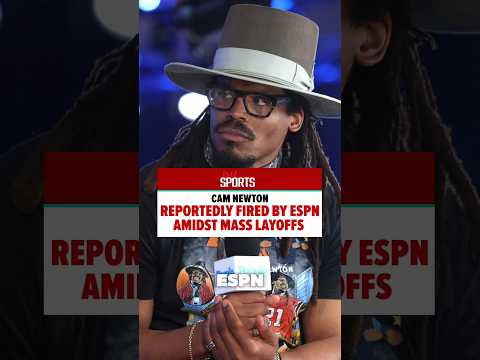
    Cam Newton has officially departed from ESPN as of July 2026, marking the end of his broadcasting tenure with the prominent sports network. This development has triggered widespread discussion across sports media and among fans, who are now speculating about the former NFL Most Valuable Player’s next career move.

    His exit from ESPN represents a significant transition in his post-playing career, opening new possibilities for his involvement in sports analysis, entertainment, or other ventures. The news, initially reported via a TMZ clip, highlights the dynamic nature of celebrity career paths following high-profile athletic careers.

    Newton’s Trajectory: From NFL MVP to Sports Analyst

    Cam Newton’s professional journey began with immense success in the National Football League. He was selected as the first overall pick in the 2011 NFL Draft by the Carolina Panthers. His rookie season immediately showcased his unique dual-threat capabilities as a quarterback.

    Newton quickly established himself as one of the league’s most exciting and dominant players. His career peaked in 2015 when he led the Carolina Panthers to Super Bowl 50 and was named the NFL’s Most Valuable Player. That season, he threw for 3,837 yards and 35 touchdowns, adding 636 rushing yards and 10 rushing touchdowns.

    Following his impactful playing career, which also included a stint with the New England Patriots, Newton transitioned into sports media. His charisma and strong personality made him a natural fit for television analysis, leading to his eventual role at ESPN.

    The ESPN Chapter: Contributions and Challenges

    Newton’s time at ESPN saw him contribute to various programs, offering his unique perspective on football. He appeared on shows such as Sunday NFL Countdown and SportsCenter, providing pre-game analysis, post-game commentary, and general football insights. His experience as a former elite quarterback brought an authentic voice to the network’s coverage.

    His broadcasting style, characterized by directness and often unconventional takes, resonated with a segment of the audience while also drawing scrutiny from others. Newton’s presence at ESPN was part of the network’s strategy to integrate former star athletes into its programming, leveraging their on-field expertise and name recognition.

    The exact duration of Newton’s contract with ESPN and the specific terms of his departure have not been publicly disclosed. However, the announcement confirms that his association with the network has concluded as of July 2026.

    Behind the Scenes: Factors in Media Departures

    Departures from major sports networks like ESPN can stem from a variety of factors. These often include the expiration of contracts, differing creative visions between talent and network executives, or the pursuit of new opportunities by the individual.

    Sometimes, talent seeks a platform that offers more creative control or a different audience demographic. Networks, in turn, continuously evaluate their on-air talent roster to align with evolving programming strategies and audience engagement metrics.

    The competitive landscape of sports broadcasting means that talent and networks are always seeking the best fit. High-profile personalities like Cam Newton often have multiple options for their media careers.

    The Broader Impact: Celebrity Career Transitions

    Cam Newton’s transition from an elite NFL player to a sports analyst, and now his departure from ESPN, mirrors a common trajectory for many high-profile athletes. The shift from the playing field to the broadcast booth is a well-trodden path, but sustaining a long-term media career requires a different set of skills.

    Success in broadcasting often depends on more than just athletic achievement; it requires strong communication skills, the ability to articulate complex ideas clearly, and a compelling on-screen presence. Athletes like Charles Barkley in basketball or Troy Aikman in football have successfully navigated this transition, becoming staples of sports commentary.

    Newton’s ongoing career evolution will be closely watched as he determines his next professional endeavor. His journey highlights the challenges and opportunities that arise when public figures pivot to new industries.

    What’s Next for Cam Newton? Exploring Future Possibilities

    With his ESPN chapter closed, speculation is rampant regarding Cam Newton’s next move. Several avenues could be explored by the former MVP.

    • Other Sports Networks: Major networks like Fox Sports, CBS Sports, or even emerging digital sports platforms could be potential destinations. Newton’s name recognition and analytical insights could be valuable assets.
    • Independent Media Ventures: Newton has previously engaged in independent content creation, including his YouTube channel. He could expand this presence, offering unfiltered commentary and interviews.
    • Coaching or Front Office Roles: While less directly related to broadcasting, a return to football in a coaching or management capacity remains a long-term possibility for many former players.
    • Entrepreneurship: Beyond sports, Newton has demonstrated entrepreneurial interests, particularly in fashion and lifestyle brands. He could further develop these ventures.
    • Entertainment Industry: His charismatic personality could open doors in other areas of the entertainment industry, including acting or reality television.

    Each of these paths presents a different set of challenges and opportunities. Newton’s decision will likely reflect his personal interests, career goals, and the platforms that best align with his vision.

    Fan and Media Reactions to the Departure

    The news of Cam Newton’s departure from ESPN has elicited a wide range of reactions. Many fans expressed surprise, while others voiced support for his future endeavors. Social media platforms became a hub for discussions, with users debating his impact at ESPN and his potential next steps.

    Sports media analysts have also weighed in, offering perspectives on what this means for both Newton and ESPN’s programming strategy. Some emphasize the network’s constant rotation of talent, while others focus on Newton’s unique contributions.

    The strong reactions underscore Newton’s enduring celebrity status and the significant interest people have in the careers of athletes who transcend their sport.

    The Evolving Landscape of Sports Media

    The sports media industry is in constant flux. Traditional broadcast networks like ESPN face competition from streaming services, digital-only platforms, and independent content creators. This evolving landscape creates both challenges and opportunities for talent.

    Athletes with established fan bases and strong personal brands can leverage these assets to create their own media empires, bypassing traditional gatekeepers. This trend has been observed with numerous former players who have launched successful podcasts, YouTube channels, and digital shows.

    Cam Newton’s next move will serve as another example of how high-profile figures adapt and innovate within this dynamic environment. His ability to connect with audiences and offer insightful commentary will remain key to his success, regardless of the platform.

    The professional landscape shifts. Contracts conclude. New opportunities arise.

    Cam Newton.


  • 2026 World Cup Final Shatters Viewership Records Across Fox & Telemundo

    2026 World Cup Final Shatters Viewership Records Across Fox & Telemundo

    The 2026 World Cup Final recorded a combined viewership of an unconfirmed number across its English-language broadcast on Fox and Spanish-language counterpart on Telemundo. This figure establishes a new all-time record for any World Cup match, signaling a significant milestone for soccer’s popularity in the United States. The substantial audience underscores the growing engagement with international football tournaments among American viewers.

    This record-breaking performance has immediate implications for future sports broadcasting strategies. The event showcased the power of simultaneous multi-language broadcasting, effectively maximizing audience reach and engagement for a diverse national population. Broadcasters will likely re-evaluate their investment in soccer properties following this success.

    Record-Shattering Viewership Details

    The an unconfirmed number viewers tuning into the 2026 World Cup Final represent a peak achievement in sports television. This total includes audiences across both major networks, reflecting a broad demographic reach. This combined effort provided comprehensive coverage.

    Fox delivered the English-language coverage. It captured a substantial portion of the overall audience. Telemundo’s Spanish-language broadcast also contributed significantly to the record. This demonstrated its strong connection with Hispanic audiences across the nation.

    The dual-language approach proved critical to the unprecedented numbers. Millions of fans experienced the final match in their preferred language. This strategy amplified accessibility and engagement.

    Demographic breakdowns are still being compiled. Early indicators suggest a widespread appeal across various age groups. Viewers tuned in from numerous regions within the United States. This broad appeal contributed to the final’s historic success.

    The previous record for a World Cup match was surpassed by this 2026 event. This marks a definitive shift in American viewing habits. Soccer’s ascent in the U.S. market continues unabated.

    Impact on Sports Media Landscape

    The record viewership for the 2026 World Cup Final reinforces soccer’s position as a major sport in the American media landscape. It suggests a sustained upward trend in interest. The sport is moving beyond niche appeal and into mainstream acceptance.

    Broadcasters will likely re-evaluate their investment in soccer properties. The proven ability to attract tens of millions of viewers translates directly into higher advertising rates. It also increases network prestige and market share.

    This success could influence future bidding wars for major international sports events. Rights holders will view these numbers as proof of concept. They demonstrate soccer’s marketability and revenue potential in the U.S.

    The event also highlighted the effectiveness of simultaneous multi-language broadcasting. This strategy is now a blueprint for maximizing audience reach. It caters to a diverse national population with varied linguistic preferences.

    Future programming decisions will undoubtedly consider this precedent. Networks aim to replicate the success of the 2026 World Cup Final. They seek to capitalize on proven viewership models for other major events.

    The economic implications extend to sponsorships and advertising partnerships. Brands recognize the value of reaching such a vast and engaged audience. This will drive further investment into soccer-related content.

    Technological Integration and Fan Engagement

    The 2026 World Cup Final also benefited from advanced technological integrations. These included enhanced digital streaming options and interactive fan experiences. Viewers accessed content across multiple platforms, beyond traditional television.

    Social media played a significant role in amplifying the event. Fans engaged in real-time discussions, shared highlights, and reacted to key moments. This created a communal viewing experience that transcended physical locations.

    Mobile viewing platforms contributed to the overall numbers. Many viewers consumed parts of the match on smartphones or tablets. This flexibility catered to modern consumption habits.

    The integration of statistical overlays and augmented reality features during broadcasts enhanced the viewing experience. These innovations provided deeper insights and made the game more accessible to new fans.

    Sports analytics firms will closely study the viewership data. They will identify patterns and preferences among the diverse audience. These insights will inform future content creation and distribution strategies.

    The Growing Influence of Soccer in America

    Soccer’s trajectory in the United States has been steadily upward for decades. The 2026 World Cup Final represents a culmination of this growth. It marks a definitive moment of mainstream acceptance for the sport.

    Youth participation in soccer has consistently ranked among the highest for team sports. This long-term investment in the sport is now translating into adult viewership figures. Generations of players are becoming generations of fans.

    Major League Soccer (MLS) has also seen increased attendance and viewership. The league’s expansion and rising profile contribute to the overall enthusiasm for soccer. MLS provides a domestic foundation for the sport’s popularity.

    International tournaments like the World Cup serve as critical touchstones. They galvanize existing fans and attract new ones. The 2026 Final proved exceptionally effective in this role, drawing in casual and dedicated viewers alike.

    This record-breaking event signals a new era. Soccer is no longer an emerging sport in the U.S. It is a dominant force in American sports culture, competing directly with established leagues like the NFL and NBA for audience attention.

    The success of the U.S. Men’s and Women’s National Teams in recent years has also fueled interest. Their performances on the global stage have created national heroes and inspired new fans.

    Investment in soccer infrastructure, including new stadiums and training facilities, continues to grow. This physical presence further solidifies the sport’s roots in communities across the country.

    Economic Impact and Future Projections

    The economic impact of the 2026 World Cup Final’s viewership extends beyond advertising revenue. It influences merchandise sales, tourism, and local economies in host cities for future tournaments.

    The success provides a strong case for the upcoming 2030 World Cup bid. Future major international soccer events will look to replicate this level of engagement. The U.S. market is now a proven commodity.

    Sports networks will allocate more resources to soccer coverage. This includes more dedicated programming, analysis shows, and pre- and post-game content. The demand for soccer content is demonstrably high.

    The record viewership will likely attract new investors to soccer-related ventures. This could include club ownership, media rights, and technology startups focused on sports. The market opportunity is expanding.

    The overall media valuation of soccer properties in the U.S. will see an increase. This makes future broadcast rights more competitive and lucrative. The sport’s financial standing is elevated.

    This cultural shift means more children will grow up with soccer as a primary sport. This ensures a continuing pipeline of talent and fans. The sport’s future in America appears robust.

    Fans celebrated. Records shattered. History unfolded. Soccer.

    FAQ

    • What was the total viewership for the 2026 World Cup Final in the United States?
      The 2026 World Cup Final achieved a combined viewership of an unconfirmed number across Fox and Telemundo, setting a new all-time record for any World Cup match in the United States.
    • Which networks broadcast the 2026 World Cup Final in the U.S.?
      Fox provided the English-language broadcast for the 2026 World Cup Final, while Telemundo offered the Spanish-language broadcast. Both networks contributed significantly to the record-breaking viewership.
    • Why is the 2026 World Cup Final viewership considered significant for soccer in the U.S.?
      The an unconfirmed number viewers for the 2026 World Cup Final signify a major milestone for soccer’s popularity in the United States, indicating a strong and growing mainstream engagement with the sport beyond previous levels.
    • How did the dual-language broadcast strategy contribute to the record viewership?
      The dual-language approach by Fox and Telemundo proved critical by allowing millions of fans to experience the final match in their preferred language, thereby maximizing audience reach and engagement across diverse demographics.
    • What are the implications of this record viewership for the U.S. sports media landscape?
      This record viewership reinforces soccer’s position as a major sport in the American media landscape, likely leading broadcasters to re-evaluate investments in soccer properties and influencing future bidding wars for major international sports events due to proven marketability.


  • Ryan Clark Addresses ESPN Layoffs – A Call for Corporate Accountability

    Ryan Clark Addresses ESPN Layoffs – A Call for Corporate Accountability

    On July 21, 2026, Ryan Clark, a prominent ESPN analyst and former NFL safety, publicly commented on the recent wave of layoffs at the sports broadcasting giant. His remarks conveyed solidarity with his affected colleagues, emphasizing the personal toll of corporate restructuring and igniting discussions on corporate responsibility within the media sector.

    Clark’s intervention arrived amidst a period of significant change and uncertainty for ESPN employees. The layoffs, impacting numerous departments, have generated widespread concern across the industry. His public statement served as a notable moment in the ongoing narrative surrounding the company’s operational adjustments.

    The Landscape of Layoffs at ESPN in 2026

    The year 2026 has witnessed substantial shifts within the media landscape, with ESPN being no exception. The company announced a series of layoffs, citing economic pressures and strategic reevaluations as primary drivers. These decisions have affected a range of positions, from on-air talent to production staff and behind-the-scenes personnel.

    The impact of these layoffs extends beyond individual employees, influencing the morale and stability of the remaining workforce. Companies like ESPN, operating in a rapidly evolving digital environment, face constant pressure to adapt business models. This adaptation often results in difficult personnel decisions.

    Industry analysts have pointed to several factors contributing to the current climate. These include declining traditional cable subscriptions, the rising costs of sports rights, and the ongoing pivot towards streaming services. Each of these elements places unique demands on established media organizations.

    The competitive nature of sports broadcasting further intensifies these challenges. New platforms and content providers continuously emerge, vying for audience attention and advertising revenue. This dynamic environment necessitates continuous strategic adjustments from major players like ESPN.

    Ryan Clark’s Public Stance

    Ryan Clark’s decision to speak out on July 21, 2026, was a significant moment. His comments, reported by TMZ.com, highlighted the human element often overlooked in corporate discussions. He specifically mentioned sending prayers to his impacted colleagues, a gesture that resonated with many.

    Clark’s career at ESPN has seen him transition from a successful NFL player to a respected analyst. This background gives his words weight, as he understands both the pressures of high-level performance and the complexities of the sports media world. His voice carries authenticity and a connection to the individuals affected.

    The specific phrasing of his statement, focusing on prayers and support, underscored a sense of community and shared vulnerability. This approach contrasted with more detached corporate communications often associated with such events. It personalized the experience of the layoffs for a broad audience.

    His public commentary also served to elevate the conversation beyond mere financial restructuring. It brought into focus the ethical considerations and the moral obligations companies have towards their employees. This shift in discourse is crucial for public perception and internal company culture.

    Corporate Responsibility in Media

    The concept of corporate responsibility has gained increasing prominence in recent years. It encompasses a company’s commitment to ethical practices, environmental sustainability, and the well-being of its employees and the broader community. Clark’s statement directly touched upon these themes.

    For media organizations, corporate responsibility also involves maintaining journalistic integrity and fostering a diverse and inclusive workplace. Layoffs, while sometimes deemed necessary for financial viability, can challenge these commitments if not handled with care and transparency.

    Public figures like Clark, who are also employees, often find themselves in a unique position. They can bridge the gap between corporate decisions and their human impact, offering a perspective that internal memos or official statements might lack. Their voices can shape public opinion and prompt further examination.

    The discussion around ESPN’s layoffs, amplified by Clark’s comments, underscores the ongoing tension between shareholder value and employee welfare. Companies are increasingly expected to balance financial performance with their social responsibilities. This balance is often difficult to strike, especially during economic downturns or industry-wide transformations.

    The Ripple Effect on Employee Morale

    Layoffs inevitably create a ripple effect throughout an organization. Beyond the direct impact on those terminated, the remaining employees often experience heightened anxiety and uncertainty. Job security concerns can lead to decreased morale, productivity, and loyalty.

    Clark’s message of solidarity could play a role in mitigating some of these negative effects. By acknowledging the pain and uncertainty, he validated the feelings of many within the company. This act of empathy can be a powerful tool for fostering a sense of community, even in difficult times.

    Companies that manage layoffs poorly risk long-term damage to their brand reputation and their ability to attract and retain talent. Conversely, organizations that handle such transitions with transparency, compassion, and support for affected employees often fare better in the long run.

    The communication strategy surrounding layoffs is critical. Clear, empathetic, and consistent messaging from leadership can help manage expectations and reduce rumors. When employees feel valued, even in challenging circumstances, it can help maintain a degree of trust and respect.

    The Broader Context of Sports Broadcasting

    The sports broadcasting industry is experiencing a period of profound transformation. The traditional model, heavily reliant on cable television subscriptions, is rapidly eroding. Consumers are increasingly opting for streaming services, direct-to-consumer platforms, and digital content.

    This shift requires massive investments in technology, infrastructure, and new content strategies. Companies like ESPN are adapting by launching their own streaming services and forging new partnerships. These strategic pivots, while necessary for long-term survival, often come with significant costs, including workforce adjustments.

    The escalating cost of acquiring sports broadcasting rights also plays a major role. Leagues and organizations demand increasingly higher fees for their content, putting immense financial pressure on broadcasters. These costs are often passed on to consumers or offset by operational efficiencies, including staff reductions.

    The evolving media consumption habits of younger generations further complicate the picture. They often prefer short-form content, social media highlights, and personalized viewing experiences over traditional linear television. Broadcasters must innovate to capture and retain these audiences.

    Public Reaction and Industry Dialogue

    Ryan Clark’s statement quickly generated public discussion across various platforms. Social media users, sports fans, and industry observers weighed in on the implications of the ESPN layoffs and Clark’s commentary. Many expressed support for the affected individuals and criticized the corporate decisions.

    The incident also contributed to a broader industry dialogue about the future of sports journalism and media employment. Questions arose regarding the stability of careers in a rapidly changing sector and the responsibilities of large corporations towards their workforce.

    This public discourse serves as a crucial feedback mechanism for companies. It highlights areas where corporate practices might be misaligned with public expectations. In an era of heightened social awareness, companies face increasing scrutiny for their labor practices and ethical conduct.

    The role of prominent figures like Clark in these discussions cannot be overstated. Their willingness to speak out can amplify the voices of those directly affected and bring critical issues to the forefront of public consciousness. This advocacy can sometimes influence corporate behavior and policy.

    Looking Ahead: The Future of ESPN and Its Workforce

    The layoffs at ESPN in 2026 represent a critical juncture for the company. While strategic adjustments are often necessary for business sustainability, the manner in which they are executed and communicated carries significant weight. The long-term success of ESPN will depend not only on its financial performance but also on its ability to maintain a strong, motivated workforce.

    The company continues to navigate the complexities of a fragmented media market. Its leadership faces the challenge of innovating and growing while also managing costs and maintaining employee morale. The balance between these objectives is delicate and constantly requires reevaluation.

    For the individuals impacted by the layoffs, the immediate future involves seeking new opportunities within a competitive industry. Support networks, both formal and informal, become vital during such transitions. The sports media community often demonstrates resilience and solidarity in these challenging times.

    The discussion initiated by Ryan Clark serves as a reminder that corporate decisions have profound human consequences. It calls for a continued focus on empathy, transparency, and ethical leadership in the business world.

    Workers gathered. Families grieved. Industries shifted.

    Accountability.