Tag: Social Commentary

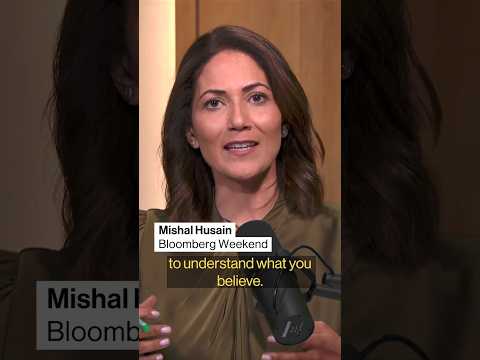
  • Tucker Carlson on Feminism, Marriage, and Power – A Cultural Critique

    Tucker Carlson on Feminism, Marriage, and Power – A Cultural Critique

    Tucker Carlson has consistently voiced his perspectives on feminism, marriage, and the dynamics of societal power. His commentary suggests that modern feminism has significantly altered established social structures, particularly impacting the institution of marriage and traditional gender roles. These discussions form part of a broader critique of contemporary cultural shifts.

    His analysis often posits that the pursuit of certain feminist ideals has inadvertently led to consequences he views as detrimental to societal stability. Carlson frequently connects these perceived changes to shifts in male and female relationships and the perceived erosion of traditional family units. His public statements on these topics resonate with a segment of the population that shares concerns about modern cultural trajectories.

    The Evolution of Feminism and Societal Impact

    Carlson’s discussions often begin with a historical overview of feminism, distinguishing between early waves focused on suffrage and legal equality, and later waves. He argues that contemporary feminism, particularly the third and fourth waves, has moved beyond equality to advocate for what he describes as a reordering of societal power. This reordering, in his view, has created new tensions and imbalances.

    He frequently highlights the perceived shift from a focus on equal opportunity to an emphasis on equal outcomes. Carlson suggests this shift has generated policies and cultural norms that can be seen as disadvantaging men or traditional family structures. His commentary draws on observations regarding educational attainment, workforce participation, and social discourse.

    The cultural impact, according to Carlson, extends to everyday interactions and expectations between men and women. He often points to a perceived increase in animosity or misunderstanding between genders. This, he argues, makes the formation and maintenance of traditional marital bonds more challenging.

    Marriage Under Scrutiny: Carlson’s Perspective

    The institution of marriage is a central theme in Carlson’s critique of modern cultural trends. He often laments what he perceives as a decline in its prominence and stability, linking this directly to the influence of feminism. Carlson argues that traditional marriage provided a foundational structure for society, offering stability for children and defining clear roles for adults.

    He suggests that feminist movements have encouraged women to prioritize career and individual fulfillment over family and domestic roles. While not inherently critical of individual choice, Carlson frames this as a societal trend with significant collective consequences. He questions whether society has adequately considered the long-term implications of these shifts.

    Carlson frequently cites statistics on declining marriage rates, rising divorce rates, and the increase in single-parent households. He presents these figures as evidence of a societal unraveling, with feminism playing a significant role in this trajectory. His arguments often evoke a sense of nostalgia for perceived past social norms and structures.

    Economic and Social Pressures on Marriage

    Carlson also incorporates economic factors into his analysis of marriage. He acknowledges that economic pressures can strain families, but he often frames these pressures within the context of evolving gender roles. He suggests that the expectation for both partners to pursue demanding careers can create additional stress on marital relationships.

    His commentary sometimes touches on the perceived devaluation of domestic work and child-rearing. Carlson argues that societal messaging, influenced by feminist thought, has elevated professional achievement above the contributions made within the home. This, he contends, can make marriage less appealing or sustainable for some.

    The social pressures on young people to delay marriage or forgo it entirely are also a point of discussion for Carlson. He observes a cultural shift where marriage is no longer universally seen as a primary life goal. He attributes some of this change to the broader cultural environment shaped by modern ideologies.

    Power Dynamics and Gender Roles

    Carlson’s analysis of power dynamics is intrinsically linked to his views on feminism and marriage. He asserts that modern feminism is not merely about equality but about a redistribution of power. He often argues that this redistribution has, in some instances, led to an imbalance that disadvantages men.

    He points to discussions around toxic masculinity, gender identity, and workplace equity as examples of this power shift. Carlson suggests that these concepts can be used to diminish traditional male roles and attributes. He expresses concern that this creates confusion and resentment, particularly among young men.

    The concept of male disposability is another theme Carlson sometimes explores. He argues that society, influenced by certain feminist narratives, has become less concerned with the well-being and contributions of men, particularly in areas like physical labor or military service. This, he contends, contributes to a sense of alienation among some men.

    The Role of Media and Education

    Carlson frequently critiques the role of media and educational institutions in perpetuating what he views as problematic aspects of modern feminism. He argues that mainstream media outlets and academic institutions often promote a singular narrative that aligns with progressive feminist ideals. This, he suggests, limits open discussion and critical examination of these topics.

    He points to curriculum changes in schools and colleges that emphasize gender studies and identity politics. Carlson argues that these educational approaches can indoctrinate students into specific viewpoints rather than fostering independent thought. He contends that this shapes a generation’s understanding of gender, power, and relationships.

    The influence of popular culture, including television and film, is also part of Carlson’s critique. He suggests that these platforms often portray traditional masculinity negatively or promote narratives that align with modern feminist perspectives. This, he believes, further reinforces the cultural shifts he observes.

    Critiques and Counterarguments to Carlson’s Stance

    Carlson’s views on feminism, marriage, and power frequently draw criticism from various quarters. Many argue that his interpretations misrepresent the goals and achievements of feminist movements. Critics contend that feminism fundamentally seeks equality, not female dominance or the dismantling of marriage.

    Counterarguments often highlight the positive impacts of feminism, such as increased opportunities for women in education and the workforce. Proponents of feminism argue that these advancements have benefited society as a whole, leading to greater economic productivity and diverse perspectives. They also point to the fact that many women choose to pursue careers and personal fulfillment, which should be celebrated, not critiqued.

    Regarding marriage, critics suggest that declining rates are influenced by a multitude of factors beyond feminism, including economic instability, changing social norms, and increased individual choice. They argue that women having more agency to choose their partners and life paths strengthens, rather than weakens, the institution of marriage for those who do choose it.

    The Nuance of Gender Roles and Power

    Critics also challenge Carlson’s portrayal of power dynamics. They argue that historical power imbalances have traditionally favored men, and modern feminism aims to rectify these long-standing inequalities. They contend that discussions around toxic masculinity are intended to promote healthier forms of masculinity, not to demonize men.

    Many argue that the concept of male disposability is a mischaracterization, and that discussions about men’s issues, including mental health and economic challenges, are important and are being addressed within various frameworks, including some feminist ones. They suggest that Carlson’s narrative oversimplifies complex societal issues and attributes them to a single cause.

    The role of media and education is also debated. Critics argue that diverse perspectives on gender and society are necessary in educational settings and media. They contend that discussions on gender identity and social justice are vital for a comprehensive understanding of the modern world. These discussions, they maintain, do not constitute indoctrination but rather critical engagement with evolving social realities.

    The Broader Cultural Conversation

    Tucker Carlson’s commentary on these subjects contributes to a larger cultural conversation about the direction of society. His arguments often touch upon deeply held beliefs about tradition, progress, and individual liberty. The debates his statements provoke reflect fundamental disagreements about societal values and priorities.

    His platform allows these views to reach a wide audience, influencing public discourse and shaping political narratives. The discussions he initiates often lead to further examination of sociological trends, demographic shifts, and the evolving nature of human relationships. These conversations are crucial for understanding the diverse perspectives within contemporary society.

    Whether one agrees or disagrees with Carlson’s specific conclusions, his willingness to engage with these sensitive topics ensures they remain part of the public consciousness. The ongoing dialogue around feminism, marriage, and power continues to shape policy, personal choices, and cultural identity.

    Societies evolve. Ideologies clash. Futures are debated.

    Culture.


  • Whoopi Goldberg Defends Elliot Page’s ‘Odyssey’ Casting Amidst Criticism

    Whoopi Goldberg Defends Elliot Page’s ‘Odyssey’ Casting Amidst Criticism

    Whoopi Goldberg Addresses ‘Odyssey’ Casting Controversy

    Whoopi Goldberg, the acclaimed actress and television personality, recently made headlines for her staunch defense of actor Elliot Page. Page has been cast in a role for the upcoming film adaptation of Homer’s epic poem, ‘The Odyssey.’ Goldberg’s comments specifically targeted critics who voiced what she described as ‘transphobic’ sentiments regarding Page’s casting.

    Her message to these critics was direct and unambiguous: ‘Don’t go see the damn movie.’ This statement quickly circulated across social media platforms and news outlets, sparking further discussion on the intersection of celebrity, representation, and audience reception in contemporary cinema.

    Elliot Page’s Role in ‘The Odyssey’

    Elliot Page, known for his roles in films such as ‘Juno’ and ‘Inception,’ publicly came out as transgender in December 2020. Since then, he has become a visible advocate for transgender rights and representation. His casting in ‘The Odyssey’ marks another significant step in his career.

    Details about Page’s specific role in ‘The Odyssey’ remain largely under wraps. The production team has not yet disclosed whether his character will be a reinterpretation of a traditionally male or female figure from the ancient Greek epic, or an entirely new creation for the adaptation. This ambiguity has fueled much of the public speculation and subsequent criticism.

    The announcement of Page’s involvement was met with a spectrum of reactions. Many supporters celebrated the casting as a progressive move towards greater inclusivity in major film productions. They viewed it as an opportunity to see diverse talent in prominent roles, challenging traditional casting norms.

    Conversely, a segment of the audience expressed discontent. Some critics cited concerns about historical accuracy or faithfulness to the source material. Others, identified by Goldberg as ‘transphobic,’ focused their objections on Page’s gender identity, arguing that his casting was inappropriate or politically motivated.

    Goldberg’s Public Stance and Its Context

    Whoopi Goldberg’s remarks underscore a continuing cultural debate. This debate often centers on how classic stories and characters are adapted for modern audiences. It also touches upon the role of identity in artistic expression and public perception.

    Goldberg has a history of speaking out on social and political issues. Her career spans decades, marked by her work as an actress, comedian, and co-host of the daytime talk show ‘The View.’ Her platform provides her with significant reach, making her statements impactful within the entertainment industry and beyond.

    Her defense of Page aligns with broader movements within Hollywood advocating for increased diversity and inclusion. These movements seek to ensure that film and television productions reflect the varied demographics and experiences of the global audience.

    The phrase ‘Don’t go see the damn movie’ functions as both a challenge and a dismissal. It challenges critics to put their convictions into practice by boycotting the film. It also dismisses their complaints as irrelevant to the artistic process and the production’s goals.

    The Broader Conversation on Representation

    The controversy surrounding Elliot Page’s casting is not an isolated incident. It reflects a larger societal conversation about gender identity and its portrayal in media. This conversation has intensified in recent years, particularly concerning transgender individuals.

    Film and television have historically struggled with authentic and respectful representation of LGBTQ+ characters and actors. Many advocates argue that casting transgender actors in transgender roles, and increasingly in roles not explicitly defined by gender identity, is crucial for progress.

    Opponents of such casting decisions often cite concerns about ‘wokeness’ or ‘political correctness’ influencing creative choices. They may argue for traditional interpretations of characters or express discomfort with evolving societal norms. These viewpoints frequently clash, leading to public disagreements like the one Goldberg addressed.

    The economic implications of such debates are also significant. Film studios often weigh potential box office success against public relations challenges. A vocal minority, even if small, can sometimes generate enough negative attention to influence audience perception and, potentially, revenue.

    Historical Adaptations and Modern Sensibilities

    ‘The Odyssey,’ an epic poem attributed to Homer, is a foundational text of Western literature. It tells the story of the Greek hero Odysseus’s long journey home after the Trojan War. Its characters, including Odysseus, Penelope, and Telemachus, are deeply ingrained in cultural consciousness.

    Adaptations of classic works have always involved interpretation and modernization. Throughout history, filmmakers and playwrights have taken liberties with source material to make it relevant to their contemporary audiences. This practice often leads to debates about fidelity versus artistic license.

    The current adaptation featuring Elliot Page is part of a long tradition of reinterpreting ancient narratives. Modern adaptations often explore themes of identity, power, and belonging through a contemporary lens. The casting of diverse actors can be seen as a way to broaden the appeal and relevance of these timeless stories.

    For example, recent adaptations of Shakespearean plays have frequently featured color-blind casting or gender-swapped roles. These choices are made to reflect modern societal values and to open the works to new interpretations and audiences. The reaction to Page’s casting fits within this larger pattern of engagement with classic texts.

    The Impact of Celebrity Endorsement

    Whoopi Goldberg’s public endorsement of Elliot Page and her rebuke of his critics carries considerable weight. Celebrities often use their platforms to champion causes and influence public opinion. Goldberg’s status as an EGOT winner (Emmy, Grammy, Oscar, Tony) and her role on ‘The View’ amplify her voice.

    Her comments provide a sense of validation for Page and his supporters. They also signal to the industry that prominent figures are willing to defend inclusive casting decisions. This can encourage other actors and filmmakers to pursue similar paths without fear of unmitigated backlash.

    The incident also serves as a reminder of the power of social media in shaping public discourse. News of Goldberg’s statements spread rapidly, prompting both praise and criticism online. This immediate feedback loop contributes to the intensity and reach of such cultural debates.

    Ultimately, the exchange between Goldberg and the critics of Elliot Page’s casting highlights a dynamic tension. This tension exists between traditional artistic conventions and evolving social expectations. It speaks to the ongoing effort to define what ‘representation’ truly means in the 21st century’s cultural landscape.

    Conclusion

    The casting of Elliot Page in ‘The Odyssey’ ignited a spirited debate. Whoopi Goldberg’s intervention intensified this discussion. Her defense of Page, and her direct challenge to critics, underscored the ongoing cultural shifts within the entertainment industry. It highlighted the push for greater inclusivity. It also showcased the resistance to these changes. Celebrities, filmmakers, and audiences continue to navigate these evolving norms. The conversation persists. The dialogue continues. The industry adapts.

    Hollywood.


  • Larry David’s ‘Non-Retirement’ and Obama’s Detailed ‘Curb’ Notes

    Larry David’s ‘Non-Retirement’ and Obama’s Detailed ‘Curb’ Notes

    Larry David, the acclaimed co-creator of “Seinfeld” and star of “Curb Your Enthusiasm,” will not enter a traditional retirement, according to long-time collaborator Jeff Schaffer. Schaffer, director of the new documentary “Life, Larry,” offered a vivid comparison of David’s work ethic, stating he is “like a prostitute who has sex when he’s not working.” This assessment highlights David’s intrinsic drive to create and perform, irrespective of formal projects or the recent conclusion of “Curb Your Enthusiasm.”

    Schaffer’s remarks emerged during an interview discussing the enduring appeal of Larry David and the cultural footprint of his comedic work. The conversation also revealed former President Barack Obama’s surprisingly detailed engagement with “Curb Your Enthusiasm,” including the provision of specific notes on various episodes. These insights offer a glimpse into David’s unique creative process and the show’s significant cultural impact.

    Larry David’s Unconventional Approach to Retirement

    Larry David concluded his long-running HBO series, “Curb Your Enthusiasm,” on April 7, 2024. The show premiered in October 2000 and spanned 12 seasons, solidifying its place as a landmark in television comedy. Its finale marked a significant moment for both viewers and critics.

    Despite the series’ conclusion, Jeff Schaffer, who has worked with David for decades, maintains that David will not genuinely retire. Schaffer’s analogy of David as a “prostitute who has sex when he’s not working” suggests that David’s creative output is not primarily driven by contractual obligations. Instead, it stems from an inherent desire to observe the world and translate those observations into comedic material.

    This perspective aligns with David’s public persona. Both on and off screen, he is often depicted as someone constantly scrutinizing social conventions and human behavior. These detailed observations frequently become the foundation for his distinctive brand of cringe comedy.

    The traditional concept of retirement may not apply to an individual like David. His work often involves simply being himself, reacting to everyday situations, and articulating his frequently contrarian opinions. This blurs the distinction between his personal and professional life, making continuous creation an organic process.

    The Documentary “Life, Larry” and David’s Legacy

    The documentary “Life, Larry” aims to provide a comprehensive exploration of Larry David’s multifaceted career. It delves into his early experiences as a stand-up comedian, his pivotal role in co-creating “Seinfeld,” and his subsequent success with “Curb Your Enthusiasm.”

    As director, Jeff Schaffer has had extensive access to David and his creative methodology. Schaffer’s insights are crucial for understanding David’s lasting appeal and influence. The documentary promises a deep dive into the man behind some of television’s most iconic characters.

    The film is expected to feature interviews with numerous collaborators, friends, and admirers. These discussions will likely reinforce the idea that David’s comedic genius is inextricably linked to his authentic, often curmudgeonly, persona. “Life, Larry” offers a definitive look at a singular figure in American comedy.

    Barack Obama’s Engagement with “Curb Your Enthusiasm”

    One of the more unexpected revelations from Schaffer’s interview concerned former President Barack Obama. Schaffer disclosed that Obama was a dedicated viewer of “Curb Your Enthusiasm.” More importantly, Obama provided specific and detailed feedback on the show’s episodes.

    According to Schaffer, Obama’s notes were far from superficial. They were precise and demonstrated a profound understanding of the show’s narrative arcs and comedic nuances. This level of engagement from a former head of state speaks volumes about the series’ widespread cultural penetration and intellectual appeal.

    The notion of a sitting or former president actively engaging with a show like “Curb Your Enthusiasm” underscores its unique position in popular culture. The series frequently tackled uncomfortable social situations and presented a protagonist who often defied conventional etiquette. This resonated with a diverse audience, including those in the highest echelons of power and influence.

    Presidential Fandom and Broader Cultural Impact

    Obama’s appreciation for “Curb Your Enthusiasm” is not an isolated incident. Many public figures and intellectuals have expressed admiration for the series throughout its nearly quarter-century run. This widespread appeal suggests a universal recognition of the social absurdities David so expertly lampoons and dissects.

    The show’s influence extends beyond mere entertainment. It has been lauded for its improvisational style, its willingness to explore themes of social anxiety, and its nuanced portrayal of ethical dilemmas. The series often presented situations that viewers could relate to, even if Larry David’s reactions were exaggerated for comedic effect.

    The fact that Obama, a figure known for his composure and diplomatic approach, found humor in David’s often-outrageous behavior, highlights the show’s ability to transcend political and social divides. It speaks to the power of comedy to find common ground, even through the most unconventional and uncomfortable forms of expression. The series fostered a unique dialogue about social norms.

    The Enduring Appeal and Future of Larry David

    Larry David’s career spans several decades, beginning with his early days as a writer for “Saturday Night Live.” He then co-created “Seinfeld,” which became one of the most successful sitcoms of all time. His subsequent venture with “Curb Your Enthusiasm” further solidified his status as a comedic icon and a unique voice in entertainment.

    His humor is characterized by its observational nature and its intense focus on the minutiae of social interaction. David consistently finds comedy in the unspoken rules, awkward moments, and petty grievances of everyday life. This distinctive approach has garnered him a large and loyal following across generations.

    The conclusion of “Curb Your Enthusiasm” in 2024 did not diminish interest in David’s future projects. Schaffer’s comments about David’s non-retirement strongly suggest that new creative endeavors are always on the horizon, even if they are not formally announced or planned in a traditional sense. His creative well appears inexhaustible.

    What Could Be Next for David?

    The precise nature of David’s future work remains speculative. Given Schaffer’s description, it is highly probable that David will continue to engage in creative pursuits that align with his personal interests and observational style. This could involve returning to stand-up comedy, developing new writing projects, or even participating in unscripted ventures that capture his unique perspective.

    His approach to comedy frequently blurs the lines between reality and fiction. Many of David’s characters, storylines, and comedic scenarios are directly inspired by his own life experiences and real-world interactions. This authenticity is a fundamental component of his enduring appeal and connection with audiences.

    The documentary “Life, Larry” will likely provide further insights into David’s motivations, his creative process, and his potential future trajectory. It will serve as a significant testament to his unparalleled contributions to American comedy and his lasting influence on the cultural landscape.

    The Lasting Impact of “Curb Your Enthusiasm”

    “Curb Your Enthusiasm” has left an indelible mark on television comedy. Its innovative use of improvisation, its willingness to explore social taboos, and its commitment to an unlikable protagonist set it apart. The series influenced a generation of comedians and writers.

    The show’s consistent ability to spark conversation about social etiquette and human foibles cemented its place in television history. It forced viewers to confront their own biases and laugh at the uncomfortable truths of everyday interactions. Its legacy will continue to be discussed for years to come.

    Audiences connected with David’s character, despite his flaws, because he often articulated thoughts that many people held but dared not express. This vicarious experience provided both humor and a strange sense of catharsis. The series became a mirror reflecting the absurdities of modern life.

    The show’s unique structure, where plot points often hinged on misunderstandings and escalating social faux pas, became a signature. This narrative device allowed for complex, interwoven storylines that paid off in unexpected ways. “Curb Your Enthusiasm” was, in many ways, a masterclass in comedic construction.

    The discussions. The debates. The laughter.

    The legacy.

    Larry David.