Tag: Sitcom

  • Marla Gibbs Honored by Chicago – The Legacy of Florence Johnston

    Marla Gibbs Honored by Chicago – The Legacy of Florence Johnston

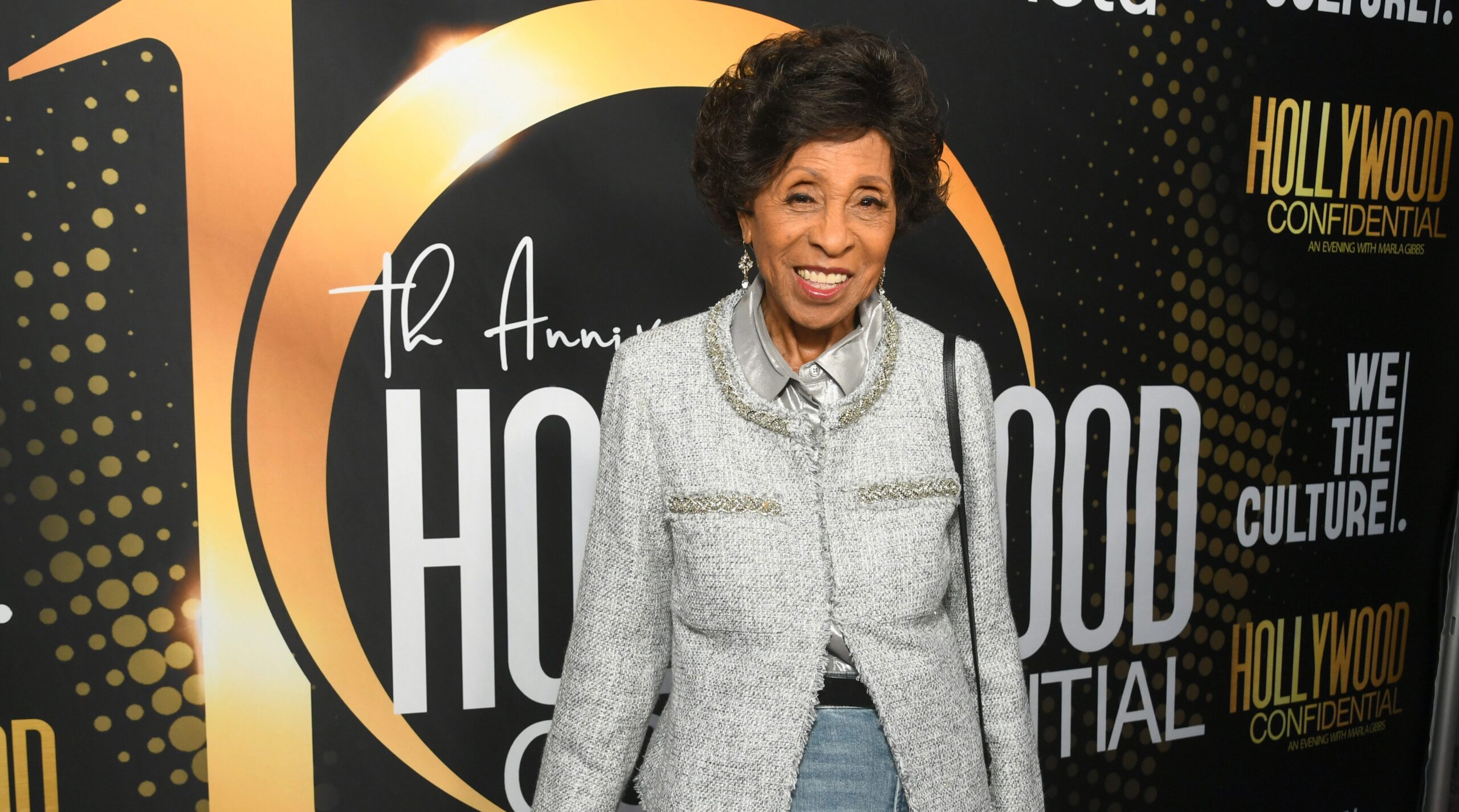
    In 2026, the City of Chicago officially declared an honorary day in tribute to actress Marla Gibbs, acknowledging her profound contributions to American television and film. Gibbs gained widespread recognition for her iconic role as Florence Johnston, the sharp-tongued maid on the long-running CBS sitcom The Jeffersons. Her career also includes a starring role as Mary Jenkins in the NBC sitcom 227, further solidifying her status as a beloved figure in entertainment.

    This civic recognition from Chicago underscores Gibbs’ lasting impact on audiences and the industry. Her performances have resonated with generations, making her characters memorable parts of television history. The honorary day celebrates a career marked by talent, resilience, and cultural significance.

    The Early Years and Rise to Stardom

    Marla Gibbs was born in Chicago, Illinois. Her early life in the city laid the foundation for a career that would eventually take her to national prominence. Before pursuing acting full-time, Gibbs held various positions, including working as a reservations agent for United Airlines. This period of her life provided a grounding in the realities of everyday work, which she would later channel into her authentic on-screen portrayals.

    Her journey into acting began in the early 1970s. Gibbs initially took acting classes and participated in local theater productions. These early experiences honed her craft and prepared her for the competitive world of Hollywood. Her dedication to the performing arts was evident from the outset, even as she balanced other responsibilities.

    The pivotal moment in Gibbs’ career arrived in 1975. She was cast as Florence Johnston in The Jeffersons, a spin-off from the highly successful sitcom All in the Family. This role would transform her into a household name.

    Florence Johnston: A Cultural Icon

    Florence Johnston was not merely a supporting character; she was a central comedic and dramatic force on The Jeffersons. As the maid for George and Louise Jefferson, Florence often served as a voice of reason and a source of witty comebacks. Her exchanges with George Jefferson, played by Sherman Hemsley, were legendary for their sharp humor and underlying social commentary.

    Gibbs’ portrayal brought depth and dignity to the character. Florence was depicted as an independent woman with strong opinions and a keen sense of justice. She challenged George’s sometimes pompous demeanor, often delivering lines that resonated with audiences. Her character transcended typical sitcom tropes, becoming a symbol of strength and intelligence.

    The Jeffersons ran for 11 seasons, from 1975 to 1985. During this time, Gibbs appeared in all 253 episodes. Her consistent performance earned her five Primetime Emmy Award nominations for Outstanding Supporting Actress in a Comedy Series. These nominations stand as a testament to her talent and the critical acclaim she received.

    Beyond The Jeffersons: ‘227’ and Other Ventures

    Following the conclusion of The Jeffersons, Marla Gibbs quickly transitioned to another successful sitcom, 227. The show premiered on NBC in 1985, just months after The Jeffersons ended. Gibbs starred as Mary Jenkins, a sharp-tongued, observant housewife living in a Washington, D.C. apartment building. She also served as a co-producer on the series, demonstrating her expanding role in the industry.

    227 provided Gibbs with a leading role and further showcased her comedic timing and dramatic capabilities. The series explored themes of community, family, and everyday life in an urban setting. It ran for five seasons, concluding in 1990. The show also featured Regina King in one of her earliest roles, playing Brenda Jenkins, Mary’s daughter.

    Throughout her career, Gibbs has taken on various other roles in film and television. Her film credits include appearances in movies such as The Meteor Man (1993), Sprung (1997), and Madea’s Witness Protection (2012). On television, she has made guest appearances on numerous shows, including The Fresh Prince of Bel-Air, ER, Scandal, and Black-ish.

    Entrepreneurship and Community Involvement

    Marla Gibbs’ ambitions extended beyond acting. In 1981, she opened a jazz supper club in Los Angeles, California, called Marla’s Memory Lane. The club became a prominent venue for jazz music, hosting both established artists and emerging talent. This venture reflected her deep appreciation for music and her commitment to fostering cultural spaces.

    Marla’s Memory Lane operated for over two decades, becoming a beloved institution in the Los Angeles jazz scene. Her entrepreneurial spirit showcased another facet of her multifaceted career. She provided a platform for musicians and a gathering place for the community.

    Gibbs has also been actively involved in various community initiatives. She has used her platform to advocate for social causes and support educational programs. Her dedication to giving back to the community mirrors the strong, principled characters she often portrayed on screen.

    The Enduring Legacy of Marla Gibbs

    The honorary day bestowed by the City of Chicago in 2026 is a testament to Marla Gibbs’ enduring legacy. Her work has left an indelible mark on the landscape of American entertainment. She broke barriers and created characters that were both relatable and aspirational.

    Her roles on The Jeffersons and 227 continue to be celebrated for their humor, social relevance, and groundbreaking portrayals of Black women on television. These shows are frequently re-aired and streamed, introducing her work to new generations of viewers. The wit and wisdom of Florence Johnston and Mary Jenkins remain timeless.

    Gibbs’ career exemplifies longevity and versatility in Hollywood. From her humble beginnings in Chicago to her status as a television icon, her journey inspires many. She built a career on talent, hard work, and an unwavering commitment to her craft.

    The City of Chicago recognized a native daughter. They honored a cultural contributor. They celebrated a television legend.

    Marla Gibbs.
  • Penelope Keith Dies at 86 – Remembering a BAFTA-Winning Career

    Penelope Keith Dies at 86 – Remembering a BAFTA-Winning Career

    A Legacy of Refined Comedy: Penelope Keith’s Enduring Impact

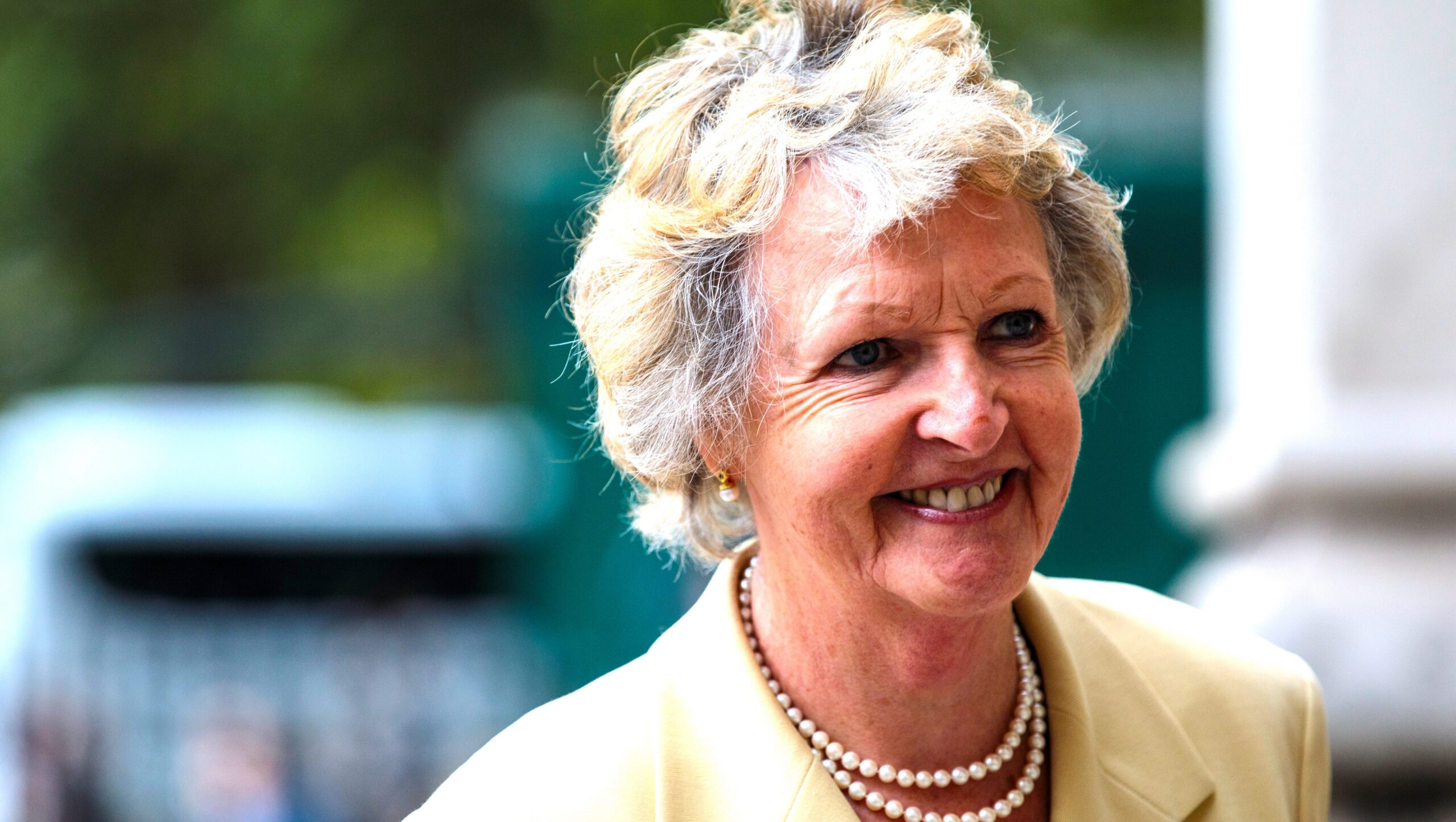
    British actress Dame Penelope Keith, celebrated for her distinctive portrayals of upper-class characters, passed away on June 29, 2026, at the age of 86. Her death marks the end of a career that cemented her status as a beloved figure in British entertainment, particularly through her memorable roles in the classic television comedies ‘The Good Life’ and ‘To the Manor Born’. Her contributions to acting were recognized with multiple BAFTA awards and a Damehood, reflecting a profound impact on both screen and stage.

    What looks like a simple passing actually signifies the loss of a foundational talent in British comedic acting. Keith’s ability to imbue seemingly haughty characters with depth, vulnerability, and immense comedic timing created roles that resonated with millions of viewers across generations. Her work defined an era of British television, becoming synonymous with sophisticated humor and impeccable performance.

    Early Life and Theatrical Roots

    Penelope Keith was born Penelope Anne Constance Keith on February 2, 1940, in Chichester, West Sussex, England. Her early life was marked by a keen interest in performance, leading her to pursue formal training at the Webber Douglas Academy of Dramatic Art in London. This rigorous classical training provided the foundation for a career that would encompass a wide range of dramatic and comedic roles.

    Her professional debut came in the early 1960s, quickly establishing her presence on the British theatrical stage. Keith performed with the Royal Shakespeare Company and the National Theatre, working alongside some of the most respected figures in British drama. Her stage work honed her craft, developing the precise diction and commanding presence that would become her trademarks.

    Throughout the 1960s and early 1970s, Keith balanced her stage commitments with smaller television roles. These early appearances provided crucial experience, preparing her for the breakout success that awaited her in the mid-1970s.

    ‘The Good Life’: A Cultural Phenomenon

    The role that would catapult Penelope Keith to national stardom was that of Margot Leadbetter in the BBC sitcom ‘The Good Life’. The series, which first aired in 1975, followed the lives of Tom and Barbara Good, who decide to abandon the rat race and become self-sufficient in their suburban Surbiton home. Keith’s character, Margot, was their snobbish, social-climbing next-door neighbor, whose meticulously ordered world was constantly disrupted by the Goods’ unconventional lifestyle.

    Margot Leadbetter became an instant icon. Keith’s portrayal perfectly captured the anxieties and aspirations of the middle class, delivering lines with a clipped, aristocratic precision that masked an underlying vulnerability. The dynamic between Margot and the Goods, particularly Richard Briers’ Tom Good and Felicity Kendal’s Barbara Good, formed the comedic heart of the show.

    The series was a massive success, running for four seasons until 1978 and attracting millions of viewers. Its popularity was not just confined to the United Kingdom; it gained a significant following internationally. Keith’s performance earned her the BAFTA TV Award for Best Entertainment Performance in 1977, solidifying her status as a leading comedic actress.

    From Surbiton to the Manor: ‘To the Manor Born’

    Following the conclusion of ‘The Good Life’, Keith quickly found another defining role in ‘To the Manor Born’. This BBC sitcom, which began in 1979, was specifically written for her by Peter Spence. Keith starred as Audrey fforbes-Hamilton, an aristocratic widow forced to sell her ancestral home, Grantleigh Manor, after her husband’s death leaves her financially destitute. She then moves into the smaller lodge on the estate, determined to reclaim her former position.

    The series explored the comedic clash between Audrey and the new owner of the manor, Richard DeVere (played by Peter Bowles), a self-made millionaire from Czechoslovakia. The witty banter and simmering romantic tension between the two characters captivated audiences. ‘To the Manor Born’ was an immediate hit, with its first episode attracting an astonishing 23.95 million viewers in the UK, a record for a British sitcom that still stands today as of 2026.

    Keith’s portrayal of Audrey earned her another BAFTA TV Award, this time for Best Actress in 1978, further cementing her comedic prowess. The series ran for three seasons, concluding in 1981, with a one-off special in 2007 that revisited the characters.

    A Distinguished Career Beyond Sitcoms

    While ‘The Good Life’ and ‘To the Manor Born’ brought her widespread fame, Penelope Keith’s career was far more extensive and varied. She continued to work extensively in theatre, performing in West End productions and touring with various companies. Her stage credits included roles in plays by Noël Coward, William Shakespeare, and Alan Ayckbourn, showcasing her versatility as an actress.

    Diverse Television and Film Work

    Throughout the 1980s, 1990s, and 2000s, Keith appeared in numerous television dramas, comedies, and films. Notable television roles included ‘Executive Stress’ (1986-1988), where she played a high-powered businesswoman, and ‘Next of Kin’ (1995-1997). She also lent her distinctive voice to various narrations and radio plays.

    Her film appearances, though less frequent than her television and stage work, included roles in ‘Catch Me a Spy’ (1971) and ‘The Hound of the Baskervilles’ (1978). She also appeared in ‘The Old Guys’ (2009-2010), a BBC comedy series, demonstrating her continued engagement with contemporary television.

    Philanthropy and Public Service

    Beyond her acting career, Penelope Keith was a dedicated philanthropist and advocate for various causes. She served as President of the Actors’ Benevolent Fund for many years, working to support actors in need. Her commitment to public service and the arts was widely recognized.

    In 1989, she was appointed an Officer of the Order of the British Empire (OBE). This was followed by her appointment as a Commander of the Order of the British Empire (CBE) in 2007. In 2014, she was elevated to Dame Commander of the Order of the British Empire (DBE) for services to the arts and to charity, a testament to her extensive contributions both on and off screen.

    The Enduring Appeal of Penelope Keith

    Penelope Keith’s appeal lay in her unique ability to portray characters who were often perceived as formidable or aloof, yet always managed to reveal a relatable human core. Her precise comedic timing, elegant demeanor, and resonant voice made her performances unforgettable. She brought a sense of dignity and intelligence to every role, whether it was a grand dame or a suburban snob.

    Her characters, particularly Margot Leadbetter and Audrey fforbes-Hamilton, have remained popular through decades of reruns and streaming, introducing her work to new generations of viewers. The humor of ‘The Good Life’ and ‘To the Manor Born’ is timeless, largely due to the strength of her performances and the sharp writing.

    Keith’s legacy is one of comedic excellence, theatrical dedication, and unwavering commitment to her craft and community. She received numerous accolades throughout her career, including the Lifetime Achievement Award at the British Comedy Awards in 2009, acknowledging her significant impact on British comedy.

    A Fond Farewell

    The news of Dame Penelope Keith’s passing on June 29, 2026, has prompted an outpouring of tributes from across the entertainment industry and from her many admirers. Colleagues remember her professionalism, wit, and kindness. Fans recall the laughter and joy she brought into their homes.

    Her passing leaves a void in the landscape of British acting. Her contribution to comedic roles, her dedication to the stage, and her philanthropic efforts will be remembered for years to come. She was a true grande dame of British entertainment.

    Tributes poured in from fellow actors. Directors praised her unwavering commitment. Audiences mourned a beloved figure. Penelope Keith.