Tag: Sequel

  • ‘Young Washington’ Sets Angel Studios Box Office Record, ‘1776’ Sequel Announced

    ‘Young Washington’ Sets Angel Studios Box Office Record, ‘1776’ Sequel Announced

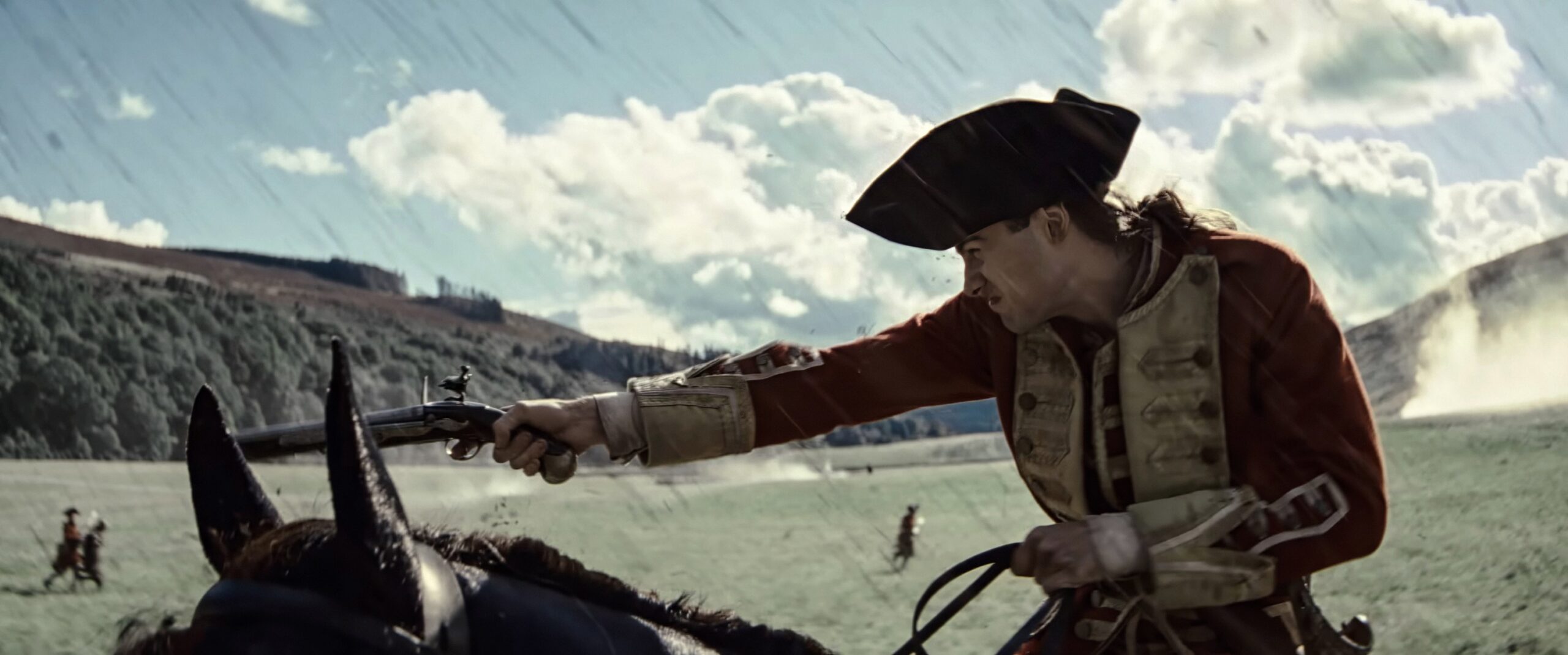
    Angel Studios’ historical drama, ‘Young Washington’, has set a new benchmark for the studio. The film achieved a record-breaking live-action opening weekend, grossing more than $20 million. This significant financial success has prompted the announcement of a sequel, titled ‘1776’, which is now in development.

    The performance of ‘Young Washington’ underscores a substantial public appetite for content that explores foundational American history and values. Angel Studios, known for its focus on faith-based and family-friendly productions, has effectively tapped into this market. The upcoming sequel aims to continue this exploration, delving into a pivotal year in the nation’s origin story.

    ‘Young Washington’ Achieves Record-Breaking Opening

    ‘Young Washington’ debuted with an opening weekend exceeding $20 million. This figure represents a new record for a live-action film released by Angel Studios. The achievement places the film in a significant position within the independent studio landscape, demonstrating its ability to draw a substantial audience.

    This financial success is particularly notable within the competitive film industry. It illustrates that targeted, niche content, when effectively marketed and produced, can achieve considerable commercial viability. The film’s strong performance has paved the way for future historical productions and sequels from Angel Studios.

    The outcome validates Angel Studios’ distinctive distribution model. The studio frequently leverages grassroots marketing and direct audience engagement strategies. This approach has proven highly effective in mobilizing its target demographic and fostering a dedicated viewership.

    The film’s narrative focuses on the early life of George Washington. It explores the formative experiences and decisions that shaped him into a pivotal figure in American history. The story emphasizes themes of leadership, perseverance, and the pursuit of liberty, resonating with a broad segment of the audience.

    Angel Studios Announces ‘1776’ Sequel

    Following the impressive box office performance of ‘Young Washington’, Angel Studios confirmed the development of its sequel, ‘1776’. This new film will continue the exploration of America’s founding, focusing on the critical year of the Declaration of Independence.

    The year 1776 holds immense significance in American history. It marks the formal break from British rule and the declaration of self-governance. A cinematic portrayal of these events carries considerable cultural weight and historical interest.

    The sequel is expected to delve into the events leading up to and surrounding the signing of the Declaration of Independence. It will likely feature key figures involved in the American Revolution. The narrative will aim to highlight the ideals and sacrifices that contributed to the nation’s founding.

    This thematic focus appeals to audiences interested in American heritage and the principles of self-governance. It also attracts those who appreciate a positive portrayal of historical figures and the complexities of nation-building. The film is anticipated to blend historical accuracy with compelling storytelling.

    Angel Studios’ Production and Distribution Strategy

    Angel Studios operates with a unique approach to film production and distribution. The company is well-known for its crowdfunding model, which allows audiences to invest directly in projects. This method cultivates a strong sense of community and ownership among its supporters and investors.

    The studio prioritizes content that aligns with faith-based, family-friendly, and historical themes. This specific focus differentiates Angel Studios from many mainstream Hollywood producers. Their films often aim to inspire, educate, or provide uplifting messages that resonate with their core audience.

    Previous successes from Angel Studios include projects that have resonated deeply with specific cultural and demographic groups. The studio’s consistent commitment to these values has built a loyal and engaged viewership. This loyalty directly translates into robust box office support and enthusiastic word-of-mouth promotion.

    This model challenges conventional distribution methods within the film industry. Angel Studios’ ability to generate substantial revenue through alternative means provides a blueprint for independent filmmakers. It empowers creators to bypass traditional gatekeepers and connect directly with their audience.

    Thematic Focus: American History and Foundational Values

    ‘Young Washington’ meticulously explores the formative years of George Washington. It examines the challenges and crucial decisions that shaped him into a pivotal figure. The film’s narrative emphasizes key themes such as leadership, perseverance, and the pursuit of liberty and self-determination.

    The upcoming sequel, ‘1776’, is poised to continue this thematic exploration. It will likely showcase the intellectual and political ferment of the period. The film is expected to portray the debates, compromises, and ultimate resolve that led to the Declaration of Independence.

    Such historical accuracy and thematic emphasis draw a broad audience. This includes individuals deeply interested in American heritage and the principles of self-governance. It also attracts those who appreciate a nuanced and positive portrayal of historical figures and events.

    The commitment to historical fidelity is a hallmark of Angel Studios’ historical productions. This approach ensures that the films serve as both entertaining narratives and educational tools. This balance contributes significantly to their appeal among families and educators alike.

    Portraying historical figures, especially those as iconic as the Founding Fathers, requires extensive research. It involves understanding their motivations, the challenges they faced, and the intricate context of their times. The goal is to bring these figures to life authentically for a modern audience, fostering a deeper understanding of their legacy.

    Impact on the Entertainment Landscape

    The success of ‘Young Washington’ and the subsequent announcement of ‘1776’ carry broader implications for the entertainment industry. It clearly demonstrates that a significant market exists for content outside traditional Hollywood fare. This market is not just passive; it is actively willing to support films that align with its worldview and values.

    Mainstream studios may observe these financial successes closely. They might begin to explore similar historical or value-driven narratives in their own productions. This could lead to a greater diversification of content offerings across the entire industry, catering to a wider range of audience preferences.

    Angel Studios’ model also challenges established distribution norms. Their demonstrated ability to generate substantial revenue through alternative, community-driven means offers a viable blueprint for independent filmmakers. It empowers creators by enabling them to circumvent traditional studio gatekeepers and directly engage with their audience base.

    The studio’s continued growth signifies a discernible shift in audience preferences. Viewers are increasingly seeking out content that reflects their personal values and interests, rather than solely relying on mainstream offerings. This trend supports the development of a more varied and decentralized media landscape, where diverse voices and stories can find their audience.

    Audience Engagement and Community Building

    Angel Studios excels at fostering a dedicated community around its film projects. This engagement extends significantly beyond mere viewership. It involves active participation from its audience through crowdfunding initiatives, promotional efforts, and direct feedback loops.

    The studio consistently encourages its audience to become passionate advocates for its films. This word-of-mouth marketing is exceptionally effective, creating a powerful organic buzz. This grassroots momentum can often surpass the reach and impact of traditional advertising campaigns, which often struggle to replicate such authentic enthusiasm.

    This community-driven approach successfully builds a loyal and invested fan base. These fans are not just consumers; they are active stakeholders in the projects’ success. Their enthusiasm and direct support contribute significantly to the films’ commercial viability and cultural impact.

    The Role of Historical Accuracy in Storytelling

    Films like ‘Young Washington’ and the upcoming ‘1776’ often face rigorous scrutiny regarding historical accuracy. Angel Studios typically aims for a high degree of fidelity to historical events and figures. This commitment to authenticity is a major draw for many viewers and contributes to the films’ credibility.

    Presenting historical narratives responsibly is paramount. It ensures that the films serve as valuable educational tools in addition to being engaging entertainment. This careful balance contributes to their broad appeal among families, educators, and history enthusiasts alike.

    The portrayal of iconic historical figures, such as George Washington, demands meticulous research and nuanced understanding. It involves delving into their motivations, the complex challenges they faced, and the intricate socio-political context of their times. The ultimate goal is to bring these figures to life authentically, allowing a modern audience to connect with their struggles and triumphs.

    Anticipation for ‘1776’

    The announcement of ‘1776’ has generated considerable anticipation among audiences and industry observers. Viewers are eager to see how the sequel will expand upon the themes and characters introduced in ‘Young Washington’. The film is expected to offer a detailed and dramatic look at the events of 1776, a year synonymous with American independence.

    The year 1776 stands as a cornerstone of American identity. It represents the formal declaration of independence from British rule and the bold assertion of self-governance. A cinematic portrayal of these epoch-making events holds profound cultural and historical significance for the nation.

    The success of ‘Young Washington’ provides a strong foundation for its sequel. It has demonstrated that an audience exists for thoughtfully produced historical dramas that celebrate American heritage. ‘1776’ is positioned to capitalize on this interest, offering a compelling continuation of the story of the nation’s birth.

    Filming is expected to leverage historical sites and period-accurate costuming to enhance authenticity. The production team will likely prioritize meticulous research to ensure the narrative’s grounding in historical fact. This dedication to detail is crucial for maintaining the trust of an audience that values historical fidelity.

    The release of ‘1776’ will be a significant cultural event for Angel Studios and its audience. It promises to be a film that not only entertains but also educates and inspires. The continued exploration of American history through this lens aligns perfectly with the studio’s mission and audience expectations.

    The film is anticipated to highlight the collaborative efforts and sacrifices of the Founding Fathers. It will likely explore the diverse perspectives and challenges faced by different groups during the Revolutionary era. This nuanced approach will enrich the historical narrative.

    The success of ‘Young Washington’ confirms the viability of Angel Studios’ content strategy. It proves that there is a substantial audience for stories that are both historically grounded and value-aligned. This bodes well for the future of ‘1776’ and other projects in the studio’s pipeline.

    Farmers gathered. Historians debated. Audiences responded. A new chapter begins.
  • Mel Gibson’s ‘Passion of the Christ’ Returns, ‘Resurrection’ Sneak Peek Included

    Mel Gibson’s ‘Passion of the Christ’ Returns, ‘Resurrection’ Sneak Peek Included

    The Return of ‘The Passion of the Christ’

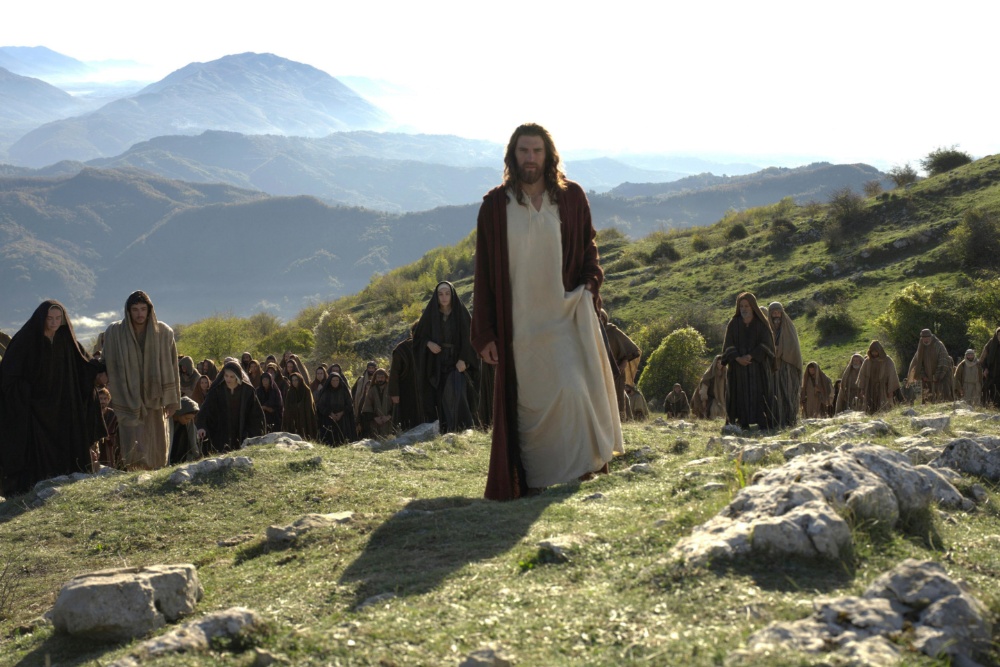
    Mel Gibson’s 2004 biblical epic, The Passion of the Christ, is slated for a theatrical re-release in 2026. This limited engagement will include an exclusive preview of its long-anticipated sequel, currently referred to as The Resurrection of the Christ. The re-release serves to re-engage the original film’s audience and generate momentum for the upcoming continuation of the narrative.

    The original film, released on February 25, 2004, depicted the final 12 hours of Jesus of Nazareth’s life. It was notable for its use of Aramaic, Latin, and Hebrew dialogue, with subtitles. The film garnered significant box office success and generated considerable discussion upon its initial release.

    A Legacy of Box Office Success and Controversy

    The Passion of the Christ achieved remarkable financial success. It earned over $612 million worldwide against a production budget of approximately $30 million. This made it one of the highest-grossing R-rated films of its time and the highest-grossing non-English language film in U.S. box office history.

    The film’s graphic depiction of the crucifixion and its portrayal of Jewish leaders sparked widespread debate. Critics and religious scholars offered varied perspectives on its historical accuracy and potential for anti-Semitic interpretations. Mel Gibson, who directed, produced, and co-wrote the film, defended its theological and historical basis.

    Despite the controversies, the film resonated deeply with a significant segment of the global audience. Its impact on religious cinema and independent filmmaking was undeniable. The film received three Academy Award nominations, including Best Cinematography, Best Original Score, and Best Makeup.

    The Long Road to ‘The Resurrection of the Christ’

    Discussions about a sequel to The Passion of the Christ have circulated for over a decade. Mel Gibson first confirmed plans for a follow-up in 2016. The sequel is intended to focus on the events surrounding the resurrection of Jesus, moving beyond the crucifixion depicted in the first film.

    Jim Caviezel, who portrayed Jesus in the original movie, has expressed his intention to reprise the role. He has spoken publicly about the script and the direction of the new project. Joe Eszterhas was initially involved in writing a screenplay, but Bill Mechanic and Randall Wallace have also been credited with script development over the years.

    Randall Wallace, who co-wrote Braveheart with Gibson, confirmed his involvement in the sequel’s scriptwriting process in 2016. He indicated that the story would delve into the three days between Jesus’ death and resurrection. The project has faced various delays, including script refinement and securing funding and distribution.

    Anticipation Builds for the Sequel

    The announcement of the theatrical re-release and the sneak peek has reignited interest in the long-awaited sequel. Audiences who found spiritual resonance in the original film are expected to anticipate the continuation of the story. The re-release provides a strategic platform to bridge the gap between the two films.

    The sneak peek is expected to offer early glimpses into the sequel’s production. It may feature concept art, behind-the-scenes footage, or early trailers. This marketing strategy aims to generate buzz and pre-release excitement for The Resurrection of the Christ.

    Impact on Religious Cinema

    The Passion of the Christ significantly influenced the landscape of religious-themed cinema. Its commercial success demonstrated a viable market for films directly addressing biblical narratives. This re-release and sequel further solidify Gibson’s commitment to this genre.

    Other biblical films and television series have emerged in the years since the original film’s release. Many have attempted to capture a similar audience. However, few have matched the cultural impact or financial performance of Gibson’s 2004 production.

    The sequel’s release will be closely watched by industry analysts and religious communities alike. Its reception could further shape future investments in faith-based entertainment. The original film’s legacy continues to be a point of reference for discussions on religious representation in media.

    The Road Ahead for ‘The Resurrection’

    Specific details regarding the production timeline and official release date for The Resurrection of the Christ remain fluid. The sneak peek in 2026 is the most concrete development in the film’s long production history. Fans and critics await further announcements from Gibson and his production team.

    The film’s narrative challenges are significant. Portraying the resurrection event in a cinematic context requires a delicate balance of theological interpretation and visual storytelling. The creative team faces the task of crafting a compelling and respectful depiction of a foundational event in Christian theology.

    The original film’s cast, including Maia Morgenstern as Mary and Monica Bellucci as Mary Magdalene, may also return. However, official casting confirmations for roles beyond Jesus have not been broadly publicized. The scale and scope of the sequel are expected to be substantial, mirroring the ambition of its predecessor.

    What the Re-Release Offers

    For many, the re-release is an opportunity to revisit a film that left a lasting impression. It allows for a communal viewing experience that may have been missed by younger audiences. The 2026 theatrical run brings The Passion of the Christ back to the big screen, where its visual intensity was originally intended to be experienced.

    The added value of the sneak peek acts as a direct incentive for attendance. It connects the past with the future, offering a continuous narrative arc for dedicated viewers. This strategy leverages nostalgia while building anticipation for new content.

    “It will be the biggest film in history. It’s that good.” – Jim Caviezel on ‘The Resurrection of the Christ’ in 2020.

    This statement from Caviezel reflects the high expectations surrounding the sequel. The re-release and sneak peek are critical steps in fulfilling those expectations. They aim to prepare the global audience for a cinematic event of similar magnitude to the original.

    The 2004 film broke ground in its unflinching portrayal and its financial model, largely funded independently. The sequel is expected to follow a similar independent production path. This approach grants Gibson greater creative control over the sensitive subject matter.

    Conversations about faith, film, and artistic interpretation will undoubtedly resurface. The re-release serves as a prelude to these discussions, setting the stage for The Resurrection of the Christ. It brings a powerful and polarizing work back into the public consciousness.

    Audiences will gather. Discussions will ignite. Anticipation will mount. The Resurrection.

  • Brad Bird Shuts Down ‘Ratatouille’ Sequel Hopes Despite Pixar’s Interest

    Brad Bird Shuts Down ‘Ratatouille’ Sequel Hopes Despite Pixar’s Interest

    Director Brad Bird has definitively shut down speculation regarding a sequel to Pixar’s 2007 animated feature, ‘Ratatouille.’ His statement confirms that despite potential interest from Pixar Animation Studios, the culinary adventure of Remy and Linguini will not continue in a new film. Bird maintains that the original narrative achieved a complete and satisfying conclusion.

    This position from Bird underscores a directorial philosophy that prioritizes narrative closure over franchise expansion. The decision impacts the emotional investment of fans who have hoped for a continuation of the beloved story.

    The Original ‘Ratatouille’ Legacy

    ‘Ratatouille’ premiered on June 29, 2007, to widespread critical acclaim. The film explored themes of passion, prejudice, and the pursuit of dreams, set against the backdrop of Parisian haute cuisine. It followed Remy, a rat with an extraordinary sense of smell and a dream of becoming a chef, and Linguini, a young man who inadvertently becomes his human puppet.

    The film garnered numerous accolades, including the Academy Award for Best Animated Feature at the 80th Academy Awards ceremony in 2008. It was also nominated for four other Oscars: Best Original Screenplay, Best Original Score, Best Sound Editing, and Best Sound Mixing. Its commercial success included a worldwide gross of over $620 million.

    Brad Bird directed and wrote the screenplay for ‘Ratatouille.’ His previous work with Pixar included ‘The Incredibles’ (2004), which also received critical and commercial success. Bird’s distinct storytelling voice and animation direction have been hallmarks of his career.

    Pixar’s Approach to Sequels

    Pixar Animation Studios has a history of revisiting its successful intellectual properties. Franchises like ‘Toy Story,’ ‘Cars,’ ‘Monsters, Inc.,’ and ‘The Incredibles’ have all received sequels, some expanding into multiple installments. This strategy allows the studio to capitalize on established characters and worlds, often bringing back original voice talent and creative teams.

    The development cycle for Pixar films is extensive, typically spanning several years from concept to release. A sequel project often begins with story pitches and character development, followed by extensive animation and production phases. The studio’s commercial success is frequently bolstered by these franchise extensions.

    However, not all Pixar films have received direct sequels. Films like ‘Up,’ ‘WALL-E,’ and ‘Coco’ have largely remained standalone features, though some have spawned short films or television specials. The decision to pursue a sequel often involves a balance of creative vision, commercial viability, and the availability of key personnel.

    Bird’s Stance on Narrative Completion

    Brad Bird’s reasoning for not pursuing a ‘Ratatouille’ sequel is rooted in his belief that the story was fully explored. He articulated that the original film effectively conveyed its central message and resolved its character arcs. For Bird, creating a sequel without a compelling, new narrative imperative would dilute the integrity of the initial work.

    This perspective contrasts with the prevailing trend in Hollywood to extend successful franchises. Many directors and studios face pressure to develop sequels, prequels, and spin-offs to leverage existing fan bases and established intellectual property. Bird’s firm stance offers a counter-narrative to this industry pattern.

    Bird has previously commented on the challenges of creating sequels that live up to the original. He directed ‘Incredibles 2’ (2018), a sequel to his 2004 film, which also achieved significant critical and commercial success. This experience may inform his discernment regarding which stories warrant continuation.

    Fan Expectations and Industry Trends

    The announcement from Brad Bird will likely elicit varied reactions from the fan base. Many viewers develop deep connections with animated characters and often express a desire for more stories within beloved universes. Social media platforms and fan forums frequently feature discussions about potential sequels for popular films.

    Hollywood’s economic model increasingly relies on established franchises. Sequels often carry lower marketing risks compared to original films, as they tap into pre-existing audience awareness. This commercial reality drives many studios to greenlight continuations of successful properties.

    However, critical reception for sequels can be mixed. Audiences and critics often evaluate sequels based on their ability to innovate while remaining true to the spirit of the original. The balance between familiarity and novelty is a constant challenge for filmmakers in established franchises.

    The Future of Original Animation

    Brad Bird’s position highlights a broader discussion within the animation industry about the value of original storytelling versus franchise development. While sequels provide financial stability, original films often push creative boundaries and introduce new concepts to audiences.

    Animation studios, including Pixar, continue to invest in both original content and franchise extensions. The strategic decisions made by directors and producers shape the landscape of animated cinema. Bird’s commitment to the completeness of the ‘Ratatouille’ narrative serves as a notable example of a director prioritizing artistic integrity.

    The impact of a director’s vision on a studio’s slate is significant. Bird’s decision concerning ‘Ratatouille’ underscores the artistic autonomy sometimes exercised within major animation houses. It reinforces the idea that not every successful film requires a follow-up.

    Audiences will continue to cherish the original ‘Ratatouille.’ Its themes resonate. Its characters endure. Its story remains complete.

    Potential for Spinoffs or Other Media

    While a direct sequel to ‘Ratatouille’ appears unlikely under Brad Bird’s direction, the possibility of other forms of media exploration remains. The world of ‘Ratatouille’ is rich with potential for short films, television series, or even stage adaptations. These formats could explore side characters or new narratives within the established universe without directly continuing Remy and Linguini’s main story.

    Pixar has a history of creating short films based on its feature properties. These shorts often provide additional context or humorous vignettes that expand on the characters’ lives. A ‘Ratatouille’ short could offer a glimpse into the Parisian culinary world years after the film’s conclusion.

    The intellectual property could also be leveraged in theme park attractions, video games, or books. These ancillary products allow fans to engage with the world of ‘Ratatouille’ in different ways. They represent additional revenue streams for Disney and Pixar, even without a feature film sequel.

    Such ventures would likely involve different creative teams and directors, allowing for new interpretations while maintaining the core elements of the brand. This approach could satisfy fan demand for more content without requiring Brad Bird to revisit a story he considers finished.

    The future of the ‘Ratatouille’ property, beyond the original film, could therefore take many forms. A direct sequel, however, under its original director, is not among them. The story is told.

    The Director’s Creative Control

    Brad Bird’s authority to make such a definitive statement highlights the level of creative control granted to acclaimed directors within Pixar. This autonomy is often a draw for top talent in the animation industry. It allows filmmakers to pursue their artistic visions without constant pressure for franchise development.

    Such creative freedom is not universal across all studios. The balance between artistic integrity and commercial imperatives is a constant negotiation in Hollywood. Bird’s position on ‘Ratatouille’ reflects a successful alignment of his vision with the studio’s respect for his work.

    This decision also sets a precedent for how certain beloved films might be handled in the future. It reinforces the idea that some stories are best left as complete, standalone works. The original ‘Ratatouille’ stands as a testament to this philosophy.

    Filmmakers like Bird are often driven by the desire to tell new stories, rather than retread old ground. Their creative energy is directed towards developing fresh concepts and characters. This commitment to originality is a vital component of a vibrant cinematic landscape.

    The conversation around ‘Ratatouille’ and its sequel status is a microcosm of broader industry debates. It touches upon the nature of creative ownership. It explores the tension between art and commerce. It asks what makes a story complete.

    The director spoke. The message was clear. The story concluded.

  • A Grinch Sequel Looms – Jim Carrey and Ron Howard Eye Return

    A Grinch Sequel Looms – Jim Carrey and Ron Howard Eye Return

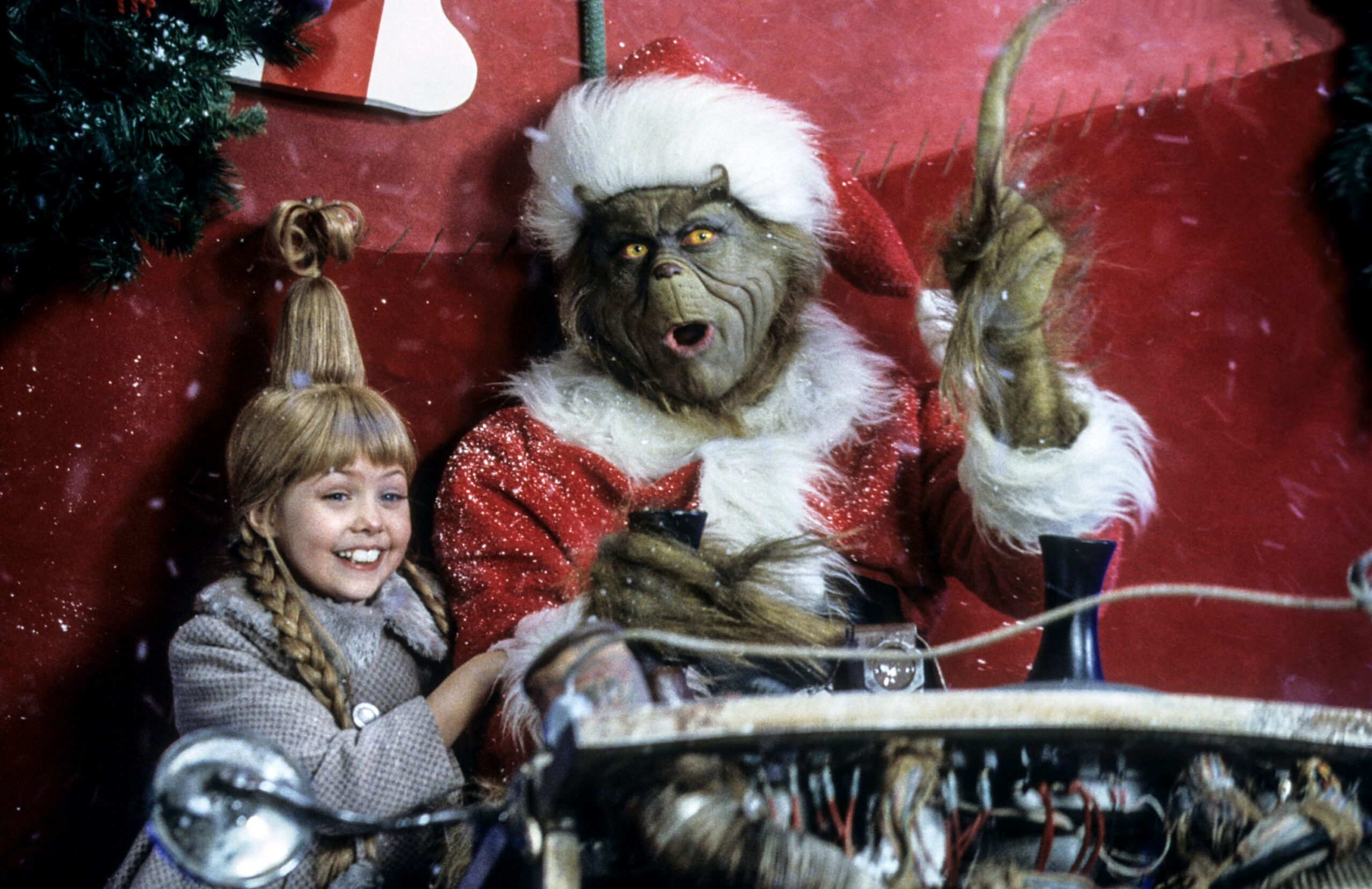
    A sequel to the 2000 live-action film How the Grinch Stole Christmas is reportedly in development, with both Jim Carrey and director Ron Howard in discussions to return. This potential project has generated considerable interest due to the original film’s enduring popularity and the iconic performances associated with it. The 2000 movie, produced by Universal Pictures and Imagine Entertainment, brought Dr. Seuss’s classic tale to a new generation, becoming a commercial success and a holiday staple.

    The possibility of Carrey reprising his role as the Grinch, combined with Howard’s directorial vision, suggests a continuation that aims to recapture the original’s magic. The initial film was a significant undertaking, involving extensive prosthetics for Carrey and a detailed recreation of Whoville. Its box office performance and critical reception solidified its place in holiday cinema history.

    The Original Film’s Legacy and Impact

    Released on November 17, 2000, How the Grinch Stole Christmas was a major cinematic event. Directed by Ron Howard, the film starred Jim Carrey as the Grinch, alongside Taylor Momsen as Cindy Lou Who. The cast also included Jeffrey Tambor as Mayor Augustus Maywho, Christine Baranski as Martha May Whovier, and Bill Irwin as Lou Lou Who. Anthony Hopkins provided the narration.

    The production was notable for its intricate makeup and costume design. Jim Carrey’s transformation into the Grinch required several hours in the makeup chair daily, a process overseen by makeup artist Rick Baker. Baker and his team ultimately won an Academy Award for Best Makeup for their work on the film. The visual effects and production design were also critical in bringing the whimsical world of Whoville to life.

    Commercially, the film was a massive success. It earned over $260 million domestically in North America and more than $345 million worldwide against a production budget of $123 million. This made it the sixth-highest-grossing film of 2000 and the second-highest-grossing holiday film of all time, behind Home Alone. Its financial performance underscored the enduring appeal of Dr. Seuss’s story and the star power of Jim Carrey.

    Despite mixed critical reviews upon its release, the film has gained a cult following over the years. Its annual broadcasts during the holiday season have cemented its status as a modern Christmas classic. Carrey’s energetic and often improvisational performance as the Grinch is frequently cited as a highlight.

    Jim Carrey’s Potential Return to Whoville

    Jim Carrey’s portrayal of the Grinch is widely considered one of his most iconic roles. His physical comedy, vocal inflections, and ability to embody the character’s mischievous yet ultimately redeemed nature were central to the film’s success. The role demanded a high level of commitment, including enduring hours of prosthetic makeup and heavy costume.

    Following the 2000 film, Carrey has been selective about reprising roles in sequels. His return to the Grinch would mark a significant moment, given his previous statements about the challenges of the role. The character’s complex emotional arc, from cynical recluse to holiday enthusiast, provided Carrey with a broad canvas for his comedic and dramatic talents.

    The decision to return would likely involve careful consideration of the script and the creative direction. Carrey’s involvement would undoubtedly be a major draw for audiences, many of whom associate him directly with the live-action interpretation of the Grinch. His unique approach to character development often involves a deep immersion into the role, making his potential return a subject of keen interest for fans and industry observers alike.

    Ron Howard’s Directorial Vision

    Ron Howard, a highly respected director, brought a distinctive vision to the original How the Grinch Stole Christmas. His filmography spans a wide range of genres, from dramas like Apollo 13 and A Beautiful Mind to comedies such as Splash and Parenthood. Howard’s ability to blend humor with heartfelt storytelling was crucial in adapting Dr. Seuss’s work for the big screen.

    His direction allowed for both the grand, fantastical elements of Whoville and the more intimate, character-driven moments, particularly those involving Cindy Lou Who and the Grinch. Howard’s experience with large-scale productions and his skill in managing complex visual effects were evident throughout the 2000 film. The original film’s design, from the crooked houses of Whoville to the elaborate contraptions of the Grinch’s lair, showcased a meticulous attention to detail under his guidance.

    Should Howard return for a sequel, his involvement would signal a commitment to maintaining the aesthetic and narrative integrity established in the first film. His leadership would be instrumental in navigating the expectations of a beloved franchise and delivering a story that resonates with both original fans and new audiences. The director’s consistent track record of crafting successful and engaging films lends significant weight to the potential project.

    The Legacy of Dr. Seuss and Future Adaptations

    Dr. Seuss, whose real name was Theodor Seuss Geisel, created a timeless body of work that continues to captivate readers and inspire adaptations. How the Grinch Stole Christmas!, first published in 1957, is one of his most enduring stories. Its themes of consumerism versus the true spirit of Christmas, and the power of love and community, remain highly relevant.

    The story has seen multiple adaptations. The 1966 animated television special, directed by Chuck Jones and narrated by Boris Karloff, is a classic in its own right. Illumination Entertainment produced a computer-animated film simply titled The Grinch in 2018, featuring Benedict Cumberbatch as the voice of the Grinch. This animated version also achieved significant commercial success, grossing over $526 million worldwide.

    The existence of various successful adaptations highlights the universal appeal of the Grinch character and his story. Each adaptation has brought its own unique interpretation while largely staying true to Seuss’s core message. A live-action sequel with Carrey and Howard would further expand this legacy, offering a direct continuation of a specific cinematic universe that has already resonated deeply with audiences.

    The challenge for any new Grinch project lies in balancing faithfulness to the source material with fresh storytelling. Dr. Seuss’s estate maintains a careful oversight of adaptations, ensuring that his original vision and values are respected. The involvement of established figures like Howard and Carrey suggests a considered approach to extending the narrative.

    Anticipation and Production Challenges

    The news of a potential sequel has generated considerable buzz among fans and in the entertainment industry. The prospect of seeing Jim Carrey once again embody the Grinch, combined with Ron Howard’s direction, taps into a strong sense of nostalgia for many. Social media platforms and entertainment news outlets have already begun to speculate on possible plotlines, new characters, and the overall tone of a follow-up film.

    However, bringing such a project to fruition involves significant logistical and creative challenges. Securing the schedules of two highly sought-after talents like Carrey and Howard is complex. The script development process would need to create a compelling narrative that justifies a sequel, moving beyond the original story while retaining its spirit. The visual effects and makeup demands, which were extensive for the 2000 film, would also require substantial planning and budget.

    Negotiations with Universal Pictures and Imagine Entertainment, the studios behind the original, would be central to the project’s progression. Financial considerations, including the compensation for Carrey and Howard, would also play a crucial role. The success of the original film sets a high bar for any sequel, both creatively and commercially. The production team would face the task of delivering a film that lives up to the expectations generated by its predecessor.

    The development of a sequel to a beloved film often involves a delicate balance between innovation and honoring the original. Fans will be eager to see how the creative team approaches the continuation of the Grinch’s story, particularly after his heart grew three sizes. The narrative possibilities are vast, ranging from new holiday challenges in Whoville to further explorations of the Grinch’s past or his interactions with the Whos.

    The Impact on Holiday Cinema

    The original How the Grinch Stole Christmas became an integral part of holiday entertainment. Its blend of humor, fantasy, and a heartwarming message made it a perennial favorite. A sequel with the original stars and director could significantly impact the landscape of future holiday cinema. It would likely become a highly anticipated release, potentially drawing large audiences during the competitive holiday movie season.

    The film’s themes of community, generosity, and the true meaning of Christmas resonate deeply with audiences during the festive period. A sequel could explore these themes further, perhaps addressing contemporary issues through the whimsical lens of Whoville. The enduring popularity of holiday-themed films suggests a strong market for such a project.

    The success of a new Grinch film could also influence other studios to revisit classic holiday properties or invest in new, large-scale holiday productions. The cultural impact of the Grinch character is immense, and a new cinematic chapter would reinforce his status as one of the most recognizable figures in holiday folklore. It would continue the tradition of bringing Dr. Seuss’s imagination to life for new generations.

    The return of key creative talents, the beloved source material, and the established success of the franchise all contribute to the high expectations surrounding this potential sequel. The cinematic world of Whoville, first brought to vivid life in 2000, may soon expand once more.

    Discussions continue. Preparations are made. Anticipation builds.

    Whoville.