
Tag: Sec

  • Jay Clayton Confirmed as Director of National Intelligence

    Jay Clayton Confirmed as Director of National Intelligence

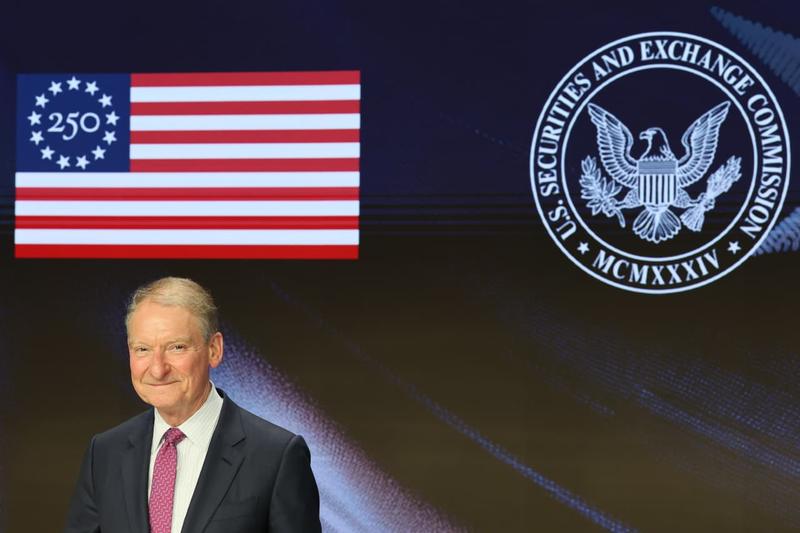
    Jay Clayton was confirmed as the Director of National Intelligence (DNI) by the U.S. Senate on Tuesday, July 28, 2026. This appointment places a former Chairman of the U.S. Securities and Exchange Commission (SEC) at the head of America’s 18 intelligence organizations. Clayton’s background in financial regulation and corporate law marks a departure from traditional intelligence community appointments.

    His new role involves advising President Donald Trump and coordinating the vast U.S. intelligence apparatus. The confirmation vote concluded a nomination process that spanned several weeks. Debates in the Senate focused on Clayton’s experience relevant to intelligence gathering and analysis.

    The Director of National Intelligence: A Critical Role

    The Director of National Intelligence holds a Cabinet-level position within the executive branch. The DNI serves as the principal advisor to the President, the National Security Council, and the Homeland Security Council on all intelligence matters. This office was established in 2004.

    The establishment of the DNI was a direct recommendation from the 9/11 Commission. Its purpose was to improve integration and information sharing among disparate intelligence agencies. This structural change aimed to prevent future intelligence failures by creating a central coordinating authority.

    Key responsibilities include overseeing and directing the National Intelligence Program budget. The DNI also establishes objectives and priorities for intelligence collection and analysis across the entire Intelligence Community. This role is central to shaping U.S. national security and foreign policy.

    The DNI’s authority extends to ensuring that intelligence agencies work together effectively. This involves setting strategic direction and fostering collaboration. The position demands a comprehensive understanding of global threats and domestic security concerns.

    The Intelligence Community’s Structure

    The U.S. Intelligence Community (IC) is a federation of 18 separate government agencies. These agencies work independently and collaboratively to gather and analyze intelligence. Their missions range from foreign intelligence to counterterrorism and cybersecurity.

    Agencies within the IC include the Central Intelligence Agency (CIA), the National Security Agency (NSA), the Defense Intelligence Agency (DIA), and components of the Federal Bureau of Investigation (FBI). Other members include intelligence elements from the Departments of State, Energy, and Treasury.

    Each agency has a specialized focus, contributing to the overall intelligence picture. The DNI’s role is to synthesize this diverse information. This ensures a unified and coherent intelligence assessment for policymakers.

    Jay Clayton’s Background and Expectations

    Jay Clayton previously served as the Chairman of the U.S. Securities and Exchange Commission from 2017 to 2020. During his tenure at the SEC, he focused on protecting investors, facilitating capital formation, and ensuring fair markets. He navigated complex financial regulations and oversaw enforcement actions.

    His experience managing a complex federal agency and navigating intricate regulatory landscapes is seen as a key asset for the DNI role. The SEC is a large organization with a broad mandate. Leading it required significant administrative and policy expertise.

    Prior to his government service, Clayton was a partner at Sullivan & Cromwell LLP. He specialized in mergers and acquisitions and capital markets. He advised on numerous high-profile transactions. His legal career provided extensive experience in international financial law and corporate governance.

    Critics of his nomination questioned his lack of direct intelligence operations experience. They argued that the DNI role requires a deep understanding of clandestine operations and intelligence tradecraft. Concerns were raised about his readiness to lead agencies with highly specialized and sensitive missions.

    Supporters emphasized his management acumen and ability to synthesize complex information. They highlighted his track record of leading a major regulatory body. His proponents argued that the DNI role is primarily one of management and coordination, for which Clayton is well-suited.

    From Wall Street to the Intelligence Community

    Clayton’s career trajectory moved from private legal practice to financial regulation. Now, he transitions to the national security sector. This path is unconventional for a DNI appointee. Most previous DNIs have had extensive backgrounds in intelligence or military service.

    His supporters suggest that an outsider’s perspective could be beneficial. A fresh approach might challenge existing paradigms within the intelligence community. This could lead to more innovative solutions for persistent problems.

    His experience in capital markets also provides a unique understanding of global financial systems. These systems are increasingly intertwined with national security concerns. Economic intelligence and financial warfare are growing areas of focus for intelligence agencies.

    Challenges and Priorities for the New DNI

    Clayton steps into the DNI role facing a complex global intelligence landscape. Ongoing geopolitical tensions present significant challenges. Regions like Eastern Europe, the Middle East, and the Indo-Pacific are sources of constant concern. The intelligence community must monitor these areas closely.

    The rise of cyber warfare is another critical issue. State-sponsored cyber attacks and criminal hacking groups pose threats to critical infrastructure, government systems, and private industry. The DNI must prioritize defenses and offensive capabilities in this domain.

    The proliferation of advanced technologies also presents challenges. Artificial intelligence, quantum computing, and biotechnology offer both opportunities and risks. Intelligence agencies must leverage these technologies while guarding against their misuse by adversaries.

    His priorities will likely include enhancing intelligence integration. This means improving how different agencies share information and coordinate operations. Seamless data flow is crucial for effective intelligence gathering and analysis.

    Adapting to evolving threats is another key priority. The nature of global threats changes rapidly. The DNI must ensure that the intelligence community remains agile and responsive. This requires continuous assessment and adjustment of strategies.

    Ensuring the timely delivery of actionable intelligence to President Trump and other policymakers is paramount. Decision-makers rely on accurate and current intelligence. The DNI is responsible for streamlining the intelligence pipeline from collection to presidential brief.

    Oversight and Public Trust

    The DNI is also responsible for overseeing intelligence community reforms. This includes addressing internal challenges within the agencies. Issues of data privacy are a constant concern in a digital age. Balancing national security with individual liberties is a delicate act.

    Ethical intelligence gathering is another area requiring attention. The DNI must ensure that all intelligence activities adhere to legal and ethical standards. This is crucial for maintaining both domestic and international legitimacy.

    Maintaining public trust is vital for the long-term effectiveness of the intelligence community. Transparency, where possible, and accountability are key components. Clayton’s leadership will be tested by the need to balance national security requirements with civil liberties.

    The DNI must also navigate the political environment in Washington D.C. This involves working with Congress on oversight matters and budget allocations. Building consensus and trust across the political spectrum is essential for the intelligence community’s mission.

    The Senate Confirmation Process

    The Senate confirmation process for Jay Clayton involved extensive hearings and deliberations. Senators questioned Clayton on his views regarding intelligence oversight. They probed his understanding of the scope of presidential authority in intelligence matters. His plans for addressing specific threats were also scrutinized.

    The vote was largely along party lines, reflecting the current political climate in Washington D.C. This partisan division is common for high-level executive appointments. It underscores the political nature of national security leadership roles.

    While specific vote counts were not immediately released, the confirmation demonstrates sufficient support in the Senate. This outcome allows the Trump administration to finalize its national security leadership team for the current term. The Intelligence Community now looks to Clayton for strategic direction.

    The confirmation process involves several stages. Nominees first undergo background checks. Then, they participate in hearings before relevant Senate committees, in this case, likely the Senate Intelligence Committee. Following committee approval, the nomination proceeds to a full Senate vote.

    Senators use these hearings to assess a nominee’s qualifications, policy views, and temperament. Public and closed-door sessions allow for detailed questioning. The process ensures a thorough vetting before a nominee can assume office.

    The final Senate vote confirms the President’s choice. This concludes a critical step in staffing the executive branch. It signals the official beginning of the appointee’s tenure.

    The Intelligence Community leadership. The national security apparatus. The oversight committees. The global intelligence landscape. The new Director of National Intelligence. Jay Clayton.


  • President Trump’s Crypto Bonanza: A Hurdle for the Clarity Act

    President Trump’s Crypto Bonanza: A Hurdle for the Clarity Act

    President Donald Trump’s significant engagement with cryptocurrency and Non-Fungible Tokens (NFTs) currently presents the most substantial hurdle to the enactment of the Clarity Act. This proposed legislation aims to provide a definitive regulatory framework for digital assets within the United States. His personal financial stake and public endorsements of various crypto initiatives introduce a unique set of challenges into the ongoing policy discussions surrounding digital asset regulation.

    The intersection of presidential influence and nascent financial markets creates a complex environment. Lawmakers must navigate these new dynamics. The debate over the Clarity Act reflects broader questions about governmental oversight in rapidly evolving technological sectors.

    The Digital Asset Landscape and Presidential Engagement

    The digital asset market has grown exponentially in recent years. Cryptocurrencies like Bitcoin and Ethereum have gained mainstream acceptance. NFTs, unique digital items recorded on a blockchain, have also seen a surge in popularity.

    President Trump has publicly embraced this emerging market. His involvement extends beyond mere observation. He has launched his own series of digital trading cards, known as Trump Digital Trading Cards.

    These NFTs feature images of President Trump in various poses. They have generated considerable revenue. This personal venture places him directly within the digital asset ecosystem.

    Reports indicate President Trump holds a substantial portfolio of various cryptocurrencies. The exact value fluctuates with market conditions. This portfolio represents a notable personal financial interest in the sector.

    Trump Digital Trading Cards: A Case Study

    The Trump Digital Trading Cards launched in December 2022. They quickly sold out the initial series. Subsequent series have also been released, maintaining public interest.

    Each NFT functions as a collectible. They are minted on a blockchain, ensuring verifiable ownership. The project leverages President Trump’s brand recognition.

    The initial price point for these NFTs was set at $99. Secondary market sales have seen significant price variations. This venture highlighted the potential for political figures to engage directly with digital assets.

    Critics raised concerns about the speculative nature of NFTs. Supporters viewed it as an innovative way to connect with a political base. The project generated substantial media attention.

    The Clarity Act: Legislative Goals and Challenges

    The Clarity Act is a bipartisan legislative effort. Its primary goal is to establish clear definitions for digital assets. It seeks to classify them as securities, commodities, or a new category of digital property.

    Current regulatory uncertainty hinders innovation. It also poses risks for investors. The Securities and Exchange Commission (SEC) and the Commodity Futures Trading Commission (CFTC) have often clashed over jurisdiction.

    The Act aims to provide a predictable legal environment. This would allow businesses to innovate with confidence. It would also offer better protection for consumers.

    Key provisions include guidelines for stablecoins. It also addresses the issuance of new tokens. The legislation seeks to create a sandbox approach for certain experimental projects.

    Regulatory Ambiguity: A Persistent Problem

    For years, the digital asset industry has operated in a gray area. Existing laws, designed for traditional finance, do not always fit digital assets. This creates enforcement challenges.

    The SEC has pursued enforcement actions against various crypto projects. They often allege unregistered securities offerings. These actions have been met with criticism from the crypto community.

    The CFTC has asserted jurisdiction over certain cryptocurrencies as commodities. This overlapping authority creates confusion. It makes compliance difficult for companies.

    The Clarity Act intends to resolve these ambiguities. It would assign clear roles to regulatory agencies. This is expected to streamline oversight.

    President Trump’s Influence on Policy Debates

    President Trump’s personal involvement in crypto adds a new layer of complexity. His financial interests are now directly tied to the market’s regulatory future. This raises questions of potential conflict of interest.

    Lawmakers must consider these implications. The debate is no longer purely about economic policy. It now includes considerations of presidential ethics and market integrity.

    Advocates for the Clarity Act emphasize the need for objective policy-making. They argue that personal financial stakes could sway legislative outcomes. This could undermine public trust in the regulatory process.

    The President’s public statements on crypto also carry significant weight. His endorsements can influence market sentiment. They can also shape public perception of digital assets.

    Ethical Considerations and Transparency

    The Office of Government Ethics provides guidance for federal officials. These guidelines address potential conflicts of interest. Digital assets present unique challenges to these established norms.

    President Trump’s financial disclosures include his crypto holdings. These disclosures are publicly available. They provide a window into his digital asset portfolio.

    The sheer scale of his involvement is unprecedented for a sitting President. This necessitates a re-evaluation of existing ethical frameworks. New precedents may be set regarding presidential financial conduct in emerging markets.

    Transparency is a key demand from watchdogs. They seek assurances that policy decisions are made in the public interest. Personal financial gain should not be a driving factor.

    Economic Impact and Market Reaction

    The uncertainty surrounding the Clarity Act impacts the broader crypto market. Investors seek regulatory clarity. This provides stability and fosters growth.

    Delays in legislation can deter institutional investment. It can also push innovation overseas. The United States risks falling behind other nations with clearer crypto regulations.

    President Trump’s crypto ventures, while profitable for him, contribute to this regulatory quagmire. His actions send mixed signals to the market. This creates both excitement and apprehension.

    The crypto industry largely supports clear regulation. They believe it will legitimize the asset class. It will also attract more mainstream adoption.

    Global Regulatory Landscape

    Other countries are moving forward with their own crypto regulations. The European Union’s MiCA (Markets in Crypto Assets) framework is a prominent example. It provides comprehensive rules for digital assets.

    The United Kingdom has also advanced its regulatory agenda. Japan and Singapore have established robust frameworks. These nations are attracting crypto businesses.

    The United States risks losing its competitive edge. Delays in the Clarity Act could lead to a ‘brain drain’ of crypto talent. Businesses may choose to relocate to more favorable jurisdictions.

    International cooperation on crypto regulation is also increasing. Global standards are beginning to emerge. The U.S. role in shaping these standards is critical.

    The Path Forward for the Clarity Act

    The legislative path for the Clarity Act remains uncertain. Bipartisan support exists for some form of regulation. However, the specifics are still being debated.

    President Trump’s stance will likely influence Republican lawmakers. His public comments and private financial interests will be closely watched. This adds another layer of political maneuvering.

    Democrats have also expressed concerns about consumer protection. They seek to prevent market manipulation. They also want to ensure financial stability.

    Compromise will be essential for the Act’s passage. Stakeholders include industry leaders, consumer advocates, and financial regulators. Each group has distinct priorities.

    Future of Digital Asset Regulation

    The 2026 political calendar includes midterm elections. These elections could shift the balance of power in Congress. This would further complicate legislative efforts.

    The regulatory debate extends beyond the Clarity Act. Discussions are ongoing about central bank digital currencies (CBDCs). The future of stablecoins is also a major topic.

    The role of artificial intelligence (AI) in financial markets is another emerging issue. AI could impact trading strategies and market surveillance. Regulators are beginning to explore these intersections.

    The digital transformation of finance is irreversible. Policy makers must adapt to these changes. They must create frameworks that foster innovation while mitigating risks.

    President Trump’s crypto ventures. Lawmakers’ debates. Consumer protections. Market stability. Regulatory frameworks. The future of digital finance.

    Clarity.


  • Cocaine Bust in Spain – The Unseen Ties to Wall Street’s Financial Integrity

    Cocaine Bust in Spain – The Unseen Ties to Wall Street’s Financial Integrity

    A major cocaine bust in Spain has uncovered intricate connections to Wall Street, revealing potential vulnerabilities in global financial integrity. This discovery suggests that illicit drug operations are leveraging sophisticated financial channels, prompting a comprehensive investigation into money laundering and financial misconduct. The incident highlights the ongoing struggle to insulate legitimate financial systems from the influence of organized crime and illicit capital flows.

    The Spanish National Police, in cooperation with international agencies, executed a series of raids across several Spanish provinces. These operations targeted a major drug trafficking network responsible for importing large quantities of cocaine into Europe. The initial arrests led to the seizure of significant narcotics shipments and substantial sums of cash.

    The Initial Discovery in Spain

    The investigation began in early 2026, following intelligence reports from Europol regarding increased cocaine shipments from South America. Spanish authorities intensified surveillance on several key ports, including Valencia and Algeciras. These ports are known entry points for illicit goods due to their strategic location and extensive trade volumes.

    On March 14, 2026, a large consignment of cocaine was intercepted at the Port of Valencia. The drugs were concealed within a shipment of legitimate commercial goods, specifically construction materials. This seizure marked a significant breakthrough in the ongoing efforts to disrupt the drug trade.

    Subsequent raids across major cities like Madrid, Barcelona, and Marbella led to the arrest of over a dozen individuals. These individuals were identified as key players in the distribution and logistical arms of the drug trafficking organization. Among the seized items were encrypted communication devices, false documents, and detailed ledgers documenting financial transactions.

    Unraveling the Financial Web

    The financial ledgers proved to be a critical piece of evidence. They detailed a complex web of transactions, including transfers to shell corporations and offshore accounts. Investigators began tracking these financial flows, which eventually led them to institutions and individuals with ties to Wall Street.

    The initial analysis indicated that millions of euros had been laundered through various financial instruments. These included investments in real estate, obscure hedge funds, and even legitimate business ventures. The sophistication of these laundering techniques suggested the involvement of financial experts.

    Spanish law enforcement formally requested assistance from United States federal agencies. The Financial Crimes Enforcement Network (FinCEN) and the Federal Bureau of Investigation (FBI) quickly became involved. Their expertise in tracking complex financial crimes was deemed crucial for understanding the full scope of the operation.

    The Wall Street Connection Emerges

    The collaboration between Spanish and U.S. authorities began to uncover specific individuals and entities on Wall Street. These entities appeared to be facilitating the movement of illicit funds, either knowingly or unknowingly. The investigation is currently focused on identifying the precise nature of these connections.

    Early reports suggest that some Wall Street firms may have been used to create legitimate fronts for drug money. This could involve complex investment schemes designed to obscure the origin of funds. Other theories propose that specific individuals within these firms were directly involved in the money laundering process, offering their expertise for a fee.

    The U.S. Department of Justice has confirmed its involvement in the ongoing international probe. They are working to identify any U.S. citizens or financial institutions that may have played a role in the Spanish cocaine bust’s financial aftermath. This includes scrutinizing compliance departments of major banks and investment firms.

    Regulatory Scrutiny Intensifies

    The discovery has prompted increased scrutiny from financial regulators. The Securities and Exchange Commission (SEC) and the Financial Industry Regulatory Authority (FINRA) are examining the compliance procedures of several Wall Street firms. This includes a review of their anti-money laundering (AML) protocols and know-your-customer (KYC) policies.

    Concerns have been raised about the effectiveness of existing safeguards against illicit financial flows. Critics argue that despite numerous regulations, sophisticated criminal organizations continue to find loopholes. The sheer volume and complexity of global financial transactions make comprehensive oversight a significant challenge.

    Financial institutions are now facing pressure to enhance their internal monitoring systems. They must demonstrate a robust capacity to detect and report suspicious activities. Failure to do so could result in substantial fines and reputational damage.

    Impact on Financial Integrity and Trust

    The news of a cocaine bust linking to Wall Street has generated significant concern among investors and the public. It erodes trust in the financial system’s ability to remain free from criminal influence. The perception of vulnerability can have long-term consequences for market stability and investor confidence.

    Financial integrity is paramount for the functioning of global markets. When illicit funds infiltrate legitimate channels, it distorts market dynamics and can facilitate further criminal activities. The economic consequences extend beyond the direct losses from drug trafficking, impacting broader economic stability.

    The current administration has emphasized a strong stance against financial crime. The Attorney General has publicly stated the Department of Justice’s commitment to pursuing all leads in this international investigation. The administration aims to send a clear message that such illicit activities will not be tolerated.

    Global Cooperation Becomes Essential

    The Spanish cocaine bust highlights the critical need for enhanced international cooperation among law enforcement and financial regulatory bodies. Criminal networks operate across borders, making a coordinated global response indispensable. Information sharing and joint operations are vital for dismantling these complex organizations.

    Europol and Interpol are playing crucial roles in facilitating communication and intelligence exchange between Spanish and U.S. authorities. These organizations provide the infrastructure for cross-border investigations, ensuring that legal and procedural differences do not impede justice.

    The current investigation serves as a stark reminder that financial crime is a global challenge. It requires a unified and persistent effort from all nations to protect the integrity of the international financial system. The outcome of this particular case will likely influence future strategies for combating financial illicit activities.

    Previous Instances of Illicit Funds on Wall Street

    This is not the first time Wall Street has faced scrutiny regarding its connections to illicit funds. Historically, various scandals have exposed weaknesses in financial oversight. Cases involving Russian oligarchs, terrorist financing, and other drug cartels have periodically surfaced.

    In 2012, HSBC faced a massive fine for facilitating money laundering for Mexican drug cartels and state sponsors of terrorism. The case revealed significant failures in the bank’s compliance systems. It served as a wake-up call for the industry to strengthen its AML procedures.

    More recently, the FinCEN Files in 2020 exposed billions of dollars in suspicious transactions flowing through major global banks. These leaks highlighted how easily criminal organizations can move money through the international banking system, despite existing regulations.

    Each of these instances underscores a recurring pattern: as regulators implement new safeguards, criminal enterprises adapt their methods. The cat-and-mouse game between law enforcement and financial criminals continues to evolve, necessitating constant vigilance and innovation from regulatory bodies.

    The Path Forward for Financial Institutions

    In response to incidents like the Spanish cocaine bust, financial institutions are expected to implement more stringent compliance measures. This includes investing in advanced artificial intelligence and machine learning tools to detect suspicious patterns in transactions. Human oversight remains critical, but technology can augment these efforts significantly.

    Training programs for financial professionals must also be enhanced. Employees need to be equipped with the knowledge and skills to identify red flags associated with money laundering and illicit finance. A culture of compliance, starting from the top, is essential for preventing future abuses.

    Furthermore, greater transparency in corporate ownership and beneficial ownership information is being advocated. Obscure ownership structures are frequently exploited by criminals to hide the true origin of funds. International efforts to create centralized registries of beneficial owners are gaining momentum.

    Legislative and Policy Responses

    Legislators in both the United States and Europe are likely to consider new policies in light of the ongoing investigation. These could include stricter penalties for financial institutions that fail to comply with AML regulations. There might also be calls for greater international harmonization of financial crime laws.

    The U.S. Congress has historically held hearings on financial crime and national security. This latest development could prompt new hearings and legislative proposals aimed at strengthening the U.S. financial system against illicit inflows. Bipartisan support for such measures is often found, given the national security implications.

    The European Union is also continuously refining its anti-money laundering directives. The Spanish bust will likely add urgency to these efforts, pushing for more robust enforcement and greater consistency across member states. The goal is to create a unified front against financial crime within the European economic area.

    The Long-Term Implications

    The long-term implications of this investigation extend beyond the immediate arrests and seizures. It could lead to significant reforms in how financial institutions operate globally. It may also redefine the relationship between law enforcement, regulatory bodies, and the private sector.

    The case serves as a powerful reminder that the fight against organized crime is multifaceted. It involves not only disrupting drug supply chains but also dismantling the financial infrastructure that sustains them. The interconnectedness of the global economy means that a bust in one region can have profound implications for financial centers worldwide.

    The investigation into the Wall Street connections of the Spanish cocaine bust is ongoing. Authorities are meticulously piecing together evidence to build a comprehensive case against all involved parties. The outcome will likely shape future approaches to combating financial crime on an international scale.

    Law enforcement pursued the leads. Financial regulators reviewed the protocols. International agencies collaborated. The financial world watched.

    Accountability.

  • Tether’s Ascent: Trump Insiders and the Shaping of US Crypto Law

    Tether’s Ascent: Trump Insiders and the Shaping of US Crypto Law

    Tether, a prominent stablecoin, is reported to have benefited significantly from the specific contours of US crypto law. These laws were shaped during President Trump’s administration, influenced by individuals within his inner circle who advocated for a particular regulatory approach. This dynamic highlights the intricate interplay between political power, legislative development, and the burgeoning cryptocurrency market, ultimately creating an environment where Tether could expand its operations and market share.

    The cryptocurrency industry experienced rapid growth and evolving regulatory discussions throughout the 2020s. Stablecoins, in particular, became a significant area of focus due to their purported stability and widespread use in the digital asset ecosystem. Tether, with its USDT token, emerged as a dominant force in this sector, achieving a market capitalization exceeding 110 billion US dollars by 2026.

    The Shifting Sands of Crypto Regulation Under President Trump

    The regulatory landscape for cryptocurrencies in the United States began to take more defined shape during President Trump’s first term (2017-2021). Initially, the approach was characterized by a mix of caution and an openness to innovation. However, as the market matured, the need for clearer guidelines became apparent, though comprehensive stablecoin-specific legislation was notably absent.

    Various government agencies, including the Department of the Treasury, the Securities and Exchange Commission (SEC), and the Commodity Futures Trading Commission (CFTC), each asserted jurisdiction over different aspects of digital assets. This created a fragmented regulatory environment that industry participants often found challenging to navigate. The lack of a unified, proactive legislative stance on stablecoins, in particular, left room for entities like Tether to operate with fewer immediate constraints.

    Stablecoins, designed to maintain a peg to a stable asset like the US dollar, presented unique regulatory questions. Their potential to facilitate payments and their role in the broader financial system led to calls for specific legislation. The debate centered on consumer protection, financial stability, and anti-money laundering (AML) concerns, but these discussions often failed to translate into immediate, binding legislation that would significantly impact Tether’s operational model.

    Early Regulatory Stances and Their Implications

    During President Trump’s administration, the prevailing sentiment among some key advisors leaned towards fostering technological innovation. This often meant a reluctance to impose overly restrictive regulations too early in the development cycle of emerging technologies like blockchain and cryptocurrencies. This ‘wait and see’ approach, while intended to prevent stifling innovation, inadvertently provided a less stringent environment for stablecoin issuers.

    The Treasury Department, under then-Secretary Steven Mnuchin, acknowledged the rise of digital assets but emphasized existing financial regulations rather than proposing entirely new, bespoke frameworks for stablecoins. This reliance on adapting existing laws to a new asset class proved to be a slower and less definitive process than many in the industry or among consumer advocates desired, allowing stablecoins to grow without direct, federal oversight for a period.

    The President’s Working Group on Financial Markets (PWG) did issue a report in November 2021, highlighting risks associated with stablecoins. However, this report was advisory and did not immediately translate into legislative action. The lack of decisive legislative action from 2017 to 2021 meant that stablecoin issuers, including Tether, continued to operate largely under a patchwork of state-level money transmission laws and general financial regulations, rather than a comprehensive federal stablecoin framework.

    Key Figures and Their Influence on Crypto Policy

    Reports indicate that certain individuals connected to President Trump played roles in discussions surrounding cryptocurrency policy. These figures, often with backgrounds in finance or technology, brought their perspectives to the legislative drafting process. Their involvement could have steered policy in directions that inadvertently or intentionally favored specific market participants, particularly those advocating for less immediate regulatory intervention.

    Steven Mnuchin, as Treasury Secretary, was a central figure in economic policy. While expressing caution about cryptocurrencies, his department’s focus often centered on anti-money laundering (AML) and counter-terrorist financing (CTF) issues, rather than comprehensive prudential regulation of stablecoin reserves or issuance. This focus, while important, allowed stablecoin business models to evolve without the deep scrutiny faced by traditional financial institutions.

    Advisory Roles and Industry Connections

    Other advisors and figures within President Trump’s orbit, some with direct ties to the financial technology sector, also contributed to the policy discourse. Their perspectives often emphasized the potential for the US to lead in digital innovation, advocating for regulatory approaches that would not hinder this competitive edge. This advocacy often translated into a preference for self-regulation or light-touch government oversight in the early stages of crypto development.

    The exact nature of these influences is complex. It involved formal consultations, informal discussions, and the advocacy efforts of various industry stakeholders. Lobbying efforts from cryptocurrency companies and advocacy groups intensified as the prospect of comprehensive legislation grew. These efforts often sought to differentiate stablecoins from other, more volatile cryptocurrencies, arguing for a distinct and often less burdensome regulatory path.

    The focus on stablecoins intensified as their market capitalization soared. Policymakers grappled with how to classify them: as securities, commodities, or a new category of financial instrument. The chosen classification would dictate the regulatory body responsible for oversight and the specific rules that would apply. The delay in definitive classification provided operational flexibility for Tether and similar entities.

    Tether’s Position and Operational Advantages

    Tether operates USDT, which became the largest stablecoin by market capitalization. Its widespread adoption made it a critical component of the global cryptocurrency trading infrastructure. The company’s business model relies on maintaining a 1:1 peg with the US dollar, backed by reserves. The lack of early, specific federal stablecoin legislation in the US during President Trump’s term allowed Tether to establish and consolidate this dominant position without the immediate imposition of strict reserve requirements, auditing standards, or capital adequacy rules that might have been applied to traditional financial institutions.

    The composition and transparency of Tether’s reserves have been subjects of ongoing debate and regulatory scrutiny since its inception. Critics have raised concerns about the company’s auditing practices and the potential for systemic risk if its reserves were to prove insufficient during periods of market stress. However, the absence of a clear, overarching federal stablecoin regulatory framework in the US during the formative years of its growth meant these concerns were primarily addressed through state-level actions or international pressure, rather than comprehensive federal mandates.

    Market Dominance Amidst Regulatory Ambiguity

    Despite these transparency concerns, Tether has maintained a dominant position. Its utility in facilitating cross-border transactions and providing liquidity for crypto trading platforms has cemented its importance within the digital asset space. The regulatory ambiguity in the US, particularly concerning stablecoins, allowed Tether to innovate and expand its offerings globally without facing the same level of federal scrutiny or compliance costs that might have been imposed under a more prescriptive regulatory regime.

    Any legislation impacting stablecoins would inevitably have significant implications for Tether. The delay in implementing such legislation during the Trump administration effectively provided a window for Tether to scale its operations and cement its market lead. This period allowed Tether to become deeply embedded in the global crypto ecosystem, making subsequent regulatory efforts more complex due to its systemic importance.

    Legislative Proposals and Outcomes: A Delayed Approach

    Several legislative proposals emerged during the period, aiming to establish a clear framework for digital assets, including stablecoins. These proposals varied in their scope and stringency, reflecting different philosophies on how best to regulate the nascent industry. However, none of these proposals progressed to become comprehensive federal law during President Trump’s tenure.

    Some proposals advocated for a light-touch approach, emphasizing innovation and allowing the market to self-regulate to a certain extent. Others pushed for more robust oversight, treating stablecoins much like traditional financial institutions, with strict capital requirements and transparency mandates. The inability to reconcile these differing views contributed to the legislative inertia.

    The final shape of any enacted legislation would be a product of compromise and political negotiation. The influence of various stakeholders, including financial institutions, technology companies, and cryptocurrency firms, played a role in shaping these outcomes. The resulting laws, or lack thereof, could either constrain or enable the growth of stablecoin issuers like Tether. In the absence of federal legislation, Tether continued to operate under existing frameworks, which were not specifically designed for the unique characteristics of stablecoins.

    The Impact of Legislative Inaction

    The legislative inaction at the federal level regarding stablecoins provided a significant operational advantage to companies like Tether. Without a clear federal mandate for reserve requirements, auditing, or consumer protection specific to stablecoins, these entities could define their own operational standards to a greater degree. This allowed for faster growth and market penetration, as the compliance burden was less onerous than it might have been under a comprehensive federal framework.

    This period also saw the US fall behind some other jurisdictions in establishing clear stablecoin regulations. While other countries began to introduce specific licensing and oversight regimes, the US continued its debate, allowing entities like Tether to leverage this regulatory arbitrage. The global nature of cryptocurrency meant that even without explicit US federal regulation, Tether could continue to serve US-based users through international operations, further solidifying its market position.

    The Regulatory Environment of 2026 and Beyond

    As of 2026, the regulatory environment for cryptocurrencies continues to evolve. While significant strides were made during President Trump’s first term in acknowledging digital assets, the dynamic nature of the technology means that legislative frameworks require constant re-evaluation. The global nature of cryptocurrency further complicates regulatory efforts, as different jurisdictions adopt varying approaches, creating a complex web of compliance for international operators.

    The focus on stablecoin reserves and auditing remains a priority for regulators worldwide. The potential for financial instability, consumer fraud, and illicit activities associated with digital assets drives ongoing legislative and enforcement actions. International cooperation has also become increasingly important in addressing these cross-border challenges, as the lack of a unified global approach can create regulatory gaps.

    The debate surrounding central bank digital currencies (CBDCs) also influences the stablecoin discussion. Governments globally are exploring the development of their own digital currencies, which could impact the role and utility of private stablecoins like Tether. This parallel development adds another layer of complexity to the regulatory future of digital assets, as private stablecoins compete with state-backed digital currencies for market share and user adoption.

    Continuing Scrutiny and Future Prospects

    The US Congress continues to grapple with stablecoin legislation in 2026, with several bills under consideration. These proposals generally aim to establish a clear regulatory framework, often placing stablecoin issuers under the purview of federal banking regulators or creating a new licensing regime. The objective is to ensure stablecoins are fully backed by high-quality, liquid assets, undergo regular audits, and provide transparent reporting, directly addressing the concerns that emerged during Tether’s early growth phases.

    The push for greater transparency and accountability for stablecoins is now a bipartisan effort. The experiences of the early 2020s, including market volatility and concerns over reserve attestations, have underscored the need for robust oversight. Future legislation is likely to impose stricter requirements on issuers, potentially altering the operational landscape for Tether and new entrants alike. The period of less stringent federal oversight, which arguably benefited Tether, is drawing to a close as regulators catch up to the pace of innovation.

    Transparency and Accountability Concerns

    A central theme in the discussions around stablecoin regulation has been transparency. Regulators and consumer advocates have consistently called for greater clarity regarding the assets backing stablecoins. The ability to verify reserves through independent audits is seen as crucial for building trust and ensuring stability. This was a particular point of contention for Tether throughout its history, with critics often citing insufficient transparency regarding its reserve composition.

    Tether, like other stablecoin issuers, has faced pressure to provide more comprehensive and frequent attestations of its reserves. While the company has increased its reporting over time, the debate continues regarding the quality and independence of these attestations. The lack of a clear, federally mandated auditing standard in the US during President Trump’s administration meant that Tether’s disclosures were often driven by market pressure and international regulatory bodies rather than a unified US federal requirement.

    The Evolution of Reserve Reporting

    Initially, Tether’s reserve reports were often criticized for their vagueness and reliance on unaudited attestations. As regulatory scrutiny increased globally, and particularly from the New York Attorney General’s office, Tether began to provide more detailed breakdowns of its reserves. However, the nature of these reserves, which included commercial paper and other less liquid assets, continued to raise questions about the true stability and liquidity of its backing.

    The absence of a definitive US federal regulatory framework for stablecoins during the Trump administration meant that the US did not impose a specific standard for reserve composition, such as requiring 100% backing by cash or short-term US Treasury bills. This allowed Tether flexibility in managing its reserves, a flexibility that some argue contributed to its growth but also generated significant market and regulatory concern about its solvency and systemic risk. The ongoing legislative efforts in 2026 aim to standardize these requirements, ensuring all stablecoin issuers adhere to stringent, federally mandated reserve standards.

    The push for greater accountability extends beyond reserve transparency. It includes calls for clear governance structures, robust risk management frameworks, and mechanisms for consumer redress. The evolving regulatory landscape aims to bring stablecoin issuers into a framework more akin to traditional financial institutions, ensuring the stability of the broader financial system as digital assets become increasingly integrated.

    Policy discussions. Congressional hearings. Industry lobbying. Regulatory proposals. Tether.