Tag: Screenwriter

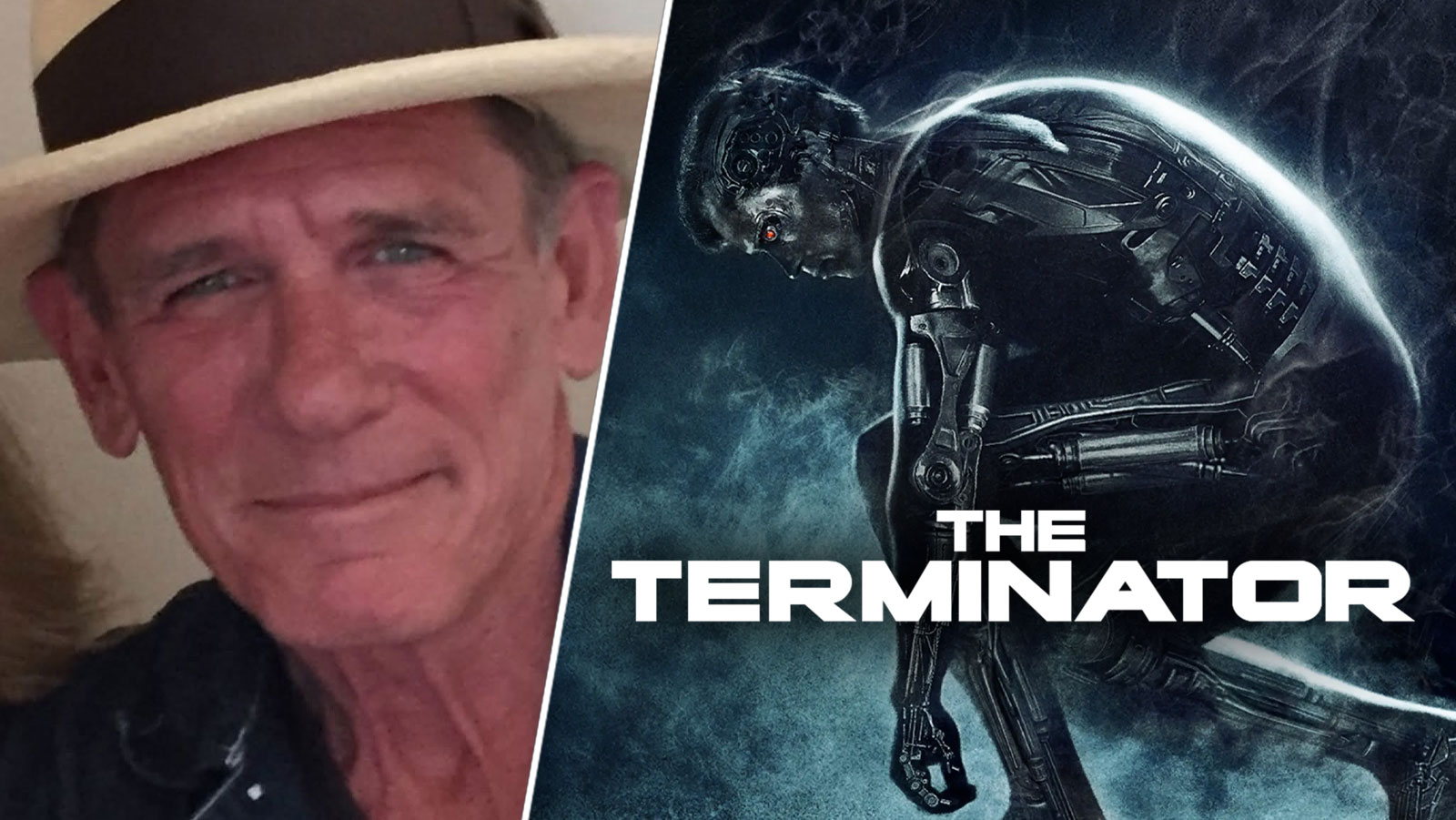
  • William H. Wisher Jr., Screenwriter for ‘The Terminator,’ Dies at 71

    William H. Wisher Jr., Screenwriter for ‘The Terminator,’ Dies at 71

    William H. Wisher Jr., the screenwriter celebrated for his foundational contributions to the science fiction action genre through films like The Terminator and Terminator 2: Judgment Day, passed away at the age of 71 on July 14, 2026. His death marks the end of an era for many fans who grew up with the dystopian visions and groundbreaking special effects that his writing helped bring to life.

    Wisher’s collaboration with director James Cameron was instrumental in shaping the narrative and thematic core of the Terminator franchise, creating a universe that has resonated globally for decades. His legacy is etched into the history of modern cinema, influencing countless storytellers and solidifying his place as a key architect of beloved sci-fi mythology.

    The Genesis of a Sci-Fi Icon

    The journey of The Terminator began with a concept that would redefine science fiction cinema. William H. Wisher Jr. was a crucial part of this initial creative burst. His partnership with James Cameron started in the early days of their careers, fueled by a shared vision for gritty, impactful storytelling.

    The original screenplay for The Terminator, released in 1984, was a collaborative effort. Wisher’s contributions helped to craft the dark, relentless tone and the intricate time-travel paradoxes that made the film a cult classic and then a mainstream sensation. The film introduced audiences to Sarah Connor, Kyle Reese, and the terrifying T-800, characters who would become household names.

    The film’s success was not just in its action sequences or special effects, which were revolutionary for their time. It was in the compelling narrative, the desperate fight for survival, and the chilling implications of artificial intelligence. Wisher’s writing helped ground these fantastical elements in relatable human struggle.

    Crafting ‘Judgment Day’

    Years later, Wisher reunited with James Cameron for the highly anticipated sequel, Terminator 2: Judgment Day (1991). This film elevated the franchise to new heights, both critically and commercially. Wisher’s involvement was significant in developing the complex plot and character arcs that defined this blockbuster.

    Terminator 2 expanded on the mythology of Skynet and introduced new elements, such as the T-1000 liquid metal Terminator, pushing the boundaries of visual effects. Wisher’s screenplay work helped to deepen the emotional core of the story, particularly the evolving relationship between Sarah Connor, John Connor, and the reprogrammed T-800.

    The film became a benchmark for action cinema, earning multiple Academy Awards and solidifying the Terminator series as a cultural phenomenon. Its themes of fate, free will, and the perils of technology remained potent, largely due to the strength of its narrative foundation.

    Beyond Skynet: Other Screenwriting Ventures

    While the Terminator films remain his most recognized work, William H. Wisher Jr.’s screenwriting career extended beyond the Skynet saga. He contributed to other notable projects, showcasing his versatility within the genre and beyond.

    His credits include work on films such as Judge Dredd (1995), an adaptation of the popular comic book series starring Sylvester Stallone. Wisher’s writing here contributed to the dystopian future setting and the unique legal system of Mega-City One.

    He also had a hand in The 13th Warrior (1999), an historical action film based on Michael Crichton’s novel Eaters of the Dead. This project demonstrated his ability to tackle different genres and adapt complex source material for the screen. These films, while not reaching the same iconic status as the Terminator series, further cemented his reputation as a skilled storyteller in Hollywood.

    The Impact of the Terminator Universe

    The universe created by Wisher and Cameron has left an indelible mark on popular culture. The catchphrases, the character designs, and the overarching narrative of a future war against machines have become ingrained in the collective consciousness. The films explored profound questions about artificial intelligence, humanity’s future, and the nature of destiny.

    The influence of The Terminator can be seen in countless films, television shows, and video games that followed. It set a precedent for combining high-octane action with thoughtful science fiction concepts. Wisher’s ability to craft compelling dialogue and memorable scenarios played a significant role in this lasting impact.

    His work helped to establish a template for successful sci-fi blockbusters, demonstrating that genre films could also possess depth and intellectual curiosity. The franchise continues to inspire debates and discussions among fans and academics alike, a testament to the strength of its original conception.

    Collaborations and Creative Partnerships

    The success of Wisher’s most famous projects often stemmed from strong collaborative partnerships. His work with James Cameron is a prime example of how creative synergy can produce groundbreaking cinema. Their shared vision and complementary skills were crucial in bringing the Terminator world to life.

    Beyond Cameron, Wisher worked with various directors, producers, and actors throughout his career. These collaborations allowed him to explore different storytelling avenues and contribute his unique voice to a diverse range of projects. The collaborative nature of filmmaking meant that his ideas were often shaped and refined through interaction with other talented individuals in the industry.

    These partnerships highlight the collective effort involved in creating cinematic masterpieces. Wisher’s role as a screenwriter was to provide the blueprint, the narrative structure, and the character motivations that others would then build upon, bringing the words on the page to the screen.

    The Craft of Screenwriting

    William H. Wisher Jr.’s career serves as an example of the often-unseen but vital role of the screenwriter in Hollywood. While directors and actors often receive the most public recognition, it is the screenwriter who lays the narrative foundation, develops the characters, and crafts the dialogue that drives the story forward.

    His ability to weave complex plots with compelling character arcs was a hallmark of his writing. He understood the rhythm of action sequences and the emotional beats necessary to connect with an audience. The enduring popularity of his work speaks to the power of well-crafted storytelling.

    Screenwriting is a demanding craft, requiring both imaginative vision and meticulous attention to detail. Wisher’s success in creating enduring narratives demonstrates his mastery of this art form, leaving a rich body of work for future generations to study and enjoy.

    A Legacy Remembered

    William H. Wisher Jr.’s passing at 71 marks a moment of reflection for those who appreciate the art of screenwriting and the impact of his work. His contributions to the Terminator franchise alone would secure his place in cinematic history, but his wider body of work further illustrates his talent and dedication.

    Fans will remember the thrilling chases, the iconic lines, and the profound questions posed by his stories. Filmmakers will continue to study the structure and pacing of his most successful screenplays. His legacy is one of innovation, compelling narrative, and the creation of worlds that continue to captivate.

    The science fiction genre owes a significant debt to writers like Wisher, who dared to imagine futures both terrifying and thought-provoking. His stories challenged audiences to consider the implications of technological advancement and the resilience of the human spirit.

    He wrote. He collaborated. He imagined.

    He created.


  • Jesse Eisenberg on Trump, AI, and His Film ‘The Debut’

    Jesse Eisenberg on Trump, AI, and His Film ‘The Debut’

    Jesse Eisenberg recently stated that leaving the United States due to political figures, such as President Trump, would be “silly.” This perspective underscores his belief in sustained engagement within the country, irrespective of the political climate. Eisenberg’s remarks reflect a pragmatic approach to civic participation, advocating for individuals to contribute to their communities rather than disengage.

    His comments arrive amidst the promotion of his latest cinematic endeavor, ‘The Debut.’ Eisenberg characterizes this film as a deliberate contrast to artificial intelligence in the creative process. This framing positions ‘The Debut’ as a testament to human artistry and narrative.

    Eisenberg’s Stance on Political Engagement

    Eisenberg articulated a philosophy centered on active involvement. He views the act of departing the U.S. over political disagreements as an unproductive response. His argument suggests that individual and collective efforts are more impactful when sustained within the existing societal structure.

    This viewpoint resonates with a segment of the public seeking stability and continuity. It contrasts with discussions around expatriation or political protest through emigration. Eisenberg’s position is one of pragmatic resilience.

    He did not elaborate on specific political policies. Instead, his focus remained on the principle of national commitment. The actor-filmmaker emphasized the importance of contributing to the country’s fabric.

    ‘The Debut’ as a Counterpoint to AI

    The conversation around ‘The Debut’ highlights a broader industry concern. Artificial intelligence increasingly influences creative fields. Eisenberg’s description of his film as “the opposite of AI” is a direct response to this trend.

    This statement carries significant weight. It implies a deliberate artistic choice to prioritize human-driven storytelling and execution. ‘The Debut’ is presented as a work deeply rooted in human experience and creative intuition.

    The film industry is grappling with the implications of AI technology. Questions regarding authorship, originality, and the future of creative labor are prevalent. Eisenberg’s project contributes to this critical dialogue.

    A24 and DeepMind Partnership Context

    Eisenberg’s remarks gain additional context from recent industry developments. The film studio A24, known for its distinctive independent productions, has partnered with DeepMind. DeepMind is a prominent artificial intelligence research laboratory.

    This collaboration signals a potential integration of AI into filmmaking processes. It raises questions about the definition of creative work in the digital age. The partnership has sparked discussions across the entertainment sector.

    The exact nature of the A24-DeepMind collaboration has not been fully disclosed. However, it points to a future where AI tools might assist in various stages of film production. This includes script development, visual effects, and even marketing.

    Eisenberg’s assertion about ‘The Debut’ stands in direct opposition to this trend. He appears to be championing a return to or a preservation of traditional human creative methods. This artistic stance is both timely and provocative.

    The Evolving Role of AI in Film

    The film industry has a long history of adopting new technologies. From sound to color, and then to CGI, technological advancements have reshaped cinematic art. AI represents the latest frontier.

    AI tools can generate scripts, create realistic visual effects, and even compose musical scores. These capabilities offer efficiency and new creative possibilities. They also pose challenges to traditional roles and artistic integrity.

    Filmmakers like Eisenberg are navigating this complex landscape. Some embrace AI as a tool to enhance their craft. Others express caution, emphasizing the irreplaceable value of human imagination and emotional depth.

    The debate extends beyond technical capabilities. It touches upon philosophical questions about art itself. What constitutes creativity when algorithms play a significant role?

    Eisenberg’s Career and Artistic Philosophy

    Jesse Eisenberg has established a career marked by diverse roles and creative ventures. He is known for his acting in films such as ‘The Social Network’ and ‘Zombieland.’ More recently, he has expanded into directing and screenwriting.

    His directorial debut, ‘When You Finish Saving the World,’ premiered in 2022. This film, like ‘The Debut,’ explores intricate human relationships. It foregrounds character development and nuanced emotional landscapes.

    Eisenberg’s artistic philosophy often centers on authenticity. He seeks to explore the complexities of human behavior. This focus aligns with his current stance on AI, which he views as potentially diluting that authenticity.

    His work often delves into themes of connection and alienation. These universal human experiences are central to his storytelling. He appears committed to preserving a human-centric approach in his art.

    Pragmatism in a Divided Landscape

    The political landscape of the United States has been characterized by significant division. Discussions often revolve around ideological differences and partisan loyalties. Eisenberg’s perspective offers a different angle.

    His call for continued engagement suggests a belief in the power of internal change. It emphasizes the importance of citizens remaining active participants. This approach aims to foster evolution from within the system.

    Such pragmatism contrasts with more absolutist positions. It acknowledges the realities of political life while advocating for constructive action. Eisenberg’s view encourages finding common ground or at least common purpose.

    This attitude extends to his artistic endeavors. He confronts technological shifts with a clear vision for human-centered art. His work aims to provide a counter-narrative to potentially dehumanizing trends.

    The Future of Storytelling and Technology

    The intersection of storytelling and technology continues to evolve rapidly. AI is transforming how stories are conceived, produced, and consumed. The implications for artists are profound.

    ‘The Debut’ represents one artist’s response to these changes. It serves as a statement about the enduring value of human creativity. The film is likely to spark further discussion on these topics.

    The entertainment industry will continue to grapple with these innovations. Decisions made today will shape the future of film. Artists like Eisenberg are at the forefront of this ongoing conversation.

    They are defining the boundaries and possibilities of art in an age of advanced technology. Their choices will influence how audiences experience stories for generations to come. The dialogue is just beginning.

    A Commitment to Human Expression

    Eisenberg’s comments reflect a deep commitment to human expression. He champions the unique qualities that human artists bring to their work. This includes intuition, emotion, and personal experience.

    These elements are often difficult, if not impossible, for AI to replicate. ‘The Debut’ is therefore more than just a film. It is a declaration about the essence of art.

    His perspective invites other creators to consider their own roles. It challenges them to define what makes their work distinctly human. This ongoing introspection is vital for the creative arts.

    The conversation around AI in film is not merely about technology. It is about humanity’s place in an increasingly automated world. Eisenberg’s voice adds a significant dimension to this debate.

    Artists create. Technologies advance. Audiences respond. Humanity persists.

  • K. Bhagyaraj, Influential Tamil Filmmaker, Dies at 73

    K. Bhagyaraj, Influential Tamil Filmmaker, Dies at 73

    K. Bhagyaraj, the acclaimed Indian filmmaker, actor, and screenwriter, a central figure in Tamil cinema, died on 2026-06-27 at the age of 73. His passing marks the end of an era for an artist who profoundly influenced the trajectory of South Indian film through his distinctive narrative voice and multifaceted contributions as a director, writer, and performer.

    Bhagyaraj was celebrated for his ability to blend social commentary with commercial entertainment. His films often addressed complex issues with a light touch, making them accessible to a broad audience. This unique approach cemented his status as a cinematic innovator.

    The Early Life and Rise of a Storyteller

    K. Bhagyaraj was born in 1953 in Gobichettipalayam, Erode district, Tamil Nadu. His journey into cinema began with a fervent passion for storytelling and an innate understanding of rural life and its nuances. He arrived in Chennai, then Madras, with aspirations of making films.

    His initial years in the industry were spent assisting established directors. This period provided him with invaluable practical experience. He honed his craft under the tutelage of legendary filmmaker K. Balachander, known for his realistic and socially conscious films. Balachander’s influence is often cited as foundational to Bhagyaraj’s own directorial philosophy.

    Bhagyaraj also worked with Bharathiraja, another prominent director of the time. These apprenticeships were crucial. They allowed him to absorb different filmmaking techniques and develop his own unique voice.

    Breaking Through as a Writer and Director

    Bhagyaraj’s breakthrough came as a writer. His ability to craft compelling screenplays was recognized early on. He demonstrated a keen sense of dialogue and character development, which quickly set him apart in the competitive Tamil film industry.

    He transitioned to directing with the 1979 film Puthiya Vaarpugal. This film marked his debut as a leading actor as well. The film was a critical and commercial success, signaling the arrival of a new talent with a fresh perspective.

    His early directorial ventures established a pattern. Bhagyaraj often wrote, directed, and starred in his own films. This holistic approach allowed him complete creative control over his projects, ensuring his distinct vision was fully realized on screen.

    A Signature Style: Humor, Social Themes, and Realism

    K. Bhagyaraj developed a signature style characterized by its blend of humor, social commentary, and relatable realism. His films often explored themes pertinent to the common person. He tackled issues like rural poverty, class differences, and gender dynamics.

    He frequently used comedy as a vehicle for serious messages. This made his films entertaining while still provoking thought. This approach resonated deeply with audiences across Tamil Nadu and beyond.

    Many of his films featured protagonists who were ordinary individuals. These characters faced everyday challenges but found extraordinary ways to overcome them. This relatability was a cornerstone of his appeal.

    Notable Works and Commercial Success

    Bhagyaraj’s filmography includes numerous critically acclaimed and commercially successful titles. Films like Oru Kai Oosai (1980), Mundhanai Mudichu (1983), and Enga Chinna Rasa (1987) are considered classics of Tamil cinema.

    Mundhanai Mudichu, in particular, was a blockbuster. It showcased his talent for crafting engaging narratives with strong emotional cores. The film was later remade in several other Indian languages, a testament to its universal appeal.

    His films were not just popular in Tamil Nadu. They often found success in other South Indian states and among the Tamil diaspora. This widespread appeal solidified his reputation as a pan-Indian filmmaker.

    Beyond Directing: Acting and Screenwriting

    While known for his directorial prowess, K. Bhagyaraj was also a prolific actor. He starred in many of his own films, often playing the everyman protagonist. His acting style was naturalistic and understated, complementing his directorial vision.

    He also acted in films directed by others, demonstrating his versatility as a performer. His screen presence was unique, marked by his expressive eyes and subtle comedic timing.

    As a screenwriter, Bhagyaraj was revered for his innovative plots and sharp dialogues. He penned stories that were often unconventional yet deeply rooted in cultural context. His scripts were sought after by other filmmakers.

    Impact on the Industry

    K. Bhagyaraj’s influence extended beyond his individual films. He is credited with inspiring a generation of filmmakers and actors. Many aspiring artists looked to his work as a blueprint for commercial and critical success.

    He also mentored several individuals who went on to become successful directors and writers themselves. His production house provided opportunities for new talent, contributing to the growth of the Tamil film industry.

    His narrative techniques, particularly his use of non-linear storytelling and unexpected plot twists, were often emulated. He demonstrated that films could be both entertaining and thought-provoking without sacrificing commercial viability.

    A Legacy of Innovation and Entertainment

    K. Bhagyaraj’s passing leaves a significant void in Indian cinema. His contributions as a director, actor, and screenwriter were immense. He consistently pushed boundaries, offering fresh perspectives on familiar themes.

    His films continue to be celebrated for their timeless appeal and relevant social messages. They are frequently re-watched and discussed, demonstrating their enduring impact on popular culture. His work remains a testament to his creative genius.

    The film fraternity and his fans mourn the loss of a true visionary. Tributes have poured in from across the industry, highlighting his pivotal role in shaping Tamil cinema.

    He crafted stories. He mentored artists. He entertained millions.

    K. Bhagyaraj.