Tag: Science Fiction

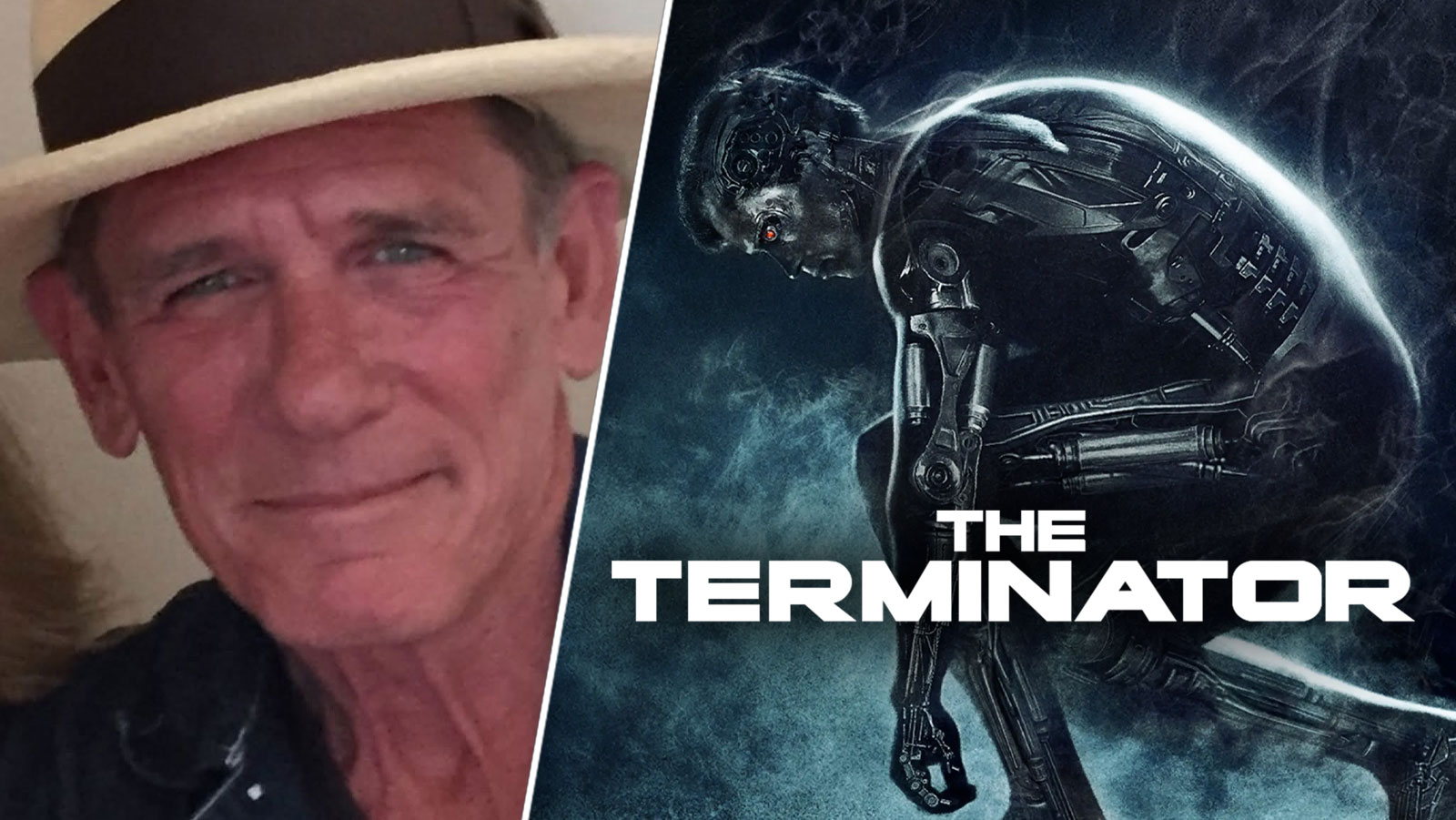
  • William H. Wisher Jr., Screenwriter for ‘The Terminator,’ Dies at 71

    William H. Wisher Jr., Screenwriter for ‘The Terminator,’ Dies at 71

    William H. Wisher Jr., the screenwriter celebrated for his foundational contributions to the science fiction action genre through films like The Terminator and Terminator 2: Judgment Day, passed away at the age of 71 on July 14, 2026. His death marks the end of an era for many fans who grew up with the dystopian visions and groundbreaking special effects that his writing helped bring to life.

    Wisher’s collaboration with director James Cameron was instrumental in shaping the narrative and thematic core of the Terminator franchise, creating a universe that has resonated globally for decades. His legacy is etched into the history of modern cinema, influencing countless storytellers and solidifying his place as a key architect of beloved sci-fi mythology.

    The Genesis of a Sci-Fi Icon

    The journey of The Terminator began with a concept that would redefine science fiction cinema. William H. Wisher Jr. was a crucial part of this initial creative burst. His partnership with James Cameron started in the early days of their careers, fueled by a shared vision for gritty, impactful storytelling.

    The original screenplay for The Terminator, released in 1984, was a collaborative effort. Wisher’s contributions helped to craft the dark, relentless tone and the intricate time-travel paradoxes that made the film a cult classic and then a mainstream sensation. The film introduced audiences to Sarah Connor, Kyle Reese, and the terrifying T-800, characters who would become household names.

    The film’s success was not just in its action sequences or special effects, which were revolutionary for their time. It was in the compelling narrative, the desperate fight for survival, and the chilling implications of artificial intelligence. Wisher’s writing helped ground these fantastical elements in relatable human struggle.

    Crafting ‘Judgment Day’

    Years later, Wisher reunited with James Cameron for the highly anticipated sequel, Terminator 2: Judgment Day (1991). This film elevated the franchise to new heights, both critically and commercially. Wisher’s involvement was significant in developing the complex plot and character arcs that defined this blockbuster.

    Terminator 2 expanded on the mythology of Skynet and introduced new elements, such as the T-1000 liquid metal Terminator, pushing the boundaries of visual effects. Wisher’s screenplay work helped to deepen the emotional core of the story, particularly the evolving relationship between Sarah Connor, John Connor, and the reprogrammed T-800.

    The film became a benchmark for action cinema, earning multiple Academy Awards and solidifying the Terminator series as a cultural phenomenon. Its themes of fate, free will, and the perils of technology remained potent, largely due to the strength of its narrative foundation.

    Beyond Skynet: Other Screenwriting Ventures

    While the Terminator films remain his most recognized work, William H. Wisher Jr.’s screenwriting career extended beyond the Skynet saga. He contributed to other notable projects, showcasing his versatility within the genre and beyond.

    His credits include work on films such as Judge Dredd (1995), an adaptation of the popular comic book series starring Sylvester Stallone. Wisher’s writing here contributed to the dystopian future setting and the unique legal system of Mega-City One.

    He also had a hand in The 13th Warrior (1999), an historical action film based on Michael Crichton’s novel Eaters of the Dead. This project demonstrated his ability to tackle different genres and adapt complex source material for the screen. These films, while not reaching the same iconic status as the Terminator series, further cemented his reputation as a skilled storyteller in Hollywood.

    The Impact of the Terminator Universe

    The universe created by Wisher and Cameron has left an indelible mark on popular culture. The catchphrases, the character designs, and the overarching narrative of a future war against machines have become ingrained in the collective consciousness. The films explored profound questions about artificial intelligence, humanity’s future, and the nature of destiny.

    The influence of The Terminator can be seen in countless films, television shows, and video games that followed. It set a precedent for combining high-octane action with thoughtful science fiction concepts. Wisher’s ability to craft compelling dialogue and memorable scenarios played a significant role in this lasting impact.

    His work helped to establish a template for successful sci-fi blockbusters, demonstrating that genre films could also possess depth and intellectual curiosity. The franchise continues to inspire debates and discussions among fans and academics alike, a testament to the strength of its original conception.

    Collaborations and Creative Partnerships

    The success of Wisher’s most famous projects often stemmed from strong collaborative partnerships. His work with James Cameron is a prime example of how creative synergy can produce groundbreaking cinema. Their shared vision and complementary skills were crucial in bringing the Terminator world to life.

    Beyond Cameron, Wisher worked with various directors, producers, and actors throughout his career. These collaborations allowed him to explore different storytelling avenues and contribute his unique voice to a diverse range of projects. The collaborative nature of filmmaking meant that his ideas were often shaped and refined through interaction with other talented individuals in the industry.

    These partnerships highlight the collective effort involved in creating cinematic masterpieces. Wisher’s role as a screenwriter was to provide the blueprint, the narrative structure, and the character motivations that others would then build upon, bringing the words on the page to the screen.

    The Craft of Screenwriting

    William H. Wisher Jr.’s career serves as an example of the often-unseen but vital role of the screenwriter in Hollywood. While directors and actors often receive the most public recognition, it is the screenwriter who lays the narrative foundation, develops the characters, and crafts the dialogue that drives the story forward.

    His ability to weave complex plots with compelling character arcs was a hallmark of his writing. He understood the rhythm of action sequences and the emotional beats necessary to connect with an audience. The enduring popularity of his work speaks to the power of well-crafted storytelling.

    Screenwriting is a demanding craft, requiring both imaginative vision and meticulous attention to detail. Wisher’s success in creating enduring narratives demonstrates his mastery of this art form, leaving a rich body of work for future generations to study and enjoy.

    A Legacy Remembered

    William H. Wisher Jr.’s passing at 71 marks a moment of reflection for those who appreciate the art of screenwriting and the impact of his work. His contributions to the Terminator franchise alone would secure his place in cinematic history, but his wider body of work further illustrates his talent and dedication.

    Fans will remember the thrilling chases, the iconic lines, and the profound questions posed by his stories. Filmmakers will continue to study the structure and pacing of his most successful screenplays. His legacy is one of innovation, compelling narrative, and the creation of worlds that continue to captivate.

    The science fiction genre owes a significant debt to writers like Wisher, who dared to imagine futures both terrifying and thought-provoking. His stories challenged audiences to consider the implications of technological advancement and the resilience of the human spirit.

    He wrote. He collaborated. He imagined.

    He created.


  • Trevor Donovan Cast as Time-Traveling Cowboy in ‘The Devil’s Train’

    Trevor Donovan Cast as Time-Traveling Cowboy in ‘The Devil’s Train’

    Trevor Donovan has been cast as a time-traveling cowboy in the upcoming film ‘The Devil’s Train.’ The project, announced by Deadline on June 11, 2026, will see Donovan navigate a narrative that fuses classic Western aesthetics with the complex mechanics of temporal displacement. This unique premise aims to deliver a fresh take on established genres, appealing to viewers who value both tradition and imaginative storytelling.

    The film’s core concept involves a cowboy from a bygone era transported to an unfamiliar time. This displacement creates dramatic tension and opportunities for exploring cultural clashes and enduring human values. Donovan’s involvement signals a production keen on connecting with audiences who appreciate a blend of historical context and speculative adventure.

    Donovan Embodies the Frontier Spirit

    Trevor Donovan has built a career portraying characters often defined by integrity and a strong moral compass. His roles across various film and television projects have frequently showcased an earnest and principled demeanor, resonating with a demographic that values traditional heroic archetypes.

    His selection for ‘The Devil’s Train’ aligns with this established public persona. The cowboy figure, iconic in American mythology, embodies independence, resilience, and a straightforward sense of justice. Donovan’s casting leverages his ability to convey these qualities authentically.

    This role offers Donovan a unique opportunity to expand his artistic range. He will interpret a character rooted in historical ideals, yet forced to confront the challenges of an anachronistic setting. The physical and emotional demands of such a performance are substantial, requiring both grit and adaptability.

    The Western genre itself has experienced consistent periods of cultural relevance. These revivals often reflect a societal yearning for foundational narratives and clear-cut moral frameworks. Donovan’s participation positions him at the forefront of this enduring cinematic tradition, infused with a modern twist.

    The Allure of Time Travel Narratives

    Time travel serves as a powerful narrative device, offering filmmakers extensive creative freedom. It allows for compelling juxtapositions of past and present, generating both humor and profound commentary on societal evolution.

    When combined with the Western genre, time travel introduces a wealth of storytelling possibilities. A cowboy displaced through time could encounter advanced technology, grapple with altered social norms, or bring his unique skillset to a future in need of his particular brand of justice.

    This narrative fusion can explore themes of identity, belonging, and the impact of progress. It allows for an examination of how core human values endure or transform across different historical epochs. The dramatic potential arises from the character’s struggle to adapt while remaining true to their origins.

    Audiences are consistently drawn to stories that bend the rules of reality. Time travel narratives provide an imaginative escape, grounding fantastical elements in relatable human experiences and emotional stakes. ‘The Devil’s Train’ capitalizes on this inherent appeal, promising a journey across time and cultural divides.

    ‘The Devil’s Train’: A Bold Genre Fusion

    The title ‘The Devil’s Train’ itself evokes a potent blend of traditional and supernatural elements. ‘The Devil’ suggests a force of chaos, temptation, or perhaps a malevolent entity driving the narrative. ‘Train’ conjures images of classic Western travel, industrial advancement, and relentless forward momentum.

    This combination hints at a story that is both grounded in historical imagery and propelled by a fantastical, perhaps even sinister, mechanism. The train could be a literal vehicle for temporal displacement, or a metaphorical journey through a landscape fraught with peril and moral ambiguity.

    While specific plot details remain closely guarded, the core concept promises a high-stakes adventure. The time-traveling cowboy must navigate an unfamiliar world, relying on his inherent character and frontier skills to overcome obstacles that span centuries.

    Genre fusion projects like ‘The Devil’s Train’ aim to broaden their audience by combining familiar elements in unexpected ways. They offer novelty within established frameworks, creating a fresh cinematic experience that defies easy categorization.

    The Enduring Appeal of the Western

    The Western genre has been a foundational pillar of American cinema for over a century. It reflects narratives of expansion, conflict, and the forging of a national identity. The archetypal figures – the lone rider, the steadfast lawman, the resilient pioneer – resonate deeply within the cultural consciousness.

    Contemporary interpretations of the Western often deconstruct or recontextualize these classic themes. They might introduce diverse perspectives, challenge historical assumptions, or infuse the genre with elements from other narrative traditions. ‘The Devil’s Train’ exemplifies this modern approach, taking a classic figure and placing him in an anachronistic setting.

    This innovative strategy allows for both homage and forward-thinking storytelling. It respects the genre’s rich history while pushing its boundaries into new, unexplored territories. The film can leverage the inherent drama of the American frontier while simultaneously exploring universal themes through the lens of science fiction.

    The cowboy figure, in particular, remains an iconic symbol globally. He represents independence, a deep connection to the land, and a rugged individualism that transcends specific historical periods. A time-traveling cowboy can carry these archetypal traits into any era, making them relevant to new contexts and challenges.

    Donovan’s Resonance with Traditional Audiences

    Trevor Donovan has cultivated a significant and loyal following throughout his career. His public image often aligns with family-friendly content and an emphasis on traditional values. This audience appreciates narratives that uphold themes of honor, courage, and self-reliance.

    His casting in ‘The Devil’s Train’ is strategically advantageous, as the Western genre itself is deeply associated with these same virtues. The film’s potential to resonate with those who appreciate traditional Western themes is a key aspect of its market appeal. It taps into a desire for narratives that reinforce certain cultural perspectives and enduring moral principles.

    This strategic casting decision could significantly expand the film’s reach. It connects a popular actor, known for his principled roles, with a genre that holds profound and enduring significance for a specific demographic. Donovan’s presence lends an air of authenticity and familiarity to a concept that is otherwise quite fantastical.

    The film aims to provide entertainment that is both thrilling and grounded in recognizable values. It seeks to tell a story where a hero, despite being displaced from his own time, can still embody the virtues that define a classic Western protagonist.

    Production Outlook and Industry Expectations

    Following the initial casting announcement from Deadline, specific production timelines and additional cast members for ‘The Devil’s Train’ are eagerly awaited. The development of a film with such a high-concept premise requires meticulous planning, including script finalization, director selection, and securing appropriate filming locations.

    The success of this project will likely hinge on its ability to expertly balance its disparate elements. The seamless integration of Western grit with time-travel intricacies will be crucial for both critical acclaim and commercial viability. The visual storytelling will need to convey both historical accuracy and speculative wonder.

    Expectations are building within the entertainment industry for ‘The Devil’s Train.’ The unique premise, coupled with Trevor Donovan’s involvement, has generated considerable early interest. This combination suggests a film that could capture the imagination of a broad audience, from Western aficionados to science fiction enthusiasts.

    The project represents a bold venture into genre-bending cinema. Its execution will determine if it becomes a memorable entry in both the Western and time-travel canons. The creative team faces the challenge of delivering a narrative that is both innovative and deeply satisfying.

    The Cultural Impact of Genre Blending in Cinema

    Genre blending has become an increasingly prevalent and celebrated trend in contemporary cinema. This approach allows for immense creative freedom, enabling filmmakers to produce unexpected and often groundbreaking results. It challenges conventional storytelling boundaries and offers audiences novel experiences.

    Films that successfully merge disparate genres often achieve both critical acclaim and significant commercial success. They provide something fresh and innovative while retaining familiar narrative hooks and character archetypes. This fusion caters to a diverse audience, bridging gaps between different fan bases.

    While the combination of Western and science fiction is not entirely unprecedented, ‘The Devil’s Train’ appears poised to offer a distinct and compelling take. It leverages the inherent drama of a hero displaced from his natural environment, forcing him to adapt and redefine his purpose in a new reality.

    This innovative approach reflects a broader evolution in storytelling across various media. Creators are continuously seeking ways to innovate within established narrative traditions, pushing the boundaries of what is possible and engaging audiences with fresh perspectives on classic themes. The film has the potential to contribute significantly to this ongoing cultural conversation.

    Trevor Donovan’s Career Trajectory

    For Trevor Donovan, ‘The Devil’s Train’ represents a significant milestone in his career. It places him at the center of a high-concept project with considerable potential for audience engagement and critical attention. This role is a testament to his growing stature in the industry and his ability to tackle diverse characters.

    The film will allow Donovan to showcase his versatility as an actor, requiring him to convey the complexities of a character living across different timelines and cultural contexts. He will need to embody the stoicism of a cowboy while reacting authentically to the wonders and dangers of an unfamiliar future or past.

    The visibility afforded by a film like ‘The Devil’s Train’ could elevate Donovan’s profile considerably. It offers a platform for him to deliver a memorable performance that combines action, drama, and perhaps even a touch of fish-out-of-water humor. The role presents a substantial opportunity for him to leave a lasting mark on both the Western and science fiction genres.

    His commitment to projects that align with a certain set of values will likely continue to endear him to his established fanbase. This new role, however, also presents a chance to attract a broader audience, drawn in by the intriguing premise and the promise of a compelling performance.

    A cowboy out of time. A journey across eras. A fight for what is right.

    Trevor Donovan.