Tag: Satire

  • Sacha Baron Cohen Revives Ali G at Wimbledon Amid New Film Announcement

    Sacha Baron Cohen Revives Ali G at Wimbledon Amid New Film Announcement

    Ali G’s Surprise Wimbledon Appearance

    Sacha Baron Cohen’s iconic character, Ali G, made an unexpected public appearance at the Wimbledon tennis championships in July 2026. This sighting immediately captured media attention and social media discourse. The character’s return to the public sphere occurred as news of a new Sacha Baron Cohen movie project began to circulate.

    The comedian’s presence at such a high-profile event in character suggested a strategic move. It reignited public interest in one of his most recognizable and polarizing creations. The timing linked directly to his ongoing professional endeavors.

    The Legacy of Ali G

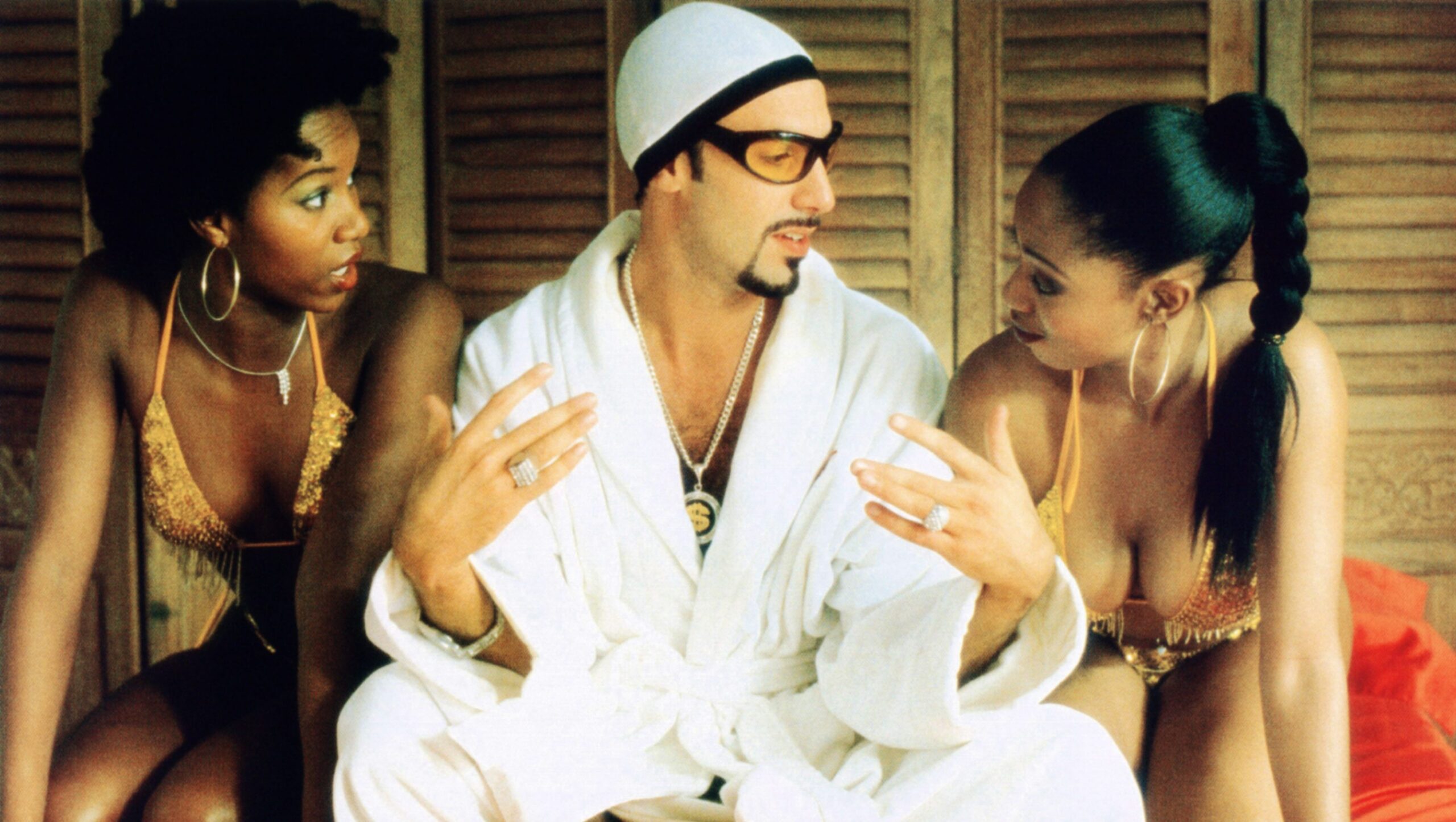
    Ali G, whose full name is Alistair Leslie Graham, first rose to prominence in the late 1990s. The character originated on Channel 4’s “The 11 O’Clock Show” in the United Kingdom before gaining international recognition. Ali G’s persona is that of a hip-hop enthusiast from Staines, England, characterized by his distinctive speech patterns, yellow tracksuit, and often absurd, yet probing, interview style.

    Baron Cohen used Ali G to conduct interviews with unsuspecting public figures, politicians, and experts. These interactions often exposed the interviewees’ prejudices, ignorance, or willingness to engage with the character’s outlandish propositions. The humor derived from the clash between Ali G’s persona and the serious demeanor of his subjects.

    The character’s success led to “Da Ali G Show,” which aired on Channel 4 and later on HBO. This series further cemented Ali G’s status as a cultural phenomenon. It also introduced other Sacha Baron Cohen characters, including Borat Sagdiyev and Bruno Gehard.

    Sacha Baron Cohen’s Career Trajectory

    Sacha Baron Cohen established a career built on satirical comedy and character-driven performances. Born in Hammersmith, London, in 1971, he attended Christ’s College, Cambridge. His early work showcased a talent for improvisation and social commentary.

    Following the global success of Ali G, Baron Cohen transitioned to film. His 2006 film, “Borat: Cultural Learnings of America for Make Benefit Glorious Nation of Kazakhstan,” achieved critical acclaim and commercial success. It earned him a Golden Globe Award for Best Actor – Motion Picture Musical or Comedy and an Academy Award nomination for Best Adapted Screenplay.

    Subsequent films, including “Bruno” (2009) and “The Dictator” (2012), continued his tradition of provocative humor. He also took on more dramatic roles, such as in “The Trial of the Chicago 7” (2020), which earned him another Academy Award nomination for Best Supporting Actor.

    Baron Cohen’s work frequently draws criticism for its controversial nature. However, it also receives praise for its ability to expose societal absurdities and challenge preconceived notions. His commitment to remaining in character, even in public settings, is a hallmark of his artistic approach.

    The New Movie Project

    Details regarding Sacha Baron Cohen’s new movie project remain largely under wraps as of July 2026. Reports suggest it will continue his signature style of blending comedy with social satire. The appearance of Ali G at Wimbledon fuels speculation about the character’s potential involvement in this new venture. It could indicate a return to his mockumentary format or a new narrative approach.

    The announcement has generated anticipation among fans and industry observers. It signals a potential resurgence for one of comedy’s most distinctive voices. The project is expected to push boundaries, consistent with Baron Cohen’s previous works.

    Wimbledon as a Stage for Celebrity Antics

    Wimbledon, the prestigious Grand Slam tennis tournament, has historically been a magnet for celebrities. Its long-standing tradition and global appeal attract high-profile attendees from various fields. These include sports, entertainment, and royalty.

    Celebrity appearances often become talking points, sometimes overshadowing the tennis itself. Baron Cohen’s decision to bring Ali G to such an event was calculated. It maximized exposure and sparked immediate public conversation. This choice aligns with his history of using public platforms for his character performances.

    The tournament’s strict dress code and decorum provide a stark contrast to Ali G’s flamboyant persona. This contrast amplified the comedic and attention-grabbing effect of the appearance. It created a memorable moment in the 2026 sporting calendar.

    The Intersection of Comedy and Accountability

    Sacha Baron Cohen’s work, particularly through characters like Ali G, often explores themes of social and celebrity accountability. His interviews often corner subjects into revealing their true opinions or biases. This technique prompts viewers to question public figures and societal norms.

    The return of Ali G in 2026 raises questions about the current state of public discourse. It probes how individuals and institutions respond to unconventional challenges. Baron Cohen’s method forces a confrontation with uncomfortable truths, often through humor. His characters serve as provocateurs. They highlight inconsistencies and hypocrisies within society.

    His satire extends beyond mere entertainment. It functions as a form of social critique. It encourages audiences to critically examine media portrayals, political rhetoric, and cultural trends. This approach has consistently defined his career, making him a unique figure in modern comedy.

    The Enduring Appeal of Controversial Humor

    Controversial humor, particularly of the satirical variety, often maintains a strong appeal. It challenges audiences and pushes societal boundaries. Sacha Baron Cohen has mastered this art. He uses his characters to create situations that are both absurd and revealing.

    The public reaction to Ali G’s Wimbledon appearance underscores this enduring appeal. It demonstrates a continued appetite for humor that is unafraid to provoke. This style of comedy often generates debate. It forces a re-evaluation of what is considered acceptable or offensive.

    Baron Cohen’s continued relevance in 2026 suggests that his brand of satirical commentary remains potent. It holds the power to capture public imagination and spark discussion. The anticipation for his new movie project further confirms his status as a significant cultural commentator.

    Cameras flashed. Spectators whispered. Social media erupted. Ali G returned.
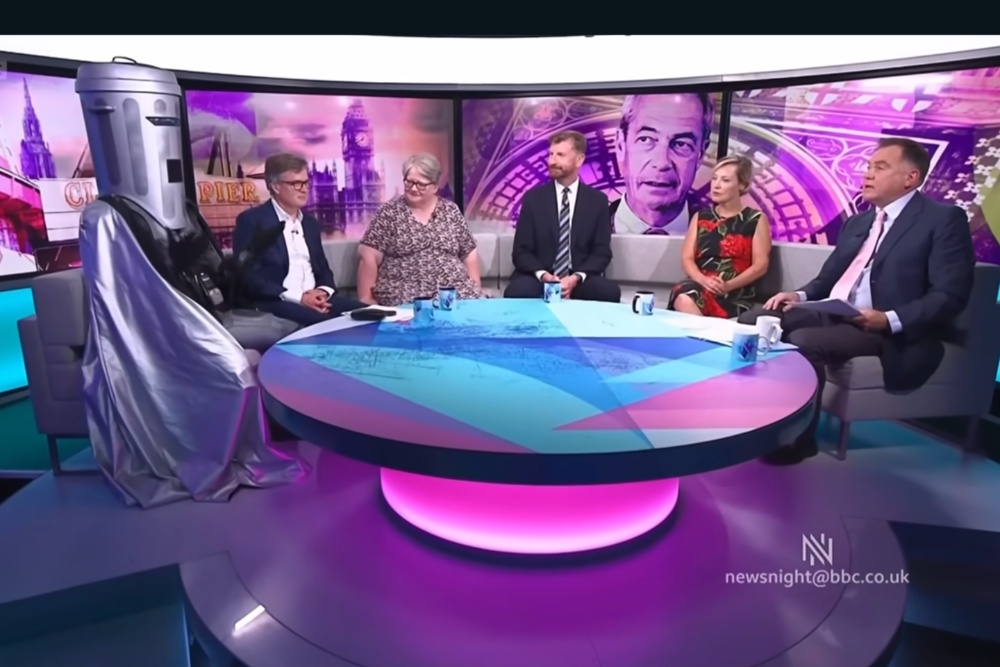
  • Count Binface vs. Nigel Farage: The Clacton By-Election Showdown

    Count Binface vs. Nigel Farage: The Clacton By-Election Showdown

    Count Binface is a masked comedian and political satirist who is challenging Nigel Farage in the Clacton by-election, scheduled for 2026. His campaign, characterized by anti-establishment humor and surreal policy proposals, has garnered significant public attention. This unconventional approach positions him as a unique challenger to Farage’s established political presence.

    The by-election in Clacton is shaping up to be a pivotal moment in UK politics. It not only features high-profile candidates but also reflects broader voter dissatisfaction with traditional political structures. Binface’s rise underscores a trend where comedic and protest candidates can gain unexpected traction, influencing electoral outcomes.

    The Persona of Count Binface: Satire as a Political Tool

    Count Binface is the creation of comedian Jonathan Harvey. The character is instantly recognizable for wearing a dustbin on his head and campaigning on deliberately absurd, yet often pointed, policy platforms. This persona allows for sharp political satire, often highlighting perceived absurdities within mainstream politics.

    His campaigns are not simply comedic stunts. They often contain incisive critiques of government policies and political figures. The humor serves as a vehicle for expressing genuine public frustration and a desire for systemic change. This blend of comedy and commentary distinguishes his political activism.

    Binface’s appeal lies in his ability to articulate discontent in a way that resonates with voters who feel unrepresented by conventional politicians. His direct, often outlandish, proposals cut through typical political rhetoric, offering a refreshing alternative to traditional political discourse.

    A History of High-Profile Challenges

    Count Binface is no stranger to high-stakes electoral contests. He first gained national prominence during the 2017 general election. In that election, he ran against then-Prime Minister Theresa May in the Maidenhead constituency. This initial foray established his brand as a satirical disruptor in national politics.

    During the 2019 general election, Binface stood against then-Prime Minister Boris Johnson in Uxbridge and South Ruislip. Despite not securing a victory, he garnered a notable number of votes. This demonstrated a consistent, albeit niche, appeal among a segment of the electorate, building a foundation for his current challenge in Clacton.

    Each election provided Binface with a larger platform. He honed his public image and refined his satirical approach through these contests. His consistent presence in high-profile races has cemented his status as a recognizable figure in UK political commentary and a symbol of protest.

    Nigel Farage and the Clacton By-Election: A Political Barometer

    Nigel Farage is a significant figure in British politics. He is known for his leadership of the UK Independence Party (UKIP) and subsequently the Brexit Party. Farage has been a vocal proponent of Euroscepticism and national sovereignty for decades, shaping much of the UK’s political conversation on these topics.

    Farage’s decision to contest the Clacton by-election marks a significant moment in his enduring political career. Clacton, a constituency located in Essex, has a history of supporting Eurosceptic candidates. It is widely considered a stronghold for right-wing populist sentiment, making it a strategic choice for his campaign.

    The by-election arises from a recent vacancy, drawing national attention due to Farage’s involvement and his past influence in the area. His campaign focuses on core issues such as immigration, national identity, and perceived failures of the current government, echoing themes that have defined his political career.

    Why Clacton Matters in the Political Landscape

    Clacton holds considerable symbolic importance within UK politics. It was the first constituency to elect a UKIP Member of Parliament in 2014. That by-election victory signaled a significant shift in the national political landscape and the rise of populist movements. This history makes it a natural battleground for Farage and his political ideology.

    The outcome in Clacton will be widely interpreted as a barometer of public opinion. It will indicate sentiment regarding Farage’s brand of politics and the broader direction of the country. A strong showing for Farage could reassert his influence, while a robust challenge from Binface could significantly complicate this narrative, drawing attention away from a clear Farage victory.

    For Count Binface, Clacton offers another crucial opportunity to demonstrate the viability of anti-establishment candidacies. It provides a prominent stage to amplify his message to a national audience, directly confronting a figure synonymous with populist movements. This direct confrontation highlights the evolving nature of political discourse.

    The Dynamics of the Challenge: Satire Meets Populism

    The clash between Count Binface and Nigel Farage represents a collision of distinct political styles and ideologies. Farage embodies a serious, albeit often controversial, political movement focused on traditional policy concerns. Binface, conversely, operates within the realm of satire and protest, using humor to make political points.

    Binface’s strategy involves using humor to expose what he perceives as the flaws and hypocrisies of mainstream politics. His policy proposals, such as moving the Houses of Parliament to Doncaster or bringing back Ceefax, are designed to provoke both thought and laughter simultaneously. These proposals, while humorous, often highlight real-world issues through exaggeration.

    This approach can be profoundly disarming to traditional political campaigns. Voters, often weary of conventional political debates and rhetoric, may find Binface’s candid and comedic style refreshing. His ability to connect with voters on an emotional level, through shared frustration and humor, could prove to be a significant and unexpected asset in the by-election.

    The Undercurrent of Anti-Establishment Sentiment

    The rise of candidates like Count Binface is indicative of a deep-seated anti-establishment sentiment among a significant portion of the electorate. Many voters express feeling disconnected from political elites and disillusioned with the offerings of traditional political parties. This sentiment creates fertile ground for unconventional candidacies.

    Binface skillfully capitalizes on this widespread sentiment. He presents himself as an undeniable outsider, unburdened by party loyalty or conventional political ambition. His very appearance, with a bin for a head, serves as a powerful visual symbol of a rejection of the political status quo and its perceived failings.

    This anti-establishment appeal has the potential to draw votes from various segments of the population. This includes those who are politically disengaged, those who feel ignored by mainstream politicians, and those who simply wish to register a protest vote against the existing system. His candidacy becomes a vehicle for expressing broader discontent.

    Could Binface Actually Win? Assessing the Odds

    While the prospect of Count Binface winning a parliamentary seat might seem improbable to many political observers, his past performances suggest he can attract a significant protest vote. In the 2019 general election, for example, he secured 69 votes against Boris Johnson. This was a respectable showing for a satirical candidate in a high-profile constituency, demonstrating a baseline of support.

    The Clacton by-election presents a unique set of circumstances. Its specific local dynamics, combined with the high-profile nature of Farage’s candidacy, could create an environment where a protest vote for Binface gains unusual momentum. The intense media focus on Farage might inadvertently create space for other candidates to capture public imagination and support.

    A victory for Binface would be unprecedented in UK political history and would undoubtedly send shockwaves through the entire political system. Even a strong second or third-place finish would be a significant achievement. Such an outcome would solidify his status as a serious satirical force within British politics, proving the power of unconventional campaigns.

    The Amplifying Role of Media and Social Media

    The media, both traditional and social, plays a critical role in amplifying the campaigns of unconventional candidates like Count Binface. His unique visual identity and humorous policy proposals are inherently newsworthy, attracting coverage that more conventional candidates might struggle to obtain. This media attention provides invaluable exposure.

    Social media platforms are particularly crucial for Binface’s strategy. They allow his satirical messages to spread rapidly, reaching a younger, often more politically disengaged audience. Viral memes, humorous videos, and direct interactions with followers help to build a community around his candidacy, translating online engagement into real-world awareness.

    This widespread media and social media presence ensures that Binface’s challenge to Farage is not easily dismissed. It elevates his candidacy from a fringe protest to a significant talking point, influencing public discourse and potentially swaying voters who are looking for an alternative to traditional political figures.

    Looking Ahead: The Impact of the Clacton By-Election

    The Clacton by-election in 2026 will be more than just a contest for a parliamentary seat. It will serve as a bellwether for several key trends in British politics. The performance of Nigel Farage will indicate the continued strength of populist movements and his personal political influence. His campaign will test the resonance of his core messages with the electorate.

    Equally important will be the performance of Count Binface. His vote share will provide a measure of the electorate’s appetite for protest votes and satirical political challenges. A strong showing for Binface could encourage other unconventional candidates and influence how traditional parties approach future elections, forcing them to address underlying discontent.

    Regardless of the outcome, the Clacton by-election will be a compelling study in modern political campaigning. It will showcase the enduring power of established political figures alongside the disruptive potential of satirical, anti-establishment candidacies. The eyes of the nation will be on Clacton.

    Voters will head to the polls. Candidates will make their final appeals. The results will be tallied.

    Clacton will speak.

  • Sacha Baron Cohen Films Secret Ali G Movie – The Return of an Icon

    Sacha Baron Cohen Films Secret Ali G Movie – The Return of an Icon

    Sacha Baron Cohen has secretly completed filming a new movie centered around his iconic character, Ali G. The project was developed and shot without public knowledge, representing a significant and unexpected return for the British satirist’s controversial persona.

    The character, known for his distinctive yellow tracksuit, tinted glasses, and deliberately ignorant interviewing style, gained global recognition in the late 1990s and early 2000s. His return is anticipated to evoke both nostalgia and renewed debate over his brand of humor.

    The Genesis of Ali G

    Ali G, whose full name is Alistair Leslie Graham, first appeared on British television in 1998. He was a central figure on Channel 4’s The 11 O’Clock Show. His segments involved interviewing unsuspecting public figures and experts, often leading to absurd and revealing exchanges.

    Cohen’s portrayal satirized youth culture, celebrity, and the media. He used the character to expose prejudices and absurdities in various societal strata.

    The character quickly became a cultural phenomenon. His catchphrases entered common parlance. His distinctive style resonated with a broad audience.

    The success of his segments led to the creation of Da Ali G Show, which premiered in 2000 in the United Kingdom. The show later moved to HBO in the United States in 2003, further cementing Ali G’s international fame.

    Previous Ali G Ventures

    Before this secret film project, Ali G starred in the feature film Ali G Indahouse. This movie was released in 2002. It followed Ali G’s improbable journey into British politics.

    The film garnered mixed critical reviews. However, it performed well at the box office. It further established Ali G as a recognizable figure in popular culture.

    Cohen largely retired the character after Da Ali G Show concluded in 2004. He shifted his focus to other satirical personas. These included Borat Sagdiyev and Brüno Gehard.

    Occasional reappearances of Ali G have occurred over the years. These were typically for specific events or charitable causes. A notable instance was at the 2015 Oscars. Cohen’s full-scale return to the character for a new movie is unprecedented in recent years.

    The Secrecy Surrounding Production

    Details regarding the new Ali G movie’s production remain scarce. The decision to film in secret suggests an intentional effort to avoid media scrutiny and speculation. This strategy aligns with Cohen’s past methods for other projects, where he often relies on surprise and genuine reactions from subjects.

    Filming under wraps allows Cohen to maintain creative control. It also prevents leaks that could compromise the integrity of his satirical approach. This method is crucial for characters like Ali G, whose humor often derives from the element of surprise and the genuine interactions he elicits.

    The lack of public announcements or casting calls indicates a tightly controlled production environment. This could involve a small, dedicated crew and limited locations. Such an approach minimizes the risk of information escaping into the public domain.

    “Sacha Baron Cohen has always understood the power of the unexpected. The secret filming of an Ali G movie is perfectly in character for him, allowing him to bypass the usual media circus and deliver his satire directly to the audience.”

    This level of secrecy is a hallmark of Cohen’s work. It enables him to preserve the authenticity of his confrontational comedic style. The element of surprise is a core component of his artistry.

    The Impact of Ali G’s Return

    The return of Ali G is likely to generate significant discussion. His humor has always been divisive. Some view it as insightful social commentary. Others criticize it as crude or offensive.

    In the current social and political climate, Ali G’s brand of satire may find new relevance. His character’s naive questions often expose hypocrisy and prejudice. These themes remain pertinent in contemporary discourse.

    The film could address modern cultural phenomena. It might tackle evolving social norms or political landscapes. Cohen’s characters frequently adapt to the times while retaining their core satirical purpose.

    Audiences who grew up with Ali G will likely feel a sense of nostalgia. Younger viewers may discover the character for the first time. This dual appeal could contribute to the film’s success.

    Sacha Baron Cohen’s Other Works

    Beyond Ali G, Sacha Baron Cohen has created several other highly successful and controversial characters. These include Borat Sagdiyev, a Kazakh journalist, and Brüno Gehard, an Austrian fashion enthusiast.

    The film Borat: Cultural Learnings of America for Make Benefit Glorious Nation of Kazakhstan was released in 2006. It earned critical acclaim and commercial success. Cohen received an Academy Award nomination for Best Adapted Screenplay.

    A sequel, Borat Subsequent Moviefilm, followed in 2020. This film garnered two Academy Award nominations. It also won two Golden Globe Awards.

    His work as Bruno resulted in the 2009 film Brüno. This movie explored themes of homophobia and celebrity culture. It continued Cohen’s tradition of provocative humor.

    Cohen has also taken on more conventional acting roles. He appeared in films such as Les Misérables (2012) and The Trial of the Chicago 7 (2020). These roles showcased his versatility beyond satirical comedy.

    His diverse filmography demonstrates a consistent commitment to pushing boundaries. He often uses humor to challenge societal norms and spark conversations. The Ali G return fits this pattern.

    The Legacy of Ali G

    Ali G’s legacy extends beyond his comedic impact. He became a symbol of a particular era in British pop culture. His influence can be seen in subsequent satirical works and mockumentary-style comedy.

    The character’s interviews often revealed genuine insights into his subjects. They exposed their intellectual blind spots or their willingness to play along with absurd premises. This made Ali G more than just a caricature.

    His initial success was tied to a period of cultural change. The late 1990s saw the rise of reality television and a growing fascination with celebrity. Ali G capitalized on these trends, subverting them with his unique approach.

    The character’s ability to cross cultural boundaries was also notable. His humor translated well to international audiences. This contributed to Cohen’s global recognition as a satirist.

    The secret filming of a new Ali G movie suggests that Cohen believes the character still has something to say. It indicates a belief that his satirical lens remains relevant in 2026. This return could redefine Ali G’s place in comedic history.

    The announcement of the film’s completion arrived with minimal fanfare. It emphasized the clandestine nature of its creation. The project’s details remain under tight wraps.

    Anticipation will now build for the film’s release. Audiences and critics will await the opportunity to see how Ali G has evolved. They will observe how he interacts with the contemporary world.

    Sacha Baron Cohen continues to challenge. He continues to provoke. He continues to entertain.

    Ali G returns.

  • Idiocracy: The Film Capturing the American Experience, According to NYT Readers

    Idiocracy: The Film Capturing the American Experience, According to NYT Readers

    The Rise of ‘Idiocracy’ in Public Consciousness

    Mike Judge’s 2006 satirical film, Idiocracy, has been identified by readers of The New York Times as the movie that most accurately captures the American experience. This designation, stemming from a recent reader poll, underscores a notable current in public sentiment regarding the nation’s trajectory. The film, originally a box office disappointment, has gained significant cultural resonance in the years since its release, becoming a frequent point of reference in discussions about contemporary society and politics.

    The narrative of Idiocracy centers on Joe Bauers, an average American military librarian, portrayed by Luke Wilson, and Rita, a prostitute played by Maya Rudolph. Both are subjects of a top-secret military hibernation experiment. They awaken 500 years in the future, specifically in the year 2505, to discover a world where human intelligence has precipitously declined due to dysgenic forces. The film posits that less intelligent individuals outbred more intelligent ones over generations, leading to a society dominated by extreme consumerism, anti-intellectualism, and a profound lack of critical thought.

    A Dystopian Vision Realized?

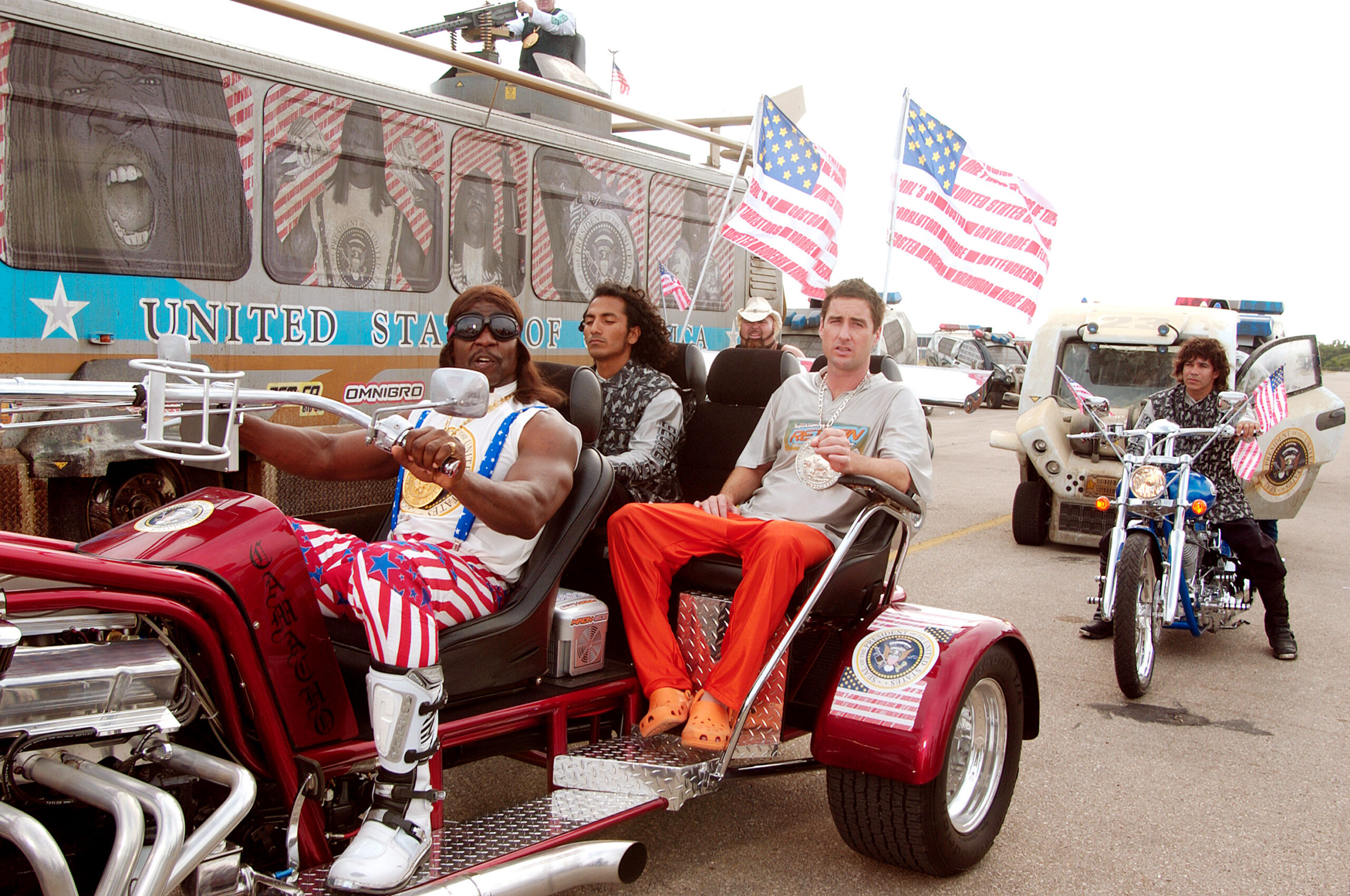
    The film’s satirical elements, initially perceived as exaggerated, are now frequently cited as prescient. Director Mike Judge, known for his work on Office Space and Beavis and Butt-Head, crafted a world where corporations like Brawndo, a sports drink company, replace water for irrigating crops, leading to massive environmental and agricultural collapse. The President of the United States, Dwayne Elizondo Mountain Dew Herbert Camacho, played by Terry Crews, is a former professional wrestler and porn star, reflecting a society that values entertainment and brute force over intellect and governance.

    This cultural phenomenon is not new. Films often serve as barometers for societal anxieties and aspirations. However, the specific elevation of Idiocracy to this status by a significant portion of The New York Times readership suggests a deeper undercurrent of concern. It implies that for many, the film’s exaggerated future feels less like a distant dystopia and more like a metaphorical reflection of current events and societal trends in 2026.

    The Thematic Core of ‘Idiocracy’

    Idiocracy explores several core themes that resonate with contemporary discussions about the state of America. One prominent theme is the decline of intellectualism and the rise of anti-intellectual sentiment. In the film’s future, academic institutions are defunct or repurposed for entertainment, and scientific inquiry is replaced by superstition and corporate slogans. This mirrors concerns in 2026 about the devaluation of expertise and the spread of misinformation.

    Consumerism and Corporate Dominance

    Another central theme is rampant consumerism and corporate control. The film’s landscape is saturated with grotesque advertisements and brand names, where every aspect of life, from healthcare to entertainment, is commodified to an absurd degree. This visual and thematic saturation evokes current debates about corporate influence in politics, media, and daily life. The Brawndo corporation, for instance, perfectly encapsulates the film’s critique of corporate greed and environmental disregard.

    The satirical depiction of legal and political systems also forms a critical part of Idiocracy. The legal system is arbitrary and influenced by popular opinion, often swayed by sensationalism. The political system is reduced to a popularity contest, where the most charismatic and least intellectual individuals ascend to power. These elements are frequently referenced in discussions surrounding political discourse and the perceived quality of leadership in 2026.

    Public Reaction and Cultural Impact

    The news of The New York Times reader poll quickly spread across social media platforms and news aggregators. Comment sections and forums became arenas for both agreement and dissent. Supporters of the poll’s outcome often pointed to specific events or political figures as evidence of the film’s prophetic nature. They cited instances of public discourse, educational challenges, and the perceived decline in critical thinking as corroboration of Idiocracy‘s vision.

    Conversely, critics argued that while the film offers valid satirical points, its premise might be overly pessimistic or even elitist. Some suggested that focusing on a decline in intelligence distracts from more systemic issues such as economic inequality, political corruption, or social injustice. Others maintained that the film’s humor, while effective, might inadvertently contribute to a sense of hopelessness rather than inspire constructive action.

    “The film’s initial lukewarm reception masked its eventual emergence as a cultural touchstone. Its themes, once seen as hyperbole, now feel uncomfortably close to reality for many Americans in 2026.” – Cultural critic, Dr. Evelyn Reed, speaking on ‘The Daily Brief’ podcast, July 5, 2026.

    From Cult Classic to Cultural Commentary

    Idiocracy was not a commercial success upon its release in 2006, grossing approximately $495,000 against a budget of around $2.4 million. Despite this, it steadily built a cult following through DVD sales and word-of-mouth. Its entry into the mainstream cultural lexicon, particularly in political commentary, surged in the mid-2010s and has continued through 2026. This trajectory from box office flop to a relevant social critique is a testament to the film’s enduring power and the evolving societal landscape.

    The film’s director, Mike Judge, has occasionally commented on the film’s unexpected relevance. In various interviews over the years, he has expressed a mixture of amusement and concern over how closely reality sometimes seems to imitate his fictional creation. His observations often highlight the fine line between satire and prophecy, a line that Idiocracy appears to have blurred for many viewers.

    The Broader Implications of the Poll

    The New York Times poll results are more than just a reflection of cinematic preference; they represent a snapshot of public sentiment. When a significant portion of readers identify a dystopian satire as the most accurate depiction of their nation, it signals underlying anxieties about societal direction, political leadership, and cultural values. This sentiment is not confined to a single demographic or political affiliation; rather, it appears to transcend traditional divides, suggesting a widespread unease.

    Analyzing the ‘American Experience’

    The term ‘American experience’ itself is complex and multifaceted. It encompasses ideals of freedom, opportunity, innovation, and diversity, but also struggles with inequality, political polarization, and cultural shifts. For Idiocracy to be chosen as its best cinematic representation suggests a current preoccupation with aspects of the American experience that are perceived as negative or declining. It highlights a focus on issues like educational standards, media literacy, and the quality of public discourse.

    This poll, therefore, serves as a significant piece of cultural data for 2026. It indicates a collective introspection, perhaps a moment of self-assessment, among a segment of the American populace. It prompts questions about what values are being prioritized, what trends are being observed, and what future is being envisioned for the nation.

    The Role of Satire in Social Commentary

    Satire has historically played a crucial role in social commentary, offering a means to critique societal norms and political systems through humor and exaggeration. Films like Stanley Kubrick’s Dr. Strangelove (1964) or Charlie Chaplin’s The Great Dictator (1940) used satire to address complex and often uncomfortable truths about their respective eras. Idiocracy stands in this tradition, using absurdity to highlight serious concerns.

    The effectiveness of satire lies in its ability to provoke thought and discussion without being overtly didactic. By presenting an extreme version of reality, it encourages audiences to reflect on the less extreme, but potentially dangerous, aspects of their own world. The widespread adoption of Idiocracy as a reference point suggests that its satirical mirror is reflecting something many Americans recognize in their current environment.

    The debate surrounding the film’s relevance also underscores the power of popular culture in shaping public discourse. Movies, television shows, and other forms of media do not merely reflect society; they also contribute to its ongoing dialogue, influencing how people perceive their world and discuss its challenges. Idiocracy, through this poll, has solidified its place not just as a film, but as a significant cultural artifact of the 21st century.

    Readers voted. Debates ensued. Pundits weighed in. Society reflected.

    Idiocracy.

  • Rob Reiner as George Washington: A ‘Last Laugh’ in Larry David’s HBO Show

    Rob Reiner as George Washington: A ‘Last Laugh’ in Larry David’s HBO Show

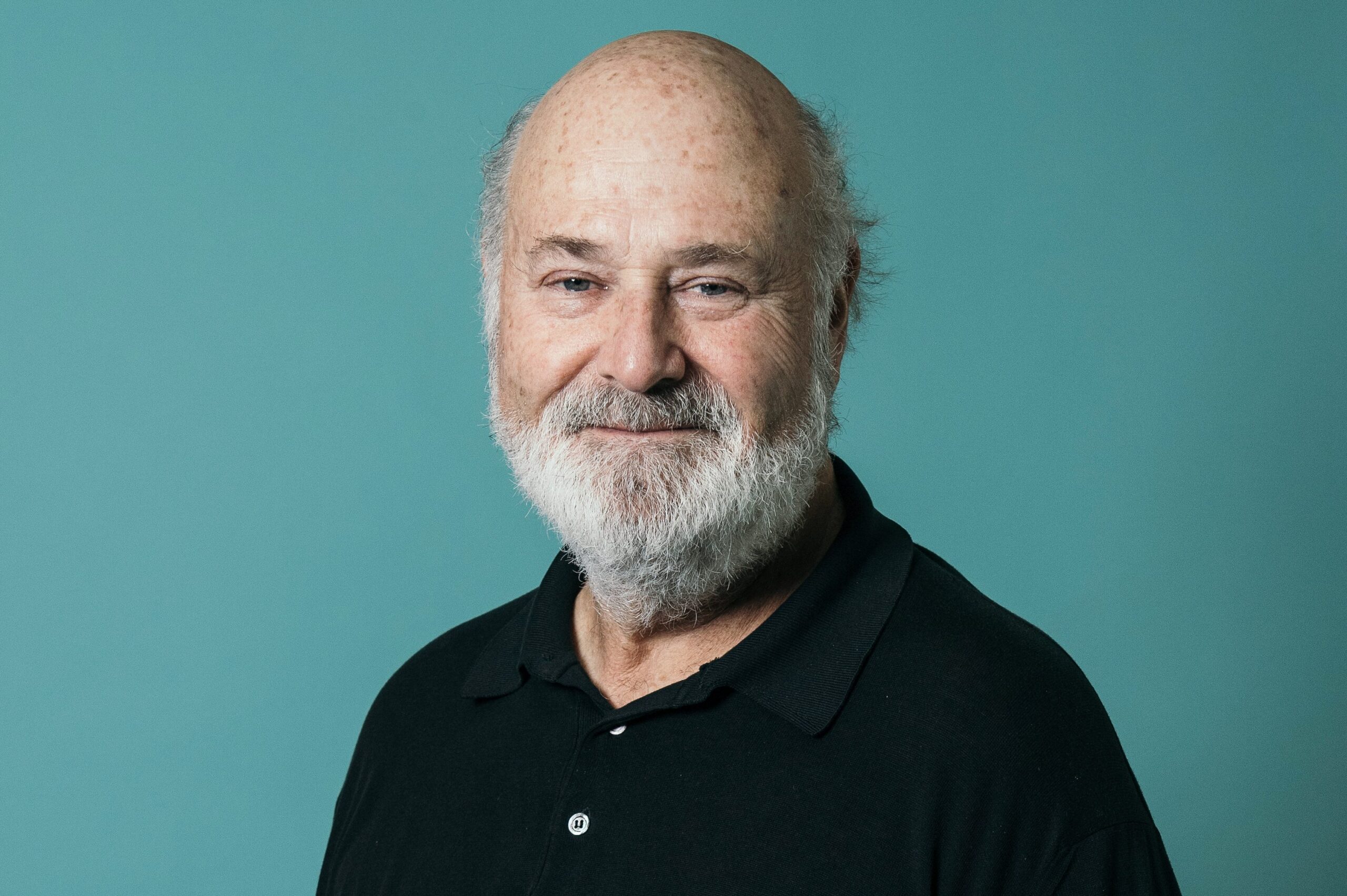
    Rob Reiner is slated to portray George Washington in an upcoming HBO series. The show is a creation of Larry David. This role has been characterized as Reiner’s ‘secret final role’ within his acting career.

    The casting has generated considerable public discussion. This discussion often centers on perceptions of Hollywood’s political leanings. It also touches upon the interpretation of historical figures in contemporary media.

    The Intersection of History and Comedy

    Larry David, known for his distinctive comedic style in shows like Seinfeld and Curb Your Enthusiasm, is at the helm of this new HBO project. His involvement suggests that the portrayal of George Washington may deviate from traditional historical dramas. It could incorporate elements of satire or unconventional humor.

    The specific premise of the series remains largely undisclosed. However, the combination of David’s comedic vision and Reiner’s casting points towards a provocative take on American history. This approach could challenge conventional narratives.

    Rob Reiner’s Extensive Career

    Rob Reiner possesses a long and varied career in Hollywood. He is recognized for his acting roles, including Michael Stivic in All in the Family. He is also a celebrated director, having helmed films such as Stand by Me, The Princess Bride, and A Few Good Men.

    His career spans several decades. It encompasses both comedic and dramatic works. His public persona is often associated with his political activism and outspoken views. These views have frequently generated public discourse.

    George Washington: A Foundational Figure

    George Washington served as the first President of the United States. He led the Continental Army during the American Revolutionary War. His legacy is deeply embedded in American history and national identity.

    Portrayals of Washington typically emphasize his leadership, integrity, and foundational role in the nation’s establishment. These portrayals often maintain a reverential tone. Any departure from this tradition can attract significant attention.

    Public Reaction and Anticipation

    The news of Reiner’s casting as Washington has elicited a range of reactions. Some viewers express anticipation for a fresh, potentially comedic, interpretation of history. They see it as an opportunity for new perspectives.

    Others voice concerns about the potential for historical revisionism or political commentary. They question whether the casting aligns with their understanding of the historical figure. These discussions often reflect broader cultural debates about historical accuracy and artistic license.

    “The decision to cast Rob Reiner as George Washington in a Larry David series is a bold move that signals a deliberate reimagining of America’s past. It’s designed to provoke.”

    This statement, from a Variety report, highlights the intentional nature of the casting. It suggests a clear objective to elicit a strong response from audiences.

    Hollywood and Political Expression

    Hollywood has a long history of intertwining entertainment with political commentary. Actors and directors often use their platforms to express their views. This practice frequently leads to public debate.

    Rob Reiner is a prominent example of a figure who has consistently used his public platform for political expression. His casting in such a historically significant role amplifies these discussions. It raises questions about the perceived political leanings of the entertainment industry.

    The ‘Last Laugh’ Narrative

    The phrase ‘last laugh’ in relation to Reiner’s role implies a specific context. It suggests a triumphant or vindictive element to the casting. This framing often appears in discussions surrounding political differences and cultural clashes.

    This narrative resonates with segments of the audience who interpret the casting as a statement. It is seen as a response to contemporary political discourse. The show’s eventual content will clarify the extent to which this interpretation holds true.

    The Legacy of Historical Portrayals

    Historical figures are frequently reinterpreted through various artistic lenses. These reinterpretations can range from strictly factual accounts to highly fictionalized or satirical versions. Each approach serves different artistic and cultural purposes.

    The impact of such portrayals can be significant. They can shape public perception of historical events and figures. They can also contribute to ongoing cultural conversations about national identity and values.

    The Role of HBO in Premium Content

    HBO has a reputation for producing premium, often boundary-pushing, content. The network is known for its dramatic series and willingness to explore complex or controversial themes. This track record makes it a suitable platform for a project that aims to challenge traditional historical narratives.

    Larry David’s previous successes with HBO further solidify this fit. His unique brand of humor and social commentary has found a receptive audience on the platform. The new series is expected to continue this tradition of distinctive programming.

    The Broader Cultural Conversation

    The casting of Rob Reiner as George Washington feeds into a broader cultural conversation. This conversation concerns the role of art in society. It also addresses the intersection of entertainment, politics, and historical memory.

    Audiences are increasingly engaged in discussions about representation. They also debate the political messages embedded in media. This project is positioned directly within these ongoing dialogues.

    Anticipated Release and Impact

    Details regarding the release date and full cast of the series are yet to be widely announced. However, the initial report has already generated significant buzz. This early attention suggests a high level of public interest.

    The series debuted in June 2026. Its impact on cultural discourse will likely be substantial. It will contribute to the ongoing debate about how history is interpreted and presented in popular culture.

    Actors portrayed figures. Directors shaped narratives. Audiences debated intentions.

    Hollywood.

  • Donald Trump’s AI Video Targets Celebrities with ‘Trump Derangement Syndrome’

    Donald Trump’s AI Video Targets Celebrities with ‘Trump Derangement Syndrome’

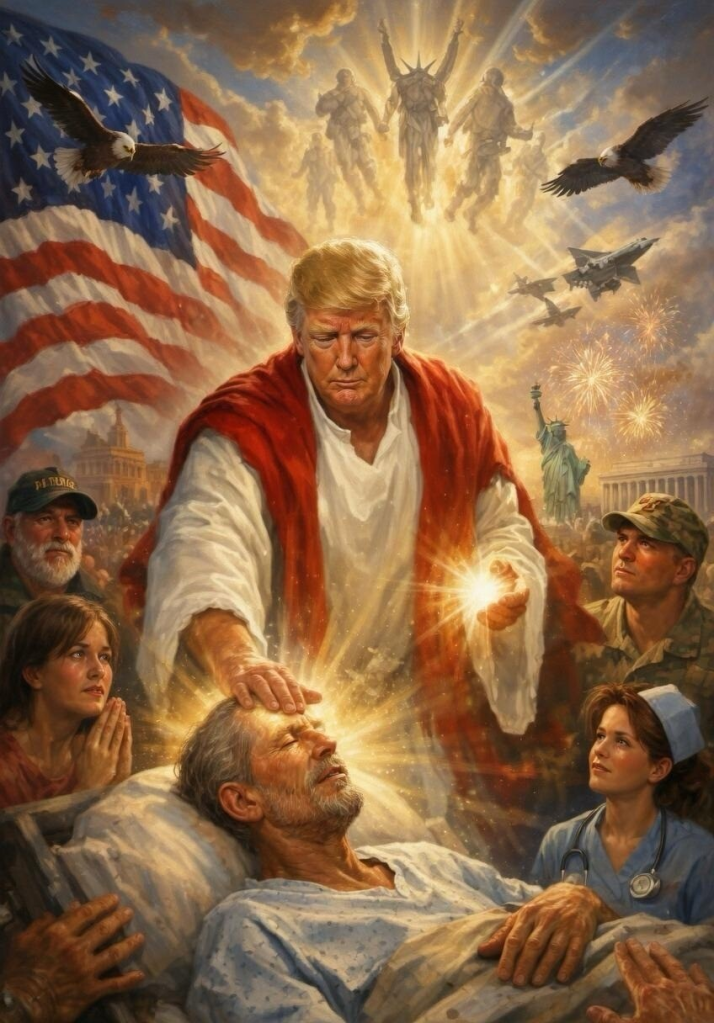
    Donald Trump posted an AI-generated video in 2026 that portrayed him as a ‘doctor’ diagnosing celebrities such as Rosie O’Donnell, Whoopi Goldberg, and Robert De Niro with ‘Trump Derangement Syndrome.’ This digital content, shared on his Truth Social platform, utilized artificial intelligence to create a satirical narrative around the political polarization often associated with his public persona.

    The video quickly became a point of discussion across various media outlets and social platforms. Its release highlighted the increasing intersection of political commentary, celebrity culture, and advanced AI technology. The term ‘Trump Derangement Syndrome’ has been used by Trump and his supporters to describe what they perceive as an irrational obsession or animosity towards him by political opponents and critics.

    The Emergence of AI in Political Satire

    The use of artificial intelligence to generate political content marks a significant shift in communication strategies. This particular video leveraged AI to create a visual and auditory representation of Donald Trump in a fictional role. The technology allowed for the manipulation of images and voices, crafting a narrative that would have been complex and costly to produce through traditional means.

    AI tools, capable of deepfakes and synthetic media, have become more accessible. Their application extends beyond entertainment, entering the realm of political messaging and satire. The video served as a demonstration of how these technologies can be employed to create engaging, albeit controversial, content.

    The production quality and rapid dissemination of such content raise questions about authenticity and intent. Audiences are increasingly exposed to media that blurs the lines between reality and digital fabrication. This particular video was clearly presented as satire, but its underlying technology has broader implications.

    The ‘Doctor’ Persona and Its Message

    In the video, Donald Trump assumed the persona of a medical professional, complete with a white lab coat and stethoscope. This ‘doctor’ character then proceeded to diagnose several well-known figures. The satirical nature of the portrayal aimed to mock the perceived reactions of these celebrities to Trump’s political career.

    The specific diagnosis, ‘Trump Derangement Syndrome,’ is a phrase that has circulated widely within conservative media and among Trump’s supporters. It suggests that critics of Trump are not motivated by legitimate policy disagreements, but by an emotional or psychological affliction. The video amplified this narrative, presenting it in a visually striking and humorous format.

    The targets of the video, Rosie O’Donnell, Whoopi Goldberg, and Robert De Niro, are all public figures who have been vocal critics of Donald Trump. Their inclusion was a deliberate choice, intended to resonate with an audience familiar with their past statements and public profiles. The video positioned Trump as an observer of their ‘condition,’ rather than the subject of their criticism.

    Celebrity Reactions and Public Discourse

    The release of the AI video prompted varied reactions from the public and the celebrities named. While some of Trump’s supporters found the video amusing and validating, others viewed it as divisive and an inappropriate use of advanced technology for political attacks.

    Rosie O’Donnell, a long-standing public adversary of Trump, has frequently engaged in public spats with him since the mid-2000s. Her inclusion in the video continued this established dynamic. Whoopi Goldberg, a co-host on the television program The View, has also been an outspoken critic of Trump’s policies and rhetoric. Robert De Niro, an acclaimed actor, has publicly expressed strong disapproval of Trump on multiple occasions.

    The video fueled existing debates about the role of celebrities in politics. Some argue that public figures have a right to express their political opinions, while others believe their influence should be limited. The ‘Trump Derangement Syndrome’ narrative attempts to delegitimize celebrity criticism by framing it as an emotional rather than rational response.

    The Broader Impact of ‘Trump Derangement Syndrome’

    The concept of ‘Trump Derangement Syndrome’ extends beyond individual celebrities. It has become a shorthand for describing a perceived irrational opposition to Donald Trump. This term is frequently employed in political discourse to dismiss criticism as biased or emotionally charged, rather than substantive.

    The video’s use of this term served to reinforce a particular ideological viewpoint among Trump’s base. It provided a visual and narrative tool to categorize and understand their political adversaries. The satire aimed to create a sense of shared understanding and solidarity among those who feel that anti-Trump sentiment is excessive or unfounded.

    Critics of the term argue that it unfairly dismisses legitimate concerns and criticisms of Trump’s actions and policies. They contend that it is a rhetorical device designed to shut down debate and demonize opposition. The AI video, by visually enacting this diagnosis, brought the concept to a new level of public visibility.

    The Platform: Truth Social and Digital Dissemination

    Donald Trump posted the AI video on Truth Social, his social media platform launched in 2022. This platform has served as a primary conduit for Trump’s direct communication with his supporters since his departure from other major social media sites. The choice of Truth Social for the video’s release was strategic.

    Truth Social provides an environment where Trump’s content can be shared widely among his dedicated followers, often without the same level of moderation or content flagging seen on other platforms. This allows for the direct dissemination of messages that might be controversial elsewhere. The platform’s design facilitates rapid sharing and engagement within its user base.

    The video’s reach, however, extended beyond Truth Social. News organizations and individual users frequently share content from Truth Social across other platforms, amplifying its visibility. This cross-platform dissemination ensures that Trump’s messages, even those initially posted on a niche platform, can achieve broad public awareness.

    AI Ethics and Political Communication

    The deployment of AI in political messaging, as seen with this video, raises important ethical considerations. The ability to create highly realistic synthetic media, including audio and video, has implications for truth and trust in public discourse. While this video was satirical, the underlying technology can be used for more deceptive purposes.

    Concerns about deepfakes and their potential to spread misinformation are growing. The ease with which convincing, yet fabricated, content can be produced poses challenges for identifying and combating false narratives. The video serves as a reminder of the evolving landscape of digital communication and the need for media literacy.

    The ethical debate centers on the responsibility of creators and platforms in managing AI-generated content. Guidelines and regulations for the use of synthetic media in political campaigns and public statements are still developing. This incident contributes to the ongoing conversation about how society will navigate the complexities introduced by advanced AI.

    The Intersection of Culture and Politics

    The ‘Doctor’ Trump AI video highlights the deep entanglement of culture and politics in contemporary society. Celebrities, often seen as cultural figures, are frequently drawn into political debates, and their opinions can significantly influence public perception. Conversely, political figures often leverage cultural references and celebrity associations in their messaging.

    The video effectively used popular culture figures to advance a political point. By targeting well-known entertainers, Trump’s campaign aimed to connect with audiences who consume both political and entertainment news. This strategy is not new, but the AI component adds a novel layer to its execution.

    The ongoing cultural wars often manifest in these types of exchanges. The video played into existing divisions, reinforcing the idea that certain cultural icons are aligned against a particular political viewpoint. This reinforces a ‘us vs. them’ mentality that characterizes much of modern political discourse.

    Future Implications of AI in Campaigns

    The 2026 AI video is likely a precursor to more sophisticated uses of artificial intelligence in future political campaigns. As AI technology continues to advance, its capabilities for content creation, audience targeting, and narrative shaping will grow. Political strategists will explore new ways to harness these tools.

    Future applications could include personalized political ads generated by AI, AI-powered chatbots for voter engagement, or even entire campaign speeches delivered by AI-generated avatars. The speed and cost-effectiveness of AI content creation make it an attractive option for campaigns operating on tight budgets or deadlines.

    The challenge for voters and media organizations will be to discern authentic human-generated content from AI-generated content, especially as the technology becomes more seamless. Education and critical thinking skills will become increasingly vital in an environment saturated with digitally synthesized information. The ‘Doctor’ Trump video serves as an early, albeit rudimentary, example of this evolving landscape.

    The Legacy of Political Satire

    Political satire has a long and storied history, serving as a tool for commentary, criticism, and humor. From ancient Greek comedies to modern-day late-night shows, satire often reflects and shapes public opinion. The ‘Doctor’ Trump AI video fits within this tradition, albeit with a modern technological twist.

    The video’s satirical intent was clear: to poke fun at perceived political opponents and to rally a base. It employed exaggeration and caricature, common elements of satire, to deliver its message. The use of AI did not fundamentally change the purpose of the satire, but it did alter its production method and potential impact.

    The effectiveness of political satire often lies in its ability to provoke thought and conversation. Whether this particular video achieved that beyond its immediate audience is a subject of ongoing debate. However, its existence demonstrates the adaptability of satire to new technological mediums.

    Political figures will continue to use humor and satire. Digital tools will continue to evolve. The public will continue to react. The political landscape changes. The digital landscape changes. The conversation continues.

    America.

  • Druski’s Whiteface BET Awards Promo: The Anatomy of a Viral Controversy

    Druski’s Whiteface BET Awards Promo: The Anatomy of a Viral Controversy

    In June 2026, comedian Drew Desbordes, known professionally as Druski, sparked widespread cultural debate by wearing whiteface in a promotional video for the upcoming BET Awards. The promo, released by Black Entertainment Television (a subsidiary of Paramount Global), featured the comedian donning light prosthetic makeup, a blonde wig, and stereotypical attire to satirize white cultural tropes. The campaign immediately ignited a fierce online discourse regarding double standards in comedy, historical power dynamics, and the boundaries of modern satire. What began as a brief marketing asset quickly transformed into a proxy war over cultural defense and corporate media strategy.

    The mechanics of the internet demand friction. The BET Awards promo provided it instantly. Within minutes of the video going live on platforms like X (formerly Twitter), TikTok, and Instagram, the digital ecosystem fractured into predictable, highly engaged camps. Outrage drove the algorithm. Defense drove the algorithm. The result was a massive, decentralized marketing campaign that cost the network nothing beyond the initial production budget.

    But the story of Druski’s prosthetic stunt does not begin in 2026. It is the latest chapter in a long, complex history of racial satire in American entertainment. It is a story about who holds the power to mock, who holds the power to be offended, and how multinational conglomerates monetize the space in between.

    The Anatomy of the BET Awards Promo

    The promotional video itself was brief, tightly edited, and engineered for vertical consumption. Druski, a comedian who built his empire on hyper-specific character work, stepped into the frame entirely transformed. The prosthetics altered his jawline and brow. The styling relied heavily on suburban, middle-American visual cues, a stark contrast to the urban, hip-hop-adjacent aesthetic that typically defines the BET Awards.

    In the clip, Druski’s character delivers lines that play on well-worn stereotypes of white American culture, reacting with exaggerated awkwardness to the concept of the BET Awards. The punchline relies on the juxtaposition between the character’s stiff, culturally isolated demeanor and the vibrant, culturally dominant reality of Black entertainment.

    Paramount Global, the parent company of BET, understood the payload they were dropping. In the modern media landscape, live award shows face a persistent existential threat. Viewership for traditional broadcasts has plummeted over the last decade. To capture an audience in 2026, a network must dominate the second screen before the first screen even turns on.

    • The Objective: Generate immediate, unavoidable awareness for the June 2026 broadcast date.
    • The Method: Deploy a highly visible internet celebrity engaging in a historically provocative comedic trope.
    • The Metric: Social media impressions, quote-tweets, and algorithmic velocity.

    The strategy worked. The video crossed ten million cumulative views across platforms within the first forty-eight hours. But the attention came with a specific, highly polarized flavor of backlash.

    The Mechanics of the Backlash

    The reaction to Druski’s whiteface was swift and bifurcated. On one side stood a coalition of cultural commentators, conservative pundits, and casual internet users who immediately raised the banner of the double standard. Their argument was structural and absolute: if a white comedian were to wear blackface to promote an award show, their career would end immediately, and the network would face unprecedented boycotts.

    This faction viewed the promo not as comedy, but as a symptom of a cultural hierarchy that permits the mockery of one demographic while fiercely protecting another. On platforms like X, the hashtag associated with the controversy trended alongside terms like “hypocrisy” and “cancel culture.”

    “The rules of engagement in modern comedy are entirely asymmetrical. We are told that race is a protected category, yet major corporations routinely fund and promote the racial mockery of white Americans under the guise of ‘satire.’ It is a blatant double standard.”

    On the other side of the digital divide stood comedy purists, progressive cultural critics, and Druski’s massive fanbase. Their defense was rooted in sociological theory and historical context. The core counter-argument rests on the concept of “punching up” versus “punching down.”

    Sociologists and historians routinely point out that blackface and whiteface are not historically equivalent. Blackface is deeply rooted in 19th-century minstrel shows. Performers like Thomas Dartmouth Rice created characters like “Jim Crow” to dehumanize enslaved Black Americans, portraying them as lazy, ignorant, and subhuman. This form of entertainment was a tool of systemic oppression, used to justify segregation and racial violence for over a century.

    Whiteface, defenders argue, carries no such historical weight. It has never been used to disenfranchise white Americans, deny them housing, or justify systemic violence. Therefore, when a Black comedian like Druski dons white prosthetics, it is categorized as a marginalized group satirizing the dominant cultural majority. It is viewed as a subversion of power, rather than an enforcement of it.

    A Century of Satire and Prosthetics

    Druski is walking a path paved by some of the most influential figures in American comedy. The use of whiteface by Black performers to expose racial absurdities is a well-established comedic tradition.

    Eddie Murphy and “White Like Me”

    In 1984, Eddie Murphy starred in a legendary Saturday Night Live sketch titled “White Like Me.” With the help of extensive makeup, Murphy went undercover in New York City as a white man named “Mr. White.” The sketch revealed a secret, utopian world where white people give each other free newspapers and celebrate when no minorities are around. It was a massive critical success, using the visual shock of whiteface to comment sharply on hidden societal privileges.

    The Wayans Brothers and White Chicks

    Two decades later, in 2004, Shawn and Marlon Wayans pushed the concept to feature-length extremes with the film White Chicks. Produced by Revolution Studios, the film followed two Black FBI agents who go undercover as wealthy, blonde white heiresses. Despite mixed reviews from traditional critics, the film grossed $113 million worldwide and became a massive cult classic. The Wayans brothers used the prosthetics not just for racial commentary, but to skewer early-2000s elite socialite culture.

    Dave Chappelle’s Chuck Taylor

    During the run of Chappelle’s Show on Comedy Central in the early 2000s, Dave Chappelle frequently utilized whiteface. His recurring character, Chuck Taylor, was a stiff, awkwardly upbeat white news anchor. Chappelle used the character to highlight the racial biases inherent in mainstream news broadcasting, delivering devastating critiques of the media landscape from behind a mask of pale makeup and a rigid blonde wig.

    Druski’s 2026 BET Awards promo is a direct descendant of these performances. The shock value is the point. The absurdity is the point. The discomfort of the viewer is part of the comedic transaction.

    Druski’s Ascent in Modern Comedy

    To understand why BET chose Druski for this specific campaign, one must understand his unique position in the 2026 entertainment ecosystem. Born Drew Desbordes in Maryland and raised in Georgia, Druski did not climb the traditional stand-up comedy ladder. He did not spend a decade grinding in dark comedy clubs.

    He is a product of the internet. He built his audience on Instagram and TikTok, mastering the art of the short-form character sketch. He founded Coulda Been Records, a satirical record label that allowed him to interact with real fans and massive celebrities on Instagram Live, blurring the lines between reality and comedy.

    Druski’s brand is rooted in observational humor. He mocks frat boys, overly aggressive club promoters, and out-of-touch executives. His comedy is universally accessible but hyper-specific in its execution. By 2026, he had transitioned from a phone-screen viral star to a mainstream commodity, embarking on sold-out arena tours and securing major brand partnerships.

    For BET, Druski represents the bridge between the legacy television audience and the elusive Gen Z digital native. He commands attention. When he posts, millions watch. Putting him in whiteface was a calculated risk by Paramount Global, but it was a risk underwritten by Druski’s undeniable track record of virality.

    The Economics of Live Television Outrage

    The controversy surrounding the promo cannot be separated from the economic realities of the television industry. In 2026, attention is scarce. The BET Awards, like the Oscars, the Grammys, and the Emmys, must fight for relevance in a world where audiences are infinitely distracted by algorithmic feeds.

    Traditional marketing, billboards, banner ads, standard television commercials, yields diminishing returns. A standard promo featuring a celebrity telling the audience to “tune in on Sunday at 8 PM” is ignored. It is scrolled past. It vanishes into the digital ether.

    Outrage, however, lingers. Outrage demands a response. When a user on X quote-tweets the Druski promo to condemn it, they are broadcasting the BET Awards to their entire following. When a TikTok creator stitches the video to defend the historical context of satire, they are doing free promotional work for Paramount Global.

    Every angry comment, every defensive essay, every think-piece published by digital media outlets serves the same corporate master: awareness. The cultural defense debate is merely the fuel for the marketing engine.

    The Future of the Cultural Defense Debate

    The Druski whiteface controversy will eventually fade, replaced by the next digital flashpoint. But the underlying tensions it exposed remain unresolved. The internet continues to collapse context, forcing different generational, racial, and political demographics into the same digital room.

    In this room, the rules of comedy are constantly being litigated. What is acceptable? Who gets to decide? Is context still relevant, or is the visual alone enough to condemn a performance?

    The cultural defense argument, the insistence that all racial mockery must be judged by a single, context-blind standard, will continue to gain traction in certain political spheres. Meanwhile, artists and comedians will continue to push back, arguing that satire requires the freedom to exploit power dynamics and historical absurdities.

    For now, the strategy remains intact. The network wanted eyes. The comedian wanted a moment. The internet wanted a fight. Everyone played their part perfectly.

    The servers hummed. The timelines flooded. The algorithms fed. Entertainment.