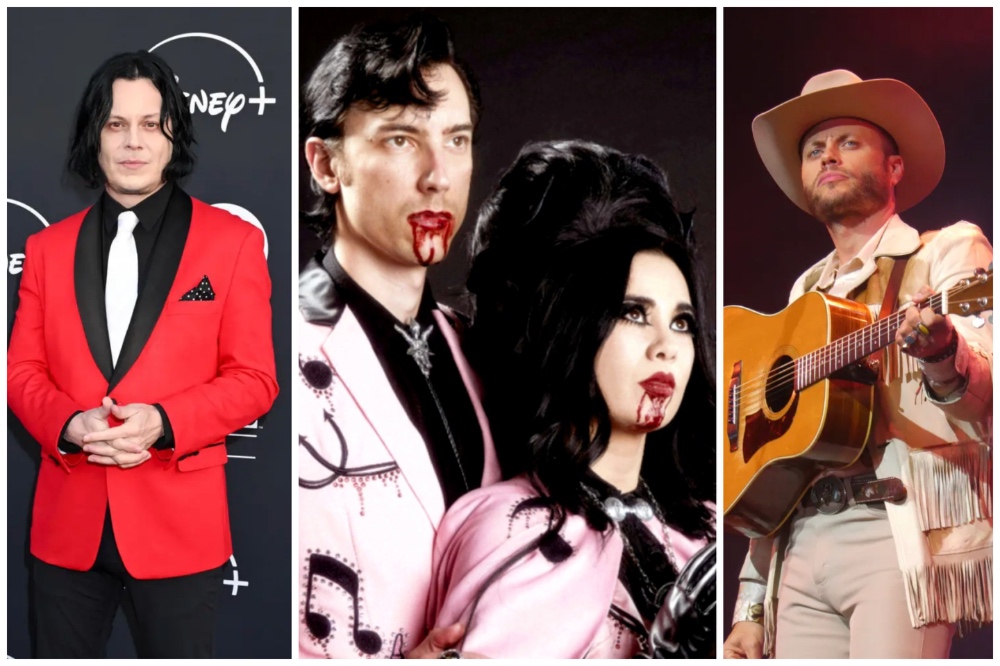
Rock musician Jack White publicly extended an offer to the band Twin Temple for an opening slot on his upcoming tour in 2026. This invitation followed Twin Temple’s removal from a separate tour with country artist Charley Crockett. The incident brought to light ongoing discussions within the music industry regarding artistic expression, religious themes, and audience perceptions.
The Genesis of a Controversy
The situation began when Twin Temple was scheduled to open for Charley Crockett on a series of dates. Twin Temple, known for their self-described ‘satanic doo-wop’ genre, incorporates occult and Satanic imagery into their music and stage performances. This aesthetic has been a signature element of the band since their formation.
Charley Crockett, a prominent figure in the country music scene, made the decision to remove Twin Temple from his tour. The specifics of Crockett’s reasoning were not immediately detailed. However, the removal quickly drew attention and generated significant commentary across social media platforms and music news outlets.
The decision by Crockett initiated a conversation about the boundaries of artistic compatibility on tour lineups. It also touched upon the expectations of different fan bases when diverse musical acts are paired together. Many observers questioned whether the removal was due to audience feedback, internal tour dynamics, or a conflict in artistic vision.
Jack White’s Public Invitation
Following the news of Twin Temple’s removal from Crockett’s tour, Jack White made a public statement. White, a Grammy Award-winning artist known for his boundary-pushing music and independent spirit, used his platform to invite Twin Temple to join his own tour. White’s message was direct and supportive of the band.
White’s offer was widely interpreted as a gesture of solidarity. It also served as a critique of what some perceived as censorship or intolerance within the music community. His public declaration, which included the phrase, ‘Get in Front of Me, Satan!’, underscored his embrace of Twin Temple’s provocative style.
This move by White is consistent with his history of supporting artists who challenge conventional norms. He has often championed acts that operate outside mainstream expectations. The invitation to Twin Temple reinforced White’s image as an advocate for artistic freedom and unconventional expression.
Twin Temple’s Response and Artistic Identity
Twin Temple, comprised of vocalists Alexandra and Zachary James, has consistently defined their music through a blend of 1950s rock and roll influences with overt Satanic themes. Their lyrical content often explores themes of empowerment, rebellion, and anti-establishment sentiments through a dark, theatrical lens. The band’s live shows are characterized by elaborate rituals and occult aesthetics.
The band has cultivated a dedicated following that appreciates their unique blend of retro sound and provocative imagery. Their fans often view their Satanic themes as a form of artistic commentary rather than a literal religious endorsement. This interpretation is common among many musical acts that utilize similar symbolism.
Upon receiving Jack White’s offer, Twin Temple expressed gratitude and enthusiasm. The opportunity to tour with an artist of White’s stature represents a significant platform for the band. It provides exposure to a broader audience that may be more receptive to their distinct artistic vision.
Charley Crockett’s Position and Fan Base
Charley Crockett has built a career on a blend of country, blues, and Americana music. His authentic storytelling and traditional sound have garnered him a loyal fan base. This audience often values the roots-oriented and often conservative themes present in country music.
The decision to remove Twin Temple likely reflected a consideration of his fan base’s sensibilities. Country music audiences can sometimes be less tolerant of overtly controversial or religiously provocative acts. Crockett’s team may have anticipated a negative reaction from his core audience, leading to the tour adjustment.
Crockett himself has not issued an extensive public statement on the matter. His silence has allowed for speculation regarding the underlying reasons for Twin Temple’s removal. However, the focus quickly shifted to Jack White’s intervention.
Broader Implications for the Music Industry
The incident between Twin Temple, Charley Crockett, and Jack White highlights several ongoing tensions in the music industry. One key tension involves artistic freedom versus commercial viability. Artists often grapple with how much they can push boundaries without alienating segments of their audience or potential collaborators.
Another aspect is the role of religious and spiritual themes in music. While many genres openly embrace diverse spiritual expressions, others, particularly within certain traditional markets, remain sensitive to anything perceived as anti-religious or Satanic. This sensitivity can impact touring opportunities and public perception.
The episode also underscores the power of established artists like Jack White to influence public discourse. By publicly supporting Twin Temple, White not only offered a professional opportunity but also made a statement about tolerance and the value of diverse artistic voices within the industry. His actions serve as a counter-narrative to the initial tour cancellation.
The History of Controversy in Music
Controversy surrounding musical acts is not new. Throughout history, artists have used provocative imagery, lyrics, and performances to challenge societal norms. From Elvis Presley’s dance moves to the punk rock movement’s anti-establishment stance, music has often been a vehicle for cultural confrontation.
Bands like Black Sabbath, Iron Maiden, and Marilyn Manson have faced accusations of Satanism or promoting negative influences. These controversies often fuel public interest and solidify an artist’s identity as a rebel. For some bands, embracing the ‘controversial’ label becomes part of their brand.
Twin Temple’s situation fits within this historical context. Their ‘satanic doo-wop’ is designed to be provocative. The reaction to their presence on a country tour, followed by Jack White’s endorsement, illustrates the enduring push and pull between artistic expression and societal expectations.
The Future of Tour Lineups
This event may influence how artists and promoters curate future tour lineups. It emphasizes the need for careful consideration of artistic compatibility and audience expectations. While diverse bills can introduce new artists to different fan bases, they can also lead to friction if the aesthetic or thematic differences are too stark for certain audiences.
Jack White’s intervention demonstrates that there are artists willing to provide platforms for acts deemed controversial by others. This creates alternative pathways for bands like Twin Temple to reach wider audiences. It also reinforces the idea that the music industry is not a monolith, but a collection of diverse tastes and values.
The incident will likely be remembered as a moment where artistic principles were publicly debated. It showcased the contrasting approaches of different musical communities. It highlighted the ongoing evolution of what is considered acceptable or desirable in mainstream and alternative music spaces.
Artists made decisions. Audiences reacted. Debates ensued. The music industry continues its complex dance.