Tag: Sag Aftra

  • Colman Domingo Criticizes Elon Musk’s AI ‘The Odyssey’ Film Plan

    Colman Domingo Criticizes Elon Musk’s AI ‘The Odyssey’ Film Plan

    Actor Colman Domingo publicly criticized Elon Musk’s proposed AI-generated film adaptation of Homer’s ‘The Odyssey’ in July 2026. Domingo voiced strong concerns about the potential for cultural insensitivity and a lack of authentic representation, stating that such a project would be ‘whiter than Christmas at Cracker Barrel’. His remarks have ignited a significant debate within the entertainment industry regarding the increasing role of artificial intelligence in creative endeavors and its implications for cultural storytelling.

    The controversy centers on the intersection of technological innovation and artistic integrity. Musk’s venture into AI-driven filmmaking has been met with skepticism from various corners of Hollywood. Domingo’s outspoken opposition adds a prominent voice to the growing chorus of artists advocating for human-led creative processes, especially when dealing with culturally significant narratives like ‘The Odyssey’.

    The Genesis of the AI ‘Odyssey’ Concept

    Elon Musk, known for his ventures in electric vehicles, space exploration, and social media platforms, announced his interest in producing an AI-generated film. The chosen subject, Homer’s epic poem ‘The Odyssey’, immediately drew attention. Musk’s vision reportedly involves leveraging advanced AI to write scripts, design visuals, and potentially even generate performances.

    This initiative aligns with Musk’s broader enthusiasm for artificial intelligence. He has frequently discussed the transformative power of AI across various sectors. His foray into film production with an AI-centric approach signals a direct challenge to traditional filmmaking methods. The announcement, made earlier in 2026, set the stage for the current debate.

    The concept of an AI-created film raises fundamental questions. These include questions about authorship, creativity, and the very definition of art. Critics argue that AI, while capable of processing vast amounts of data, cannot replicate the nuanced understanding of human experience and cultural context essential for storytelling.

    Colman Domingo’s Critique and Cultural Concerns

    Colman Domingo’s criticism was sharp and direct. He specifically highlighted the risk of cultural misrepresentation. ‘The Odyssey’ is a foundational text of Western literature, but its themes and characters have been interpreted through diverse cultural lenses over millennia.

    Domingo’s concern was that an AI, trained on potentially biased datasets, would produce a culturally monolithic or stereotypical rendition. His phrase, ‘whiter than Christmas at Cracker Barrel’, underscored this fear. He implied that an AI-generated version would inherently lack the necessary depth and diversity of human perspective.

    The actor’s comments reflect a wider apprehension within the industry. Many artists fear that AI could homogenize narratives. They worry it might erase the unique contributions of diverse creators and voices. Domingo’s stance champions the need for human input, particularly from individuals with lived experiences relevant to the story being told.

    The Importance of Cultural Authenticity in Storytelling

    Cultural authenticity is a critical component of modern storytelling. Audiences increasingly demand narratives that reflect a wide range of experiences and perspectives. Misrepresentation or cultural appropriation can lead to significant backlash and undermine the integrity of a project.

    Domingo’s argument posits that an AI, by its very nature, might struggle with this nuance. It might fail to understand the subtle social, historical, and emotional layers that human writers and directors bring. These layers are crucial for creating a truly authentic and resonant portrayal of any cultural narrative.

    The actor’s involvement in projects known for their cultural depth lends weight to his critique. His work often explores complex human experiences and diverse identities. This background informs his perspective on the ethical responsibilities of creators, whether human or algorithmic.

    The Broader Debate on AI in Hollywood

    Domingo’s remarks are part of an escalating industry-wide conversation. The use of AI in Hollywood has been a contentious topic, particularly since the 2023 Writers Guild of America (WGA) and SAG-AFTRA strikes. These strikes prominently featured demands for protections against AI’s unchecked use in writing and performance.

    Unions and artist advocacy groups have expressed concerns about job displacement. They also worry about the devaluation of human creative labor. The fear is that AI could be used to generate content cheaply, bypassing the need for human writers, actors, and other creative professionals.

    Proponents of AI in film, including Musk, argue that it can enhance efficiency and open new creative avenues. They suggest AI could handle tedious tasks, allowing human artists to focus on higher-level conceptual work. However, critics like Domingo maintain that core creative functions should remain firmly in human hands.

    Economic Implications for Creative Professionals

    The economic impact of AI on the creative industries is a major point of contention. If AI can generate scripts, visuals, and even voice performances, the demand for human talent could decrease. This could lead to fewer jobs and lower wages for artists.

    The WGA and SAG-AFTRA strikes highlighted these concerns. They sought to establish clear guidelines and compensation structures for AI-generated content. The aim was to ensure that human creators are still credited and fairly compensated, even if AI tools are used in the production process.

    Musk’s ‘Odyssey’ project, if it progresses as an entirely AI-driven endeavor, could set a precedent. It could signal a shift towards a more automated production model. This shift would have profound economic consequences for the thousands of individuals working in film and television.

    Ethical Considerations and the Future of Storytelling

    Beyond economics, ethical considerations surrounding AI in storytelling are paramount. Questions of bias, intellectual property, and artistic ownership emerge. AI models are trained on existing data, which often reflects societal biases. This can lead to the perpetuation of stereotypes or the exclusion of marginalized voices.

    The concept of AI creating art also challenges traditional notions of authorship. Who owns the copyright to an AI-generated script or visual? Is the AI itself a creator, or merely a tool? These legal and philosophical questions remain largely unanswered.

    Domingo’s critique underscores the importance of human judgment and empathy in ethical storytelling. He argues that only humans can truly understand the complexities of cultural narratives. Only humans can navigate the ethical minefield of representation with sensitivity and responsibility.

    The Role of Homer’s ‘The Odyssey’ in the Debate

    ‘The Odyssey’ is not merely a story; it is a cultural touchstone. It explores themes of identity, home, perseverance, and the human condition. Its enduring relevance lies in its capacity for reinterpretation across different eras and cultures.

    An AI-generated version, according to Domingo, risks stripping away this interpretive richness. It could reduce a complex epic to a superficial rendering. This would diminish its cultural significance and its power to resonate with diverse audiences.

    The choice of ‘The Odyssey’ as a subject for an AI film project is therefore symbolic. It represents a direct challenge to the human legacy of storytelling. It forces a confrontation between ancient narratives and cutting-edge technology.

    Reactions from the Industry and Public

    Colman Domingo’s comments quickly circulated within Hollywood circles and among the public. Many artists and cultural commentators voiced their support for his stance. They echoed his concerns about cultural authenticity and the potential dangers of AI in creative fields.

    Conversely, some technology enthusiasts and proponents of AI innovation defended Musk’s vision. They argued that AI offers unprecedented opportunities for creative exploration and efficiency. They emphasized the potential for AI to democratize filmmaking and produce content on a scale previously unimaginable.

    The debate highlights a growing chasm between the tech industry’s rapid advancement and the entertainment industry’s concerns about preserving human artistry. This cultural defense activator resonated with many who feel that technology, while beneficial, should not overshadow human creativity.

    The Path Forward for AI in Film

    The future of AI in filmmaking will likely involve a complex negotiation. It will require balancing technological potential with ethical responsibilities. Dialogue between tech innovators and creative professionals will be crucial.

    Many believe that AI can serve as a valuable tool for artists, rather than a replacement. AI could assist with tasks like pre-visualization, editing, or special effects. However, the core creative decisions, the vision, the narrative, the emotional core, should remain human-driven.

    Colman Domingo’s intervention serves as a powerful reminder. It emphasizes that cultural sensitivity and authentic representation must be prioritized. This is especially true when adapting foundational stories for new audiences. The debate around Musk’s ‘Odyssey’ project will continue to shape these discussions.

    Artists voice concerns. Technologists push boundaries. Audiences watch closely.

    The future of storytelling.

  • DGA, WGA, SAG-AFTRA Protest Emmy Cuts, Unions Decry “Devaluation”

    DGA, WGA, SAG-AFTRA Protest Emmy Cuts, Unions Decry “Devaluation”

    The Directors Guild of America (DGA), the Writers Guild of America (WGA), and SAG-AFTRA have issued a collective protest against the Emmy Awards’ decision to reduce the number of categories presented during its televised ceremony. This unified stance from major Hollywood unions argues that such cuts devalue the crucial contributions of creative professionals across the television landscape.

    What appears to be a logistical choice by awards show producers is viewed by these organizations as a significant slight. It reignites long-standing debates about the visibility and respect afforded to the myriad roles that bring television productions to life.

    The Core of the Controversy: Category Cuts

    The Television Academy, the organization behind the Emmy Awards, periodically reviews its telecast format. These reviews often aim to streamline the broadcast and increase viewership appeal. A common strategy involves moving certain award presentations to non-televised ceremonies, such as the Creative Arts Emmys.

    However, the recent decision to cut categories from the main telecast has drawn sharp criticism. Specific categories, often representing vital craft and artistic achievements, are impacted. These include areas like outstanding directing for a variety series, outstanding writing for a variety series, and various technical and behind-the-scenes awards.

    The unions contend that every nominee, regardless of their specific craft, has earned their place on the broadcast stage. They argue that relegating these awards to a separate, less-viewed event diminishes their importance and public recognition.

    Union’s Joint Statement: A Unified Front

    The DGA, WGA, and SAG-AFTRA released a joint statement outlining their objections. This rare display of solidarity across three powerful guilds underscores the gravity of the issue within the industry.

    Their statement emphasized that the decision to cut categories “devalues” the contributions of the very people the Academy purports to honor. It highlights a fundamental disagreement over how artistic and technical excellence should be celebrated in a public forum.

    The guilds represent tens of thousands of professionals. These include directors, writers, actors, stunt performers, journalists, and broadcast talent. Their collective voice carries significant weight in Hollywood negotiations and industry standards.

    Historical Context of Emmy Telecast Changes

    The Emmy Awards have a long history of adapting their broadcast structure. The first Emmy Awards ceremony took place in 1949, recognizing achievements in Los Angeles-area television. As television grew, so did the number of categories.

    By the 1970s and 1980s, the telecast began to expand, leading to the creation of the Creative Arts Emmy Awards. These ceremonies were designed to honor a broader range of technical and artistic achievements that could not fit into the main primetime broadcast.

    The balance between recognizing all deserving talent and maintaining an engaging, time-constrained primetime show has always been a challenge. Over the decades, the Television Academy has faced similar criticisms from various industry segments whenever category adjustments were made.

    The Impact on Creative Professionals

    For many creative professionals, an Emmy nomination or win represents the pinnacle of their career. It provides recognition, opens doors for future opportunities, and validates years of dedication to their craft.

    When an award is presented during the main telecast, it receives national and international exposure. The winners’ speeches are heard, their work is highlighted, and their names become part of the cultural conversation.

    Moving categories to a non-televised event, or one with significantly lower viewership, reduces this exposure. It can make these achievements feel less significant to the broader public, and potentially, to the industry itself.

    This affects not only the individuals receiving the awards but also the perception of their entire department or craft. For example, a director of a variety series might feel their work is less valued if their category is not part of the main show, despite the complexity and artistry involved.

    Economic and Status Implications

    Beyond prestige, there are tangible economic and status implications. Public recognition from an Emmy win can lead to higher-profile jobs, increased negotiating power, and better compensation.

    For guilds like the DGA and WGA, ensuring their members receive appropriate recognition is part of their mission. It helps elevate the standing of their respective crafts within the entertainment hierarchy.

    SAG-AFTRA, representing a vast array of performers, also advocates for the visibility of its members’ diverse contributions. This includes not just leading actors but also supporting roles, stunt performers, and voice actors, many of whom contribute to categories often moved off the main telecast.

    The Role of the Television Academy

    The Television Academy is responsible for upholding the integrity and prestige of the Emmy Awards. Its stated mission includes recognizing excellence in the television industry.

    Decisions regarding telecast structure are often made in consultation with network partners, who are concerned with ratings and advertising revenue. The pressure to produce a fast-paced, star-studded show is immense.

    However, the unions argue that this pursuit of a commercially viable broadcast should not come at the expense of honoring the full spectrum of creative talent. They suggest that alternative solutions could be explored to balance entertainment value with comprehensive recognition.

    Previous Protests and Industry Tensions

    This is not the first time industry guilds have voiced concerns over awards show formats. Similar debates have occurred with the Academy Awards (Oscars) regarding craft categories and the Grammy Awards concerning genre-specific recognitions.

    The 2023 strikes by the WGA and SAG-AFTRA highlighted pre-existing tensions regarding fair compensation, working conditions, and the value of creative labor in the streaming era. The current protest over Emmy categories can be seen as an extension of these broader themes.

    It reflects an ongoing struggle to ensure that the economic and cultural contributions of all workers in the entertainment industry are respected and adequately compensated.

    The Path Forward: Dialogue and Resolution

    The joint protest from the DGA, WGA, and SAG-AFTRA puts pressure on the Television Academy to reconsider its decision. It opens a dialogue about the fundamental purpose of awards shows.

    Will the Academy reverse its decision? Or will it seek a compromise that addresses the unions’ concerns while maintaining its telecast objectives? The outcome will likely influence future awards show planning and industry relations.

    The unions’ unified front sends a clear message. The creative community demands to be seen and celebrated in its entirety. This is a battle for visibility. This is a fight for recognition. This is a stand for respect.

    Hollywood.

  • Ashley Johnson’s ‘Growing Pains’ Ordeal – A Near Abduction on Set

    Ashley Johnson’s ‘Growing Pains’ Ordeal – A Near Abduction on Set

    The Unseen Danger on Set

    Ashley Johnson, known for her role as Chrissy Seaver on the hit 1980s sitcom Growing Pains, recently recounted a harrowing experience from her childhood acting days. She revealed that she was nearly abducted from the set of the show following the taping of an episode. This incident, while frightening in retrospect, occurred when Johnson was a young child, leading her to be largely unaware of the gravity of the situation at the moment it unfolded.

    The revelation brings into sharp focus the often-overlooked risks and vulnerabilities child actors face within the demanding environment of Hollywood productions. Johnson’s account adds to a broader narrative of challenges encountered by young performers, ranging from long hours to inadequate protections.

    A Child’s Perspective: ‘Clueless’ to the Threat

    Johnson described her state of mind during the incident as ‘clueless.’ Her innocence as a child actor meant she did not fully comprehend the danger she was in when a stranger attempted to take her. This lack of awareness, while typical for a young person, makes the event even more disturbing in its recollection.

    The kidnapper’s actions were direct and physical. They reportedly grabbed Johnson after filming had concluded for the day. The exact details of how the situation was diffused or who intervened were not immediately specified in the initial reports of her account.

    Despite her initial lack of understanding, the aftermath of the event left a lasting impression. Johnson later expressed that she was ‘very upset’ by the experience once she grasped its true nature and potential consequences. This emotional impact underscores the psychological toll such incidents can take on young individuals, even if they do not fully process the threat at the time.

    The Set Environment: A False Sense of Security

    Television and film sets are often perceived as highly controlled and secure environments. Access is typically restricted, and production staff are numerous. However, Johnson’s experience demonstrates that even these seemingly safe spaces can harbor vulnerabilities.

    The presence of many people on a set does not automatically guarantee safety. In fact, a bustling environment can sometimes create opportunities for individuals with malicious intent to blend in or exploit moments of distraction. The incident on the Growing Pains set serves as a stark reminder that vigilance is paramount, particularly when children are involved.

    Child actors, by the nature of their profession, are frequently exposed to a wide array of adults, including cast members, crew, and visitors. Establishing clear boundaries and ensuring constant adult supervision from trusted guardians is a critical, yet sometimes challenging, aspect of their protection.

    Child Actor Safety: A Recurring Concern

    The issue of child actor safety has been a recurring theme in the entertainment industry for decades. From concerns about exploitation to physical harm, the unique circumstances of young performers have prompted calls for stricter regulations and oversight.

    Organizations such as the Screen Actors Guild – American Federation of Television and Radio Artists (SAG-AFTRA) have established rules and guidelines aimed at protecting child actors. These often cover aspects like working hours, education requirements, and the presence of a set teacher or guardian.

    However, incidents like Johnson’s near-abduction suggest that even with regulations in place, gaps in protection can still exist. The human element of security, including the attentiveness of those responsible for supervision, remains a critical factor.

    Historical Context of Child Labor Laws

    Child labor laws in the United States have a complex history, with specific provisions for the entertainment industry. Early in Hollywood’s history, child actors often worked long hours with little protection. The exploitation of young performers, such as Jackie Coogan, led to significant legal reforms.

    The Coogan Act, formally known as the California Child Actor’s Bill, was enacted in 1939. This legislation established safeguards for child actors’ earnings, requiring a portion of their income to be set aside in a trust fund. While primarily focused on financial protection, this act laid some groundwork for broader discussions on child welfare in the industry.

    Over time, various state and federal regulations have been introduced to address different facets of child actor well-being. These include limitations on working hours, mandatory schooling, and requirements for a parent or guardian to be present on set.

    The Psychological Impact on Young Performers

    A near-abduction, even if the child is initially unaware of the full danger, can have profound psychological effects. The trauma may manifest in various ways, including anxiety, fear, or difficulty trusting others. For child actors, who are already under immense pressure, such an event can be particularly destabilizing.

    The long-term impact on Ashley Johnson is a testament to the severity of the incident. Her recollection, years later, indicates that the experience left an indelible mark. This underscores the importance of not only preventing such occurrences but also providing robust psychological support for young individuals who experience trauma on set.

    Mental health resources for child actors have become a more prominent discussion point in recent years. The unique stresses of fame, public scrutiny, and the demanding work environment necessitate specialized support systems. Incidents of attempted harm only amplify this need.

    Industry Accountability and Future Safeguards

    Johnson’s story reignites conversations about accountability within the entertainment industry. When such incidents occur, questions arise about who is responsible for ensuring the safety of child performers and what measures could have prevented the event.

    Producers, studio executives, and set security personnel all share a collective responsibility. Implementing comprehensive security protocols, conducting thorough background checks on all personnel with access to children, and providing continuous training on child protection are essential steps.

    Furthermore, fostering an environment where child actors and their guardians feel empowered to report concerns without fear of reprisal is crucial. Open communication channels and clear reporting procedures can help identify and address potential threats before they escalate.

    The entertainment industry continues to evolve, and with it, the approaches to child safety must also adapt. Technological advancements, such as enhanced surveillance systems, could play a role, but the human element of supervision and care remains irreplaceable.

    Lessons Learned from Past Incidents

    Ashley Johnson’s experience is not an isolated one in the history of child actors facing danger. Various accounts from former child stars have detailed struggles ranging from financial mismanagement to emotional abuse and, in some tragic cases, physical harm.

    These past incidents have slowly but steadily contributed to a greater awareness and, in some cases, legislative changes. Each new revelation, including Johnson’s, reinforces the ongoing need for vigilance and reform.

    The dialogue around child actor welfare extends beyond just the immediate set environment. It encompasses discussions about managing fame, navigating public attention, and ensuring a healthy transition into adulthood, regardless of whether a child continues in the industry.

    The story of Ashley Johnson serves as a potent reminder of the complexities and inherent risks involved in child stardom. Her courage in sharing this personal account contributes to a broader understanding of the challenges and reinforces the imperative for continuous improvement in safeguarding young talent.

    The set lights dimmed. The cameras stopped rolling. A child actor walked off set. A stranger moved in. A life was nearly altered.

    Hollywood.

  • SAG-AFTRA Recommends Opting Out of Meta’s AI Feature – Protecting Likeness in the Digital Age

    SAG-AFTRA Recommends Opting Out of Meta’s AI Feature – Protecting Likeness in the Digital Age

    The Screen Actors Guild – American Federation of Television and Radio Artists (SAG-AFTRA) has issued a directive to its members, advising them to opt out of Meta’s new artificial intelligence feature. This recommendation is a direct response to concerns regarding the potential unauthorized use and replication of performers’ likenesses and voices, emphasizing the union’s commitment to protecting its members’ intellectual property in the burgeoning field of generative AI.

    This move by SAG-AFTRA represents a significant development in the ongoing dialogue between labor organizations, technology companies, and the entertainment industry. It highlights the complex legal and ethical challenges presented by advanced AI systems capable of generating realistic digital content.

    The Union’s Stance on AI and Likeness

    SAG-AFTRA’s recommendation is rooted in the principle of consent and fair compensation for the use of its members’ work. The union has consistently advocated for robust protections against the uncompensated or unauthorized use of performers’ images, voices, and performances.

    The specific concern with Meta’s AI feature centers on its training data. Generative AI models often learn from vast datasets, which can include publicly available content featuring actors and other creative professionals. This raises questions about how these models might reproduce or alter a performer’s identity without explicit permission.

    Union leadership has communicated directly with members, urging them to take proactive steps. The message emphasizes that individual members must actively manage their digital presence and control how their likeness is utilized by third-party platforms.

    Meta’s AI Feature and Data Collection

    Meta’s new AI feature, like many contemporary generative AI systems, relies on extensive data collection for its development and functionality. This data can encompass a wide range of public information, including social media posts, public videos, and other online content.

    The company’s approach to data utilization for AI training has drawn scrutiny from various groups. Intellectual property rights holders, privacy advocates, and creative unions have all expressed reservations about the scope and implications of such practices.

    Performers, whose livelihoods depend on their unique appearance and voice, are particularly vulnerable to the implications of AI replication. The ability of AI to generate synthetic media that closely resembles a human performer poses significant economic and ethical challenges.

    Protecting Digital Identity in the Age of AI

    The concept of digital likeness has become increasingly important. As technology advances, the line between a performer’s physical presence and their digital representation blurs. This creates new frontiers for legal and contractual protections.

    SAG-AFTRA’s guidance serves as a practical measure for its members. By opting out, performers can attempt to prevent their digital assets from being incorporated into AI training datasets without their explicit consent or proper remuneration.

    The union’s action is part of a broader strategy to address the impact of AI on the entertainment industry. This strategy includes advocating for new legislation, negotiating strong contractual language, and educating members about their rights.

    Industry-Wide Implications and Ongoing Negotiations

    The SAG-AFTRA recommendation is not an isolated event. It reflects a growing apprehension across the creative industries regarding the rapid development and deployment of AI technologies.

    Other unions and guilds, representing writers, musicians, and visual artists, have also engaged in discussions and negotiations concerning AI. The core issues often revolve around consent, compensation, and the definition of original creative work in an AI-assisted environment.

    The 2023 Hollywood strikes, which involved both SAG-AFTRA and the Writers Guild of America (WGA), highlighted AI as a central point of contention. These negotiations established initial frameworks and protections, but the rapid evolution of AI necessitates continuous vigilance and adaptation.

    The Role of Collective Bargaining

    Collective bargaining remains a primary tool for unions to address these complex issues. SAG-AFTRA’s agreements with studios and producers now include provisions related to AI. These provisions aim to ensure that AI is used responsibly and ethically, without undermining performers’ careers.

    However, the scope of collective bargaining often applies to specific contractual relationships within film and television production. AI features developed by technology companies like Meta operate in a different regulatory and commercial landscape, complicating the application of existing union agreements.

    This distinction underscores why direct action, such as an opt-out recommendation, becomes necessary when dealing with platforms outside traditional collective bargaining agreements.

    The Future of Performer Rights and AI

    The debate over AI and performer rights is expected to intensify. As AI capabilities advance, the challenges of distinguishing human-created content from AI-generated content will grow.

    Legal frameworks are still catching up to technological realities. Existing intellectual property laws, designed for a pre-AI era, may not adequately address the nuances of generative AI and digital likeness.

    Legislative Efforts and Advocacy

    SAG-AFTRA, alongside other industry stakeholders, continues to lobby for legislative changes. These efforts aim to create clearer legal standards for AI’s use of copyrighted material and personal likenesses.

    The goal is to ensure that performers retain control over their professional identities and are fairly compensated when their work or likeness contributes to AI models. This includes advocating for federal protections that would supersede varying state laws.

    International cooperation is also becoming increasingly important. AI development is a global phenomenon, and a patchwork of national regulations could create loopholes or inconsistencies in protection.

    Understanding the Opt-Out Process

    For SAG-AFTRA members, understanding the specific steps to opt out of Meta’s AI feature is crucial. The union’s communications typically provide detailed instructions, guiding members through platform settings or specific forms.

    The effectiveness of an opt-out mechanism depends on its design and implementation by the technology company. Transparency from Meta regarding its data usage policies and AI training methodologies is paramount.

    Members are advised to review Meta’s terms of service and privacy policies carefully. These documents often contain crucial details about how user data, including publicly shared content, is processed and utilized for various features, including AI development.

    The Broader Cultural Defense of Creative Work

    This situation extends beyond individual performers to a broader cultural defense of creative work. The ability of AI to generate content raises fundamental questions about authorship, originality, and the value of human artistry.

    When AI models are trained on vast amounts of human-created content, the output can sometimes mimic or appropriate existing styles and forms. This can devalue the unique contributions of human artists.

    Organizations like SAG-AFTRA are not just protecting individual members; they are also defending the integrity of the creative professions themselves. They ensure that human creativity remains central to the entertainment industry.

    The recommendation to opt out is a call to action. It empowers individual members to make choices that collectively strengthen the union’s negotiating position and reinforce the value of human performance.

    This ongoing tension between technological innovation and artistic protection will continue to define the digital landscape. Performers, unions, and tech companies all play a role in shaping this future.

    Members received a clear message. Protections were outlined. Actions were taken.

    Likeness.

  • Netflix Recreates Gene Wilder’s Voice Using AI for ‘The Golden Ticket’

    Netflix Recreates Gene Wilder’s Voice Using AI for ‘The Golden Ticket’

    Netflix has employed artificial intelligence to generate the voice of the late actor Gene Wilder for its upcoming reality competition series, ‘The Golden Ticket.’ This series, set to premiere in 2026, draws inspiration from the iconic Willy Wonka narrative. The decision to use AI to replicate Wilder’s voice has ignited widespread discussion regarding the ethical implications of using such technology for deceased performers.

    The announcement from Deadline on June 30, 2026, confirmed Netflix’s use of this advanced technology. This marks a significant moment in the intersection of artificial intelligence and the entertainment industry. It brings to the forefront questions about consent, legacy, and the future of creative works.

    The Digital Resurrection of Gene Wilder

    Gene Wilder, known for his portrayal of Willy Wonka in the 1971 film ‘Willy Wonka & the Chocolate Factory,’ passed away in 2016. His distinctive voice and acting style became synonymous with the whimsical character. The decision by Netflix to recreate his voice using AI for ‘The Golden Ticket’ aims to connect the new series directly to this established cultural touchstone.

    AI voice synthesis technology has advanced significantly in recent years. Algorithms can now analyze existing audio recordings to generate new speech patterns that mimic a specific person’s voice. This process involves complex machine learning models that capture nuances in tone, pitch, and cadence.

    The technology allows for the creation of new dialogue that Wilder never spoke himself. This capability presents both creative opportunities and considerable ethical challenges. The estate of Gene Wilder has not issued a public statement regarding the use of his voice as of June 30, 2026.

    The ‘Golden Ticket’ Reality Series

    ‘The Golden Ticket’ is a reality competition series. Its premise reportedly involves contestants vying for an experience inspired by the fantastical world of Willy Wonka. Specific details about the challenges and prizes remain under wraps prior to its 2026 premiere.

    The series’ connection to the Willy Wonka universe is explicit. The use of Gene Wilder’s AI-generated voice is intended to reinforce this link. It aims to evoke nostalgia and authenticity for viewers familiar with the original film.

    Netflix has invested heavily in reality programming in recent years. Titles like ‘Squid Game: The Challenge’ and ‘Love Is Blind’ have garnered significant viewership. ‘The Golden Ticket’ represents an expansion into a new subgenre, blending fantasy themes with competitive reality television.

    Ethical Considerations and Industry Debate

    The recreation of Gene Wilder’s voice using AI has sparked a robust ethical debate. This discussion centers on several key areas:

    • Consent and Legacy: A primary concern is whether deceased artists can truly consent to the use of their likeness or voice. Critics argue that such uses may infringe upon their personal autonomy and control over their legacy.
    • Performer Rights: The Screen Actors Guild – American Federation of Television and Radio Artists (SAG-AFTRA) has previously raised concerns about AI’s impact on performers’ rights. The union advocates for clear guidelines and compensation structures for digital replicas.
    • Authenticity and Artistic Integrity: Some argue that AI-generated performances dilute the authenticity of an artist’s work. They question whether a synthesized voice truly honors the original performance or merely exploits it.
    • Precedent for Future Use: This case sets a precedent for how AI might be used with other deceased actors. It opens the door for a future where digital replicas become commonplace without explicit prior consent.

    Industry professionals, legal experts, and fans are weighing in on these issues. The conversation extends beyond Gene Wilder to the broader implications for the entertainment ecosystem.

    Legal Landscape for Digital Replicas

    The legal framework surrounding digital replicas of deceased individuals remains largely undeveloped. Existing intellectual property laws, such as copyright and trademark, offer limited protection in this specific area.

    Right of publicity laws vary by state in the United States. These laws generally protect an individual’s right to control the commercial use of their identity. However, their applicability to deceased persons and AI-generated content is often ambiguous.

    Legislation concerning post-mortem publicity rights is complex. Some states, like California, have specific statutes that allow estates to control a deceased celebrity’s likeness for a period after their death. Other states have no such provisions.

    The lack of clear legal precedent creates uncertainty for studios and estates alike. This specific instance with Gene Wilder’s voice may prompt further legislative action or judicial rulings to clarify these boundaries.

    AI’s Growing Role in Entertainment Production

    The use of AI in ‘The Golden Ticket’ is part of a larger trend. Artificial intelligence is increasingly integrated into various aspects of entertainment production. This includes scriptwriting, visual effects, and even music composition.

    AI tools can generate realistic CGI characters, de-age actors, and even create entire virtual environments. These capabilities offer efficiency and creative possibilities previously unattainable.

    The controversy surrounding Gene Wilder’s voice highlights a specific ethical flashpoint. However, AI’s broader integration continues to reshape how content is created and consumed. Studios are exploring AI for cost reduction and enhanced production value.

    Public Reception and Fan Engagement

    Public reaction to Netflix’s decision has been mixed. Many fans of Gene Wilder express discomfort and a sense of unease. They view the AI recreation as disrespectful to his memory and artistic legacy.

    Others express curiosity about the technological achievement. They are interested in how the AI-generated voice will integrate into ‘The Golden Ticket’ series. This segment of the audience focuses more on the novelty and potential for new creative expressions.

    Social media platforms have become a primary venue for these discussions. Hashtags related to Gene Wilder, AI ethics, and Netflix are trending globally. This public discourse reflects a broader societal grappling with advanced AI technologies.

    The Future of Performer Rights in the AI Era

    The Gene Wilder case underscores the urgent need for updated performer rights. As AI technology advances, the ability to digitally replicate voices, faces, and even entire performances becomes more sophisticated.

    SAG-AFTRA has been at the forefront of advocating for protections. They seek consent requirements, fair compensation, and clear ownership of digital replicas. The union’s efforts aim to prevent the exploitation of performers, both living and deceased.

    The debate around AI and performer rights is not new. However, the concrete application by a major streamer like Netflix brings it to a critical juncture. The outcome of this particular situation may influence future industry standards and collective bargaining agreements.

    The entertainment industry stands at a crossroads. Technological advancement offers new creative avenues. Ethical considerations demand careful navigation. The legacy of artists and the rights of performers are central to this ongoing discussion.

    Lawmakers, industry executives, and artist representatives continue to convene. Frameworks are being proposed. Debates persist. The digital landscape transforms.

    Conclusion

    Netflix’s use of AI to recreate Gene Wilder’s voice for ‘The Golden Ticket’ represents a significant technological and ethical development. It has ignited discussions about consent, artistic integrity, and the future of performer rights. The reality series, set to premiere in 2026, will serve as a prominent example of AI’s integration into mainstream entertainment. The ongoing dialogue will shape policies and public perception surrounding digital replicas in the years to come. The question of who controls an artist’s legacy in the age of AI remains a central, unresolved challenge.

    Technology advances. Ethics are tested. Legacies are debated. The future unfolds.

  • Child Actors and AI Voice Cloning: The Hasbro Controversy and Open Letter

    Child Actors and AI Voice Cloning: The Hasbro Controversy and Open Letter

    The Growing Concern Over AI and Child Actors

    In mid-2026, a significant ethical debate intensified within the entertainment industry concerning the use of artificial intelligence (AI) to replicate the voices of child actors. This controversy culminated in an open letter signed by nearly 1,000 actors, agents, and other industry professionals, which specifically targeted a major studio, reportedly Hasbro. The letter condemned the alleged demands that child performers consent to the perpetual use of their voices for AI-generated content.

    This collective action underscores a critical intersection of technological advancement, labor rights, and the protection of vulnerable individuals in creative fields. The dispute highlights the urgent need for clear ethical guidelines and contractual safeguards as AI capabilities continue to expand into voice synthesis and character generation.

    The Hasbro Allegations

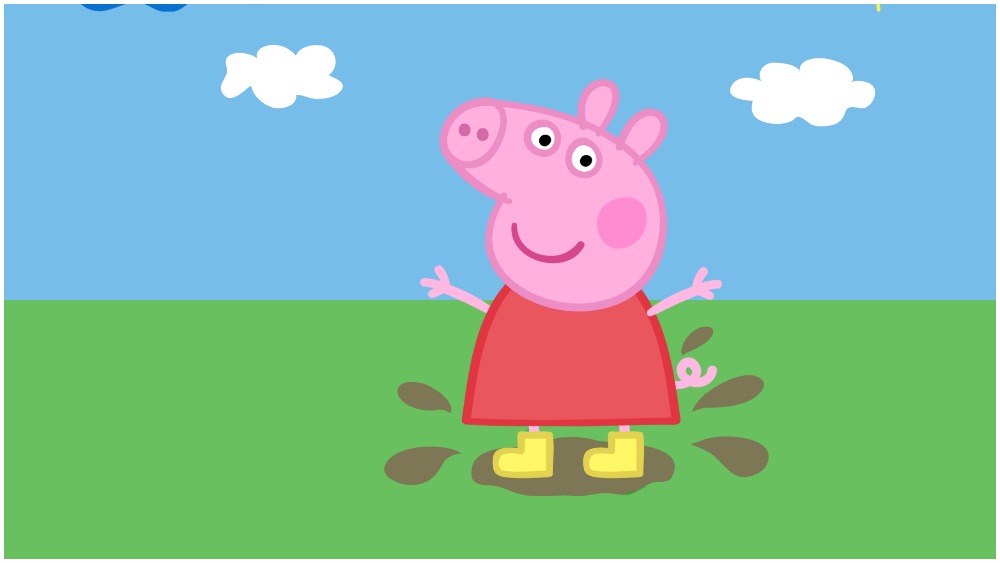
    The open letter, widely reported by sources such as Variety in June 2026, did not explicitly name the studio in its initial public release. However, subsequent reports and industry whispers quickly identified Hasbro as the primary target. The allegations centered on Hasbro’s supposed attempts to secure broad, often perpetual, rights to use child actors’ voices for AI replication, particularly for popular animated series like ‘Peppa Pig’.

    Hasbro, a global play and entertainment company, owns Entertainment One (eOne), which produces ‘Peppa Pig’. The company’s alleged practices raised immediate alarms among performers’ unions, talent agencies, and child advocacy groups. Concerns included the potential for child actors’ voices to be used without additional compensation, future consent, or clear limitations on how the AI-generated voice might be employed.

    The ‘Peppa Pig’ Context

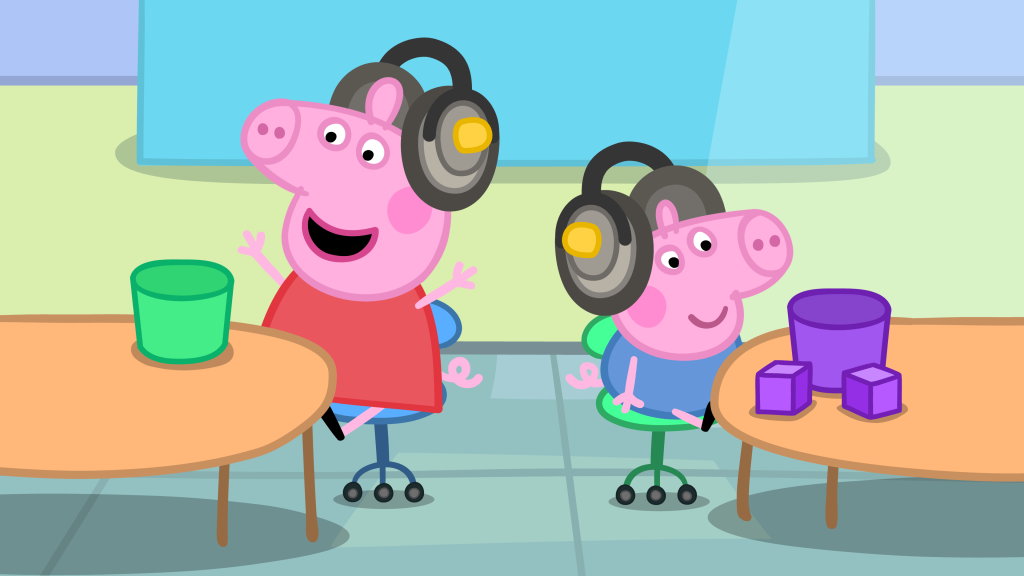
    ‘Peppa Pig’ is a globally recognized animated television series, primarily aimed at preschool children. The voice actors for characters like Peppa and George are often young children themselves. The nature of these roles means that child actors are frequently replaced as their voices mature. This turnover, combined with the long-term commercial value of such franchises, creates an incentive for studios to seek methods of vocal continuity.

    AI voice replication offers a potential solution to this challenge, allowing a character’s voice to remain consistent even as the original child actor grows older. However, this technological solution introduces a complex array of ethical and labor considerations, particularly when applied to minors who may not fully comprehend the long-term implications of such agreements.

    The Open Letter: A Call for Protection

    The open letter represented a unified stance from a broad coalition of entertainment professionals. Signatories included prominent actors, voice artists, talent agents, and legal experts specializing in entertainment law. The letter articulated several key demands and concerns:

    • Informed Consent: The letter emphasized that consent for AI voice usage, particularly from minors, must be fully informed, specific, and revocable.
    • Fair Compensation: It argued for fair and ongoing compensation for any use of an AI-replicated voice, extending beyond the initial recording session.
    • Usage Limitations: Demands included clear limitations on the scope, duration, and context in which an AI-generated voice could be used, preventing its deployment in new projects or scenarios without explicit approval.
    • Child Protection: A central theme was the protection of child actors, who are often more susceptible to exploitative contractual clauses due to their age and lack of comprehensive legal understanding.

    The letter served as a powerful declaration that the industry would not tolerate what it perceived as an attempt to bypass traditional labor agreements and exploit emerging technologies at the expense of young talent.

    The Role of Unions and Agencies

    Talent agencies and actors’ unions, such as SAG-AFTRA in the United States and Equity in the UK, played a significant role in organizing and amplifying the open letter. These organizations have been at the forefront of negotiating new terms for AI usage across the entertainment industry, particularly following major strikes in 2023 that addressed AI concerns.

    The open letter can be seen as a direct extension of these ongoing efforts, signaling that the issue of AI rights for child actors is a non-negotiable point. Agencies expressed concerns that broad AI clauses could significantly devalue the future earning potential of their young clients, making it harder for them to secure new roles if their voice can be endlessly replicated.

    Ethical Dimensions of AI Voice Replication

    The debate extends beyond mere contractual terms into deeper ethical considerations. The replication of a human voice, especially a child’s, raises questions about identity, ownership, and the very essence of performance.

    Loss of Control and Identity

    When a child’s voice is replicated by AI, the child effectively loses control over a fundamental aspect of their identity and artistic expression. The AI-generated voice could be used in contexts the child or their guardians did not approve of, or even in perpetuity, long after the child has moved on from acting.

    Exploitation of Minors

    Minors are legally recognized as having limited capacity to enter into contracts, necessitating adult supervision and protection. Critics argue that demanding broad AI rights from child actors constitutes a form of exploitation, as these young performers may not fully grasp the implications of signing away perpetual rights to their vocal identity.

    Impact on Future Careers

    If a studio can generate a child’s voice using AI, the need for new child actors to voice subsequent seasons, spin-offs, or related media could diminish. This could severely limit career opportunities for aspiring young performers, creating a bottleneck in an already competitive industry.

    Broader Industry Implications

    The controversy surrounding Hasbro and child actors’ AI voice rights is not an isolated incident. It reflects a much broader industry-wide struggle to define the boundaries and ethical parameters of AI in creative content creation.

    The 2023 Strikes and AI

    The Writers Guild of America (WGA) and SAG-AFTRA strikes of 2023 prominently featured AI as a central point of contention. Writers fought for protections against AI generating scripts based on their work, while actors sought safeguards against AI replicating their likenesses and voices without consent or fair compensation.

    The resolutions of these strikes established some precedents for AI usage, but the specifics regarding child actors and voice replication remain a rapidly evolving area. The open letter indicates that existing protections may not be sufficient or are being circumvented by certain studios.

    The Future of Voice Acting

    The rise of sophisticated AI voice synthesis technology presents an existential challenge to the voice acting profession. While AI can create highly realistic voices, the human element of performance, nuance, emotion, and unique interpretation, remains invaluable. The concern is that studios might prioritize cost savings through AI over the artistic contributions of human performers.

    The Need for New Legislation and Guild Agreements

    Industry stakeholders, including unions, legal experts, and ethical AI advocates, are increasingly calling for new legislation and updated collective bargaining agreements to address AI’s impact. These frameworks would aim to:

    • Establish clear definitions of AI-generated content.
    • Mandate explicit, time-limited consent for AI usage.
    • Ensure fair and residual compensation for AI-replicated performances.
    • Provide mechanisms for dispute resolution and enforcement.
    • Protect the rights and intellectual property of performers, especially minors.

    The Path Forward

    The open letter to Hasbro represents a critical moment in the ongoing dialogue about AI and the entertainment industry. It forces a public confrontation over practices that many view as unethical and exploitative.

    Studio Accountability

    The pressure from nearly 1,000 industry professionals will likely compel Hasbro, and other studios contemplating similar practices, to re-evaluate their strategies. The reputational risk associated with being perceived as exploiting child actors or undermining creative labor is substantial.

    Empowering Child Actors and Guardians

    The controversy also serves to educate and empower child actors and their guardians. It highlights the importance of scrutinizing contractual clauses related to AI and seeking independent legal advice before agreeing to broad terms.

    Shaping Industry Standards

    Ultimately, this dispute will contribute to shaping new industry standards for AI usage. It reinforces the principle that technological advancement should not come at the expense of human dignity, fair labor practices, or the protection of vulnerable individuals. The entertainment world watches as this critical issue unfolds.

    Parents gathered. Agents gathered. Performers gathered.

    Protection.

    FAQ

    What is the controversy regarding child actors and AI voice cloning?

    The controversy involves allegations that a major studio, reportedly Hasbro, demanded child actors consent to the perpetual use of their voices for AI replication, particularly for shows like ‘Peppa Pig’. This raised ethical concerns about consent, compensation, and the long-term impact on young performers.

    Which studio was targeted by the open letter against AI voice usage for child actors?

    While the open letter did not explicitly name the studio, subsequent reports indicated that Hasbro was the primary target. The company allegedly sought broad AI voice rights for child performers involved in its productions, including the popular ‘Peppa Pig’ series.

    Why are entertainment professionals concerned about AI voice replication for minors?

    Professionals are concerned about the ethical implications, including lack of informed consent from minors, insufficient compensation for future AI voice usage, potential loss of control over a child’s identity, and the negative impact on future job opportunities for young actors if their voices can be endlessly generated by AI.

    What protections are being sought for child actors regarding AI voice cloning?

    The open letter and industry advocates are calling for robust protections such as fully informed and revocable consent, fair and ongoing compensation for any AI-generated voice usage, clear limitations on how and where an AI voice can be used, and stronger child protection clauses in contracts.

    How does this issue relate to the broader AI debates in the entertainment industry?

    This issue is part of the larger industry-wide debate sparked by the 2023 WGA and SAG-AFTRA strikes, which highlighted concerns about AI’s impact on creative labor. It underscores the need for comprehensive contractual and legislative frameworks to govern AI’s role in content creation, ensuring fair practices and protecting human talent.

  • The Peppa Pig AI Controversy – Hasbro Faces Backlash Over Child Voice Rights

    The Peppa Pig AI Controversy – Hasbro Faces Backlash Over Child Voice Rights

    The ‘Peppa Pig’ AI Controversy

    Hasbro, the multinational toy and entertainment company, has encountered substantial criticism for its alleged contractual demands regarding child voice actors on the popular animated series ‘Peppa Pig.’ Reports in June 2026 indicate that Hasbro has asked these young performers to sign agreements that would grant the company perpetual rights to their voices for use in artificial intelligence applications. This request has sparked a widespread ethical debate, focusing on the potential for exploitation of minors within the entertainment industry’s evolving relationship with AI technology.

    The controversy centers on the long-term implications of such agreements. Critics argue that these contracts could strip child actors of control over their vocal likenesses for the entirety of their lives, and potentially beyond. The ethical considerations extend to issues of consent, fair compensation, and the protection of vulnerable individuals in an increasingly digital and AI-driven creative landscape.

    The Nature of the Contractual Demands

    The specific clauses within the proposed contracts have not been fully disclosed publicly. However, sources close to the production and industry observers suggest that the agreements seek broad and enduring rights. These rights would allow Hasbro to utilize the recorded voices of child actors to train artificial intelligence models. Subsequently, these AI models could generate new dialogue, songs, or other vocal performances mimicking the original actor’s voice, without requiring the original actor’s further involvement or compensation.

    Such perpetual rights contrast sharply with traditional voice acting contracts. These typically outline specific usage terms, durations, and payment structures for each project or campaign. The shift towards perpetual AI rights represents a fundamental change in how performer contributions are valued and controlled.

    Industry Reaction and Concerns

    The entertainment industry has reacted swiftly to the news. Organizations representing actors, voice artists, and child performers have expressed alarm. The Screen Actors Guild – American Federation of Television and Radio Artists (SAG-AFTRA) has been particularly vocal, emphasizing the need for robust protections for all performers, especially minors, against unchecked AI exploitation.

    Industry professionals point to the potential for significant job displacement if AI-generated voices become standard. They also highlight the moral implications of using a child’s voice for commercial purposes without ongoing consent or fair remuneration once they reach adulthood. The ‘Peppa Pig’ case is seen by many as a bellwether for future disputes over AI and intellectual property in creative fields.

    Protecting Child Performers in the Digital Age

    Child labor laws and entertainment industry regulations have historically focused on working conditions, education, and financial protections for minors. However, these existing frameworks often predate the widespread adoption of advanced artificial intelligence. The ‘Peppa Pig’ situation reveals a critical gap in these protections.

    Advocacy groups for children’s rights are calling for updated legislation. They argue that children cannot fully comprehend the long-term implications of signing away perpetual AI rights. Therefore, robust legal safeguards are required to ensure that such agreements are not exploitative. These safeguards might include independent legal counsel, limited terms for AI usage, and provisions for renegotiation or rescission of rights once a performer reaches majority.

    The Role of Hasbro and ‘Peppa Pig’

    ‘Peppa Pig’ is a globally recognized animated series, first broadcast in 2004. It has achieved immense popularity, particularly among preschool children, and generated billions in merchandise sales for its owners. Hasbro acquired Entertainment One (eOne), the company behind ‘Peppa Pig,’ in 2019 for approximately $3.8 billion. This acquisition brought the lucrative franchise under Hasbro’s extensive portfolio of brands.

    The decision to pursue AI voice rights for ‘Peppa Pig’ actors aligns with a broader industry trend. Major studios and content creators are exploring generative AI for cost savings and expanded content creation. However, Hasbro’s approach with child actors has drawn particular scrutiny due to the vulnerability of the performers involved.

    The Broader AI and Voice Rights Debate

    The controversy surrounding ‘Peppa Pig’ is not an isolated incident. The broader entertainment industry has been grappling with the implications of artificial intelligence for several years. Discussions around AI and voice rights have been a central point of contention, particularly during recent labor negotiations.

    Actors and voice artists have expressed concerns about their voices being cloned and used without consent or additional payment. The issue gained prominence during the 2023 SAG-AFTRA strike, where AI protections were a key demand. While some progress has been made in establishing guardrails for adult performers, the specific protections for child actors remain largely undefined in many jurisdictions.

    Ethical Considerations of AI in Children’s Media

    The use of AI in media targeted at children introduces unique ethical dilemmas. Children are particularly susceptible to influence and may not distinguish between human and AI-generated content. The potential for AI to create endless new ‘Peppa Pig’ content using cloned voices raises questions about authenticity, creative control, and the impact on young audiences.

    Critics also highlight the potential for psychological effects on child performers. The idea of an AI version of their voice being used indefinitely, possibly in contexts they did not approve or understand as children, raises concerns about their future identity and sense of self. The industry faces a challenge to balance technological advancement with responsible content creation, especially when children are involved.

    Looking Ahead: Legal and Industry Responses

    The ‘Peppa Pig’ AI voice rights controversy is expected to catalyze further discussions and potentially new regulatory actions. Lawmakers in various countries are beginning to address the rapid advancements in AI and their impact on intellectual property and human rights. The European Union, for example, has been at the forefront of AI regulation with its AI Act, which aims to establish a comprehensive legal framework for AI.

    In the United States, discussions are ongoing within Congress and state legislatures about how to update copyright law and performer rights in the AI era. The outcome of the ‘Peppa Pig’ dispute could set a precedent for how child actors’ rights are managed in future AI-related contracts across the global entertainment industry. The focus will likely shift towards ensuring that any AI usage of a child’s likeness or voice is transparent, time-limited, and subject to ongoing parental and independent oversight.

    The Stakes for Future Generations of Performers

    The decisions made today regarding AI and child performers will have lasting consequences. The entertainment industry must navigate the benefits of AI technology with a strong ethical compass. The ‘Peppa Pig’ case serves as a stark reminder of the need for proactive measures to protect the most vulnerable participants in the creative economy. Without clear regulations and industry standards, the digital identities of child actors could become commodities, diminishing their agency and future earning potential.

    The Call for Clearer Regulation

    The controversy surrounding Hasbro’s requests for AI voice rights from child actors in ‘Peppa Pig’ has illuminated a significant regulatory gap. Existing child labor laws, while robust in many areas, were not designed to address the complexities of generative artificial intelligence and the perpetual licensing of digital likenesses. Legal scholars and child advocacy groups are now urgently calling for new legislation tailored to the digital age.

    These proposed regulations aim to establish clear boundaries for the use of AI in relation to minors. They suggest mechanisms for independent review of contracts, mandatory expiration clauses for AI rights, and provisions for additional compensation if AI-generated content proves commercially successful. The goal is to prevent a scenario where a child’s voice, captured at a young age, could be exploited for decades without their adult consent or fair remuneration.

    Parental Consent and Informed Decision-Making

    A core tenet of child protection is the concept of parental consent. However, in the context of advanced AI, even parents may not fully grasp the long-term implications of signing away perpetual rights. The technology is new, its capabilities are rapidly expanding, and its future applications are largely unpredictable.

    This uncertainty underscores the need for enhanced informed consent processes. Some proposals include requiring independent legal counsel for families, providing clear and understandable explanations of AI technology, and mandating regular reviews of AI usage agreements as the child grows. The aim is to ensure that consent, when given, is truly informed and serves the best interests of the child.

    The Economic Impact on Voice Acting

    Beyond the ethical considerations, the widespread adoption of AI voice cloning poses a direct economic threat to the voice acting profession. If companies can generate endless content using AI-cloned voices, the demand for human voice actors could diminish significantly. This concern is particularly acute for entry-level and emerging artists, including child performers, who rely on early career opportunities to build their portfolios and experience.

    The ‘Peppa Pig’ scenario, therefore, is not just about one show or one company. It represents a microcosm of a larger industry-wide challenge. The balance between technological innovation and the preservation of human artistry and livelihoods is at stake. Solutions may involve collective bargaining agreements that establish minimum rates for AI usage, or legislative mandates that require human oversight and compensation for AI-generated content derived from human performances.

    Global Implications and Standards

    The ‘Peppa Pig’ franchise is global, with viewership in over 180 territories. This international reach means that any contractual demands made by Hasbro have global implications. Differing legal standards across countries for child labor, intellectual property, and AI regulation create a complex legal landscape.

    There is a growing call for international cooperation to establish common standards for AI usage, especially concerning minors. A patchwork of national laws could lead to regulatory arbitrage, where companies seek to operate in jurisdictions with the weakest protections. Harmonized international guidelines could provide a more consistent and robust framework for safeguarding child performers worldwide.

    The Terminal Drop

    Parents worried. Actors organized. Legislators debated.

    The future.

    FAQ Section

    1. What is the controversy surrounding ‘Peppa Pig’ and AI?

      Hasbro, the owner of ‘Peppa Pig,’ has reportedly asked child voice actors to sign contracts granting the company perpetual rights to use their voices for artificial intelligence applications. This has raised concerns about child exploitation and the ethical use of AI in entertainment.

    2. Why are perpetual AI voice rights for child actors controversial?

      Critics argue that perpetual rights strip child actors of control over their vocal likenesses indefinitely, potentially without ongoing compensation or consent once they reach adulthood. This is seen as exploitative due to children’s limited capacity to understand long-term implications.

    3. Which organizations are speaking out against Hasbro’s alleged demands?

      Various industry organizations, including the Screen Actors Guild – American Federation of Television and Radio Artists (SAG-AFTRA), along with child advocacy groups, have voiced strong opposition, calling for greater protections for child performers in the age of AI.

    4. How might this ‘Peppa Pig’ situation impact the entertainment industry?

      This controversy could set a precedent for how child actors’ rights are managed in AI-related contracts. It highlights the need for updated legal frameworks and industry standards to address AI’s impact on performer rights, intellectual property, and potential job displacement.

    5. What are the ethical concerns regarding AI in children’s media?

      Ethical concerns include the authenticity of content, potential psychological effects on child performers whose voices are used indefinitely by AI, and the broader issue of exploiting vulnerable individuals for commercial gain through advanced technology.

  • Danny Pintauro: From Child Star to Amazon Driver Amidst Residuals Debate

    Danny Pintauro: From Child Star to Amazon Driver Amidst Residuals Debate

    The Reality of Residuals for Former Child Stars

    Danny Pintauro, widely recognized for his role as Jonathan Bower on the popular 1980s sitcom Who’s the Boss?, disclosed in June 2026 that he holds five different jobs, including a position as an Amazon delivery driver. This necessity, according to Pintauro, stems directly from the lack of residual payments from his earlier acting career. His experience illustrates a broader financial reality for many actors, particularly those who achieved fame as children, where initial success does not guarantee long-term financial stability.

    The concept of residuals, payments made to performers for the reuse of their work, has become a central point of discussion within the entertainment industry. For many, these payments are crucial for sustaining a career, especially during periods between projects. Pintauro’s situation brings this issue into sharp focus, highlighting how the absence of such income can compel individuals to seek alternative employment.

    The Legacy of Who’s the Boss?

    Who’s the Boss? aired from 1984 to 1992, becoming a staple of American television. The series starred Tony Danza as Tony Micelli, a retired baseball player who becomes a live-in housekeeper for advertising executive Angela Bower, played by Judith Light. Pintauro played Angela’s son, Jonathan, a role he held for all eight seasons of the show’s original run.

    The sitcom was a significant commercial success for ABC, consistently ranking among the top-rated programs during its tenure. Its popularity led to syndication deals that have seen the show broadcast repeatedly over decades. Despite the show’s enduring presence in rerun rotations and streaming libraries, the financial benefits for some of its original cast members, such as Pintauro, appear to be minimal.

    The Evolution of Residuals in the Digital Age

    Residuals historically provided a safety net for actors. These payments were typically calculated based on the number of times a program was rerun on broadcast television or sold into syndication. However, the advent of cable television, then DVDs, and more recently, streaming services, has complicated the system of residual payments.

    The formulas for calculating residuals have struggled to keep pace with these technological shifts. Many actors and their unions argue that existing contracts do not adequately compensate performers for the continuous availability of their work on platforms like Netflix, Hulu, and Peacock. This disparity often means that while a show continues to generate revenue for studios and distributors, the original cast members may see little to no financial benefit.

    Danny Pintauro’s Career Trajectory Post-Sitcom

    After Who’s the Boss? concluded, Danny Pintauro continued to act, though not with the same level of mainstream visibility. He appeared in various stage productions and independent films. Pintauro also pursued higher education, attending Stanford University. His career path has since diversified significantly, leading him to his current portfolio of five different occupations.

    His candidness about his financial situation sheds light on the often-unseen struggles of former child stars. The transition from a highly visible public figure to an individual navigating a more conventional career path can be challenging, both personally and financially. Pintauro’s narrative adds to a growing body of public discourse regarding the long-term well-being of young performers in Hollywood.

    The Broader Impact on Actors

    Pintauro’s experience is not isolated. Many actors, even those with recognizable faces, struggle to earn a consistent living solely from their craft. The Screen Actors Guild – American Federation of Television and Radio Artists (SAG-AFTRA) has frequently raised concerns about residual payments, particularly in the context of streaming. The union has advocated for updated compensation structures that better reflect the value generated by content on digital platforms.

    The debate over residuals gained significant public attention during the 2023 Hollywood strikes, which saw writers and actors demand fairer compensation, including improved residual formulas. The argument centered on the idea that as studios and streamers profit immensely from libraries of content, the creators and performers of that content should share equitably in the ongoing success.

    Why Five Jobs? The Economic Imperative

    Pintauro’s statement about needing five jobs underscores the economic pressures at play. An Amazon delivery driver role, while providing income, represents a significant departure from the glamorous image often associated with Hollywood. This type of work, alongside others he may hold, indicates a proactive approach to financial stability in the absence of passive income from residuals.

    For many, the idea of a former child star working in a service industry role can be surprising. However, it reflects a practical reality for individuals whose primary source of income from acting has diminished or ceased entirely. The competitive nature of the entertainment industry means that securing consistent, high-paying acting roles can be exceptionally difficult, even for those with prior success.

    The Public’s Perception of Child Stars

    Public perception often holds an idealized view of child stars, assuming that early success translates into lifelong wealth. Pintauro’s story challenges this notion, revealing a more complex and often precarious financial landscape. The narrative of the struggling former child star is not new, but Pintauro’s directness about residuals brings a specific economic angle to the discussion.

    This public disclosure also serves to humanize the experience of those who grew up in the spotlight. It moves beyond tabloid headlines to address the tangible economic consequences of an entertainment career that offers little long-term financial security for many participants. It prompts a reevaluation of the structures that govern compensation in Hollywood.

    Looking Ahead: The Future of Residuals

    The discussions surrounding residuals are ongoing. Unions continue to negotiate with studios and streaming platforms for more equitable payment models. The outcome of these negotiations will significantly impact the financial futures of countless actors, both established and emerging.

    For individuals like Danny Pintauro, these changes could mean a more stable financial outlook. For the industry as a whole, it represents a critical juncture in adapting traditional compensation methods to the realities of modern media distribution. The hope is for a system that fairly rewards all contributors to successful productions, regardless of when their work was originally created or how it is consumed today.

    Former child stars like Pintauro navigate unique challenges. They transition from public figures to private individuals. They seek financial stability. They adapt to changing industries.

    Their stories resonate.

    Hollywood.

    FAQ

    What is Danny Pintauro doing now in 2026?

    As of June 2026, Danny Pintauro is working five different jobs, including a role as an Amazon delivery driver. He has publicly stated that these jobs are necessary because he does not receive significant residual payments from his past acting work, such as his role on Who’s the Boss?

    Why does Danny Pintauro not receive residuals from Who’s the Boss??

    The specific terms of Danny Pintauro’s original contract for Who’s the Boss? are not publicly detailed. However, his statement implies that the residual payment structure for his past work does not provide substantial ongoing income, a common issue for many actors under older contracts or within the current streaming ecosystem where residual formulas are often debated as inadequate.

    Are other former child stars experiencing similar financial issues?

    Yes, many former child stars and actors across the industry face financial challenges due to inconsistent work and insufficient residual payments, especially with the shift to streaming platforms. Danny Pintauro’s situation highlights a broader problem within the entertainment industry regarding fair compensation for the reuse of creative work.

    What are residuals in the entertainment industry?

    Residuals are payments made to actors, writers, and directors for the reuse of their work (e.g., reruns, syndication, streaming). They are intended to provide ongoing compensation when a film or television program is broadcast or distributed beyond its initial run. The calculation of residuals is often complex and varies based on contracts and distribution methods.

    Has Danny Pintauro retired from acting completely?

    While Danny Pintauro has diversified his career to include non-acting jobs like an Amazon delivery driver, he has not necessarily retired from acting. Many actors maintain various income streams while continuing to pursue acting roles, particularly in stage productions or independent projects, which may not offer the same financial stability as mainstream television or film.

  • Tom Hanks Warns of AI Woody in Toy Story 6

    Tom Hanks Warns of AI Woody in Toy Story 6

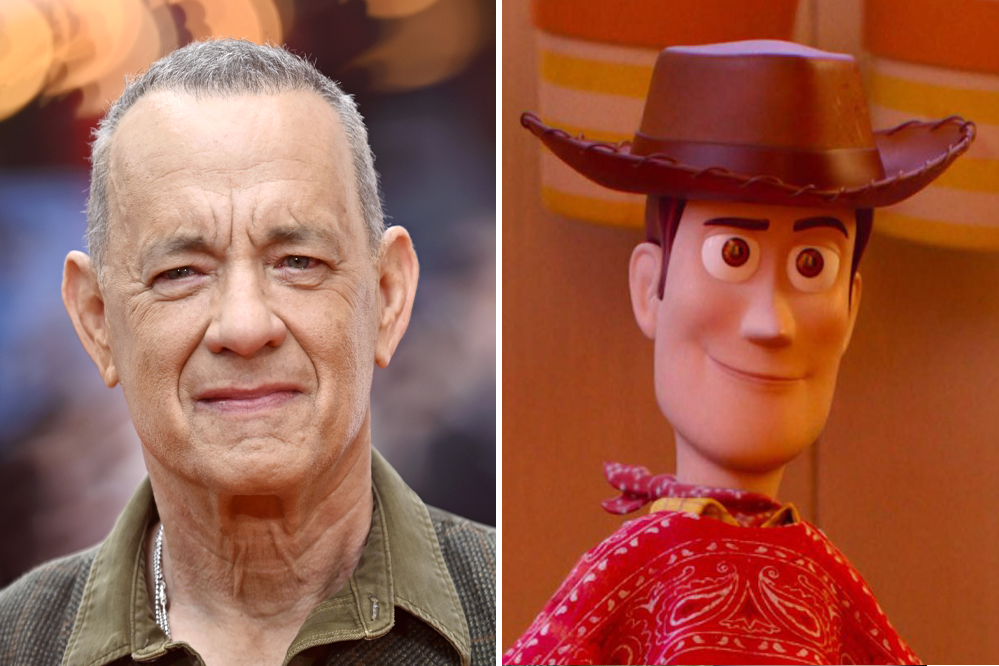
    Tom Hanks confirmed that The Walt Disney Company possesses the technological capability to use artificial intelligence to recreate his voice as Woody for Toy Story 6 and future franchise installments. Addressing the rapidly advancing state of generative AI in Hollywood, the actor described the possibility of an autonomous, synthetic Woody as a scary thought. This revelation places one of cinema’s most recognizable characters at the center of a growing debate over biometric rights, legacy intellectual property, and the future of human performance.

    As of June 2026, voice cloning technology is actively deployed across the entertainment sector. Generative audio models operate with near-perfect fidelity. For a major studio holding extensive archives of isolated audio tracks, synthetic performance presents a highly efficient production method.

    The Reality of Synthetic Voice Generation

    The Walt Disney Company operates on a franchise-first business model. Properties like Toy Story provide predictable revenue streams for publicly traded entertainment companies. Original intellectual property carries high financial risk. Established characters guarantee consumer engagement.

    Disney and Pixar Animation Studios expanded the franchise with Toy Story 5 in June 2026. Corporate planning at major studios increasingly accounts for the lifespan of legacy performers. Tom Hanks has voiced the character since 1995. Studio executives are actively preparing for a future where physical actors step away from long-running roles.

    Hanks’ recent comments underscore this industry shift. The actor noted that the studio has the digital means to ensure Woody maintains his signature cadence indefinitely. The artificial intelligence models available in 2026 do not merely splice old dialogue together. They generate entirely new performances based on the acoustic fingerprint of the original actor.

    Voice actors make specific choices during recording sessions. They modulate pitch, manage breath control, and dictate emotional pacing. An AI model makes statistical predictions based on historical data. Hanks identified this loss of artistic agency as a primary concern for the acting profession.

    Three Decades of Pristine Audio Data

    To train a high-fidelity AI voice model, engineers require substantial amounts of isolated audio data. The quality of the synthetic output depends entirely on the quality of the training input. Most commercial AI startups rely on compressed, publicly available audio. Disney possesses a proprietary archive.

    The Pixar Vault

    Since the early 1990s, Tom Hanks has recorded his dialogue for Woody in acoustically perfect, sound-dampened recording booths. Pixar sound engineers have captured his performance on high-end studio microphones. The studio cataloged his voice in 1995 for the original film. They captured it again for Toy Story 2 in 1999. They recorded extensive sessions for Toy Story 3 in 2010 and Toy Story 4 in 2019. Additional audio was captured for short films, promotional materials, consumer products, and Disney theme park attractions.

    This archive represents hundreds of hours of uncompressed, pristine audio data. It functions as an ideal dataset for machine learning applications.

    The Machine Learning Process

    Feeding this proprietary audio vault into a neural network allows the system to learn the exact phonetic structure of Tom Hanks’ performance. The model maps his pitch variations. It maps his breath patterns. It maps the specific acoustic energy he brings to the character of Woody.

    Once the model is trained, a director can input a text script into a software interface. The AI generates the corresponding audio in Hanks’ voice. Sound engineers can then adjust the emotional output using digital parameters, modifying the intensity of the performance without requiring the actor to enter a recording booth. The technological barriers to this process have been eliminated. The remaining obstacles are entirely legal and contractual.

    The Precedent of James Earl Jones and Darth Vader

    The concept of a legacy actor relinquishing vocal rights to an AI model is already an established practice within The Walt Disney Company. The precedent was set by Lucasfilm, a Disney subsidiary.

    In 2022, James Earl Jones signed over the rights to his archival voice work as Darth Vader. Jones, who first voiced the Sith Lord in 1977, authorized Lucasfilm and the Ukrainian AI audio company Respeecher to utilize his historical recordings to train a voice-cloning model. This synthetic version of Vader’s voice was subsequently used in the 2022 Disney+ series Obi-Wan Kenobi.

    Jones received credit for guiding the performance, but the audio was generated by artificial intelligence. This agreement provided Disney with a blueprint for managing legacy characters. It established a legal framework for separating a famous voice from the aging actor who originated it.

    The SAG-AFTRA Guardrails and Disney’s Intellectual Property

    The collision between human actors and generative AI defined the 2023 SAG-AFTRA strike. For 118 days, Hollywood ceased production as the labor union fought to establish guardrails against synthetic replication.

    Employment-Based Digital Replicas

    The resulting contract provided critical protections for performers. Studios cannot scan a background actor and use their digital double in perpetuity without consent and compensation. They cannot clone a lead actor’s voice without explicit permission and a negotiated financial agreement.

    The contract established the concept of Employment-Based Digital Replicas. If a studio wishes to use AI to alter an actor’s voice or generate new dialogue, they must obtain informed consent from the performer. This consent must be specific to the project.

    The Conflict of Character Ownership

    However, legacy contracts present a complex legal environment. The Walt Disney Company owns the copyright to the character of Woody. Disney owns the master recordings of the Toy Story films. Tom Hanks owns his Right of Publicity, which protects his name, image, and likeness from unauthorized commercial exploitation.

    If Disney wishes to create an AI Woody, they must navigate the boundary between their copyrighted character and Hanks’ biometric data. The SAG-AFTRA agreement requires Disney to negotiate with Hanks directly before utilizing a synthetic version of his voice for Toy Story 6 or any subsequent project.

    California Law and Post-Mortem Digital Replicas

    The legal landscape surrounding synthetic performers expanded significantly following the SAG-AFTRA strike. In September 2024, California Governor Gavin Newsom signed Assembly Bill 1836 into law. This legislation directly addressed the use of AI to replicate deceased performers.

    AB 1836 requires entertainment companies to obtain explicit consent from an actor’s estate before creating a digital replica of their voice or likeness. The law closed a loophole that studios could have exploited to revive legacy actors without compensating their heirs.

    For Disney, this means the eventual use of an AI Woody cannot be executed unilaterally, even in a post-mortem scenario. The Hanks estate would retain control over the actor’s acoustic fingerprint, requiring Disney to negotiate terms for any future synthetic performances.

    The Global Animation Industry and Synthetic Audio

    The implications of Disney utilizing artificial intelligence for a flagship character extend beyond Hollywood. The global animation industry is closely monitoring the negotiations surrounding biometric rights. Animation studios in Japan, South Korea, and France are simultaneously developing proprietary voice-cloning models to streamline dubbing and localization processes.

    If The Walt Disney Company successfully implements a synthetic Woody, it will establish a global standard for legacy character management. International studios will likely adopt similar frameworks, utilizing AI to maintain the vocal continuity of iconic animated characters across multiple languages and decades. The technological barrier to entry has lowered significantly since 2023. Cloud-based AI infrastructure allows even mid-tier animation houses to access voice-cloning capabilities previously reserved for major conglomerates.

    This shift threatens the traditional ecosystem of voice acting. Localization actors, who provide regional dubs for global franchises, face immediate displacement. An AI model trained on Tom Hanks’ English performance can be programmed to speak Mandarin, Spanish, or Japanese while retaining the actor’s exact acoustic fingerprint. This eliminates the need to cast regional voice actors for international distribution, consolidating global vocal rights into a single digital asset.

    Integration with the Pixar Animation Pipeline

    Pixar Animation Studios operates on a highly structured production pipeline. Traditionally, voice recording occurs early in the process. Animators use the actor’s vocal performance as the foundational reference for character movement, facial expressions, and comedic timing. The actor’s breath, pauses, and inflections dictate the physical performance of the digital character.

    Integrating an AI voice model fundamentally alters this workflow. Instead of animating to a human performance, animators would work alongside synthetic audio generated from a text prompt. This shifts creative control entirely to the director and the animation team. Without an actor in the booth improvising lines or altering their delivery, the performance becomes a strictly engineered output.

    While this increases production efficiency, critics argue it removes the spontaneous human element that defined early Pixar films. The dynamic recording sessions between Tom Hanks and Tim Allen during the production of the original Toy Story heavily influenced the final script. A synthetic workflow eliminates the possibility of spontaneous collaboration, replacing human chemistry with algorithmic precision.

    The Adam Buxton Podcast Revelation

    Tom Hanks previously articulated this exact scenario long before the release of Toy Story 5. During an appearance on the Adam Buxton podcast in May 2023, Hanks detailed the technological reality facing legacy actors.

    Hanks stated that his performances could continue indefinitely through the use of artificial intelligence. He noted that outside of a disclosure stating the performance was generated by AI, consumers would have no way to distinguish the synthetic audio from his actual voice.

    The actor acknowledged that while industry professionals might detect digital artifacts in the audio, the average moviegoer would likely accept the performance. The emotional connection audiences have with characters like Woody often overrides concerns about the technical origins of the performance.

    The Precedent of the 2023 Dental Commercial

    Hanks has direct experience with the unauthorized use of his likeness. In October 2023, the actor was forced to issue a public warning regarding a synthetic replication of his face and voice.

    An unauthorized dental plan commercial surfaced online featuring an AI-generated version of a younger Tom Hanks. The actor used his Instagram account to clarify that he had no involvement with the advertisement and had not authorized the use of his biometric data.

    That incident demonstrated the ease with which bad actors can hijack a public figure’s likeness. The Toy Story scenario represents a different legal challenge. The Walt Disney Company is not a rogue entity. It is a multinational conglomerate operating within the boundaries of union contracts and state laws. Any synthetic replication of Woody will be executed through formal legal channels.

    The Economics of Franchise Perpetuity

    The financial incentives driving the adoption of AI voice cloning are substantial. Voice actors command significant salaries for major franchise installments. Tom Hanks earned millions of dollars for his participation in Toy Story 4 and Toy Story 5. Negotiating new contracts for Toy Story 6, Toy Story 7, and various spinoffs requires massive capital expenditure.

    An AI voice model requires a singular licensing agreement. Once the terms are established, the marginal cost of generating new dialogue drops to near zero. The studio can produce video games, theme park announcements, interactive toys, and animated shorts without scheduling recording sessions or negotiating backend profit participation for each individual project.

    This economic reality ensures that artificial intelligence will remain a central component of franchise management. Studio executives have a fiduciary duty to maximize the value of intellectual property. Extending the lifespan of a character like Woody indefinitely aligns with those corporate objectives.

    The Future of the Pull-String Cowboy

    The Walt Disney Company has not officially announced plans to replace Tom Hanks with an AI model for Toy Story 6. The actor remains the definitive voice of the character as of June 2026. However, the technological infrastructure required to execute the transition is fully operational.

    The precedent has been set by James Earl Jones. The legal frameworks have been established by SAG-AFTRA and the state of California. The audio data resides in the Pixar Vault. The financial incentives are clear.

    Technology advances. Contracts adapt. Algorithms learn. Woody remains.

  • The Invisible Scalpel – How AI Became Hollywood’s Secret Cosmetic Surgery

    The Invisible Scalpel – How AI Became Hollywood’s Secret Cosmetic Surgery

    Hollywood studios are now using artificial intelligence as a form of digital cosmetic surgery to secretly tweak movies in post-production, altering actor performances, adjusting dialogue, and smoothing visual imperfections without disclosing the use of the technology. The practice has become the entertainment industry’s quietest revolution. Directors no longer need costly physical reshoots to fix a flubbed line or a misplaced shadow on a Burbank soundstage. They simply prompt a neural network.

    But the secrecy is the real story. Production houses are keeping the process entirely under wraps.

    In many ways, this mirrors the early days of physical plastic surgery in the entertainment business. Everyone in the industry knew it was happening. Nobody talked about it on the record. What looks like a flawless take on the silver screen in the summer of 2026 is increasingly the result of algorithmic intervention. The raw human performance is becoming merely the baseline data.

    The End of the Physical Reshoot

    Historically, fixing a broken scene was a logistical nightmare. It required money, time, and scheduling miracles. If a test audience in Culver City did not understand a crucial plot point, the studio had to act. They had to rebuild the set. They had to fly the lead actors back to Los Angeles. They had to pay the crew for another week of union labor. A single reshoot could add hundreds of thousands of dollars to a film’s budget.

    Artificial intelligence has erased that financial burden. The math has changed entirely.

    In 2026, a post-production supervisor can feed the original footage into a generative AI model. If the director wants the actor to say a different word, the software adjusts the actor’s jaw and lip movements to match the new audio. The audio itself can be generated using a licensed voice clone of the actor. The physical reshoot is bypassed entirely. The fix costs a few thousand dollars in server compute time.

    This is not traditional visual effects. Traditional VFX required digital artists to manually paint over frames, track motion points, and painstakingly render new pixels. It was a labor-intensive craft. The new wave of AI tools operates autonomously. The software understands the geometry of the human face. It understands lighting. It generates the fix instantly.

    • Dialogue Replacement: AI seamlessly alters lip movements to match new audio tracks, eliminating the need for actors to return to recording booths.
    • Performance Smoothing: Algorithms analyze micro-expressions and can dial down a performance that feels too theatrical, or dial up a performance that feels too flat.
    • Digital Relighting: Shadows and highlights are manipulated post-wrap to change the time of day or the emotional tone of a scene.

    The efficiency is undeniable. The studios love the margins. But they are terrified of the optics.

    The Stigma of the Algorithmic Assist

    The Deadline report highlighting this trend strikes at the heart of Hollywood’s current anxiety. Studios are using the tech, but they are keeping hush about how. The silence is deafening across the major lots of Warner Bros., Disney, and Paramount.

    The reason for the secrecy is cultural. Audiences in 2026 are highly sensitive to digital manipulation. The cultural defense of traditional art has never been stronger. People want to believe in the magic of a performance. They want to believe that the tear falling down the protagonist’s cheek was a moment of genuine human vulnerability captured on 35mm film or a high-resolution digital sensor.

    If the audience discovers that the tear was generated by a neural network, the emotional contract is broken. The illusion shatters.

    This is the cosmetic surgery analogy in its purest form. An actor might receive Botox or a facelift to maintain a leading-man aesthetic. The studio public relations team will deny it vigorously. They will credit good genes, a strict diet, and plenty of water. The illusion of natural perfection must be maintained. AI is the new Botox. It smooths out the wrinkles of a flawed production. It tightens the pacing. It removes the blemishes of a bad take.

    “The audience wants to believe the magic is real. The moment they see the strings, or in this case, the code, the movie stops being a piece of art and becomes a software demonstration.”

    Publicly acknowledging the use of AI for core performance tweaks invites intense scrutiny. Critics begin to question every frame. Was that brilliant improvised reaction real? Was the chemistry between the leads authentic, or was it digitally manufactured in a server farm in San Jose? Studios refuse to open that Pandora’s box.

    The Authenticity Deficit and Cultural Pushback

    The reliance on AI touches a raw cultural nerve. Technology has optimized almost every aspect of modern life. Cinema was supposed to be a refuge for human imperfection. The great performances of cinematic history are defined by their flaws.

    Marlon Brando mumbling his lines. James Dean missing his mark but finding a better angle. These were the happy accidents of traditional filmmaking. The camera rolled, and whatever happened in the room was immortalized. The raw edge of reality was the entire point of the medium.

    Generative AI kills the happy accident. It optimizes the frame. It removes the friction.

    When a machine can perfectly align an actor’s eye-line, smooth their skin, and modulate their vocal pitch to hit the exact psychological frequency required to elicit a response, the art form changes. It shifts from capturing reality to manufacturing a synthetic emotional product. This is driving a wedge between cinephiles and the major studios.

    Independent filmmakers are already using the lack of AI as a marketing tool. The phrase “100% Human Performance” is beginning to appear on independent film festival posters. It is a badge of honor. It is a rebellion against the algorithmic smoothing of Hollywood.

    The Labor Battle Lines in 2026

    The cosmetic use of AI is not just a philosophical debate. It is a hard-fought labor issue. The historic WGA and SAG-AFTRA strikes of 2023 set the baseline for how artificial intelligence could be used in the entertainment industry. But technology moves faster than union contracts.

    In 2026, the boundaries are being tested daily.

    The 2023 agreements placed guardrails around the creation of entirely digital replicas. Studios cannot simply scan an actor, send them home, and generate a performance from scratch without consent and compensation. But the current practice operates in a gray area. The studios are not replacing the actor. They are “enhancing” the performance.

    Where does enhancement end and replacement begin?

    If a studio uses the original footage of an actor walking across a room, but uses AI to change their facial expression, alter their dialogue, and adjust their body language, whose performance is it? The actor provided the physical chassis. The algorithm provided the soul. SAG-AFTRA watchdogs are currently scrambling to audit post-production workflows. They are demanding transparency. The studios are hiding behind non-disclosure agreements and proprietary software protections.

    The legal definitions are murky. A digital touch-up is standard practice. Color grading is standard practice. Wire removal is standard practice. Studios argue that AI lip-syncing is simply the modern evolution of Automated Dialogue Replacement (ADR). Unions argue it is the unauthorized manipulation of an artist’s likeness.

    The Invisible Future of Film

    The technology will only become more sophisticated. The neural networks of 2026 are already vastly superior to the models that caused the initial industry panic three years ago. The uncanny valley is closing. The digital seams are disappearing.

    Soon, it will be entirely impossible for a human eye to distinguish between a raw take and an AI-altered frame. The invisible scalpel will leave no scars.

    This leaves Hollywood at a crossroads. The economic incentives to use AI are overwhelming. The cost savings are too massive for publicly traded media conglomerates to ignore. The technology guarantees a polished, optimized final product. But it demands the sacrifice of authenticity.

    The studios will continue to use the tools. They will continue to deny it. The public relations machines will continue to spin narratives about raw, emotional, grueling performances on set. The actors will smile on the red carpet and accept awards for scenes that were fundamentally altered by a technician typing prompts into a terminal.

    The audience will sit in the dark. The projector will run. The illusion will hold.

    Directors adapted. Studios adapted. The algorithms learned. Hollywood.

    Next in the Series: The Digital Backlot

    Next in the Series: How generative environments are replacing physical set construction, and why the traditional location scout is becoming an obsolete profession in the era of neural rendering.