
Tag: Russia

  • President Trump Hosts Netanyahu and Zelenskyy at White House – A Diplomatic Summit

    President Trump Hosts Netanyahu and Zelenskyy at White House – A Diplomatic Summit

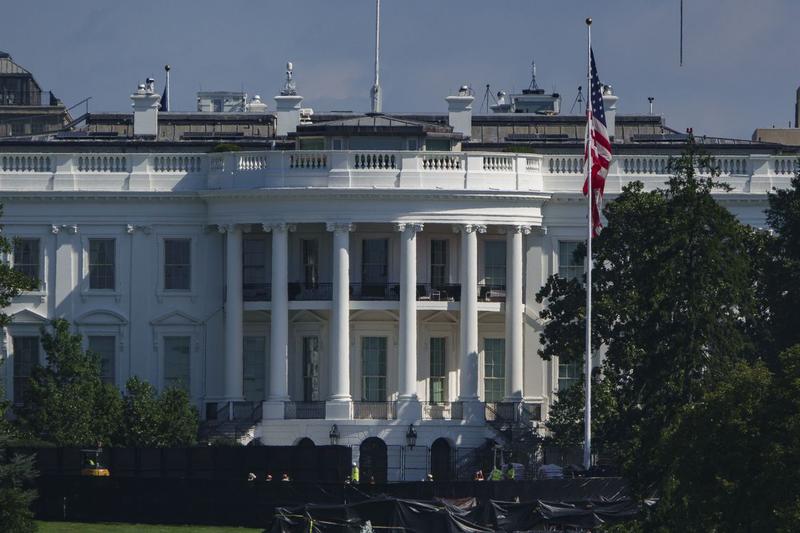
    President Donald Trump convened separate meetings with Israeli Prime Minister Benjamin Netanyahu and Ukrainian President Volodymyr Zelenskyy at the White House on 2026-07-28. These high-profile diplomatic engagements addressed critical geopolitical challenges in the Middle East and Eastern Europe, underscoring the United States’ ongoing role in international affairs.

    The two leaders arrived in Washington D.C. for a series of discussions. Their presence at the White House on the same day, albeit for distinct bilateral talks, drew significant international attention. Each meeting was anticipated to yield important outcomes for their respective regions.

    The White House Diplomatic Calendar

    The White House schedule on 2026-07-28 reflected a robust diplomatic agenda. President Trump engaged in extensive talks with both Prime Minister Netanyahu and President Zelenskyy.

    These meetings were carefully orchestrated to allow for focused discussions on specific national and international priorities. The nature of these separate visits emphasized the unique challenges each nation faces.

    Security protocols were heightened around the Executive Mansion. Preparations for the arrival of two heads of state are always extensive. The diplomatic corps worked to ensure smooth proceedings for both sets of talks.

    Meeting with Prime Minister Benjamin Netanyahu

    Prime Minister Benjamin Netanyahu’s visit focused on the intricate dynamics of the Middle East. His discussions with President Trump were expected to cover a range of topics.

    These included regional security, the ongoing peace process with Palestinian authorities, and Iran’s nuclear program. The relationship between the United States and Israel remains a cornerstone of American foreign policy.

    Netanyahu has a long history of engagement with American presidents. His current tenure as Prime Minister of Israel places him at the center of critical regional decisions. The talks likely included strategies for maintaining stability in a volatile area.

    Middle East Peace Initiatives

    Discussions surrounding Middle East peace initiatives were a primary agenda item. The Trump administration has historically pursued various approaches to this long-standing conflict.

    Previous efforts by the United States have aimed to broker agreements between Israel and its Arab neighbors. The Abraham Accords, signed in 2020, represented a significant step in this direction. These accords normalized relations between Israel, the United Arab Emirates, Bahrain, Sudan, and Morocco.

    The 2026 meeting likely explored avenues for further normalization. It also addressed the complexities of the Israeli-Palestinian conflict. Any potential progress in this area would have wide-ranging implications for global stability.

    Regional Security Concerns

    Regional security concerns also featured prominently. The proliferation of advanced weaponry in the Middle East continues to be a major worry. Iran’s activities in the region are a constant point of tension.

    The United States and Israel share intelligence on various threats. These include state-sponsored terrorism and the actions of non-state actors. Protecting shipping lanes and vital infrastructure is another shared priority.

    Cybersecurity threats, increasingly sophisticated, were also likely on the agenda. Both nations have invested heavily in defensive and offensive cyber capabilities. Collaboration in this domain is essential.

    Meeting with President Volodymyr Zelenskyy

    Following the meeting with Prime Minister Netanyahu, President Trump welcomed Ukrainian President Volodymyr Zelenskyy. Their discussions centered on Ukraine’s sovereignty and territorial integrity.

    The conflict with Russia, which began in 2014 and escalated significantly in 2022, remains a critical international issue. Ukraine continues to rely on international support to defend its borders and citizens.

    President Zelenskyy’s visits to Washington D.C. have consistently sought to reinforce this support. He has advocated for continued military aid, economic assistance, and diplomatic pressure against Russia.

    Continued Support for Ukraine

    The primary focus of the meeting was the continuation of support for Ukraine. This includes military hardware, financial aid, and humanitarian assistance.

    The United States has been a leading provider of aid to Ukraine since the full-scale invasion. Billions of dollars in assistance have been allocated through various packages. This support is crucial for Ukraine’s defense capabilities.

    Discussions likely included future aid packages and the long-term commitment of the United States. Ukraine’s ability to resist aggression depends heavily on a steady flow of resources from its allies.

    Sanctions and Diplomatic Pressure

    Sanctions against Russia were another key topic. The United States and its allies have implemented extensive sanctions targeting the Russian economy, its leadership, and its military industrial complex.

    President Zelenskyy has consistently urged for stronger and more comprehensive sanctions. The goal is to further isolate Russia and diminish its capacity to wage war. Diplomatic pressure on Russia to withdraw its forces was also discussed.

    International forums, such as the United Nations and the G7, have been venues for these diplomatic efforts. The United States plays a central role in coordinating these global responses.

    The Broader Geopolitical Context of 2026

    These White House meetings occur within a complex global environment. The year 2026 presents numerous challenges and opportunities for international diplomacy.

    Economic shifts, technological advancements, and evolving alliances define the current landscape. The United States, as a global power, navigates these currents through its foreign policy.

    The convergence of leaders from two different conflict zones highlights the interconnectedness of global security. Instability in one region can have ripple effects worldwide.

    Shifting Alliances and Power Dynamics

    Global power dynamics are continually shifting. The rise of new economic and military powers influences international relations. Traditional alliances are being re-evaluated and sometimes strengthened.

    The United States maintains a network of alliances across continents. These alliances are vital for collective security and economic cooperation. The meetings with Netanyahu and Zelenskyy reinforce specific bilateral relationships.

    Multilateral organizations also play a role. NATO, for example, remains a critical defense alliance for European security. The United States’ leadership within such bodies is often central to their effectiveness.

    Economic Implications of Global Conflicts

    The economic implications of global conflicts are significant. Supply chains can be disrupted, energy prices can fluctuate, and trade routes can be threatened.

    The conflict in Ukraine, for instance, has had a profound impact on global food and energy markets. Inflationary pressures in many countries are partly attributable to these disruptions. Discussions in Washington D.C. likely touched upon these economic consequences.

    International cooperation is often sought to mitigate these effects. Economic stability is a prerequisite for political stability. Both are intertwined in the current global order.

    The Role of the United States in Global Security

    The United States maintains its position as a key player in global security. Its diplomatic efforts often aim to de-escalate conflicts and promote peaceful resolutions.

    The White House serves as a frequent venue for such high-stakes negotiations. Presidential leadership is critical in shaping international responses to crises. The meetings on 2026-07-28 exemplify this role.

    American foreign policy seeks to protect national interests while also promoting democratic values and human rights. This dual objective often guides its engagement with diverse international partners.

    Humanitarian Concerns and International Law

    Humanitarian concerns are frequently part of diplomatic discussions. Conflicts often result in significant civilian displacement and suffering. International law provides a framework for addressing these issues.

    The United States often provides substantial humanitarian aid to affected regions. This aid includes food, medical supplies, and shelter. Advocacy for compliance with international humanitarian law is also a consistent theme.

    The protection of civilians and the accountability of those who commit war crimes are important aspects of American foreign policy. These principles were likely discussed in the context of both the Middle East and Ukraine.

    Looking Ahead: Future Diplomatic Engagements

    The meetings between President Trump, Prime Minister Netanyahu, and President Zelenskyy are part of an ongoing diplomatic process. They are not isolated events but rather milestones in broader international relations.

    Follow-up discussions, technical meetings, and further diplomatic exchanges are anticipated. The outcomes of these summits will influence future policy decisions and international cooperation.

    The United States will continue to engage with its allies and partners. It will also confront adversaries where necessary. The goal remains a more secure and stable global environment.

    World leaders converged. Critical issues were debated. Alliances were reaffirmed. Washington D.C.


  • Trump’s Ukraine Policy: From Skepticism to Pragmatism – A 2026 Analysis

    Trump’s Ukraine Policy: From Skepticism to Pragmatism – A 2026 Analysis

    President Donald Trump’s perspective on Ukraine has undergone a significant evolution since his first term, transitioning from a stance marked by skepticism about extensive foreign aid to a more pragmatic engagement driven by the realities of Russia’s 2022 full-scale invasion. This shift, highlighted by figures such as former Director of National Intelligence Dan Coats, indicates a recalibration of approach concerning Eastern European geopolitics and the ongoing conflict. The implications of this evolving view extend to global alliances, defense strategies, and the future of Ukrainian sovereignty in 2026.

    This modern policy adjustment represents a response to persistent geopolitical dynamics and the urgent demands of an active conflict zone.

    President Trump’s Evolving View on Ukraine

    The global political landscape has been significantly reshaped in recent years, particularly by Russia’s full-scale invasion of Ukraine in February 2022. This prolonged conflict remains a central flashpoint in international relations, necessitating continuous re-evaluation of national security interests and alliance commitments by world leaders, including President Trump.

    During his first term (2017-2021), President Trump’s initial approach to Ukraine was characterized by a focus on burden-sharing among NATO allies and a skeptical view of extensive foreign aid. His administration often prioritized an ‘America First’ policy, which sometimes led to questions regarding the extent of U.S. commitment to collective security agreements.

    First Term: Skepticism and Scrutiny

    President Trump’s diplomatic efforts during his first term occasionally caused concern among traditional allies. His interactions with Russian leadership were closely scrutinized. Critics often pointed to a perceived softness towards Moscow, which contrasted with the long-standing bipartisan consensus on confronting Russian aggression.

    The initial impeachment proceedings against President Trump in 2019 centered on his dealings with Ukraine. Accusations involved the alleged withholding of military aid to pressure Ukrainian President Volodymyr Zelenskyy into investigating political rivals. This period marked a significant point of contention regarding U.S. policy towards Ukraine and highlighted the internal political divisions surrounding the issue.

    Despite these controversies, the underlying policy during his first administration leaned towards reducing what was perceived as disproportionate U.S. financial and military commitment abroad. This included a critical assessment of the financial contributions of NATO member states and the overall structure of international aid programs.

    The prevailing sentiment from 2017 to 2021 suggested a desire to limit U.S. entanglement in what were seen as regional European conflicts, unless they directly impacted immediate American economic or security interests. This posture shaped the initial U.S. response to the simmering conflict in Eastern Ukraine following the 2014 annexation of Crimea.

    Dan Coats’ Observations on the Policy Shift

    Former Director of National Intelligence Dan Coats has been among those observing a notable change in President Trump’s outlook on Ukraine. Coats served as DNI from 2017 to 2019, providing him with direct insight into the Trump administration’s foreign policy deliberations during a critical period. His comments underscore a potential shift in understanding within the President’s current administration regarding the complexities of the conflict.

    Coats’ analysis, shared in various public forums since 2025, suggests that the sheer scale and persistence of the Ukrainian conflict may have altered President Trump’s previous assumptions. The ongoing resistance by Ukraine, combined with the geopolitical ramifications for Europe and the wider world, could be influencing a more nuanced perspective in 2026.

    According to Coats, the direct challenge posed by Russia’s aggression, particularly after the 2022 invasion, presented a stark reality that transcended earlier policy frameworks. This reality demanded a re-evaluation of how U.S. interests are intertwined with European stability and the principles of national sovereignty.

    Catalysts for Change: The 2022 Invasion

    Several factors likely contribute to this evolving viewpoint. The sustained aggression by Russia, the humanitarian crisis in Ukraine, and the economic impact on global markets are all significant considerations. The unity demonstrated by many European nations in supporting Ukraine also plays a role in shaping international perceptions and policy responses.

    The full-scale invasion of Ukraine in February 2022 marked a turning point. This event dramatically escalated the conflict from a regional issue to a global security crisis. The brutal nature of the invasion, including widespread civilian casualties and destruction, garnered international condemnation and galvanized support for Ukraine across many Western nations.

    This shift in the conflict’s intensity and scope presented a new set of challenges and opportunities for U.S. foreign policy. The invasion underscored the fragility of post-Cold War security arrangements and the potential for large-scale conventional warfare in Europe. It also highlighted the interconnectedness of global economies and the ripple effects of regional instability.

    Furthermore, the domestic political landscape in the United States has continued to evolve. Public opinion regarding foreign interventions and the role of the U.S. in global conflicts is always in flux. President Trump, like any leader, responds to these internal and external pressures in formulating his foreign policy agenda.

    The Current State of U.S.-Ukraine Relations in 2026

    As of 2026, the relationship between the United States and Ukraine remains a critical component of international security. U.S. support, both military and financial, has been vital for Ukraine’s defense efforts. The continuation and nature of this support are directly tied to the foreign policy directives of the sitting U.S. administration.

    President Trump’s second term, which began on January 20, 2025, has seen a renewed focus on several foreign policy areas. While specific details of his current Ukraine strategy are continually being articulated, the general direction points towards a pragmatic approach that balances U.S. interests with global stability concerns. This approach indicates a potential departure from some of the more isolationist tendencies observed in his first term, at least concerning the immediate crisis in Eastern Europe.

    The 2026 posture emphasizes strategic engagement, aiming to achieve a resolution that secures Ukrainian sovereignty while minimizing prolonged U.S. military presence. This involves a calculated provision of advanced weaponry, intelligence sharing, and diplomatic pressure on Russia, often in concert with European allies.

    Implications for NATO and European Security

    The evolution of President Trump’s Ukraine policy carries significant implications for the North Atlantic Treaty Organization (NATO). NATO’s role in collective defense and its posture towards Russia are directly affected by the U.S. commitment to its allies. Any shift in U.S. policy can influence the cohesion and strategic direction of the alliance.

    In 2026, President Trump’s administration has continued to press NATO members to meet their defense spending commitments. However, the tone regarding the alliance’s fundamental value has shifted. There is now a clearer recognition of NATO’s strategic importance in countering Russian aggression, particularly as demonstrated by the direct threat to European stability.

    European security architecture is also at stake. Countries bordering Russia and Ukraine, such as Poland, Romania, and the Baltic states, rely heavily on strong U.S. leadership and military presence. An adjusted U.S. approach could lead to either reinforced deterrence or a re-evaluation of defense strategies by these nations, as they adapt to a more engaged, albeit pragmatic, American stance.

    The enhanced U.S. commitment to providing advanced defense systems to Ukraine, coupled with joint military exercises with NATO allies in Eastern Europe, signals a heightened readiness. This proactive stance aims to deter further Russian expansion and stabilize the region, reflecting the pragmatic shift in policy.

    Economic and Humanitarian Considerations

    The conflict in Ukraine has had profound economic consequences, affecting global energy markets, food supplies, and supply chains. The cost of supporting Ukraine, both in terms of direct aid and sanctions against Russia, has been substantial for the U.S. and its allies. These economic realities factor heavily into any policy decisions.

    The humanitarian crisis, with millions of Ukrainians displaced and countless lives affected, also presents a moral and ethical dimension to foreign policy. International efforts to provide aid and support refugees continue to be a priority for many nations, including the United States. In 2026, U.S. aid programs have been streamlined to maximize efficiency and impact, reflecting a pragmatic approach to humanitarian assistance.

    The economic impact on the U.S. domestic front, including inflation and energy prices, has also influenced policy calculations. President Trump’s administration aims to balance international support with domestic economic stability, seeking solutions that do not unduly burden American taxpayers while still upholding democratic values abroad.

    Domestic and International Pressure

    President Trump’s administration faces both domestic and international pressure regarding its Ukraine policy. Domestically, there are varying viewpoints on the extent of U.S. involvement and the allocation of resources. Public opinion is divided between those advocating for robust intervention and those prioritizing domestic issues or a more isolationist foreign policy.

    Internationally, allies and adversaries alike closely monitor U.S. policy. Allies seek reassurance of continued support and leadership, while adversaries look for signs of weakness or inconsistency. The balancing act between these pressures defines the current administration’s approach to the conflict.

    The diplomatic efforts involve constant communication with European leaders, G7 nations, and the United Nations. These discussions focus on coordinating sanctions, humanitarian aid, and long-term reconstruction plans for Ukraine. The goal is to present a united front against Russian aggression while navigating complex international relationships.

    The ongoing debates in the U.S. Congress reflect the diverse perspectives within the country. Lawmakers from both parties engage in discussions about the level of military aid, the effectiveness of sanctions, and the overall strategic objectives in Eastern Europe. These legislative deliberations shape the practical implementation of President Trump’s foreign policy.

    Ultimately, the evolution of President Trump’s Ukraine policy from initial skepticism to a more pragmatic and engaged stance demonstrates an adaptation to changed global circumstances. The 2022 invasion served as a critical turning point, compelling a re-evaluation of U.S. interests and responsibilities on the international stage. The administration navigates complex geopolitical realities, balancing domestic concerns with the imperative of global stability.

    Observers like Dan Coats have noted this shift. The world watches. The policy continues.

    Ukraine.

  • Biennale Chief Slams EU – Funding Cut Over Russia’s Art Exhibition Presence

    Biennale Chief Slams EU – Funding Cut Over Russia’s Art Exhibition Presence

    A Biennale chief expressed strong disapproval of the European Union’s decision to withdraw funding from an art exhibition due to Russia’s participation. The chief’s comments, delivered during a film festival press conference, articulated a sense of abandonment and frustration regarding the EU’s stance on cultural engagement amidst geopolitical tensions. This incident underscores the complex challenges faced by international cultural institutions in balancing artistic freedom with political considerations.

    The withdrawal of financial support by the EU has significant implications for the exhibition’s operational capacity and future programming. It brings to the forefront the debate over whether cultural events should remain insulated from political conflicts or if they bear a responsibility to reflect prevailing international sentiments.

    The European Union’s Stance on Russian Cultural Presence

    The European Union has maintained a firm stance against Russia following the 2022 invasion of Ukraine. This position has led to widespread sanctions across various sectors, including finance, trade, and cultural exchange. The EU’s policy aims to isolate Russia on the international stage and pressure its government to cease military actions.

    Cultural institutions receiving EU funding are often expected to align with these broader political objectives. The decision to withdraw funding from the Biennale over Russia’s presence reflects this overarching policy. It signals a clear message that association with official Russian entities, even in cultural contexts, may lead to financial repercussions.

    This approach has been a point of contention within the cultural community. Some argue for the importance of maintaining cultural bridges, even during times of conflict, believing art can foster understanding. Others contend that engagement with state-sponsored Russian culture legitimizes the current regime.

    The Biennale’s Position and Reaction

    The Biennale chief articulated a different perspective. The chief emphasized the institution’s role in promoting artistic dialogue and cultural exchange without political censorship. The statement, ‘They are abandoning us,’ conveyed a feeling of betrayal and a lack of support for the Biennale’s mission.

    The chief’s comments suggest a belief that cultural events should transcend political divides. Such institutions often strive to be platforms for diverse voices and perspectives, including those from nations in geopolitical conflict. The withdrawal of funds is seen as undermining this fundamental principle.

    This reaction highlights the tension between the EU’s political objectives and the perceived autonomy of cultural organizations. The Biennale, as an international event, aims to bring together artists and audiences from around the globe, regardless of their national affiliations.

    Impact on the Art Exhibition

    The immediate impact of the EU’s funding withdrawal is financial. Cultural events, especially large-scale international exhibitions like the Biennale, rely heavily on diverse funding streams. EU grants often cover significant operational costs, including logistics, artist support, and public programming.

    Loss of this funding can lead to reduced scope, cancellation of specific projects, or even the overall viability of the exhibition. It forces organizers to seek alternative financial support, which may not be readily available or sufficient to cover the shortfall.

    Beyond the financial aspect, there is a reputational impact. Such controversies can overshadow the artistic content of the exhibition, shifting public attention from the art itself to the political dispute. This can detract from the event’s primary purpose of showcasing contemporary art.

    Logistical Challenges and Artistic Freedom

    The logistical challenges posed by a sudden funding cut are substantial. Contracts with artists, venues, and service providers may need to be renegotiated or terminated. This can create a ripple effect, impacting numerous individuals and organizations involved in the exhibition.

    Furthermore, concerns arise about artistic freedom. If funding is contingent on political alignment, it could lead to self-censorship or a reluctance to include artists or themes deemed politically sensitive. This compromises the integrity and independence of artistic expression, a core value for many cultural institutions.

    The incident raises questions about the future of international cultural collaboration in a fragmented geopolitical landscape. It challenges cultural leaders to find new models of funding and engagement that protect artistic autonomy while navigating complex global politics.

    Cultural Diplomacy and Its Evolving Role

    Cultural diplomacy traditionally serves as a tool for fostering understanding and building bridges between nations. It often operates on the premise that shared cultural experiences can transcend political differences and promote dialogue.

    However, the current geopolitical climate has complicated this role. Many governments, including the EU, now view cultural engagement as an extension of their foreign policy. This means that cultural events and exchanges are increasingly scrutinized for their potential to align with or undermine national interests.

    The Biennale incident exemplifies this shift. What might once have been considered a purely cultural decision, to include artists from a particular nation, is now imbued with significant political meaning. This makes the work of cultural institutions more challenging and politically charged.

    The Dilemma of Engagement vs. Isolation

    The dilemma faced by cultural organizations is stark: should they engage with artists and institutions from politically contentious nations to maintain cultural dialogue, or should they join in the isolation efforts to align with broader political goals? Both choices carry significant consequences.

    Engagement can be seen as providing a platform or legitimacy to regimes deemed problematic. Isolation, however, risks cutting off avenues for independent voices and potentially alienating populations who may not support their government’s actions. It also deprives audiences of diverse artistic perspectives.

    The Biennale chief’s frustration stems from this very dilemma. The chief perceives the EU’s action as forcing a choice that undermines the institution’s fundamental mission of universal cultural exchange.

    Historical Precedents of Political Influence on Art

    The intersection of politics and art is not new. Throughout history, art has been used for propaganda, protest, and diplomacy. Governments have often funded, censored, or influenced artistic production to serve their agendas.

    During the Cold War, cultural exchange programs were a significant battleground for ideological influence. Both the United States and the Soviet Union used art, music, and film to project their respective values and systems.

    More recently, boycotts and protests against cultural events involving certain nations have become more common. These actions reflect a growing belief that cultural activities cannot, and should not, be entirely separate from political ethics and human rights concerns.

    The Role of International Film Festivals

    The press conference where the Biennale chief made the statements was held during a film festival. Film festivals themselves are often sites of cultural diplomacy and political discourse. They provide platforms for filmmakers to address social and political issues, often sparking international debate.

    The choice of this venue for the chief’s remarks highlights the interconnectedness of various cultural sectors. It underscores how major cultural events, whether art exhibitions or film festivals, are increasingly becoming arenas where geopolitical tensions play out.

    The presence of such a high-profile figure from another major cultural institution at a film festival to voice these concerns indicates a broader solidarity within the arts community regarding these challenges.

    Future of EU Cultural Funding Policies

    This incident may prompt a reevaluation of the European Union’s cultural funding policies. The EU’s commitment to cultural diversity and artistic freedom is often stated, but these principles are tested when confronted with geopolitical realities.

    There may be calls for clearer guidelines on how cultural institutions should navigate relationships with countries under sanctions. Alternatively, some may advocate for a more nuanced approach that allows for cultural engagement even when political relations are strained.

    The outcome of this debate will shape the landscape of European cultural funding for years to come. It will determine the degree of autonomy cultural institutions can expect and the extent to which their programming must align with the EU’s foreign policy objectives.

    Challenges for Cultural Institutions

    Cultural institutions face increasing pressure to demonstrate social and political responsibility. Donors, audiences, and governments often expect them to take stands on contemporary issues, including human rights, environmental concerns, and international conflicts.

    This pressure can be challenging for institutions whose primary mission is artistic presentation and cultural exchange. They must navigate a complex web of expectations from various stakeholders, often with conflicting demands.

    The Biennale chief’s lament about being ‘abandoned’ encapsulates the precarious position these organizations find themselves in. They require financial support to operate, but that support increasingly comes with political conditions that can compromise their independence.

    The Broader Debate: Art, Politics, and Morality

    The core of this controversy lies in the enduring debate about the relationship between art, politics, and morality. Can art exist in a morally neutral space, or is it inherently intertwined with the values and actions of its creators and patrons?

    For many, art has a moral imperative, and engaging with entities deemed morally reprehensible is unacceptable. For others, art’s power lies in its ability to transcend such judgments, offering a universal language that can bridge divides.

    The EU’s decision reflects the former perspective, prioritizing moral and political alignment over unrestricted cultural exchange. The Biennale chief’s reaction reflects the latter, advocating for the autonomy and universality of art.

    This ongoing philosophical debate has practical consequences for funding, programming, and the very definition of cultural institutions in the 21st century. It forces a reckoning with how societies choose to engage with art in times of global tension.

    Diplomats gathered. Artists gathered. Policy-makers gathered. Debate.


  • US Strikes Iran, Blocks Oil Sales – Geopolitical Ramifications

    US Strikes Iran, Blocks Oil Sales – Geopolitical Ramifications

    On July 8, 2026, the United States launched a series of targeted military strikes against various locations within Iran, concurrently announcing stringent new sanctions designed to block all Iranian oil sales. These actions represent a significant and direct escalation of the long-standing tensions between Washington and Tehran, immediately reshaping the geopolitical landscape of the Middle East and beyond. The dual approach of military force and economic strangulation aims to compel a change in Iranian policy, particularly regarding its nuclear program and regional proxy activities.

    The strikes were confirmed by U.S. Department of Defense officials in Washington D.C. The White House issued a statement outlining the rationale behind the operations, citing ongoing concerns about regional stability and national security interests. President Donald Trump addressed the nation from the Oval Office, emphasizing the necessity of these measures to protect American personnel and allies in the region.

    The Nature of the Military Strikes

    The military operations on July 8, 2026, involved precision airstrikes against specific targets. Initial reports from U.S. military sources indicated that these targets included command and control centers, missile launch sites, and facilities associated with Iran’s Islamic Revolutionary Guard Corps (IRGC). The strikes were described as preemptive and defensive in nature.

    Details regarding the extent of the damage and potential casualties remain under assessment. Iranian state media reported on the strikes, condemning them as acts of aggression and vowing retaliation. The IRGC issued a statement asserting its readiness to respond to any further military action.

    Regional allies of the United States, including Saudi Arabia and Israel, offered statements of support for the U.S. actions. Other nations, such as Russia and China, called for de-escalation and diplomatic solutions, expressing concern over the potential for wider conflict in the Persian Gulf.

    The Oil Sanctions: Economic Warfare Escalated

    Simultaneously with the military strikes, the U.S. Treasury Department unveiled a new package of sanctions. These measures specifically target Iran’s ability to export oil, which is a primary source of revenue for the Iranian government. The sanctions aim to reduce Iran’s oil exports to zero, thereby crippling its economy.

    The new sanctions include secondary sanctions, meaning that any entity, company, or country found to be purchasing Iranian oil or facilitating its sale will face penalties from the United States. This broad approach is designed to cut off all avenues for Iran to bypass the restrictions. The global oil markets reacted swiftly to the news. Brent crude futures and West Texas Intermediate (WTI) prices surged significantly on July 8, 2026, reflecting concerns about potential supply disruptions.

    Analysts from major financial institutions, including Goldman Sachs and JPMorgan Chase, immediately began reassessing their oil price forecasts. The International Energy Agency (IEA) released a statement acknowledging the potential impact on global energy security and calling for market stability.

    Historical Context of US-Iran Tensions

    The relationship between the United States and Iran has been fraught with tension for decades. Following the 1979 Iranian Revolution, diplomatic ties were severed. The U.S. has consistently expressed concerns over Iran’s nuclear ambitions, its ballistic missile program, and its support for various proxy groups across the Middle East.

    Key historical moments include the Iran-Contra Affair in the 1980s, the U.S. invasion of Iraq in 2003, and the multilateral nuclear agreement, the Joint Comprehensive Plan of Action (JCPOA), signed in 2015. President Trump withdrew the U.S. from the JCPOA in 2018, reinstating and expanding previous sanctions.

    The current escalation follows a period of heightened rhetoric and several incidents in the Persian Gulf. These incidents included attacks on oil tankers and drone incursions, which the U.S. attributed to Iran or its proxies. The U.S. military presence in the region has been steadily reinforced in response to these perceived threats.

    The Role of Regional Actors

    Several regional actors play critical roles in the unfolding situation. Saudi Arabia, a long-standing U.S. ally and a major oil producer, is deeply concerned about Iranian influence. Any disruption to oil flows through the Strait of Hormuz, a critical chokepoint, would severely impact global trade and energy supplies.

    Israel also views Iran as its primary existential threat. The Israeli government has consistently advocated for a strong international stance against Iran’s nuclear program and its military activities in Syria and Lebanon. Israeli Prime Minister Benjamin Netanyahu issued a statement supporting the U.S. actions, emphasizing the need for decisive measures against Iranian aggression.

    Turkey, a NATO member, has a complex relationship with both the U.S. and Iran. While it shares some U.S. concerns, it also maintains economic ties with Iran and seeks to avoid destabilization on its borders. Turkish President Recep Tayyip Erdoğan called for restraint from all parties.

    International Reactions and Diplomatic Efforts

    The international community has reacted with a mixture of concern and condemnation. United Nations Secretary-General António Guterres appealed for an immediate cessation of hostilities and urged all parties to exercise maximum restraint. The UN Security Council convened an emergency session to discuss the crisis.

    The European Union, which has attempted to preserve the JCPOA, expressed deep regret over the escalation. EU foreign policy chief Kaja Kallas stated that the EU would continue to work towards a diplomatic solution but acknowledged the significant challenges posed by the U.S. actions. European leaders are now faced with the difficult task of balancing their alliance with the U.S. against their economic interests and desire for regional stability.

    Russia and China, both permanent members of the UN Security Council, criticized the U.S. strikes and sanctions. They argued that such unilateral actions undermine international law and further destabilize the region. Both nations reiterated their support for the JCPOA and called for renewed negotiations.

    Impact on Global Oil Markets

    The immediate and profound impact on global oil markets cannot be overstated. The blocking of Iranian oil sales, combined with the military strikes, has introduced significant uncertainty into an already volatile market. Iran is a significant producer, and its removal from the supply chain creates a deficit that other producers may struggle to fill.

    Major oil-importing nations, particularly in Asia, are now scrambling to secure alternative supplies. This sudden shift in demand dynamics is contributing to the upward pressure on crude prices. The U.S. Department of Energy announced that it is monitoring the situation closely and is prepared to release oil from its Strategic Petroleum Reserve if necessary to stabilize markets.

    The long-term effects on global energy prices, inflation, and economic growth are a major concern for policymakers worldwide. Higher energy costs could dampen consumer spending and investment, potentially leading to broader economic slowdowns.

    The Path Forward: De-escalation or Further Conflict?

    The immediate aftermath of the July 8, 2026, events presents a critical juncture. The U.S. actions have clearly signaled a determination to confront Iran. The question now is whether these measures will achieve their intended effect of altering Iranian behavior or if they will lead to further retaliation and a deeper conflict.

    Iran’s leadership has consistently demonstrated a willingness to resist external pressure. Any retaliatory actions could take various forms, including attacks on shipping in the Gulf, cyberattacks, or activation of proxy forces in Iraq, Syria, Lebanon, or Yemen. The potential for miscalculation on either side remains high.

    Diplomatic channels, though strained, are still active. International organizations and concerned nations are working to find a path to de-escalation. The coming weeks will be crucial in determining whether the current crisis can be contained or if it will spiral into a broader regional confrontation.

    U.S. officials remain firm in their stance. International bodies seek a peaceful resolution. Regional powers watch with bated breath. The world holds its breath.

    The Middle East.

  • NATO Summit 2026: Washington’s Urgent Agenda – Deterrence, Ukraine, & China

    NATO Summit 2026: Washington’s Urgent Agenda – Deterrence, Ukraine, & China

    The North Atlantic Treaty Organization (NATO) is preparing for its 2026 Summit in Ankara, Turkey, a critical meeting set to define the alliance’s response to an array of global security challenges. The primary agenda items include solidifying deterrence in Eastern Europe, reaffirming unwavering support for Ukraine, and formulating a unified strategy regarding China’s expanding influence. This gathering will bring together heads of state and government from across the transatlantic alliance to make decisive policy choices.

    This summit represents a pivotal moment for NATO, returning to its founding city for a major assembly. The discussions will aim to strengthen collective defense, adapt to emerging threats, and ensure the alliance’s continued relevance in a complex international environment. Specific decisions on military posture, resource allocation, and strategic partnerships are anticipated.

    Deterrence and Defense in Eastern Europe

    A central pillar of the 2026 NATO Summit agenda will be the enhancement of deterrence and defense capabilities in Eastern Europe. Member states will assess the current security landscape, particularly in light of ongoing Russian aggression and its implications for alliance members. Discussions will focus on reinforcing NATO’s eastern flank.

    Leaders are expected to review the deployment of forces, pre-positioned equipment, and military exercises designed to demonstrate NATO’s readiness and resolve. The goal is to send an unequivocal message of collective defense, ensuring that any threat to a member state is met with a unified and robust response. Decisions on increasing defense spending commitments may also be on the table.

    Sustained Support for Ukraine

    The long-term commitment to Ukraine’s sovereignty and territorial integrity will form another critical component of the summit’s discussions. NATO members will debate the most effective mechanisms for providing sustained military, financial, and humanitarian aid to Ukraine. This includes the provision of advanced weaponry, training programs, and reconstruction assistance.

    Consideration will also be given to Ukraine’s future relationship with NATO, including potential pathways for deeper integration and eventual membership. The alliance seeks to ensure Ukraine’s resilience and capacity to defend itself against future aggression, recognizing the broader implications for European security.

    Addressing China’s Strategic Challenge

    For the first time, NATO’s strategic approach to China’s rise will feature prominently on the summit agenda. Leaders will analyze China’s military modernization, its expanding global economic and political influence, and its implications for transatlantic security. The alliance aims to develop a coordinated response to challenges posed by China’s actions.

    Discussions will cover areas such as China’s activities in the Indo-Pacific, its technological advancements with dual-use capabilities, and its stance on international norms and laws. NATO seeks to identify areas for cooperation where possible, while also safeguarding its values and security interests against potential adversarial actions.

    Emerging Threats and Technological Adaptation

    The summit will also dedicate significant attention to emerging threats that transcend traditional warfare. This includes a comprehensive review of cyber defense strategies, given the increasing frequency and sophistication of state-sponsored cyberattacks. NATO’s ability to protect critical infrastructure and respond to digital aggression will be assessed.

    Hybrid warfare tactics, which blend conventional and unconventional methods, will also be a key discussion point. Furthermore, the implications of new and disruptive technologies, such as artificial intelligence, quantum computing, and hypersonic weapons, for future defense doctrines will be explored. Member states will aim to foster innovation and maintain a technological edge.

    Burden-Sharing and Alliance Cohesion

    Ensuring equitable burden-sharing among member nations remains a perennial topic that will be revisited at the 2026 Summit. Leaders will review progress towards the agreed-upon defense spending targets, aiming for all members to allocate at least 2% of their GDP to defense. The United States, under President Trump, has consistently emphasized the importance of these commitments.

    Maintaining alliance cohesion in the face of diverse national interests and global pressures will also be a priority. The summit provides an opportunity for leaders to reaffirm their collective commitment to Article 5 of the NATO treaty, which mandates mutual defense in the event of an attack on any member. Diplomacy and consensus-building will be critical.

    Washington D.C.: A Symbolic Setting

    The choice of Washington D.C. as the host city for the 2026 summit carries significant symbolic weight. It marks a return to the city where the North Atlantic Treaty was signed in 1949, establishing the alliance. This location underscores the enduring transatlantic bond and the United States’ role as a foundational member.

    The summit will offer an opportunity to reflect on NATO’s 77-year history and its evolution from a Cold War defensive pact to a modern security organization. The host nation will play a crucial role in facilitating discussions and shaping the overall tone of the proceedings.

    Leaders will arrive. Delegates will convene. Decisions will be made. Washington.