The Rise of Digital Replicas and Legislative Response
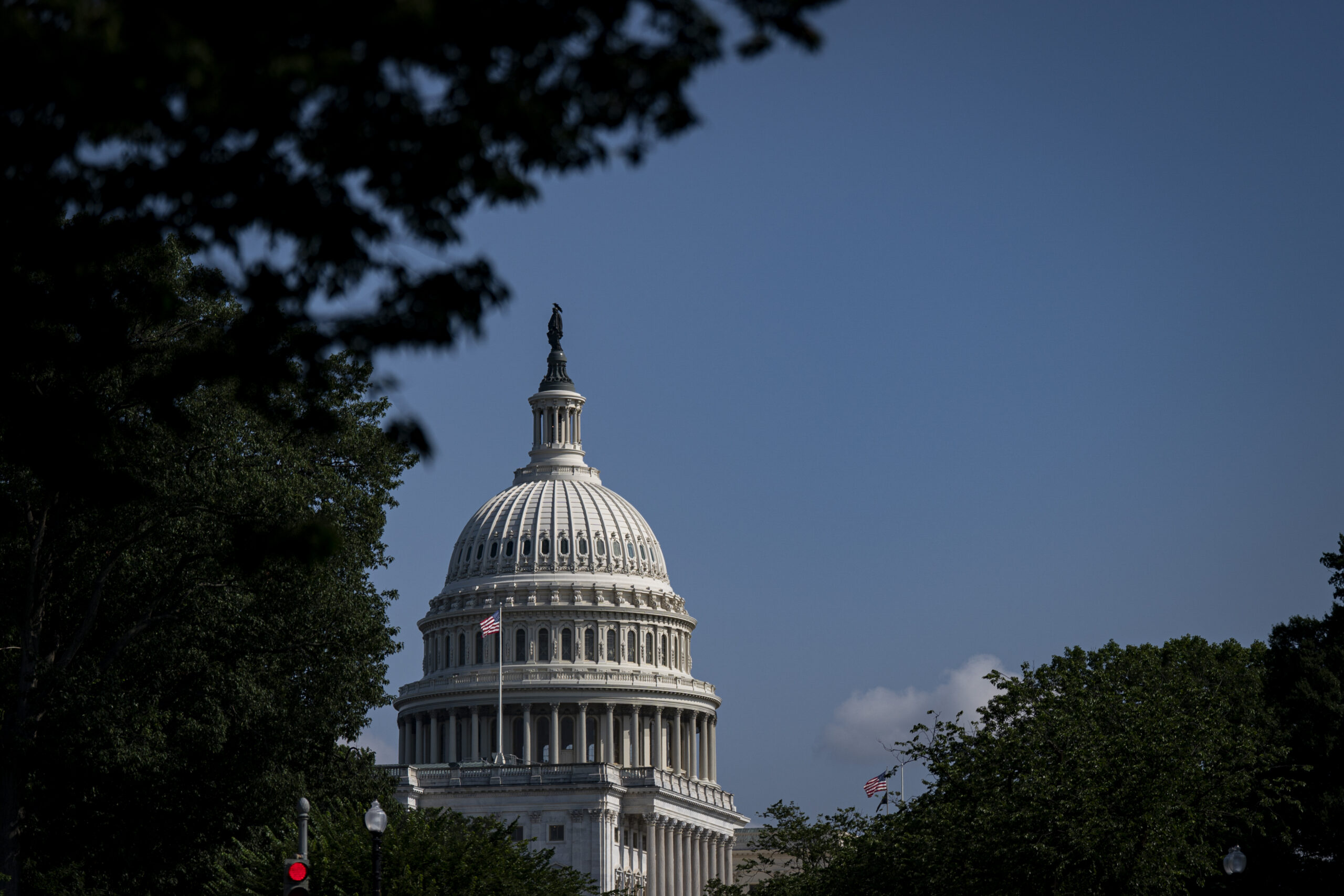
The ‘No Fakes Act,’ formally known as the Nurture Originals, Foster Art, and Keep Entertainment Safe Act, cleared the Senate Judiciary Committee on June 12, 2026. This bipartisan legislative effort seeks to establish federal protections against the unauthorized creation and use of digital replicas, including those generated by artificial intelligence. Its advancement signifies a growing recognition within the United States government of the complex challenges posed by rapidly evolving digital technologies.
The bill aims to grant individuals a federal right of publicity. This right would allow individuals to control the commercial use of their name, image, and likeness. Currently, such protections largely fall under state laws, leading to a fragmented legal landscape. The ‘No Fakes Act’ proposes a unified federal standard.
Concerns surrounding deepfakes and AI-generated content have intensified across various sectors. Artists, actors, musicians, and public figures have voiced apprehension regarding the potential for their identities to be exploited without consent or compensation. The legislation directly addresses these anxieties.
Understanding the Scope of the No Fakes Act
The ‘No Fakes Act’ specifically targets the commercial exploitation of an individual’s digital replica. This includes AI-generated content that convincingly mimics a person’s voice, appearance, or mannerisms. The bill defines a ‘digital replica’ broadly to encompass various forms of digital impersonation.
It establishes a clear legal pathway for individuals to pursue claims against those who create or disseminate unauthorized digital replicas for commercial purposes. This includes the ability to seek injunctive relief, actual damages, statutory damages, and attorney’s fees. The financial implications for violators could be substantial.
The legislation includes provisions for both civil and criminal penalties, depending on the severity and intent of the infringement. This dual approach underscores the seriousness with which lawmakers view the unauthorized manipulation of personal likenesses.
What Constitutes a Digital Replica?
A digital replica, under the proposed act, refers to a digital simulation, whether created using artificial intelligence or other digital technologies, that is indistinguishable from, or substantially similar to, a real individual. This definition aims to cover a wide range of sophisticated digital impersonations.
The focus is on the ability of the replica to deceive or mislead the public into believing the individual is genuinely participating in or endorsing content. This distinguishes it from parody or satire, which typically fall under fair use doctrines.
Distinction from Existing Laws
Existing state laws regarding the right of publicity vary significantly. Some states, such as California and New York, have robust protections. Other states offer minimal or no specific statutory recourse for digital likeness exploitation. This creates a patchwork of legal standards.
The ‘No Fakes Act’ seeks to harmonize these protections at a federal level. This would provide consistent legal recourse for individuals regardless of where the unauthorized content is created or disseminated. It aims to eliminate jurisdictional loopholes that currently complicate enforcement.
Bipartisan Support and Industry Concerns
The bill has garnered bipartisan support within the Senate Judiciary Committee. Senators Chris Coons (D-DE) and Marsha Blackburn (R-TN) have been prominent proponents. Their collaboration highlights a shared concern across the political spectrum regarding the ethical and legal challenges of generative AI.
Several industry organizations have actively lobbied for this type of legislation. The Screen Actors Guild‐American Federation of Television and Radio Artists (SAG-AFTRA) has been a vocal advocate, citing concerns about actors’ images and voices being used in perpetuity without fair compensation or consent. The Writers Guild of America (WGA) has also expressed similar sentiments.
The recording industry, represented by organizations such as the Recording Industry Association of America (RIAA), has also supported the bill. Musicians face challenges with AI-generated vocal tracks mimicking their unique styles and voices. This unauthorized mimicry often occurs without licensing agreements or royalty payments.
Balancing Innovation and Protection
Critics of broad AI regulation often raise concerns about stifling innovation. Developers and companies working on generative AI technologies argue that overly restrictive laws could impede technological progress and economic growth in the United States. The ‘No Fakes Act’ attempts to navigate this tension.
Proponents argue that clear legal boundaries are necessary to foster responsible innovation. They contend that without such protections, the creative industries could face significant economic disruption and artists could lose control over their own identities and intellectual property. The bill aims to create a framework that encourages ethical AI development.
The Legislative Journey Ahead
Following its passage through the Senate Judiciary Committee, the ‘No Fakes Act’ now moves to the full Senate for consideration. The timeline for a full Senate vote remains uncertain, but its committee approval indicates a strong likelihood of further advancement.
If passed by the Senate, the bill would then proceed to the House of Representatives. The House has also been exploring similar legislative initiatives, suggesting a potential for broad congressional agreement on the issue. However, differences between House and Senate versions could necessitate further negotiation.
President Joe Biden’s administration has previously expressed concerns about the implications of AI and deepfakes. Executive orders have been issued to address some aspects of AI safety and security. A federal bill like the ‘No Fakes Act’ would align with the administration’s broader goals of regulating AI technologies.
Potential Amendments and Debates
During the full Senate debate, various amendments may be proposed. These could focus on refining the definition of ‘digital replica,’ clarifying exceptions for fair use, or adjusting the scope of penalties. Lobbying efforts from technology companies and creative industries will likely intensify during this phase.
Key debates are expected to center on the balance between individual rights and technological development. Questions regarding the impact on parody, satire, and educational content will likely arise. Lawmakers will need to ensure the bill does not inadvertently suppress legitimate forms of creative expression.
Global Context of Digital Likeness Protection
The United States is not alone in grappling with these issues. Countries around the world are exploring or have already implemented legislation to address AI-generated content and digital replicas. The European Union, for example, has been at the forefront of AI regulation with its comprehensive AI Act.
The EU’s AI Act mandates transparency requirements for high-risk AI systems, including those that generate or manipulate images, audio, or video. While not identical to the ‘No Fakes Act,’ it reflects a global trend towards regulating AI’s societal impact. This international context underscores the urgency and relevance of the US legislative efforts.
Japan, South Korea, and the United Kingdom have also initiated discussions or enacted measures related to digital rights and AI. These global developments highlight a shared understanding of the challenges posed by advanced digital technologies and the need for new legal frameworks.
The Future of Creative Control
The ‘No Fakes Act’ represents a pivotal moment for intellectual property and individual rights in the digital age. Its potential enactment could significantly alter the landscape for creators, technology developers, and the general public. It aims to empower individuals to maintain agency over their own identities in an increasingly AI-driven world.
The legislation seeks to establish a clear precedent. It affirms that a person’s likeness is a valuable asset that cannot be appropriated without consent. This principle extends to the sophisticated mimicry made possible by generative AI.
The outcome of the ‘No Fakes Act’ will influence future legislative efforts. It will set a standard for how governments approach the regulation of AI. It will shape the future of creative industries and the rights of individuals.
Artists gathered. Developers gathered. Legislators gathered.
Protection.