Tag: Retaliation

  • US Expands Attacks on Iran After American Service Member’s Death

    US Expands Attacks on Iran After American Service Member’s Death

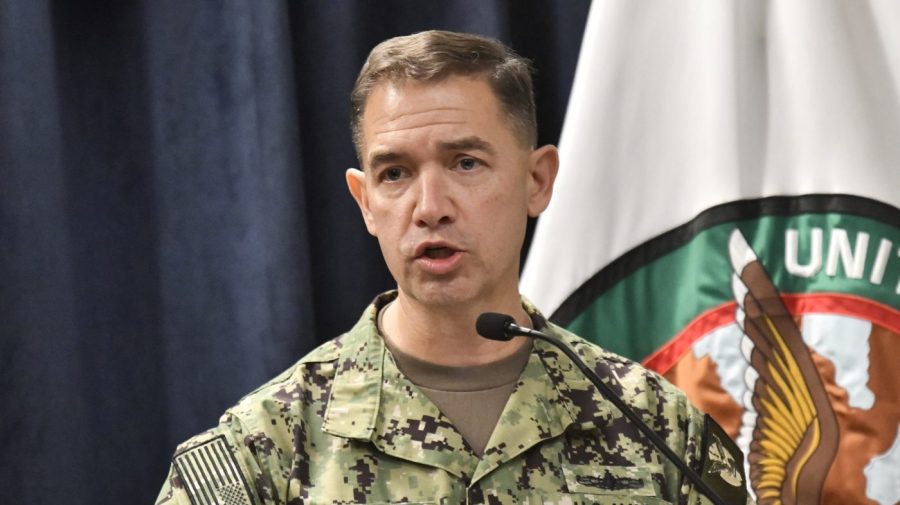
    The United States initiated expanded military operations against targets within Iran on 2026-07-20, directly following the confirmed death of an American service member reported on 2026-07-19. These retaliatory strikes focused on facilities associated with the Islamic Revolutionary Guard Corps (IRGC), marking a significant escalation in the ongoing tensions between Washington D.C. and Tehran.

    President Trump authorized the measures, asserting that the US would respond decisively to any actions endangering American personnel. The Department of Defense is currently compiling specific details regarding the full scope and impact of these new operations.

    The Incident Triggering Escalation

    An American service member was killed on 2026-07-19. The Pentagon confirmed the casualty but withheld the service member’s identity pending family notification. Initial reports indicated the incident occurred during an operational mission in the region.

    The exact circumstances leading to the American service member’s death remain under investigation. Defense officials have not yet specified the type of attack or the group responsible. However, the immediate US response suggested a direct link to Iranian-backed entities.

    This loss of life prompted swift action from the US administration. President Trump reiterated the policy of responding forcefully to any attacks on American forces or interests.

    Expanded US Military Response

    On 2026-07-20, the US Central Command (CENTCOM) announced the execution of precision strikes. These strikes were described as defensive in nature, aimed at degrading the capabilities of groups threatening US personnel.

    Defense Secretary Pete Hegseth issued a statement confirming the operations. He emphasized that the US seeks to deter further aggression while protecting American forces stationed in the Middle East. The strikes were carefully planned to minimize civilian casualties.

    Targeted Facilities and Operations

    The expanded attacks specifically targeted infrastructure and command-and-control nodes belonging to the Islamic Revolutionary Guard Corps (IRGC). Unconfirmed reports suggested targets included facilities in western Iran and along the Iraq-Iran border.

    These locations are historically used by the IRGC for logistics and training. The precision nature of the strikes aimed to disrupt these operational capabilities without broader engagement.

    The decision to target IRGC assets directly indicated a strategic shift in response. Previous engagements often focused on proxy groups. This direct targeting underscored the US administration’s determination to hold Iran accountable for actions attributed to its proxies.

    Military analysts observed that striking IRGC facilities serves multiple purposes. It aims to degrade immediate operational capacity. It also sends a strong deterrent message to Tehran regarding the consequences of attacks on American personnel.

    The strikes were executed with advanced weaponry, ensuring accuracy and minimizing collateral damage. US officials stressed the defensive posture of these actions, framing them as necessary to protect American interests and service members in the region.

    Geopolitical Implications and Regional Reactions

    The escalation immediately drew international attention. Allies of the United States expressed concern over the potential for broader regional conflict. Several nations called for de-escalation from all parties involved.

    The European Union issued a statement urging restraint. Countries in the Middle East, including Saudi Arabia and the United Arab Emirates, monitored the situation closely. Their reactions varied, reflecting their complex relationships with both the US and Iran.

    Iran’s Official Stance

    Iran’s Ministry of Foreign Affairs condemned the US actions as a violation of its sovereignty. Official statements from Tehran vowed a proportionate response. The IRGC media outlets reported on the strikes, describing them as acts of aggression.

    Iranian officials characterized the US strikes as an act of international terrorism. They asserted Iran’s right to self-defense. Public sentiment in Iran, as reported by state media, was one of defiance and condemnation.

    The Iranian government convened an emergency session of its National Security Council. Discussions focused on potential retaliatory measures and strategies to counter what it termed American aggression. The Supreme Leader’s office also issued a statement, reinforcing the nation’s resolve.

    International Response and Concerns

    The United Nations Secretary-General called for an immediate cessation of hostilities. He emphasized the fragile stability of the Middle East. Diplomatic efforts were initiated to prevent a full-scale regional conflict.

    Russia and China, both permanent members of the UN Security Council, expressed strong disapproval of the US actions. They called for a peaceful resolution through dialogue. Their statements highlighted the risks of unilateral military action.

    Analysts are assessing how this military escalation will impact global oil markets and international shipping lanes. The Strait of Hormuz, a critical chokepoint for global oil supplies, remains a focal point of concern. Any disruption there could have significant economic repercussions worldwide.

    The stability of the broader Middle East hangs in the balance. Regional powers are adjusting their security postures. The increased military activity raises the specter of miscalculation and unintended consequences.

    Ongoing Monitoring and Future Actions

    The Department of Defense continues to monitor the situation closely. Further statements are anticipated from President Trump and key administration officials. The safety and security of US service members remain the top priority.

    US military assets in the region have been placed on heightened alert. Defensive measures are being reinforced across all American bases. Intelligence agencies are working to assess Iranian intentions and capabilities.

    President Trump’s administration has consistently maintained a firm stance against perceived Iranian aggression. This latest military action aligns with that stated policy. The administration’s focus remains on protecting American lives and interests.

    The international community watches. Regional powers respond. Global markets react. The world awaits.

  • NYT vs. Trump EEOC: Retaliation Claim Ignites Press Freedom Debate

    NYT vs. Trump EEOC: Retaliation Claim Ignites Press Freedom Debate

    The New York Times has formally alleged that a reverse discrimination lawsuit, initiated by the Equal Employment Opportunity Commission (EEOC) during President Trump’s administration, was a direct act of retaliation. The Times asserts this lawsuit was a punitive measure, directly responding to its critical reporting on the EEOC’s operations and policy decisions. This claim centers on the EEOC’s legal action against the Times, which alleged discriminatory practices within the news organization itself.

    This accusation introduces a significant dimension to the often-strained relationship between government entities and major news organizations. It suggests that legal actions may have been deployed as a means to suppress or punish journalistic scrutiny, rather than solely to enforce federal statutes.

    The Genesis of the Dispute

    The core of this matter traces back to the period following President Trump’s inauguration in 2017. The New York Times, a prominent news organization, published a series of articles detailing various aspects of the Equal Employment Opportunity Commission’s work. These reports often adopted a critical stance, scrutinizing the commission’s enforcement priorities, internal procedures, and leadership appointments under the administration.

    These articles sparked considerable debate within journalistic and political circles. They contributed to a broader narrative regarding the administration’s approach to federal agencies and their mandates. The Times’s reporting focused on shifts in the EEOC’s strategic enforcement plan, highlighting changes in how the commission prioritized certain types of discrimination cases.

    The EEOC, an independent federal agency, holds the responsibility for enforcing federal laws that make it illegal to discriminate against a job applicant or an employee. Protected characteristics include race, color, religion, sex (including pregnancy, transgender status, and sexual orientation), national origin, age (40 or older), disability, or genetic information. The agency’s mandate is broad, covering a wide array of employment practices.

    EEOC’s Actions Under Scrutiny

    The New York Times’s reporting particularly focused on shifts in the EEOC’s strategic enforcement plan. It highlighted changes in how the commission prioritized certain types of discrimination cases. These reports questioned whether the commission’s focus had moved away from traditional areas of discrimination enforcement, such as systemic discrimination cases, towards other priorities.

    Specific articles from the Times detailed internal discussions and policy directives within the EEOC. They suggested a departure from previous administrations’ approaches to civil rights enforcement, particularly concerning the interpretation and application of anti-discrimination statutes. This coverage drew significant attention from civil rights advocates and legal scholars, who expressed concerns about potential shifts in federal enforcement policy.

    The Times’s investigations included interviews with current and former EEOC staff, analysis of public documents, and examination of statistical data related to case filings and resolutions. These reports aimed to provide a comprehensive view of the agency’s direction under the new leadership, often presenting findings that were critical of the changes implemented.

    The Reverse Discrimination Lawsuit

    In response to what the Times describes as its extensive and critical coverage, the Equal Employment Opportunity Commission initiated a reverse discrimination lawsuit. This lawsuit targeted the New York Times itself, alleging discriminatory practices within the news organization. The specific allegations centered on the Times’s hiring, promotion, and retention practices, claiming they disadvantaged certain demographic groups.

    Reverse discrimination claims typically involve allegations that affirmative action or diversity initiatives have led to discrimination against majority groups. The EEOC’s suit against the Times was framed in this context. It presented specific instances where the commission believed the Times’s policies or actions disadvantaged individuals based on their race or gender, particularly those from historically dominant groups.

    Allegations of Retaliation

    The New York Times’s legal team has characterized the EEOC’s lawsuit as a direct act of retaliation. They assert that the timing and nature of the suit are directly linked to the Times’s investigative journalism. The Times argues that the EEOC’s action serves as an attempt to silence critical reporting and punish the publication for its scrutiny of the federal agency.

    Legal experts and media watchdogs have weighed in on the implications of such an accusation. They note that if proven, it could set a concerning precedent regarding press freedom and governmental oversight. The core legal question revolves around whether the EEOC’s lawsuit was a legitimate exercise of its enforcement powers or a politically motivated action intended to suppress dissent.

    “The decision by the EEOC to pursue this specific type of lawsuit against a prominent news organization, following a period of intense journalistic scrutiny, raises serious questions about the motivations behind the legal action,” stated a legal analyst in a recent commentary. “The Times’s allegation of retaliation will require a thorough examination of the evidence presented by both sides, scrutinizing both the merits of the discrimination claim and the context of its filing.”

    The Times’s defense strategy is expected to focus heavily on demonstrating the causal link between its reporting and the subsequent EEOC lawsuit. They will aim to present evidence that the legal action was not a legitimate enforcement of anti-discrimination laws but rather a punitive measure. This could involve presenting internal communications from the EEOC or the administration that suggest a motive beyond routine enforcement.

    The Broader Context: Media and Government Tensions

    The current dispute between The New York Times and President Trump’s EEOC is not an isolated incident. It occurs within a broader landscape of heightened tensions between government administrations and various media outlets. President Trump has frequently expressed strong criticisms of what he terms “fake news” and biased reporting, often targeting established news organizations.

    These criticisms have often been directed at major news organizations, including The New York Times. The administration’s stance has often resonated with segments of the public who perceive a pervasive media bias. This perception can lead to a less sympathetic view of news organizations when they face legal or public challenges.

    Perceived Media Bias

    The concept of media bias plays a significant role in this ongoing conflict. Supporters of the administration often point to what they view as consistently negative coverage. They argue that such coverage is not merely critical but actively hostile and unfair. This perception fuels a sense of vindication when a news organization faces legal challenges or public scrutiny.

    The New York Times, like many major news organizations, has faced accusations of political leanings. These accusations often come from those who feel their perspectives are underrepresented or unfairly characterized in mainstream media. The debate over media objectivity and political alignment forms a backdrop to the current legal battle, influencing public opinion and political discourse.

    This dynamic creates a challenging environment for both the press and the government. News organizations strive to maintain their independence and watchdog role, while administrations seek to control narratives and respond to perceived unfairness. The legal system becomes a battleground for these competing interests.

    Legal and Journalistic Implications

    The outcome of this legal battle carries substantial implications for both journalism and federal enforcement. If The New York Times successfully demonstrates retaliation, it could strengthen protections for investigative journalism. It would send a clear message against using federal agencies to target news organizations for their critical reporting, reinforcing the principles of a free press.

    Conversely, if the EEOC’s lawsuit is found to be legitimate and free of retaliatory intent, it could underscore the principle that even news organizations are subject to anti-discrimination laws. It would also potentially validate the administration’s claims of media bias leading to discriminatory practices, potentially emboldening future legal challenges against media entities.

    Press Freedom Concerns

    Organizations dedicated to press freedom have voiced concerns about the potential chilling effect of such lawsuits. They argue that if government entities can readily use legal means to challenge critical media, it could deter journalists from pursuing sensitive investigations. This deterrence could ultimately undermine the public’s right to information and the media’s role in holding power accountable.

    The Reporters Committee for Freedom of the Press, for example, has highlighted similar cases where government actions have been perceived as attempts to intimidate or silence the press. They emphasize the importance of distinguishing between legitimate legal disputes and those intended to suppress speech. The legal precedent set by this case could significantly impact future interactions between federal agencies and news organizations, shaping the landscape of press freedom for years to come.

    The Future of Federal Enforcement

    This case also has ramifications for the Equal Employment Opportunity Commission itself. Its ability to pursue discrimination cases effectively relies on its perceived impartiality and adherence to its mandate. If the Times’s allegations of retaliation are substantiated, it could damage the EEOC’s credibility and raise questions about the integrity of its enforcement actions. This could undermine public trust in the agency and its capacity to justly enforce anti-discrimination laws.

    The legal process will involve extensive discovery, potentially revealing internal communications and decision-making processes within the EEOC. This transparency, regardless of the ultimate verdict, will offer insights into how federal agencies navigate political pressures and their enforcement responsibilities. The scrutiny will extend to how the agency balances its legal obligations with the broader political climate.

    The Path Ahead

    The legal proceedings are expected to be complex and protracted. Both parties possess significant resources and are prepared for a rigorous legal battle. The New York Times will aim to prove a direct link between its critical reporting and the EEOC’s decision to file the reverse discrimination lawsuit. This will involve establishing a timeline of events, presenting evidence of communications, and demonstrating a pattern of intent.

    The EEOC, in turn, will need to vigorously defend the merits of its reverse discrimination claims against the Times. It will argue that its actions were solely based on legitimate findings of discriminatory practices within the news organization, independent of any external factors or political considerations. The agency will present its own evidence to support its allegations, seeking to demonstrate that its lawsuit was a valid exercise of its statutory authority.

    Public and Political Ramifications

    Beyond the courtroom, the case carries substantial public and political ramifications. It will continue to fuel the ongoing debate about media credibility, governmental accountability, and the role of the press in a democratic society. Public perception of the case will likely be shaped by existing political affiliations and views on the media.

    The outcome could influence how future administrations interact with the press and how federal agencies conduct their enforcement activities. It may also prompt a reevaluation of legal protections for journalists and news organizations when facing government-initiated legal challenges. The case represents a critical juncture in the evolving relationship between the government and the fourth estate.

    Journalists watched. Legal scholars debated. Civil liberties advocates protested. The nation observed.

    The courts decided.

  • Matlock Writer Sues CBS & Jennie Snyder Urman Over Alleged Racist, Sexual Comments

    Matlock Writer Sues CBS & Jennie Snyder Urman Over Alleged Racist, Sexual Comments

    Legal Action Filed Against CBS and Showrunner Jennie Snyder Urman

    A writer associated with the forthcoming ‘Matlock’ reboot has initiated legal proceedings against CBS and its showrunner, Jennie Snyder Urman. The lawsuit, filed in a Los Angeles Superior Court, details allegations of racial discrimination, sexual discrimination, and the creation of a hostile work environment. These claims assert that Urman engaged in inappropriate behavior and comments, leading to a discriminatory atmosphere on set.

    The legal complaint outlines specific instances of alleged misconduct, including racially insensitive remarks and sexually explicit comments made by Urman. The plaintiff also claims to have faced retaliation after raising concerns about the workplace conditions. This legal action brings renewed attention to issues of accountability and conduct within the entertainment industry.

    The Plaintiff’s Allegations and Specific Incidents

    The lawsuit details a series of alleged incidents that contributed to the hostile work environment. The plaintiff, whose name has been withheld in initial reports to protect their privacy, describes a pattern of behavior from Jennie Snyder Urman that included racially charged statements. These statements reportedly targeted individuals of color and contributed to an environment where the plaintiff felt marginalized and disrespected.

    Beyond racial discrimination, the complaint also enumerates instances of alleged sexual harassment and inappropriate sexual comments. These remarks were reportedly made in professional settings, creating an uncomfortable and unprofessional atmosphere for the plaintiff and potentially other staff members. The lawsuit emphasizes that these comments were not isolated incidents but part of a broader pattern of misconduct.

    One specific allegation involves Urman reportedly making a comment about a Black actor’s appearance, implying a stereotypical association with drug use. Another claim describes Urman making a sexually suggestive comment about a male actor’s body in front of multiple staff members. These examples are presented as evidence of a pervasive culture of insensitivity and unprofessionalism.

    Claims of Retaliation and Workplace Dynamics

    The lawsuit further alleges that the plaintiff experienced retaliation after attempting to address the problematic behavior. Upon raising concerns about the alleged racist and sexual comments, the plaintiff claims to have faced adverse actions, including being sidelined from certain writing assignments and experiencing a reduction in their overall responsibilities. This alleged retaliation created a chilling effect, discouraging others from speaking out.

    The legal filing asserts that the showrunner’s actions created a climate of fear and intimidation. Staff members reportedly felt unable to voice their concerns without fear of professional repercussions. This dynamic contributed to the longevity of the alleged hostile environment, as complaints were suppressed or ignored.

    The plaintiff’s legal team argues that CBS, as the network producing the show, failed in its duty to provide a safe and equitable workplace. The lawsuit suggests that the network either knew or should have known about the alleged misconduct and failed to take appropriate remedial action. This negligence, according to the complaint, directly contributed to the plaintiff’s suffering.

    The Role of Jennie Snyder Urman and Her Production Company

    Jennie Snyder Urman is a prominent figure in television, known for her work on successful series such as ‘Jane the Virgin’. Her involvement as showrunner on the ‘Matlock’ reboot, starring Kathy Bates, placed her in a position of significant authority and influence over the production’s creative and professional environment.

    The lawsuit specifically targets Urman, holding her directly responsible for the alleged comments and the resulting hostile workplace. Her production company, Sutton Street Productions, is also named in the lawsuit, indicating that the legal action extends beyond Urman as an individual to the corporate entities involved in the show’s production.

    The legal document asserts that Urman’s position of power enabled the alleged misconduct to persist without immediate challenge. The plaintiff’s counsel argues that showrunners, as leaders of a production, bear a significant responsibility for fostering an inclusive and respectful environment. The failure to do so, as alleged, constitutes a breach of professional and ethical conduct.

    CBS’s Response and Internal Investigation

    Following the filing of the lawsuit, CBS issued a statement acknowledging the allegations. The network confirmed that it has launched an internal investigation into the claims made by the writer. This investigation is standard procedure for major studios when faced with serious allegations of workplace misconduct.

    The network’s statement emphasized its commitment to maintaining a safe and respectful work environment for all employees. It also indicated cooperation with legal processes to thoroughly review the allegations. The outcome of this internal investigation could have significant implications for the show’s production, Urman’s future with the network, and the broader perception of CBS’s workplace culture.

    The timing of the lawsuit is notable, as the ‘Matlock’ reboot is a highly anticipated series for CBS. Any disruption or negative publicity could impact its reception and future prospects. The network faces the challenge of addressing these serious allegations while simultaneously moving forward with its programming slate.

    Legal Precedents and Industry Context

    This lawsuit emerges within a broader context of increased scrutiny over workplace practices in Hollywood. The #MeToo movement and subsequent initiatives have brought issues of harassment, discrimination, and power dynamics to the forefront of industry discussions. Numerous high-profile cases have led to significant changes in company policies and a greater emphasis on accountability for individuals in positions of power.

    Legal precedents for such cases often involve proving a pattern of discriminatory behavior, the creation of a hostile work environment, and evidence of retaliation. Plaintiffs typically seek damages for emotional distress, lost wages, and, in some cases, punitive damages designed to punish egregious conduct and deter future similar actions.

    The entertainment industry, historically characterized by hierarchical structures and often informal workplace norms, has been undergoing a period of re-evaluation. Networks and studios are increasingly expected to demonstrate proactive measures to prevent and address misconduct, rather than merely reacting to complaints.

    Potential Impact on the ‘Matlock’ Reboot and Kathy Bates

    The ‘Matlock’ reboot is set to star veteran actress Kathy Bates in the titular role. While the lawsuit does not directly involve Bates, the allegations against the showrunner and network could cast a shadow over the production. Public perception of a series can be significantly influenced by controversies surrounding its creation.

    The involvement of a high-profile star like Kathy Bates adds another layer of complexity to the situation. Her reputation and association with the project could be affected, regardless of her direct involvement in the alleged incidents. Networks often strive to protect their talent from negative publicity that could impact a show’s success.

    Future production schedules, promotional efforts, and even the show’s eventual viewership could be influenced by how effectively CBS manages the fallout from this lawsuit. The network’s response and the transparency of its investigation will be critical in shaping public and industry perception.

    Broader Implications for Hollywood Workplace Culture

    This lawsuit serves as another reminder of the ongoing challenges in addressing systemic issues within the entertainment industry. It underscores the importance of clear reporting mechanisms, robust anti-discrimination policies, and a genuine commitment from leadership to enforce those policies without fear of retaliation.

    The outcome of this case could influence how future complaints are handled and the level of accountability expected from showrunners and network executives. It reinforces the idea that individuals in creative leadership roles are not exempt from adhering to professional standards of conduct and fostering inclusive environments.

    The legal battle is expected to be protracted, involving discovery, depositions, and potentially a trial. Each stage will bring further details to light, providing a more complete picture of the alleged events and the responses from the involved parties.

    Moving Forward: Calls for Transparency and Accountability

    As the legal process unfolds, there will likely be increased calls for transparency from CBS regarding its internal investigation and its findings. Industry watchdogs and advocacy groups will monitor the case closely, looking for signals of genuine commitment to addressing workplace issues.

    The plaintiff’s decision to pursue legal action highlights a growing willingness among individuals to challenge powerful figures and institutions in Hollywood. This trend reflects a broader societal shift towards greater accountability and a reduced tolerance for discriminatory or abusive workplace behaviors.

    The entertainment industry continues to evolve, grappling with its past and striving to create more equitable and respectful environments for all who contribute to its productions. Legal actions like this one play a significant role in shaping that ongoing transformation.

    Writers gathered. Executives gathered. Lawyers gathered. Los Angeles.

    FAQ Section