Tag: Republican

  • Trump’s ‘Regime Change’: Adelson Fallout, Sweeney Interest, Dr. Phil & ICE

    Trump’s ‘Regime Change’: Adelson Fallout, Sweeney Interest, Dr. Phil & ICE

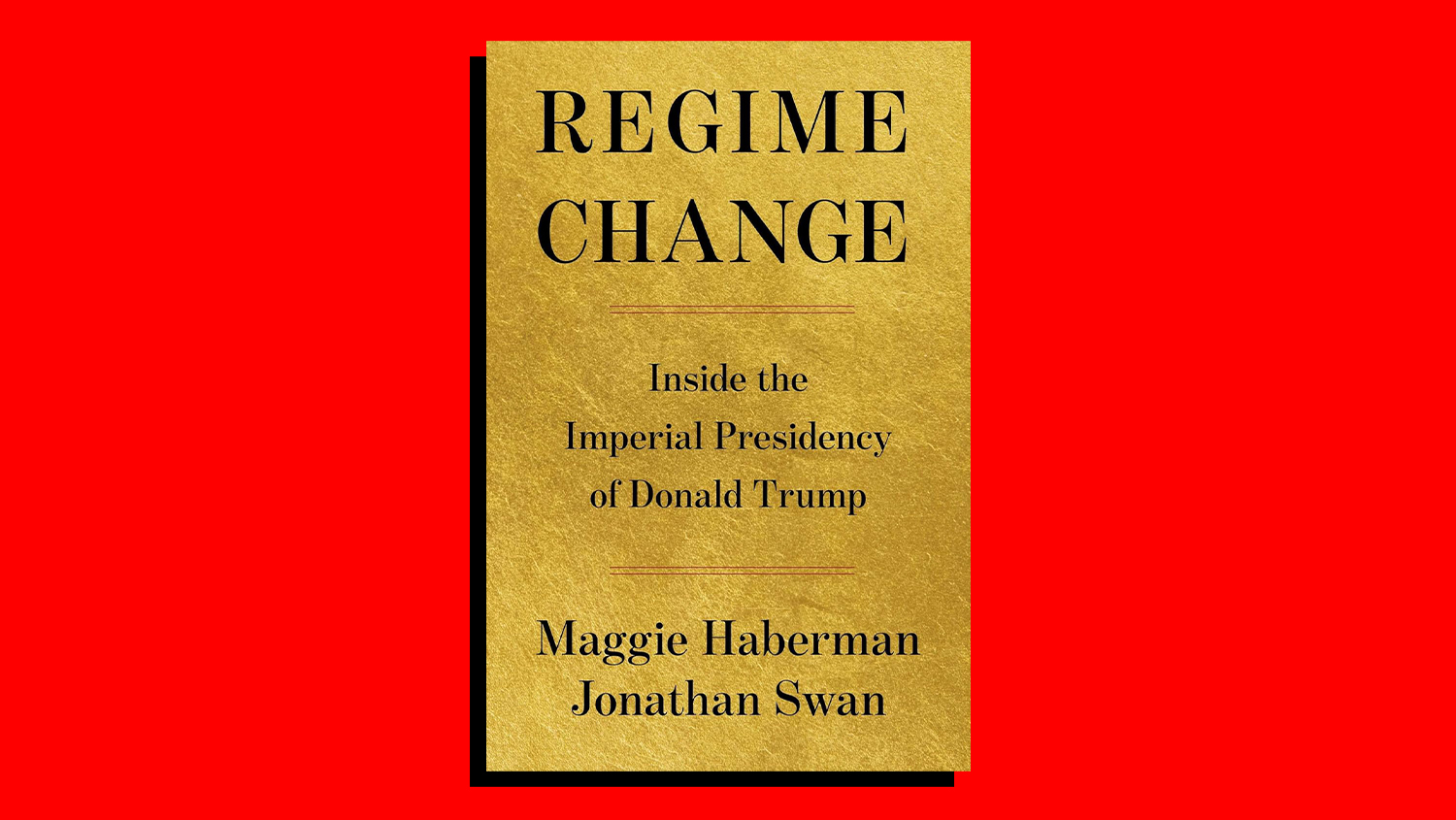
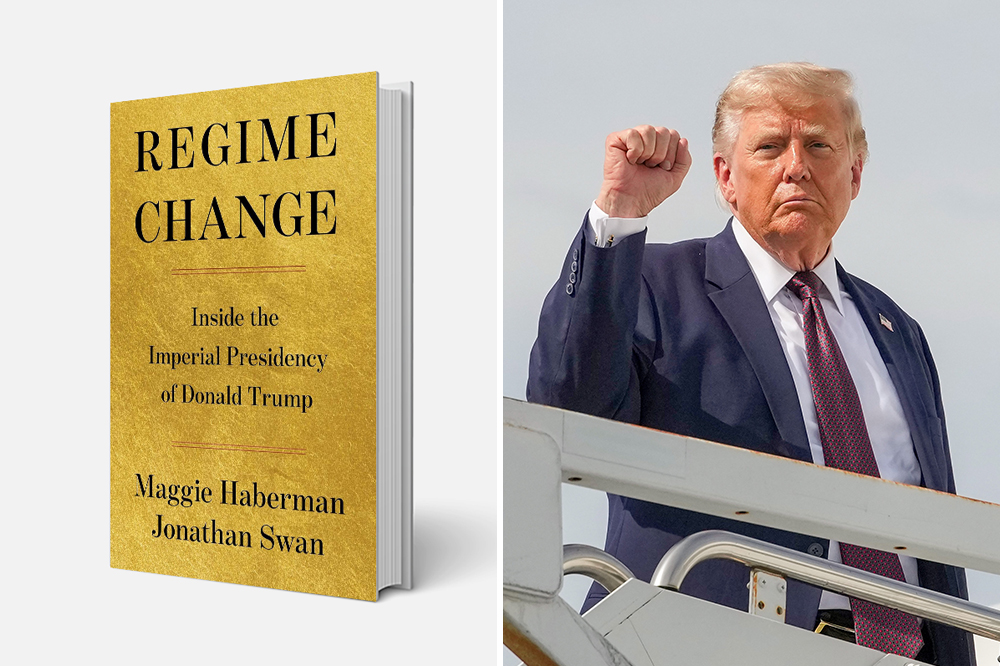
    The forthcoming book ‘Regime Change’ is set to reveal a series of intricate details concerning former President Donald Trump’s relationships with influential figures and his unexpected interactions with celebrities. These revelations include his strained dealings with Miriam Adelson and Patrick Dumont, his interest in actress Sydney Sweeney, and an alleged collaboration between Dr. Phil McGraw and U.S. Immigration and Customs Enforcement (ICE). The book offers a comprehensive look at the complex interplay of power, money, and media during the Trump era.

    These accounts offer a rare glimpse into the multifaceted world of high-stakes politics, where financial backing, celebrity endorsements, and media influence converge. ‘Regime Change’ promises to provide a candid look at the personal and political dynamics that shaped a significant era of American governance.

    The Adelson Family: A Shifting Alliance

    The relationship between Donald Trump and the Adelson family has been a cornerstone of Republican fundraising for years. Sheldon Adelson, who passed away in January 2021, was a prominent casino magnate. He was also a prodigious donor to the Republican Party and conservative causes. His support, along with that of his wife, Miriam Adelson, provided substantial financial backing to Trump’s campaigns, including his 2016 and 2020 presidential bids.

    ‘Regime Change’ reportedly suggests a more complicated relationship post-Sheldon Adelson’s passing. The book details tensions between Trump and Miriam Adelson, as well as her son-in-law, Patrick Dumont. Dumont currently serves as the president and chief operating officer of Las Vegas Sands Corporation, the company founded by Sheldon Adelson.

    The book’s revelations indicate that financial contributions, while critical, did not always translate into smooth personal or political alignment. Disagreements and perceived slights reportedly characterized some of these high-level interactions. Miriam Adelson, a physician and philanthropist, has continued her husband’s legacy as a significant Republican donor. Her ongoing financial support remains crucial for many Republican candidates. The reported dynamics with Trump suggest potential shifts in how this crucial financial backing might be directed in future political cycles. Political campaigns rely heavily on the support of major donors, and any friction at this level can have ripple effects throughout the party’s fundraising efforts.

    Patrick Dumont’s role as a key executive in the Adelson family’s business empire positions him as an influential figure in his own right. His perspective and actions could also play a significant role in the broader landscape of conservative political funding. The book aims to shed light on the intricacies of these powerful relationships. It moves beyond simple donation figures to explore the personal and strategic considerations involved in high-level political finance. These insights are critical for understanding the internal dynamics of the Republican Party’s donor base.

    Sydney Sweeney: The Pursuit of Celebrity Endorsement

    The book ‘Regime Change’ also reportedly touches on former President Trump’s interest in actress Sydney Sweeney. Sweeney, known for her roles in popular television series like ‘Euphoria’ and ‘The White Lotus,’ represents a new generation of Hollywood talent. Trump’s alleged interest in Sweeney was reportedly tied to the idea of a potential political endorsement or association. This highlights the increasing intersection of celebrity and politics in modern campaigns.

    Public figures can sway opinion and mobilize voters, making their endorsements highly sought after by political campaigns. Trump, a former television personality himself, has long understood the power of celebrity and media attention. His career has often blurred the lines between entertainment and politics. The book suggests that Trump’s interest in Sweeney was not merely a casual observation. Instead, it was reportedly part of a broader strategy to engage with popular culture figures. Gaining the support or even the visible attention of a rising star like Sweeney could be perceived as highly beneficial for a political figure aiming to connect with diverse demographics, particularly younger voters.

    Celebrity endorsements can generate significant media buzz, reach new audiences, and potentially soften a candidate’s image. They can also provide a sense of cultural relevance to a campaign. The reported details in ‘Regime Change’ underscore the strategic value placed on such associations within political circles. This dynamic highlights how political campaigns often extend beyond traditional rallies and policy debates into the realm of popular entertainment and social media influence. The book suggests that the pursuit of celebrity validation is a key component of contemporary political strategy, especially for figures like Trump who thrive on media visibility.

    Dr. Phil McGraw: Unexpected Intervention in Immigration Policy

    Perhaps one of the more unexpected revelations in ‘Regime Change’ concerns television personality Dr. Phil McGraw. The book reportedly details McGraw’s involvement with U.S. Immigration and Customs Enforcement (ICE) during the Trump administration. This alleged collaboration suggests a direct engagement between a prominent media figure and a federal agency on a highly sensitive issue.

    Dr. Phil, whose show focuses on psychological and social issues, would not typically be associated with immigration enforcement. His public persona is built around advising individuals on personal problems, not shaping federal policy. The book, however, claims that McGraw played a role in facilitating discussions or offering insights related to border strategies. This reported involvement points to an unusual intersection of media, celebrity, and government operations, particularly within the executive branch.

    According to ‘Regime Change,’ Dr. Phil allegedly arranged a meeting between Trump and ICE officials. The purpose of this meeting was reportedly to discuss various aspects of border security and enforcement. Such an intervention from a non-governmental figure underscores the informal channels through which influence can be exerted in Washington D.C. It also highlights the Trump administration’s willingness to consult with non-traditional advisors on critical policy matters. The details surrounding McGraw’s motivation and the specific outcomes of these alleged discussions remain to be fully revealed by the book. However, the mere report of his involvement indicates a willingness by the Trump administration to engage with figures from outside traditional political and governmental circles on matters of policy. This approach reflects a pattern of unconventional engagement that characterized much of the Trump presidency, often prioritizing celebrity and media connections over traditional bureaucratic processes. The book suggests that these informal channels were not merely for show, but were intended to yield actionable policy discussions and potential implementation strategies. The full scope of Dr. Phil’s influence on immigration policy, as detailed in ‘Regime Change,’ promises to be a significant point of discussion.

    The Broader Landscape of Influence: Media, Money, and Power

    ‘Regime Change’ appears to offer a wide-ranging examination of the forces that shape modern American politics. The book moves beyond conventional political analysis to explore the complex web of relationships that influence decision-making at the highest levels. It details how personal connections, financial leverage, and celebrity appeal often intertwine with policy objectives. The reported interactions with Miriam Adelson and Patrick Dumont illustrate the enduring power of major donors in shaping party direction and supporting presidential campaigns. Their financial contributions are not merely transactions; they represent a significant investment in political outcomes and often come with expectations of access and influence. The book likely explores the specific policy areas or political appointments where the Adelson family’s preferences held sway, or where their disagreements with Trump became apparent.

    The pursuit of Sydney Sweeney’s endorsement, as detailed in ‘Regime Change,’ highlights the increasing importance of popular culture figures in political discourse. In an era dominated by social media and fragmented media consumption, a celebrity’s reach can rival that of traditional political messaging. The book likely delves into the specific efforts made to court Sweeney, or other similar figures, and the perceived benefits of such an alliance. This aspect of the book underscores how political campaigns are increasingly becoming exercises in brand management and public relations, where cultural cachet is as valuable as policy expertise. The desire to connect with younger demographics and broaden appeal through celebrity associations is a persistent theme in modern political strategy.

    Dr. Phil McGraw’s alleged involvement with ICE represents an even more unconventional aspect of influence. It suggests a blurring of lines between entertainment, advocacy, and governmental operations. The book likely examines the specific proposals or insights McGraw brought to the table regarding border security, and how his celebrity status opened doors that might otherwise remain closed to policy experts. This revelation challenges traditional notions of who holds sway in Washington D.C. and how policy is formulated. It points to a political environment where direct, informal access to the president and his administration could be facilitated by media prominence. The motivations behind such an intervention, whether driven by personal conviction or a desire for greater public impact, will be a key focus of the book’s narrative. ‘Regime Change’ ultimately paints a picture of a political system where traditional structures of power are continuously challenged and reshaped by new forms of influence, from wealthy donors to pop culture icons and media personalities. The book’s comprehensive approach aims to reveal the hidden dynamics that truly drive political outcomes in the 21st century.

    Donors gathered. Celebrities postured. Television personalities engaged. Influence.
  • Trump’s ‘Unified Party’ Claim – Amidst Senate GOP Divisions in 2026

    Trump’s ‘Unified Party’ Claim – Amidst Senate GOP Divisions in 2026

    The Assertion of Unity Amidst Division

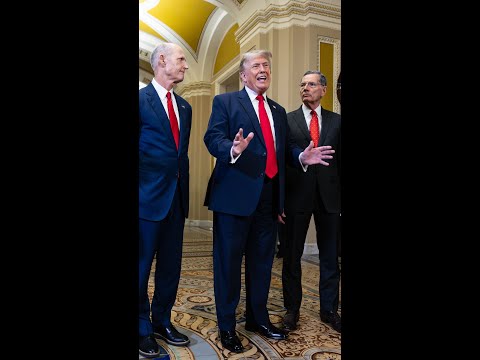
    Former President Donald Trump has consistently characterized the Republican Party as a ‘well-unified party’ during 2026. This characterization has been a staple of his public remarks, aiming to project an image of internal cohesion and strength for the party. However, these statements have been made even as reports of internal disagreements within the party apparatus, specifically involving members of the Senate GOP, have emerged. The perception of unity or disunity often impacts public confidence and electoral performance, particularly in the lead-up to critical midterm elections.

    Political parties frequently face internal debates. These debates can revolve around policy positions, leadership choices, and strategic approaches to national issues. Trump’s emphasis on unity seeks to override narratives of division, presenting a singular front to voters and political adversaries alike. This strategy is common among party leaders seeking to consolidate power and influence public opinion, even when faced with visible internal dissent.

    The Nature of Internal Republican Debates in 2026

    The Republican Party, like all major political organizations, experiences internal ideological and tactical differences. These differences are often highlighted by media outlets and political analysts, representing a natural component of a broad political coalition. In 2026, these debates are particularly salient as the party navigates its post-presidency landscape and prepares for upcoming electoral challenges.

    One common area of divergence involves fiscal policy. Some Republican members advocate for stricter budget austerity and reduced government spending, aligning with traditional conservative principles. Others prioritize investment in specific sectors, such as defense or infrastructure, reflecting varied constituent needs and economic philosophies. These differing approaches can lead to significant legislative battles and public disagreements among party members.

    Foreign policy is another arena for debate within the Republican Party. Traditional interventionist stances, often associated with a strong global presence and alliances, frequently clash with more isolationist or ‘America First’ approaches. These discussions can lead to public disagreements among prominent party figures, influencing the party’s stance on international conflicts, trade agreements, and diplomatic relations. The ongoing geopolitical landscape in 2026 further exacerbates these internal tensions.

    Social issues also contribute to internal Republican discussions. While there is a general conservative alignment, specific legislative approaches or cultural stances can vary among elected officials. These variations reflect the diverse constituencies represented by Republican officeholders, from rural conservatives to suburban moderates. Debates over issues such as abortion access, LGBTQ+ rights, and educational policy continue to create fault lines within the party, making a unified front challenging to maintain.

    Senate GOP Dynamics and Leadership Challenges

    The Senate Republican caucus often presents a distinct set of challenges for party unity. Senators represent entire states, leading to a broader range of regional interests and ideological leanings compared to the House of Representatives. This diversity makes consensus-building a complex and often protracted process, as individual senators must balance national party objectives with the specific demands of their electorates.

    Individual senators often hold significant power due to the Senate’s rules and traditions, such as the filibuster. This can allow a small number of senators to influence or even block legislation, regardless of broader party consensus. This institutional reality can empower dissenting voices and complicate efforts to present a unified legislative agenda, even under strong party leadership.

    Leadership in the Senate GOP, currently held by Senate Minority Leader Mitch McConnell (R-KY), frequently navigates these diverse viewpoints. McConnell’s leadership style has often prioritized legislative strategy and institutional continuity, seeking to manage internal divisions while advancing the party’s broader goals. His role involves extensive negotiation and coalition-building among various factions within the caucus.

    Clashes between former President Trump and certain Senate Republicans have occurred on various issues. These have included legislative priorities, judicial appointments, and the overall direction of the party. These disagreements are sometimes public, leading to significant media attention and fueling narratives of disunity. These tensions often highlight a struggle for influence and ideological direction within the Republican Party, especially concerning the role of the former President.

    For instance, some Senate Republicans have publicly criticized Trump’s rhetoric or actions, while others have remained steadfastly loyal. This spectrum of support and opposition creates a complex dynamic, where party members must weigh their allegiance to the former President against their own political convictions and constituent demands. These internal struggles are keenly observed by both political analysts and the voting public, influencing perceptions of party cohesion.

    Historical Precedents of Party Unity and Division in American Politics

    The concept of a ‘unified party’ is a persistent theme in American political history, yet its reality is often more nuanced. Both major parties, the Democrats and the Republicans, have experienced periods of intense internal division and subsequent efforts to unify. These historical examples provide context for understanding the current dynamics within the Republican Party.

    In the mid-20th century, the Democratic Party faced significant splits over civil rights legislation. The Dixiecrats, a faction of southern Democrats, famously broke away in 1948 in opposition to President Harry S. Truman’s civil rights platform. This demonstrated a profound internal schism that fundamentally reshaped the party’s geographical and ideological alignment over decades. The eventual passage of civil rights legislation, despite these divisions, marked a significant turning point in American politics.

    The Republican Party itself saw significant ideological battles in the 1960s and 1970s. The rise of conservative movements challenged the more moderate establishment wing of the party. Figures like Senator Barry Goldwater (R-AZ) spearheaded a conservative resurgence, advocating for principles that would eventually become central to the modern Republican platform. This period saw a shift from a predominantly moderate party to one increasingly defined by its conservative wing, leading to internal struggles for control and direction.

    More recently, the Tea Party movement emerged within the Republican Party in the late 2000s, gaining prominence after the 2008 financial crisis. This movement pushed for reduced government spending, lower taxes, and a strict interpretation of the Constitution. It often created friction with more established Republican leaders and their legislative agendas, leading to primary challenges and significant internal policy debates. The Tea Party’s influence reshaped the Republican caucus, pushing it further to the right on fiscal issues.

    These historical examples illustrate that claims of party unity often coexist with ongoing internal struggles. The challenge for party leaders is to manage these divisions while projecting a cohesive public image, especially when facing external political pressures or significant electoral cycles. The ability to reconcile diverse viewpoints or at least present a united front is often critical for electoral success and legislative effectiveness.

    The Role of Messaging and Public Perception in 2026

    Public declarations of party unity serve a strategic purpose in political discourse. They aim to reassure voters, discourage opponents, and maintain morale among party activists. Such messaging is particularly important in the lead-up to elections, where a united front can signal strength and stability to the electorate. In 2026, with midterm elections on the horizon, the messaging around Republican unity holds significant weight.

    When a prominent figure like Donald Trump declares the party ‘well-unified,’ it acts as an attempt to shape public perception. This can influence media narratives and voter expectations about the party’s strength and cohesion. Such affirmations can help to rally the base, project confidence, and potentially deter challenges from opposing parties, who might otherwise exploit perceived divisions.

    However, public clashes or dissenting voices can complicate these efforts. When high-profile members of the party express disagreement, it can undermine the message of a unified front. This creates a tension between declared unity and observed reality, which can be challenging for party strategists to manage. The media plays a significant role in how these dynamics are perceived, often highlighting internal party conflicts as newsworthy and indicative of broader political trends, thereby amplifying perceptions of disunity.

    Impact on Electoral Strategy for the 2026 Midterms

    Party unity is often seen as a critical factor in electoral success. A unified party can present a clear platform and a consistent message to voters, making it easier to mobilize support and win elections. When all factions of a party are aligned, resources can be directed efficiently, and campaign messages can resonate more broadly, without being diluted by internal discord.

    Conversely, a party perceived as deeply divided may struggle to attract undecided voters. Internal conflicts can distract from core campaign messages and create a sense of instability, potentially leading to decreased voter confidence. Voters may be less inclined to support a party that appears to be at odds with itself, questioning its ability to govern effectively or implement a coherent agenda.

    For the Republican Party in 2026, the perception of unity could be crucial for upcoming electoral contests. Whether the party can effectively bridge its internal differences will likely influence its performance in congressional races and other elections. The ability to present a cohesive vision for the country, despite internal policy disagreements, will be a key determinant of success.

    Strategic decisions about endorsements, campaign funding, and candidate selection are often influenced by the desire to maintain or restore party unity. Leaders often work to align various factions behind a common goal, making concessions or brokering compromises to ensure that the party can present a united front to the electorate. This delicate balancing act is central to modern political campaigning.

    Policy Divergences and Their Ramifications within the GOP

    The clashes between former President Trump and some Senate GOP members often stem from concrete policy disagreements. These are not merely personality conflicts but often reflect fundamental differences in approach to governance and the role of government. Understanding these policy divergences is key to comprehending the challenges to Republican unity.

    For example, debates over the scope and scale of government intervention in the economy can cause significant friction. Some Republicans favor minimal regulation and free-market principles, advocating for policies that reduce government oversight and promote private sector growth. Others support targeted interventions or protections for specific industries or demographics, recognizing the need for certain governmental roles in a complex economy. These differing economic philosophies can lead to divergent votes on legislation concerning everything from trade to environmental regulations.

    Healthcare policy remains a persistent point of contention. While there is broad agreement on repealing and replacing the Affordable Care Act (ACA), the specifics of an alternative plan have repeatedly divided Republicans. Some advocate for market-based solutions with minimal government involvement, while others recognize the need for a stronger safety net or protections for pre-existing conditions. These internal debates have hampered the party’s ability to present a unified healthcare proposal.

    Immigration policy also reveals deep divisions. While many Republicans advocate for stricter border security, there are differing views on pathways to citizenship, guest worker programs, and the treatment of undocumented immigrants already in the country. Some adopt a hardline stance, while others support more comprehensive reforms that address both enforcement and economic needs. These debates can be highly emotional and politically charged, making consensus difficult to achieve.

    The party’s stance on foreign aid and international alliances is another area of divergence. Some Republicans advocate for a robust international presence and continued support for allies, viewing it as essential for national security and global stability. Others, aligned with more isolationist sentiments, argue for reduced foreign commitments and a greater focus on domestic issues. These differing perspectives influence debates on defense spending, international treaties, and humanitarian aid.

    These policy divergences have significant ramifications. They can lead to legislative stalemates, where internal party disagreements prevent the passage of key bills. They can also create opportunities for the opposing party to exploit weaknesses and form cross-party coalitions. Furthermore, persistent policy disagreements can confuse voters and erode trust in the party’s ability to govern cohesively. The challenge for Republican leaders is to reconcile these diverse policy preferences while maintaining a unified public image and effective legislative strategy.

    The Future of Republican Unity and Influence

    The question of Republican unity in 2026 extends beyond immediate electoral concerns. It touches upon the long-term ideological direction and influence of the party. The ongoing dialogue between former President Trump and various factions within the Senate GOP reflects a broader struggle for the soul of the Republican movement.

    Will the party coalesce around a singular vision, or will it continue to be characterized by its internal debates? The answer will likely shape its ability to attract new voters, maintain its base, and effectively counter the agenda of the Democratic Party. The outcome of this internal negotiation will have profound implications for American politics for years to come.

    Leaders, activists, and voters within the Republican Party are all grappling with these questions. The need to define what it means to be a Republican in the 21st century is paramount. This includes establishing clear policy platforms, articulating a compelling vision for the nation, and selecting leaders who can bridge divides rather than exacerbate them.

    The political landscape is constantly shifting. The Republican Party’s ability to adapt, unify, and present a coherent message will determine its success in navigating these changes. The internal debates, while sometimes contentious, also represent an opportunity for ideological renewal and strategic realignment.

    Farmers gathered. Soldiers gathered. Editors gathered.

    Washington.

  • Regime Change: Unpacking Five Key Takeaways from the Trump Era Analysis

    Regime Change: Unpacking Five Key Takeaways from the Trump Era Analysis

    The book ‘Regime Change,’ a recent publication, dissects the presidency of Donald Trump, identifying five core areas of significant impact. These include the reconfiguration of political norms, the surge of populism, the assertive use of executive power, the weaponization of the media landscape, and the fundamental reshaping of the Republican Party. The book aims to provide a definitive account of these transformations, drawing on extensive research and analysis of the 2017-2021 period and its aftermath.

    The Reconfiguration of Political Norms

    One primary takeaway from ‘Regime Change’ is its detailed exploration of how Donald Trump’s presidency fundamentally reconfigured established political norms. This involved a direct challenge to traditional communication protocols, media relationships, and diplomatic practices. The book documents specific instances, such as the frequent use of Twitter for official announcements and policy declarations, bypassing traditional press conferences and official statements. This approach redefined the expected channels of presidential communication.

    The relationship between the executive branch and the press underwent significant strain. ‘Regime Change’ details the consistent labeling of critical news outlets as ‘fake news’ and ‘enemies of the people.’ This rhetoric eroded public trust in institutional media, fostering an environment where information accuracy was frequently contested. Diplomatic norms were also challenged through direct engagements with foreign leaders, often outside conventional State Department channels, and a transactional approach to international alliances.

    Redefining Communication and Media Engagement

    The book elaborates on the strategic shift in presidential communication. Donald Trump’s direct appeals to his base through rallies and social media platforms, particularly Twitter, became a hallmark of his administration. This allowed for immediate dissemination of messages without traditional journalistic filters. ‘Regime Change’ provides examples such as the announcement of policy decisions via tweet, often catching even White House staff by surprise.

    This direct communication strategy effectively bypassed traditional gatekeepers. It established a new model for how a president could interact with the public. The book analyzes the long-term implications of this shift, including increased polarization and the diminished role of the traditional press corps in shaping national narratives. The 2020 presidential election saw these communication methods refined further, solidifying their place in modern political campaigning.

    The Surge of Populism

    A second key takeaway from ‘Regime Change’ centers on the book’s comprehensive examination of populism as a driving force during the Trump era. Donald Trump’s political rise and sustained support are largely attributed to a robust populist movement. The book dissects the components of this populism, including its appeal to specific demographics, its anti-establishment rhetoric, and its focus on nationalistic sentiments. It highlights how economic anxieties, cultural grievances, and a distrust of political elites fueled this movement.

    ‘Regime Change’ details the methods through which populist sentiments were mobilized and sustained. This included large-scale rallies, which served as both campaign events and direct communication channels with supporters. The book also analyzes the role of digital platforms and alternative media in amplifying populist messages, often bypassing mainstream media narratives. This analysis is crucial for understanding not only the Trump presidency but also similar movements globally in the mid-2020s.

    Grassroots Mobilization and Digital Campaigning

    The discussion of populism in ‘Regime Change’ extends to the intricate details of grassroots mobilization efforts. The book highlights the critical role of highly attended rallies, often drawing tens of thousands of supporters, as central to Trump’s political strategy. These events were not merely campaign stops but served as powerful affirmations of a shared political identity and grievances. The book cites specific rally locations and dates, illustrating their geographic and demographic reach.

    Furthermore, ‘Regime Change’ offers insights into the sophisticated digital strategies employed. This includes the use of micro-targeting and data analytics to reach specific voter segments with tailored messages. The book details how campaigns leveraged platforms like Facebook and Twitter to disseminate content, organize supporters, and counter opposing narratives. These modern campaigning techniques are presented as central to the success of the populist movement, fundamentally altering the landscape of political outreach.

    Assertive Use of Executive Power

    The third takeaway focuses on ‘Regime Change’s’ insights into executive power and the scope of presidential authority under Donald Trump. His administration was marked by a robust assertion of presidential prerogatives, often pushing the boundaries of traditional executive action. The book meticulously documents instances where executive orders were used extensively, sometimes to implement policies that faced legislative resistance or to reverse previous administrative directives. Examples include executive actions on immigration, environmental regulations, and trade policies, often issued with minimal congressional consultation.

    ‘Regime Change’ analyzes the legal and constitutional arguments surrounding these actions. It details the frequent challenges mounted by Congress and the judiciary, leading to numerous court battles that tested the separation of powers. The book provides a critical perspective on the checks and balances within the American political system, illustrating how Trump’s approach strained these traditional safeguards. The administrative state, including federal agencies and their leadership, also experienced significant shifts as presidential appointees sought to implement the administration’s agenda.

    Institutional Challenges and Legal Battles

    The book details specific challenges to institutional norms and the resulting legal battles. ‘Regime Change’ chronicles the administration’s relationships with various federal agencies, often characterized by efforts to redirect their priorities or personnel. The appointment process for key positions, from cabinet secretaries to federal judges, is also examined, highlighting the emphasis on loyalty and ideological alignment. The book cites specific legal cases, such as those concerning travel bans or the border wall, to illustrate the judicial branch’s role in adjudicating presidential authority.

    These discussions are vital for understanding the resilience and adaptability of democratic institutions in the face of executive assertiveness. ‘Regime Change’ provides a comprehensive account of these tensions, offering a historical record for future analysis of presidential power. The book concludes that Trump’s tenure set precedents for the exercise of executive authority, influencing subsequent administrations and legislative responses.

    The Weaponization of the Media Landscape

    The fourth takeaway from ‘Regime Change’ addresses the evolving media landscape and the concept of information warfare during the Trump presidency. Donald Trump frequently criticized mainstream media outlets, labeling some as ‘fake news’ or purveyors of biased reporting. The book explores the implications of this rhetoric for public trust in journalism, documenting a significant decline in confidence among certain segments of the population. This constant critique created an environment where distinguishing verified information from opinion or disinformation became increasingly challenging for the public.

    ‘Regime Change’ also examines the proliferation of disinformation and misinformation, particularly through social media platforms. It details how unverified content, often politically motivated, gained widespread traction. The book analyzes strategies used to counter or amplify specific narratives, including the use of rapid-response teams and social media influencers. This section underscores how the digital age transformed political communication into a battleground for narrative control, often blurring the lines between news and propaganda.

    The Battle for Narrative Control and Public Trust

    The book delves deeply into the battle for narrative control that characterized the Trump years. ‘Regime Change’ illustrates how political figures and their allies actively sought to shape public perception, often by directly challenging established media narratives. This included the strategic use of alternative media outlets and online personalities to bypass traditional journalistic scrutiny. The book cites specific examples where the administration’s messaging directly contradicted reports from major news organizations, creating parallel information universes for different audiences.

    Understanding these dynamics is crucial in an era of rapid information dissemination and fragmented media consumption. ‘Regime Change’ offers a case study in how information can be weaponized in political contests, highlighting the profound challenges for informed public discourse. The book concludes that the erosion of trust in traditional media and the rise of partisan information ecosystems represent a lasting legacy of this period, impacting how citizens engage with political news and form their opinions in 2026 and beyond.

    Reshaping the Republican Party

    The fifth and final key takeaway from ‘Regime Change’ concerns its analysis of the profound reshaping of the Republican Party under Donald Trump’s influence. The book argues that Trump’s leadership fundamentally altered the party’s platform, leadership, and voter base. Traditional conservative principles, such as fiscal conservatism and interventionist foreign policy, were often subordinated to a new populist nationalism. This shift saw the party embrace a more protectionist trade stance and a non-interventionist foreign policy, departing from decades of Republican orthodoxy.

    ‘Regime Change’ documents the transformation of the party’s leadership, noting the ascendancy of figures aligned with Trump’s vision and the marginalization of traditional Republican voices. The book also details how the party’s voter base diversified, attracting working-class voters in Rust Belt states while potentially alienating suburban and college-educated demographics. This reorientation of the Republican Party’s identity and electoral strategy is presented as one of the most significant and enduring legacies of the Trump presidency, with implications for national elections in 2024 and beyond.

    Evolving Ideologies and Electoral Strategies

    The book provides a detailed account of the evolving ideologies within the Republican Party. ‘Regime Change’ illustrates how specific policy positions, such as those on immigration and trade, became central tenets of the new Republican platform. It analyzes the internal struggles and debates within the party as it grappled with these changes, citing examples of prominent Republicans who either embraced or resisted the new direction. The book also examines the role of conservative media and grassroots organizations in solidifying this ideological shift.

    Furthermore, ‘Regime Change’ explores the new electoral strategies adopted by the Republican Party. This includes a continued emphasis on engaging the populist base through rallies and direct appeals, as well as efforts to expand support among specific demographic groups. The book concludes that Trump’s influence has created a new political alignment, forcing both Republicans and Democrats to adapt their strategies for future elections. This transformation represents a significant and ongoing development in American political history.

    Political norms reconfigured. Populism surged. Executive power asserted. Media weaponized. The Republican Party transformed.

    American politics altered.

  • The Rhetoric of Division – Why Senator Warnock Called the GOP a Cult

    The Rhetoric of Division – Why Senator Warnock Called the GOP a Cult

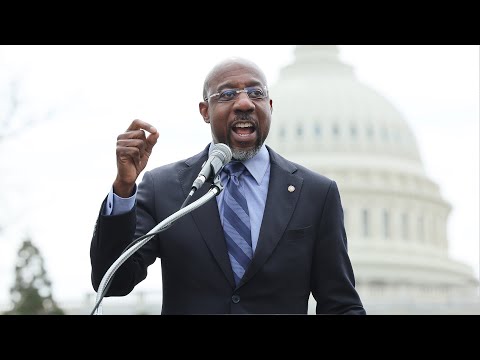
    During a June 2026 interview on Bloomberg Television, Georgia Democratic Senator Raphael Warnock explicitly labeled the modern Republican Party a cult, citing an inability to govern due to internal ideological demands. The statement immediately shifted the national political conversation. The anchor had asked a routine question about congressional gridlock. Warnock did not offer a routine answer. He bypassed standard political complaints about partisanship and delivered a clinical, terminal diagnosis of his opposition.

    Warnock delivered the remark calmly. He did not raise his voice. The setting was a standard financial and political policy discussion broadcast from a bright Washington D.C. studio. The word choice caught the anchor off guard. It caught Washington off guard.

    But the story does not begin with a single television segment. What looks like a sudden escalation in partisan rhetoric actually reveals a calculated shift in how Democratic leadership plans to frame the 2026 election cycle. The era of the high road is over. The era of blunt force categorization has arrived.

    The Bloomberg Television Interview

    The morning of the interview began with standard economic fare. Bloomberg Television caters to markets, investors, and policy analysts. The discussion centered on inflation metrics, Federal Reserve interest rates, and the stalled 2026 infrastructure appropriations bill. Warnock sat in the guest chair to discuss Georgia’s growing manufacturing sector.

    The pivot occurred halfway through the segment. The anchor asked about the mechanics of negotiating with the Republican-controlled House of Representatives. The 119th Congress had been paralyzed by internal GOP leadership battles. Passing routine spending bills required weeks of brinkmanship. The anchor wanted to know how the Senate planned to bridge the divide.

    Warnock leaned forward. He stated that negotiation requires two rational actors operating in good faith. He then stated that the Democratic Party was currently trying to negotiate with a cult. The sentence hung in the air. The anchor pressed for clarification. Warnock did not retreat. He doubled down, describing a political apparatus entirely captured by personality and ideological purity tests, incapable of basic legislative function.

    The clip hit social media before the broadcast ended. Within an hour, it was the top trending topic on X. Within two hours, it was leading the afternoon coverage on Fox News and MSNBC. A single word transformed a dry policy interview into the defining political moment of the week.

    A Departure from the Pulpit

    To understand the shockwave, one must understand the source. Raphael Warnock is not a backbench provocateur. He is the Senior Pastor of Ebenezer Baptist Church in Atlanta. He preaches from the same pulpit once held by Martin Luther King Jr. His entire political brand is built on pastoral grace and moral elevation.

    During his grueling 2021 runoff campaign against Kelly Loeffler, Warnock absorbed millions of dollars in negative advertising without returning fire in kind. He spoke of unity. He spoke of a shared American destiny. During his 2022 runoff victory over Herschel Walker, he maintained the same disciplined, unifying tone. His campaign slogan reminded voters that Americans are all in the same boat.

    Using the word cult is a secular, clinical, and combative choice. It is a psychological diagnosis weaponized for political combat. It strips the opposition of their legitimacy. A political party is an organization you can compromise with. A cult is an organization you must defeat.

    This rhetorical shift from the pulpit to the trenches was not an accident. Warnock is a highly disciplined communicator. When a disciplined communicator changes their vocabulary on national television, it signals a broader strategic directive.

    The Anatomy of a Political Label

    The word cult carries specific historical and cultural weight. In the American lexicon, it invokes images of compound sieges, charismatic manipulation, and a total detachment from objective reality. Injecting this word into mainstream political discourse is a deliberate escalation.

    For years, progressive commentators and left-leaning media figures have used the term to describe the MAGA movement’s devotion to Donald Trump. But elected Democratic officials usually danced around the word. They preferred terms like extreme, radical, or misguided. Those words leave room for eventual reconciliation. The word cult burns the bridge entirely.

    By June 2026, the political landscape had hardened. The Republican Party had spent years purging its moderate wing. Primary elections punished any incumbent who deviated from the core ideological line. Democratic strategists watched this internal consolidation and realized that appealing to a shared sense of bipartisanship was no longer yielding electoral dividends.

    Warnock put the label on the record. He gave permission to the rest of the Democratic caucus to stop treating the opposition as a traditional political party. The label reframes the 2026 midterms. It is no longer a choice between two competing tax policies. It is framed as a choice between democratic governance and authoritarian devotion.

    Gridlock in the 119th Congress

    The context of Warnock’s frustration is rooted in the legislative reality of 2026. The 119th Congress has been defined by historically low output. Major bipartisan initiatives on border security, artificial intelligence regulation, and defense spending have died in committee.

    Senate Democrats point to the House of Representatives as the bottleneck. The Republican majority, operating with a razor-thin margin, remains beholden to its most aggressive members. Any compromise with the Senate or the White House triggers threats of leadership removal. The incentive structure rewards obstruction over legislation.

    Warnock’s state of Georgia relies heavily on federal infrastructure grants and agricultural subsidies. Delays in Washington translate to stalled projects in Atlanta, Savannah, and Macon. The Senator’s frustration on Bloomberg Television was not merely abstract. It was tied to millions of dollars in delayed federal investment.

    By labeling the obstructionist faction a cult, Warnock attempted to explain the gridlock to the American public. He argued that the failure to pass laws was not a failure of the system, but a failure of the opposition’s psychological capacity to govern.

    The Outrage Economy and Fundraising

    Modern politics is fueled by outrage. Outrage drives engagement. Engagement drives donations. Warnock’s comment fed perfectly into the digital fundraising machine.

    The Republican National Committee moved instantly. Within three hours of the Bloomberg interview, fundraising emails hit millions of inboxes. The subject lines were variations of the same theme: They Hate You. The emails argued that Warnock’s comment was not just an attack on politicians, but an attack on everyday conservative voters.

    Conservative political action committees capitalized on the moment. WinRed servers processed a massive influx of small-dollar donations. Reports indicated that GOP-aligned groups raised over $3.2 million in the 48 hours following the interview. The outrage was monetized immediately.

    But the outrage economy works both ways. Democratic fundraising platforms also saw a spike. ActBlue processed millions from progressive donors who were thrilled to finally hear a prominent Democrat take the gloves off. For years, the Democratic base had begged its leaders to stop bringing policy papers to a knife fight. Warnock delivered the rhetorical strike they had been waiting for.

    The Suburban Voter Calculation

    Elections in 2026 will not be decided by the deep red rural counties or the deep blue urban centers. They will be decided in the sprawling, affluent suburbs. Places like Cobb County in Georgia, Maricopa County in Arizona, and Bucks County in Pennsylvania hold the keys to the Senate and the House.

    Suburban swing voters are typically exhausted by political chaos. They prioritize economic stability, good schools, and functional government. Warnock’s strategists understand this demographic intimately. Georgia’s suburbs delivered his previous victories.

    Calling the GOP a cult is a calculated play for these voters. It is an attempt to isolate the Republican base from the moderate middle. The message to the suburban voter is clear: You may not agree with every Democratic policy, but the alternative is institutional madness. You cannot trust a cult with your 401k. You cannot trust a cult with your child’s education.

    It is a high-risk, high-reward strategy. It risks alienating moderate conservatives who might feel insulted by the broad brush. But it rewards Democrats by keeping the focus entirely on Republican dysfunction rather than incumbent fatigue.

    The Media Ecosystem Reacts

    The fragmentation of the American media ecosystem ensured that Warnock’s comment was consumed in entirely different ways depending on the channel. Fox News dedicated its prime-time lineup to dissecting the arrogance of the coastal elite, despite Warnock’s deep southern roots. Pundits demanded apologies. They drew parallels to Hillary Clinton’s infamous basket of deplorables comment from 2016.

    On MSNBC and CNN, the reaction was analytical and largely supportive. Commentators praised Warnock for his blunt honesty. They hosted panels of psychologists and political scientists to debate the academic definition of a cult, ultimately concluding that the Senator’s assessment was factually defensible.

    On YouTube and TikTok, the clip lived a different life. It was remixed, reaction-streamed, and spliced into thousands of short-form videos. The algorithmic reward for polarized content pushed the clip onto millions of screens. Warnock, a 56-year-old pastor, briefly became the most viral figure on the internet.

    The Long-Term Impact on Political Discourse

    The normalization of extreme rhetoric is a one-way street. Once a taboo is broken, it rarely returns. By elevating the word cult to the level of a Sunday morning television interview, Warnock shifted the Overton window of acceptable political combat.

    Future campaigns will look back at the 2026 cycle as a turning point. The language of diplomacy has been replaced by the language of existential threat. If the opposition is a cult, then every election is a battle for the survival of reality itself. There is no room for a loyal opposition.

    The immediate political benefits for Warnock and the Democrats are clear. They fired up the base. They framed the narrative. They forced the Republicans to defend their internal dynamics. But the long-term cost to American civic life remains uncalculated. When both sides view the other not as fellow citizens, but as brainwashed adversaries, the mechanics of a republic begin to fracture.

    The interview ended. The cameras turned off. The clip lived forever. Pundits debated the decorum. Strategists calculated the polling. Donors opened their wallets. Washington.

  • The Trump Phone Phenomenon – How Branded Devices Target a Political Base

    The Trump Phone Phenomenon – How Branded Devices Target a Political Base

    The Emergence of the Politically Branded Device

    The ‘Trump Phone’ is not a single, officially endorsed device from Donald Trump himself, but rather a marketing label applied to various smartphones, such as the Patriot Phone and the Freedom Phone, that are promoted to his political base. These devices aim to capitalize on the strong brand loyalty and political identity of Trump supporters by offering products that purportedly align with their values, often emphasizing privacy, freedom from censorship, and a rejection of mainstream tech.

    This phenomenon gained traction as a response to perceived biases and restrictions within the dominant technology ecosystem. Companies marketing these phones position themselves as champions of free speech and digital liberty, directly appealing to a demographic that often expresses distrust in Silicon Valley.

    The Patriot Phone Initiative

    The Patriot Phone, for example, launched with the promise of being a secure, private smartphone designed for conservatives. Its marketing materials frequently highlighted its American origins and commitment to protecting user data from corporate and governmental overreach. The device aimed to offer an alternative to devices from Apple or Samsung, which some users associate with liberal-leaning policies or data privacy concerns.

    Key features promoted included an emphasis on secure operating systems and pre-installed applications deemed friendly to conservative viewpoints. The company behind the Patriot Phone sought to build an ecosystem of digital products and services that catered exclusively to this market segment, fostering a sense of community among its users.

    The Freedom Phone’s Vision

    Another prominent example is the Freedom Phone, introduced by Erik Finman in July 2021. This device was marketed as the “free speech phone,” designed to combat what Finman described as “Big Tech censorship.” The Freedom Phone ran on an Android-based operating system called “Freedom OS” and featured its own app store, called “PatriApp Store,” which promised access to applications often removed or restricted by mainstream app platforms.

    The Freedom Phone’s marketing heavily featured conservative media personalities and influencers, who promoted the device to their audiences. The phone’s pricing, often around $500, positioned it as a premium product, with the added value proposition of political alignment and perceived digital liberation.

    Marketing Strategies and Target Demographics

    The marketing for these politically branded phones often employs direct and emotionally charged language. Themes of patriotism, liberty, and resistance against a perceived “woke” agenda are common. Advertisements frequently appear on conservative news outlets, social media platforms popular with the right, and through endorsements from political commentators.

    The target demographic consists primarily of individuals who identify as conservative, Republican, or supporters of Donald Trump. This group often feels marginalized or censored by mainstream technology companies and social media platforms. The ‘Trump Phone’ offers them a product that validates their political identity and promises a digital space free from perceived ideological interference.

    Leveraging Political Identity for Market Appeal

    The success of these phones is not solely based on their technological specifications, which are often comparable to mid-range conventional smartphones. Instead, their primary appeal lies in their symbolic value and political messaging. Owning a ‘Trump Phone’ becomes a statement of political affiliation and a rejection of perceived mainstream narratives.

    This strategy is part of a broader trend where consumer products are increasingly aligned with specific political ideologies. From coffee brands to social media platforms, companies are finding success by catering to niche political markets, fostering a sense of belonging and shared values among their customers.

    The Role of Perceived Censorship

    A significant driver for the ‘Trump Phone’ market is the widespread belief among its target audience that mainstream tech companies engage in censorship. Events like the deplatforming of certain political figures or the moderation of content on social media have fueled this perception. The ‘Trump Phone’ offers a tangible solution to these concerns, promising an uncensored digital experience.

    The PatrApp Store on the Freedom Phone, for instance, explicitly stated its goal to host applications that might face restrictions elsewhere. This promise directly addresses a core grievance of the conservative tech user base, positioning the phone as a tool for free expression.

    Technological Underpinnings and User Experience

    While the marketing emphasizes political alignment, the underlying technology of these phones is typically based on existing open-source platforms, primarily Android. The “Freedom OS” or similar custom operating systems are often modified versions of Android, designed to remove Google services or integrate alternative app stores.

    The hardware components are generally sourced from existing manufacturers, often from Asia, and then rebranded. This approach allows for quicker development and deployment without the need for extensive research and development into proprietary hardware.

    Privacy Claims and Reality

    Claims of enhanced privacy are a key selling point. Companies marketing ‘Trump Phones’ often state that their devices protect user data better than mainstream options. This can involve pre-configuring phones with privacy-focused settings, removing telemetry data collection common in standard Android builds, or promoting encrypted communication apps.

    However, the actual extent of privacy enhancement can vary and is often subject to scrutiny. Users are encouraged to research the specific privacy policies and technical implementations of each device to verify these claims independently. The security of any phone ultimately depends on its software, updates, and user behavior.

    App Ecosystem and Functionality

    The challenge for any new smartphone platform is building a robust app ecosystem. Mainstream phones benefit from access to millions of applications through Google Play Store or Apple App Store. ‘Trump Phones’ often rely on their own curated app stores or third-party open-source app repositories.

    This can lead to a more limited selection of apps, particularly for popular services not directly aligned with the device’s political mission. Users may find that certain essential applications are unavailable or require sideloading, which can introduce security risks if not done carefully.

    The Broader Political and Economic Context

    The ‘Trump Phone’ phenomenon is not isolated; it fits into a larger context of creating parallel economies and institutions within specific political movements. This includes alternative social media platforms, news organizations, and financial services that cater to a politically aligned audience.

    This strategy reflects a growing polarization within consumer markets, where purchasing decisions are increasingly influenced by political and ideological considerations. For companies, it represents an opportunity to tap into a highly engaged and loyal customer base, even if it means alienating broader markets.

    Impact on the Tech Industry

    The emergence of politically branded phones puts pressure on mainstream tech companies to address concerns about content moderation, data privacy, and perceived bias. While these companies often maintain neutrality, the perception of bias persists among significant segments of the population.

    This market niche also highlights the power of branding and identity in the digital age. For a segment of consumers, the brand’s political stance can be as important, if not more important, than its technical specifications or price point.

    Future of Politically Aligned Products

    The ‘Trump Phone’ may be a precursor to a wider array of politically aligned consumer electronics. As political divisions deepen, and as trust in traditional institutions erodes, more companies may emerge to serve ideologically specific markets. This could lead to a fragmentation of the tech landscape, with different platforms and devices catering to distinct political viewpoints.

    The long-term viability of these products will depend on their ability to deliver on their promises of privacy and uncensored access, alongside providing a competitive user experience. The market will ultimately decide whether the political messaging alone is enough to sustain these ventures.

    Farmers gathered. Activists gathered. Entrepreneurs gathered. Innovators gathered. Consumers gathered.

    A movement.