Tag: Reimagining

  • Pinocchio Unstrung and the Poohniverse: A New Era for Classic Characters

    Pinocchio Unstrung and the Poohniverse: A New Era for Classic Characters

    The Reimagining of Pinocchio

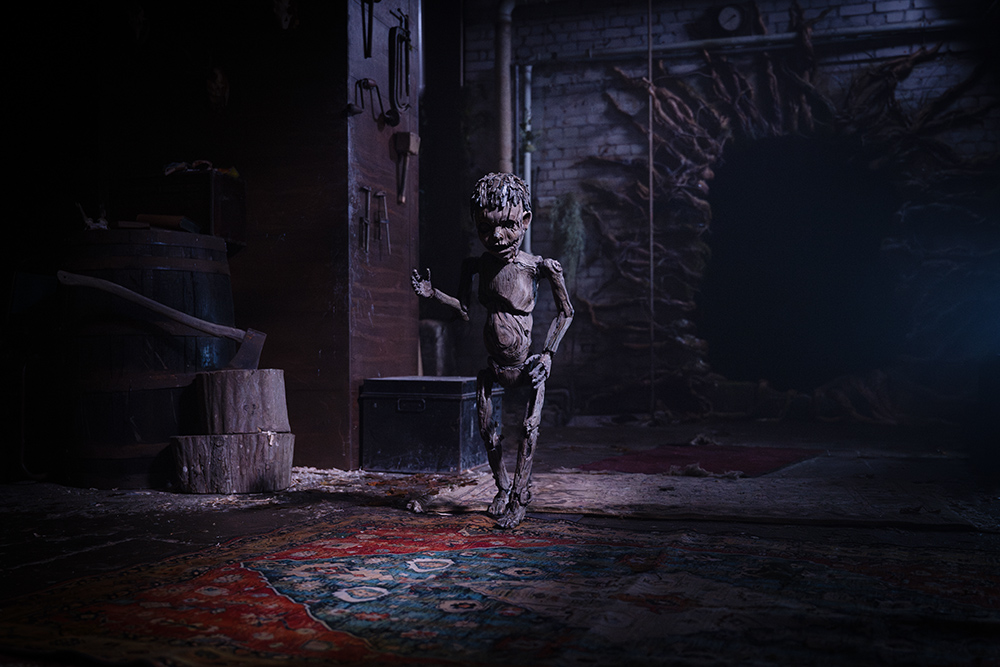
    Director Rhys Frake-Waterfield is developing ‘Pinocchio Unstrung,’ a horror film that reimagines the classic tale of Pinocchio. This new iteration will portray the wooden doll as a creature covered in flesh and blood. The project is part of a larger cinematic endeavor, the ‘Poohniverse: Monsters Assemble,’ which seeks to transform beloved childhood characters into new, darker forms for a shared horror universe.

    The concept marks a significant departure from the traditional narrative. It introduces an element of horror to a story widely known for its moral lessons and fantastical elements. Frake-Waterfield describes the approach as ‘kooky, crazy and fun,’ indicating a unique tone for the upcoming film.

    The Genesis of the Poohniverse

    The ‘Poohniverse: Monsters Assemble’ is an ambitious cinematic universe. It brings together various public domain characters into a shared horror narrative. This concept mirrors the interconnected storytelling model popularized by franchises like Marvel’s ‘Avengers.’

    The expansion into a ‘Poohniverse’ suggests a growing trend. Filmmakers are increasingly exploring public domain intellectual property for new interpretations. This allows for creative freedom outside of established studio copyrights.

    Characters Within the Shared Universe

    Specific characters intended for the ‘Poohniverse’ include familiar names from children’s literature. These characters are being re-envisioned with a horror sensibility. The exact roster for ‘Poohniverse: Monsters Assemble’ continues to evolve as production progresses.

    This shared universe model provides a framework for multiple films. Each film can explore a different character’s horror origin or transformation. The ultimate goal is to culminate in a crossover event, similar to ensemble superhero films.

    Pinocchio’s Bloody Transformation

    The core premise of ‘Pinocchio Unstrung’ centers on a physical transformation. Pinocchio, traditionally a wooden puppet, will be presented as a being of flesh and blood. This change is fundamental to the horror aesthetic Frake-Waterfield is pursuing.

    The shift from wood to organic matter introduces new possibilities for body horror. It allows for a more visceral and unsettling portrayal of the character. This reinterpretation challenges audience expectations of the beloved figure.

    Creative Liberties with Public Domain

    The original story of Pinocchio, written by Carlo Collodi, entered the public domain decades ago. This allows creators like Frake-Waterfield to adapt the material without licensing restrictions. The freedom enables radical departures from established versions, including Disney’s iconic animated film.

    Public domain status is a critical factor in the emergence of these horror reinterpretations. It provides an open canvas for filmmakers. They can explore darker themes and alternate realities for classic characters.

    Rhys Frake-Waterfield’s Vision

    Rhys Frake-Waterfield has positioned himself as a director interested in reimagining classic children’s stories as horror. His previous work has demonstrated a commitment to this subgenre. His vision for the ‘Poohniverse’ is to create a cohesive yet distinct horror world.

    Frake-Waterfield’s approach is characterized by a willingness to experiment. He aims to blend elements of classic storytelling with modern horror tropes. This combination is intended to appeal to both horror enthusiasts and those curious about unique adaptations.

    The ‘Kooky, Crazy and Fun’ Approach

    The director’s description of ‘kooky, crazy and fun’ indicates a specific tonal balance. It suggests that while the films will be horror-focused, they may also incorporate elements of dark humor or absurdity. This could differentiate the ‘Poohniverse’ from more serious horror franchises.

    This tonal choice might aim to make the horror more accessible or less overtly grim. It allows for a broader range of creative expression within the horror genre. The blend promises a unique viewing experience for audiences.

    Cultural Impact and Reception

    The development of ‘Pinocchio Unstrung’ and the broader ‘Poohniverse’ sparks considerable discussion. It touches upon themes of cultural defense and the perceived degradation of traditional narratives. Some viewers may view these adaptations as disrespectful to the original works.

    Others may embrace the creative freedom and fresh perspectives offered by these horror reinterpretations. The debate highlights differing views on intellectual property and artistic license. It also reflects evolving tastes in media consumption.

    Reactions to Reimagined Classics

    The trend of reimagining classic characters in horror settings often elicits strong reactions. Fans of the original stories may express dismay at the dark transformations. Conversely, horror fans may welcome the innovative use of familiar figures.

    These projects often generate significant online discourse. Social media platforms become forums for discussing the merits and drawbacks of such adaptations. The conversation around ‘Pinocchio Unstrung’ is expected to follow a similar pattern.

    The Future of Shared Horror Universes

    The ‘Poohniverse: Monsters Assemble’ represents a growing trend in filmmaking. Shared universes provide a long-term strategy for studios. They allow for multiple interconnected stories and potential spin-offs.

    This model leverages audience familiarity with existing characters. It then subverts expectations by placing them in new, darker contexts. The success of the ‘Poohniverse’ could pave the way for more public domain horror franchises.

    Industry Trends and Public Domain

    The utilization of public domain characters is becoming a significant industry trend. As more classic works enter the public domain, opportunities for creative reinterpretation expand. This allows independent filmmakers to bypass costly licensing fees.

    This trend can lead to a diverse array of adaptations, from faithful retellings to radical genre shifts. ‘Pinocchio Unstrung’ is an example of the latter. It exemplifies the potential for innovation when creators have unfettered access to source material.

    Classic tales. Beloved characters. New horrors.

    A Poohniverse.
  • Little House on the Prairie Reimagining: What to Know About the Netflix Series

    Little House on the Prairie Reimagining: What to Know About the Netflix Series

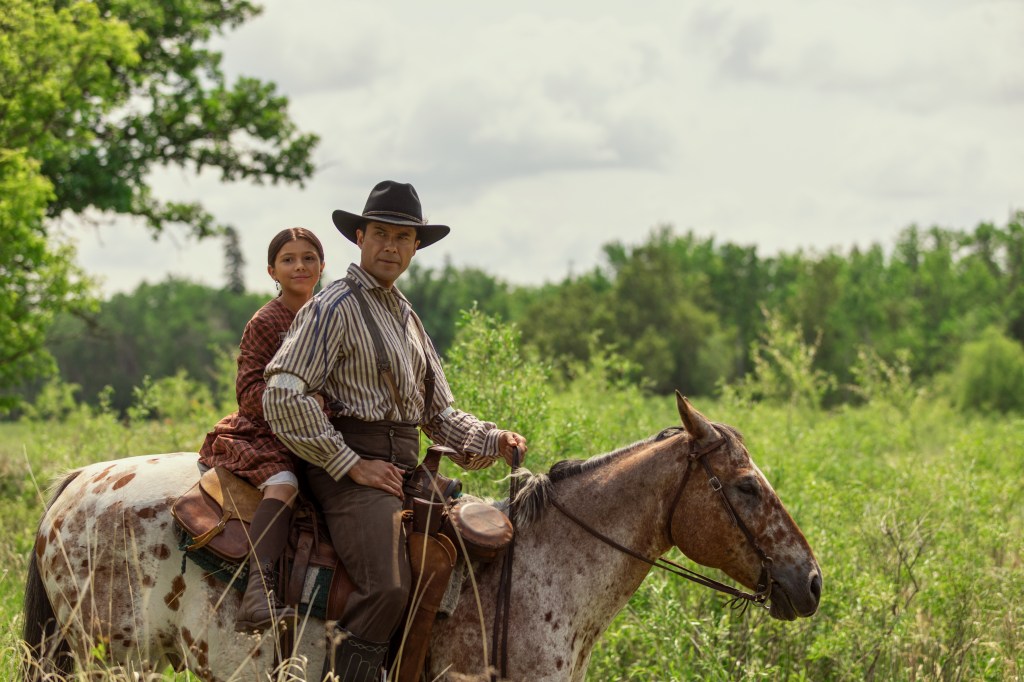
    A reimagining of the classic American saga, ‘Little House on the Prairie,’ is reportedly in development at Netflix. This new series aims to bring the beloved stories of the Ingalls family, first chronicled by Laura Ingalls Wilder in her autobiographical books, to a modern audience. As of June 2026, specific details about the cast, production schedule, and creative team remain undisclosed, but the project signals a renewed interest in the enduring themes of pioneer life, family resilience, and the American frontier.

    The Enduring Legacy of the Prairie

    The ‘Little House’ books by Laura Ingalls Wilder have captivated generations of readers since the first installment, ‘Little House in the Big Woods,’ was published in 1932. The series follows the Ingalls family, Charles, Caroline, Mary, Laura, and Carrie, as they navigate the challenges and triumphs of westward expansion in the late 19th century.

    Wilder’s narratives are celebrated for their vivid descriptions of homesteading, farming, and community building across states like Wisconsin, Kansas, Minnesota, and South Dakota. These stories provide a historical lens into the daily lives of American pioneers, offering insights into their struggles with nature, poverty, and isolation.

    The cultural impact of the books was amplified by the highly successful television series, ‘Little House on the Prairie,’ which aired on NBC from 1974 to 1983. Starring Michael Landon as Charles Ingalls and Melissa Gilbert as Laura Ingalls, the show became a staple of American television, known for its heartfelt storytelling and moral lessons.

    The series, produced by Landon’s company, Michael Landon Productions, garnered numerous awards and nominations during its run. It explored themes of family values, perseverance, and the challenges of frontier life, often taking creative liberties with Wilder’s original stories to fit a weekly television format.

    Netflix’s Vision for a Modern Prairie

    The reported Netflix reimagining suggests an effort to reintroduce these classic stories to a new generation of viewers, potentially exploring themes with a contemporary sensibility. While specific plot details are scarce, such a project would likely grapple with the historical context of the books, including their depictions of indigenous peoples and the realities of westward expansion.

    Modern adaptations often seek to provide a more nuanced portrayal of historical events and characters, reflecting current societal understanding and critical perspectives. This approach could involve expanding the roles of supporting characters or introducing new storylines that resonate with 21st-century audiences.

    The streaming platform’s venture into this beloved franchise indicates a strategy to leverage established intellectual property with a built-in fanbase. Netflix has a history of reviving and reimagining classic properties, often with significant production budgets and a global distribution reach.

    Previous successful adaptations on streaming services have demonstrated that audiences are receptive to new interpretations of familiar tales, provided they maintain the spirit of the original while offering fresh insights. The challenge for the ‘Little House’ reimagining will be to balance nostalgia with innovation.

    Production and Casting Speculation

    As of June 2026, no official announcements have been made regarding the director, writers, or primary cast members attached to the Netflix ‘Little House on the Prairie’ project. The early stage of development means that many creative decisions are likely still being finalized.

    Casting for such an iconic series would be a critical component, particularly for the roles of Charles and Caroline Ingalls, as well as the young Laura. These characters are deeply ingrained in the cultural consciousness of many viewers, setting a high bar for any new interpretation.

    The production timeline for a series of this scope typically involves extensive pre-production, including script development, location scouting, and costume design. Filming would likely take place over several months, followed by a post-production phase involving editing, visual effects, and sound design.

    Industry speculation suggests that a project of this magnitude would likely attract established talent, both in front of and behind the camera. The involvement of a major studio or production company known for historical dramas could also be a factor.

    The Original Books: A Historical Foundation

    Laura Ingalls Wilder’s ‘Little House’ series comprises nine books, detailing her family’s journey and settlement across the American frontier. The books are:

    • ‘Little House in the Big Woods’ (1932)
    • ‘Farmer Boy’ (1933)
    • ‘Little House on the Prairie’ (1935)
    • ‘On the Banks of Plum Creek’ (1937)
    • ‘By the Shores of Silver Lake’ (1939)
    • ‘The Long Winter’ (1940)
    • ‘Little Town on the Prairie’ (1941)
    • ‘These Happy Golden Years’ (1943)
    • ‘The First Four Years’ (1971, published posthumously)

    These books collectively paint a detailed picture of 19th-century American life, from the challenges of building a home on the prairie to the simple joys of family gatherings and community events. Wilder’s writing style is noted for its clarity and descriptive power, making the harsh realities of pioneer life accessible to young readers.

    The autobiographical nature of the series lends it a particular authenticity, though scholars have noted that Wilder’s daughter, Rose Wilder Lane, played a significant role in editing and shaping the manuscripts. The collaboration between mother and daughter is a subject of ongoing literary discussion.

    Comparing Adaptations: The 1970s TV Series

    The 1974 NBC television series, developed by Michael Landon, deviated from the books in several key aspects. While retaining the core characters and settings, the show often introduced new dramatic storylines and expanded the roles of minor characters.

    For example, characters like Nellie Oleson and her family were given more prominent roles in the television series, often serving as foils to the virtuous Ingalls family. The show also explored more contemporary social issues through its historical setting, sometimes adding elements not present in Wilder’s original writings.

    The series was filmed primarily on location in Simi Valley, California, with extensive sets built to recreate the town of Walnut Grove, Minnesota. This commitment to production design contributed to the show’s immersive quality and enduring appeal.

    The success of the 1970s series established a strong visual and narrative identity for ‘Little House on the Prairie’ in popular culture. Any new adaptation will inevitably be compared to this iconic rendition, facing the challenge of meeting audience expectations while forging its own path.

    Cultural Relevance in 2026

    The themes explored in ‘Little House on the Prairie’ continue to resonate in 2026. Stories of self-reliance, community support, and adapting to change remain pertinent in a rapidly evolving world. The series offers a look at a time when resources were scarce and survival often depended on ingenuity and cooperation.

    The books also touch upon complex historical issues, including the displacement of Native American populations and the environmental impact of westward expansion. A modern reimagining could provide an opportunity to explore these topics with greater depth and sensitivity, reflecting contemporary historical scholarship and diverse perspectives.

    The concept of returning to simpler times or embracing sustainable living, often romanticized through narratives like ‘Little House,’ holds continued appeal. The Ingalls family’s journey represents a foundational myth of American identity, and its reinterpretation speaks to ongoing cultural conversations about heritage and progress.

    The anticipation for a new ‘Little House’ series highlights the enduring power of these stories to connect with audiences across generations. The narrative of a family building a life against the odds, driven by hope and resilience, remains a powerful testament to the human spirit.

    The Future of Walnut Grove

    The development of a new ‘Little House on the Prairie’ series at Netflix represents a significant moment for fans of the franchise. It signals a new chapter for the Ingalls family’s story, promising fresh interpretations and a renewed focus on the classic narratives.

    The streaming giant’s investment in this property underscores the timeless appeal of Laura Ingalls Wilder’s work. The stories continue to inspire, educate, and entertain, transcending their historical setting to offer universal lessons.

    As more details emerge, audiences will watch closely to see how this reimagining balances tradition with innovation. The legacy of the prairie, a story of struggle and triumph, continues. The Ingalls family’s journey continues. The spirit of the frontier endures.

    Walnut Grove.