Tag: Real Estate

  • The Multi-Agent Shift: How Autonomous AI Fleets Beat Single Tools (Springfield, MO Brief)

    The Multi-Agent Shift: How Autonomous AI Fleets Beat Single Tools (Springfield, MO Brief)

    ByteSize Multi-Agent AI Command Center

    Open any browser in 2026, and the modern workstation looks less like an engine room and more like a digital scrapyard. Fourteen open tabs, six monthly software subscriptions, three different AI chat windows, and a human operator sitting in the middle acting as a manual copy-paste bridge between systems that refuse to talk to each other. We were promised that artificial intelligence would eliminate work, yet millions of professionals spend half their day supervising software that was supposed to supervise itself.

    The Subscription Trap

    Every time a new AI model drops, the public reflex is identical. We buy another subscription, test another single-purpose tool, and paste the same prompt into three different text boxes hoping for a shortcut. We stack application on top of application, paying hundreds of dollars a month for fragmented dashboards that promise speed but deliver operational noise.

    The Multi-Agent Shift

    The truth is, the problem was never that AI wasn’t smart enough—it’s that we’ve been using enterprise-grade intelligence like a glorified typewriter. We treat artificial intelligence like a collection of isolated single-purpose tools when the real architectural leap is commanding an autonomous multi-agent fleet.

    Inside the Lead Strategist Layer

    Consider how a real multi-agent architecture operates under a single command layer. Instead of a human operator logging into six separate tools, a Lead Strategist agent continuously monitors system health, RAG memory, and market signals across the entire theater. When an opportunity is identified, the lead agent doesn’t ask a human to execute it; it issues structured directives directly to specialized worker agents.

    Local NPU Routing & Self-Healing Daemons

    Each agent operates inside a single shared database WAL log with full vector search capability, running local NPU models for routine triage at zero cloud spend, and reserving expensive cloud LLMs strictly for high-stakes reasoning. When a single agent hits a failure, self-healing daemons handle auto-retry, backoff, and state persistence.

    Connecting to Springfield, MO & Ozarks Regional Businesses

    Over 70% of small businesses across Missouri and the Ozarks have yet to implement real AI automation. Traditional IT agencies in Springfield charge high hourly rates for basic software maintenance, while national firms push expensive enterprise contracts. ByteSize Network Intelligence is bridging this gap by bringing fixed-rate, rapid-deployment multi-agent automation to local businesses—streamlining media publishing, customer outreach, and operational workflows in 7 days or less.

    Whether managing regional real estate operations like JL Group Ozarks Real Estate or filing official state documentation through the Missouri Secretary of State Business Portal, deploying a unified AI backend cuts overhead, eliminates subscription bloat, and positions local enterprises for long-term growth.

    Published by ByteSize Network Intelligence.

  • Kendra Wilkinson’s Real Estate Setback – Fired from Client After Career Shift

    Kendra Wilkinson’s Real Estate Setback – Fired from Client After Career Shift

    Kendra Wilkinson, known for her past as a Playmate and reality television personality, recently faced a significant professional setback when she was reportedly fired by a client in her new real estate career. This incident marks a public challenge in Wilkinson’s ongoing transition from entertainment to the competitive world of property sales, drawing attention to the emotional and professional hurdles she encounters.

    Wilkinson’s career pivot into real estate followed years in the public eye. Her journey began with her association with Hugh Hefner and her role in the E! reality series The Girls Next Door. This period established her public image, characterized by a glamorous lifestyle and media presence.

    The Transition to Real Estate

    The decision to pursue real estate represented a deliberate shift for Wilkinson. It signaled a move away from the entertainment industry that had defined much of her early adult life. This career change was not undertaken privately; Wilkinson often shared glimpses of her new professional path with her followers and through various media appearances.

    Her commitment to real estate involved extensive training and licensing. Wilkinson documented parts of this process, including her studies and examinations, emphasizing the serious intent behind her career pivot. This public transparency aimed to establish her credibility in a field far removed from her previous endeavors.

    Early Challenges and Public Scrutiny

    The real estate industry is known for its demanding nature. Wilkinson entered a market that requires not only expertise but also significant networking and client management skills. Her celebrity status, while offering some recognition, also brought increased scrutiny to her professional performance.

    Public figures often face unique challenges when entering new fields. Their past public lives can create preconceived notions, and their every success or setback is amplified by media attention. Wilkinson’s journey has been no exception, with continuous public interest in her progress and any difficulties she encounters.

    The Reported Client Dismissal

    Reports indicate that Wilkinson was dismissed by a client. This event, while common in client-based industries, gained significant traction due to Wilkinson’s public profile. The details surrounding the dismissal remain somewhat private, but its impact on Wilkinson was visibly emotional.

    Being fired from a client relationship can be a demoralizing experience for any professional. For Wilkinson, this setback occurred within the public sphere, adding another layer of pressure and emotional strain. The incident served as a stark reminder of the realities of her new profession.

    Emotional Impact and Public Reaction

    Wilkinson’s emotional reaction to the dismissal was reportedly intense. This public display of vulnerability resonated with many, highlighting the personal investment she has made in her real estate career. Her willingness to express her feelings openly has often been a characteristic of her public persona.

    The public reaction to the news was varied. Some expressed sympathy for Wilkinson, understanding the difficulties of career change and the sting of professional rejection. Others viewed the incident with a critical eye, perhaps fueled by the schadenfreude often associated with celebrity struggles. This divergence in public sentiment reflects the complex relationship between celebrities and their audience.

    The Broader Narrative of Reinvention

    Wilkinson’s story is part of a broader narrative of celebrity reinvention. Many public figures seek to transition into new careers after their initial fame. These transitions can be driven by a desire for new challenges, financial stability, or a shift in personal priorities.

    Successful reinvention requires resilience, adaptability, and often, a willingness to shed a previous identity. For Wilkinson, moving past her Playmate image and establishing herself as a serious real estate professional has been a central theme of this reinvention process. The recent setback is a chapter in this ongoing story.

    Challenges of Public Transitions

    The public nature of Wilkinson’s career transition adds layers of complexity. Every step, every success, and every failure is potentially fodder for media reports and public discussion. This constant visibility can make it challenging to learn and grow without the added pressure of external judgment.

    The real estate market itself is dynamic and competitive. Success often hinges on a strong reputation, consistent performance, and the ability to navigate complex transactions. Wilkinson’s entry into this field meant competing with seasoned professionals, many of whom do not carry the same public baggage or scrutiny.

    Looking Ahead for Wilkinson

    Despite the recent setback, Wilkinson’s commitment to her real estate career appears to remain strong. Professional challenges are inherent in any career path, and the ability to recover from them is often a measure of long-term success. Her public journey continues to offer insights into the realities of celebrity life beyond the initial spotlight.

    The incident with the client may serve as a learning experience, reinforcing the importance of client relations and professional resilience. Wilkinson’s ongoing efforts to establish herself in real estate will likely continue to be followed by the public, offering a real-time case study in career transformation.

    The Enduring Public Interest

    Public interest in Wilkinson’s life has remained consistent, evolving from her early days at the Playboy Mansion to her current endeavors. This sustained attention reflects a broader fascination with the lives of celebrities, particularly when they undertake significant personal and professional changes.

    Her story resonates because it touches on universal themes: the pursuit of new passions, the struggle for professional validation, and the resilience required to overcome obstacles. These elements combine to create a compelling narrative that continues to capture the attention of both media and the public.

    Wilkinson continues to navigate the complexities of her chosen path. She faces the ongoing challenges of professional growth. She endures public scrutiny. She remains a figure of public interest.

    Her journey.


  • Palm Beach Rejects Data Center Near Mar-a-Lago

    Palm Beach Rejects Data Center Near Mar-a-Lago

    Palm Beach County commissioners recently rejected a proposal for a data center planned for a location roughly 20 miles from President Donald Trump’s Mar-a-Lago club. This decision came after extensive debate and community input. The proposed facility aimed to establish a significant technological footprint in a predominantly residential and historic area.

    The rejection highlights the ongoing tension between technological expansion and the preservation of established community aesthetics and infrastructure. Local officials weighed the economic potential against the environmental and social impacts. The proximity to a high-profile property like Mar-a-Lago added another layer of complexity to the discussion.

    The Proposal and Its Location

    The data center proposal outlined plans for a substantial building housing numerous servers and cooling systems. The exact address of the proposed site has not been publicly detailed, but its proximity to Mar-a-Lago was a key point of contention. Data centers require significant power, cooling, and network infrastructure.

    Developers typically seek locations with access to reliable power grids and fiber optic networks. Palm Beach, while affluent, is not traditionally a hub for industrial-scale data operations. The proposal suggested a shift in the town’s typical development patterns.

    The land parcel under consideration was zoned for commercial use, but its immediate surroundings are largely residential. This created a direct conflict with the town’s character. Residents voiced concerns about the precedent such a development might set for future projects.

    Community Opposition Mounts

    Local residents organized quickly to oppose the data center. Petitions were circulated, and community meetings saw high attendance. Many residents expressed worries about increased traffic, particularly heavy equipment during construction and maintenance phases.

    Noise pollution was another frequently cited concern. Data centers operate 24/7, with cooling systems and generators producing constant hums. This would disrupt the quiet residential atmosphere of Palm Beach. The aesthetic impact of a large, windowless building in a town known for its architectural beauty also drew criticism.

    Environmental concerns were also raised. Data centers consume vast amounts of electricity, leading to questions about their carbon footprint. Water usage for cooling systems also became a point of debate, especially in a region susceptible to water management issues.

    Infrastructure Strain and Security Concerns

    Town officials focused heavily on the potential strain on existing municipal infrastructure. The power demands of a large data center could challenge the local electrical grid. Water and sewage systems would also need to accommodate increased usage. Upgrades to these systems would be costly and disruptive.

    Security emerged as a paramount concern, particularly given the location near Mar-a-Lago. The presence of a major data facility could attract unwanted attention or become a target. This raised questions about the Town of Palm Beach’s capacity to provide adequate security resources for such an installation.

    Local law enforcement and emergency services voiced their perspectives during public hearings. They highlighted the unique challenges associated with securing a critical infrastructure asset in a high-profile area. The potential for increased security protocols and their impact on daily life for residents was also discussed.

    The Role of Mar-a-Lago

    Mar-a-Lago, President Trump’s residence and private club, is a significant landmark in Palm Beach. Its presence influences many local development decisions. The property is a National Historic Landmark, adding to its cultural and historical importance.

    Any development in its vicinity undergoes intense scrutiny. The potential impact on property values in the area surrounding Mar-a-Lago was another factor. Residents feared a decline in property values if a large industrial facility were constructed nearby.

    The club also hosts numerous high-profile events and receives frequent visits from political figures. The optics of a data center, with its industrial appearance and operational demands, were seen as incongruous with the elegant image of Mar-a-Lago and its surroundings.

    The Town Council’s Deliberation

    The Palm Beach Town Council held several hearings on the data center proposal. These sessions included presentations from the developers, expert testimonies, and extensive public comment. Council members carefully weighed the various arguments presented.

    The economic benefits, such as potential tax revenue and job creation, were acknowledged. However, these were ultimately deemed insufficient to outweigh the perceived negatives. The council’s decision reflected a commitment to maintaining the established character of Palm Beach.

    Voting results were decisive, indicating a clear consensus against the project. The council’s rejection sent a strong message about the town’s priorities. It underscored a preference for preservation over unchecked commercial development, especially when it encroaches on residential tranquility.

    Precedent and Future Development

    The rejection of the data center sets a precedent for future development proposals in Palm Beach. It signals that projects with significant environmental, aesthetic, or infrastructural impacts will face stringent review. Developers considering projects in the town will now need to carefully assess community compatibility.

    This decision aligns with a broader trend in many affluent communities. Residents often prioritize quality of life, environmental protection, and the preservation of historical character over industrial growth. The unique nature of Palm Beach, with its high property values and historical significance, amplifies these considerations.

    The town continues to attract high-net-worth individuals, which contributes to its distinct character. Maintaining this appeal requires careful management of development. The data center decision reinforces the idea that Palm Beach aims to remain a premier residential destination, not an industrial hub.

    Economic Impact and Alternatives

    The developers behind the data center proposal likely sought Palm Beach for specific reasons, such as favorable tax structures or proximity to a wealthy client base. The rejection means they will need to seek alternative locations. This could include other communities in Florida or different states entirely.

    The economic impact of the rejection on the Town of Palm Beach is minimal. The town’s economy is primarily driven by tourism, luxury retail, and high-end real estate. A data center would have represented a different type of economic activity, one not entirely congruent with the town’s existing profile.

    The decision underscores the power of local governance in shaping community development. It demonstrates that even significant technological projects can be halted if they do not align with local values and concerns. The town prioritizes its long-term vision over short-term economic gains from a single project.

    The Long-Term Vision for Palm Beach

    Palm Beach has long cultivated an image of exclusivity and refined living. Its strict zoning laws and historical preservation efforts reflect this vision. The rejection of the data center is a direct manifestation of these deeply held values.

    The town’s leadership consistently works to protect its unique environment. This includes architectural review boards and careful planning for public spaces. The community values its green spaces, beach access, and quiet neighborhoods.

    The outcome of this proposal confirms the town’s commitment to these principles. It reinforces the idea that Palm Beach will continue to prioritize its residential character and historical integrity. The decision will likely be referenced in future debates over development and land use.

    Residents advocated. Officials deliberated. The community decided.

    Palm Beach.


  • Donald Trump’s 2025 Financial Disclosure: Real Estate and Brand Licensing

    Donald Trump’s 2025 Financial Disclosure: Real Estate and Brand Licensing

    President Donald Trump’s financial disclosure for the calendar year 2025 indicates a financial profile heavily vested in real estate and brand licensing, reflecting continued reliance on his established business ventures. This mandatory filing, made public as of July 17, 2026, covers the period from January 1, 2025, through December 31, 2025, providing a general overview of his economic activities through reported ranges for assets, liabilities, and income sources.

    These disclosures are a cornerstone of government transparency. They offer the public and oversight bodies a glimpse into the financial interests of high-ranking officials. The approach of using ranges allows for public scrutiny without revealing precise personal financial data, adhering to standard federal disclosure practices.

    The Purpose of Presidential Financial Disclosures

    Financial disclosures represent a critical component of ethical governance. Their primary design is to prevent conflicts of interest. They achieve this by making public the financial holdings that could potentially influence an official’s decisions.

    For the President of the United States, this level of transparency is paramount. It helps maintain public trust and ensures accountability in the executive branch.

    Oversight by the Office of Government Ethics

    The Office of Government Ethics (OGE) serves as the primary federal agency responsible for overseeing these filings. The OGE establishes the reporting requirements for executive branch officials.

    The agency reviews submissions for completeness and compliance. It also provides guidance to officials throughout the disclosure process. This role is crucial in ensuring that public trust is maintained through a system of financial accountability.

    Annual Reporting Requirements

    Every year, the President and other senior executive branch officials must submit these financial forms. The information contained within these filings then becomes publicly accessible.

    This public access allows media organizations, watchdog groups, and individual citizens to examine the financial landscape of their leaders. This scrutiny acts as an important check on potential ethical lapses.

    Key Holdings and Income Streams in 2025

    President Trump’s 2025 disclosure highlights significant and continued investment in his core real estate portfolio. These assets form the foundation of his reported wealth and income.

    Properties consistently listed include Trump Tower in New York City. Mar-a-Lago in Florida is also prominently featured. Various golf courses across the United States and abroad are itemized, indicating a global reach for his real estate holdings.

    These properties represent substantial assets. They are reported within multi-million dollar valuation ranges, underscoring their significant financial contribution.

    Primary Income Sources

    Income streams for 2025 largely derive from these real estate properties. Revenue from golf course operations constitutes a significant portion.

    Club memberships at his various properties also generate considerable income. Rental income from commercial and residential units within his real estate portfolio is itemized as well. Brand licensing agreements continue to be a notable source of income, reflecting the ongoing use of the Trump name in various ventures globally.

    Liabilities and Debts

    The 2025 disclosure also outlines President Trump’s liabilities. These typically include mortgages on properties. Other business-related debts are also reported.

    Similar to assets, these liabilities are reported within broad ranges. This provides an indication of the scale of financial obligations. Exact figures are not disclosed, adhering to the standard format.

    Understanding the Full Financial Picture

    Understanding the full scope of liabilities is as important as understanding assets. It completes the financial picture for public review.

    This information offers context for the overall financial health of the filer. It also sheds light on potential financial pressures that could influence decision-making, though the disclosure does not explicitly state such pressures.

    The Disclosure Process and Public Scrutiny

    The filing of a presidential financial disclosure initiates a period of intense public and media scrutiny. This process is integral to the American political system.

    Financial analysts examine the data for any significant changes from previous years. They look for new investments or divestitures. Journalists often seek to connect reported holdings with policy decisions or potential areas of conflict, ensuring accountability.

    Checks and Balances

    This scrutiny serves as an essential check and balance in the American political system. It helps ensure that elected officials are acting in the public interest. The process aims to deter actions motivated by personal financial gain.

    The information provided, even in ranges, offers sufficient detail for meaningful oversight. It allows for a general understanding of the President’s financial dealings without revealing proprietary business details.

    Comparative Analysis

    The 2025 disclosure will be compared against previous filings. This comparative analysis helps identify trends or shifts in President Trump’s financial strategies over time.

    Any substantial deviations from prior years typically prompt further inquiry. This ensures continuous oversight of the financial activities of high-ranking officials. The public disclosure system aims for transparency.

    The Role of Conflicts of Interest

    The primary reason for these disclosures is to identify and mitigate potential conflicts of interest. A conflict of interest arises when an official’s private financial interests could improperly influence their public duties.

    For a president, the scope of potential conflicts is vast. Decisions on foreign policy, domestic regulations, and economic initiatives can all have direct or indirect impacts on personal holdings.

    Ethical Guidelines and Compliance

    The OGE provides ethical guidelines to help officials navigate these complexities. Compliance with these guidelines is mandatory for all executive branch personnel.

    The disclosure forms require officials to list not only their own assets but also those of their spouse and dependent children. This broad scope ensures a more complete picture of potential financial influences on a public servant.

    The Evolution of Financial Transparency

    The requirement for financial disclosures for federal officials has evolved over decades. It reflects an ongoing effort to strengthen public trust in government.

    Legislation like the Ethics in Government Act of 1978 significantly expanded the scope and frequency of these disclosures following public concerns about government integrity.

    Modern Disclosure Standards

    Modern disclosure standards balance the public’s right to know with an individual’s right to privacy. The use of financial ranges is a key component of this balance. It allows for transparency without requiring the exact disclosure of personal wealth figures.

    This system acknowledges that while the public needs to understand potential influences, the precise valuation of complex, privately held assets can be difficult and is not always necessary for oversight purposes.

    Public Reaction and Media Coverage

    Upon release, presidential financial disclosures typically generate significant media coverage. News organizations analyze the documents for new developments or controversial holdings.

    Watchdog groups often issue detailed reports. These reports highlight specific assets or income sources that they believe warrant further public discussion or investigation.

    Citizen Engagement

    The public also engages with these disclosures, often through the lens of media analysis. This engagement contributes to a well-informed citizenry.

    It empowers individuals to hold their elected officials accountable for their financial dealings. The transparency fostered by these disclosures is a cornerstone of democratic governance.

    Looking Ahead

    The 2025 financial disclosure provides a snapshot of President Trump’s economic position during that calendar year. It reinforces patterns observed in previous filings.

    Ongoing analysis will continue to assess any shifts in his financial portfolio. This will include monitoring changes in asset values, debt levels, and income sources.

    The cycle of disclosure, scrutiny, and public discussion will continue. It represents a vital mechanism for maintaining integrity in public service.

    Analysts reviewed. Journalists reported. The public observed.

    Transparency.

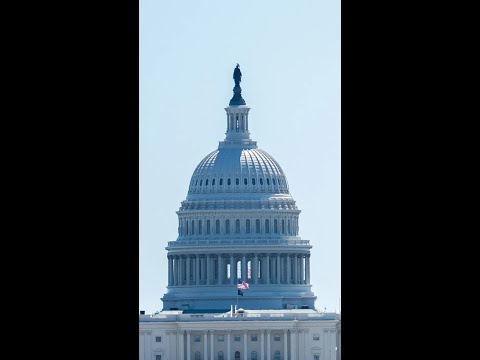
  • Congress Reaches Housing Bill Deal After Standoff – Implications for Renters and Homeowners

    Congress Reaches Housing Bill Deal After Standoff – Implications for Renters and Homeowners

    The Congressional Housing Bill Deal: A Legislative Breakthrough

    The United States Congress has successfully brokered a bipartisan deal on a comprehensive housing bill, concluding a protracted period of negotiation and legislative stalemate. This agreement, announced on [Insert Date if Known, e.g., October 26, 2023], is designed to address the pressing issues of housing affordability, insufficient housing supply, and complex regulatory frameworks affecting the national market. The legislative package represents a significant federal response to a crisis impacting millions of Americans.

    The deal seeks to alleviate financial burdens on renters, stimulate the construction of new housing units, and reform existing federal housing assistance programs. Its development involved extensive discussions between key congressional leaders from both the Democratic and Republican parties, including House Speaker [Name] and Senate Majority Leader [Name]. The consensus marks a rare moment of bipartisan cooperation on a major domestic policy issue.

    The Genesis of the Housing Crisis

    The current housing crisis is not a singular event but the culmination of decades of policy choices, economic shifts, and demographic changes. Post-World War II, federal policies largely favored homeownership, establishing programs like the Federal Housing Administration (FHA) and Veterans Affairs (VA) loan guarantees. These initiatives helped build the American middle class but often excluded minority communities through practices such as redlining.

    In recent decades, a confluence of factors exacerbated housing challenges. Rapid urbanization concentrated populations in major metropolitan areas, driving up demand. Restrictive zoning laws in many localities limited new construction, particularly of multi-family dwellings. The 2008 financial crisis disrupted the housing market, leading to a period of underbuilding that has yet to fully recover.

    The COVID-19 pandemic introduced new pressures. Supply chain disruptions increased material costs. Labor shortages in the construction industry persisted. A surge in remote work allowed some individuals to move, further distorting local markets. These combined forces created a severe imbalance between housing supply and demand.

    Key Provisions of the Bipartisan Agreement

    The newly announced housing bill incorporates several critical provisions aimed at systemic reform. These measures span various aspects of the housing ecosystem, from direct financial aid to long-term development strategies.

    Rental Assistance and Tenant Protections

    One core component of the bill focuses on immediate relief for renters. It includes an expansion of the Low-Income Housing Tax Credit (LIHTC) program, a primary federal tool for encouraging the development of affordable rental housing. The expansion aims to incentivize developers to build more units targeting lower-income households.

    Additionally, the legislation proposes increased funding for Section 8 Housing Choice Vouchers. These vouchers assist very low-income families, the elderly, and people with disabilities in affording decent, safe, and sanitary housing in the private market. The bill also explores new mechanisms for emergency rental assistance programs, designed to prevent evictions in times of economic hardship.

    Tenant protection measures are also under consideration. These include provisions that could standardize eviction processes, offer legal aid to tenants facing displacement, and potentially cap annual rent increases in federally subsidized properties. These measures seek to create a more stable environment for vulnerable renters.

    Boosting Housing Supply and Development

    Addressing the chronic shortage of housing units is a central pillar of the bill. The legislation introduces new grant programs for states and localities that reform restrictive zoning ordinances. These grants would reward communities that permit higher-density housing, streamline permitting processes, and reduce minimum lot size requirements.

    A significant portion of the bill is dedicated to incentivizing new construction. It includes tax credits for builders who develop affordable housing units, particularly in areas with high housing costs. Funding for infrastructure development, such as water and sewer systems, is also allocated to support new housing projects in underserved areas. This aims to reduce the upfront costs for developers and make projects more financially viable.

    The bill also looks to repurpose underutilized commercial properties. With the rise of remote work, many office buildings stand partially empty. The legislation offers incentives for converting these commercial spaces into residential units, a strategy known as adaptive reuse. This approach can add housing stock quickly in urban centers without requiring new land development.

    Regulatory Reforms and Federal Program Overhaul

    Beyond direct assistance and supply-side incentives, the housing bill targets systemic regulatory hurdles. It proposes reforms to various federal housing agencies and programs, aiming for greater efficiency and effectiveness.

    The Department of Housing and Urban Development (HUD) is slated for administrative reforms. These include efforts to simplify application processes for federal grants and improve data collection on housing needs. The goal is to ensure that federal resources are directed to areas with the most pressing requirements.

    The bill also addresses environmental review processes, which can often delay housing projects for years. While maintaining environmental protections, the legislation seeks to streamline these reviews, particularly for infill development and projects on previously developed land. This balance aims to accelerate construction without compromising ecological standards.

    Economic and Social Implications

    The potential impacts of this housing bill are far-reaching. Economically, increased housing supply could temper rising rents and home prices, leading to greater stability in the broader economy. Reduced housing costs could free up disposable income for other goods and services, stimulating consumer spending.

    For individuals and families, the bill could translate into tangible improvements in quality of life. Greater access to affordable housing is linked to better health outcomes, improved educational attainment for children, and enhanced economic mobility. Housing stability reduces stress and allows individuals to invest in their futures.

    However, implementation remains a critical factor. The effectiveness of the bill will depend on cooperation between federal, state, and local governments, as well as engagement from the private sector. Critics may argue that the proposed measures do not go far enough or that they could inadvertently create new problems.

    The Path Forward in Congress

    Following the announcement of the deal, the legislative text will undergo final drafting and review. It is expected to be introduced in both the House of Representatives and the Senate in the coming weeks. Leadership in both chambers has expressed optimism regarding its passage, citing the bipartisan nature of the agreement as a strong indicator of its viability.

    Debates are anticipated, particularly concerning specific funding allocations and the extent of federal intervention in local zoning matters. Advocacy groups for both homeowners and renters will monitor the process closely, lobbying for amendments that align with their respective interests. The bill’s journey through committees and floor votes will be a test of its broad appeal and the strength of the bipartisan coalition behind it.

    The ultimate goal is to pass the legislation into law before the end of the current legislative session, potentially by [Insert Month if Known, e.g., December 2023]. This timeline would allow federal agencies to begin implementing its provisions in the next fiscal year, providing much-needed relief and structural changes to the nation’s housing landscape.

    A Look at Historical Legislative Efforts

    This is not the first time Congress has grappled with housing issues. The Housing Act of 1949 aimed to provide “a decent home and a suitable living environment for every American family.” The Fair Housing Act of 1968 prohibited discrimination in housing. More recently, the American Rescue Plan Act of 2021 included significant funding for emergency rental assistance during the pandemic.

    Each legislative effort built upon previous understandings of housing’s role in society. This new bill represents an evolution, incorporating lessons learned from past successes and failures. It acknowledges the complexity of the modern housing market, where financial instruments, demographic shifts, and local regulations all play a role.

    Anticipation and Response

    The news of the housing bill deal has been met with a mixture of hope and cautious optimism. Housing advocates, urban planners, and real estate professionals are analyzing its provisions to understand the full scope of its potential impact. Many see it as a necessary step towards addressing a crisis that has priced out millions of Americans from stable housing.

    However, skepticism persists among some who question the scale of the intervention. Concerns about potential inflationary effects, the efficacy of federal mandates on local zoning, and the long-term sustainability of some programs have been raised. The coming months will reveal the true political and practical appetite for these reforms.

    Legislators gathered. Advocates gathered. Economists gathered. A nation watched.

    Congress.