Tag: Public Statements

  • McCormick’s Intern ‘Hook Up’ Comment – D.C. Drama Goes Viral

    McCormick’s Intern ‘Hook Up’ Comment – D.C. Drama Goes Viral

    U.S. Representative Rich McCormick recently made a public comment suggesting that Republican interns could engage in romantic relationships with Democratic counterparts. The remark, quickly picked up by TMZ, sparked immediate and widespread discussion across political and social circles. It highlighted the complex social dynamics that exist even within the highly partisan environment of Washington D.C., prompting varied interpretations and intense scrutiny.

    The Origin of the Remark: TMZ and Viral Spread

    Representative Rich McCormick, a Republican representing Georgia’s 7th congressional district, delivered the comment during a public interaction. The specific phrasing, suggesting that GOP interns could ‘hook up’ with Democrats, was concise yet provocative. Its casual nature, combined with the subject matter, ensured its rapid dissemination.

    TMZ, known for its focus on celebrity news and viral content, was among the first outlets to report on McCormick’s statement. This immediate media attention propelled the remark beyond traditional political news cycles. It quickly entered popular culture, reaching a broad audience unfamiliar with typical congressional proceedings.

    The speed at which the comment spread underscored the contemporary media landscape. Statements made by public figures, regardless of their intended gravitas, can instantly become national talking points. The incident demonstrated the power of digital platforms and entertainment news in shaping political narratives.

    McCormick’s Background and Political Stance

    Representative McCormick was first elected to Congress in 2022. He is a former emergency room physician and a Marine Corps veteran, bringing a non-traditional background to Capitol Hill. His political platform typically centers on fiscal conservatism, healthcare reform, and national security.

    His tenure has seen him engage in numerous legislative debates and committee work. However, this particular comment diverted significantly from policy-focused discussions. It instead ventured into the realm of social observation, touching upon the personal lives of congressional staff.

    The remark was interpreted by some as an attempt at humor. Others viewed it as a candid, if unfiltered, observation on the social interactions that occur within the political ecosystem. Regardless of intent, the comment had a tangible impact on public perception and political discourse.

    Immediate Reactions and Diverse Interpretations

    The comment from Representative McCormick elicited a broad spectrum of immediate reactions. It was widely characterized as a ‘provocative political statement.’ This descriptor suggests that the remark, whether intentionally or not, was designed to stimulate debate and challenge conventional notions of decorum in political speech.

    Social media platforms, including X (formerly Twitter), Facebook, and Reddit, became immediate conduits for public discussion. Political commentary websites and news aggregators amplified the story. Individuals from across the political spectrum weighed in with their perspectives.

    Some observers interpreted the comment as a lighthearted, albeit potentially unrefined, observation about human nature. They suggested it highlighted the idea that personal connections can transcend rigid political divides. This viewpoint often excused the language as a form of casual banter.

    Conversely, a significant portion of the public and political commentators viewed the remark as inappropriate for an elected official. Critics argued that the statement trivialized the professional environment of Congress. They also raised concerns about the implicit objectification of young, often unpaid, interns.

    The Connotations of ‘Hook Up’ in Political Discourse

    The specific phrase ‘hook up’ carries distinct connotations in contemporary English. It generally implies casual romantic or sexual encounters, often without the expectation of a long-term relationship. The use of this informal terminology added a layer of controversy to McCormick’s statement.

    In a professional setting like Capitol Hill, such language can be perceived as unprofessional or dismissive. When applied to young interns, it can also raise questions about power dynamics and workplace ethics. The choice of words significantly shaped the public’s reception of the comment.

    The incident highlighted the challenges public figures face in controlling the narrative around their statements. Once a remark enters the public domain, particularly through viral channels, its interpretation can quickly diverge from the speaker’s original intent. The informal phrasing contributed directly to its polarizing effect.

    Political Discourse in a Polarized Era: 2026 Context

    The year 2026 continues to be defined by a highly polarized political landscape in the United States. Discussions between the Republican and Democratic parties frequently devolve into partisan divides, with perceived common ground often elusive. Representative McCormick’s comment inadvertently tapped into these prevailing dynamics.

    Elected officials and other public figures operate under intense scrutiny. Every statement, whether delivered formally in a legislative chamber or informally in a public setting, can be amplified, dissected, and analyzed. The pervasive nature of social media and 24-hour news cycles ensures that controversial remarks quickly become national talking points.

    This incident also reflected a broader trend in modern political communication. The boundaries between personal observation, strategic political maneuvering, and accidental gaffe have become increasingly blurred. Officials must navigate a complex terrain where their words are constantly evaluated for their political, social, and ethical implications.

    The Role of Media in Amplifying Political Statements

    The involvement of outlets like TMZ in reporting on McCormick’s comment exemplified a shift in media consumption. What might once have been confined to political gossip within Washington D.C. now quickly reaches a mass audience. This broad dissemination shapes public perception and intensifies debate.

    Traditional news organizations often follow the lead of viral content, providing further analysis and commentary. This layered media coverage ensures that provocative statements gain prolonged attention. It also means that the initial context of a remark can be overshadowed by subsequent interpretations and reactions.

    The media’s role in amplifying such comments contributes to the fast-paced and often reactive nature of contemporary political discourse. Public figures are increasingly aware that their words can be taken out of context or reinterpreted in ways they did not intend, often with significant political consequences.

    Life as a Congressional Intern: Beyond the Politics

    Internships on Capitol Hill represent a foundational experience for many individuals aspiring to careers in politics, public service, and law. These roles are often demanding, characterized by long hours, low or no pay, and a significant commitment. Interns, typically college students or recent graduates, are immersed in the daily operations of legislative offices.

    The social environment for interns in Washington D.C. is distinctive. Many interns live in close proximity, often in shared housing. They work in shared office spaces and frequently interact with peers from various congressional offices, regardless of party affiliation. This proximity and shared experience often lead to the formation of strong social networks.

    Despite the intense political rivalries at higher levels of government, personal relationships can and do develop among staff members from different offices and political parties. These connections often form outside the formal political arena, during social gatherings, happy hours, or shared commutes.

    Social Dynamics and Inter-Party Connections

    Representative McCormick’s comment, therefore, touched upon a known, if often unspoken, aspect of intern life. The concept of inter-party relationships among young staff members is not entirely novel. The public acknowledgment by an elected official, however, brought this informal reality into the formal political discourse.

    The comment might also be seen as an acknowledgment of the shared human experience that underlies political differences. Even in environments designed for partisan conflict, individuals form connections based on shared experiences, proximity, and personal chemistry. These human elements often transcend the political labels assigned to individuals.

    For interns, navigating the social landscape of D.C. is part of the overall experience. They learn to balance professional duties with personal lives, often forming friendships and relationships that can last well beyond their internship terms. The comment, for some, simply articulated an open secret about this aspect of intern culture.

    Historical Parallels: Bridging the Political Divide

    The history of American politics offers numerous examples of personal relationships bridging partisan divides. While the political climate has intensified in recent decades, historical records illustrate instances of friendships, marriages, and even romantic relationships between individuals from opposing political parties.

    During earlier eras, Washington D.C. society often functioned with a greater degree of social mixing among political opponents. Social events, formal dinners, and informal gatherings frequently included members from both sides of the aisle. These interactions sometimes fostered personal bonds that could soften the edges of political rivalry and facilitate bipartisan cooperation.

    The phenomenon of inter-party marriage, for example, is not uncommon throughout American history. Spouses from different political affiliations often navigate their ideological differences in private, while maintaining their public political stances. These relationships highlight the complex interplay between personal and professional lives in politics, demonstrating that political divisions do not always dictate personal connections.

    Shifting Social Norms in Washington D.C.

    Representative McCormick’s remark, in a way, echoed this historical reality by suggesting that fundamental human interactions, including romantic ones, can still occur across party lines. It pointed to the idea that despite the current political polarization, younger generations entering the political arena might continue to form such connections.

    However, the context of these interactions has evolved. Modern D.C. is often perceived as more segregated along partisan lines, particularly in social settings. The comment, therefore, might also be interpreted as a commentary on the lingering social fluidity that still exists, especially among younger, less entrenched political actors.

    The incident prompted reflection on whether such casual inter-party connections are still as prevalent or as openly acknowledged as they might have been in previous decades. It opened a dialogue about the evolving social norms and expectations within the nation’s capital.

    The Role of Humor and Controversy in Political Communication

    Humor often serves as a complex tool in political communication. It can be used to defuse tension, build rapport, or deliver sharp critiques. However, political humor also carries inherent risks, particularly when delivered by elected officials in public forums.

    Representative McCormick’s comment, if intended as humor, failed to land universally. For some, it was perceived as a harmless jest. For others, it was seen as inappropriate, trivializing, or even offensive. This disparity in reception highlights the subjective nature of humor, especially in a politically charged environment.

    Controversy, whether intentional or accidental, frequently generates significant media attention. In the modern political landscape, attention itself can be a valuable commodity. Generating controversy can elevate a politician’s profile, even if the attention is negative in nature. This dynamic complicates how public statements are evaluated.

    Navigating Public Perception and Accountability

    The incident placed Representative McCormick under a spotlight, prompting questions about accountability for public statements. Elected officials are expected to uphold certain standards of conduct and communication. Remarks perceived as unprofessional or insensitive can lead to calls for apologies or explanations.

    The public reaction to McCormick’s comment underscored the constant negotiation between freedom of speech and the responsibilities of public office. Politicians must weigh the potential impact of their words on their constituents, their colleagues, and the broader political discourse.

    Ultimately, the episode served as a reminder of the delicate balance politicians must strike. They must communicate authentically while also being acutely aware of how their words will be received and interpreted by a diverse and often critical public. The fallout from such comments can be swift and far-reaching.

  • Sami Sheen Claims No Financial Support from Charlie Sheen, Promotes OnlyFans

    Sami Sheen Claims No Financial Support from Charlie Sheen, Promotes OnlyFans

    Sami Sheen’s Public Declaration

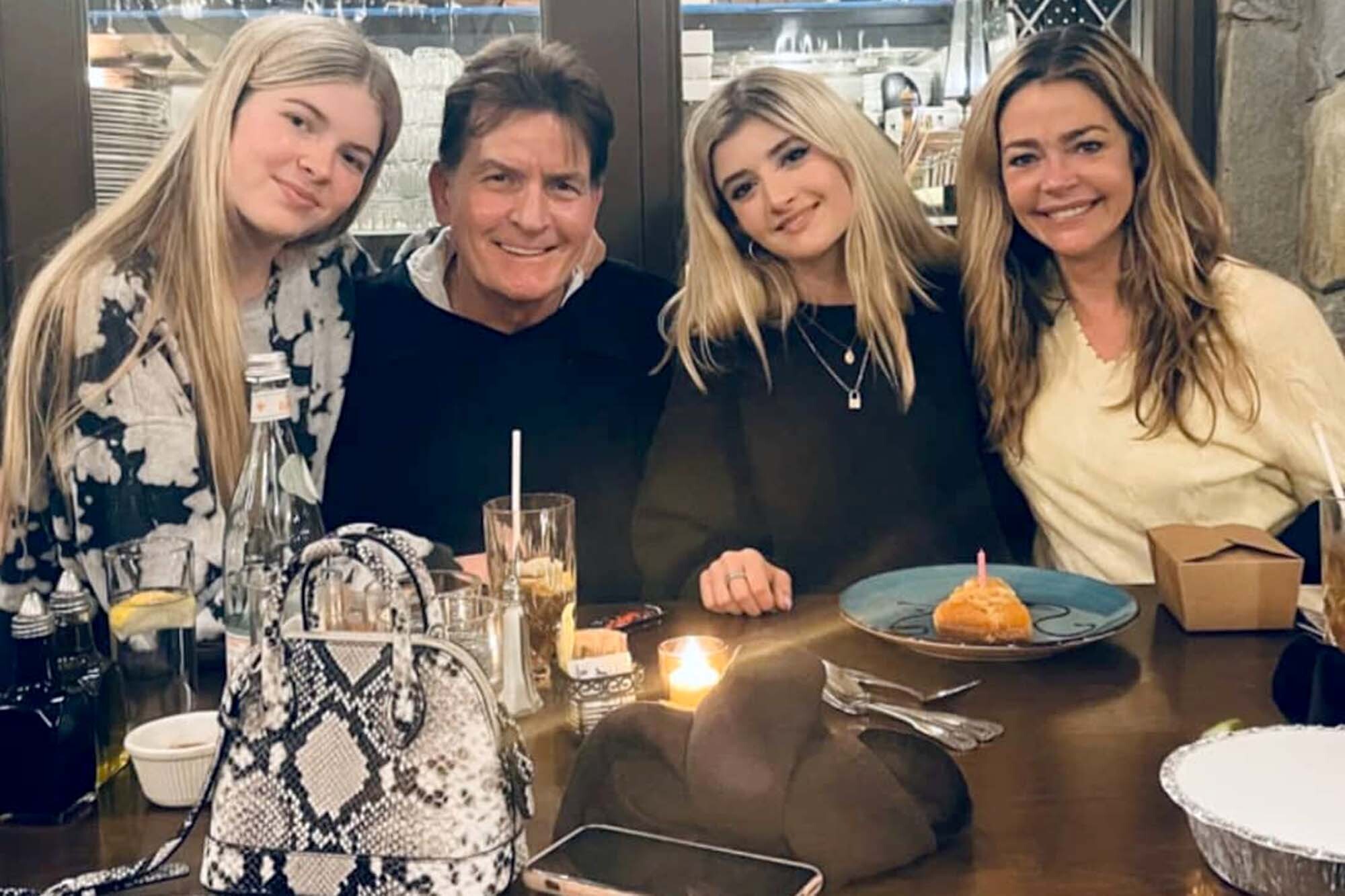
    Sami Sheen, the daughter of prominent actor Charlie Sheen and actress Denise Richards, publicly declared on July 19, 2026, that she receives no financial assistance from her father. She stated that her income is derived solely from her OnlyFans account, a subscription-based content platform. This assertion directly addresses and refutes previous reports and rumors concerning Charlie Sheen’s financial contributions to her upkeep.

    Her statement, made through public channels, included an explicit promotion of her OnlyFans page, urging potential subscribers to engage with her content. This move places her personal financial situation and professional endeavors squarely in the public spotlight, drawing attention to the dynamics within the Sheen-Richards family.

    The History of Parental Disputes

    The relationship between Sami Sheen and her parents, Charlie Sheen and Denise Richards, has been a subject of public interest for several years. Charlie Sheen and Denise Richards married in June 2002. They welcomed Sami in March 2004 and their second daughter, Lola Rose, in June 2005. Richards filed for divorce in March 2005, citing irreconcilable differences. The divorce was finalized in November 2006, initiating a protracted period of public and private disputes over custody, child support, and parental responsibilities.

    Throughout the years, both Sheen and Richards have made various public statements regarding their co-parenting challenges and financial arrangements. These statements often played out in the media, providing a narrative of a family navigating complex personal issues under intense scrutiny. The children, including Sami, were frequently mentioned in these discussions, particularly as they approached adulthood.

    Sami Sheen and OnlyFans

    Sami Sheen first joined OnlyFans in June 2022. At the time, her decision garnered significant media attention and public discussion. Her father, Charlie Sheen, initially expressed disapproval of her choice to join the platform, citing concerns about exploitation. He stated through his publicist, Jeff Ballard, that he did not condone the decision but acknowledged Sami was an adult. He reportedly urged her to keep it “classy and creative.”

    Denise Richards, Sami’s mother, took a different stance. She publicly supported her daughter’s decision, emphasizing the importance of parental support and acknowledging that Sami is an adult capable of making her own choices. Richards herself later joined OnlyFans in June 2022, days after Sami, further highlighting the family’s differing perspectives on the platform and personal autonomy.

    Richards stated that she wanted to understand the platform better and support her daughter, dispelling any notion of judgment. She also indicated that she felt it was important for parents to be open-minded and not dismiss their children’s choices outright, especially when those choices involve modern forms of income generation and self-expression.

    Financial Support and Public Perception

    Sami Sheen’s recent assertion on July 19, 2026, directly challenges a narrative that has circulated in the media. Reports from September 2021 indicated a change in Charlie Sheen’s child support obligations. A Los Angeles court filing from September 2021 reportedly showed that Sheen, with Richards’ consent, requested a modification to his child support payments for Sami and Lola. The filing cited that Sami, then 17, was living with her father and no longer residing with her mother, leading to a reduction in financial obligations to Richards.

    Further reports in October 2021 suggested that Sami was still living with Sheen, having moved back in with Richards much later in 2022. These shifts in living arrangements often coincide with adjustments in financial support arrangements, which are typically determined by court orders based on factors like custody and income.

    The rumor of Charlie Sheen purchasing a beach house for Sami gained traction in various celebrity news outlets. These reports, often unsubstantiated, contributed to the public perception that Sami Sheen was receiving significant financial assistance from her father. Her recent statement explicitly contradicts this, suggesting that any past support or rumored gifts do not translate to ongoing financial dependence.

    The public’s interest in celebrity children’s financial independence and lifestyle choices remains high. The contrast between perceived celebrity wealth and individual financial autonomy often fuels such discussions. Sami Sheen’s statement positions her as an individual who is actively earning her own living, separate from her father’s resources.

    The Broader Context of Celebrity Children

    Children of celebrities often face unique challenges and expectations regarding their personal and professional lives. They are frequently subjected to public scrutiny, with their choices and financial situations becoming fodder for media discussion. The pressure to forge their own paths, sometimes in the shadow of famous parents, can be significant.

    Many celebrity offspring choose to enter the entertainment industry, following in their parents’ footsteps. Others pursue entirely different careers, seeking to establish identities independent of their family name. The decision to use platforms like OnlyFans, while a modern form of income generation, can be particularly polarizing, drawing both support and criticism.

    The discussion around Sami Sheen’s financial independence also touches upon broader themes of generational wealth, parental responsibility, and the evolving nature of work in the digital age. For some, her reliance on OnlyFans represents a modern entrepreneurial spirit. For others, it raises questions about the responsibilities of wealthy parents and the choices available to their children.

    The Sheen-Richards family has a long history of public challenges. Charlie Sheen’s career has been marked by both significant success and highly publicized personal struggles, including legal issues, substance abuse, and health concerns. These events have often had ripple effects on his family, including his children, who have grown up under constant media attention.

    Denise Richards has also maintained a public profile, often addressing the complexities of co-parenting with Sheen. Her efforts to protect her children from the more tumultuous aspects of their father’s life have been documented in various interviews and public appearances. The family’s journey has been a public spectacle, with each new development drawing renewed interest.

    Navigating Public Scrutiny and Personal Choices

    Sami Sheen’s direct declaration about her financial independence and her promotion of OnlyFans underscores a growing trend among younger generations to leverage digital platforms for income and personal branding. This approach allows individuals to directly monetize their content and build an audience without traditional intermediaries.

    Her assertion that she receives no financial aid from her father aims to clarify her current financial standing and potentially to establish a distinct personal and professional identity. This act of public self-definition is a common strategy for individuals seeking to move beyond the shadow of famous relatives.

    The ongoing public discourse surrounding Sami Sheen’s financial status and career choices reflects contemporary attitudes towards celebrity, family dynamics, and the economic opportunities presented by online platforms. Her statement on July 19, 2026, adds a new chapter to the complex narrative of her family’s public life, emphasizing her agency in her own financial future.

    The Evolving Landscape of Digital Entrepreneurship

    OnlyFans, launched in 2016, has grown into a significant platform for content creators to earn revenue directly from their subscribers. It allows creators to post various forms of content, including photos, videos, and live streams, often behind a paywall. The platform is particularly known for its adult content, though it also hosts creators from other genres such as fitness, music, and cooking.

    The rise of platforms like OnlyFans has democratized content creation and monetization, offering an alternative to traditional employment and media structures. For individuals like Sami Sheen, it provides a direct avenue to generate income and build a personal brand, separate from established family connections or traditional career paths.

    This shift in economic models also brings new discussions about labor, privacy, and social perception. While some view it as empowering, others remain critical of the platform’s association with adult content and potential for exploitation. Sami Sheen’s public embrace of OnlyFans and her assertion of financial independence through it contribute to this ongoing societal conversation.

    The decision to promote her OnlyFans account while simultaneously stating her lack of financial support from her father creates a clear narrative: she is self-reliant. This narrative may resonate with audiences who value independence and direct entrepreneurship, especially in an era where traditional career paths are increasingly challenged.

    The family’s public history, combined with Sami’s modern approach to income generation, illustrates the complex interplay between personal choices, celebrity status, and evolving digital economies. Her statement marks a definitive stance on her financial autonomy.

    The media continues to document these developments. The public remains engaged. The narrative of self-sufficiency. The promotion of a platform. The Sheen-Richards family saga continues.

  • Justin Baldoni Challenges Blake Lively’s ‘Excessive’ Legal Request

    Justin Baldoni Challenges Blake Lively’s ‘Excessive’ Legal Request

    Justin Baldoni has publicly challenged a request made by Blake Lively in their ongoing legal dispute, describing the request as ‘excessive’. This marks a new public action by Baldoni in the legal dispute, following his public statement on July 9, 2026, regarding the high-profile legal conflict between the two actors.

    The specific details of the ‘excessive’ request have not been fully disclosed. However, Baldoni’s characterization suggests a significant point of contention in the legal proceedings.

    The Genesis of the Legal Conflict

    The legal dispute between Justin Baldoni and Blake Lively has been a subject of speculation within entertainment circles for some time. While the exact origins and initial filings remain largely private, public interest intensified as news of the conflict emerged.

    Both Baldoni and Lively are recognized figures in the film and television industry. Baldoni is known for his acting roles and his work as a director and producer. Lively has established herself as an actress and businesswoman.

    The nature of their professional relationship, or lack thereof, before the legal action has not been widely reported. This has led to various theories about the underlying causes of the dispute.

    Baldoni’s Public Statement

    Baldoni’s decision to break his silence and comment on the legal proceedings signals a shift in strategy. His use of the term ‘excessive’ is a direct challenge to Lively’s position.

    Public statements in ongoing legal cases are often carefully considered. Such remarks can influence public perception and potentially impact the trajectory of the legal battle.

    The statement was made following a period where neither party had publicly addressed the specifics of the case. This silence had contributed to the mystery surrounding the dispute.

    Blake Lively’s Legal Strategy

    Blake Lively’s legal team has reportedly made a specific request that Baldoni now deems ‘excessive’. Legal requests can range from discovery demands to settlement proposals or specific court orders.

    The term ‘excessive’ in a legal context often implies that a demand is unreasonable, disproportionate, or goes beyond what is necessary for the case.

    Lively’s legal representation has not yet issued a public response to Baldoni’s recent comments. The legal strategy employed by Lively’s team remains focused on achieving their objectives within the confines of the court.

    The Impact of Public Commentary

    Public commentary by involved parties can add a layer of complexity to legal proceedings. While it can sway public opinion, it typically holds less weight than evidence presented in court.

    However, media attention can exert pressure on both sides. The court of public opinion often operates independently of the formal legal system.

    Baldoni’s decision to speak out suggests a willingness to engage publicly with aspects of the dispute, potentially to garner support or to clarify his position.

    Precedents in Celebrity Legal Battles

    Celebrity legal disputes frequently attract significant media attention. Cases involving public figures often become subjects of intense scrutiny, with every development reported.

    Past celebrity legal battles have demonstrated the varied outcomes of public statements. Some choose complete silence, while others engage strategically with the press.

    The legal teams involved in such cases often advise their clients on the potential repercussions of public commentary. Balancing legal strategy with public relations is a critical aspect of managing these high-profile disputes.

    The Role of Media in Legal Narratives

    Media outlets play a crucial role in shaping the public narrative around legal conflicts. Headlines and article content can influence how the public perceives the parties involved.

    The initial report from Page Six on July 14, 2026, highlighted Baldoni’s challenge, immediately drawing attention to the ‘excessive’ nature of Lively’s request.

    This kind of reporting ensures that developments in celebrity legal cases remain part of the broader entertainment news cycle, maintaining public investment in the outcome.

    The Next Steps in the Proceedings

    Following Baldoni’s public statement, the legal proceedings are expected to continue. The court will ultimately rule on the validity of any requests made by either party.

    Legal processes typically involve several stages, including discovery, motions, and potentially a trial. Each stage presents opportunities for either side to present their arguments.

    The specific court overseeing the dispute has not been identified publicly. This information is usually part of the official court records, which may or may not be immediately accessible to the public.

    Potential Outcomes and Resolution

    The resolution of legal disputes can take various forms. It could involve a settlement reached outside of court, a court-ordered judgment, or a dismissal of the case.

    The ‘excessive’ request is a specific point of contention that will likely require a legal ruling or negotiation. The outcome of this particular challenge could influence the overall direction of the case.

    Both parties will continue to rely on their legal counsel to navigate the complexities of the judicial system. The legal battle remains an active and evolving situation.

    The Public’s Investment in Celebrity Drama

    The public’s investment in celebrity legal disputes often stems from a combination of factors. These include curiosity about the lives of famous individuals and an interest in justice.

    Stories of conflict and resolution involving public figures resonate with audiences. They offer a glimpse into the challenges faced even by those in the spotlight.

    The legal war between Justin Baldoni and Blake Lively exemplifies this public fascination. Every development is scrutinized, and every statement carries weight.

    Baldoni spoke. Lively’s team remained silent. The legal process continued.

    The public watched.