Tag: Public Image

  • Brad Pitt’s Sobriety: The Hollywood Narrative of Redemption and Relapse

    Brad Pitt’s Sobriety: The Hollywood Narrative of Redemption and Relapse

    KEY TAKEAWAYS

    • Brad Pitt‘s sobriety has been a prominent part of his public image for years.
    • Recent reports from The Daily Beast allege Pitt was seen drinking with A-listers prior to his public sobriety confession.
    • This raises questions about the authenticity of celebrity narratives and the industry’s role in shaping them.
    • The public’s fascination with celebrity struggles and transformations remains high.
    • The incident highlights the ongoing challenge of maintaining sobriety under intense public scrutiny.

    The Spark & Public Reflex

    Brad Pitt, a name synonymous with Hollywood royalty, has for years been the poster child for a particular kind of celebrity redemption arc: the public battle with addiction, the confession, and the subsequent journey to sobriety. His candid interviews about alcohol abuse and his commitment to Alcoholics Anonymous provided a powerful, relatable narrative that resonated deeply with fans and media alike. It was a story of vulnerability, growth, and the possibility of change, even for those at the pinnacle of fame. This carefully constructed image, however, now faces scrutiny following a report from The Daily Beast, alleging Pitt was observed drinking with A-listers before his widely publicized sobriety confession. The immediate public reflex is a mix of disappointment, skepticism, and a renewed, almost voyeuristic, interest in the true nature of celebrity struggles.

    The Industry Mechanics & Cultural Stakes

    The mechanics of Hollywood often demand a narrative, a clean arc, especially when it comes to personal struggles. A star’s journey to recovery isn’t just a personal one; it’s a public relations opportunity, a chance to reframe a career, and to connect with an audience on a deeper, more human level. The cultural stakes here are immense. When a figure like Brad Pitt speaks openly about sobriety, it offers hope and destigmatizes addiction for millions. But when the timeline or authenticity of that narrative is questioned, it erodes trust, not just in the individual celebrity, but in the entire machinery that crafts these public personas. The industry thrives on these transformations, presenting them as definitive victories. Yet, the reality of addiction, as many know, is rarely a linear path. The public’s fascination isn’t just with the fall, but with the perceived hypocrisy, the gap between the curated image and the whispered reality. It forces us to confront the uncomfortable truth that even the most polished narratives can be more complex, and perhaps more fragile, than they appear.

    The Mirror Turn & Cultural Resonance

    This isn’t merely about Brad Pitt; it’s a mirror reflecting our own desires for perfect narratives and our collective struggle with authenticity in an age of constant performance. Why do we crave these stories of celebrity redemption so intensely? Perhaps it’s because they offer a simplified version of complex human challenges, suggesting that even the most entrenched problems can be overcome with enough will and public declaration. When these narratives falter, it resonates because it touches upon our own experiences with imperfection, with the gap between who we present ourselves to be and who we truly are. The cultural resonance lies in the universal human experience of striving for self-improvement, facing setbacks, and the constant negotiation between public perception and private reality. We watch, we judge, we empathize, because in some fundamental way, Brad Pitt’s struggle, real or perceived, is a magnified version of our own.

    “The public’s fascination isn’t just with the fall, but with the perceived hypocrisy, the gap between the curated image and the whispered reality.”

    The desert wind whips around the empty rehab facility, a single, forgotten coffee cup on a dusty window sill.

    Frequently Asked Questions

    What are the recent allegations regarding Brad Pitt’s sobriety?

    The Daily Beast reported that Brad Pitt was seen drinking with other celebrities prior to his public announcement about his sobriety and commitment to Alcoholics Anonymous.

    How has Brad Pitt previously discussed his sobriety?

    Pitt has been very open in past interviews about his struggles with alcohol abuse and his journey to recovery, often crediting Alcoholics Anonymous for his progress.

    Why is this news significant for celebrity culture?

    This situation highlights the tension between carefully managed celebrity public images and the often-complex realities of personal struggles, raising questions about authenticity and the narratives presented to the public.

    What is the public’s reaction to these reports?

    The public reaction is a mix of renewed interest, skepticism, and disappointment, reflecting a broader cultural fascination with celebrity redemption arcs and their potential fragility.

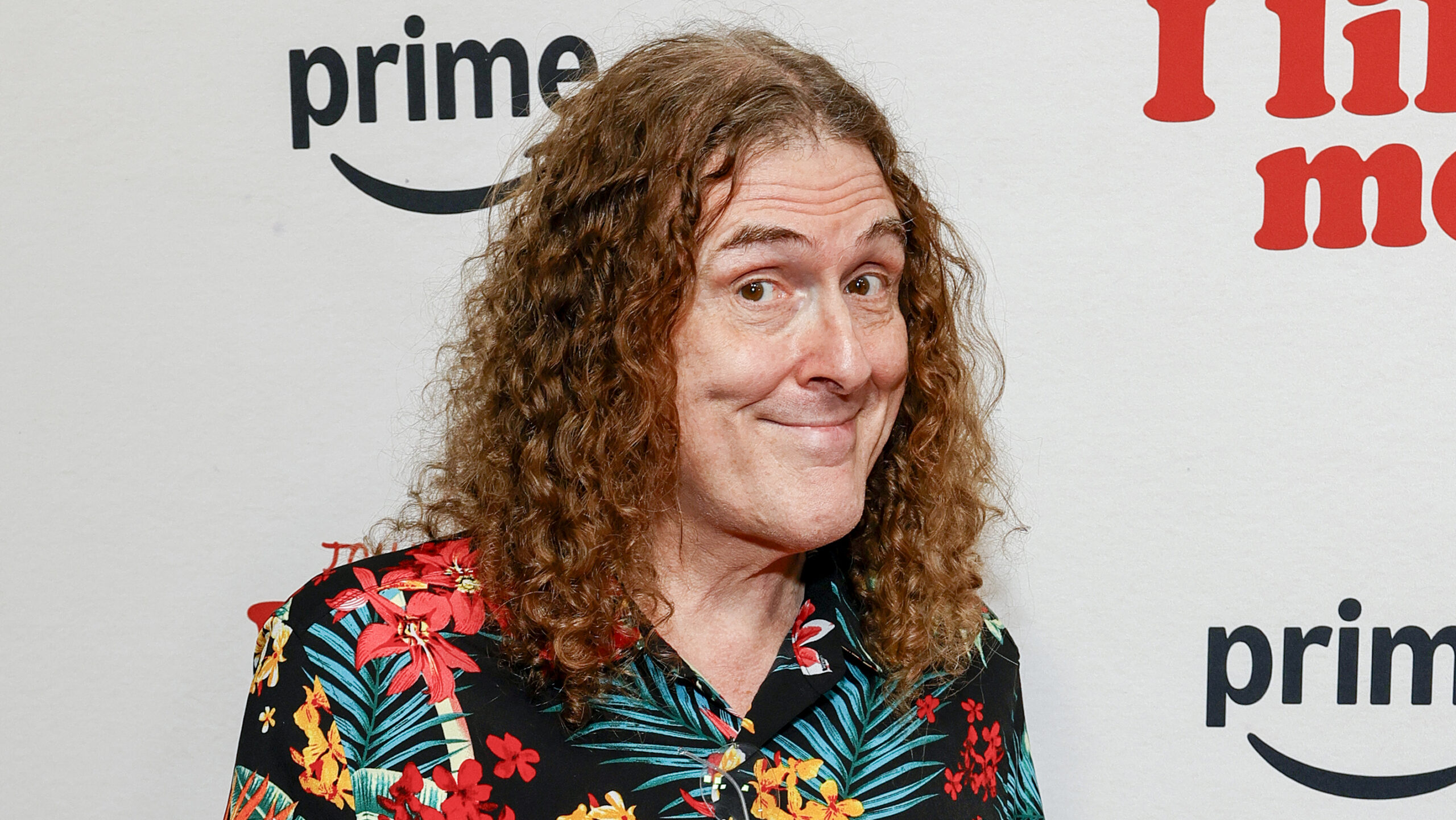
  • Weird Al Yankovic Rejects Seven-Figure Riyadh Comedy Fest Gig

    Weird Al Yankovic Rejects Seven-Figure Riyadh Comedy Fest Gig

    Musical satirist “Weird Al” Yankovic recently rejected a seven-figure offer to perform at the Riyadh Comedy Fest, citing ethical concerns about the host country. Yankovic publicly stated the potential engagement “makes me feel icky,” indicating a moral objection to participating in the event. His decision underscores a growing trend among artists to prioritize ethical considerations over substantial financial incentives.

    The Refusal and Its Implications

    Yankovic’s refusal of the Riyadh Comedy Fest offer became public on July 23, 2026. The reported sum exceeded seven figures, representing a significant financial opportunity for the artist. His statement about feeling “icky” directly addressed the ethical dilemma he faced.

    This decision places Yankovic within a broader conversation about artistic integrity and international performance. Artists frequently navigate complex geopolitical landscapes when considering engagements abroad. The financial rewards of such gigs are often substantial, particularly in regions investing heavily in cultural events.

    The Riyadh Comedy Fest, like other large-scale events in the region, aims to attract global talent. These festivals are part of a larger national strategy to diversify economies and enhance international image. However, human rights records and other political considerations often become points of contention for potential performers.

    Ethical Stances in the Entertainment Industry

    Yankovic is not the first artist to decline a lucrative offer due to ethical concerns. Numerous performers have publicly opted out of engagements in countries with controversial human rights records or political policies. These decisions often spark public debate regarding the role of artists as cultural ambassadors versus moral arbiters.

    Some argue that performing in such nations can be a form of cultural exchange, potentially fostering dialogue or change. Others contend that participation legitimizes regimes and overlooks critical issues. Artists often weigh these perspectives carefully, understanding the public scrutiny that follows their choices.

    The financial aspect of these decisions is rarely overlooked. Turning down a seven-figure sum signifies a strong commitment to personal or professional ethics. This commitment can resonate with fan bases who value integrity and social consciousness.

    The Riyadh Comedy Fest Context

    The Riyadh Comedy Fest is one of several large-scale entertainment events hosted in Riyadh. These festivals are part of a broader national initiative aimed at boosting tourism and entertainment sectors. The initiative seeks to transform the nation’s image and economy.

    International artists and performers are key components of this strategy. High-profile appearances generate global media attention and attract international visitors. The investment in these events is considerable, reflecting a national commitment to cultural development.

    However, the nation’s human rights record has drawn consistent criticism from international organizations. Issues such as freedom of speech, women’s rights, and judicial processes are frequently highlighted. These concerns often become central to artists’ dilemmas regarding performances.

    Previous Artistic Boycotts and Protests

    Historically, artists have used their platforms to protest various political and social issues. The anti-apartheid movement saw numerous musicians refuse to perform in South Africa. More recently, artists have debated performing in other nations facing international criticism.

    These boycotts and refusals often draw significant media attention. They can galvanize public opinion and put pressure on governments. The entertainment industry, with its global reach, provides a powerful stage for such statements.

    The decisions are not always unanimous within the artistic community. Some artists choose to perform, arguing for engagement over isolation. Others maintain that a strict ethical stance is necessary to avoid complicity. Yankovic’s choice aligns him with the latter group in this instance.

    “Weird Al” Yankovic’s Career and Public Image

    “Weird Al” Yankovic has maintained a distinctive public image throughout his career. Known for his musical parodies and original comedic songs, Yankovic has built a reputation for cleverness and good-natured humor. His career spans several decades, marked by consistent success and critical acclaim.

    Yankovic’s humor typically avoids controversial political commentary. His parodies often focus on pop culture trends and everyday life. This makes his explicit ethical stance on the Riyadh Comedy Fest particularly noteworthy.

    His public persona is generally perceived as wholesome and unproblematic. This long-standing image of integrity may contribute to the weight of his decision. Fans and observers often expect a certain level of moral consistency from artists with such established reputations.

    The Artist’s Conscience and Commercial Demands

    The tension between an artist’s conscience and commercial demands is a recurring theme in the entertainment industry. Lucrative offers can test an artist’s resolve, particularly when they involve significant sums. The pressure to accept can be immense, both from personal financial interests and industry expectations.

    Artists often face a balancing act. They must sustain their careers, which often requires financial stability. Simultaneously, many feel a responsibility to uphold personal values or broader social principles. Yankovic’s decision exemplifies this conflict.

    The public’s reaction to such choices can vary. Some commend the artist for their integrity. Others may criticize them for perceived political grandstanding or for missing a chance to influence from within. The discourse surrounding these decisions is rarely simple.

    The Evolving Landscape of Global Entertainment

    The global entertainment landscape is continuously evolving. Digital platforms and international festivals have expanded opportunities for artists to reach diverse audiences. This expansion, however, also brings increased scrutiny of performance venues and host nations.

    Artists’ contracts increasingly include clauses related to moral conduct and public image. These clauses reflect the heightened awareness of how an artist’s actions can impact their brand and the brands associated with them. Ethical considerations are becoming an integral part of career management.

    The role of social media in amplifying these discussions cannot be overstated. News of an artist’s decision, whether to accept or decline a gig, can spread globally within minutes. This rapid dissemination of information ensures that such choices are made in a highly visible public arena.

    Future Trends in Artistic Engagement

    The trend of artists publicly evaluating the ethics of their performance venues is likely to continue. As global awareness of human rights and political issues grows, so too will the pressure on artists to take informed stances.

    This could lead to more transparent discussions between artists, their representatives, and event organizers. It may also influence how nations and organizations structure their cultural outreach programs. The goal might shift from merely attracting talent to ensuring ethical alignment.

    Ultimately, decisions like “Weird Al” Yankovic’s contribute to a broader cultural dialogue. They prompt reflection on the responsibilities of public figures and the values that underpin the entertainment industry. The choice to forgo a seven-figure sum for moral reasons sends a clear message.

    Artists make choices. Festivals make offers. The world observes.

    Integrity.


  • Lauren Boebert’s Claims of Bad Botox and GOP Liars – Political Intrigue Unveiled

    Lauren Boebert’s Claims of Bad Botox and GOP Liars – Political Intrigue Unveiled

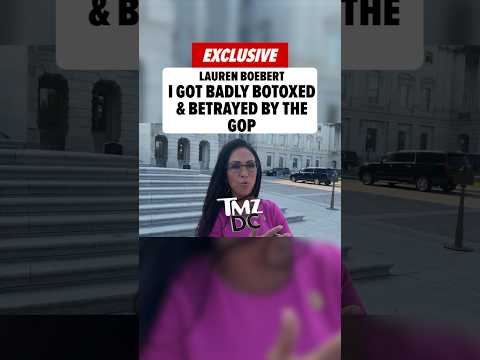
    Representative Lauren Boebert, a prominent figure in the Republican party, has publicly stated that ‘bad Botox’ and ‘GOP liars’ have contributed to her public image and political challenges. These claims, made in 2026, have generated considerable discussion across media platforms and political circles. Her statements intertwine personal aesthetic decisions with accusations of political sabotage, offering a unique lens into the pressures faced by elected officials.

    The Colorado congresswoman’s remarks have resonated with themes of cultural defense. They touch upon the intense scrutiny public figures endure regarding their appearance and the complex dynamics of intra-party politics. This confluence of personal struggle and political intrigue has captured public imagination, making her statements highly shareable and subject to extensive commentary.

    The Intersection of Personal Aesthetics and Public Scrutiny

    Public figures, especially those in high-profile political roles, operate under constant observation. Every aspect of their lives, from policy decisions to personal appearance, becomes subject to public and media dissection. Lauren Boebert’s claims about ‘bad Botox’ bring this intense scrutiny into sharp focus.

    Cosmetic procedures, while increasingly common, remain a sensitive topic for many. For a political leader, discussing such procedures publicly can be a calculated risk, potentially inviting both sympathy and criticism. Boebert’s decision to cite a cosmetic outcome as a factor in her public presentation highlights the unique pressures on women in politics.

    The concept of ‘bad Botox’ implies an unintended or undesirable aesthetic result. This can lead to questions about authenticity, self-perception, and the broader expectations placed on politicians to maintain a certain image. It also opens a dialogue about the commercialization of beauty and its intersection with political life.

    This candid admission from Boebert underscores the pervasive nature of image management in contemporary politics. It suggests that even minor aesthetic details can become talking points, influencing public perception and potentially affecting political narratives. The public response to her statement reflects a broader fascination with the private lives of public servants.

    Allegations of ‘GOP Liars’ and Intra-Party Dynamics

    Beyond personal aesthetic concerns, Lauren Boebert’s allegations of ‘GOP liars’ introduce a significant element of political intrigue. These claims suggest internal conflicts and betrayals within her own party, the Republican Party. Such accusations are not uncommon in the highly competitive world of politics, but when made by a sitting congresswoman, they carry particular weight.

    The phrase ‘GOP liars’ is a direct challenge to the integrity of certain individuals or factions within the Republican establishment. It implies a deliberate campaign of misinformation or deception aimed at undermining her political standing. This kind of internal strife can have profound implications for party unity, legislative agendas, and public trust.

    Such allegations often emerge during periods of heightened political tension, such as election cycles or significant policy debates. They can be symptomatic of ideological divides, power struggles, or personal animosities that play out behind the scenes of public governance. Boebert’s statements indicate a perceived adversarial environment even within her own political affiliation.

    The public reaction to claims of ‘GOP liars’ varies. Some may view it as a candid admission of political realities, while others might interpret it as an attempt to deflect responsibility or sow discord. Regardless of interpretation, these accusations contribute to a narrative of political drama, drawing attention to the often-hidden machinations of party politics.

    The Impact on Party Cohesion

    Accusations of internal deceit can significantly strain party cohesion. When members of the same party publicly accuse each other of dishonesty, it can weaken the party’s collective message and effectiveness. This is particularly true in an era of intense partisan polarization, where perceived unity is often presented as a strength.

    Such claims can also empower political opponents, who may seize upon internal divisions to criticize the party as a whole. The narrative of ‘GOP liars’ provides fodder for external critics and can complicate efforts to present a unified front on key issues. It creates an environment where trust becomes a commodity, easily eroded by public infighting.

    For voters, these allegations can be disorienting. They may question the reliability of information coming from within the party and become cynical about political processes. The long-term impact of such public accusations can be a decline in voter confidence and an increase in political apathy.

    Cultural Defense and the Public Narrative

    Lauren Boebert’s combined claims of ‘bad Botox’ and ‘GOP liars’ tap into a broader cultural defense theme. This theme involves individuals or groups attempting to protect their reputation, narrative, or standing against perceived attacks or misrepresentations. In Boebert’s case, she appears to be constructing a defense against negative public perception and political opposition.

    The ‘bad Botox’ claim serves as a potential explanation for any perceived changes in her appearance, offering a personal and somewhat sympathetic reason. It frames any visual discrepancies not as a personal failing, but as an external, medical mishap. This can be seen as an attempt to control the narrative around her physical presentation.

    The ‘GOP liars’ claim, conversely, serves as a direct defense against political attacks. By alleging internal dishonesty, she positions herself as a victim of machinations rather than a perpetrator of political missteps. This strategy aims to shift blame and garner support by portraying herself as an underdog fighting against internal adversaries.

    Together, these claims form a two-pronged cultural defense strategy. One addresses personal aesthetics, the other addresses political integrity. Both aim to reshape public perception and protect her political capital in the face of challenges. This approach highlights the sophistication and often dramatic nature of modern political communication.

    The Role of Media in Amplifying Narratives

    Media outlets play a crucial role in amplifying these narratives. TMZ, the source of this information, is known for its focus on celebrity and high-profile personalities, often blending entertainment news with political developments. Its coverage of Boebert’s claims ensures a wide reach, particularly among audiences interested in cultural and personal aspects of public life.

    The dramatic appeal of Boebert’s statements is undeniable. The combination of personal vulnerability (‘bad Botox’) and political betrayal (‘GOP liars’) creates a compelling story. This narrative is easily consumed and shared across social media platforms, contributing to its viral spread and extensive discussion.

    News cycles thrive on controversy and human interest stories. Boebert’s claims provide both, making them highly attractive to various media outlets. The way these stories are framed and disseminated can significantly influence public opinion and shape the political discourse surrounding the individual.

    Historical Context of Political Intrigue and Personal Struggles

    The intersection of political intrigue and personal struggles is not new to American politics. Throughout history, public figures have grappled with personal challenges that become intertwined with their political careers. From scandals to health issues, the private lives of politicians often become public fodder.

    Accusations of internal party dissent and dishonesty also have a long history. Political parties are rarely monolithic entities; they are often composed of diverse factions with competing interests and ideologies. Disagreements, power struggles, and even accusations of betrayal are inherent to the political process.

    For instance, the political landscape of the early 20th century saw numerous instances of party bosses and internal factions clashing over control and policy. The mid-20th century brought televised politics, increasing the visual scrutiny on candidates and their families. The late 20th and early 21st centuries have further intensified this, with social media making personal lives instantly accessible and endlessly debatable.

    The current political climate, characterized by hyper-partisanship and constant media attention, only magnifies these dynamics. Personal struggles are quickly politicized, and internal party disputes can become national headlines. Lauren Boebert’s situation is a contemporary example of these enduring political themes playing out in the modern era.

    The Evolving Landscape of Public Perception

    The public’s perception of politicians is constantly evolving. Factors such as social media, 24/7 news cycles, and the blurring lines between entertainment and news have reshaped how constituents view their representatives. Authenticity and relatability have become increasingly valued traits, yet politicians are also expected to maintain a polished image.

    Boebert’s claims can be seen as an attempt to navigate this complex landscape. By addressing personal aesthetic concerns and political challenges head-on, she aims to control her narrative. However, such transparency can also be met with skepticism or further scrutiny, creating a delicate balance for any public figure.

    The discussion surrounding her statements reflects a broader societal debate about what constitutes appropriate public discourse for politicians. Should personal cosmetic choices be public knowledge? How much internal party conflict should be aired publicly? These questions underscore the ongoing tension between a politician’s private life and their public role.

    Ultimately, the impact of Boebert’s claims will be measured by their effect on her political standing and public support. Whether they foster empathy, generate controversy, or simply fade into the background of the ever-churning news cycle remains to be seen. Her statements, however, offer a vivid snapshot of the current state of political and personal narratives.

    The Future of Political Image Management

    The incident involving Lauren Boebert and her public statements on ‘bad Botox’ and ‘GOP liars’ provides valuable insights into the future of political image management. As technology advances and media consumption habits shift, politicians will continue to face unprecedented levels of scrutiny.

    The strategic use of personal narratives, even those involving cosmetic procedures, may become a more common tactic to connect with voters or deflect criticism. The ability to control or influence one’s public image in a hyper-connected world is a critical skill for any aspiring or incumbent politician.

    Moreover, the dynamics of intra-party relations, as highlighted by the ‘GOP liars’ claim, will continue to shape the political landscape. The ability of parties to maintain unity, manage internal dissent, and present a cohesive front to the electorate will be crucial for their success.

    Public figures navigate personal struggles. They contend with political adversaries. They manage their public image. This is the reality of modern politics.

  • Diddy’s Public Altercation: What Happened on July 24, 2026

    Diddy’s Public Altercation: What Happened on July 24, 2026

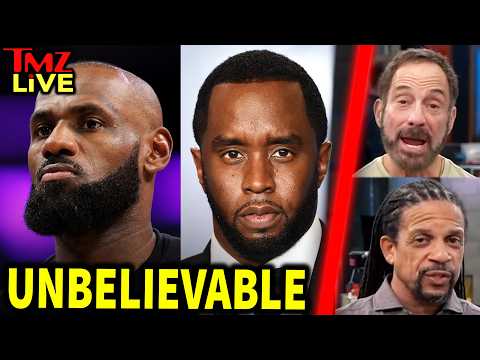
    Music mogul Sean ‘Diddy’ Combs was reportedly involved in a public altercation on July 24, 2026, an event first brought to public attention by TMZ. This incident marks another public relations challenge for Combs, who has faced increasing scrutiny in recent years regarding various aspects of his personal and professional life.

    The details surrounding the altercation remain under investigation, but initial reports from TMZ suggested a heated exchange that escalated into a physical confrontation in a public setting. The nature of the dispute and the identities of other individuals involved have not been fully disclosed at the time of this report.

    The Incident Unfolds

    The report from TMZ on July 24, 2026, provided the first public accounts of the altercation involving Sean Combs. Specifics regarding the location and time of the incident were not immediately released, but the outlet indicated that the event was significant enough to warrant immediate coverage.

    Witness accounts, if any, have not been independently verified. TMZ’s coverage emphasized exclusive details, suggesting direct access to information or sources close to the situation.

    Public figures like Combs often find their actions scrutinized. Any public incident, particularly one involving physical confrontation, draws immediate media attention and public discussion.

    Immediate Media Reaction

    News of the altercation spread rapidly across entertainment news platforms following TMZ’s initial report. Social media channels buzzed with speculation and commentary.

    The incident quickly became a trending topic, reflecting the public’s sustained interest in celebrity conduct and controversies. Major entertainment news outlets began to pick up the story, citing TMZ as the primary source.

    This rapid dissemination of information underscored the impact of digital media on how celebrity news is consumed and discussed in 2026.

    Sean Combs: A History of Public Scrutiny

    Sean Combs, known widely as Diddy, has maintained a prominent position in the music industry for decades. His career spans music production, record label ownership, fashion, and business ventures.

    Despite his successes, Combs has also been a frequent subject of media attention for non-musical matters. His public life has included various controversies and legal challenges over the years.

    These past incidents contribute to a public narrative that often places Combs under a microscope. Each new event is frequently viewed through the lens of previous occurrences.

    Recent Legal and Public Challenges

    The July 24, 2026, altercation occurs during a period where Combs has faced significant legal and public challenges. These challenges have included lawsuits and allegations that have drawn considerable media coverage.

    In November 2023, musician Cassie Ventura filed a lawsuit against Combs, alleging sexual assault and abuse. This lawsuit was settled out of court within days, but it opened a floodgate of other accusations.

    By early 2024, multiple other lawsuits were filed against Combs, alleging various forms of misconduct. These legal battles have kept Combs in the public eye, often for negative reasons.

    Federal investigations also came to light in March 2024, with Homeland Security Investigations conducting raids on Combs’ properties in Los Angeles and Miami. These investigations were reportedly linked to allegations of sex trafficking and racketeering.

    These ongoing legal and public relations issues have significantly impacted Combs’ public image and business dealings. Several brands and partners reportedly reconsidered their associations with him.

    The Impact on Celebrity Image

    Public altercations involving celebrities can have profound and lasting impacts on their careers and public perception. Such incidents often lead to a reevaluation of their brand by both the public and corporate partners.

    For a figure like Sean Combs, whose brand is built on luxury, success, and influence, any perceived deviation from this image can be damaging. Sponsorships, endorsements, and business ventures can be jeopardized.

    The court of public opinion, often fueled by social media, plays a significant role in shaping how these events are interpreted. Public sentiment can shift rapidly and dramatically.

    Navigating Public Scrutiny in 2026

    In 2026, the landscape of celebrity accountability is more complex than ever. Social media platforms provide immediate avenues for public reaction and commentary.

    Every action of a public figure is subject to instant dissemination and analysis. This environment demands a high degree of scrutiny and careful management of public appearances.

    Celebrities and their teams often employ sophisticated public relations strategies to manage crises. However, the sheer volume and speed of information flow can make this a challenging task.

    The role of entertainment news outlets like TMZ remains crucial in breaking these stories. Their ability to deliver exclusive details often sets the narrative for broader media coverage.

    Future Implications for Diddy

    The July 24, 2026, altercation will likely add another layer to the ongoing public narrative surrounding Sean Combs. It could intensify existing scrutiny and potentially influence ongoing legal processes.

    The music mogul’s business empire, which includes Bad Boy Records, Ciroc vodka, and various fashion lines, could face further pressure. Brand partnerships are particularly sensitive to negative publicity.

    Public perception directly impacts consumer behavior. Any sustained negative sentiment can translate into financial losses for associated businesses.

    Legal repercussions, if any, will depend on the specifics of the altercation and whether formal charges are filed. Public altercations can lead to assault charges, depending on the severity and local laws.

    The Road Ahead

    Sean Combs now faces the task of addressing this latest incident while simultaneously navigating his existing legal and public challenges. His response, or lack thereof, will be closely watched.

    The entertainment industry often shows resilience in the face of controversy. However, a cumulative effect of multiple incidents can be more difficult to overcome.

    Combs’ ability to maintain his status and influence will be tested in the coming months. His actions and statements following this event will be critical.

    The public, the media, and his business partners will all be observing. How he manages this latest public incident will be a defining factor in his immediate future.

    Public figures navigate complex expectations. Media attention follows their every move. Legal scrutiny persists. Public perception solidifies. Sean Combs faces a difficult path.

    New York.


  • Kim Kardashian and Gloria Allred: Bar Exam Humor in a New Commercial

    Kim Kardashian and Gloria Allred: Bar Exam Humor in a New Commercial

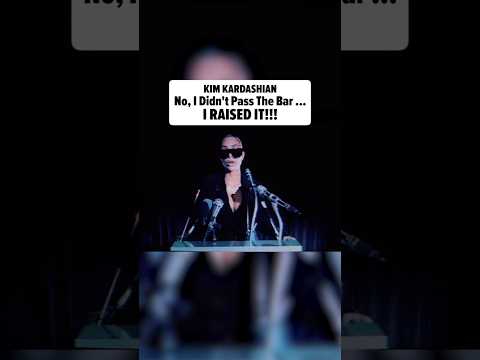
    Kim Kardashian recently starred in a commercial that humorously addressed her past attempts to pass the California bar examination. The advertisement featured Kardashian alongside Gloria Allred, a prominent attorney known for her work in women’s rights and civil liberties. This collaboration provided a moment of public self-deprecation from Kardashian, directly acknowledging her widely publicized journey through legal studies.

    The commercial resonated with many viewers, offering a relatable glimpse into the challenges Kardashian faces in her pursuit of a legal career. Her decision to feature Allred, a respected figure in the legal community, underscored the serious legal aspirations behind the advertisement’s lighthearted tone. It framed her ongoing efforts within a context of resilience and determination.

    Kardashian’s Legal Journey: From Apprentice to Advocate

    Kim Kardashian began her formal legal studies in 2018. She enrolled in California’s Law Office Study Program, a non-traditional pathway to becoming an attorney. This program allows individuals to study law under the direct supervision of a practicing attorney or judge, bypassing the requirement of attending a traditional law school.

    California is one of a limited number of U.S. states that permit this alternative route. Other states, such as Virginia, Vermont, and Washington, offer similar programs. The Law Office Study Program demands extensive self-study, mentorship, and practical experience over a period of years.

    Navigating the ‘Baby Bar’ Examination

    A critical hurdle in Kardashian’s journey was the First-Year Law Students’ Examination (FYLSE), commonly known as the ‘baby bar.’ This examination is a mandatory requirement for students in California’s Law Office Study Program after completing their first year of legal studies. Passing the FYLSE allows students to continue their legal education and eventually qualify to take the full California bar examination.

    Kardashian publicly documented her struggles with the ‘baby bar.’ She failed the examination multiple times, a fact that garnered significant media attention and public discussion. Her perseverance ultimately paid off when she successfully passed the FYLSE in December 2021. This achievement marked a pivotal milestone in her legal education, enabling her to advance toward her goal of becoming a licensed attorney.

    Her initial difficulties and eventual success with the ‘baby bar’ were featured on her reality television series. This transparency brought an unprecedented level of public awareness to the rigorous nature of legal education. It also highlighted the profound dedication and resilience required to pursue such a demanding professional career, particularly through a non-traditional path.

    Gloria Allred: A Legacy of Advocacy and Legal Impact

    Gloria Allred stands as a towering figure in American law. She is a renowned attorney who has dedicated her career to championing women’s rights and civil liberties since the 1970s. Allred is widely recognized for her unwavering commitment to high-profile cases involving sexual harassment, discrimination, and broader civil rights issues.

    Her legal career spans more than five decades, during which she has represented countless clients in significant legal battles. Allred co-founded the prestigious Los Angeles-based law firm Allred, Maroko & Goldberg. The firm specializes in civil rights cases, often taking on complex and challenging legal fights that shape public discourse and legal precedents.

    Allred’s Influence on American Legal and Political Discourse

    Allred’s frequent public appearances and her vocal advocacy have solidified her status as a recognizable and influential figure in American legal and political spheres. She frequently represents victims in cases that attract national and international media attention, using her platform to shine a light on injustices. Her work has contributed significantly to the establishment of important legal precedents and has played a role in driving social change.

    Her involvement with Kim Kardashian in the recent commercial added a layer of gravitas to the advertisement. Allred’s presence signaled a degree of recognition and acceptance of Kardashian’s legal pursuits from within the established legal community. By appearing alongside Kardashian, Allred lent credibility to the subject matter, even within a humorous context, reinforcing the seriousness of Kardashian’s legal ambitions.

    The Strategic Use of Self-Deprecating Humor

    Kim Kardashian’s decision to employ self-deprecating humor in the commercial served multiple strategic purposes. This approach effectively humanized her public persona, a critical move for a celebrity often perceived through the lens of glamour and perfection. Admitting to struggles and acknowledging past failures can make public figures significantly more relatable to a broader audience.

    Self-deprecating humor also functions as a powerful tool to disarm potential critics. By openly joking about not having passed the bar examination, Kardashian preempted criticisms regarding her legal progress or perceived lack thereof. She took control of the narrative surrounding her legal journey, shaping public perception on her own terms rather than reacting to external judgment.

    Building Connection Through Shared Experience

    This type of humor fosters a deeper connection with the audience. Many individuals have experienced personal failures, setbacks, or struggled with difficult goals in their own lives. Kardashian’s willingness to publicly share her challenges and poke fun at them created a shared experience, making her more accessible and empathetic to a diverse viewership. It demonstrated a vulnerability that resonates beyond her celebrity status.

    The commercial also shrewdly capitalized on the sustained public interest in Kardashian’s legal journey. Her decision to pursue law has been a consistent topic of discussion across various media platforms. The advertisement provided a fresh, lighthearted, and self-aware update on that ongoing narrative, keeping her legal aspirations in the public eye in a positive manner.

    Furthermore, the humor embedded within the advertisement subtly showcased her resilience. Despite facing public setbacks and multiple failures on the ‘baby bar,’ Kardashian continues to pursue her legal aspirations with determination. This message of perseverance is a powerful undercurrent beneath the lighthearted facade of the commercial.

    Beyond the Bar Exam: Kardashian’s Criminal Justice Reform Advocacy

    Kim Kardashian’s engagement with the legal system extends far beyond her personal studies. She has become a prominent advocate for criminal justice reform, using her considerable platform to champion significant changes within the U.S. justice system. Her efforts have been instrumental in advocating for the release of numerous incarcerated individuals, gaining widespread media attention and public support.

    One of her most notable advocacy successes involved Alice Marie Johnson. Johnson was serving a life sentence for a non-violent drug offense. Kardashian’s direct advocacy and persistent efforts played a crucial role in securing Johnson’s commutation by then-President Donald Trump in 2018. This case brought significant national attention to the issue of mandatory minimum sentencing and the need for reform.

    Deepening Impact Through Legal Education

    These advocacy efforts by Kardashian predate her formal legal education, highlighting a long-standing and deeply personal interest in the justice system. Her public profile has been instrumental in amplifying these critical causes, bringing them to a wider audience and galvanizing support for reform initiatives.

    Kardashian has also made personal visits to prisons and engaged directly with inmates, listening to their stories and understanding the systemic issues they face. She has consistently spoken out about issues such as mandatory minimum sentencing, the disproportionate impact of certain laws, and the need for comprehensive federal sentencing reforms. Her work has often focused on fostering bipartisan efforts to achieve these legislative changes.

    Many observers view her ongoing legal studies as a strategic move to deepen her understanding, strengthen her arguments, and enhance her overall effectiveness in her criminal justice reform advocacy. Her ultimate goal of becoming a practicing attorney is seen as a way to further her impact and contribute more directly to systemic change within the legal framework.

    The Intersection of Celebrity and Legal Ambition

    The convergence of celebrity status and serious professional pursuits, particularly in a demanding field like law, often attracts intense scrutiny. Kim Kardashian’s legal journey is no exception to this phenomenon. While some critics initially questioned the sincerity or feasibility of her efforts, many others have lauded her commitment and perseverance in the face of significant challenges.

    Her immense platform as a reality television star, businesswoman, and social media influencer provides unique visibility. This high-profile status can both significantly help and, at times, hinder her legal ambitions. While it generates immense public interest and support for her causes, it also invites skepticism and greater public scrutiny compared to a private individual pursuing the same path.

    The Rigor of the Law Office Study Program

    The California Law Office Study Program, despite being a non-traditional route, is exceptionally rigorous. It demands thousands of hours of dedicated study, extensive reading, and practical legal experience under the guidance of supervising attorneys. Kardashian’s demanding public life adds another layer of complexity and challenge to these already substantial requirements, making her commitment even more notable.

    Her continued dedication to passing the bar exam, despite the public nature of her struggles, reflects a significant personal and professional investment. This pursuit extends far beyond a casual interest or a mere public relations strategy. The process necessitates sustained effort, intellectual discipline, and unwavering commitment over a period of several years, all while navigating a high-profile existence.

    While other celebrities have pursued legal education or careers, Kardashian’s path is particularly notable for its extreme public visibility and her ongoing commitment despite initial and well-documented failures. Her journey serves as a visible testament to the demanding nature of legal education and the power of resilience in achieving ambitious goals.

    Advertisements as Tools for Public Relations and Image Management

    Advertisements frequently serve purposes beyond the simple promotion of a product or service. They can be sophisticated tools for public relations, image management, and shaping public perception. The commercial featuring Kim Kardashian and Gloria Allred is a prime example of this strategic use of advertising.

    This particular advertisement cleverly leveraged Kardashian’s public image and ongoing legal narrative. It allowed her to control how her journey was perceived, transforming potential points of criticism into moments of relatable humor and resilience. By collaborating with Allred, the ad also subtly elevated the seriousness of Kardashian’s legal aspirations, grounding them in the credibility of an established legal icon.

    The commercial served to reinforce Kardashian’s dedication to her legal education and her broader advocacy work. It presented her as a determined individual, capable of self-reflection and humor, who is actively working towards a significant professional goal. This type of strategic advertisement can significantly influence public opinion and enhance a public figure’s reputation across different domains.

    The blend of humor, legal ambition, and a respected legal figure created a memorable and impactful piece of media. It highlighted the evolving nature of celebrity and how public figures can strategically use various platforms to communicate their personal and professional narratives. The advertisement became more than just a commercial; it was a statement about perseverance.

    Kardashian’s journey continues. Her dedication remains. The public watches.

    Her legal future awaits.

  • Rep. Tim Burchett: The Case for Capitol Hill’s Funniest Lawmaker

    Rep. Tim Burchett: The Case for Capitol Hill’s Funniest Lawmaker

    The Rise of Political Humor on Capitol Hill

    Representative Tim Burchett, serving Tennessee’s 2nd congressional district, has positioned himself as a leading contender for the unofficial title of Capitol Hill’s funniest lawmaker. His public appearances and interactions often feature a blend of sharp wit and self-deprecating humor, distinguishing him from many of his congressional colleagues. This approach injects a sense of levity into the often-tense political landscape of Washington D.C., drawing attention from various media outlets, including TMZ.

    The role of humor in politics is not new, but its application by figures like Burchett reflects a modern adaptation. In an era dominated by social media and instant commentary, politicians increasingly utilize personality traits, including comedic timing, to cultivate a relatable public image. This strategy aims to bridge the gap between elected officials and the electorate, fostering a more approachable perception of government.

    A Distinctive Voice from Tennessee

    Burchett’s political career began in Tennessee, where he served in both the State House of Representatives and the State Senate before being elected as the Mayor of Knox County. His journey to Washington D.C. in 2019, representing the 2nd congressional district, brought his unique communication style to a national stage. His humor often draws from his East Tennessee roots, incorporating folksy wisdom and straightforward observations that resonate with a broad audience.

    His comedic delivery is characterized by an unpretentious demeanor. He frequently employs sarcasm and wry commentary, often directed at the intricacies of Washington bureaucracy or the absurdities of political life. This style stands in stark contrast to the often-scripted and carefully curated public images of many politicians, making his authenticity a significant part of his appeal.

    Humor as a Political Tool

    The strategic deployment of humor in politics serves multiple purposes. For Burchett, it can disarm opponents, lighten the mood during contentious debates, and make complex issues more accessible to the public. It also humanizes the politician, allowing constituents to see beyond the policy positions and connect with the individual.

    This approach can be particularly effective in an environment where public trust in institutions is often low. A politician who can make people laugh might be perceived as more genuine and less entrenched in the often-criticized partisan divide. Burchett’s humorous quips and anecdotes often go viral on social media platforms, further amplifying his reach and reinforcing his image as a relatable figure.

    Navigating the Seriousness of Office

    Balancing humor with the serious responsibilities of congressional office is a delicate act. Burchett, like other politicians who use comedy, must ensure that his jokes do not undermine the gravity of legislative work or alienate segments of his constituency. His humor tends to be observational rather than divisive, focusing on shared experiences or the universal peculiarities of human behavior and political systems.

    His comedic style is often described as good-natured, avoiding the harsh personal attacks that characterize much of modern political rhetoric. This deliberate choice allows him to maintain an image of an affable, approachable public servant, even when discussing serious policy matters or engaging in political disagreements.

    The Media’s Role in Amplifying Political Personalities

    Media outlets like TMZ play a crucial role in shaping the public perception of politicians like Burchett. By highlighting his humorous moments, these platforms contribute to his persona as the ‘funniest lawmaker.’ This coverage often transcends traditional political reporting, reaching audiences who might not typically engage with congressional news.

    The emphasis on personality in media coverage reflects a broader shift in how political figures are consumed by the public. Beyond policy debates and legislative actions, voters are increasingly interested in the human side of their representatives. Stories that emphasize character, wit, and relatability gain traction, influencing public opinion and engagement.

    The Impact on Political Discourse

    The rise of politicians known for their humor, such as Representative Burchett, suggests a subtle but significant change in political discourse. It indicates a growing acceptance, and perhaps even demand, for authenticity and personality in public office. This trend could lead to a more diverse range of communication styles being employed by political leaders, moving beyond traditional, formal rhetoric.

    While humor can be a powerful tool for connection, it also carries risks. A joke can be misinterpreted, or fall flat, potentially causing unintended controversy. However, Burchett’s consistent use of humor indicates a calculated strategy that has largely succeeded in cultivating a positive and memorable public image.

    Historical Precedents for Political Humor

    The intersection of humor and politics has a long history. Figures such as Abraham Lincoln were known for their storytelling and wit, using anecdotes to illustrate points or lighten tense situations. More recently, figures like Ronald Reagan were celebrated for their ability to deliver a well-timed joke, often diffusing criticism or rallying support.

    Burchett’s approach builds on this tradition, adapting it for the modern media landscape. His humor is often spontaneous, captured in candid moments that then circulate widely online. This immediacy is a hallmark of contemporary political communication, where authenticity is often valued above polished statements.

    Connecting with Constituents Beyond Policy

    For Representative Burchett, humor is more than just a personal trait; it is a means of connecting with his constituents on a deeper level. By presenting himself as someone who doesn’t take himself too seriously, he fosters a sense of approachability that can be rare in Washington D.C. This connection can translate into greater trust and engagement from the electorate.

    His ability to laugh at himself and the often-absurd nature of politics provides a refreshing perspective. It suggests a leader who understands the challenges facing everyday Americans, while also possessing the resilience and good spirits to navigate the complex world of federal governance.

    The Future of Political Personalities

    As the political landscape continues to evolve, the role of personality will likely become even more pronounced. Politicians who can effectively leverage their unique traits, including humor, to connect with voters will find an advantage. Representative Burchett stands as an example of this evolving political archetype.

    His ongoing bid for the title of Capitol Hill’s funniest lawmaker is not merely about entertainment. It is about crafting an identity, engaging with the public, and demonstrating that even in the most serious of professions, there is room for levity and human connection. His humor serves as a reminder that politicians are individuals, each bringing their own distinct character to public service.

    Legislators gathered. Media outlets gathered. Constituents gathered. Burchett.


  • Nate Bargatze Faces Backlash for Trump UFC Appearance – The Bell Controversy

    Nate Bargatze Faces Backlash for Trump UFC Appearance – The Bell Controversy

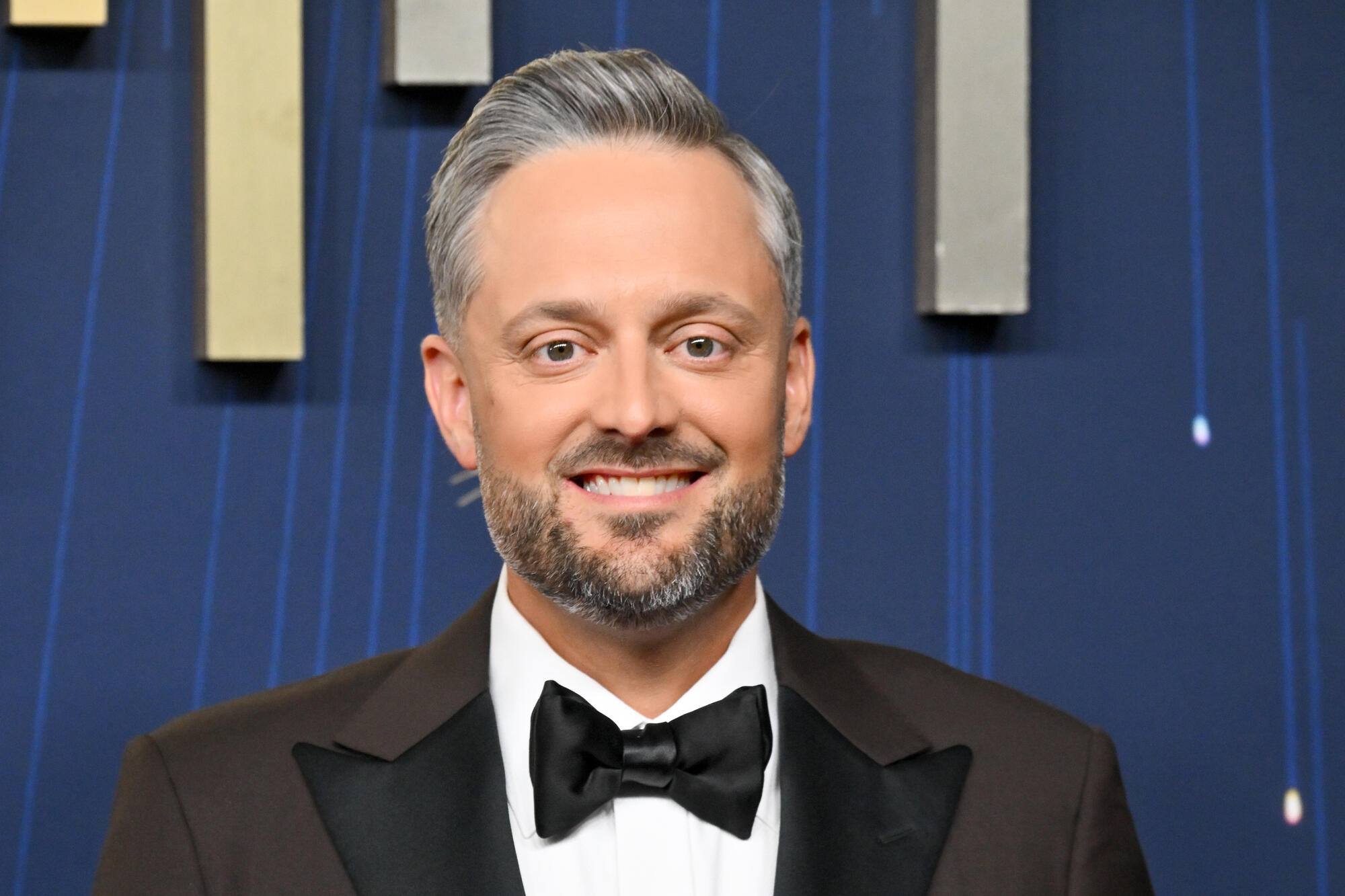
    Comedian Nate Bargatze faced public criticism following his attendance at a UFC event where he was seen and photographed with former President Donald Trump. The controversy intensified after comedian W. Kamau Bell publicly admonished Bargatze, cautioning him against associating with individuals Bell characterized as ‘fascists.’ This interaction fueled a wider discussion within the entertainment industry about comedians’ political stances and public appearances.

    The incident unfolded in the context of a highly polarized political environment. Public figures often navigate scrutiny regarding their associations. Bargatze’s presence at the event became a focal point for this ongoing debate.

    The UFC Event and Political Proximity

    Nate Bargatze, known for his clean, observational comedy style, attended a Ultimate Fighting Championship (UFC) event. These events frequently attract high-profile attendees from various fields. On this particular occasion, former President Donald Trump was also present.

    Photographs and videos quickly circulated across social media platforms. These visuals showed Bargatze in proximity to Trump. The imagery prompted immediate reactions from various online communities.

    The public’s response was swift and divided. Some fans expressed disappointment or anger. Others defended Bargatze’s right to attend any event and associate with anyone. This division mirrored broader societal political cleavages.

    UFC events have become notable venues for political engagement. Public figures often use these platforms for visibility. The presence of political leaders at such events is not uncommon, drawing both supporters and detractors.

    W. Kamau Bell’s Public Admonishment

    The criticism against Bargatze gained significant traction following comments made by comedian W. Kamau Bell. Bell, known for his socially conscious comedy and activism, addressed the situation publicly. His remarks were direct and unambiguous.

    Bell’s statement, delivered through social media, advised Bargatze: ‘Don’t Be in Photos With Fascists.’ This phrase quickly became a central point of the ensuing debate. Bell’s intervention elevated the discussion beyond casual online commentary.

    W. Kamau Bell’s career has often intersected with political and social justice issues. His show, United Shades of America, frequently explores themes of race, culture, and power. His public stance on political association aligns with his established persona.

    Bell’s comments were interpreted by many as a call for accountability. They suggested that public figures, especially comedians, hold a responsibility regarding the optics of their associations. The implication was that proximity to certain political figures could be seen as an endorsement.

    Reactions Across the Comedy Landscape

    The exchange between Bell and Bargatze resonated throughout the comedy world. Many comedians, industry professionals, and fans weighed in. The debate touched upon artistic freedom, moral responsibility, and the role of comedians in a politically charged era.

    Some comedians defended Bargatze, emphasizing the idea that attending an event or being photographed with someone does not equate to political endorsement. They argued for the separation of personal and professional lives, even for public figures.

    Other comedians sided with Bell’s perspective. They contended that in the current political climate, neutrality is increasingly difficult to maintain. They argued that silence or perceived association could be interpreted as complicity or normalization of certain ideologies.

    The discussion highlighted a generational and ideological split within comedy. Older generations of comedians often avoided overt political stances. Younger generations, particularly those influenced by social media, frequently integrate political commentary into their work and public identities.

    Social media platforms amplified the debate. Twitter, Instagram, and Facebook became arenas for passionate arguments. Hashtags related to Bargatze, Trump, and Bell trended, indicating widespread public engagement with the controversy.

    The Nuance of Association

    The core of the controversy lies in the interpretation of ‘association.’ Does a shared space imply shared values? This question has long been debated in public discourse. For comedians, whose craft often relies on observation and commentary, the lines can be particularly blurry.

    Public figures, by virtue of their visibility, are often subjected to intense scrutiny. Every action, every photograph, can be analyzed and interpreted by a vast audience. This reality places unique pressures on entertainers.

    The concept of ‘cancel culture’ also loomed over the discussion. Some worried that criticism could lead to professional repercussions for Bargatze. Others argued that public criticism is a necessary part of democratic discourse and accountability.

    The incident also sparked conversations about the boundaries of comedy itself. Is comedy meant to be purely entertainment, or does it carry a inherent social or political responsibility? These questions have no easy answers and continue to be debated.

    Bargatze’s Public Image and Career Trajectory

    Nate Bargatze has cultivated a public image as a family-friendly, relatable comedian. His humor typically avoids controversial political topics. This approach has garnered him a broad appeal and a significant following.

    His Netflix specials, including The Tennessee Kid (2019) and Hello World (2023), have been highly successful. Bargatze’s style is often described as ‘clean’ and accessible, appealing to audiences who prefer less explicit or politically charged content.

    The controversy potentially challenged this carefully constructed image. Fans who appreciate his non-political stance might have felt conflicted by his perceived political association. Conversely, some might have seen it as a non-issue.

    The long-term impact on Bargatze’s career remains to be seen. In the current climate, public figures often face short-term backlash that eventually subsides. However, such incidents can also lead to lasting shifts in audience perception.

    His touring schedule and future projects will indicate how the public ultimately responds. Comedians often navigate such controversies by either addressing them directly, ignoring them, or subtly incorporating the experience into their material.

    The Broader Context of Political Polarization

    The Bargatze-Bell controversy is not an isolated incident. It reflects a larger trend of increasing political polarization affecting all sectors of society, including entertainment. Artists and entertainers are increasingly expected to take sides or face criticism.

    The 2024 United States presidential election saw heightened political tensions. Public figures’ affiliations became more scrutinized than ever. The pressure to declare allegiances or face condemnation intensified across various industries.

    Social media platforms play a crucial role in this dynamic. They provide immediate avenues for both criticism and defense. Information, and misinformation, spreads rapidly, shaping public opinion in real-time.

    The entertainment industry, traditionally seen as a space for diverse viewpoints, now grapples with these pressures. The expectation for celebrities to act as moral or political compasses has grown. This places them in difficult positions, balancing personal beliefs with public image and career longevity.

    This ongoing cultural shift impacts how artists create, perform, and interact with their audiences. The line between personal and political is increasingly blurred, especially for those in the public eye.

    Looking Ahead: Navigating Public Scrutiny

    For comedians like Nate Bargatze, navigating public scrutiny after such an event becomes a test of resilience and strategic communication. The choices made in the aftermath can significantly shape public perception.

    Some public figures choose to issue statements clarifying their positions. Others may opt for silence, allowing the controversy to fade over time. Each approach carries its own risks and benefits.

    The incident serves as a case study in contemporary celebrity culture. The interconnectedness of social media, political discourse, and entertainment means that public figures operate in a constantly monitored environment.

    The demand for authenticity versus the need for strategic image management creates a complex landscape. Comedians, whose work often thrives on authenticity, face particular challenges in this regard.

    Ultimately, the Bargatze-Bell exchange underscores the ongoing struggle within the entertainment world. It highlights the tension between individual expression, public responsibility, and the unforgiving nature of online judgment.

    Fans considered. Critics analyzed. Comedians debated. The public watched.

    Culture.