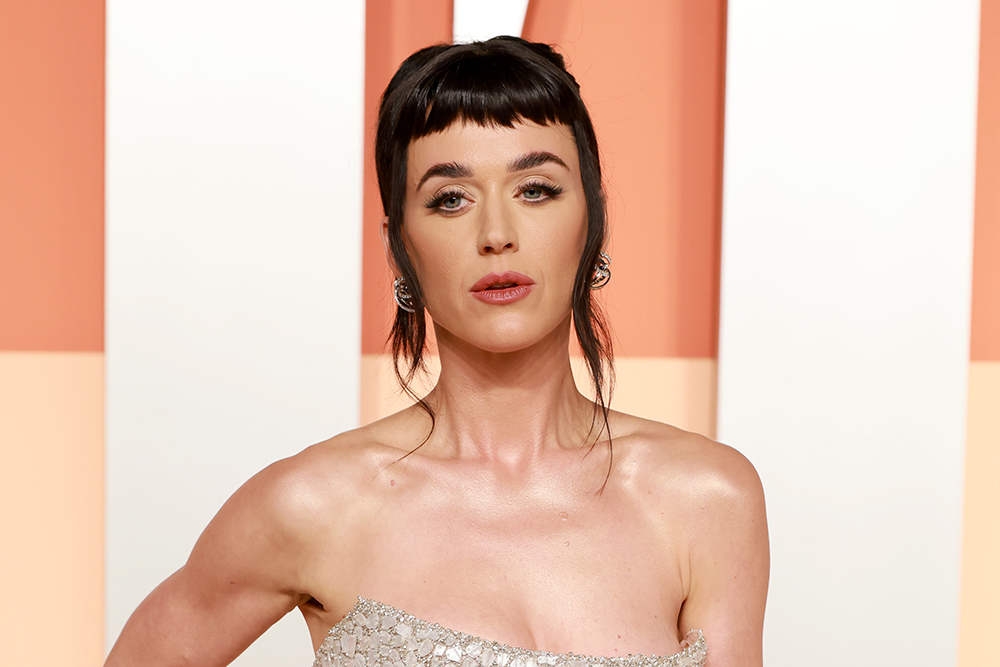
Katy Perry publicly condemned the Trump administration on July 25, 2026, for using her song ‘Firework’ in a video that depicted military strikes. The pop artist released a statement clarifying that she ‘absolutely do not condone it,’ marking a significant public disagreement over intellectual property and artistic intent.
This incident adds to a history of artists contesting the political use of their music. The unauthorized use of popular songs by political campaigns and governmental bodies frequently sparks controversy.
The Incident: ‘Firework’ and Military Footage
The controversy ignited when a video, reportedly produced by the Trump administration, surfaced online. This video featured footage of military strikes and operations.
The soundtrack for this visual content was Katy Perry’s 2010 anthem, ‘Firework.’
The song is widely recognized for its themes of self-empowerment and resilience. Its lyrics encourage individuals to recognize their inner strength and shine brightly.
The juxtaposition of these uplifting lyrical themes with images of military action immediately drew criticism. Social media users and news outlets quickly highlighted the incongruity.
Katy Perry’s Swift Response
Katy Perry’s response was immediate and unambiguous. Her statement was released through her official channels on July 25, 2026.
She unequivocally stated her disapproval of the song’s use. Perry emphasized that the song’s message was being misrepresented.
‘I absolutely do not condone it,’ Perry’s statement read. This phrase became central to the public discourse surrounding the event.
The artist’s team also indicated that they were exploring legal avenues. They aimed to ensure the unauthorized use of the song would cease.
A History of Musical Disputes in Politics
The use of music in political contexts without an artist’s explicit permission is not a new phenomenon. Numerous musicians have previously challenged politicians and administrations.
Artists often argue that such use implies an endorsement they do not support. This can damage their brand and alienate their fanbase.
Previous Notable Conflicts
- Bruce Springsteen has repeatedly objected to politicians using his songs. His music, often associated with working-class struggles, has been a frequent target for unauthorized use.
- The Rolling Stones have also issued cease and desist letters. They have done so to political campaigns utilizing their iconic tracks.
- Neil Young famously withdrew his music from platforms in protest. This was in response to what he deemed misinformation being spread.
- Artists like Rihanna and Pharrell Williams have also taken legal action. They have challenged the use of their work in political rallies.
These instances highlight a recurring tension. The conflict often centers on artistic control versus public domain assumptions.
Intellectual Property and Public Perception
The ‘Firework’ incident raises important questions about intellectual property rights. It also touches on the ethical implications of using creative works in political messaging.
When a song is used in a political advertisement or governmental video, it can be perceived as an endorsement. This perception can be problematic for artists.
Artists often maintain diverse fan bases. Aligning with a specific political stance through unauthorized song use can alienate significant portions of their audience.
Legal frameworks exist to protect musical compositions and recordings. Copyright law generally grants creators exclusive rights to their work.
However, enforcement can be complex. The rapid dissemination of content online complicates the process of preventing unauthorized use.
The Trump Administration’s Track Record
The Trump administration has a documented history of clashes with artists over music usage. Several musicians have publicly requested their songs not be used at rallies or in official communications.
These requests have often been met with resistance or ignored. This has led to further escalation in some cases.
The administration’s approach has often been to continue using the music. They sometimes argue fair use or challenge the artists’ legal standing.
This pattern contributes to a narrative of disregard for artists’ wishes. It fuels ongoing debates about the respect for creative rights in the political sphere.
Impact on Katy Perry’s Brand and Activism
Katy Perry has a long-standing history of political engagement and activism. She has often used her platform to advocate for various social and political causes.
Her public condemnation of the Trump administration’s use of ‘Firework’ aligns with her established persona. It reinforces her commitment to specific values.
The incident could solidify her image among fans who share her political views. It might also draw new attention to her artistic integrity.
Conversely, it could provoke backlash from supporters of the Trump administration. This is a common consequence for celebrities taking political stances.
However, for Perry, the decision to speak out appears to be rooted in a defense of her artistic message. It also serves as a stand against what she perceives as an inappropriate appropriation of her work.
The Broader Cultural Context of 2026
The year 2026 continues to see heightened political polarization. Cultural figures often find themselves at the intersection of these divides.
The use of popular culture artifacts, like songs, becomes symbolic. They represent broader ideological battles.
Artists are increasingly expected to take stances on political issues. Silence can sometimes be interpreted as complicity.
This expectation places significant pressure on public figures. They must navigate a complex landscape of public opinion and political loyalty.
The ‘Firework’ controversy is a microcosm of these larger cultural tensions. It reflects the ongoing struggle for control over narrative and meaning.
Legal Ramifications and Future Precedents
The legal team representing Katy Perry is reportedly evaluating their options. These options likely include sending a formal cease and desist letter.
Further steps could involve pursuing copyright infringement claims. Such actions can lead to significant financial penalties.
These cases often depend on the specifics of licensing agreements. They also rely on whether the use falls under fair use doctrines.
However, fair use typically applies to commentary, criticism, or parody. The use in a promotional governmental video is less likely to qualify.
A successful legal challenge could set a strong precedent. It would reinforce artists’ rights against governmental unauthorized use.
It could also deter future administrations from similar actions. This would empower creators to protect their work from political appropriation.
Artists speak. Legal teams act. Public opinion forms. Condemnation follows.
Dispute.