Tag: Protectionism

  • President Trump Vows Fresh Tariffs: Economic Strategy in 2026

    President Trump Vows Fresh Tariffs: Economic Strategy in 2026

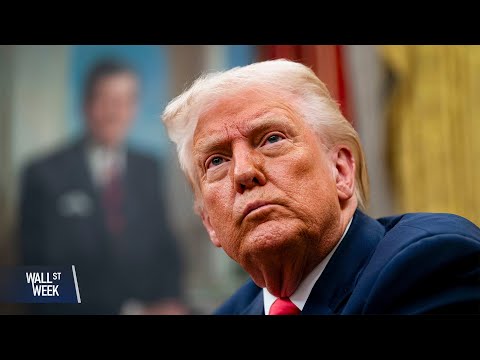
    President Trump announced plans for new tariffs on July 24, 2026, during an appearance on Bloomberg Television’s “Balance of Power.” This declaration signals a firm commitment to protectionist trade policies and economic nationalism, which have been central tenets of his administration’s agenda. The strategy aims to bolster domestic industries, encourage the return of manufacturing jobs to the United States, and address perceived imbalances in global trade.

    The announcement resonates with previous trade actions taken by President Trump. His administration has consistently advocated for policies designed to protect American workers and businesses from foreign competition. The renewed focus on tariffs suggests a continuation of these efforts, building upon the groundwork laid during his first term in office.

    The Rationale Behind Tariffs

    Tariffs serve as taxes on imported goods. Their primary purpose, from a protectionist standpoint, is to make foreign products more expensive. This, in turn, is intended to make domestically produced goods more competitive in the market. Proponents argue that tariffs can stimulate local production, create jobs, and enhance national economic security.

    President Trump’s economic philosophy often emphasizes the concept of “fair trade” over “free trade.” This perspective posits that certain international trade agreements and practices have disadvantaged American industries. Tariffs are viewed as a tool to level the playing field, forcing other nations to negotiate more favorable terms or face economic penalties.

    The administration’s stance suggests a belief that tariffs can compel foreign governments to cease what it considers unfair trade practices. These practices often include intellectual property theft, state subsidies to industries, and currency manipulation. By imposing tariffs, the U.S. aims to exert leverage and protect its economic interests.

    Historical Context of Trump’s Trade Policy

    President Trump’s approach to tariffs is not new. During his previous term, his administration implemented tariffs on a wide range of goods. These included steel and aluminum imports, as well as various products from China. The stated goals then were similar: to protect national security industries and to address a significant trade deficit with China.

    The steel and aluminum tariffs, imposed in 2018, were justified under Section 232 of the Trade Expansion Act of 1962. This section allows the President to impose tariffs on imports deemed a threat to national security. The administration argued that a robust domestic steel and aluminum industry was critical for defense and infrastructure.

    Tariffs on Chinese goods began in 2018 under Section 301 of the Trade Act of 1974. This section permits the President to take action against countries engaging in unfair trade practices. The U.S. Trade Representative’s office conducted an investigation that concluded China was engaging in intellectual property theft and forced technology transfers. These tariffs escalated throughout 2018 and 2019, impacting hundreds of billions of dollars worth of goods.

    Impact of Previous Tariffs

    The effects of these earlier tariffs were mixed. Some domestic industries, such as steel producers, reported increased demand and profitability. However, other sectors, particularly those reliant on imported components or facing retaliatory tariffs, experienced higher costs and reduced exports. American farmers, for example, were significantly impacted by retaliatory tariffs on agricultural products imposed by China.

    Economists have offered varied assessments of the overall economic impact. Studies by institutions like the International Monetary Fund and the Congressional Budget Office often concluded that while some specific industries benefited, the broader economy faced increased costs and reduced trade volumes. Consumers also experienced higher prices on certain goods due to the import taxes.

    The 2026 Tariff Landscape

    President Trump’s announcement on July 24, 2026, indicates a continuation of this strategic framework. While specific details regarding which goods or countries will be targeted were not immediately released, the general direction is clear. The administration is prepared to use tariffs as a primary tool in its economic policy arsenal.

    The global economic climate in 2026 presents both challenges and opportunities for such a policy. Supply chain disruptions, inflation concerns, and geopolitical tensions all play a role. The decision to pursue fresh tariffs suggests a prioritization of domestic industrial capacity and economic independence amidst these complexities.

    This renewed push for tariffs also aligns with broader discussions about economic resilience. Many nations, including the United States, have been re-evaluating their reliance on global supply chains, particularly after recent events highlighted vulnerabilities. Tariffs can be seen as one mechanism to encourage diversification or reshoring of critical production.

    Potential Targets and Economic Implications

    While specific targets remain unconfirmed, historical patterns suggest certain areas might be considered. Industries where the U.S. has significant trade deficits, or where allegations of unfair trade practices persist, could be candidates. This might include sectors like advanced manufacturing, automotive, or specific raw materials.

    The economic implications of new tariffs could be substantial. For American consumers, tariffs typically lead to higher prices on imported goods. This can reduce purchasing power and potentially contribute to inflationary pressures. Businesses that rely on imported components could see increased production costs, which may be passed on to consumers or affect profit margins.

    Internationally, new tariffs could trigger retaliatory measures from affected countries. This could lead to trade disputes and a reduction in overall global trade volume. Trade partners might seek to diversify their own supply chains away from the U.S. or strengthen trade alliances with other nations. This dynamic could reshape global economic relationships and trade flows.

    Political and Geopolitical Considerations

    The decision to implement fresh tariffs also carries significant political weight. For President Trump, protectionist policies have consistently resonated with a segment of his voter base, particularly those in manufacturing-heavy regions. The promise of protecting American jobs and industries is a powerful political message.

    Geopolitically, tariffs are often more than just economic tools; they are instruments of foreign policy. By imposing tariffs, the U.S. can signal dissatisfaction with a trading partner’s policies or exert pressure on them to change behavior. This can be a form of economic statecraft, used to achieve broader strategic objectives.

    However, this approach also carries risks. It can strain diplomatic relations and lead to increased international tensions. Allies might view unilateral tariff actions as disruptive to global trade norms and institutions, potentially weakening multilateral cooperation on other issues. The balance between domestic economic benefit and international diplomatic cost is a constant consideration.

    The Role of International Trade Organizations

    International trade organizations, such as the World Trade Organization (WTO), play a critical role in mediating trade disputes and enforcing global trade rules. The U.S. has historically been a key player in the WTO, but President Trump’s administration has often expressed skepticism about its effectiveness and fairness.

    New tariffs could lead to challenges within the WTO framework. Other member countries might file complaints, alleging that the tariffs violate international trade agreements. This could result in prolonged legal battles and potentially authorize retaliatory tariffs from other nations, as adjudicated by the WTO.

    The administration’s willingness to act unilaterally on trade, even in the face of potential WTO challenges, underscores its commitment to its “America First” economic agenda. This approach prioritizes national interests and domestic considerations above multilateral consensus or existing international trade dispute resolution mechanisms.

    Looking Ahead: Economic Nationalism in Practice

    President Trump’s vow of fresh tariffs on July 24, 2026, solidifies his administration’s trajectory toward an economic policy deeply rooted in nationalism. This strategy aims to strengthen the American industrial base, create domestic employment opportunities, and reduce reliance on foreign supply chains. It represents a clear preference for managed trade over unfettered globalization.

    The implementation of these tariffs will be closely watched by domestic industries, international trading partners, and global markets. Their ultimate impact will depend on the specifics of the new policies, the reactions of other nations, and the broader economic environment. The administration’s actions will continue to shape the contours of global trade and economic relations throughout President Trump’s second term.

    Companies will adapt. Markets will adjust. Nations will respond.

    Trade will evolve.


  • President Trump’s Tariff Plan: Economic Policy and Global Impact

    President Trump’s Tariff Plan: Economic Policy and Global Impact

    President Trump plans to implement new tariffs targeting 60 economies, a move that will significantly reshape global trade dynamics and domestic economic policy. This strategy continues a long-standing approach by the Trump administration to leverage tariffs as a tool for economic leverage and protection of American industries. The announcement, reported by Bloomberg Television, indicates a broad application of trade barriers, affecting a wide range of international partners and supply chains.

    This latest tariff proposal is not an isolated incident. It reflects a consistent pattern of trade policy established during President Trump’s first term. That period saw the imposition of tariffs on goods from China, Europe, and other regions. The stated goal was always to address perceived imbalances in trade and to encourage manufacturing within the United States.

    The Precedent of Trade Policy

    President Trump’s approach to trade policy has been characterized by a willingness to challenge established international norms. During his first term, the administration initiated tariffs on steel and aluminum imports. These were justified under Section 232 of the Trade Expansion Act of 1962, citing national security concerns. The move drew immediate reactions from allies and adversaries alike.

    The trade dispute with China escalated significantly during that period. Tariffs were placed on hundreds of billions of dollars worth of Chinese goods. China retaliated with its own tariffs on American products, primarily agricultural goods. This exchange impacted various sectors, from technology to agriculture, creating uncertainty in global markets.

    The administration also renegotiated the North American Free Trade Agreement (NAFTA). This resulted in the United States-Mexico-Canada Agreement (USMCA). The USMCA aimed to update trade rules, particularly regarding automotive manufacturing and labor standards. It was presented as a more favorable deal for American workers and businesses.

    Understanding the ‘America First’ Economic Doctrine

    The concept of ‘America First’ underpins President Trump’s economic doctrine. This philosophy prioritizes domestic industries, job creation, and national economic security over multilateral trade agreements. Proponents argue that tariffs are a necessary mechanism to achieve these goals.

    The argument suggests that tariffs level the playing field. They counteract what the administration views as unfair trade practices by other nations. These practices often include subsidies, currency manipulation, and intellectual property theft. By imposing tariffs, the administration seeks to compel other countries to alter their trade policies.

    Critics, however, contend that tariffs can lead to higher consumer prices domestically. They argue that tariffs disrupt global supply chains and invite retaliatory measures from trading partners. This can harm export-oriented American industries. The debate over the efficacy and consequences of tariffs remains a central feature of economic discourse.

    The Scope of the New Tariff Plan

    The proposed tariffs are set to impact 60 economies. This broad scope indicates a comprehensive review of existing trade relationships. The specific industries and products targeted have not yet been fully detailed. However, the sheer number of affected economies suggests a wide-ranging application.

    Such a widespread tariff imposition could affect various sectors. These include manufacturing, agriculture, technology, and services. Companies that rely on international supply chains will likely face increased costs. Consumers may see higher prices for imported goods.

    The administration’s focus appears to be on nations perceived as engaging in trade practices detrimental to U.S. interests. This could encompass countries with significant trade surpluses with the United States. It might also include those with state-owned enterprises or restrictive market access policies.

    Anticipated Economic Impacts

    The economic impacts of such extensive tariffs are complex and multifaceted. Domestically, some industries might see a boost. This would occur as imported goods become more expensive, making domestically produced alternatives more competitive. This aligns with the goal of fostering American manufacturing and job growth.

    Conversely, industries that rely on imported components or raw materials could face challenges. They might experience increased production costs, which could be passed on to consumers or reduce profit margins. Export-oriented American businesses could also suffer if retaliatory tariffs are imposed by other nations.

    Globally, the tariffs could trigger a cascade of reactions. Other countries may respond with their own tariffs on American goods. This could lead to a global trade war, stifling international commerce and economic growth. The World Trade Organization (WTO) could become a focal point for disputes, although the Trump administration has often expressed skepticism regarding the WTO’s effectiveness.

    Impact on Global Supply Chains

    Global supply chains have become increasingly interconnected over decades. Tariffs introduce friction into this system. Companies may be forced to re-evaluate their sourcing strategies. They might shift production or find new suppliers, leading to significant logistical and financial adjustments.

    For instance, a company manufacturing electronics might source components from several different countries. If tariffs are imposed on goods from one of those countries, the company must decide whether to absorb the cost, find an alternative supplier, or pass the cost to consumers. Each option carries its own set of risks and benefits.

    The disruption to supply chains can also lead to inefficiencies. Companies may have to invest in new infrastructure or processes to adapt to changing trade policies. This can divert resources from innovation and growth.

    Consumer Prices and Inflation

    Tariffs are essentially taxes on imported goods. When tariffs are imposed, the cost of these goods typically increases. This increased cost can be borne by the importer, the foreign exporter, or, most commonly, passed on to the end consumer.

    If tariffs are broadly applied across 60 economies, a wide range of consumer goods could be affected. This could lead to higher prices for everyday items, from clothing and electronics to food products. Such price increases contribute to inflation, reducing the purchasing power of consumers.

    The extent of this impact depends on several factors. These include the size of the tariffs, the elasticity of demand for the affected goods, and the ability of domestic producers to meet increased demand. Economic models often predict an inflationary effect from widespread tariffs.

    Political and Diplomatic Ramifications

    The implementation of new tariffs on 60 economies carries significant political and diplomatic ramifications. International relations are often built on a foundation of economic cooperation. Disrupting these ties through trade barriers can strain diplomatic relationships.

    Allies may view the tariffs as an unfriendly act. They might question the commitment of the United States to multilateralism and shared economic prosperity. Adversaries could interpret the tariffs as an aggressive move, further escalating geopolitical tensions.

    Negotiations will likely follow these tariff announcements. Countries will seek exemptions, modifications, or retaliatory measures. The U.S. Trade Representative’s office will be central to these discussions. The outcome will shape the global economic landscape for years to come.

    International Organizations and Trade Law

    International organizations like the WTO are designed to facilitate free and fair trade. They provide a framework for resolving trade disputes. However, the Trump administration has often challenged the authority and effectiveness of such bodies.

    New tariffs could lead to numerous challenges at the WTO. Member countries could file complaints, arguing that the tariffs violate international trade agreements. The dispute resolution process at the WTO can be lengthy and complex. Its outcomes can have significant implications for global trade law.

    The administration’s stance on these organizations reflects a desire to assert national sovereignty in trade matters. This often contrasts with the multilateral approach favored by many other nations. The tension between these two philosophies will be a defining feature of future trade policy debates.

    Historical Context of U.S. Tariff Policy

    Tariffs have a long history in U.S. economic policy. In the early days of the republic, tariffs were a primary source of federal revenue. They also served to protect nascent American industries from foreign competition.

    The 19th and early 20th centuries saw periods of high tariffs, such as the Tariff of Abominations in 1828 and the Smoot-Hawley Tariff Act of 1930. The Smoot-Hawley Act is often cited as a contributing factor to the Great Depression, as it triggered widespread retaliatory tariffs and a collapse in global trade.

    Following World War II, the U.S. largely shifted towards a policy of trade liberalization. This involved reducing tariffs and promoting free trade agreements. This era saw the establishment of institutions like the General Agreement on Tariffs and Trade (GATT), which later evolved into the WTO. This historical context informs much of the current debate. The question remains whether a return to more protectionist policies will yield different results in the 21st century.

    The Road Ahead for Global Trade

    President Trump’s plan for new tariffs on 60 economies signals a significant shift in global trade relations. The implications will be felt across continents. Businesses will adapt. Governments will react. Consumers will face new realities.

    The policy aims to re-assert American economic dominance. It seeks to correct perceived imbalances. It challenges the status quo of international commerce. The world watches for the next moves. Tariffs are imposed. Economies adjust. Diplomats negotiate. The global trade landscape transforms.


  • Trump Rebuilds Tariff Wall: The Global Economic Impact of 2026 Levies

    Trump Rebuilds Tariff Wall: The Global Economic Impact of 2026 Levies

    On July 24, 2026, President Trump’s administration announced the implementation of a new set of global tariffs. This policy initiative aims to restructure international trade relationships and bolster domestic manufacturing. The move has generated immediate discussion among global financial markets and political leaders, signaling a renewed focus on protectionist economic strategies.

    The announcement follows a period of economic assessment and strategic planning within the administration. Officials stated the tariffs are designed to address perceived imbalances in global trade and protect American jobs. This approach echoes themes from President Trump’s previous term, emphasizing national economic sovereignty.

    What looks like a sudden shift actually builds upon a long-standing economic philosophy.

    The Rationale Behind the 2026 Tariffs

    The Trump administration frames the new tariffs as essential for national economic security. Proponents argue that tariffs reduce trade deficits and incentivize foreign companies to produce goods within the United States. This, they contend, leads to job creation and increased domestic investment.

    Specific industries are targeted for protection. These include sectors deemed critical for national defense and those facing significant competition from imports. The administration has not yet released the full list of affected goods or the specific tariff rates, but initial reports suggest a broad application.

    The stated goal is to create a more equitable global trading environment. Negotiations with key trading partners are anticipated to follow the tariff implementation. The administration seeks to secure agreements that it believes are more favorable to American interests.

    Global Reactions and Economic Forecasts

    International reactions to the tariffs have been swift and varied. Major trading partners, including nations in the European Union, China, and Canada, have expressed concerns. Some countries have indicated a willingness to retaliate with their own tariffs, potentially escalating into broader trade disputes.

    Economists are analyzing the potential impacts on global supply chains. Tariffs increase the cost of imported goods, which can lead to higher prices for consumers. Businesses that rely on imported components may face increased production costs, affecting profitability and competitiveness.

    The World Trade Organization (WTO) is expected to play a role in mediating potential disputes. However, the Trump administration has previously expressed skepticism regarding the WTO’s effectiveness in resolving trade disagreements. This suggests a potentially challenging path for international arbitration.

    Impact on Consumer Prices and Domestic Industries

    Consumers may experience higher prices for a range of products. Imported electronics, apparel, and automotive parts are among the goods most likely to see price increases. Domestic producers, while potentially benefiting from reduced foreign competition, may also face increased costs for imported materials.

    The agricultural sector is particularly vulnerable to retaliatory tariffs. American farmers often rely on export markets for their products. Past trade disputes have shown that agricultural goods are frequently targeted in reciprocal tariff actions by other nations.

    Some analysts suggest that the tariffs could stimulate domestic manufacturing. Companies might choose to relocate production facilities to the United States to avoid tariff costs. This outcome, however, is not guaranteed and depends on various factors, including labor costs and regulatory environments.

    Historical Context of Trump’s Trade Policy

    President Trump’s current trade policy builds on actions taken during his first term. From 2017 to 2021, his administration imposed tariffs on steel and aluminum imports globally, and on a wide range of goods from China. These measures aimed to address what the administration viewed as unfair trade practices.

    The previous tariffs led to mixed results. Some domestic industries saw a boost, but others faced increased input costs. Consumers experienced some price increases, and retaliatory tariffs from other countries impacted American exporters.

    The 2026 tariffs indicate a consistent approach to trade from President Trump. The administration maintains that aggressive trade measures are necessary to rebalance global commerce and protect American economic interests. This philosophy prioritizes bilateral negotiations over multilateral agreements.

    The “America First” Economic Doctrine

    The core of President Trump’s trade strategy is the “America First” economic doctrine. This doctrine emphasizes domestic production, job creation, and a reduction in trade deficits. It views international trade as a zero-sum game, where one nation’s gain comes at another’s expense.

    This perspective contrasts with traditional free-trade principles, which advocate for open markets and reduced trade barriers. Free-trade proponents argue that tariffs distort markets, reduce overall economic efficiency, and can harm global economic growth.

    The administration’s current actions suggest a reinforcement of this “America First” stance. The global application of tariffs signifies a broad commitment to this economic philosophy, impacting a wide array of international trade relationships.

    Political Implications and Future Negotiations

    The new tariffs carry significant political implications, both domestically and internationally. Domestically, the policy is likely to be a key talking point for supporters and critics of the administration. Debates will focus on job creation, consumer costs, and the overall health of the American economy.

    Internationally, the tariffs could strain diplomatic relations. Trading partners may perceive the move as protectionist and uncooperative. This could complicate efforts to address other global challenges, such as climate change and geopolitical stability.

    Future trade negotiations will be crucial. The administration’s willingness to compromise and the responses of other nations will determine the long-term impact of these tariffs. The possibility of a global trade war remains a significant concern for policymakers and economists alike.

    • Trade representatives will engage in bilateral discussions.
    • International organizations will monitor the economic fallout.
    • Businesses will adjust supply chains and pricing strategies.
    • Consumers will face changing market conditions.

    The global economic landscape stands at a critical juncture. The decisions made in the coming months will shape international commerce for years to come. Policymakers, businesses, and consumers all watch with anticipation. The world watches.


  • USMCA’s Future: Can the North American Trade Pact Survive a Second Trump Term?

    USMCA’s Future: Can the North American Trade Pact Survive a Second Trump Term?

    The United States-Mexico-Canada Agreement (USMCA), which replaced the North American Free Trade Agreement (NAFTA) on July 1, 2020, faces potential challenges if former President Donald Trump secures a second term in office. The agreement’s future hinges on the political and economic priorities of a new administration, particularly regarding trade balances and domestic manufacturing.

    This uncertainty generates both anxiety and anticipation among businesses, policymakers, and citizens across North America. The debate centers on the balance between free trade, national sovereignty, and the protection of domestic industries.

    The Origins of USMCA

    The USMCA emerged from a period of intense renegotiation of NAFTA, a trade pact that had been in effect since January 1, 1994. Former President Donald Trump campaigned on a platform critical of NAFTA, labeling it a ‘disaster’ and vowing to replace it. Negotiations began in August 2017 among the United States, Mexico, and Canada.

    Key US demands included stronger protections for American workers, increased domestic content in manufactured goods, and updated provisions for digital trade. The negotiations were often contentious, marked by tariffs and threats of withdrawal.

    An agreement in principle was reached in September 2018. The formal signing occurred on November 30, 2018, in Buenos Aires, Argentina, by President Trump, then-Canadian Prime Minister Justin Trudeau, and then-Mexican President Enrique Peña Nieto. Each country then underwent its domestic ratification process.

    Key Provisions and Changes from NAFTA

    The USMCA introduced several significant changes compared to its predecessor. One of the most notable was in the automotive sector. The agreement increased the regional value content (RVC) requirement for cars and trucks to qualify for duty-free treatment. Under USMCA, 75% of auto content must originate in North America, up from 62.5% under NAFTA.

    Furthermore, 70% of the steel and aluminum used in North American vehicles must originate from the region. A new provision also stipulated that 40-45% of auto content must be made by workers earning at least $16 per hour. This ‘labor value content’ rule aimed to incentivize higher wages in Mexican auto plants and prevent outsourcing to lower-wage countries.

    Other significant updates included stronger intellectual property protections, particularly for pharmaceuticals and digital products. The agreement also included new chapters on digital trade, environmental protections, and labor rights. Canada agreed to open its dairy market further to U.S. producers, a long-standing point of contention.

    A critical, and often debated, feature of the USMCA is its ‘sunset clause.’ This provision mandates that the agreement expires after 16 years, unless the parties agree to renew it. A joint review of the agreement is required every six years, allowing for potential amendments or extensions.

    The Trump Administration’s Trade Philosophy

    Former President Donald Trump’s approach to trade was characterized by a focus on bilateral agreements, reducing trade deficits, and protecting domestic industries. He often employed tariffs as a negotiating tool, notably imposing duties on steel and aluminum imports from various countries, including Canada and Mexico, during the USMCA negotiations.

    His administration prioritized what it termed ‘fair trade’ over ‘free trade,’ arguing that previous agreements had disadvantaged American workers and industries. This philosophy guided the renegotiation of NAFTA and the initiation of trade disputes with China and the European Union.

    Key figures in the first Trump administration’s trade policy included U.S. Trade Representative Robert Lighthizer and Commerce Secretary Wilbur Ross. Their work emphasized aggressive enforcement of trade laws and a willingness to challenge established global trade norms.

    Potential Scenarios for a Second Trump Term

    The prospect of a second Trump administration raises multiple scenarios for the USMCA. One possibility is a renewed push for renegotiation. Former President Trump has consistently expressed a desire to revisit trade agreements he perceives as unfavorable to the United States. He has indicated a preference for bilateral deals over multilateral ones.

    A second scenario involves the potential activation of the sunset clause, or at least leveraging its existence. The six-year review period for USMCA is scheduled for 2026. This timing coincides with the early years of a potential second Trump term, providing an immediate opportunity to scrutinize the agreement’s effectiveness.

    Another, more extreme, scenario could be a withdrawal from the USMCA. While the agreement itself was a signature achievement of his first term, a renewed focus on ‘America First’ policies could lead to a re-evaluation of all international commitments. Such a move would have significant economic repercussions for all three North American economies.

    Impact on Canada and Mexico

    For Canada, the USMCA represents stability in its largest trading relationship. The United States is Canada’s primary export market, accounting for a substantial portion of its GDP. Any disruption to the USMCA could lead to economic uncertainty, particularly for sectors like automotive, agriculture, and energy.

    During the initial NAFTA renegotiations, Canada faced threats of auto tariffs and other trade penalties. A similar approach in a second Trump term could force Canada to make further concessions or face economic headwinds.

    Mexico also relies heavily on its trade relationship with the United States. The USMCA’s rules of origin, particularly for the automotive sector, have integrated Mexican manufacturing into North American supply chains. Changes to the agreement could lead to significant restructuring within Mexican industries, impacting employment and investment.

    Mexico’s current leadership, under President Andrés Manuel López Obrador until October 2024, maintained a pragmatic relationship with the Trump administration during the initial USMCA talks. A future Mexican government would face similar pressures to navigate any new trade demands from Washington.

    Economic Implications and Supply Chains

    The USMCA underpins vast and complex North American supply chains. Industries such as automotive, aerospace, electronics, and agriculture have structured their operations around the agreement’s provisions. Changes to the USMCA could force companies to re-evaluate their production strategies, potentially leading to increased costs, reduced efficiency, and relocation of facilities.

    For instance, if the automotive rules of origin were further tightened or if tariffs were reintroduced, manufacturers might struggle to meet compliance requirements or find it more cost-effective to produce outside the region. This could disrupt the flow of goods and components across the U.S.-Mexico and U.S.-Canada borders.

    The agreement’s impact extends beyond large corporations. Small and medium-sized enterprises (SMEs) that participate in cross-border trade would also face heightened uncertainty. The stability provided by a predictable trade framework is crucial for these businesses to plan investments and manage risks.

    The Role of Congress and Domestic Politics

    Any significant changes to the USMCA, such as withdrawal or major renegotiation, would likely involve the U.S. Congress. While the President has considerable authority in trade policy, congressional approval is often required for new trade agreements or substantial amendments.

    The political landscape in 2026 will play a critical role. The composition of the House of Representatives and the Senate would influence the feasibility of a President’s trade agenda. Divisions within political parties regarding trade policy could either facilitate or obstruct efforts to alter the USMCA.

    Domestic industries and labor unions also exert significant influence. Groups that benefited from the USMCA’s protections, such as certain manufacturing sectors and agricultural producers, would likely lobby to maintain the agreement. Conversely, industries that feel disadvantaged might advocate for further changes.

    Looking Ahead: Trade in a Multipolar World

    Beyond the immediate future of USMCA, the broader context of global trade is shifting. The rise of protectionist sentiments in various countries, coupled with geopolitical tensions, suggests a move away from purely globalized supply chains towards more regionalized or ‘friend-shored’ approaches.

    The USMCA, in many ways, was an early example of this trend, emphasizing regional content and labor standards. Its fate under a second Trump administration could signal the direction of U.S. trade policy for years to come, impacting relationships not only with Canada and Mexico but also with other major trading partners.

    The debate over USMCA’s survival reflects deeper questions about economic sovereignty, national security, and the future of international cooperation in an increasingly complex world.

    The Path Forward

    The 2026 review period for USMCA looms as a critical juncture. Canada and Mexico will likely prepare for various contingencies, including potential demands for renegotiation. Businesses throughout North America will monitor political developments closely, adapting their strategies to navigate potential shifts in trade policy.

    The agreement’s resilience will be tested. Its ability to adapt to changing economic realities and political priorities will determine its longevity.

    Governments conferred. Businesses adapted. Citizens watched.

    Uncertainty.