Tag: Producer

  • Ambulance Producer Sues Banijay Over “Psychiatric Injuries” on BBC Set

    Ambulance Producer Sues Banijay Over “Psychiatric Injuries” on BBC Set

    An executive producer involved with the BBC series ‘Ambulance’ has filed a lawsuit against a Banijay-owned production entity. The legal action asserts that the producer sustained “psychiatric injuries” during the development and filming of the popular BBC program. This case brings into sharp focus the demanding nature of television production and its potential impact on mental well-being.

    The Lawsuit Against Banijay-Owned Dragonfly

    The executive producer has directed their legal challenge toward Dragonfly Film and Television. Dragonfly is a production company operating under the Banijay Group umbrella. Banijay is a global content producer and distributor.

    The lawsuit centers on alleged harm incurred during the executive producer’s tenure on the ‘Ambulance’ series. Details regarding the specific incidents leading to the claimed psychiatric injuries remain under wraps. Legal proceedings are currently underway, with further information expected to emerge as the case progresses.

    The BBC series ‘Ambulance’ is a documentary program. It follows the work of ambulance services across the United Kingdom. It often depicts stressful and emotionally charged situations, reflecting the realities faced by emergency service personnel.

    Understanding “Psychiatric Injuries” in the Workplace

    The term “psychiatric injuries” refers to mental health conditions. These conditions are allegedly caused or exacerbated by workplace environments. Such claims are increasingly recognized in legal frameworks.

    These injuries can manifest in various forms. They include anxiety disorders, depression, post-traumatic stress disorder (PTSD), and other stress-related conditions. Proving a direct link between workplace conditions and these injuries is a key component of such lawsuits.

    Legal precedents exist for claims of psychiatric injury. These cases often require extensive medical documentation and expert testimony. The plaintiff must demonstrate that the employer’s actions or inactions directly contributed to their mental health decline.

    The Demands of Documentary Production

    Documentary filmmaking, especially in sensitive areas like emergency services, can be uniquely demanding. Producers and crew members are often exposed to traumatic events. They witness human suffering firsthand.

    The ‘Ambulance’ series, by its very nature, involves intense and often distressing subject matter. Production teams spend extended periods embedded with emergency responders. This immersion can take a significant psychological toll.

    Long hours, tight deadlines, and the pressure to capture compelling footage also contribute to high-stress environments. These factors can collectively create conditions ripe for mental health challenges. The industry has begun to acknowledge these pressures more openly in recent years.

    Workplace Well-being in the Entertainment Industry

    The entertainment industry has faced increasing scrutiny over workplace well-being. This includes both physical and mental health. High-profile cases and advocacy groups have pushed for better protections.

    Production companies are increasingly expected to provide adequate support. This includes counseling services, mental health breaks, and robust HR policies. The lawsuit against Dragonfly highlights that these measures may not always be sufficient or adequately implemented.

    Industry bodies and unions are working to establish clearer guidelines. They aim to ensure safer and more supportive working conditions. This is a shift from historical norms where long hours and high-pressure environments were often normalized.

    Legal Implications for Banijay and Dragonfly

    This lawsuit carries significant implications for Banijay and its subsidiary, Dragonfly Film and Television. A successful claim could result in substantial financial damages. It could also lead to reputational damage for both entities.

    The case may prompt a review of internal policies and procedures. This would focus on mental health support for production staff. Other companies in the Banijay portfolio may also face similar scrutiny.

    The outcome could set a precedent for future cases within the UK television industry. It may encourage other individuals to come forward with similar claims. This would further emphasize the need for comprehensive mental health provisions.

    The Broader Industry Context

    This legal challenge is not isolated. Concerns about mental health in film and television production have grown globally. Organizations like The Film and TV Charity in the UK offer support services. They also campaign for better mental health provisions.

    The COVID-19 pandemic also exacerbated existing pressures. Production shutdowns and new safety protocols added layers of stress. Many industry professionals reported increased anxiety and burnout during this period.

    The ‘Ambulance’ lawsuit serves as a reminder. Even successful and critically acclaimed productions can have hidden costs. These costs are borne by the individuals who bring them to life.

    Looking Ahead: The Path of the Lawsuit

    The legal process for such claims can be lengthy. It involves discovery, evidence presentation, and potentially a trial. Both sides will present their arguments and supporting documentation.

    The executive producer will need to demonstrate causation. They must prove a direct link between their work environment and their alleged injuries. Dragonfly and Banijay will likely argue against this link. They may also contend that appropriate support was provided.

    The case is expected to unfold over the coming months. Its resolution will be closely watched by industry observers. It could shape how mental health is addressed in future television productions.

    A Call for Change

    The lawsuit underscores a critical issue. It calls for greater accountability from production companies. It demands a more proactive approach to employee well-being.

    It highlights the need for robust mental health policies. It emphasizes the importance of accessible support systems. It points to a changing landscape in workplace expectations.

    The industry is evolving. The demands of creative work are being re-evaluated. The mental health of its professionals is gaining deserved attention.

    Producers acted. Executives responded. Legal teams prepared. Courts convened.

    Justice.
  • Jodie Whittaker Takes on Dystopian Role in Ella Grace Kennedy’s ‘The Country’

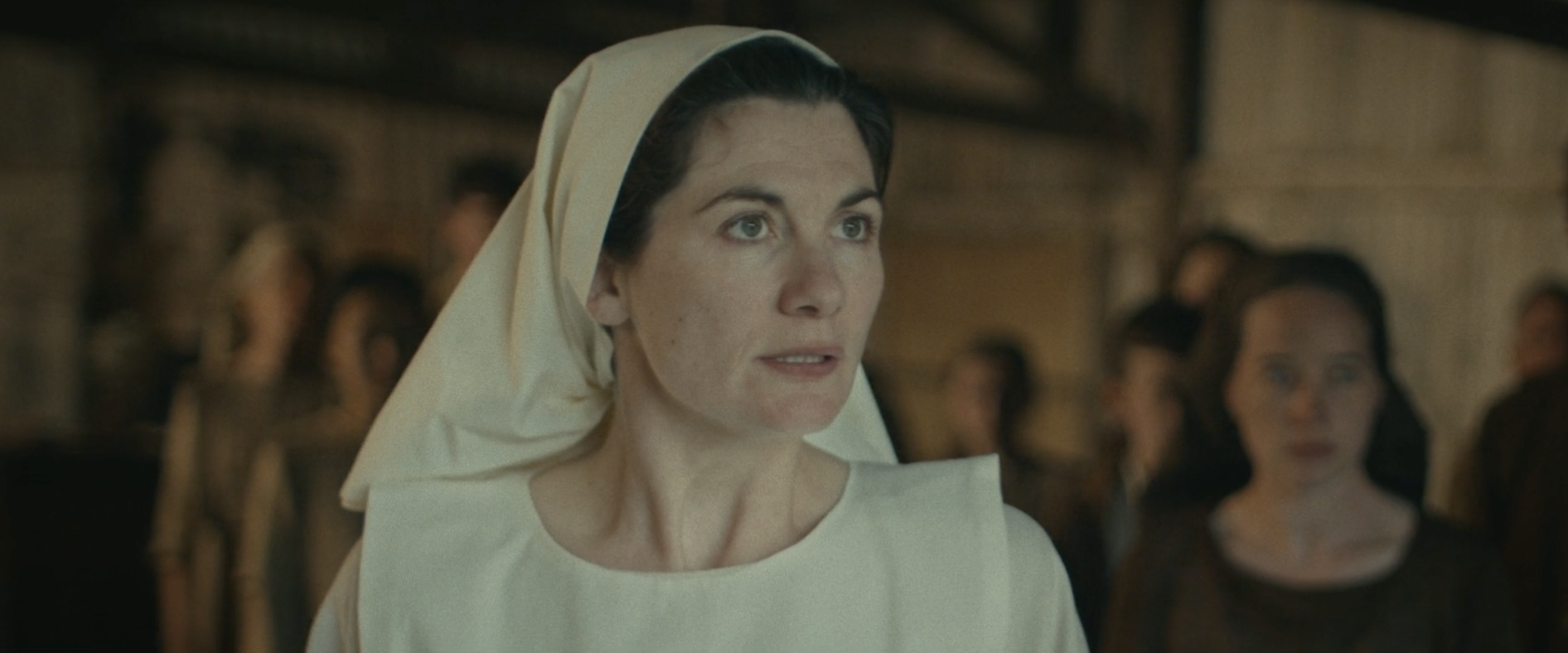
    Jodie Whittaker Takes on Dystopian Role in Ella Grace Kennedy’s ‘The Country’

    Jodie Whittaker is confirmed to star in and executive produce the upcoming dystopian short film, ‘The Country.’ This project, directed by Ella Grace Kennedy, will explore themes centered around rural life within a speculative fiction framework. Whittaker’s participation signals a notable shift into short-form cinema and a genre often lauded for its thematic depth.

    The announcement positions ‘The Country’ as a significant creative endeavor. It brings together a recognizable talent in Whittaker with a rising director in Kennedy. The film is expected to offer a poignant commentary through its dystopian lens.

    Whittaker’s Evolving Career Trajectory

    Jodie Whittaker has built a distinguished career across film, television, and theater. Her breakthrough role in ‘Broadchurch’ garnered critical acclaim. This led to her historic casting as the Thirteenth Doctor in the iconic British science fiction series, ‘Doctor Who.’ Her tenure in the role from 2017 to 2022 broke new ground for the franchise.

    Following her departure from ‘Doctor Who,’ Whittaker has pursued diverse projects. These selections indicate a deliberate effort to expand her artistic range. ‘The Country’ aligns with this pattern, moving into a genre that often allows for nuanced character exploration and social commentary.

    Her decision to executive produce the short film also highlights a growing interest in creative control. This dual role allows Whittaker to shape the narrative and vision from its inception. It reflects a trend among established actors to move beyond performance into broader filmmaking responsibilities.

    The Vision Behind ‘The Country’

    Ella Grace Kennedy is set to direct ‘The Country.’ Kennedy’s previous work has often explored character-driven narratives with a distinct visual style. Her involvement suggests a particular artistic sensibility will guide the film’s aesthetic and thematic development.

    The short film’s dystopian nature implies a setting where societal structures have fractured. This provides fertile ground for examining human resilience and vulnerability. Rural themes, often associated with isolation and tradition, will likely be recontextualized within this speculative future.

    Dystopian narratives frequently serve as allegories for contemporary concerns. ‘The Country’ could thus offer insights into current social or environmental issues. The combination of a strong lead actress and a visionary director bodes well for its impact.

    Exploring Rural Themes in Dystopian Fiction

    Rural settings in dystopian fiction often amplify feelings of isolation. They can highlight the struggle for survival away from urban centers. This contrast between natural landscapes and oppressive societal conditions is a powerful narrative tool.

    Films and literature in this subgenre frequently depict communities clinging to old ways. They often resist new, imposed orders. ‘The Country’ may explore these dynamics, showcasing how rural populations adapt or resist in a fragmented world.

    The film’s title itself, ‘The Country,’ evokes a sense of place and belonging. This could be juxtaposed with the harsh realities of a dystopian existence. Such a contrast often enriches the narrative and character arcs.

    The Significance of Short Films

    Short films serve as crucial platforms for emerging talent. They also allow established artists to experiment with new ideas and genres. ‘The Country’ offers Whittaker an opportunity to engage with a concise, impactful story.

    These shorter formats often facilitate greater creative freedom. They operate with different budgetary and timeline constraints than feature films or television series. This can lead to more experimental and artistically driven results.

    For audiences, short films provide digestible yet thought-provoking content. They can introduce complex ideas or showcase intense emotional journeys within a limited runtime. ‘The Country’ will aim to deliver a memorable experience in this format.

    The Appeal of Dystopian Narratives

    Dystopian fiction has maintained a strong hold on popular culture for decades. It taps into universal anxieties about the future. These stories often reflect societal fears regarding technology, governance, and environmental collapse.

    From George Orwell’s ‘Nineteen Eighty-Four’ to Margaret Atwood’s ‘The Handmaid’s Tale,’ the genre prompts critical reflection. It encourages audiences to consider the potential consequences of current trends. ‘The Country’ joins a rich tradition of cautionary tales.

    The genre’s enduring appeal lies in its ability to both entertain and provoke. It offers a mirror to humanity’s collective hopes and fears. Whittaker’s involvement will bring a significant spotlight to this particular dystopian vision.

    Whittaker’s History with Speculative Fiction

    Jodie Whittaker is no stranger to speculative fiction. Her five years as the Doctor in ‘Doctor Who’ immersed her in science fiction concepts. This experience provides a strong foundation for her role in ‘The Country.’

    Her performances in ‘Doctor Who’ often balanced gravitas with vulnerability. These qualities are highly effective in dystopian narratives. The genre frequently demands characters who embody both strength and the capacity for despair.

    Fans of Whittaker’s work in ‘Doctor Who’ may find familiar elements in ‘The Country.’ However, the short film format and specific dystopian context will offer a fresh perspective on her acting capabilities. It represents an evolution of her engagement with complex, imaginative worlds.

    The Creative Team and Production Outlook

    Beyond Whittaker and Kennedy, details about the full creative team for ‘The Country’ are anticipated. The success of any short film often hinges on a cohesive team. This includes cinematographers, production designers, and editors.

    Executive producing roles typically involve securing funding and overseeing the creative direction. Whittaker’s influence in this capacity could attract additional talent and resources. This ensures a high production quality for the short.

    The production timeline for ‘The Country’ has not been fully disclosed. Short films can move quickly from conception to completion. Audiences may anticipate further announcements regarding filming locations and release dates in the coming months.

    Anticipated Impact and Audience Reception

    ‘The Country’ is expected to generate significant interest. Jodie Whittaker’s star power ensures immediate visibility. Ella Grace Kennedy’s directorial vision will be a key factor in its critical reception.

    The film’s exploration of rural and dystopian themes could resonate with a broad audience. It targets those interested in both character-driven drama and speculative storytelling. The project has the potential to spark discussions about its underlying messages.

    Short films often gain traction through film festivals. A successful festival run could elevate ‘The Country’s’ profile. It could also open doors for Kennedy and Whittaker to collaborate on future, larger-scale projects.

    The project arrives at a time when audiences are increasingly seeking diverse narratives. They often appreciate stories that challenge conventional genre boundaries. ‘The Country’ appears poised to meet this demand, offering a unique blend of talent and theme.

    Jodie Whittaker’s commitment. Ella Grace Kennedy’s direction. A dystopian landscape. Rural themes. A compelling narrative.

    The Country.

  • Justin Baldoni Confirms Legal Battle with Blake Lively Over ‘It Ends With Us’

    Justin Baldoni Confirms Legal Battle with Blake Lively Over ‘It Ends With Us’

    Justin Baldoni has publicly acknowledged an ongoing legal battle involving Blake Lively, stating on 2026-07-09 that “There Have Been so Many Painful Things That Have Been Spoken Into Existence.” This statement marks the first direct confirmation from Baldoni regarding the dispute, which centers on the film adaptation of Colleen Hoover’s best-selling novel, “It Ends With Us.” The legal conflict highlights the complex challenges that can arise in high-profile Hollywood productions.

    Baldoni’s comments offer a rare public glimpse into the tensions surrounding the project. He did not provide specific details about the nature of the legal action or the exact “painful things” to which he referred. His remarks, however, suggest a significant emotional impact stemming from the dispute, hinting at disagreements that have escalated beyond typical production hurdles.

    The Core of the Conflict: ‘It Ends With Us’

    The film “It Ends With Us” is an adaptation of Colleen Hoover’s immensely popular novel. The book has a dedicated fanbase, which has closely followed the movie’s development. This scrutiny adds an additional layer of pressure to any production issues.

    Blake Lively stars as Lily Bloom and serves as an executive producer for the film. Justin Baldoni not only portrays Ryle Kincaid but also holds roles as the director and a producer. Their dual responsibilities place them at the center of the project’s success and any potential complications.

    Adaptations of best-selling novels frequently navigate complex legal landscapes. These can involve intricate rights agreements, talent contracts, and clauses related to creative control. Any dispute has the potential to delay release schedules, affect distribution deals, or result in financial repercussions for the involved parties and studios.

    Baldoni’s Public Acknowledgment

    Baldoni’s statement was made during a recent interview. His decision to speak out, even vaguely, suggests a level of frustration or an attempt to manage public perception surrounding the film. Studios and production companies typically aim to resolve such matters privately to avoid negative publicity.

    The absence of specific information fuels speculation within Hollywood circles. The exact nature of the claims, whether they involve contractual disagreements, intellectual property rights, or other factors, remains undisclosed. Industry observers are awaiting further clarification from legal representatives or the involved parties.

    Undisclosed Details and Speculation

    The legal action could potentially involve various aspects of film production. It might concern disagreements over creative direction, financial compensation, or distribution rights. Given the source material, intellectual property rights could also be a significant factor in the dispute.

    This situation remains a developing story. Information regarding the legal battle is still emerging. Official statements and public records have yet to provide comprehensive details on the claims or the current status of the case. The lack of concrete information leads to considerable speculation.

    Impact on Production and Release

    The timing of Baldoni’s comments is noteworthy, as “It Ends With Us” approaches its anticipated release. Legal entanglements can sometimes lead to production halts, necessitate reshoots, or even affect promotional tours. Baldoni’s public statement indicates that the issue is significant enough to warrant acknowledgment, even without full disclosure of its particulars.

    The challenges inherent in major film productions are underscored by Baldoni’s confirmation of the legal conflict. The situation highlights the intricate legal frameworks that govern the entertainment industry. Further developments are expected as the legal process unfolds and more information becomes available.

    Complex legal issues can have far-reaching effects. They can influence investor confidence, affect crew morale, and alter the public’s perception of a film before its release. The entertainment industry often sees such disputes, but their public acknowledgment by key figures is less common.

    The Role of High-Profile Talent

    Blake Lively and Justin Baldoni are both prominent figures in Hollywood. Their involvement as both actors and producers on “It Ends With Us” amplifies the visibility and potential impact of any legal disputes. Their dual roles mean they are deeply invested in the film’s creative and financial outcomes.

    Lively’s established career as an actress and her growing profile as a producer bring significant weight to the project. Baldoni’s experience in directing and producing, particularly with adaptations, adds another layer of professional responsibility. Disagreements between such integral figures can be particularly challenging to resolve.

    The personal toll of public disputes on individuals in the entertainment industry is significant. Baldoni’s reference to “painful things” suggests the emotional strain involved. Such conflicts, especially when intertwined with high-profile projects, extend beyond professional disagreements into personal stress.

    Navigating Legal Frameworks in Entertainment

    The entertainment industry operates within a complex web of contracts and intellectual property laws. Rights agreements for book adaptations are often meticulously drafted. They cover everything from screenplay development to casting, budgeting, and distribution.

    Disputes can arise from various clauses within these contracts. Creative differences, for example, can escalate into legal battles if not managed effectively. Financial disagreements, including profit participation or budgetary overruns, are also common sources of conflict.

    Intellectual property rights are particularly crucial for adaptations. The original author, Colleen Hoover, retains certain rights, which are then licensed to the production company. Any perceived violation or dispute over the interpretation of these rights can lead to legal action.

    Potential Consequences for ‘It Ends With Us’

    The legal battle could have several consequences for the film. Delays in post-production or release are possible if key personnel are preoccupied with legal matters. Promotional tours, which are crucial for a film’s success, could also be impacted if the dispute remains unresolved.

    Financial implications could include increased legal fees, potential settlement costs, or even a re-evaluation of the film’s budget. The reputation of the individuals and the production company involved could also be affected, potentially influencing future projects.

    The fan base of Colleen Hoover’s novel is highly engaged. Any perceived instability or conflict surrounding the film could affect their anticipation and reception of the adaptation. Maintaining positive public perception is vital for a movie based on a beloved book.

    The Road Ahead

    Further developments are expected as the legal process unfolds. Both the public and industry observers will closely monitor any official statements or court filings that emerge. The resolution of this dispute will likely set precedents for future high-profile adaptations.

    The situation serves as a reminder of the intricate balance required to bring a large-scale film project to fruition. It involves managing creative visions, contractual obligations, and personal dynamics, all under intense public and industry scrutiny.

    The entertainment world often sees these behind-the-scenes struggles. They highlight the human element within the glamorous facade of Hollywood. Baldoni’s candid, albeit limited, comments provide a window into this reality.

    Anticipation for “It Ends With Us” remains high. The film’s journey to the screen has been closely watched. The legal dispute adds another layer to its narrative.

    Actors continue their work. Producers continue their negotiations. Directors continue their vision. The legal teams continue their arguments. The public awaits the film.

    Hollywood.

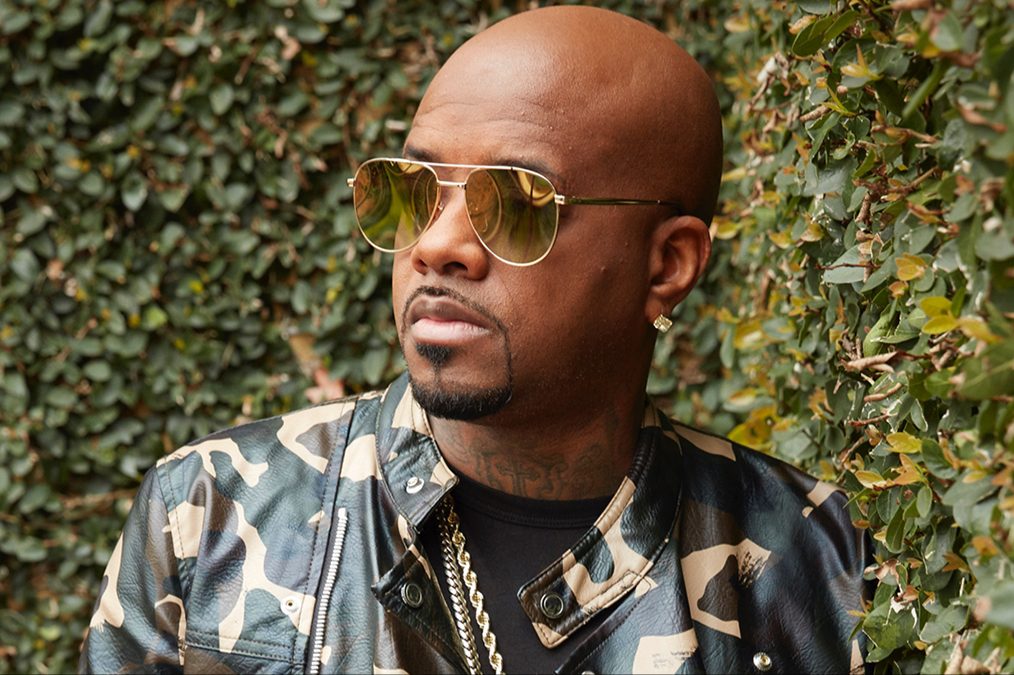
  • Jermaine Dupri Sues Sony Music for $18 Million Over Unpaid Royalties

    Jermaine Dupri Sues Sony Music for $18 Million Over Unpaid Royalties

    Jermaine Dupri, the Grammy Award-winning producer and songwriter, has filed an $18 million lawsuit against Sony Music. The legal action, reported on July 7, 2026, centers on claims of unpaid royalties stemming from his extensive catalog of work with prominent artists, including global superstars Mariah Carey and Usher. This dispute brings to light persistent issues surrounding artist and producer compensation within the major record label system.

    The lawsuit was filed in a United States district court. Specific details of the filing were not immediately made public. Industry observers anticipate a protracted legal battle over contract interpretation and accounting practices.

    The Core of the Dispute: Unpaid Royalties

    The legal complaint from Jermaine Dupri alleges that Sony Music has withheld a substantial amount of royalties. These royalties are reportedly due from his contributions to numerous hit songs and albums. Dupri’s career spans decades, marked by significant creative and commercial success.

    His work with Mariah Carey includes co-writing and producing tracks like “We Belong Together” and “Always Be My Baby.” These songs achieved immense commercial success globally. Dupri also played a pivotal role in Usher’s career, producing chart-topping hits such as “Burn” and “Confessions Part II.”

    The suit claims that despite the commercial success of these records, Dupri has not received his contractually obligated share of earnings. This includes royalties from various revenue streams, such as physical sales, digital downloads, streaming, and licensing.

    A History of Collaboration and Success

    Jermaine Dupri’s relationship with Sony Music and its various imprints has been long-standing. He founded So So Def Recordings in 1993, an imprint distributed by Columbia Records, a subsidiary of Sony Music.

    Through So So Def, Dupri discovered and cultivated talent. Artists like Kris Kross, Xscape, and Bow Wow achieved multi-platinum success under his guidance. His production credits extend beyond his own label roster, encompassing a wide array of artists across different Sony-affiliated labels.

    His collaboration with Mariah Carey intensified in the mid-1990s. Dupri was instrumental in her career resurgence in the 2000s, particularly with her critically acclaimed and commercially successful album The Emancipation of Mimi (2005). This album featured several Dupri productions, including the record-breaking single “We Belong Together.”

    Similarly, Dupri’s work with Usher proved transformational. The album Confessions (2004), largely produced by Dupri and his team, became one of the best-selling albums of the 21st century. It solidified Usher’s status as a global R&B icon.

    Industry Precedent and Producer Rights

    This lawsuit is not an isolated incident within the music industry. Disputes over royalty payments between artists, producers, and labels are common. Many creators allege opaque accounting practices and unfair contractual terms.

    Producers, in particular, often face challenges in securing their due compensation. Their contributions are fundamental to a song’s success. However, their royalty structures can be complex and sometimes less favorable than those of the primary recording artist.

    In recent years, there has been a growing movement among producers and songwriters to advocate for greater transparency and fairer terms. Organizations like the Recording Academy have initiated discussions on these issues. The goal is to ensure creators are properly compensated for their intellectual property.

    The digital age has further complicated royalty calculations. Streaming services, while expanding global reach, have introduced new revenue models. These models require complex allocation of royalties to numerous rights holders.

    The Financial Implications

    The $18 million figure cited in Dupri’s lawsuit represents a substantial claim. It reflects the potential magnitude of alleged underpayments over an extended period. This amount could encompass years of back royalties, interest, and potentially damages.

    For Sony Music, a major player in the global music industry, such a lawsuit carries reputational and financial risks. While multi-million dollar lawsuits are not uncommon for large corporations, this case involves a highly respected and influential producer. His public challenge could encourage other creators to scrutinize their own royalty statements.

    The outcome of this case could set a precedent. It might influence how major labels structure their agreements with producers and artists in the future. It could also lead to increased scrutiny of accounting practices across the industry.

    What Happens Next?

    Following the filing of the lawsuit, Sony Music will likely be served with the legal documents. The company will then have a period to respond to the allegations. This response could involve denying the claims, filing counter-claims, or seeking a settlement.

    Legal proceedings in such cases can be lengthy. They often involve extensive discovery, where both parties exchange information and evidence. Negotiations for an out-of-court settlement are also common. These negotiations aim to avoid the costs and uncertainties of a full trial.

    As of July 7, 2026, Sony Music has not issued a public statement regarding the lawsuit. The music industry will be closely watching the developments of this high-profile case. It highlights the ongoing struggle for equitable compensation in the creative economy.

    The Broader Impact on Music Rights

    This legal action by Jermaine Dupri is part of a larger narrative within the music industry. Creators are increasingly asserting their rights and challenging established norms. The digital transformation of music distribution has shifted power dynamics. Artists and producers now have more tools to track their consumption and revenue.

    The push for greater transparency is a consistent theme. Many artists feel that the complex nature of royalty statements makes it difficult to verify payments. Legal actions like Dupri’s aim to simplify these processes and hold labels accountable.

    Furthermore, the value of catalog music has surged in recent years. Older hits, like those produced by Dupri, continue to generate significant revenue through streaming and sync licensing. Ensuring fair compensation for these evergreen assets is a critical concern for creators.

    The dispute also touches upon the concept of intellectual property ownership. Producers often contribute significantly to the creative and commercial value of a musical work. Their rights to a fair share of the proceeds are central to these legal battles.

    Artists challenged. Producers challenged. Labels challenged. Accountability.

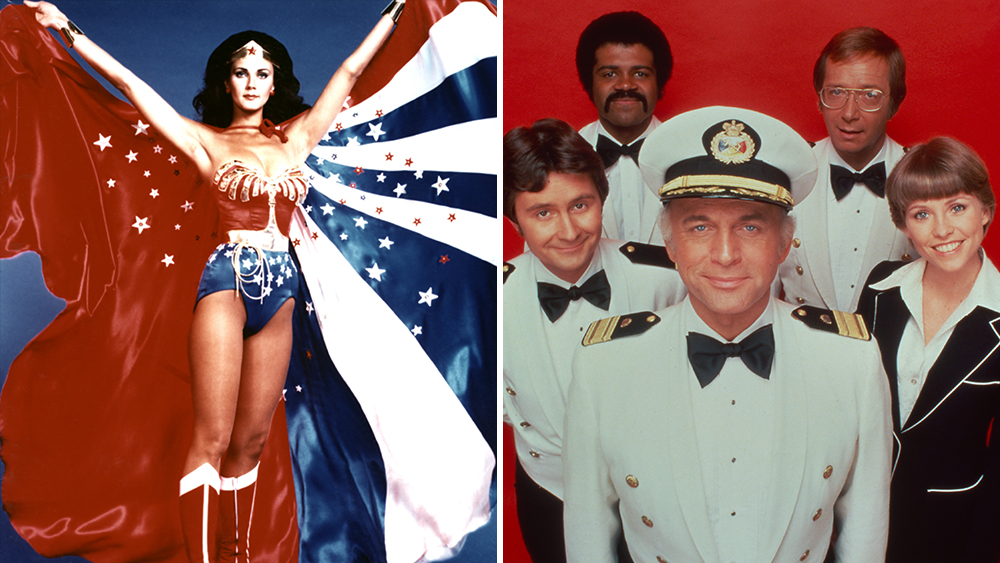
  • Wilford Lloyd Baumes, ‘Wonder Woman’ and ‘Love Boat’ Producer, Dies

    Wilford Lloyd Baumes, ‘Wonder Woman’ and ‘Love Boat’ Producer, Dies

    Wilford Lloyd Baumes, a television producer recognized for his contributions to seminal 1970s and 1980s series including Wonder Woman and The Love Boat, died on July 1, 2026, at the age of 86. His passing marks the end of an era for a figure who helped define the golden age of episodic television through his production work.

    Baumes’s career spanned several decades, influencing the creation and execution of programs that became household names. His involvement with these shows ensured their quality and cultural resonance for millions of viewers.

    Early Life and Career Beginnings

    Wilford Lloyd Baumes began his journey in the television industry during a period of significant growth and innovation. Details of his early life and initial forays into media production are foundational to understanding his later successes.

    The burgeoning television landscape of the mid-20th century provided fertile ground for new talent. Baumes navigated this environment, learning the intricacies of production from the ground up.

    His early roles likely involved various aspects of television creation, building a comprehensive understanding of the craft. This foundational experience would prove crucial for his later executive responsibilities.

    The era demanded versatility and a keen eye for engaging content. Baumes developed these skills, positioning himself for more prominent roles as the industry matured.

    He established a reputation for dedication and an understanding of audience appeal. These qualities would become hallmarks of his work on some of television’s most memorable shows.

    Producing Wonder Woman (1975-1979)

    Wilford Lloyd Baumes served as a producer for the iconic Wonder Woman television series, which aired from 1975 to 1979. This show, starring Lynda Carter as the Amazonian princess Diana Prince, became a cultural phenomenon.

    The series initially debuted on ABC for its first season before moving to CBS for its subsequent two seasons. Baumes’s role was critical in managing the complex production of a superhero narrative for a primetime audience.

    Wonder Woman required intricate stunt work, special effects for its time, and a careful balance of action and character development. Baumes helped ensure these elements coalesced into a cohesive and entertaining program.

    His efforts contributed to the show’s lasting legacy, making Lynda Carter’s portrayal of Wonder Woman a definitive interpretation for generations. The series remains a touchstone of 1970s television.

    The production team, including Baumes, navigated the challenges of adapting a beloved comic book character for a mainstream audience. Their success laid groundwork for future superhero adaptations.

    The Phenomenon of The Love Boat (1977-1987)

    Another significant credit in Wilford Lloyd Baumes’s career was his role as a producer for The Love Boat. This romantic comedy-drama series premiered in 1977 and became a staple of ABC’s Saturday night lineup, running for ten seasons until 1987.

    The Love Boat depicted the comedic and romantic adventures of passengers and crew aboard a luxury cruise ship, the Pacific Princess. Baumes was instrumental in bringing this anthology-style show to air each week.

    The series was known for its rotating cast of guest stars, often prominent actors from film and television. Managing this extensive ensemble and multiple storylines presented a unique production challenge.

    Baumes’s work on The Love Boat contributed to its status as a ratings success and a cultural touchstone. The show’s theme song and format are instantly recognizable to millions.

    His production oversight helped maintain the show’s lighthearted tone and consistent quality over its long run. The Love Boat became synonymous with escapist television entertainment.

    Impact on 1970s and 1980s Television

    Wilford Lloyd Baumes’s work on Wonder Woman and The Love Boat placed him at the heart of popular television production during the 1970s and 1980s. These decades were transformative for the medium.

    He contributed to shows that captivated diverse audiences, from superhero enthusiasts to viewers seeking romantic comedy. His ability to work across genres demonstrated his versatility as a producer.

    The success of these programs helped solidify the episodic format that dominated network television. Baumes’s production skills were vital in delivering consistent content to demanding broadcast schedules.

    His influence extended to the practical aspects of television making, from budgeting and scheduling to creative decisions that shaped the final product. Producers like Baumes were the unsung heroes behind the scenes.

    The cultural footprint of shows like Wonder Woman and The Love Boat endures, largely due to the dedicated efforts of individuals like Wilford Lloyd Baumes. They crafted entertainment that resonated deeply with the viewing public.

    The Role of a Television Producer

    The role of a television producer, as exemplified by Wilford Lloyd Baumes, is multifaceted and crucial. Producers are responsible for overseeing all aspects of a show’s creation, from concept to final broadcast.

    This includes financial management, ensuring the project stays within budget. It also involves logistical coordination, such as scheduling filming and managing crew and cast.

    Creatively, producers often work closely with writers, directors, and actors to shape the narrative and artistic vision of a series. They act as a central hub, ensuring all departments work in harmony.

    Baumes’s longevity in the industry suggests a mastery of these various responsibilities. His success on high-profile shows underscores his effectiveness in this demanding role.

    A producer’s impact can often be seen in the overall quality and consistency of a television series. Baumes’s credits reflect a career dedicated to delivering engaging and memorable content.

    Legacy in Classic Television

    Wilford Lloyd Baumes leaves behind a significant legacy within the realm of classic American television. His contributions are etched into the history of programs that continue to be celebrated and rewatched.

    The enduring popularity of Wonder Woman, with its themes of empowerment and justice, speaks to the quality of its original production. Baumes played a key role in bringing this vision to life.

    Similarly, The Love Boat remains a beloved series, synonymous with feel-good entertainment and the glamour of cruise travel. Its unique format and guest star roster were expertly managed under his oversight.

    His work helped establish the benchmarks for episodic storytelling and character development in primetime television. These shows provided comfort and escape for millions of viewers across the globe.

    Baumes’s career serves as a testament to the dedication and skill required to produce successful and impactful television. His influence helped shape an entire generation’s viewing habits.

    The Enduring Appeal of Nostalgia

    The passing of figures like Wilford Lloyd Baumes often triggers a wave of nostalgia for the eras they helped define. His work is deeply embedded in the collective memory of those who grew up watching 1970s and 1980s television.

    Shows like Wonder Woman and The Love Boat offered a particular brand of entertainment. They provided escapism and often explored themes of heroism, romance, and human connection in accessible ways.

    This nostalgic appeal ensures that Baumes’s work continues to be relevant. Reruns, streaming services, and fan communities keep these classic series alive for new and old audiences alike.

    The ability of these shows to transport viewers back to a simpler time is a powerful aspect of their enduring charm. Baumes was a key architect of this televised comfort.

    His passing reminds audiences of the creators behind the magic. It prompts reflection on the impact these programs had on their lives and the broader cultural landscape.

    The Evolution of Television Production

    Wilford Lloyd Baumes’s career spanned a period of significant evolution in television production. From the network-dominated era to the early days of cable, he witnessed and adapted to changes.

    The methods and technologies used in television production have transformed dramatically since his early days. Yet, the core principles of storytelling and audience engagement remain constant.

    Producers like Baumes were foundational in developing the practices that still influence modern television. Their experience laid the groundwork for today’s complex productions.

    His ability to consistently deliver high-quality content across different series speaks to his adaptability and understanding of the medium’s demands. Television production is a constantly moving target.

    The legacy of producers from this era, including Baumes, continues to inform contemporary approaches to episodic storytelling and show management. Their contributions are fundamental.

    Wilford Lloyd Baumes was a craftsman. A storyteller. A manager. A producer. An architect of televised dreams.