Tag: President Trump

  • President Trump’s Economic Vision: Lowest Interest Rates in the World

    President Trump’s Economic Vision: Lowest Interest Rates in the World

    President Donald Trump has publicly stated his belief that the United States should have the lowest interest rates in the world. This declaration signals a core tenet of his economic platform, emphasizing accessible credit as a primary driver for national economic expansion and global competitiveness. His perspective often positions monetary policy as a direct tool for accelerating growth.

    This view has been a consistent aspect of his economic commentary, both during his previous term and in the lead-up to and during his current presidency. It reflects a desire for the Federal Reserve to maintain an accommodative stance, prioritizing growth over potential inflationary pressures.

    The Rationale Behind Lowest Rates

    The argument for lower interest rates centers on stimulating economic activity. When borrowing costs are low, businesses find it cheaper to invest in new projects, expand operations, and hire more employees. Consumers also benefit from lower rates on mortgages, car loans, and other forms of credit, which can boost spending.

    President Trump’s advocacy for globally lowest rates suggests a belief that this would give the U.S. a competitive advantage. It could make the U.S. a more attractive destination for foreign investment, as capital costs would be comparatively low. This could potentially lead to increased capital inflows and a stronger domestic economy.

    Historically, periods of low interest rates have often coincided with economic booms. The argument is that cheap money lubricates the gears of commerce, enabling greater innovation and production. This perspective prioritizes the immediate stimulus effect of monetary policy.

    Monetary Policy and the Federal Reserve

    The Federal Reserve, the central banking system of the United States, is tasked with a dual mandate: achieving maximum employment and maintaining price stability. Its primary tool for influencing the economy is the federal funds rate, which impacts other interest rates throughout the financial system.

    The Fed operates with a degree of independence from political influence, a structure designed to allow it to make decisions based on economic data rather than short-term political considerations. This independence is often seen as crucial for long-term economic stability and credibility.

    President Trump’s calls for lower rates often place him in a different philosophical camp than some traditional central bankers. While central banks typically aim for a neutral rate that neither stimulates nor constrains the economy, his stance suggests a preference for sustained stimulus.

    The Role of the Federal Funds Rate

    The federal funds rate is the target interest rate set by the Federal Open Market Committee (FOMC). This rate influences the rates banks charge each other for overnight lending. Changes to this rate ripple through the economy, affecting everything from mortgage rates to business loan costs.

    A lower federal funds rate makes borrowing cheaper for banks, which in turn can pass those savings on to consumers and businesses. This encourages borrowing and spending, theoretically stimulating economic growth. Conversely, a higher rate discourages borrowing and spending, which can help to cool an overheating economy and combat inflation.

    The FOMC meets eight times a year to assess economic conditions and determine the appropriate level for the federal funds rate. Their decisions are based on a wide range of economic indicators, including inflation, employment figures, and GDP growth.

    Global Economic Context and Competition

    The idea of the U.S. having the lowest interest rates globally implies a comparison with other major economies. Countries like Japan and those within the Eurozone have, at various times, experienced periods of near-zero or even negative interest rates to combat deflation and stimulate stagnant economies.

    For the U.S. to achieve the lowest rates, it would require a significant divergence in monetary policy from other leading nations. This could have several international implications. A lower U.S. interest rate, relative to other countries, might make U.S. dollar-denominated assets less attractive to foreign investors seeking higher returns.

    Such a scenario could lead to a weaker U.S. dollar. A weaker dollar makes U.S. exports cheaper and imports more expensive, which could boost domestic manufacturing and reduce the trade deficit. However, it also makes foreign goods more costly for American consumers and could contribute to domestic inflation.

    International Capital Flows

    Interest rate differentials play a significant role in determining international capital flows. When U.S. interest rates are relatively high, foreign investors are more inclined to invest in U.S. bonds and other assets, drawn by the prospect of better returns. This inflow of capital can strengthen the dollar.

    Conversely, if U.S. rates are the lowest globally, capital might flow out of the U.S. in search of higher returns elsewhere. This outflow could put downward pressure on the dollar. The balance of payments, which tracks all financial transactions between a country and the rest of the world, would be directly affected by these movements.

    These dynamics are complex and influenced by many factors beyond interest rates, including geopolitical stability, economic growth prospects, and investor confidence. The pursuit of the lowest rates would need to be considered within this broader international financial landscape.

    Potential Risks and Criticisms

    While low interest rates can stimulate growth, they also carry potential risks. One significant concern is inflation. If the economy grows too quickly and demand outstrips supply, prices can rise, eroding purchasing power. The Federal Reserve’s mandate includes price stability to prevent such scenarios.

    Another risk is the formation of asset bubbles. Prolonged periods of low interest rates can encourage excessive risk-taking and speculation, leading to inflated asset prices in sectors like real estate or the stock market. When these bubbles burst, they can trigger financial crises and economic downturns, as seen in past decades.

    Critics of persistently low rates also point to the impact on savers and retirees. Low interest earnings on savings accounts and fixed-income investments can diminish retirement incomes and disincentivize saving. This can have long-term societal consequences.

    Inflationary Pressures

    The relationship between interest rates and inflation is a cornerstone of monetary policy. When interest rates are low, borrowing is cheap, which encourages spending and investment. If this increased demand outpaces the economy’s productive capacity, prices tend to rise.

    The Federal Reserve typically aims for an inflation rate of around 2 percent, which is considered healthy for economic growth without eroding purchasing power too quickly. Deviations significantly above this target can trigger rate hikes to cool the economy.

    President Trump’s focus on growth through low rates would require careful management of inflationary pressures. The challenge lies in stimulating the economy without allowing inflation to get out of control, a balancing act central to central banking.

    Historical Context of U.S. Interest Rates

    U.S. interest rates have fluctuated significantly throughout history, influenced by economic cycles, policy decisions, and global events. The post-World War II era saw relatively stable rates until the high inflation of the 1970s and early 1980s, which led to extremely high interest rates under Federal Reserve Chair Paul Volcker.

    More recently, the 2008 financial crisis and the COVID-19 pandemic prompted the Federal Reserve to lower rates to near zero. These were extraordinary measures aimed at preventing economic collapse and stimulating recovery. The period following 2008 saw an extended period of low rates, contributing to a slow but steady recovery.

    The current landscape, as of 2026, reflects ongoing economic adjustments. The Federal Reserve’s decisions are continually informed by the legacy of these past events and the evolving challenges of the global economy.

    Post-2008 Policies

    Following the 2008 financial crisis, the Federal Reserve implemented several unconventional monetary policies, including quantitative easing (QE), alongside near-zero interest rates. QE involved the Fed purchasing large quantities of government bonds and other assets to inject liquidity into the financial system and further depress long-term interest rates.

    These policies were instrumental in stabilizing the financial system and supporting economic recovery. However, they also sparked debates about their long-term effects on inflation, asset prices, and income inequality.

    The recovery from the 2008 crisis was protracted, and the Fed maintained an accommodative stance for many years. This period demonstrated both the power and the limitations of monetary policy in stimulating a deeply distressed economy.

    Implications for the Average American

    For the average American, the pursuit of the lowest interest rates in the world could have mixed implications. Homeowners might benefit from lower mortgage rates, making housing more affordable or allowing for refinancing at better terms. Consumers could see lower costs for car loans and credit card debt.

    Businesses, particularly small and medium-sized enterprises, might find it easier to secure financing for expansion, leading to job creation and increased wages. This could contribute to a sense of economic optimism and prosperity.

    However, savers, especially those relying on fixed-income investments for retirement, could see their returns diminish. This could force them to take on more risk in their investment portfolios to achieve desired returns, or face a reduction in their spending power during retirement.

    Impact on Savings and Investments

    Low interest rates generally translate to lower returns on traditional savings vehicles like savings accounts, certificates of deposit (CDs), and money market accounts. This can be challenging for individuals who prefer low-risk investments.

    For investors, a low-rate environment often encourages a shift towards riskier assets like stocks or real estate in search of higher yields. While this can fuel asset appreciation, it also exposes investors to greater volatility and potential losses.

    Retirees, who often depend on income from bonds and other fixed-income securities, are particularly vulnerable to sustained low interest rates. Their ability to generate income from their savings can be significantly impaired, potentially impacting their quality of life.

    The Broader Economic Philosophy

    President Trump’s call for the lowest interest rates is consistent with a broader economic philosophy that prioritizes rapid growth and deregulation. This approach often views government intervention, including restrictive monetary policy, as a hindrance to market forces and business expansion.

    This philosophy contrasts with more conservative approaches that emphasize fiscal discipline, inflation control, and the long-term stability of the financial system. The debate over interest rate policy is therefore not just technical but also ideological.

    The ongoing discussion around interest rates reflects fundamental disagreements about the best path to national prosperity and the appropriate role of government and central banks in managing the economy.

    Growth vs. Stability

    The core tension in monetary policy often lies between promoting economic growth and maintaining financial stability. Aggressive growth policies, particularly those reliant on very low interest rates, can sometimes lead to instability if not carefully managed.

    Central banks typically aim for a balanced approach, seeking to foster sustainable growth without creating excessive inflation or financial imbalances. The challenge is finding the optimal point where the economy can expand robustly without succumbing to boom-bust cycles.

    President Trump’s emphasis on achieving the lowest rates globally suggests a strong preference for growth, even if it entails a different risk profile than traditionally favored by central banking institutions.

    Future Outlook and Policy Challenges

    The aspiration for the United States to have the lowest interest rates in the world presents significant policy challenges. It would require a Federal Reserve willing to maintain an exceptionally accommodative stance, potentially in the face of inflation or other economic signals that might typically prompt rate increases.

    The global economic environment, including the monetary policies of other major central banks, would also play a crucial role. Divergent policies could lead to currency fluctuations, trade imbalances, and other international economic pressures.

    Ultimately, the actual path of U.S. interest rates will be determined by a complex interplay of economic data, Federal Reserve decisions, and the overarching economic philosophy guiding the administration. The debate over the optimal level of interest rates remains a central feature of economic discourse.

    Economists will continue to analyze the data. Policymakers will continue to deliberate. Markets will continue to react. The future of U.S. interest rate policy remains a critical point of focus for the global economy.
  • President Trump and the ‘Elites After Him’ Narrative – Unpacking the TMZ Claim

    President Trump and the ‘Elites After Him’ Narrative – Unpacking the TMZ Claim

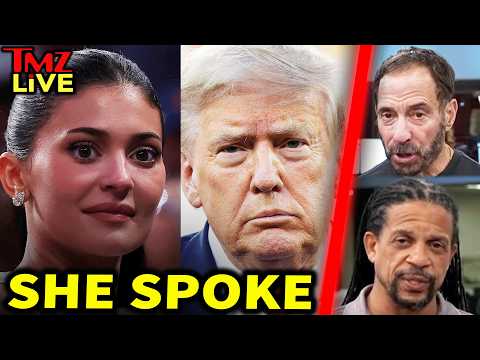
    On July 20, 2026, the entertainment news program TMZ Live aired a segment titled “Trump In MAJOR Trouble – Elites AFTER HIM?!” This broadcast highlighted a recurring theme in political discourse: the perception of powerful, often unnamed, ‘elites’ actively working against President Donald Trump. The segment, like many before it, tapped into a narrative framework that resonates deeply with a segment of the American electorate, suggesting an ongoing struggle between the President and established institutions.

    The discussion on TMZ Live, hosted by Harvey Levin and Charles Latibeaudiere, focused on various unconfirmed reports and speculative comments circulating across social media and certain news outlets regarding President Trump’s political and legal challenges in mid-2026. While the show primarily operates within the celebrity news sphere, its foray into such politically charged topics underscores the pervasive nature of this ‘elites vs. Trump’ narrative.

    The Enduring ‘Elites After Him’ Narrative

    The concept of ‘elites’ targeting President Trump is not new. It has been a foundational element of his political campaigns and presidency since 2015. This narrative posits that a coalition of entrenched figures, including politicians, media personalities, globalists, and financial magnates, actively seeks to undermine his political agenda and personal standing.

    This framing often serves multiple purposes. It can rally supporters by presenting President Trump as an underdog fighting against powerful adversaries. It can also explain setbacks or criticisms as evidence of a coordinated attack rather than policy failures or political missteps. The July 20, 2026, TMZ Live segment offered a fresh instance of this narrative being reinforced in a mainstream, albeit entertainment-focused, context.

    Defining ‘Elites’ in the Trumpian Context

    The term ‘elites’ in this narrative is broadly defined. It typically encompasses:

    • The Political Establishment: Long-standing figures within both major political parties who are perceived as being out of touch with ordinary Americans.
    • Mainstream Media: Major news organizations, often accused of biased reporting and acting as an extension of the political establishment.
    • Globalist Institutions: International organizations and agreements seen as eroding national sovereignty and benefiting a select few.
    • Deep State: A shadowy network of unelected government officials and intelligence operatives believed to be working against the President’s agenda.
    • Financial & Corporate Interests: Wealthy individuals and large corporations perceived as manipulating the system for their own gain.

    These groups are often presented as operating in concert, united by a common desire to maintain their power and influence, which President Trump is seen as disrupting.

    TMZ Live’s Role in Political Discourse

    TMZ Live, traditionally known for breaking celebrity news and analyzing pop culture, has increasingly waded into political commentary. This shift reflects a broader trend in media where the lines between entertainment and hard news have blurred. The show’s segment on President Trump on July 20, 2026, illustrates this crossover, bringing political discussion to an audience that might not regularly consume traditional news channels.

    Harvey Levin, the show’s executive producer and host, has often expressed opinions on political matters. His platform on TMZ provides a unique lens through which to view public figures, including political leaders. The segment’s choice to phrase the headline with sensational language like “MAJOR Trouble” and a question mark after “Elites AFTER HIM?!” is characteristic of TMZ’s style, designed to capture attention and provoke discussion.

    The Impact of Entertainment News on Political Narratives

    When platforms like TMZ engage with political topics, they contribute to the mainstreaming of certain narratives. For President Trump’s supporters, a segment on TMZ Live discussing ‘elites after him’ might validate their existing beliefs. For others, it might simply be seen as further sensationalism. Regardless of interpretation, its presence on such a platform expands the reach of the narrative beyond traditional political echo chambers.

    The July 20, 2026, broadcast became another data point in the ongoing public conversation surrounding President Trump’s challenges and his portrayal as a figure constantly battling powerful forces.

    President Trump’s Second Term: A Landscape of Challenges

    President Donald Trump, inaugurated for his second non-consecutive term on January 20, 2025, has faced a complex array of challenges. These include ongoing legislative battles, economic policy debates, and persistent legal scrutiny. The ‘elites after him’ narrative often contextualizes these challenges, framing them not as ordinary political hurdles but as deliberate acts of opposition from entrenched powers.

    Legislative and Policy Landscape

    In mid-2026, President Trump’s administration continued to pursue key policy objectives. These included efforts related to border security, trade agreements, and domestic energy production. Each policy initiative often encountered significant opposition, both from within Congress and from external advocacy groups. The narrative suggests that this opposition is not merely ideological but part of a broader effort by ‘elites’ to obstruct the President’s agenda.

    For instance, discussions surrounding proposed changes to federal regulations or new international trade frameworks frequently become battlegrounds where the ‘elites after him’ theme is invoked. Proponents of the President’s policies argue that resistance comes from those who benefit from the status quo, while opponents contend their actions are based on legitimate policy disagreements.

    Economic Conditions and Public Perception

    The U.S. economy in mid-2026 presented a mixed picture, with varying reports on inflation, employment, and consumer confidence. Economic narratives often play into the ‘elites’ discussion. Critics of President Trump’s economic policies might attribute any downturns to his administration’s decisions. Supporters, however, might argue that any economic difficulties are exacerbated by ‘elite’ financial institutions or globalist policies that undermine American prosperity.

    The perception of who benefits from economic policies is also central. The ‘elites after him’ narrative often implies that these ‘elites’ are precisely those who profit from systems that President Trump aims to dismantle or reform.

    Legal Scrutiny and Public Opinion

    President Trump has consistently been the subject of various legal inquiries and civil actions. These legal challenges, whether ongoing or resolved, often fuel the ‘elites after him’ narrative. Supporters frequently view these legal proceedings as politically motivated persecutions orchestrated by those who wish to remove him from power or discredit him.

    Ongoing Legal Battles in Mid-2026

    As of July 20, 2026, several legal matters involving President Trump remained subjects of public discussion. These could range from challenges related to his business dealings to investigations stemming from his previous time in office. Each legal development, regardless of its merits, is often interpreted through the lens of a coordinated effort by ‘elites’ to target him.

    The judicial system itself can become part of the ‘elite’ apparatus in this narrative, especially when court rulings go against the President’s interests. This perspective suggests that even the legal framework is weaponized by those opposed to his leadership.

    The Role of Media in Shaping Perceptions

    Media coverage of President Trump’s legal issues is a critical component of how the ‘elites after him’ narrative is perpetuated or challenged. Outlets that align with the narrative often emphasize the political motivations behind legal actions, while others focus on the legal facts and due process.

    TMZ Live’s segment on July 20, 2026, by posing the question “Elites AFTER HIM?!”, implicitly acknowledged and amplified this interpretive framework, regardless of the show’s intent. It brought the discussion of potential targeting by powerful forces into a widely consumed entertainment format.

    Historical Context of ‘Elites’ vs. Populism

    The ‘elites after him’ narrative is not unique to President Trump. Throughout history, populist movements have often framed their struggles as battles against entrenched elites. From Andrew Jackson’s fight against the Second Bank of the United States to Bernie Sanders’s critiques of the “billionaire class,” the theme of the common person (or their champion) against powerful, privileged interests is a recurring one in American politics.

    Populist Movements and Anti-Establishment Rhetoric

    President Trump’s political rise was, in many ways, a populist phenomenon. His rhetoric consistently positioned him as an outsider fighting on behalf of the forgotten man and woman against a corrupt system. This anti-establishment stance is a natural breeding ground for the ‘elites after him’ narrative.

    The narrative provides a clear antagonist, allowing supporters to identify with President Trump as a fellow victim or a brave warrior against these forces. It simplifies complex political issues into a moral struggle between good (the people and their champion) and evil (the conspiring elites).

    The Information Ecosystem in 2026

    In 2026, the information ecosystem is highly fragmented. Social media platforms, niche news sites, and traditional media all contribute to a complex landscape where narratives can spread rapidly and be reinforced within specific communities. The TMZ Live segment, while coming from a celebrity news outlet, becomes part of this broader ecosystem, feeding into existing discussions and contributing to the ongoing cultural conversation.

    The speed at which headlines and snippets of information travel means that interpretations and narratives can solidify quickly, often before comprehensive factual analysis is widely available. The July 20, 2026, TMZ broadcast serves as an example of how a compelling, if speculative, headline can quickly become part of the public’s understanding of current events.

    President Trump’s ongoing presidency in 2026 continues to be defined by this dynamic. His supporters remain vigilant, interpreting events through the lens of a constant battle against powerful, often unseen, adversaries. Critics continue to scrutinize his actions and rhetoric, often dismissing the ‘elites after him’ narrative as a deflection from accountability.

    The TMZ Live segment, therefore, was not an isolated event. It was a reflection of a deeply ingrained political and cultural phenomenon. A phenomenon that shapes public discourse. A phenomenon that influences voter behavior. A phenomenon that defines the political landscape.

    President Trump.


  • US Strikes Iran for Ninth Day: Hormuz Near Standstill Amid Escalation

    US Strikes Iran for Ninth Day: Hormuz Near Standstill Amid Escalation

    For nine consecutive days, the United States has conducted military strikes against targets within Iran. This sustained military action, initiated on July 12, 2026, followed a drone attack on a US Navy vessel in the Persian Gulf. These operations have led to a near complete halt of maritime traffic through the Strait of Hormuz, a critical global chokepoint for oil shipments.

    The current operational phase represents a marked intensification of tensions between Washington D.C. and Tehran. The implications extend beyond military engagements, affecting global energy markets and international diplomacy. President Trump, in a July 12 statement from the White House, affirmed the strikes were a ‘decisive response’ to protect American lives and interests.

    The Catalyst: USS Kearsarge Attack

    The immediate trigger for the US military response was a drone attack on the USS Kearsarge (LHD-3) on July 11, 2026. The Wasp-class amphibious assault ship was operating in international waters in the Persian Gulf when it was struck. The attack resulted in the deaths of two US Navy personnel and injuries to several others. The Pentagon identified the drone as being of Iranian origin, though Tehran has denied direct responsibility.

    This incident marked a significant escalation. Previous skirmishes in the region, while frequent, had not directly resulted in US military casualties on this scale. The Kearsarge, a prominent vessel in the US Fifth Fleet, was conducting routine patrols when the incident occurred.

    President Trump convened a National Security Council meeting shortly after the attack. Vice President JD Vance was also present. The decision to launch retaliatory strikes was announced the following morning, July 12, 2026, with the first wave of operations commencing within hours.

    The Strait of Hormuz: A Global Chokepoint Under Siege

    The Strait of Hormuz is a narrow sea passage connecting the Persian Gulf with the Arabian Sea and the Gulf of Oman. It is one of the world’s most strategically important chokepoints. Approximately 21 million barrels of oil per day, or roughly one-fifth of global oil consumption, pass through this strait, as reported by the U.S. Energy Information Administration (EIA).

    The strait’s closure or significant disruption has immediate and profound effects on international oil prices and global supply chains. Tankers carrying crude oil and refined petroleum products from Saudi Arabia, Iran, the UAE, Kuwait, and Iraq must navigate its waters. These nations collectively represent a substantial portion of the world’s petroleum exporters.

    Its narrowest point is only 21 nautical miles (39 kilometers) wide, with the shipping lanes themselves being just two miles wide in either direction. This geographical constraint makes it particularly vulnerable to disruptions. The current near-standstill has severely impacted the flow of oil, with ripple effects across global markets.

    Economic Repercussions of Disruption

    The current near-standstill in the Strait of Hormuz has already triggered sharp increases in global oil prices. Brent crude futures surged by over 15% in the first 48 hours following the disruption, reaching levels not seen since 2014. West Texas Intermediate (WTI) also experienced a similar spike.

    Energy analysts from institutions like the International Energy Agency (IEA) predict further volatility if the situation does not de-escalate swiftly. Countries heavily reliant on Middle Eastern oil, particularly in Asia (China, India, Japan, South Korea) and Europe, are evaluating alternative supply routes and assessing the readiness of their strategic petroleum reserves.

    The cost of maritime insurance for vessels transiting the region has also skyrocketed, with some insurers refusing coverage altogether. Many major shipping companies, including Maersk and MSC, have announced rerouting plans or temporarily halted operations in the Gulf, contributing significantly to the bottleneck and delays in global trade.

    Details of the US Strikes: Targets and Objectives

    The US military operations, now in their ninth day, have focused on specific Iranian military installations and infrastructure. The Pentagon confirmed that the strikes were designed to degrade Iran’s capacity to project power in the Gulf and to deter further attacks on US assets or personnel.

    Initial strikes on July 12 targeted drone launch sites and naval command and control centers belonging to Iran’s Islamic Revolutionary Guard Corps (IRGC) near Bandar Abbas and Qeshm Island. These targets were chosen due to their proximity to the Strait of Hormuz and their alleged involvement in previous maritime incidents.

    Subsequent days saw a broadening of targets. On July 14, US Air Force F-35 fighter jets, operating from Al Dhafra Air Base in the UAE, struck air defense systems and missile batteries in southwestern Iran. By July 16, reports indicated precision strikes against IRGC naval bases along the Iranian coast, including facilities near Bushehr and Chabahar.

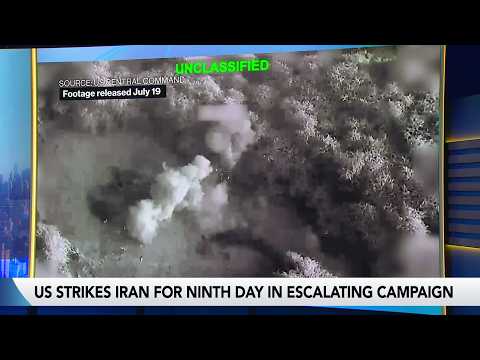
    The US Central Command (CENTCOM) released satellite imagery on July 18, purporting to show significant damage to several IRGC radar installations and a naval shipyard. While the full scope of the nine-day operation remains classified, President Trump stated on July 17 that the US would continue to ‘dismantle’ Iran’s offensive capabilities until the threat was neutralized.

    Escalation Timeline

    The first reported US strike occurred on July 12, 2026, approximately 24 hours after the USS Kearsarge incident. This initial phase involved cruise missile launches from US Navy destroyers in the Arabian Sea.

    Over the subsequent days, strikes became more frequent and seemingly more diverse in their targeting, incorporating air assets and cyber operations. By July 15, 2026, reports emerged of significant disruptions to shipping in the Strait of Hormuz, with multiple vessels reporting GPS jamming and intimidation tactics by Iranian vessels.

    Today, July 20, 2026, marks the ninth consecutive day of these operations. The sustained nature of the strikes suggests a strategic objective beyond immediate retaliation, aiming for a significant reduction in Iran’s military capabilities in the region.

    International Response and Diplomacy Efforts

    The international community has reacted with widespread concern. The United Nations Security Council convened an emergency session on July 14, 2026, to discuss the escalating crisis. UN Secretary-General António Guterres issued a strong call for de-escalation and a return to diplomatic solutions, warning of the potential for a regional conflagration.

    Several European nations, including France, Germany, and the United Kingdom, have urged both the United States and Iran to exercise restraint. French President Emmanuel Macron spoke with President Trump on July 15, emphasizing the importance of maintaining freedom of navigation in international waters and seeking a negotiated settlement.

    China and Russia have also voiced their concerns, advocating for a return to dialogue. Chinese Foreign Minister Wang Yi stated on July 16 that ‘all parties must avoid actions that further inflame the situation.’ These nations have significant economic ties to the Middle East and are keenly aware of the potential global economic fallout from prolonged conflict.

    Regional Allies and Alliances

    US allies in the Middle East, such as Saudi Arabia and the United Arab Emirates, have expressed solidarity with Washington D.C. Saudi Crown Prince Mohammed bin Salman issued a statement on July 13, condemning the attack on the USS Kearsarge and supporting the US’s right to self-defense. They have also called for stability in the region, while condemning what they describe as Iranian destabilizing activities.

    Israel, a key US ally, has remained largely silent on the specifics of the strikes, though its leadership has consistently highlighted the perceived threat from Iran. Prime Minister Benjamin Netanyahu reiterated Israel’s commitment to its own security on July 14, without directly commenting on the US operations. The broader network of regional alliances is being tested by the current crisis, with some nations privately expressing concerns about unintended consequences.

    The geopolitical landscape of the Middle East is already complex. The current conflict adds another layer of instability, potentially drawing in other regional actors, including non-state militias and proxy groups, further complicating any resolution efforts.

    Impact on Global Security and Humanitarian Concerns

    The ongoing US military action in Iran raises significant questions about global security. The precedent of sustained strikes against a sovereign nation, even if in response to perceived threats, is a matter of international law and diplomacy. Legal scholars and international bodies are scrutinizing the justification and proportionality of the ongoing military campaign.

    Concerns exist about the potential for miscalculation. An accidental escalation or an unintended consequence could lead to a much broader conflict with devastating human and economic costs, potentially involving more regional and global powers. The risk of cyber warfare has also been a component of modern conflicts. Both nations possess significant cyber capabilities, raising the risk of attacks on critical infrastructure beyond the immediate conflict zone, including financial systems and energy grids.

    Humanitarian Concerns

    Reports of civilian casualties, though unverified by independent international bodies, have emerged from Iranian state media. These reports underscore the humanitarian impact of the strikes. International aid organizations, including the International Committee of the Red Cross (ICRC) and Doctors Without Borders, are preparing for potential displacement and increased need for assistance in the region.

    Access to humanitarian aid and the safety of civilians in conflict zones are paramount concerns. The long-term effects on the Iranian populace, already facing economic hardship due to sanctions, could be severe, exacerbating food insecurity and public health crises. The protection of cultural heritage sites is also a consideration. Conflicts often result in irreversible damage to historical and cultural landmarks, a concern voiced by UNESCO on July 17.

    The Role of President Trump’s Administration

    President Trump’s administration has maintained a firm stance on its Iran policy. Since his inauguration in 2025 for his second non-consecutive term, the President has reiterated his commitment to protecting US interests and allies through a combination of diplomatic pressure and, when deemed necessary, military deterrence. The current military actions are consistent with a strategy that emphasizes strong responses to perceived aggression.

    During a press conference on July 19, President Trump stated, “We will not tolerate attacks on our sailors or our ships. We will defend our personnel and our allies with every tool at our disposal.” Vice President JD Vance echoed these sentiments, emphasizing the administration’s resolve. Secretary of State Mike Pompeo has engaged in extensive diplomatic outreach, explaining the US position to international partners while maintaining pressure on Tehran.

    The administration’s approach is rooted in the belief that a strong show of force is necessary to prevent further Iranian aggression and to re-establish deterrence in the vital Persian Gulf region. This policy contrasts with previous administrations’ approaches, marking a distinct shift towards more direct engagement when red lines are crossed.

    The world watches. The Strait remains disrupted. The military operations continue.


  • US Expands Attacks on Iran After American Service Member’s Death

    US Expands Attacks on Iran After American Service Member’s Death

    The United States initiated expanded military operations against targets within Iran on 2026-07-20, directly following the confirmed death of an American service member reported on 2026-07-19. These retaliatory strikes focused on facilities associated with the Islamic Revolutionary Guard Corps (IRGC), marking a significant escalation in the ongoing tensions between Washington D.C. and Tehran.

    President Trump authorized the measures, asserting that the US would respond decisively to any actions endangering American personnel. The Department of Defense is currently compiling specific details regarding the full scope and impact of these new operations.

    The Incident Triggering Escalation

    An American service member was killed on 2026-07-19. The Pentagon confirmed the casualty but withheld the service member’s identity pending family notification. Initial reports indicated the incident occurred during an operational mission in the region.

    The exact circumstances leading to the American service member’s death remain under investigation. Defense officials have not yet specified the type of attack or the group responsible. However, the immediate US response suggested a direct link to Iranian-backed entities.

    This loss of life prompted swift action from the US administration. President Trump reiterated the policy of responding forcefully to any attacks on American forces or interests.

    Expanded US Military Response

    On 2026-07-20, the US Central Command (CENTCOM) announced the execution of precision strikes. These strikes were described as defensive in nature, aimed at degrading the capabilities of groups threatening US personnel.

    Defense Secretary Pete Hegseth issued a statement confirming the operations. He emphasized that the US seeks to deter further aggression while protecting American forces stationed in the Middle East. The strikes were carefully planned to minimize civilian casualties.

    Targeted Facilities and Operations

    The expanded attacks specifically targeted infrastructure and command-and-control nodes belonging to the Islamic Revolutionary Guard Corps (IRGC). Unconfirmed reports suggested targets included facilities in western Iran and along the Iraq-Iran border.

    These locations are historically used by the IRGC for logistics and training. The precision nature of the strikes aimed to disrupt these operational capabilities without broader engagement.

    The decision to target IRGC assets directly indicated a strategic shift in response. Previous engagements often focused on proxy groups. This direct targeting underscored the US administration’s determination to hold Iran accountable for actions attributed to its proxies.

    Military analysts observed that striking IRGC facilities serves multiple purposes. It aims to degrade immediate operational capacity. It also sends a strong deterrent message to Tehran regarding the consequences of attacks on American personnel.

    The strikes were executed with advanced weaponry, ensuring accuracy and minimizing collateral damage. US officials stressed the defensive posture of these actions, framing them as necessary to protect American interests and service members in the region.

    Geopolitical Implications and Regional Reactions

    The escalation immediately drew international attention. Allies of the United States expressed concern over the potential for broader regional conflict. Several nations called for de-escalation from all parties involved.

    The European Union issued a statement urging restraint. Countries in the Middle East, including Saudi Arabia and the United Arab Emirates, monitored the situation closely. Their reactions varied, reflecting their complex relationships with both the US and Iran.

    Iran’s Official Stance

    Iran’s Ministry of Foreign Affairs condemned the US actions as a violation of its sovereignty. Official statements from Tehran vowed a proportionate response. The IRGC media outlets reported on the strikes, describing them as acts of aggression.

    Iranian officials characterized the US strikes as an act of international terrorism. They asserted Iran’s right to self-defense. Public sentiment in Iran, as reported by state media, was one of defiance and condemnation.

    The Iranian government convened an emergency session of its National Security Council. Discussions focused on potential retaliatory measures and strategies to counter what it termed American aggression. The Supreme Leader’s office also issued a statement, reinforcing the nation’s resolve.

    International Response and Concerns

    The United Nations Secretary-General called for an immediate cessation of hostilities. He emphasized the fragile stability of the Middle East. Diplomatic efforts were initiated to prevent a full-scale regional conflict.

    Russia and China, both permanent members of the UN Security Council, expressed strong disapproval of the US actions. They called for a peaceful resolution through dialogue. Their statements highlighted the risks of unilateral military action.

    Analysts are assessing how this military escalation will impact global oil markets and international shipping lanes. The Strait of Hormuz, a critical chokepoint for global oil supplies, remains a focal point of concern. Any disruption there could have significant economic repercussions worldwide.

    The stability of the broader Middle East hangs in the balance. Regional powers are adjusting their security postures. The increased military activity raises the specter of miscalculation and unintended consequences.

    Ongoing Monitoring and Future Actions

    The Department of Defense continues to monitor the situation closely. Further statements are anticipated from President Trump and key administration officials. The safety and security of US service members remain the top priority.

    US military assets in the region have been placed on heightened alert. Defensive measures are being reinforced across all American bases. Intelligence agencies are working to assess Iranian intentions and capabilities.

    President Trump’s administration has consistently maintained a firm stance against perceived Iranian aggression. This latest military action aligns with that stated policy. The administration’s focus remains on protecting American lives and interests.

    The international community watches. Regional powers respond. Global markets react. The world awaits.


  • President Trump to Release Election Integrity Findings in Major Speech

    President Trump to Release Election Integrity Findings in Major Speech

    President Trump is slated to deliver a major speech that will address election integrity, according to a White House announcement made on July 16, 2026. This address is expected to include the release of significant ‘findings’ related to the November 2024 election. The forthcoming speech underscores ongoing national dialogue concerning electoral processes and the public’s confidence in their outcomes.

    The announcement from the White House did not specify the exact date or location of the speech. Details regarding the nature of the ‘findings’ also remain unreleased. The administration indicated that further information would be provided in the coming days.

    The Context of Election Integrity Discussions

    Discussions surrounding election integrity have been a prominent feature of the American political landscape for several years. These conversations often involve various aspects of the electoral system. Topics include voter registration, ballot access, voting machine security, and post-election auditing processes.

    Following the November 2024 election, several states undertook reviews of their election procedures. These reviews were often driven by public calls for increased transparency. They aimed to address concerns about the fairness and accuracy of vote tabulation.

    Previous Calls for Electoral Review

    President Trump has consistently advocated for what he terms ‘election integrity’ measures. His previous campaigns and administrations frequently highlighted perceived vulnerabilities in the voting system. These concerns often centered on issues such as mail-in balloting and electronic voting systems.

    In the lead-up to the 2024 election, numerous state legislatures passed new laws. These laws aimed to modify election administration. Some measures tightened voter identification requirements. Others expanded opportunities for early voting or adjusted ballot drop-off procedures. Each change generated debate among political parties and advocacy groups.

    Anticipation for the White House Address

    The White House announcement on July 16, 2026, has intensified public and media interest. Political analysts are speculating on the content and implications of President Trump’s forthcoming speech. The term ‘findings’ suggests a presentation of data or conclusions drawn from investigations.

    Media outlets are preparing for extensive coverage. News organizations are expected to analyze the presented information. They will also assess its potential impact on future election legislation and public discourse. Social media platforms are already abuzz with commentary from various political perspectives.

    Potential Themes of the Speech

    While specific details are scarce, the speech is anticipated to cover several key themes. These may include:

    • Analysis of voting patterns and anomalies from the 2024 election.
    • Recommendations for federal or state-level election reforms.
    • Critiques of existing election administration practices.
    • Proposals for enhanced voter identification and verification systems.
    • Discussion of the role of technology in securing electoral processes.

    The administration has maintained a focus on ensuring public trust in elections. This speech is positioned as a continuation of that commitment. It aims to provide a comprehensive overview of the administration’s perspective on electoral fairness.

    The Role of the White House in Election Discourse

    The White House plays a significant role in shaping national conversations. Presidential addresses often set the agenda for public debate. President Trump’s decision to personally deliver these ‘findings’ elevates their perceived importance.

    The administration has previously used its platform to advocate for specific policy initiatives. This includes matters related to voting rights and election security. The upcoming speech is consistent with this pattern of direct presidential engagement on critical national issues.

    Public and Political Reactions

    Reactions to the announcement have been varied. Supporters of President Trump have expressed anticipation for the release of new information. They view the speech as a necessary step towards improving electoral integrity.

    Political opponents and critics have voiced concerns. They question the timing and motivation behind such an announcement. Some suggest it may further politicize an already contentious topic. Others call for verifiable evidence to support any claims made during the speech.

    Election officials across the country are also monitoring the situation. They often operate under strict state and federal guidelines. Any federal recommendations could influence their future practices and resource allocation.

    The November 2024 Election: A Review

    The November 2024 election saw significant voter turnout across the United States. It featured races for various federal, state, and local offices. Post-election audits and recounts were conducted in several jurisdictions, as is standard practice.

    These processes are designed to ensure the accuracy of reported results. They often involve manual verification of ballots. They also include cross-referencing voting machine counts with paper records. The integrity of these audits is crucial for public confidence.

    Ongoing Legal and Legislative Actions

    Following the 2024 election, a number of legal challenges were filed. These challenges contested aspects of the election results or procedures. Courts at various levels reviewed these cases. Most were resolved through established legal channels.

    Legislative bodies at the state level have continued to debate election law changes. These debates often reflect partisan divides. They highlight differing philosophies on how best to balance voter access with security measures.

    Looking Ahead: The Impact of the Speech

    The upcoming speech by President Trump is poised to be a significant event. It will likely reignite discussions about election integrity. It could also influence future legislative efforts at both federal and state levels.

    The nature of the ‘findings’ will be critical. If they present new, verifiable data, they could reshape parts of the national conversation. If they reiterate previously debated points, their impact might be more limited to reinforcing existing viewpoints.

    The administration’s communication strategy around the speech will also be important. Clarity and transparency regarding the presented information will be key. This will help to ensure that the public and media can accurately assess the claims.

    The nation waits. The White House prepares. The public anticipates. The political landscape shifts. Washington.

  • Moore: The American Dream Endures – Why It’s Still Worth Fighting For

    Moore: The American Dream Endures – Why It’s Still Worth Fighting For

    Stephen Moore, an economist and political commentator, recently stated that the American Dream remains a concept worth fighting for. His perspective emphasizes the intrinsic link between this dream and traditional American values. Moore’s remarks suggest a call to action, urging citizens to uphold foundational principles with patriotism and defiance.

    The American Dream, as a cultural ideal, implies that anyone in the United States can attain their own version of success. This success is often understood to be achieved through hard work and initiative. The concept has been a cornerstone of American identity for generations.

    Defining the American Dream

    The phrase “American Dream” gained widespread recognition in James Truslow Adams’s 1931 book, Epic of America. Adams described it as “that dream of a land in which life should be better and richer and fuller for everyone, with opportunity for each according to ability or achievement.” This definition transcended mere material prosperity.

    It encompassed ideals of social order and personal fulfillment. It posited that regardless of birth or position, individuals could achieve upward mobility. This was based on their efforts and talents.

    Historically, the American Dream has been associated with homeownership, stable employment, and providing a better life for one’s children. These tangible markers often symbolize the broader intangible aspirations of freedom and opportunity.

    Traditional Values as Foundation

    Moore’s argument connects the American Dream to traditional values. These values often include self-reliance, individual liberty, and a strong work ethic. They are seen as essential components for achieving personal and collective success within the American system.

    The emphasis on traditional values suggests a belief that these principles have historically propelled American progress. They are viewed as the bedrock upon which the nation’s prosperity and opportunities were built. Deviations from these values, in this view, could undermine the dream itself.

    The Fight for the Dream

    Moore’s call to “fight for” the American Dream implies that it is under threat. This perceived threat can stem from various sources. Economic shifts, cultural changes, or political ideologies are often cited as challenges.

    Economic inequality is one frequently discussed challenge. Some argue that the rungs on the ladder of opportunity have become more distant for many. This makes upward mobility harder to achieve for certain segments of the population.

    Cultural critiques also play a role. Debates surrounding national identity and historical narratives can influence perceptions of the American Dream. These discussions sometimes question the inclusivity and accessibility of the dream for all Americans.

    Patriotism and Defiance

    The terms “patriotism” and “defiance” highlight the emotional and ideological dimensions of Moore’s stance. Patriotism in this context suggests a loyalty and devotion to the United States and its founding ideals. It implies a belief in the inherent goodness and potential of the nation.

    Defiance indicates a resistance to opposing viewpoints or forces. It suggests a rejection of pessimism or criticism regarding the American system. This defiance aims to preserve and champion the traditional vision of the American Dream against perceived adversaries.

    Such sentiments are often invoked during periods of perceived national challenge. They serve to rally support for a particular vision of the country’s future. This vision is typically rooted in historical interpretations and established principles.

    Economic Perspectives on the Dream

    As an economist, Moore often frames his arguments within an economic context. Economic policies, regulatory environments, and fiscal decisions are seen as crucial for fostering or hindering the American Dream. He frequently advocates for policies that he believes promote economic growth and individual enterprise.

    For instance, policies supporting lower taxes, deregulation, and free markets are often presented as mechanisms to unleash economic potential. These measures are argued to create more opportunities for individuals to achieve financial independence and prosperity. This aligns with a traditional understanding of the American Dream.

    Conversely, policies that increase government intervention or expand social welfare programs are sometimes viewed as detrimental. Critics argue these could stifle individual initiative and create dependency. This perspective often forms the basis of economic arguments for preserving the American Dream.

    Challenges to Economic Mobility

    Despite the rhetoric, economic mobility in the United States has faced scrutiny. Studies by organizations like the Pew Charitable Trusts have explored trends in intergenerational mobility. These studies often highlight complexities and variations across different demographic groups.

    Access to quality education, healthcare, and capital are significant factors. These elements can profoundly impact an individual’s ability to move up the economic ladder. Debates often center on the role of government and private institutions in addressing these disparities.

    Technological advancements and globalization also reshape the economic landscape. Industries evolve, jobs change, and new skills become necessary. Adapting to these changes is crucial for maintaining economic competitiveness and achieving the American Dream.

    The Evolving Narrative

    The concept of the American Dream is not static. Its interpretation has evolved over time, reflecting societal changes and aspirations. What constituted success in the mid-20th century may differ from contemporary definitions.

    Today, the dream might include entrepreneurship, work-life balance, or social impact. These modern interpretations expand beyond purely material wealth. They reflect a broader set of values that individuals seek in their lives.

    However, proponents of traditional values often argue for a return to earlier definitions. They believe that straying too far from the original tenets weakens the dream’s core. This tension between evolving and traditional interpretations is a constant feature of the discourse.

    Political Implications

    The discussion around the American Dream frequently enters the political arena. Political leaders often invoke the dream in their speeches and policy proposals. It serves as a powerful rhetorical tool to connect with voters’ aspirations.

    President Trump, for instance, has often emphasized themes of American strength and economic opportunity. His focus on manufacturing jobs and border security can be seen as attempts to restore or protect a particular vision of the American Dream. This vision often resonates with those who feel left behind by economic changes or cultural shifts.

    The debate over the American Dream influences policy decisions on trade, immigration, and social programs. Each political faction presents its policies as the most effective path to achieving or preserving the dream for all citizens. This makes the concept a recurring theme in national political discourse.

    The Global Context

    The American Dream also holds significance on a global scale. For many around the world, the United States represents a land of opportunity. This perception draws immigrants seeking a better life and greater freedoms.

    The allure of the American Dream contributes to ongoing debates about immigration policy. The balance between national sovereignty and humanitarian concerns often plays out in these discussions. The question of who deserves access to the dream is central.

    Economically, the United States’ role in the global economy impacts its citizens’ ability to achieve the dream. International trade agreements, global supply chains, and geopolitical stability all play a part. These factors influence domestic job markets and economic prospects.

    Resilience of the Ideal

    Despite challenges and evolving interpretations, the core ideal of the American Dream persists. It continues to inspire individuals and communities across the nation. The belief in opportunity through hard work remains a powerful motivator.

    Moore’s statement underscores this resilience. He suggests that the dream is not merely an abstract concept. It is a tangible goal that requires continuous effort and commitment to uphold. This commitment involves defending the values that are believed to sustain it.

    The narrative of the American Dream often involves overcoming adversity. It celebrates individual initiative and perseverance. These stories reinforce the idea that success is attainable, even in the face of significant obstacles.

    Economists gather. Politicians gather. Citizens gather. The American Dream.