Tag: Populism

  • President Trump and the ‘Elites After Him’ Narrative – Unpacking the TMZ Claim

    President Trump and the ‘Elites After Him’ Narrative – Unpacking the TMZ Claim

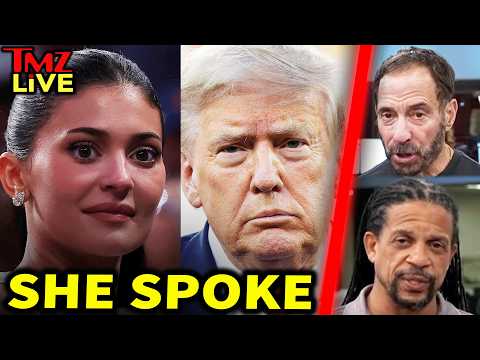
    On July 20, 2026, the entertainment news program TMZ Live aired a segment titled “Trump In MAJOR Trouble – Elites AFTER HIM?!” This broadcast highlighted a recurring theme in political discourse: the perception of powerful, often unnamed, ‘elites’ actively working against President Donald Trump. The segment, like many before it, tapped into a narrative framework that resonates deeply with a segment of the American electorate, suggesting an ongoing struggle between the President and established institutions.

    The discussion on TMZ Live, hosted by Harvey Levin and Charles Latibeaudiere, focused on various unconfirmed reports and speculative comments circulating across social media and certain news outlets regarding President Trump’s political and legal challenges in mid-2026. While the show primarily operates within the celebrity news sphere, its foray into such politically charged topics underscores the pervasive nature of this ‘elites vs. Trump’ narrative.

    The Enduring ‘Elites After Him’ Narrative

    The concept of ‘elites’ targeting President Trump is not new. It has been a foundational element of his political campaigns and presidency since 2015. This narrative posits that a coalition of entrenched figures, including politicians, media personalities, globalists, and financial magnates, actively seeks to undermine his political agenda and personal standing.

    This framing often serves multiple purposes. It can rally supporters by presenting President Trump as an underdog fighting against powerful adversaries. It can also explain setbacks or criticisms as evidence of a coordinated attack rather than policy failures or political missteps. The July 20, 2026, TMZ Live segment offered a fresh instance of this narrative being reinforced in a mainstream, albeit entertainment-focused, context.

    Defining ‘Elites’ in the Trumpian Context

    The term ‘elites’ in this narrative is broadly defined. It typically encompasses:

    • The Political Establishment: Long-standing figures within both major political parties who are perceived as being out of touch with ordinary Americans.
    • Mainstream Media: Major news organizations, often accused of biased reporting and acting as an extension of the political establishment.
    • Globalist Institutions: International organizations and agreements seen as eroding national sovereignty and benefiting a select few.
    • Deep State: A shadowy network of unelected government officials and intelligence operatives believed to be working against the President’s agenda.
    • Financial & Corporate Interests: Wealthy individuals and large corporations perceived as manipulating the system for their own gain.

    These groups are often presented as operating in concert, united by a common desire to maintain their power and influence, which President Trump is seen as disrupting.

    TMZ Live’s Role in Political Discourse

    TMZ Live, traditionally known for breaking celebrity news and analyzing pop culture, has increasingly waded into political commentary. This shift reflects a broader trend in media where the lines between entertainment and hard news have blurred. The show’s segment on President Trump on July 20, 2026, illustrates this crossover, bringing political discussion to an audience that might not regularly consume traditional news channels.

    Harvey Levin, the show’s executive producer and host, has often expressed opinions on political matters. His platform on TMZ provides a unique lens through which to view public figures, including political leaders. The segment’s choice to phrase the headline with sensational language like “MAJOR Trouble” and a question mark after “Elites AFTER HIM?!” is characteristic of TMZ’s style, designed to capture attention and provoke discussion.

    The Impact of Entertainment News on Political Narratives

    When platforms like TMZ engage with political topics, they contribute to the mainstreaming of certain narratives. For President Trump’s supporters, a segment on TMZ Live discussing ‘elites after him’ might validate their existing beliefs. For others, it might simply be seen as further sensationalism. Regardless of interpretation, its presence on such a platform expands the reach of the narrative beyond traditional political echo chambers.

    The July 20, 2026, broadcast became another data point in the ongoing public conversation surrounding President Trump’s challenges and his portrayal as a figure constantly battling powerful forces.

    President Trump’s Second Term: A Landscape of Challenges

    President Donald Trump, inaugurated for his second non-consecutive term on January 20, 2025, has faced a complex array of challenges. These include ongoing legislative battles, economic policy debates, and persistent legal scrutiny. The ‘elites after him’ narrative often contextualizes these challenges, framing them not as ordinary political hurdles but as deliberate acts of opposition from entrenched powers.

    Legislative and Policy Landscape

    In mid-2026, President Trump’s administration continued to pursue key policy objectives. These included efforts related to border security, trade agreements, and domestic energy production. Each policy initiative often encountered significant opposition, both from within Congress and from external advocacy groups. The narrative suggests that this opposition is not merely ideological but part of a broader effort by ‘elites’ to obstruct the President’s agenda.

    For instance, discussions surrounding proposed changes to federal regulations or new international trade frameworks frequently become battlegrounds where the ‘elites after him’ theme is invoked. Proponents of the President’s policies argue that resistance comes from those who benefit from the status quo, while opponents contend their actions are based on legitimate policy disagreements.

    Economic Conditions and Public Perception

    The U.S. economy in mid-2026 presented a mixed picture, with varying reports on inflation, employment, and consumer confidence. Economic narratives often play into the ‘elites’ discussion. Critics of President Trump’s economic policies might attribute any downturns to his administration’s decisions. Supporters, however, might argue that any economic difficulties are exacerbated by ‘elite’ financial institutions or globalist policies that undermine American prosperity.

    The perception of who benefits from economic policies is also central. The ‘elites after him’ narrative often implies that these ‘elites’ are precisely those who profit from systems that President Trump aims to dismantle or reform.

    Legal Scrutiny and Public Opinion

    President Trump has consistently been the subject of various legal inquiries and civil actions. These legal challenges, whether ongoing or resolved, often fuel the ‘elites after him’ narrative. Supporters frequently view these legal proceedings as politically motivated persecutions orchestrated by those who wish to remove him from power or discredit him.

    Ongoing Legal Battles in Mid-2026

    As of July 20, 2026, several legal matters involving President Trump remained subjects of public discussion. These could range from challenges related to his business dealings to investigations stemming from his previous time in office. Each legal development, regardless of its merits, is often interpreted through the lens of a coordinated effort by ‘elites’ to target him.

    The judicial system itself can become part of the ‘elite’ apparatus in this narrative, especially when court rulings go against the President’s interests. This perspective suggests that even the legal framework is weaponized by those opposed to his leadership.

    The Role of Media in Shaping Perceptions

    Media coverage of President Trump’s legal issues is a critical component of how the ‘elites after him’ narrative is perpetuated or challenged. Outlets that align with the narrative often emphasize the political motivations behind legal actions, while others focus on the legal facts and due process.

    TMZ Live’s segment on July 20, 2026, by posing the question “Elites AFTER HIM?!”, implicitly acknowledged and amplified this interpretive framework, regardless of the show’s intent. It brought the discussion of potential targeting by powerful forces into a widely consumed entertainment format.

    Historical Context of ‘Elites’ vs. Populism

    The ‘elites after him’ narrative is not unique to President Trump. Throughout history, populist movements have often framed their struggles as battles against entrenched elites. From Andrew Jackson’s fight against the Second Bank of the United States to Bernie Sanders’s critiques of the “billionaire class,” the theme of the common person (or their champion) against powerful, privileged interests is a recurring one in American politics.

    Populist Movements and Anti-Establishment Rhetoric

    President Trump’s political rise was, in many ways, a populist phenomenon. His rhetoric consistently positioned him as an outsider fighting on behalf of the forgotten man and woman against a corrupt system. This anti-establishment stance is a natural breeding ground for the ‘elites after him’ narrative.

    The narrative provides a clear antagonist, allowing supporters to identify with President Trump as a fellow victim or a brave warrior against these forces. It simplifies complex political issues into a moral struggle between good (the people and their champion) and evil (the conspiring elites).

    The Information Ecosystem in 2026

    In 2026, the information ecosystem is highly fragmented. Social media platforms, niche news sites, and traditional media all contribute to a complex landscape where narratives can spread rapidly and be reinforced within specific communities. The TMZ Live segment, while coming from a celebrity news outlet, becomes part of this broader ecosystem, feeding into existing discussions and contributing to the ongoing cultural conversation.

    The speed at which headlines and snippets of information travel means that interpretations and narratives can solidify quickly, often before comprehensive factual analysis is widely available. The July 20, 2026, TMZ broadcast serves as an example of how a compelling, if speculative, headline can quickly become part of the public’s understanding of current events.

    President Trump’s ongoing presidency in 2026 continues to be defined by this dynamic. His supporters remain vigilant, interpreting events through the lens of a constant battle against powerful, often unseen, adversaries. Critics continue to scrutinize his actions and rhetoric, often dismissing the ‘elites after him’ narrative as a deflection from accountability.

    The TMZ Live segment, therefore, was not an isolated event. It was a reflection of a deeply ingrained political and cultural phenomenon. A phenomenon that shapes public discourse. A phenomenon that influences voter behavior. A phenomenon that defines the political landscape.

    President Trump.

  • Regime Change: Unpacking Five Key Takeaways from the Trump Era Analysis

    Regime Change: Unpacking Five Key Takeaways from the Trump Era Analysis

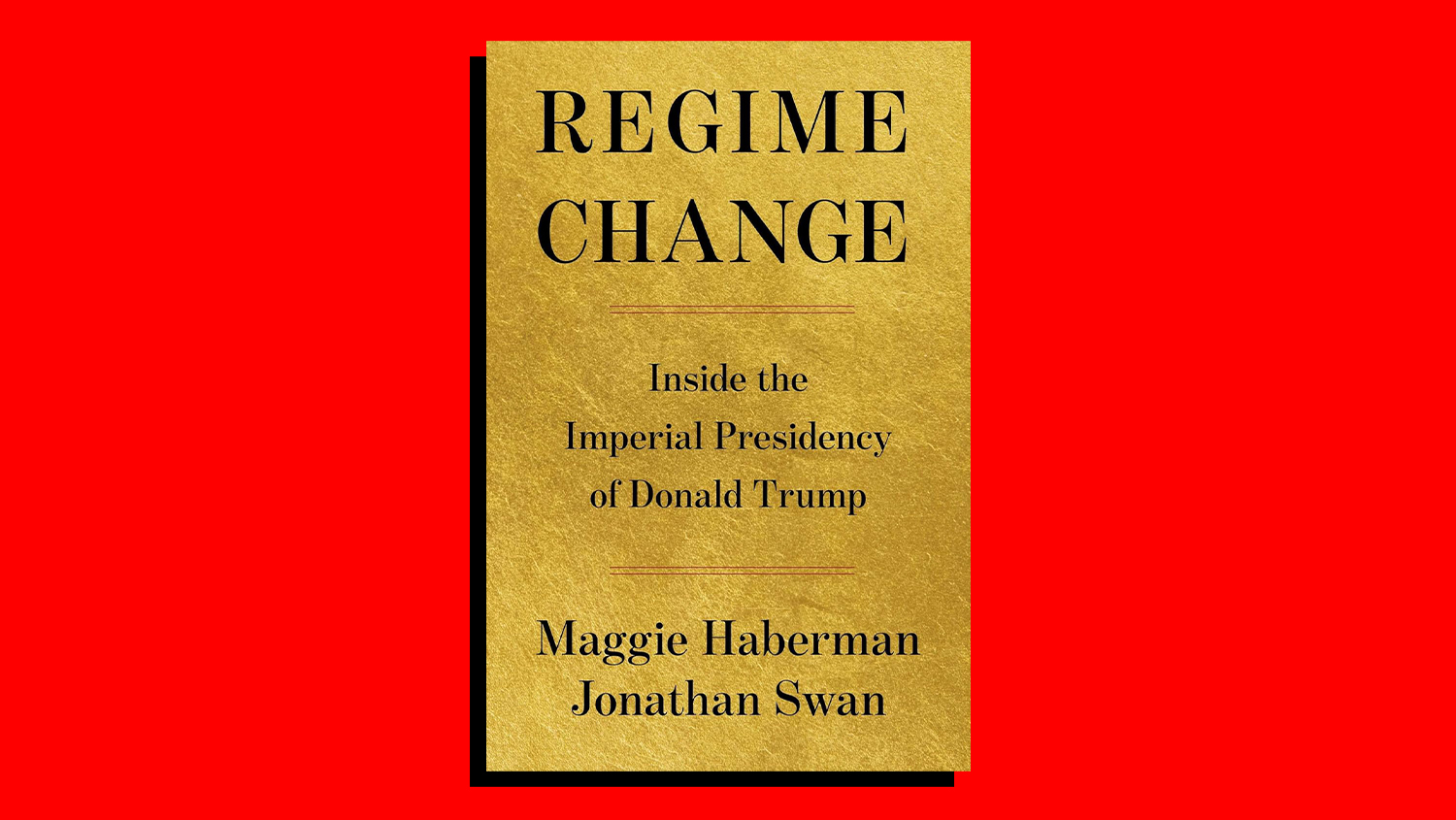
    The book ‘Regime Change,’ a recent publication, dissects the presidency of Donald Trump, identifying five core areas of significant impact. These include the reconfiguration of political norms, the surge of populism, the assertive use of executive power, the weaponization of the media landscape, and the fundamental reshaping of the Republican Party. The book aims to provide a definitive account of these transformations, drawing on extensive research and analysis of the 2017-2021 period and its aftermath.

    The Reconfiguration of Political Norms

    One primary takeaway from ‘Regime Change’ is its detailed exploration of how Donald Trump’s presidency fundamentally reconfigured established political norms. This involved a direct challenge to traditional communication protocols, media relationships, and diplomatic practices. The book documents specific instances, such as the frequent use of Twitter for official announcements and policy declarations, bypassing traditional press conferences and official statements. This approach redefined the expected channels of presidential communication.

    The relationship between the executive branch and the press underwent significant strain. ‘Regime Change’ details the consistent labeling of critical news outlets as ‘fake news’ and ‘enemies of the people.’ This rhetoric eroded public trust in institutional media, fostering an environment where information accuracy was frequently contested. Diplomatic norms were also challenged through direct engagements with foreign leaders, often outside conventional State Department channels, and a transactional approach to international alliances.

    Redefining Communication and Media Engagement

    The book elaborates on the strategic shift in presidential communication. Donald Trump’s direct appeals to his base through rallies and social media platforms, particularly Twitter, became a hallmark of his administration. This allowed for immediate dissemination of messages without traditional journalistic filters. ‘Regime Change’ provides examples such as the announcement of policy decisions via tweet, often catching even White House staff by surprise.

    This direct communication strategy effectively bypassed traditional gatekeepers. It established a new model for how a president could interact with the public. The book analyzes the long-term implications of this shift, including increased polarization and the diminished role of the traditional press corps in shaping national narratives. The 2020 presidential election saw these communication methods refined further, solidifying their place in modern political campaigning.

    The Surge of Populism

    A second key takeaway from ‘Regime Change’ centers on the book’s comprehensive examination of populism as a driving force during the Trump era. Donald Trump’s political rise and sustained support are largely attributed to a robust populist movement. The book dissects the components of this populism, including its appeal to specific demographics, its anti-establishment rhetoric, and its focus on nationalistic sentiments. It highlights how economic anxieties, cultural grievances, and a distrust of political elites fueled this movement.

    ‘Regime Change’ details the methods through which populist sentiments were mobilized and sustained. This included large-scale rallies, which served as both campaign events and direct communication channels with supporters. The book also analyzes the role of digital platforms and alternative media in amplifying populist messages, often bypassing mainstream media narratives. This analysis is crucial for understanding not only the Trump presidency but also similar movements globally in the mid-2020s.

    Grassroots Mobilization and Digital Campaigning

    The discussion of populism in ‘Regime Change’ extends to the intricate details of grassroots mobilization efforts. The book highlights the critical role of highly attended rallies, often drawing tens of thousands of supporters, as central to Trump’s political strategy. These events were not merely campaign stops but served as powerful affirmations of a shared political identity and grievances. The book cites specific rally locations and dates, illustrating their geographic and demographic reach.

    Furthermore, ‘Regime Change’ offers insights into the sophisticated digital strategies employed. This includes the use of micro-targeting and data analytics to reach specific voter segments with tailored messages. The book details how campaigns leveraged platforms like Facebook and Twitter to disseminate content, organize supporters, and counter opposing narratives. These modern campaigning techniques are presented as central to the success of the populist movement, fundamentally altering the landscape of political outreach.

    Assertive Use of Executive Power

    The third takeaway focuses on ‘Regime Change’s’ insights into executive power and the scope of presidential authority under Donald Trump. His administration was marked by a robust assertion of presidential prerogatives, often pushing the boundaries of traditional executive action. The book meticulously documents instances where executive orders were used extensively, sometimes to implement policies that faced legislative resistance or to reverse previous administrative directives. Examples include executive actions on immigration, environmental regulations, and trade policies, often issued with minimal congressional consultation.

    ‘Regime Change’ analyzes the legal and constitutional arguments surrounding these actions. It details the frequent challenges mounted by Congress and the judiciary, leading to numerous court battles that tested the separation of powers. The book provides a critical perspective on the checks and balances within the American political system, illustrating how Trump’s approach strained these traditional safeguards. The administrative state, including federal agencies and their leadership, also experienced significant shifts as presidential appointees sought to implement the administration’s agenda.

    Institutional Challenges and Legal Battles

    The book details specific challenges to institutional norms and the resulting legal battles. ‘Regime Change’ chronicles the administration’s relationships with various federal agencies, often characterized by efforts to redirect their priorities or personnel. The appointment process for key positions, from cabinet secretaries to federal judges, is also examined, highlighting the emphasis on loyalty and ideological alignment. The book cites specific legal cases, such as those concerning travel bans or the border wall, to illustrate the judicial branch’s role in adjudicating presidential authority.

    These discussions are vital for understanding the resilience and adaptability of democratic institutions in the face of executive assertiveness. ‘Regime Change’ provides a comprehensive account of these tensions, offering a historical record for future analysis of presidential power. The book concludes that Trump’s tenure set precedents for the exercise of executive authority, influencing subsequent administrations and legislative responses.

    The Weaponization of the Media Landscape

    The fourth takeaway from ‘Regime Change’ addresses the evolving media landscape and the concept of information warfare during the Trump presidency. Donald Trump frequently criticized mainstream media outlets, labeling some as ‘fake news’ or purveyors of biased reporting. The book explores the implications of this rhetoric for public trust in journalism, documenting a significant decline in confidence among certain segments of the population. This constant critique created an environment where distinguishing verified information from opinion or disinformation became increasingly challenging for the public.

    ‘Regime Change’ also examines the proliferation of disinformation and misinformation, particularly through social media platforms. It details how unverified content, often politically motivated, gained widespread traction. The book analyzes strategies used to counter or amplify specific narratives, including the use of rapid-response teams and social media influencers. This section underscores how the digital age transformed political communication into a battleground for narrative control, often blurring the lines between news and propaganda.

    The Battle for Narrative Control and Public Trust

    The book delves deeply into the battle for narrative control that characterized the Trump years. ‘Regime Change’ illustrates how political figures and their allies actively sought to shape public perception, often by directly challenging established media narratives. This included the strategic use of alternative media outlets and online personalities to bypass traditional journalistic scrutiny. The book cites specific examples where the administration’s messaging directly contradicted reports from major news organizations, creating parallel information universes for different audiences.

    Understanding these dynamics is crucial in an era of rapid information dissemination and fragmented media consumption. ‘Regime Change’ offers a case study in how information can be weaponized in political contests, highlighting the profound challenges for informed public discourse. The book concludes that the erosion of trust in traditional media and the rise of partisan information ecosystems represent a lasting legacy of this period, impacting how citizens engage with political news and form their opinions in 2026 and beyond.

    Reshaping the Republican Party

    The fifth and final key takeaway from ‘Regime Change’ concerns its analysis of the profound reshaping of the Republican Party under Donald Trump’s influence. The book argues that Trump’s leadership fundamentally altered the party’s platform, leadership, and voter base. Traditional conservative principles, such as fiscal conservatism and interventionist foreign policy, were often subordinated to a new populist nationalism. This shift saw the party embrace a more protectionist trade stance and a non-interventionist foreign policy, departing from decades of Republican orthodoxy.

    ‘Regime Change’ documents the transformation of the party’s leadership, noting the ascendancy of figures aligned with Trump’s vision and the marginalization of traditional Republican voices. The book also details how the party’s voter base diversified, attracting working-class voters in Rust Belt states while potentially alienating suburban and college-educated demographics. This reorientation of the Republican Party’s identity and electoral strategy is presented as one of the most significant and enduring legacies of the Trump presidency, with implications for national elections in 2024 and beyond.

    Evolving Ideologies and Electoral Strategies

    The book provides a detailed account of the evolving ideologies within the Republican Party. ‘Regime Change’ illustrates how specific policy positions, such as those on immigration and trade, became central tenets of the new Republican platform. It analyzes the internal struggles and debates within the party as it grappled with these changes, citing examples of prominent Republicans who either embraced or resisted the new direction. The book also examines the role of conservative media and grassroots organizations in solidifying this ideological shift.

    Furthermore, ‘Regime Change’ explores the new electoral strategies adopted by the Republican Party. This includes a continued emphasis on engaging the populist base through rallies and direct appeals, as well as efforts to expand support among specific demographic groups. The book concludes that Trump’s influence has created a new political alignment, forcing both Republicans and Democrats to adapt their strategies for future elections. This transformation represents a significant and ongoing development in American political history.

    Political norms reconfigured. Populism surged. Executive power asserted. Media weaponized. The Republican Party transformed.

    American politics altered.