Tag: Ponies

  • David Iserson Reacts to ‘Ponies’ Cancellation: “Goodbye For Now”

    David Iserson Reacts to ‘Ponies’ Cancellation: “Goodbye For Now”

    David Iserson, co-creator of the animated series Ponies, has publicly addressed the show’s cancellation, delivering a message of “goodbye for now” to its characters, Bea and Twila. His statement, released on June 27, 2026, conveyed a hopeful tone regarding the series’ potential future return. This sentiment is common among creators facing the discontinuation of their projects, often reflecting both personal attachment and the desire to reassure a dedicated fanbase.

    The announcement from Iserson follows the news of Ponies’ termination, marking another instance of a television series concluding its run. Such events frequently prompt discussions within the entertainment industry and among viewers about the factors influencing content decisions. These factors include viewership numbers, production costs, and strategic shifts by networks or streaming platforms.

    The Creator’s Perspective on Cancellation

    Iserson’s message was brief but poignant. He stated, “I hope we all get to visit them again,” referring to the characters Bea and Twila. This phrase suggests an openness to revisiting the series in a different format or on another platform at a later date. It is a common refrain from creators who believe their stories have more to tell, even when current circumstances dictate a pause.

    The creative process for an animated series like Ponies involves years of development, writing, voice acting, and animation. For creators, the cancellation of a show represents the end of a significant professional and personal investment. Public statements often balance professional courtesy with genuine emotional connection to the work.

    Navigating Industry Decisions

    Television and streaming services make cancellation decisions based on complex algorithms and business models. These models evaluate metrics such as subscriber engagement, advertising revenue, and critical reception. The landscape is constantly shifting, with new platforms emerging and established ones refining their content strategies.

    Industry trends in 2026 continue to emphasize original content production. However, they also prioritize cost-effectiveness and audience retention. Shows that do not meet specific performance benchmarks are often subject to cancellation, regardless of their critical acclaim or niche following. This commercial reality shapes the careers of many writers, directors, and animators.

    Fan Reaction and Community Impact

    The cancellation of a beloved series like Ponies often elicits strong reactions from its dedicated fanbase. Social media platforms become immediate venues for expressing disappointment, petitioning for renewals, and sharing fond memories of the show. These fan communities can exert pressure on networks and studios, though success in reversing cancellation decisions remains rare.

    Online campaigns, often using specific hashtags, aim to demonstrate audience demand. While these efforts occasionally lead to a series being picked up by another platform, they more frequently serve as a collective grieving process for the show’s ending. The passion of these communities underscores the cultural impact that television series can have.

    The Role of Streaming Services

    Streaming services have significantly altered the television industry’s dynamics. They have introduced new models for content consumption and production. While they offer more opportunities for diverse storytelling, they also operate with distinct financial pressures. Subscriber growth and churn rates are paramount, influencing decisions about which shows to renew or cancel.

    The competitive nature of the streaming market means that platforms are constantly evaluating their content libraries. They seek shows that can attract new subscribers and retain existing ones. This intense competition can lead to shorter lifespans for series that might have had longer runs on traditional broadcast television.

    Previous Cases of Show Cancellations and Revivals

    The history of television is replete with examples of shows that ended prematurely, only to find new life years later. Series like Arrested Development and Futurama were famously revived by new platforms or networks after initial cancellations. These instances offer a glimmer of hope for creators like David Iserson and fans of Ponies.

    These revivals often occur when a new platform sees an opportunity to capitalize on an existing fanbase and intellectual property. The gap between cancellation and revival can span several years, allowing for changes in audience tastes, technological advancements, and shifts in the media landscape. The potential for a future return remains a possibility, albeit often a distant one.

    Creator Statements and Future Prospects

    David Iserson’s statement is strategically worded to keep that possibility open. By saying “goodbye for now,” he avoids a definitive closure, maintaining a connection to the project and its characters. This approach is not uncommon in the industry, as creators often hope to leverage past successes or popular intellectual property for future endeavors.

    The entertainment industry often sees talent move between projects and platforms. Iserson, as a co-creator, will likely pursue new ventures. However, the legacy of Ponies and the potential for its return will remain a part of his professional narrative. This dynamic interplay between past projects and future opportunities is a constant in creative careers.

    The Business of Animation

    Producing animated series is an expensive and time-consuming undertaking. The costs associated with voice talent, animators, writers, and post-production can be substantial. Networks and streamers must weigh these costs against projected viewership and potential returns on investment.

    The animation industry has seen significant growth in recent years, fueled by demand from streaming services for family-friendly and adult animation. However, this growth also brings increased competition and scrutiny over budgets. Decisions about series renewals are often made with these financial realities at the forefront.

    Impact on Creative Teams

    A show’s cancellation affects not only the creators but also the entire production team. Animators, writers, voice actors, and production staff face job displacement. The stability of employment in the entertainment industry is often contingent on the success and longevity of individual projects.

    For many, working on a series like Ponies represents a significant portion of their professional lives. The end of such a project requires them to seek new opportunities, often in a highly competitive market. This human element of cancellations is a constant underlying factor in the industry.

    Looking Ahead for ‘Ponies’ and Its Creators

    David Iserson’s statement leaves the door ajar for future possibilities. While Ponies may have concluded its initial run, the sentiment expressed by its co-creator suggests an enduring hope for its world and characters. The animation industry is dynamic, with new platforms and production models continually emerging.

    The future of Ponies, like many canceled series, will depend on a confluence of factors: sustained fan interest, the availability of funding, and the strategic interests of potential new distributors. For now, Bea and Twila remain in a state of suspended animation.

    Creators reflect. Fans mourn. Platforms decide.

    The cycle continues.

    Hope persists.

    For now.
  • Ponies Canceled: Cast Reactions from Haley Lu Richardson and Vic Michaelis

    Ponies Canceled: Cast Reactions from Haley Lu Richardson and Vic Michaelis

    The Sudden End of Ponies

    The Peacock streaming service has canceled its original series, ‘Ponies’. This decision, announced in June 2026, has prompted significant reactions from the show’s cast, including prominent figures such as Haley Lu Richardson and Vic Michaelis. The cancellation marks an abrupt end for the series, which had garnered a dedicated following during its run.

    The news arrived without a prior warning, leaving both the production team and the audience surprised. Such cancellations have become a common occurrence in the competitive streaming market, but they rarely pass without public comment from those directly involved.

    Cast Members Share Disappointment

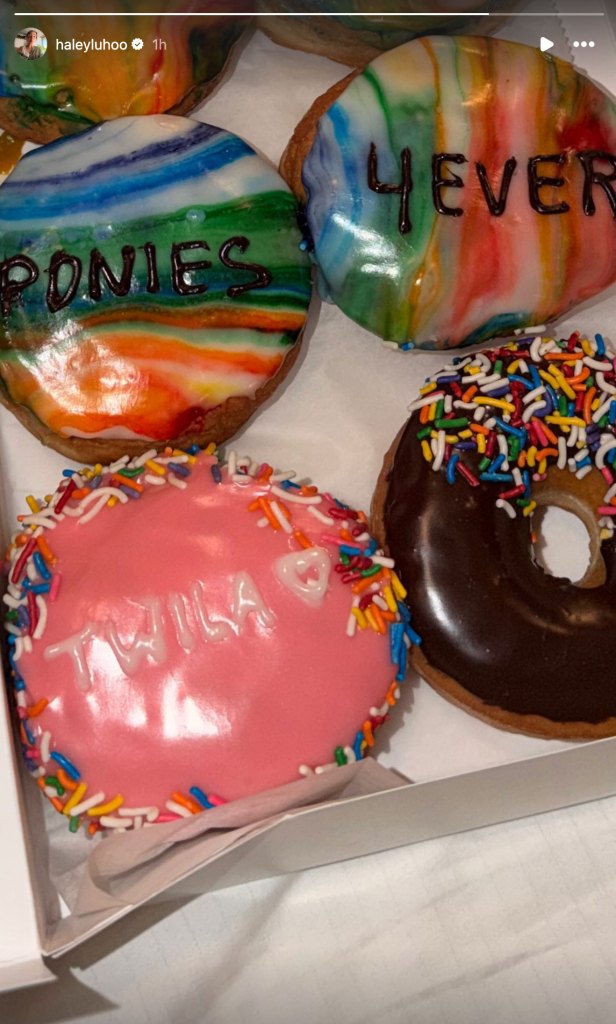
    Haley Lu Richardson, known for her roles in other popular productions, expressed her disappointment regarding the cancellation of ‘Ponies’. Her statement, released through social media, conveyed a sense of loss for the project and its narrative potential. Richardson had been a key component of the show’s ensemble, and her performance was frequently highlighted by critics.

    Vic Michaelis, another central figure in the ‘Ponies’ cast, also shared sentiments of frustration. Michaelis’s public comments focused on the effort and dedication invested by the entire crew. The abrupt nature of the cancellation means that many planned storylines will now remain unresolved, a point of contention for both the actors and the show’s fan base.

    The Impact on Creative Teams

    The cancellation of a series like ‘Ponies’ extends beyond the lead actors. It affects writers, directors, crew members, and supporting cast who dedicate months, sometimes years, to a production. For many, a show represents not just a job but a significant creative endeavor. The sudden termination can disrupt careers and creative momentum.

    Writing staff, in particular, face the challenge of unfinished narratives. Series often conclude with cliffhangers or open-ended plots designed to lead into future seasons. When a cancellation occurs, these threads are left dangling, frustrating both the creators who envisioned their continuation and the viewers who invested in the story.

    Audience Reactions and Streaming Trends

    The audience response to the ‘Ponies’ cancellation has been vocal. Social media platforms saw an influx of comments from fans expressing their sadness and anger. Many viewers highlighted the unique storytelling and character development they appreciated in the series, questioning the platform’s decision.

    This reaction is not isolated. The streaming industry, characterized by high production costs and intense competition for subscribers, frequently makes difficult programming decisions. Platforms like Peacock continually evaluate viewership numbers, subscriber acquisition, and retention rates to determine the viability of their original content.

    The Economics of Streaming Content

    The decision to cancel a show like ‘Ponies’ is often rooted in complex financial models. Streaming services invest heavily in content creation, hoping to attract and retain subscribers. However, not all shows achieve the necessary metrics to justify their continued production.

    Factors such as global reach, critical acclaim, and awards season performance also play a role. While ‘Ponies’ may have had a passionate fan base, it might not have met the broader strategic goals set by Peacock’s parent company, NBCUniversal. This economic reality often clashes with the artistic and emotional investment of creators and viewers.

    The Future for Cast and Crew

    For actors like Haley Lu Richardson and Vic Michaelis, a cancellation means moving on to new projects. While disappointing, it is a common part of an acting career. Both Richardson and Michaelis have established careers and will likely find new roles in other television series or films.

    The crew members, including camera operators, sound engineers, costume designers, and many others, also face the challenge of finding new employment. The television production industry is highly project-based, and the end of one show necessitates the search for the next. Industry professionals often move from one production to another, adapting to the transient nature of the work.

    Lessons from Ponies’ Cancellation

    The cancellation of ‘Ponies’ serves as a reminder of the unpredictable nature of the streaming content landscape. For creators, it emphasizes the importance of telling compelling stories within the constraints of evolving platform strategies. For viewers, it highlights the need to cherish and support shows while they are on the air, as their longevity is never guaranteed.

    The industry continues to evolve, with new platforms emerging and existing ones refining their content strategies. The experience of ‘Ponies’ contributes to a growing body of case studies illustrating the challenges and opportunities within this dynamic entertainment sector.

    The Broader Context of Streaming Cancellations

    The cancellation of ‘Ponies’ by Peacock is part of a larger trend in the streaming industry. Platforms are increasingly scrutinizing their content libraries, often making difficult decisions to cut shows that do not meet specific performance indicators. This environment has created a sense of uncertainty for both creators and audiences.

    In 2026, the streaming market is more saturated than ever. Services like Netflix, Max, Disney+, Hulu, Apple TV+, and Amazon Prime Video, alongside Peacock, are all vying for subscriber attention. This intense competition necessitates a constant evaluation of content portfolios.

    Factors Influencing Cancellation Decisions

    Several key factors contribute to a streaming service’s decision to cancel a series. These include:

    • Viewership Numbers: While specific metrics are rarely made public, platforms track how many subscribers watch a show, how many complete it, and how many new subscribers it attracts.
    • Production Costs: High production values, extensive location shoots, and large ensemble casts can drive up costs significantly. A show’s budget must be justified by its return on investment.
    • Critical Reception and Awards: While not always the deciding factor, critical acclaim and major awards can boost a show’s profile and attract new viewers, sometimes influencing renewal decisions.
    • Subscriber Acquisition and Retention: Ultimately, streaming services exist to grow and maintain their subscriber base. Shows that fail to contribute meaningfully to these goals are at risk.
    • Licensing and Distribution Rights: The complexities of intellectual property rights and international distribution can also play a role in a show’s financial viability.

    The Role of Fan Engagement

    Fan engagement, while powerful, does not always guarantee a show’s survival. Online campaigns, petitions, and social media trends can demonstrate passionate support, but they must translate into tangible business metrics for a platform to consider renewal. The ‘Ponies’ fan community, despite its dedication, ultimately could not sway the decision makers at Peacock.

    The Evolution of Content Strategies

    Streaming platforms are continually refining their content strategies. Some are moving towards more limited series or event programming, while others focus on building strong franchises with broad appeal. The era of blindly renewing shows for multiple seasons without clear performance indicators appears to be fading.

    Peacock, as a relatively newer entrant in the streaming wars compared to giants like Netflix, faces particular pressure to establish its identity and subscriber base. Its content strategy often involves a mix of NBCUniversal catalog titles, live sports, and original programming designed to differentiate it in a crowded market.

    The Impact on the Industry Ecosystem

    The frequent cancellation of shows has broader implications for the television industry ecosystem. It creates a more transient workforce, with creative talent constantly seeking new opportunities. It also encourages a greater focus on short-term success rather than long-term narrative development.

    For independent studios and production companies, securing a series order from a major streamer is a significant achievement. However, the risk of early cancellation means that even successful pitches do not guarantee sustained work or the full realization of a creative vision. This dynamic shapes how projects are developed and pitched in the current landscape.

    Looking Ahead for ‘Ponies’ Legacy

    Despite its cancellation, ‘Ponies’ will leave a legacy. It introduced audiences to compelling characters and unique storytelling. The performances by actors like Haley Lu Richardson and Vic Michaelis will be remembered by those who watched the series.

    The show’s abrupt ending will undoubtedly contribute to discussions about the fragility of original content in the streaming era. It serves as a case study for future analyses of platform strategies and audience expectations.

    The Enduring Power of Story

    Even with an unfinished narrative, the core story elements of ‘Ponies’ resonated with its viewers. The emotional investment from the audience highlights the enduring power of well-crafted characters and engaging plots. This connection is what makes cancellations so impactful.

    The frustration expressed by the cast and fans is a testament to the quality of the work produced. It underscores the human element in an industry often driven by data and algorithms. The shared experience of a story, however brief, creates lasting memories and discussions.

    What Comes Next for Peacock?

    Peacock will continue to invest in new original programming. The platform’s strategy is to offer a diverse range of content to attract various demographics. While ‘Ponies’ may be gone, new series and films will take its place, aiming to capture the attention of streaming subscribers.

    The lessons learned from ‘Ponies’ and other canceled shows will inform future commissioning decisions. The platform will seek to identify content that not only attracts initial viewership but also fosters long-term engagement and contributes positively to its overall business objectives.

    The cast reacted. The fans reacted. The industry reacted. Cancellation.