Tag: Political Discourse

  • Andrew Callaghan on Hunter Biden and Nick Fuentes – Dissecting Controversial Interviews

    Andrew Callaghan on Hunter Biden and Nick Fuentes – Dissecting Controversial Interviews

    Andrew Callaghan, a figure recognized for his unconventional approach to journalism, offered insights into his interviews with Hunter Biden and Nick Fuentes following reports by TMZ. Callaghan detailed the distinct challenges and objectives behind each interaction. His commentary provided a look into the process of engaging with prominent, often controversial, public figures and the subsequent media interpretation.

    The discussions covered the motivations driving these individuals to participate in interviews. They also touched on the broader implications for media consumption and public understanding.

    The Callaghan Interview Style

    Andrew Callaghan has cultivated a distinct interview style. It often involves direct, unvarnished questions posed in unconventional settings. This approach aims to capture candid moments and unfiltered perspectives. His work frequently features individuals from across the political and social spectrums.

    This method often contrasts sharply with traditional news interview formats. It can produce unexpected responses and reveal underlying sentiments. Callaghan’s style has garnered a significant following. It has also sparked debate regarding journalistic ethics and the portrayal of subjects.

    His interviews are often characterized by their raw, on-the-ground feel. He frequently engages with people in public spaces or at events. This provides a different context than a formal studio setting. The casual atmosphere can sometimes encourage subjects to speak more freely.

    Hunter Biden: A Public Figure Under Scrutiny

    Hunter Biden, son of former President Joe Biden, has been a frequent subject of public and media attention. His personal life and business dealings have drawn significant scrutiny. This has made him a complex figure for any journalist to approach.

    Callaghan’s interview with Biden aimed to navigate these complexities. He sought to understand Biden’s perspective amid intense public pressure. The interview provided a rare glimpse into Biden’s current state of mind and his views on the controversies surrounding him.

    The discussion on TMZ highlighted the challenges of interviewing someone who is accustomed to relentless media attention. Biden’s experiences with public scrutiny shape his interactions. This requires interviewers to be particularly adept at probing beyond prepared statements or defensive postures.

    Callaghan discussed the delicate balance between reporting facts and exploring the human element of his subject. He aimed to present a nuanced portrait rather than a one-dimensional caricature. This approach is central to his journalistic philosophy.

    Nick Fuentes: Navigating Extremist Narratives

    Nick Fuentes is a figure associated with the alt-right movement and has espoused controversial and extremist views. Interviewing Fuentes presents a different set of challenges compared to a figure like Hunter Biden. Journalists engaging with Fuentes must navigate the spread of potentially harmful ideologies.

    Callaghan’s interview with Fuentes aimed to understand the appeal and propagation of his message. It also sought to document his perspective without amplifying his more extreme rhetoric. This is a critical distinction in reporting on controversial figures.

    The TMZ discussion focused on the ethical considerations involved. Interviewing individuals like Fuentes requires careful preparation. It also demands a clear understanding of the potential impact on public discourse. The goal is often to expose, not to endorse.

    Callaghan explained his strategy for these interviews. He attempts to provide a platform for the subject to speak, allowing their own words to reveal their positions. This can be a powerful tool for public understanding, but it also carries inherent risks.

    TMZ: The Platform for Discussion

    TMZ, known for its focus on celebrity news and pop culture, provided a platform for Callaghan to discuss his experiences. The format allowed for a more conversational and less formal breakdown of the interviews. This differed from a traditional news analysis segment.

    The choice of TMZ as a venue speaks to the evolving landscape of media. News and commentary can emerge from various sources. This includes outlets traditionally associated with entertainment. This cross-pollination of content types reflects broader trends in media consumption.

    The discussion on TMZ reached a wide audience. This exposed more people to the intricacies of Callaghan’s work and the subjects he covers. It also brought the conversations about Hunter Biden and Nick Fuentes into a different media context.

    The Role of Media in Public Perception

    Callaghan’s interviews and subsequent discussion on TMZ underscore the significant role media plays in shaping public perception. The way a story is presented, the questions asked, and the context provided all influence how audiences interpret information.

    In the case of Hunter Biden, media coverage has largely focused on legal and ethical controversies. Callaghan’s approach sought to add a personal dimension. This aimed to provide a more complete, albeit still scrutinized, picture.

    For Nick Fuentes, the media’s role is often about exposing and contextualizing extremist views. This is done without inadvertently legitimizing them. It is a constant challenge for journalists. The balance between informing the public and preventing the normalization of harmful ideologies is delicate.

    The public’s perception of these figures is not solely based on their actions. It is also heavily influenced by how those actions are reported and framed by various media outlets. Callaghan’s work contributes to this complex media ecosystem.

    Challenges of Interviewing Controversial Figures

    Interviewing controversial figures presents numerous challenges for journalists. These include managing the subject’s narrative, maintaining objectivity, and anticipating public reaction. Journalists must often prepare for pushback from both the subject and the audience.

    Callaghan’s experiences with Biden and Fuentes exemplify these difficulties. Biden is a figure whose narrative is often controlled by political adversaries. Fuentes actively seeks to promote a specific, often provocative, agenda.

    A key challenge is avoiding the trap of becoming an unwitting platform for propaganda. Journalists must critically assess the information provided. They must also challenge inconsistencies or false statements. This requires a strong commitment to factual accuracy.

    Another challenge involves the emotional toll. Engaging with individuals who hold extreme views or are embroiled in intense personal struggles can be taxing. Journalists must remain professional and focused on their objectives.

    The Impact on Political Discourse

    Interviews with figures like Hunter Biden and Nick Fuentes inevitably impact political discourse. They contribute to the ongoing national conversation about politics, ethics, and social values. These discussions can shape public opinion and influence political outcomes.

    Callaghan’s work, by bringing these figures into public view through his unique lens, adds layers to this discourse. It forces audiences to confront different perspectives. It also encourages critical thinking about the sources of information they consume.

    The way these interviews are received and discussed online further amplifies their impact. Social media platforms become arenas for debate. Public figures and their narratives are dissected by a wide array of commentators. This includes both informed analysts and casual observers.

    The interviews serve as a mirror reflecting societal divisions and political tensions. They highlight the ongoing struggle for truth and clarity in a fragmented media environment. They also underscore the importance of diverse journalistic approaches to cover complex issues.

    Journalistic Integrity in a Polarized Era

    Maintaining journalistic integrity in a polarized era is more crucial than ever. Callaghan’s discussion on TMZ touched on the principles guiding his work. He aimed to extract genuine insights while navigating the inherent biases and agendas of his subjects.

    Integrity involves rigorous fact-checking. It also includes transparent reporting and a commitment to presenting multiple sides of a story. This is particularly challenging when dealing with figures who are themselves polarizing.

    The public increasingly relies on journalists to provide accurate and balanced information. This is especially true when navigating complex political landscapes. Callaghan’s work, by engaging directly with controversial figures, attempts to fulfill this role.

    Journalists are often criticized for their methods or perceived biases. However, the pursuit of truth remains a fundamental tenet of the profession. Callaghan’s approach, while unconventional, aims to uphold this principle in his own way.

    Future of Interviewing and Media

    The landscape of interviewing and media continues to evolve. The rise of independent journalists like Andrew Callaghan, coupled with the influence of platforms like TMZ, signifies a shift. Traditional media gatekeepers are no longer the sole arbiters of information.

    This evolution presents both opportunities and challenges. Opportunities arise for diverse voices and new forms of storytelling. Challenges include the proliferation of misinformation and the difficulty in discerning credible sources.

    The future of media will likely see continued experimentation with formats and platforms. Journalists will need to adapt their methods to reach audiences effectively. They must also maintain trust in an increasingly skeptical environment.

    Callaghan’s work stands as an example of this adaptation. He demonstrates how engaging with public figures in new ways can contribute to public understanding. It also highlights the ongoing need for critical engagement with media content.

    Journalists adapt. Audiences discern. Narratives emerge. Context is sought. Perspectives clash. The conversation continues.

    Media.

  • McCormick’s Intern ‘Hook Up’ Comment – D.C. Drama Goes Viral

    McCormick’s Intern ‘Hook Up’ Comment – D.C. Drama Goes Viral

    U.S. Representative Rich McCormick recently made a public comment suggesting that Republican interns could engage in romantic relationships with Democratic counterparts. The remark, quickly picked up by TMZ, sparked immediate and widespread discussion across political and social circles. It highlighted the complex social dynamics that exist even within the highly partisan environment of Washington D.C., prompting varied interpretations and intense scrutiny.

    The Origin of the Remark: TMZ and Viral Spread

    Representative Rich McCormick, a Republican representing Georgia’s 7th congressional district, delivered the comment during a public interaction. The specific phrasing, suggesting that GOP interns could ‘hook up’ with Democrats, was concise yet provocative. Its casual nature, combined with the subject matter, ensured its rapid dissemination.

    TMZ, known for its focus on celebrity news and viral content, was among the first outlets to report on McCormick’s statement. This immediate media attention propelled the remark beyond traditional political news cycles. It quickly entered popular culture, reaching a broad audience unfamiliar with typical congressional proceedings.

    The speed at which the comment spread underscored the contemporary media landscape. Statements made by public figures, regardless of their intended gravitas, can instantly become national talking points. The incident demonstrated the power of digital platforms and entertainment news in shaping political narratives.

    McCormick’s Background and Political Stance

    Representative McCormick was first elected to Congress in 2022. He is a former emergency room physician and a Marine Corps veteran, bringing a non-traditional background to Capitol Hill. His political platform typically centers on fiscal conservatism, healthcare reform, and national security.

    His tenure has seen him engage in numerous legislative debates and committee work. However, this particular comment diverted significantly from policy-focused discussions. It instead ventured into the realm of social observation, touching upon the personal lives of congressional staff.

    The remark was interpreted by some as an attempt at humor. Others viewed it as a candid, if unfiltered, observation on the social interactions that occur within the political ecosystem. Regardless of intent, the comment had a tangible impact on public perception and political discourse.

    Immediate Reactions and Diverse Interpretations

    The comment from Representative McCormick elicited a broad spectrum of immediate reactions. It was widely characterized as a ‘provocative political statement.’ This descriptor suggests that the remark, whether intentionally or not, was designed to stimulate debate and challenge conventional notions of decorum in political speech.

    Social media platforms, including X (formerly Twitter), Facebook, and Reddit, became immediate conduits for public discussion. Political commentary websites and news aggregators amplified the story. Individuals from across the political spectrum weighed in with their perspectives.

    Some observers interpreted the comment as a lighthearted, albeit potentially unrefined, observation about human nature. They suggested it highlighted the idea that personal connections can transcend rigid political divides. This viewpoint often excused the language as a form of casual banter.

    Conversely, a significant portion of the public and political commentators viewed the remark as inappropriate for an elected official. Critics argued that the statement trivialized the professional environment of Congress. They also raised concerns about the implicit objectification of young, often unpaid, interns.

    The Connotations of ‘Hook Up’ in Political Discourse

    The specific phrase ‘hook up’ carries distinct connotations in contemporary English. It generally implies casual romantic or sexual encounters, often without the expectation of a long-term relationship. The use of this informal terminology added a layer of controversy to McCormick’s statement.

    In a professional setting like Capitol Hill, such language can be perceived as unprofessional or dismissive. When applied to young interns, it can also raise questions about power dynamics and workplace ethics. The choice of words significantly shaped the public’s reception of the comment.

    The incident highlighted the challenges public figures face in controlling the narrative around their statements. Once a remark enters the public domain, particularly through viral channels, its interpretation can quickly diverge from the speaker’s original intent. The informal phrasing contributed directly to its polarizing effect.

    Political Discourse in a Polarized Era: 2026 Context

    The year 2026 continues to be defined by a highly polarized political landscape in the United States. Discussions between the Republican and Democratic parties frequently devolve into partisan divides, with perceived common ground often elusive. Representative McCormick’s comment inadvertently tapped into these prevailing dynamics.

    Elected officials and other public figures operate under intense scrutiny. Every statement, whether delivered formally in a legislative chamber or informally in a public setting, can be amplified, dissected, and analyzed. The pervasive nature of social media and 24-hour news cycles ensures that controversial remarks quickly become national talking points.

    This incident also reflected a broader trend in modern political communication. The boundaries between personal observation, strategic political maneuvering, and accidental gaffe have become increasingly blurred. Officials must navigate a complex terrain where their words are constantly evaluated for their political, social, and ethical implications.

    The Role of Media in Amplifying Political Statements

    The involvement of outlets like TMZ in reporting on McCormick’s comment exemplified a shift in media consumption. What might once have been confined to political gossip within Washington D.C. now quickly reaches a mass audience. This broad dissemination shapes public perception and intensifies debate.

    Traditional news organizations often follow the lead of viral content, providing further analysis and commentary. This layered media coverage ensures that provocative statements gain prolonged attention. It also means that the initial context of a remark can be overshadowed by subsequent interpretations and reactions.

    The media’s role in amplifying such comments contributes to the fast-paced and often reactive nature of contemporary political discourse. Public figures are increasingly aware that their words can be taken out of context or reinterpreted in ways they did not intend, often with significant political consequences.

    Life as a Congressional Intern: Beyond the Politics

    Internships on Capitol Hill represent a foundational experience for many individuals aspiring to careers in politics, public service, and law. These roles are often demanding, characterized by long hours, low or no pay, and a significant commitment. Interns, typically college students or recent graduates, are immersed in the daily operations of legislative offices.

    The social environment for interns in Washington D.C. is distinctive. Many interns live in close proximity, often in shared housing. They work in shared office spaces and frequently interact with peers from various congressional offices, regardless of party affiliation. This proximity and shared experience often lead to the formation of strong social networks.

    Despite the intense political rivalries at higher levels of government, personal relationships can and do develop among staff members from different offices and political parties. These connections often form outside the formal political arena, during social gatherings, happy hours, or shared commutes.

    Social Dynamics and Inter-Party Connections

    Representative McCormick’s comment, therefore, touched upon a known, if often unspoken, aspect of intern life. The concept of inter-party relationships among young staff members is not entirely novel. The public acknowledgment by an elected official, however, brought this informal reality into the formal political discourse.

    The comment might also be seen as an acknowledgment of the shared human experience that underlies political differences. Even in environments designed for partisan conflict, individuals form connections based on shared experiences, proximity, and personal chemistry. These human elements often transcend the political labels assigned to individuals.

    For interns, navigating the social landscape of D.C. is part of the overall experience. They learn to balance professional duties with personal lives, often forming friendships and relationships that can last well beyond their internship terms. The comment, for some, simply articulated an open secret about this aspect of intern culture.

    Historical Parallels: Bridging the Political Divide

    The history of American politics offers numerous examples of personal relationships bridging partisan divides. While the political climate has intensified in recent decades, historical records illustrate instances of friendships, marriages, and even romantic relationships between individuals from opposing political parties.

    During earlier eras, Washington D.C. society often functioned with a greater degree of social mixing among political opponents. Social events, formal dinners, and informal gatherings frequently included members from both sides of the aisle. These interactions sometimes fostered personal bonds that could soften the edges of political rivalry and facilitate bipartisan cooperation.

    The phenomenon of inter-party marriage, for example, is not uncommon throughout American history. Spouses from different political affiliations often navigate their ideological differences in private, while maintaining their public political stances. These relationships highlight the complex interplay between personal and professional lives in politics, demonstrating that political divisions do not always dictate personal connections.

    Shifting Social Norms in Washington D.C.

    Representative McCormick’s remark, in a way, echoed this historical reality by suggesting that fundamental human interactions, including romantic ones, can still occur across party lines. It pointed to the idea that despite the current political polarization, younger generations entering the political arena might continue to form such connections.

    However, the context of these interactions has evolved. Modern D.C. is often perceived as more segregated along partisan lines, particularly in social settings. The comment, therefore, might also be interpreted as a commentary on the lingering social fluidity that still exists, especially among younger, less entrenched political actors.

    The incident prompted reflection on whether such casual inter-party connections are still as prevalent or as openly acknowledged as they might have been in previous decades. It opened a dialogue about the evolving social norms and expectations within the nation’s capital.

    The Role of Humor and Controversy in Political Communication

    Humor often serves as a complex tool in political communication. It can be used to defuse tension, build rapport, or deliver sharp critiques. However, political humor also carries inherent risks, particularly when delivered by elected officials in public forums.

    Representative McCormick’s comment, if intended as humor, failed to land universally. For some, it was perceived as a harmless jest. For others, it was seen as inappropriate, trivializing, or even offensive. This disparity in reception highlights the subjective nature of humor, especially in a politically charged environment.

    Controversy, whether intentional or accidental, frequently generates significant media attention. In the modern political landscape, attention itself can be a valuable commodity. Generating controversy can elevate a politician’s profile, even if the attention is negative in nature. This dynamic complicates how public statements are evaluated.

    Navigating Public Perception and Accountability

    The incident placed Representative McCormick under a spotlight, prompting questions about accountability for public statements. Elected officials are expected to uphold certain standards of conduct and communication. Remarks perceived as unprofessional or insensitive can lead to calls for apologies or explanations.

    The public reaction to McCormick’s comment underscored the constant negotiation between freedom of speech and the responsibilities of public office. Politicians must weigh the potential impact of their words on their constituents, their colleagues, and the broader political discourse.

    Ultimately, the episode served as a reminder of the delicate balance politicians must strike. They must communicate authentically while also being acutely aware of how their words will be received and interpreted by a diverse and often critical public. The fallout from such comments can be swift and far-reaching.


  • Trump’s Claims: China and Foreign Adversaries Threaten US Elections

    Trump’s Claims: China and Foreign Adversaries Threaten US Elections

    President Trump on Foreign Election Interference

    President Donald Trump has frequently articulated concerns regarding the potential for foreign entities to compromise United States elections. He has specifically named China among other nations as posing a significant threat to the integrity of American democratic processes. These statements highlight a recurring theme in his public commentary: the vulnerability of electoral systems to external manipulation.

    The President’s remarks often frame election security as a critical component of national security. He asserts that various state actors possess the intent and capability to influence election outcomes through a range of clandestine and overt methods. This perspective fuels ongoing debates about the robustness of current election safeguards and the need for enhanced defensive measures.

    The Nature of Alleged Compromise

    The alleged methods of election compromise cited by President Trump and others in his administration encompass a broad spectrum. These include cyberattacks targeting voter registration databases, election equipment, and vote tabulation systems. Disinformation campaigns, social media manipulation, and propaganda efforts are also frequently mentioned as tools for sowing discord and influencing public opinion.

    Intelligence agencies have previously reported on foreign interference attempts in past United States elections. These reports often detail efforts by specific countries to influence voter perceptions and undermine public confidence in democratic institutions. President Trump’s statements align with the broader concern within the intelligence community regarding sophisticated state-sponsored cyber operations.

    Cybersecurity and Electoral Vulnerabilities

    Cybersecurity experts routinely assess the vulnerabilities within election infrastructure. These assessments often point to the decentralized nature of American elections, with thousands of jurisdictions managing their own systems, as both a strength and a potential weakness. While decentralization makes a single point of failure less likely, it also creates numerous potential entry points for malicious actors.

    The focus on cybersecurity extends beyond the act of voting itself. It includes the protection of voter rolls, campaign networks, and the digital channels through which political discourse occurs. The integrity of these systems is paramount to maintaining trust in election results.

    China’s Role in Foreign Interference Claims

    President Trump has consistently identified China as a primary concern regarding election interference. His administration has previously leveled accusations against Beijing for various forms of cyber espionage and influence operations. These claims suggest that China’s capabilities and strategic interests position it as a significant actor in attempts to destabilize or influence democratic processes globally.

    The specific evidence supporting these claims in the context of election compromise is often classified or presented in broad terms. However, the consistent naming of China underscores a belief within the executive branch that Beijing represents a persistent and evolving threat to American democratic integrity. This perception is rooted in broader geopolitical rivalries and concerns over China’s expanding global influence.

    Historical Context of Foreign Influence

    Foreign influence in elections is not a new phenomenon in global politics. Throughout history, nations have sought to influence the internal affairs of others through various means, ranging from diplomatic pressure to covert operations. The digital age, however, has introduced new dimensions to these efforts, particularly through cyber warfare and information operations.

    The sophistication of state-sponsored cyber actors has grown significantly. These groups often possess advanced technical capabilities, extensive resources, and a willingness to operate in a gray zone of international law. Their activities can be difficult to detect, attribute, and counter effectively.

    National Security Implications

    The President’s claims about election compromise carry profound national security implications. An election perceived as compromised or illegitimate can undermine public trust in government, destabilize political systems, and weaken a nation’s standing on the global stage. Protecting the integrity of elections is therefore considered a fundamental aspect of national defense.

    Efforts to counter foreign interference involve a multi-agency approach. This includes intelligence gathering by organizations like the Central Intelligence Agency (CIA) and the National Security Agency (NSA), law enforcement actions by the Federal Bureau of Investigation (FBI), and cybersecurity defenses coordinated by the Department of Homeland Security (DHS) and the Cybersecurity and Infrastructure Security Agency (CISA).

    Legislative and Policy Responses

    In response to concerns about foreign election interference, both legislative and executive branches have pursued various policy initiatives. These include increased funding for election security, the development of new cybersecurity standards for election equipment, and efforts to enhance information sharing between federal agencies and state and local election officials.

    Debates continue regarding the most effective strategies for deterrence and defense. Some proposals focus on offensive cyber capabilities to deter potential adversaries, while others emphasize hardening domestic infrastructure and educating the public about disinformation tactics. The balance between these approaches remains a subject of ongoing policy discussion.

    Public and Political Reactions

    President Trump’s statements on election compromise often elicit strong reactions across the political spectrum. Supporters frequently view his warnings as necessary vigilance against genuine threats to national sovereignty. They emphasize the importance of robust defenses against any form of external interference in democratic processes.

    Critics, however, sometimes express concern that repeated claims of potential election compromise could erode public confidence in the electoral system itself, regardless of the veracity of the specific allegations. They argue that such rhetoric, if not substantiated with clear evidence, could inadvertently serve the goals of foreign adversaries by fostering distrust and division. The political discourse surrounding these claims remains highly charged and central to contemporary American politics.

    Media Coverage and Information Dissemination

    Media outlets play a crucial role in disseminating information about election security and foreign interference. Reporting often covers both the allegations made by government officials and the assessments provided by intelligence and cybersecurity experts. The challenge for media is to provide balanced and accurate information while navigating complex and often sensitive national security issues.

    The spread of information and misinformation through social media platforms also significantly shapes public perception. These platforms have become battlegrounds for narratives about election integrity, making the discernment of credible information increasingly difficult for the average citizen.

    The Path Forward for Election Security

    Ensuring the security and integrity of United States elections remains a paramount objective for policymakers and security professionals. This involves continuous adaptation to evolving threats, investment in advanced cybersecurity technologies, and fostering strong collaboration between federal, state, and local governments.

    Public education on identifying and resisting foreign influence operations is also critical. Empowering citizens with the tools to critically evaluate information and understand the tactics of disinformation campaigns can strengthen the resilience of the democratic process from the ground up. The ongoing effort requires vigilance, resources, and a unified commitment to safeguarding democratic principles.

    Governments gathered. Agencies gathered. Citizens gathered. Security.

  • President Trump’s Election Integrity Claims – Examining Doubts in US Elections

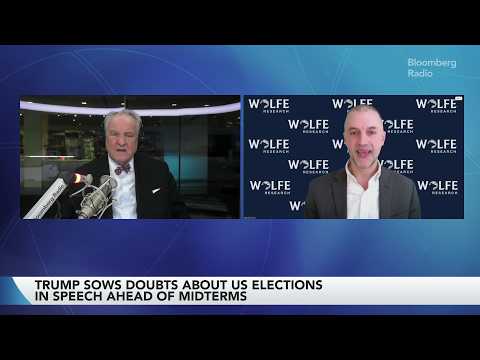
    President Trump’s Election Integrity Claims – Examining Doubts in US Elections

    President Donald Trump has consistently voiced concerns about the integrity of the United States election system. His statements frequently highlight issues such as mail-in ballots, the enforcement of voter identification laws, and the operational security of electronic voting machines. These claims have generated significant public discussion and scrutiny regarding electoral processes across the nation.

    The discourse surrounding election integrity has been a prominent feature of American political commentary, particularly since the 2020 presidential election. President Trump’s continued focus on these issues aims to galvanize support for what he describes as necessary reforms to safeguard future elections.

    The Genesis of Election Doubts

    The foundation of many contemporary election integrity claims traces back to the aftermath of closely contested elections. Historically, candidates from various political affiliations have questioned electoral outcomes. However, the scale and persistence of these claims have intensified in recent years.

    President Trump’s concerns often center on the expansion of voting methods, particularly mail-in voting. During the 2020 election cycle, many states expanded access to mail-in ballots due to the COVID-19 pandemic. This expansion became a focal point for claims of potential vulnerabilities.

    Concerns were also raised about the perceived lack of uniform voter identification requirements across all states. Proponents of stricter ID laws argue that they are essential to prevent in-person voter impersonation. Opponents contend that such laws disproportionately disenfranchise eligible voters, particularly minority groups and low-income individuals.

    Mail-In Ballots: A Central Point of Contention

    Mail-in voting, also known as absentee voting, has been a method used in the United States for decades, primarily for military personnel, overseas citizens, and those with valid excuses for absence on Election Day. The 2020 election saw an unprecedented surge in its use, with millions of Americans casting their ballots by mail.

    President Trump and his supporters have frequently characterized widespread mail-in voting as susceptible to fraud. Arguments often include the potential for ballot harvesting, signature mismatches, and the lack of secure ballot drop-off locations.

    Election officials, including those from both major political parties, have generally affirmed the security protocols in place for mail-in ballots. These protocols often include signature verification, barcode tracking, and chain-of-custody procedures. Studies by various non-partisan organizations have consistently found that instances of widespread mail-in ballot fraud are exceedingly rare.

    Voter Identification Laws and Their Impact

    Voter identification laws vary significantly from state to state. Some states require photo identification, while others accept non-photo ID or allow voters to sign an affidavit. The debate over these laws is deeply entrenched in American politics.

    Advocates for strict voter ID laws argue that they are a common-sense measure to ensure that only eligible citizens cast ballots. They often point to the requirement for ID in other aspects of daily life, such as purchasing alcohol or boarding an airplane. The premise is that such laws enhance public confidence in the legitimacy of election results.

    Conversely, opponents argue that strict voter ID laws place an undue burden on certain populations. These groups may include the elderly, students, low-income individuals, and minority voters who may not have easy access to the required forms of identification. Critics suggest these laws are often designed to suppress voter turnout among demographics less likely to support the party advocating for them.

    Electronic Voting Machines: Technology and Trust

    The reliability and security of electronic voting machines have also been a recurring theme in discussions about election integrity. Modern voting systems often combine electronic components with paper trails, but the perceived vulnerability of software and hardware remains a concern for some.

    President Trump has frequently highlighted the potential for tampering or errors with electronic voting systems. Claims of manipulated software or compromised machines have circulated widely, particularly following the 2020 election.

    Election technology companies and cybersecurity experts often emphasize the rigorous testing and certification processes that voting machines undergo. These processes involve federal and state-level scrutiny to ensure accuracy and resistance to unauthorized access. Many systems now incorporate auditable paper records to allow for manual recounts and verification.

    The Role of Election Audits and Recounts

    To address concerns about election integrity, many states have established procedures for post-election audits and recounts. These processes are designed to verify the accuracy of election results and to identify any discrepancies or errors.

    Various types of audits exist, including risk-limiting audits (RLAs), which statistically verify the accuracy of election outcomes by comparing paper ballots to machine counts. These audits provide a high level of confidence in the reported results and can detect anomalies.

    Recounts are typically triggered when the margin of victory is very narrow or when a candidate formally requests one. They involve a re-tabulation of all ballots, either manually or by machine, to confirm the original count. These mechanisms are integral to ensuring transparency and accountability in the electoral process.

    Impact on Public Trust and Political Discourse

    The ongoing discussion about election integrity, fueled by President Trump’s statements, has had a profound impact on public trust in democratic institutions. Polling data often indicates a partisan divide in perceptions of election fairness and security.

    A significant portion of the electorate, particularly those who support President Trump, express doubts about the legitimacy of recent election outcomes. This skepticism can lead to decreased civic engagement and a deepening of political polarization.

    Conversely, many voters and election experts maintain high confidence in the integrity of US elections. They point to the decentralized nature of election administration, involving thousands of local officials, as a safeguard against widespread fraud or manipulation. They also highlight the dedication of election workers and the robust legal frameworks in place.

    Calls for Reform and Future Outlook

    The debates surrounding election integrity have led to numerous calls for reform. These proposed changes often include:

    • Standardized Voter ID Laws: Implementing uniform photo ID requirements across all states.
    • Enhanced Mail-In Ballot Security: Strengthening signature verification processes, ensuring secure drop boxes, and prohibiting ballot harvesting.
    • Auditable Voting Machines: Mandating paper trails for all electronic voting systems and implementing more frequent and robust risk-limiting audits.
    • Election Transparency: Increasing public access to election data and observation of polling places and vote tabulation centers.

    These proposals are debated at both the state and federal levels. The future of election administration in the United States will likely continue to be shaped by these discussions, as policymakers seek to balance access to voting with the perceived need for enhanced security measures.

    The role of state election officials, from Secretaries of State to local county clerks, remains critical. These individuals are responsible for implementing election laws, managing voting infrastructure, and ensuring the smooth and fair conduct of elections. Their efforts often occur amidst intense public scrutiny and political pressure.

    President Trump’s consistent articulation of concerns about election integrity underscores a significant segment of public opinion. These concerns demand ongoing attention and transparent responses from election administrators and policymakers.

    Voters gathered. Officials gathered. Experts gathered. Discussion continues. Scrutiny continues. America.

  • Regime Change: Unpacking Five Key Takeaways from the Trump Era Analysis

    Regime Change: Unpacking Five Key Takeaways from the Trump Era Analysis

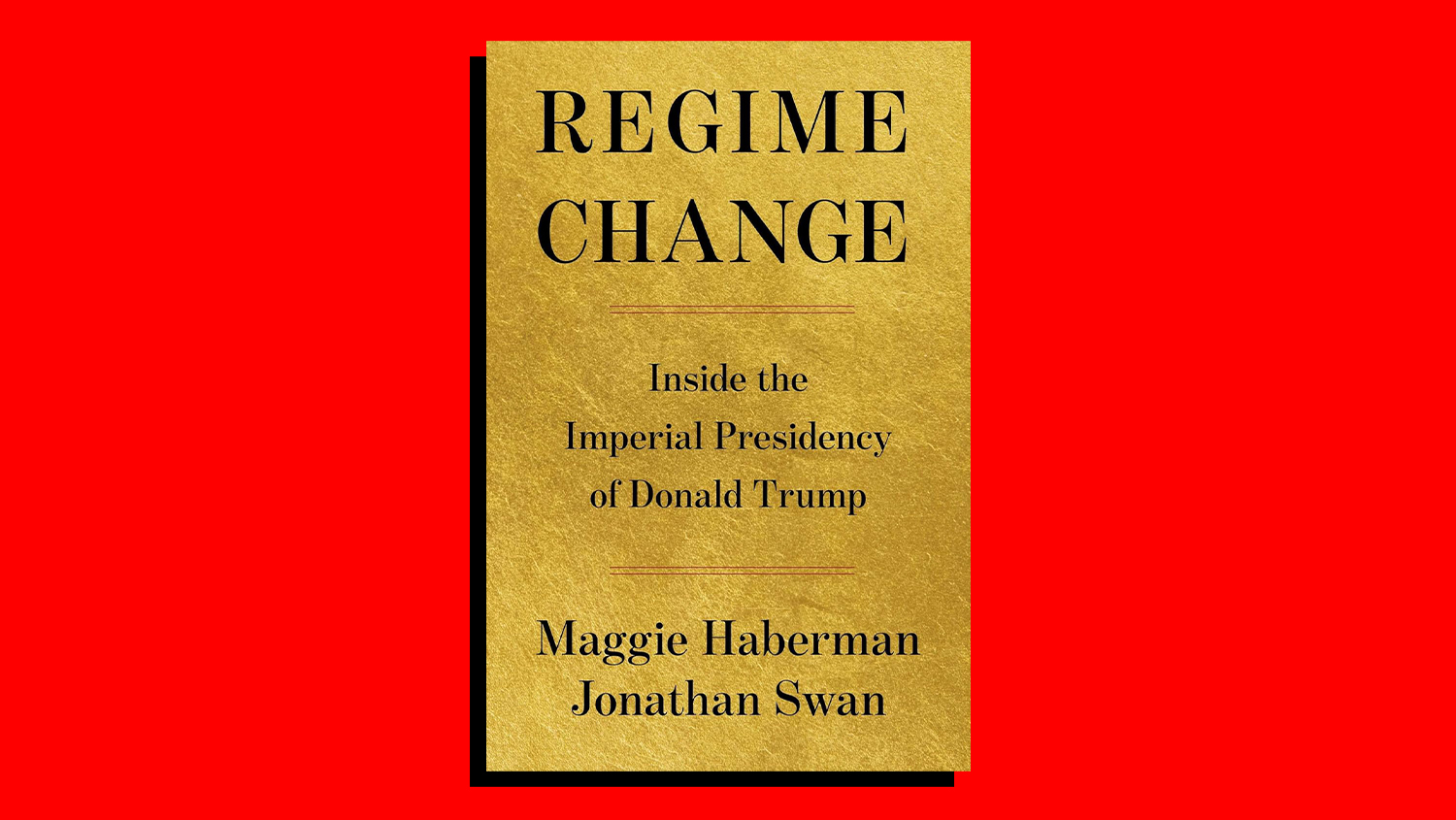
    The book ‘Regime Change,’ a recent publication, dissects the presidency of Donald Trump, identifying five core areas of significant impact. These include the reconfiguration of political norms, the surge of populism, the assertive use of executive power, the weaponization of the media landscape, and the fundamental reshaping of the Republican Party. The book aims to provide a definitive account of these transformations, drawing on extensive research and analysis of the 2017-2021 period and its aftermath.

    The Reconfiguration of Political Norms

    One primary takeaway from ‘Regime Change’ is its detailed exploration of how Donald Trump’s presidency fundamentally reconfigured established political norms. This involved a direct challenge to traditional communication protocols, media relationships, and diplomatic practices. The book documents specific instances, such as the frequent use of Twitter for official announcements and policy declarations, bypassing traditional press conferences and official statements. This approach redefined the expected channels of presidential communication.

    The relationship between the executive branch and the press underwent significant strain. ‘Regime Change’ details the consistent labeling of critical news outlets as ‘fake news’ and ‘enemies of the people.’ This rhetoric eroded public trust in institutional media, fostering an environment where information accuracy was frequently contested. Diplomatic norms were also challenged through direct engagements with foreign leaders, often outside conventional State Department channels, and a transactional approach to international alliances.

    Redefining Communication and Media Engagement

    The book elaborates on the strategic shift in presidential communication. Donald Trump’s direct appeals to his base through rallies and social media platforms, particularly Twitter, became a hallmark of his administration. This allowed for immediate dissemination of messages without traditional journalistic filters. ‘Regime Change’ provides examples such as the announcement of policy decisions via tweet, often catching even White House staff by surprise.

    This direct communication strategy effectively bypassed traditional gatekeepers. It established a new model for how a president could interact with the public. The book analyzes the long-term implications of this shift, including increased polarization and the diminished role of the traditional press corps in shaping national narratives. The 2020 presidential election saw these communication methods refined further, solidifying their place in modern political campaigning.

    The Surge of Populism

    A second key takeaway from ‘Regime Change’ centers on the book’s comprehensive examination of populism as a driving force during the Trump era. Donald Trump’s political rise and sustained support are largely attributed to a robust populist movement. The book dissects the components of this populism, including its appeal to specific demographics, its anti-establishment rhetoric, and its focus on nationalistic sentiments. It highlights how economic anxieties, cultural grievances, and a distrust of political elites fueled this movement.

    ‘Regime Change’ details the methods through which populist sentiments were mobilized and sustained. This included large-scale rallies, which served as both campaign events and direct communication channels with supporters. The book also analyzes the role of digital platforms and alternative media in amplifying populist messages, often bypassing mainstream media narratives. This analysis is crucial for understanding not only the Trump presidency but also similar movements globally in the mid-2020s.

    Grassroots Mobilization and Digital Campaigning

    The discussion of populism in ‘Regime Change’ extends to the intricate details of grassroots mobilization efforts. The book highlights the critical role of highly attended rallies, often drawing tens of thousands of supporters, as central to Trump’s political strategy. These events were not merely campaign stops but served as powerful affirmations of a shared political identity and grievances. The book cites specific rally locations and dates, illustrating their geographic and demographic reach.

    Furthermore, ‘Regime Change’ offers insights into the sophisticated digital strategies employed. This includes the use of micro-targeting and data analytics to reach specific voter segments with tailored messages. The book details how campaigns leveraged platforms like Facebook and Twitter to disseminate content, organize supporters, and counter opposing narratives. These modern campaigning techniques are presented as central to the success of the populist movement, fundamentally altering the landscape of political outreach.

    Assertive Use of Executive Power

    The third takeaway focuses on ‘Regime Change’s’ insights into executive power and the scope of presidential authority under Donald Trump. His administration was marked by a robust assertion of presidential prerogatives, often pushing the boundaries of traditional executive action. The book meticulously documents instances where executive orders were used extensively, sometimes to implement policies that faced legislative resistance or to reverse previous administrative directives. Examples include executive actions on immigration, environmental regulations, and trade policies, often issued with minimal congressional consultation.

    ‘Regime Change’ analyzes the legal and constitutional arguments surrounding these actions. It details the frequent challenges mounted by Congress and the judiciary, leading to numerous court battles that tested the separation of powers. The book provides a critical perspective on the checks and balances within the American political system, illustrating how Trump’s approach strained these traditional safeguards. The administrative state, including federal agencies and their leadership, also experienced significant shifts as presidential appointees sought to implement the administration’s agenda.

    Institutional Challenges and Legal Battles

    The book details specific challenges to institutional norms and the resulting legal battles. ‘Regime Change’ chronicles the administration’s relationships with various federal agencies, often characterized by efforts to redirect their priorities or personnel. The appointment process for key positions, from cabinet secretaries to federal judges, is also examined, highlighting the emphasis on loyalty and ideological alignment. The book cites specific legal cases, such as those concerning travel bans or the border wall, to illustrate the judicial branch’s role in adjudicating presidential authority.

    These discussions are vital for understanding the resilience and adaptability of democratic institutions in the face of executive assertiveness. ‘Regime Change’ provides a comprehensive account of these tensions, offering a historical record for future analysis of presidential power. The book concludes that Trump’s tenure set precedents for the exercise of executive authority, influencing subsequent administrations and legislative responses.

    The Weaponization of the Media Landscape

    The fourth takeaway from ‘Regime Change’ addresses the evolving media landscape and the concept of information warfare during the Trump presidency. Donald Trump frequently criticized mainstream media outlets, labeling some as ‘fake news’ or purveyors of biased reporting. The book explores the implications of this rhetoric for public trust in journalism, documenting a significant decline in confidence among certain segments of the population. This constant critique created an environment where distinguishing verified information from opinion or disinformation became increasingly challenging for the public.

    ‘Regime Change’ also examines the proliferation of disinformation and misinformation, particularly through social media platforms. It details how unverified content, often politically motivated, gained widespread traction. The book analyzes strategies used to counter or amplify specific narratives, including the use of rapid-response teams and social media influencers. This section underscores how the digital age transformed political communication into a battleground for narrative control, often blurring the lines between news and propaganda.

    The Battle for Narrative Control and Public Trust

    The book delves deeply into the battle for narrative control that characterized the Trump years. ‘Regime Change’ illustrates how political figures and their allies actively sought to shape public perception, often by directly challenging established media narratives. This included the strategic use of alternative media outlets and online personalities to bypass traditional journalistic scrutiny. The book cites specific examples where the administration’s messaging directly contradicted reports from major news organizations, creating parallel information universes for different audiences.

    Understanding these dynamics is crucial in an era of rapid information dissemination and fragmented media consumption. ‘Regime Change’ offers a case study in how information can be weaponized in political contests, highlighting the profound challenges for informed public discourse. The book concludes that the erosion of trust in traditional media and the rise of partisan information ecosystems represent a lasting legacy of this period, impacting how citizens engage with political news and form their opinions in 2026 and beyond.

    Reshaping the Republican Party

    The fifth and final key takeaway from ‘Regime Change’ concerns its analysis of the profound reshaping of the Republican Party under Donald Trump’s influence. The book argues that Trump’s leadership fundamentally altered the party’s platform, leadership, and voter base. Traditional conservative principles, such as fiscal conservatism and interventionist foreign policy, were often subordinated to a new populist nationalism. This shift saw the party embrace a more protectionist trade stance and a non-interventionist foreign policy, departing from decades of Republican orthodoxy.

    ‘Regime Change’ documents the transformation of the party’s leadership, noting the ascendancy of figures aligned with Trump’s vision and the marginalization of traditional Republican voices. The book also details how the party’s voter base diversified, attracting working-class voters in Rust Belt states while potentially alienating suburban and college-educated demographics. This reorientation of the Republican Party’s identity and electoral strategy is presented as one of the most significant and enduring legacies of the Trump presidency, with implications for national elections in 2024 and beyond.

    Evolving Ideologies and Electoral Strategies

    The book provides a detailed account of the evolving ideologies within the Republican Party. ‘Regime Change’ illustrates how specific policy positions, such as those on immigration and trade, became central tenets of the new Republican platform. It analyzes the internal struggles and debates within the party as it grappled with these changes, citing examples of prominent Republicans who either embraced or resisted the new direction. The book also examines the role of conservative media and grassroots organizations in solidifying this ideological shift.

    Furthermore, ‘Regime Change’ explores the new electoral strategies adopted by the Republican Party. This includes a continued emphasis on engaging the populist base through rallies and direct appeals, as well as efforts to expand support among specific demographic groups. The book concludes that Trump’s influence has created a new political alignment, forcing both Republicans and Democrats to adapt their strategies for future elections. This transformation represents a significant and ongoing development in American political history.

    Political norms reconfigured. Populism surged. Executive power asserted. Media weaponized. The Republican Party transformed.

    American politics altered.