Tag: Political Communication

  • Brooks & Dunn’s “Neon Moon” in White House Video – A Cultural Intersection

    Brooks & Dunn’s “Neon Moon” in White House Video – A Cultural Intersection

    The White House and “Neon Moon” Intersection

    On July 29, 2026, a video released by the White House featured the classic country song “Neon Moon” by Brooks & Dunn. The video also incorporated characters from the DreamWorks animated film series “Puss in Boots.” This combination quickly became a subject of widespread discussion across social media platforms and news outlets.

    The unexpected pairing of a 1990s country anthem with contemporary animated film characters within an official government communication context drew immediate attention. Observers noted the distinct cultural elements at play.

    Origins of the Song and Film

    “Neon Moon” is a seminal track from Brooks & Dunn’s 1991 debut album, “Brand New Man.” Written by Ronnie Dunn, the song became a major hit, solidifying the duo’s status in country music. Its melancholic lyrics and distinctive melody have made it a enduring staple of the genre.

    The “Puss in Boots” franchise originated as a spin-off from the successful “Shrek” film series. The character Puss in Boots, voiced by actor Antonio Banderas, first appeared in “Shrek 2” in 2004. The character subsequently received his own feature films, including “Puss in Boots” (2011) and “Puss in Boots: The Last Wish” (2022).

    DreamWorks Animation, a subsidiary of Universal Pictures, is responsible for the production of these animated films. The studio has a long history of creating popular family-friendly content.

    The Video’s Release and Immediate Reaction

    The White House video surfaced on official channels on July 29, 2026. Specific details regarding the video’s content, beyond the inclusion of “Neon Moon” and “Puss in Boots” characters, remain central to public discourse. The exact message or purpose behind the video’s creation has been a primary point of speculation.

    Initial reactions were characterized by surprise and curiosity. Many viewers expressed bewilderment at the unconventional choice of music and imagery for a governmental communication. The term “bizarre” was frequently used across online platforms to describe the video’s nature.

    Social media metrics indicated a rapid spread of the video. Engagement included shares, comments, and direct responses from various public figures and media commentators. The velocity of its dissemination highlighted its immediate impact on the digital landscape.

    Cultural Commentary and Interpretations

    The juxtaposition of “Neon Moon” and “Puss in Boots” in a White House video invited diverse interpretations. Some commentators viewed the video as an attempt to connect with a broad demographic, leveraging both nostalgic country music appeal and popular animated characters.

    Others suggested it represented a new frontier in political messaging, where unconventional cultural references are employed to capture attention in a saturated media environment. The use of humor and unexpected combinations can often lead to increased virality.

    The video also sparked discussions about the evolving role of popular culture in political discourse. Historically, political campaigns and administrations have utilized music and imagery to convey messages. The blend seen on July 29, 2026, marked a notable departure from more traditional approaches.

    The Role of Country Music in Public Life

    Country music has long held a significant place in American culture. Its themes often resonate with a wide segment of the population. Brooks & Dunn, as a duo, exemplify a particular era of country music that achieved mainstream success.

    Songs like “Neon Moon” evoke specific sentiments and memories for many listeners. Their inclusion in a White House video suggests an awareness of this cultural resonance. The choice may have been strategic, aiming to tap into a sense of shared cultural heritage.

    The genre’s appeal often crosses demographic lines, making it a powerful tool for communication. Its presence in official capacities underscores its pervasive influence.

    Animated Characters and Political Messaging

    Animated characters from popular films like “Puss in Boots” possess a different kind of cultural currency. They are widely recognized, particularly among younger audiences and families. Their inclusion can soften a message or make it more accessible.

    The playful nature of such characters can also serve to disarm potential critics or make a message more palatable. DreamWorks characters carry a certain innocence and broad appeal. This makes them versatile assets in various communication strategies.

    The specific context of the “Puss in Boots” characters within the White House video remains a key element of the ongoing analysis. Their actions or dialogue within the video would further inform its intended meaning.

    White House Communication Strategies

    The White House under the current administration has often employed unconventional communication methods. These strategies frequently leverage social media and direct digital engagement. The goal is often to bypass traditional media filters and reach audiences directly.

    The use of a viral-ready video incorporating popular culture elements aligns with this broader approach. It represents a continued evolution in how political entities seek to engage with the public. The emphasis is often on immediate impact and shareability.

    Such methods aim to generate organic reach and discussion. The “Neon Moon” video achieved this, becoming a topic of conversation almost immediately after its release. This indicates a degree of success in capturing public attention.

    Past Instances of Pop Culture in Politics

    The integration of pop culture into political messaging is not entirely new. Presidential campaigns have long used popular songs, sometimes with or without permission. Figures from film and television have often endorsed or appeared alongside political candidates.

    However, the direct production and dissemination of a video from the White House itself, featuring animated characters and a specific musical track in such an unexpected combination, marks a distinct moment. It blurs lines between entertainment and official communication in a novel way.

    This trend reflects a broader cultural shift where digital content and viral media play an increasingly central role in public discourse. Political messaging adapts to these evolving consumption patterns.

    Public and Media Responses

    Responses from the public varied widely. Some viewers expressed amusement and found the video entertaining. Others voiced confusion or criticism, questioning the appropriateness of such content from the White House.

    Media outlets covered the story extensively. News reports analyzed the video’s content, speculated on its purpose, and reported on the social media reaction. Political commentators offered their perspectives on what the video signified for contemporary political communication.

    The incident became a talking point on late-night shows and morning news programs. This widespread media attention further amplified the video’s reach and impact. The discussion extended beyond political circles into general cultural commentary.

    Social Media Engagement Analysis

    On platforms like X (formerly Twitter), Facebook, and Instagram, the video generated thousands of posts. Hashtags related to “Neon Moon,” “Puss in Boots,” and the White House trended. This organic engagement is a key indicator of viral content.

    Sentiment analysis of social media posts showed a mixed bag of reactions. While some users expressed positive or neutral sentiments, a significant portion conveyed surprise, bewilderment, or critical viewpoints. This diversity of opinion contributed to the video’s sustained presence in online conversations.

    Memes and humorous adaptations of the video also began to circulate. This phenomenon is common with content that achieves viral status, further embedding it into popular culture.

    Implications for Future Communications

    The “Neon Moon” and “Puss in Boots” video sets a precedent for future White House communications. It suggests a willingness to experiment with highly unconventional formats and cultural references to convey messages or simply to capture attention.

    This approach could lead to more frequent integration of popular music, film, and other media into official government outputs. It reflects a continuing adaptation to the digital age, where content must compete aggressively for audience engagement.

    The success or failure of such strategies will likely be measured by their ability to resonate with target audiences and achieve specific communication objectives, whether those are informational, persuasive, or simply attention-grabbing.

    The Evolving Landscape of Political Messaging

    The incident on July 29, 2026, serves as a case study in the evolving landscape of political messaging. It demonstrates a departure from traditional press conferences and formal statements as the sole means of communication.

    Digital platforms allow for more creative and sometimes more provocative content. This shift requires a re-evaluation of what constitutes appropriate or effective political communication in the 21st century. The boundaries continue to be tested and redefined.

    The ongoing discussion around the “Neon Moon” video contributes to this larger conversation about the intersection of politics, popular culture, and digital media.

    Conclusion

    The White House video featuring Brooks & Dunn’s “Neon Moon” and characters from “Puss in Boots” marked a significant cultural moment on July 29, 2026. It brought together disparate elements of popular culture and official communication.

    The video sparked immediate and widespread discussion. It highlighted the innovative, often surprising, methods employed in contemporary political messaging. It showcased the enduring appeal of classic country music.

    It demonstrated the pervasive influence of animated film. It underscored the power of digital platforms to amplify unexpected content.

    It sparked conversation. It generated analysis. It became a cultural touchstone.

    A White House video.


  • Why Beshear Demanded “Verbal Proof” from McConnell – Kentucky’s Political Showdown

    Why Beshear Demanded “Verbal Proof” from McConnell – Kentucky’s Political Showdown

    Kentucky Governor Andy Beshear recently demanded “verbal proof” from Senator Mitch McConnell, a move that placed a spotlight on inter-governmental transparency and political accountability. The Governor’s request stemmed from a desire for direct, unambiguous confirmation regarding the allocation and specifics of federal aid destined for Kentucky. This public challenge underscored the ongoing tension between state executive leadership and federal legislative representation.

    The call for “verbal proof” signified a strategic push for clarity on issues vital to Kentucky’s residents. It moved beyond the usual exchanges of press releases or indirect statements. Governor Beshear sought a personal, verifiable assurance from Senator McConnell, emphasizing a commitment to immediate and transparent information for the public.

    The Catalyst: Federal Aid and Kentucky’s Needs

    Governor Beshear’s demand for “verbal proof” from Senator McConnell did not emerge in a vacuum. It was rooted in specific concerns about federal aid to Kentucky. The state has faced multiple challenges requiring federal support, including recovery from natural disasters and significant infrastructure needs.

    Reports and discussions around federal funding often involve complex legislative language and bureaucratic processes. Governor Beshear indicated that written communications or general assurances were insufficient. He sought concrete, spoken commitments from the senior Senator.

    This demand primarily focused on ensuring that Kentucky would receive its fair share of federal resources. It also aimed to clarify the timeline and specific projects these funds would support, directly impacting the state’s recovery and development efforts.

    Specific Areas of Concern

    The Governor’s office had particular interests in several areas of federal assistance. These included funding for ongoing recovery efforts from the 2021 tornadoes and 2022 floods that devastated parts of Kentucky. Infrastructure projects, such as bridge repairs and broadband expansion, also featured prominently.

    Beshear emphasized the need for Kentuckians to understand precisely how their federal tax dollars were being leveraged. He argued that direct, verbal confirmation from Senator McConnell would provide a level of assurance that official statements sometimes lacked.

    This pressure tactic aimed to cut through perceived political ambiguities. It sought to secure a public commitment that could be directly attributed to Senator McConnell, thereby increasing accountability.

    Governor Beshear’s Stance on Transparency

    Governor Andy Beshear has consistently championed transparency as a cornerstone of his administration. His public demand of Senator McConnell aligned with this broader governing philosophy. Beshear believes that an informed public is essential for a functioning democracy.

    His administration has often made efforts to communicate directly with Kentuckians through town halls, press conferences, and digital platforms. The demand for “verbal proof” extended this philosophy to inter-governmental relations. It signaled an expectation of the same level of directness from federal partners.

    Beshear’s approach suggests that transparency is not merely about making information available. It is also about making it accessible, understandable, and verifiable. This ensures that citizens can hold their representatives accountable.

    The Role of Direct Communication

    Direct communication, particularly verbal confirmation, carries significant weight in political discourse. It often conveys a stronger sense of commitment and personal responsibility than written statements. Written documents can be subject to interpretation or attributed to staff.

    By demanding “verbal proof,” Governor Beshear aimed to elicit a personal endorsement from Senator McConnell. This would make it harder for any future discrepancies to be dismissed as misinterpretations. It placed the onus directly on the Senator.

    This strategy also served to rally public support for the Governor’s push for clarity. It framed the issue as a matter of basic public right to information, rather than a partisan squabble.

    Senator McConnell’s History and Response

    Senator Mitch McConnell, a long-serving figure in the United States Senate, is known for his strategic and often guarded communication style. His career has been marked by careful legislative maneuvering and a preference for controlled messaging. A demand for impromptu “verbal proof” challenged this established approach.

    McConnell typically communicates through official press releases, floor statements, and carefully orchestrated media appearances. These channels allow for precise language and the avoidance of unintended concessions. The Governor’s demand for a direct, spoken commitment represented a departure from this norm.

    Initial responses from Senator McConnell’s office were often through spokespersons, reiterating existing federal commitments to Kentucky. These responses did not immediately provide the specific “verbal proof” Governor Beshear had requested, highlighting the strategic differences in their communication approaches.

    Navigating Political Expectations

    The Senator’s office likely weighed the implications of such a direct, unscripted response. Providing “verbal proof” could set a precedent for similar demands from other state officials. It could also potentially box the Senator into commitments that might later prove difficult to uphold.

    McConnell’s camp emphasized the established channels of communication and the legislative process. They pointed to the Senator’s track record of securing federal funding for Kentucky through legislative means. This highlighted a difference in how each leader viewed accountability.

    The exchange became a public test of wills. It showcased the contrasting styles of a long-standing federal legislator and a state executive who prioritizes direct public engagement.

    Broader Implications for State-Federal Relations

    The public demand for “verbal proof” from a federal senator by a state governor carries significant implications for state-federal relations. It illustrates the evolving dynamics between different levels of government, particularly when both are serving the same constituents.

    Such incidents can highlight the perceived power imbalance between states and the federal government. Governors often feel constrained by federal decisions or the pace of federal aid. Demanding direct answers can be a way to assert state sovereignty and advocate for local needs.

    This interaction also serves as a reminder that federal representatives are ultimately accountable to their state electorates. While they operate on a national stage, their actions and communications are closely scrutinized by state-level leaders and citizens.

    The Public’s Role in Accountability

    The public’s expectation for transparency and accountability is a powerful force in these political exchanges. Citizens increasingly demand clear, verifiable information from all elected officials, regardless of their level of government.

    Social media and 24/7 news cycles amplify these demands. They make it easier for state leaders to publicly challenge federal counterparts. This creates a more immediate pressure for responses and clarity.

    The Governor’s demand resonated with many Kentuckians who sought direct answers on critical issues affecting their lives. This public sentiment reinforces the importance of clear communication and verifiable commitments from leaders.

    Historical Context of Political Scrutiny

    Demands for direct evidence or clarification from public officials are not new in American politics. Throughout history, leaders have faced intense scrutiny, particularly during times of crisis or significant public concern. This is a fundamental aspect of democratic governance.

    For instance, during major national events or legislative debates, presidents and congressional leaders have often been pressed to provide personal assurances or detailed explanations beyond official statements. These moments reinforce the principle that leaders must stand by their words.

    The current political climate, characterized by heightened partisan divisions and a rapid information environment, further intensifies these demands. The public’s desire for authenticity and direct engagement has grown significantly.

    Impact on Political Discourse

    The public exchange between Governor Beshear and Senator McConnell significantly impacted Kentucky’s political discourse. It generated widespread media coverage and sparked discussions among citizens about political accountability and effective representation.

    This public engagement encouraged critical thinking about how information is conveyed and received in politics. It also reinforced the idea that leaders are expected to be forthright and transparent in their dealings with the public.

    The incident highlighted the media’s role in amplifying such demands. News outlets reported extensively on the Governor’s challenge and the Senator’s subsequent responses, bringing the issue to a broader audience and underscoring the ongoing call for transparency in governance.

    The Evolving Landscape of Political Communication

    This incident reflects the evolving landscape of political communication in the 2020s. Traditional methods of official statements and press conferences are increasingly supplemented, and sometimes challenged, by more direct and immediate forms of communication.

    The rise of digital platforms means that information, and demands for it, can spread rapidly. Public figures are often expected to respond quickly and directly to concerns, bypassing traditional intermediaries. This places a premium on authenticity and directness.

    The demand for “verbal proof” can be seen as a modern manifestation of these expectations. It represents a shift towards more personal and verifiable forms of political engagement. Citizens want to hear directly from their leaders, not just their spokespersons.

    The Governor’s Office and Accountability

    As the chief executive of the state, the Governor’s office holds a unique position in demanding accountability from federal representatives. Governors are directly responsible for the welfare of their state’s residents and often serve as their primary advocates on the national stage.

    Governor Beshear’s action demonstrated a willingness to use the full weight of his office to press for answers. This assertive approach can set a precedent for how state leaders interact with federal officials, particularly when state interests are perceived to be at stake.

    The incident solidified Beshear’s image as a leader willing to challenge established norms for the sake of his constituents. It underscored the continuous struggle for clarity and accountability in the complex web of American governance. The demand echoed across Kentucky.


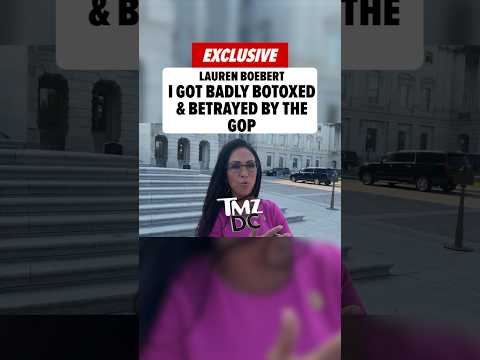
  • Lauren Boebert’s Claims of Bad Botox and GOP Liars – Political Intrigue Unveiled

    Lauren Boebert’s Claims of Bad Botox and GOP Liars – Political Intrigue Unveiled

    Representative Lauren Boebert, a prominent figure in the Republican party, has publicly stated that ‘bad Botox’ and ‘GOP liars’ have contributed to her public image and political challenges. These claims, made in 2026, have generated considerable discussion across media platforms and political circles. Her statements intertwine personal aesthetic decisions with accusations of political sabotage, offering a unique lens into the pressures faced by elected officials.

    The Colorado congresswoman’s remarks have resonated with themes of cultural defense. They touch upon the intense scrutiny public figures endure regarding their appearance and the complex dynamics of intra-party politics. This confluence of personal struggle and political intrigue has captured public imagination, making her statements highly shareable and subject to extensive commentary.

    The Intersection of Personal Aesthetics and Public Scrutiny

    Public figures, especially those in high-profile political roles, operate under constant observation. Every aspect of their lives, from policy decisions to personal appearance, becomes subject to public and media dissection. Lauren Boebert’s claims about ‘bad Botox’ bring this intense scrutiny into sharp focus.

    Cosmetic procedures, while increasingly common, remain a sensitive topic for many. For a political leader, discussing such procedures publicly can be a calculated risk, potentially inviting both sympathy and criticism. Boebert’s decision to cite a cosmetic outcome as a factor in her public presentation highlights the unique pressures on women in politics.

    The concept of ‘bad Botox’ implies an unintended or undesirable aesthetic result. This can lead to questions about authenticity, self-perception, and the broader expectations placed on politicians to maintain a certain image. It also opens a dialogue about the commercialization of beauty and its intersection with political life.

    This candid admission from Boebert underscores the pervasive nature of image management in contemporary politics. It suggests that even minor aesthetic details can become talking points, influencing public perception and potentially affecting political narratives. The public response to her statement reflects a broader fascination with the private lives of public servants.

    Allegations of ‘GOP Liars’ and Intra-Party Dynamics

    Beyond personal aesthetic concerns, Lauren Boebert’s allegations of ‘GOP liars’ introduce a significant element of political intrigue. These claims suggest internal conflicts and betrayals within her own party, the Republican Party. Such accusations are not uncommon in the highly competitive world of politics, but when made by a sitting congresswoman, they carry particular weight.

    The phrase ‘GOP liars’ is a direct challenge to the integrity of certain individuals or factions within the Republican establishment. It implies a deliberate campaign of misinformation or deception aimed at undermining her political standing. This kind of internal strife can have profound implications for party unity, legislative agendas, and public trust.

    Such allegations often emerge during periods of heightened political tension, such as election cycles or significant policy debates. They can be symptomatic of ideological divides, power struggles, or personal animosities that play out behind the scenes of public governance. Boebert’s statements indicate a perceived adversarial environment even within her own political affiliation.

    The public reaction to claims of ‘GOP liars’ varies. Some may view it as a candid admission of political realities, while others might interpret it as an attempt to deflect responsibility or sow discord. Regardless of interpretation, these accusations contribute to a narrative of political drama, drawing attention to the often-hidden machinations of party politics.

    The Impact on Party Cohesion

    Accusations of internal deceit can significantly strain party cohesion. When members of the same party publicly accuse each other of dishonesty, it can weaken the party’s collective message and effectiveness. This is particularly true in an era of intense partisan polarization, where perceived unity is often presented as a strength.

    Such claims can also empower political opponents, who may seize upon internal divisions to criticize the party as a whole. The narrative of ‘GOP liars’ provides fodder for external critics and can complicate efforts to present a unified front on key issues. It creates an environment where trust becomes a commodity, easily eroded by public infighting.

    For voters, these allegations can be disorienting. They may question the reliability of information coming from within the party and become cynical about political processes. The long-term impact of such public accusations can be a decline in voter confidence and an increase in political apathy.

    Cultural Defense and the Public Narrative

    Lauren Boebert’s combined claims of ‘bad Botox’ and ‘GOP liars’ tap into a broader cultural defense theme. This theme involves individuals or groups attempting to protect their reputation, narrative, or standing against perceived attacks or misrepresentations. In Boebert’s case, she appears to be constructing a defense against negative public perception and political opposition.

    The ‘bad Botox’ claim serves as a potential explanation for any perceived changes in her appearance, offering a personal and somewhat sympathetic reason. It frames any visual discrepancies not as a personal failing, but as an external, medical mishap. This can be seen as an attempt to control the narrative around her physical presentation.

    The ‘GOP liars’ claim, conversely, serves as a direct defense against political attacks. By alleging internal dishonesty, she positions herself as a victim of machinations rather than a perpetrator of political missteps. This strategy aims to shift blame and garner support by portraying herself as an underdog fighting against internal adversaries.

    Together, these claims form a two-pronged cultural defense strategy. One addresses personal aesthetics, the other addresses political integrity. Both aim to reshape public perception and protect her political capital in the face of challenges. This approach highlights the sophistication and often dramatic nature of modern political communication.

    The Role of Media in Amplifying Narratives

    Media outlets play a crucial role in amplifying these narratives. TMZ, the source of this information, is known for its focus on celebrity and high-profile personalities, often blending entertainment news with political developments. Its coverage of Boebert’s claims ensures a wide reach, particularly among audiences interested in cultural and personal aspects of public life.

    The dramatic appeal of Boebert’s statements is undeniable. The combination of personal vulnerability (‘bad Botox’) and political betrayal (‘GOP liars’) creates a compelling story. This narrative is easily consumed and shared across social media platforms, contributing to its viral spread and extensive discussion.

    News cycles thrive on controversy and human interest stories. Boebert’s claims provide both, making them highly attractive to various media outlets. The way these stories are framed and disseminated can significantly influence public opinion and shape the political discourse surrounding the individual.

    Historical Context of Political Intrigue and Personal Struggles

    The intersection of political intrigue and personal struggles is not new to American politics. Throughout history, public figures have grappled with personal challenges that become intertwined with their political careers. From scandals to health issues, the private lives of politicians often become public fodder.

    Accusations of internal party dissent and dishonesty also have a long history. Political parties are rarely monolithic entities; they are often composed of diverse factions with competing interests and ideologies. Disagreements, power struggles, and even accusations of betrayal are inherent to the political process.

    For instance, the political landscape of the early 20th century saw numerous instances of party bosses and internal factions clashing over control and policy. The mid-20th century brought televised politics, increasing the visual scrutiny on candidates and their families. The late 20th and early 21st centuries have further intensified this, with social media making personal lives instantly accessible and endlessly debatable.

    The current political climate, characterized by hyper-partisanship and constant media attention, only magnifies these dynamics. Personal struggles are quickly politicized, and internal party disputes can become national headlines. Lauren Boebert’s situation is a contemporary example of these enduring political themes playing out in the modern era.

    The Evolving Landscape of Public Perception

    The public’s perception of politicians is constantly evolving. Factors such as social media, 24/7 news cycles, and the blurring lines between entertainment and news have reshaped how constituents view their representatives. Authenticity and relatability have become increasingly valued traits, yet politicians are also expected to maintain a polished image.

    Boebert’s claims can be seen as an attempt to navigate this complex landscape. By addressing personal aesthetic concerns and political challenges head-on, she aims to control her narrative. However, such transparency can also be met with skepticism or further scrutiny, creating a delicate balance for any public figure.

    The discussion surrounding her statements reflects a broader societal debate about what constitutes appropriate public discourse for politicians. Should personal cosmetic choices be public knowledge? How much internal party conflict should be aired publicly? These questions underscore the ongoing tension between a politician’s private life and their public role.

    Ultimately, the impact of Boebert’s claims will be measured by their effect on her political standing and public support. Whether they foster empathy, generate controversy, or simply fade into the background of the ever-churning news cycle remains to be seen. Her statements, however, offer a vivid snapshot of the current state of political and personal narratives.

    The Future of Political Image Management

    The incident involving Lauren Boebert and her public statements on ‘bad Botox’ and ‘GOP liars’ provides valuable insights into the future of political image management. As technology advances and media consumption habits shift, politicians will continue to face unprecedented levels of scrutiny.

    The strategic use of personal narratives, even those involving cosmetic procedures, may become a more common tactic to connect with voters or deflect criticism. The ability to control or influence one’s public image in a hyper-connected world is a critical skill for any aspiring or incumbent politician.

    Moreover, the dynamics of intra-party relations, as highlighted by the ‘GOP liars’ claim, will continue to shape the political landscape. The ability of parties to maintain unity, manage internal dissent, and present a cohesive front to the electorate will be crucial for their success.

    Public figures navigate personal struggles. They contend with political adversaries. They manage their public image. This is the reality of modern politics.

  • Rep. Tim Burchett: The Case for Capitol Hill’s Funniest Lawmaker

    Rep. Tim Burchett: The Case for Capitol Hill’s Funniest Lawmaker

    The Rise of Political Humor on Capitol Hill

    Representative Tim Burchett, serving Tennessee’s 2nd congressional district, has positioned himself as a leading contender for the unofficial title of Capitol Hill’s funniest lawmaker. His public appearances and interactions often feature a blend of sharp wit and self-deprecating humor, distinguishing him from many of his congressional colleagues. This approach injects a sense of levity into the often-tense political landscape of Washington D.C., drawing attention from various media outlets, including TMZ.

    The role of humor in politics is not new, but its application by figures like Burchett reflects a modern adaptation. In an era dominated by social media and instant commentary, politicians increasingly utilize personality traits, including comedic timing, to cultivate a relatable public image. This strategy aims to bridge the gap between elected officials and the electorate, fostering a more approachable perception of government.

    A Distinctive Voice from Tennessee

    Burchett’s political career began in Tennessee, where he served in both the State House of Representatives and the State Senate before being elected as the Mayor of Knox County. His journey to Washington D.C. in 2019, representing the 2nd congressional district, brought his unique communication style to a national stage. His humor often draws from his East Tennessee roots, incorporating folksy wisdom and straightforward observations that resonate with a broad audience.

    His comedic delivery is characterized by an unpretentious demeanor. He frequently employs sarcasm and wry commentary, often directed at the intricacies of Washington bureaucracy or the absurdities of political life. This style stands in stark contrast to the often-scripted and carefully curated public images of many politicians, making his authenticity a significant part of his appeal.

    Humor as a Political Tool

    The strategic deployment of humor in politics serves multiple purposes. For Burchett, it can disarm opponents, lighten the mood during contentious debates, and make complex issues more accessible to the public. It also humanizes the politician, allowing constituents to see beyond the policy positions and connect with the individual.

    This approach can be particularly effective in an environment where public trust in institutions is often low. A politician who can make people laugh might be perceived as more genuine and less entrenched in the often-criticized partisan divide. Burchett’s humorous quips and anecdotes often go viral on social media platforms, further amplifying his reach and reinforcing his image as a relatable figure.

    Navigating the Seriousness of Office

    Balancing humor with the serious responsibilities of congressional office is a delicate act. Burchett, like other politicians who use comedy, must ensure that his jokes do not undermine the gravity of legislative work or alienate segments of his constituency. His humor tends to be observational rather than divisive, focusing on shared experiences or the universal peculiarities of human behavior and political systems.

    His comedic style is often described as good-natured, avoiding the harsh personal attacks that characterize much of modern political rhetoric. This deliberate choice allows him to maintain an image of an affable, approachable public servant, even when discussing serious policy matters or engaging in political disagreements.

    The Media’s Role in Amplifying Political Personalities

    Media outlets like TMZ play a crucial role in shaping the public perception of politicians like Burchett. By highlighting his humorous moments, these platforms contribute to his persona as the ‘funniest lawmaker.’ This coverage often transcends traditional political reporting, reaching audiences who might not typically engage with congressional news.

    The emphasis on personality in media coverage reflects a broader shift in how political figures are consumed by the public. Beyond policy debates and legislative actions, voters are increasingly interested in the human side of their representatives. Stories that emphasize character, wit, and relatability gain traction, influencing public opinion and engagement.

    The Impact on Political Discourse

    The rise of politicians known for their humor, such as Representative Burchett, suggests a subtle but significant change in political discourse. It indicates a growing acceptance, and perhaps even demand, for authenticity and personality in public office. This trend could lead to a more diverse range of communication styles being employed by political leaders, moving beyond traditional, formal rhetoric.

    While humor can be a powerful tool for connection, it also carries risks. A joke can be misinterpreted, or fall flat, potentially causing unintended controversy. However, Burchett’s consistent use of humor indicates a calculated strategy that has largely succeeded in cultivating a positive and memorable public image.

    Historical Precedents for Political Humor

    The intersection of humor and politics has a long history. Figures such as Abraham Lincoln were known for their storytelling and wit, using anecdotes to illustrate points or lighten tense situations. More recently, figures like Ronald Reagan were celebrated for their ability to deliver a well-timed joke, often diffusing criticism or rallying support.

    Burchett’s approach builds on this tradition, adapting it for the modern media landscape. His humor is often spontaneous, captured in candid moments that then circulate widely online. This immediacy is a hallmark of contemporary political communication, where authenticity is often valued above polished statements.

    Connecting with Constituents Beyond Policy

    For Representative Burchett, humor is more than just a personal trait; it is a means of connecting with his constituents on a deeper level. By presenting himself as someone who doesn’t take himself too seriously, he fosters a sense of approachability that can be rare in Washington D.C. This connection can translate into greater trust and engagement from the electorate.

    His ability to laugh at himself and the often-absurd nature of politics provides a refreshing perspective. It suggests a leader who understands the challenges facing everyday Americans, while also possessing the resilience and good spirits to navigate the complex world of federal governance.

    The Future of Political Personalities

    As the political landscape continues to evolve, the role of personality will likely become even more pronounced. Politicians who can effectively leverage their unique traits, including humor, to connect with voters will find an advantage. Representative Burchett stands as an example of this evolving political archetype.

    His ongoing bid for the title of Capitol Hill’s funniest lawmaker is not merely about entertainment. It is about crafting an identity, engaging with the public, and demonstrating that even in the most serious of professions, there is room for levity and human connection. His humor serves as a reminder that politicians are individuals, each bringing their own distinct character to public service.

    Legislators gathered. Media outlets gathered. Constituents gathered. Burchett.


  • Lindsey Graham’s Public Image: A Former Senator Defined by Television Appearances

    Lindsey Graham’s Public Image: A Former Senator Defined by Television Appearances

    The Pervasive Presence of Lindsey Graham

    Lindsey Graham cultivated a public image heavily defined by his pervasive presence on American television. For many viewers, his frequent appearances on cable news channels and Sunday morning political programs made him an enduring face of the United States Senate. This constant visibility shaped public perception of his political role and the legislative body he represented.

    His media strategy allowed him to bypass traditional reporting filters and communicate directly with a broad audience. This approach became a hallmark of his political career. It ensured his voice was consistently part of national conversations, regardless of his specific legislative actions at any given moment.

    A Career in the Public Eye

    Lindsey Graham’s political career began long before his widespread television fame. He served in the United States House of Representatives from 1995 to 2003. He then transitioned to the Senate, representing South Carolina, a position he held for decades.

    Throughout his tenure, Graham became known for his shifts in political alliances and stances. His public image evolved significantly over time. These changes were often amplified and scrutinized through his media engagements.

    The Sunday Show Staple

    Graham became a regular fixture on popular Sunday morning talk shows. Programs like NBC’s Meet the Press, CBS’s Face the Nation, and Fox News Sunday often featured him. He used these platforms to discuss pressing national and international issues.

    These appearances provided him with a consistent forum. He articulated his views on foreign policy, judicial nominations, and domestic legislation. His presence on these shows solidified his status as a national political commentator, not just a senator from South Carolina.

    Cable News and Political Discourse

    Cable news channels offered Graham an even more frequent outlet for his views. Networks such as Fox News, CNN, and MSNBC regularly hosted him. He engaged in debates, offered analysis, and defended his political positions.

    His willingness to appear across various networks, even those with differing ideological leanings, broadened his exposure. This strategy ensured that a wide spectrum of American viewers encountered his perspective. It also made him a familiar, often polarizing, figure in American households.

    The Impact on Public Perception

    Graham’s television ubiquity had a profound impact on how many Americans perceived the Senate. For viewers who followed politics primarily through broadcast media, Graham often personified the institution. His statements and demeanor became representative of senatorial discourse.

    This phenomenon highlights the growing role of media in shaping political identity. A politician’s ability to connect with the public through television can be as influential as their legislative record. Graham exemplified this modern political reality.

    Shifting Alliances and Media Narratives

    Over his career, Graham’s political positions sometimes shifted. These shifts often became major media narratives. His relationships with various presidential administrations, including those of former President George W. Bush, former President Barack Obama, and President Donald Trump, were extensively covered.

    His public support for President Trump, particularly after 2016, marked a significant pivot in his public image. This change was largely communicated and interpreted through his television appearances. His frequent defenses of President Trump made him a key figure in the media’s coverage of the Trump administration.

    Legislative Work Versus Media Persona

    While his television presence was dominant, Graham also maintained an active legislative career. He served on powerful committees, including the Senate Judiciary Committee and the Senate Armed Services Committee. His work on these committees often involved complex policy issues.

    However, for many in the viewing public, his media persona often overshadowed his detailed legislative efforts. The concise, often confrontational, nature of television interviews tended to prioritize soundbites over nuanced policy discussions. This dynamic is a common challenge for politicians in the modern media landscape.

    Key Legislative Engagements

    • Graham played a role in multiple judicial confirmation hearings, notably those for Supreme Court Justices.
    • He was involved in discussions surrounding national security and defense policy.
    • His legislative efforts sometimes focused on immigration reform and budget issues.

    These actions, while significant, often reached the public consciousness through the filter of his television commentary. His media presence served as the primary conduit for his political narrative.

    The Legacy of a Televised Politician

    Lindsey Graham’s legacy includes not only his years of service in Congress but also his significant role in the televised political arena. He demonstrated the power of media engagement in building and maintaining a national political profile. His career offers a case study in how a politician can become a household name through consistent television exposure.

    His ability to adapt to changing political climates and communicate those adaptations through media solidified his relevance. He understood the visual and rhetorical demands of television. He tailored his message to resonate with a broad, diverse audience.

    The Future of Political Media

    Graham’s career foreshadows the ongoing evolution of political communication. In an era of constant news cycles and fragmented media, politicians increasingly rely on direct-to-camera appeals. His approach to media laid groundwork for future political figures navigating similar landscapes.

    The impact of his television persona extended beyond mere recognition. It influenced public discourse, framed debates, and, for many, defined what it meant to be a senator in contemporary American politics.

    <

    Cultural Impact and Recognition

    The Hollywood Reporter’s recognition of Graham’s television influence underscores his cultural impact. He transcended the traditional political sphere to become a figure recognized even by those who might not closely follow legislative details. This level of recognition is rare for most members of Congress.

    His appearances often generated social media buzz and became subjects of commentary themselves. This self-reinforcing cycle further amplified his presence. It ensured that his voice was not just heard but also discussed and debated.

    The Enduring Image

    Lindsey Graham’s public image remains tied to his extensive television footprint. His voice, mannerisms, and political evolution were all broadcast into millions of homes. This made him a familiar, if not universally beloved, figure in the American political landscape.

    His career offers a testament to the power of media in shaping political identity. It highlights how consistent visibility can transform a legislative role into a national persona. This persona, for many, became the very embodiment of the United States Senate.

    Cameras flashed. Microphones extended. Headlines proliferated.

    Lindsey Graham.