Tag: Polarization

  • The Lindsey Graham Casket Incident: Political Theater in the Capitol Rotunda

    The Lindsey Graham Casket Incident: Political Theater in the Capitol Rotunda

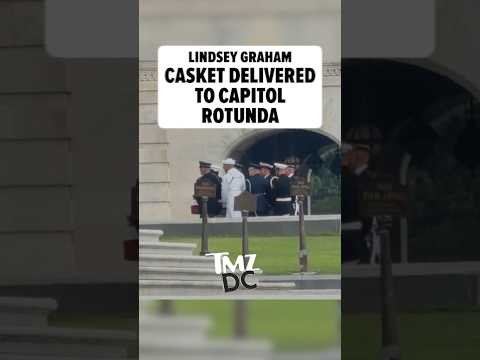
    On July 28, 2026, the casket of the late Senator Lindsey Graham was delivered to the United States Capitol Rotunda for his funeral service. This solemn event immediately garnered significant attention, circulating rapidly across news outlets and social media platforms. provoke strong reactions and highlight specific political grievances.

    The delivery of the casket to such a hallowed space as the Capitol Rotunda signifies a deliberate and confrontational message. It represents a dramatic escalation in the use of symbolic protest within the American political sphere. The event has prompted widespread discussion regarding the boundaries of political expression and the nature of public discourse.

    The Event Unfolds: A Casket in the Capitol

    The morning of July 28, 2026, began with an unexpected sight at the U.S. Capitol. Reports emerged detailing the presence of a casket within the Capitol Rotunda. Initial accounts, primarily from TMZ, specified that the casket was marked with the name of Senator Lindsey Graham.

    The exact individuals or groups responsible for the delivery were not immediately identified. Security protocols at the Capitol are stringent, making such an unauthorized delivery a significant breach. The U.S. Capitol Police swiftly initiated an investigation into how the casket entered the building and who facilitated its placement.

    Images and videos of the casket quickly spread online. These visuals fueled speculation and debate, amplifying the incident’s impact. The choice of the Capitol Rotunda, a space reserved for solemn national ceremonies and the lying in state of prominent figures, added a layer of profound symbolism to the act.

    Symbolism and Intent: Political Theater Defined

    The act of delivering a casket to the Capitol Rotunda is inherently symbolic. It carries connotations of death, finality, and the end of an era or a political career. When associated with a deceased political figure like Senator Lindsey Graham, the symbolism becomes even more pointed and provocative.

    Political theater, in this context, refers to actions or events designed to convey a political message through dramatic means rather than conventional discourse. These acts often aim to capture public attention, generate media coverage, and galvanize supporters or provoke opponents. The casket incident perfectly aligns with this definition.

    Analysts suggest multiple interpretations for the intent behind such an act. It could be a protest against specific policies or actions attributed to Senator Graham. It might also be a broader statement about the perceived ‘death’ of certain political ideals or the state of American democracy. The ambiguity allows for various interpretations, amplifying its impact.

    Security Implications and the Capitol Police Response

    The U.S. Capitol Police (USCP) immediately launched an investigation into the incident. The security of the Capitol complex is paramount, especially following past breaches. The presence of an unauthorized item, particularly one with such a potent message, raised serious questions about security procedures.

    The investigation likely focuses on several key areas:

    • Identification of the individuals or groups responsible for the casket’s delivery.
    • Assessment of how the casket bypassed existing security checkpoints.
    • Review of security footage and witness testimonies.
    • Evaluation of any potential threats associated with the act.

    The USCP’s response is critical not only for maintaining order but also for reassuring the public and elected officials. Any lapse in security at the Capitol is a matter of national concern. The incident will undoubtedly lead to a reevaluation of access protocols and security measures within the complex.

    Reactions Across the Political Spectrum

    The delivery of the casket elicited a wide range of reactions from politicians, commentators, and the public. Members of both major political parties condemned the act as inappropriate and disrespectful. Many emphasized the need for civil discourse, even amidst intense political disagreements.

    Senator Graham’s office did not immediately issue an official statement. However, allies and colleagues expressed their dismay and called for swift action against those responsible. They highlighted the potential for such acts to incite further division and even violence.

    Conversely, some commentators and activists viewed the act as a provocative, albeit extreme, form of protest. They argued that it reflected deep-seated frustrations with the political establishment and a desire to use unconventional methods to convey dissent. Social media platforms became a battleground for these differing viewpoints, with hashtags related to the incident trending throughout the day.

    Historical Precedents of Symbolic Protest

    Symbolic protests have a long history in the United States and globally. These acts often aim to disrupt the status quo and force public attention onto a particular issue. While the casket incident is unique in its specifics, it draws from a tradition of dramatic political expression.

    Notable Instances of Symbolic Protest:

    • Coffins for Vietnam War Dead: During the Vietnam War, anti-war protesters often used empty coffins or mock funerals to symbolize the human cost of the conflict and protest government policy.
    • Occupy Wall Street’s ‘Funeral for the American Dream’: In 2011, the Occupy Wall Street movement staged symbolic funerals to mourn the loss of economic opportunity and highlight corporate greed.
    • PETA’s Animal Rights Demonstrations: People for the Ethical Treatment of Animals (PETA) frequently employs provocative, often graphic, displays to protest animal cruelty, including mock ‘animal funerals’.

    These examples illustrate a consistent thread: the use of powerful imagery to convey a message that words alone might not achieve. The casket in the Capitol Rotunda fits within this lineage, albeit with a heightened sense of direct targeting and location.

    The Role of Media in Amplifying Political Theater

    The role of media, particularly outlets like TMZ and social media platforms, is crucial in amplifying acts of political theater. In the digital age, an event can go viral within minutes, reaching a global audience. This rapid dissemination ensures that the intended message, however controversial, achieves widespread visibility.

    TMZ’s initial report played a significant role in breaking the story. Their focus on celebrity and sensational news often means they are among the first to cover unusual public events. Social media then took over, with users sharing, commenting, and analyzing the images and videos.

    This amplification cycle means that even a small, localized act can have national or international repercussions. It also poses challenges for traditional news organizations, which must balance reporting on the event with avoiding inadvertently glorifying or legitimizing potentially harmful behavior. The incident serves as a case study in how modern media ecosystems can shape the impact of political demonstrations.

    Legal Ramifications and Consequences

    The individuals responsible for delivering the casket could face significant legal consequences. Breaching Capitol security is a federal offense. Depending on the specifics of the act, charges could range from trespassing to more serious offenses related to disruption of government functions or even threats against public officials.

    The U.S. Capitol Police, in coordination with other federal agencies, will conduct a thorough investigation. Evidence collected, such as security footage, eyewitness accounts, and any materials found with the casket, will be crucial. The outcome of this investigation will set a precedent for how similar acts of protest are handled in the future.

    Beyond criminal charges, there could also be civil repercussions. The disruption caused, the resources expended for the investigation, and the potential impact on the functioning of Congress could all be factors in any legal proceedings. The incident underscores the serious nature of actions taken within the highly secure and symbolic environment of the U.S. Capitol.

    The Broader Context of Political Polarization

    The casket incident cannot be viewed in isolation. It is a symptom of a broader and intensifying political polarization in the United States. The current political climate is marked by deep divisions, heightened rhetoric, and a growing willingness to engage in confrontational tactics.

    Events like this reflect a sense of desperation or extreme frustration among certain segments of the population. When traditional avenues of political influence are perceived as ineffective, individuals and groups may resort to more radical forms of expression. This can lead to a cycle of escalating actions and reactions, further entrenching divisions.

    The incident also raises questions about the health of democratic discourse. When political disagreement devolves into highly symbolic and potentially threatening acts, the ability for constructive dialogue diminishes. Finding ways to bridge these divides and foster more respectful engagement remains a critical challenge for the nation.

    Future Implications for Protest and Security

    The delivery of the casket to the Capitol Rotunda will likely have lasting implications. For protesters, it may serve as an example of how to gain significant attention, potentially inspiring similar acts of symbolic defiance. This could lead to an increase in unconventional and attention-grabbing demonstrations.

    For security agencies, particularly the U.S. Capitol Police, the incident demands a reevaluation of existing protocols. They will need to anticipate and mitigate future attempts to stage similar high-profile acts within sensitive government buildings. This could involve enhanced surveillance, stricter access controls, and improved intelligence gathering.

    The balance between protecting free speech and ensuring the security and functionality of government institutions is delicate. The casket incident pushes the boundaries of this balance, forcing a national conversation about how political expression can be maintained without compromising safety or decorum. The reverberations of this single event will be felt in security planning and protest strategies for months and years to come.

    News reports circulated. Politicians condemned. Security protocols reviewed. Public debated. Investigation launched. Controversy ensued. The message delivered.

    Capitol.

  • McCormick’s Intern ‘Hook Up’ Comment – D.C. Drama Goes Viral

    McCormick’s Intern ‘Hook Up’ Comment – D.C. Drama Goes Viral

    U.S. Representative Rich McCormick recently made a public comment suggesting that Republican interns could engage in romantic relationships with Democratic counterparts. The remark, quickly picked up by TMZ, sparked immediate and widespread discussion across political and social circles. It highlighted the complex social dynamics that exist even within the highly partisan environment of Washington D.C., prompting varied interpretations and intense scrutiny.

    The Origin of the Remark: TMZ and Viral Spread

    Representative Rich McCormick, a Republican representing Georgia’s 7th congressional district, delivered the comment during a public interaction. The specific phrasing, suggesting that GOP interns could ‘hook up’ with Democrats, was concise yet provocative. Its casual nature, combined with the subject matter, ensured its rapid dissemination.

    TMZ, known for its focus on celebrity news and viral content, was among the first outlets to report on McCormick’s statement. This immediate media attention propelled the remark beyond traditional political news cycles. It quickly entered popular culture, reaching a broad audience unfamiliar with typical congressional proceedings.

    The speed at which the comment spread underscored the contemporary media landscape. Statements made by public figures, regardless of their intended gravitas, can instantly become national talking points. The incident demonstrated the power of digital platforms and entertainment news in shaping political narratives.

    McCormick’s Background and Political Stance

    Representative McCormick was first elected to Congress in 2022. He is a former emergency room physician and a Marine Corps veteran, bringing a non-traditional background to Capitol Hill. His political platform typically centers on fiscal conservatism, healthcare reform, and national security.

    His tenure has seen him engage in numerous legislative debates and committee work. However, this particular comment diverted significantly from policy-focused discussions. It instead ventured into the realm of social observation, touching upon the personal lives of congressional staff.

    The remark was interpreted by some as an attempt at humor. Others viewed it as a candid, if unfiltered, observation on the social interactions that occur within the political ecosystem. Regardless of intent, the comment had a tangible impact on public perception and political discourse.

    Immediate Reactions and Diverse Interpretations

    The comment from Representative McCormick elicited a broad spectrum of immediate reactions. It was widely characterized as a ‘provocative political statement.’ This descriptor suggests that the remark, whether intentionally or not, was designed to stimulate debate and challenge conventional notions of decorum in political speech.

    Social media platforms, including X (formerly Twitter), Facebook, and Reddit, became immediate conduits for public discussion. Political commentary websites and news aggregators amplified the story. Individuals from across the political spectrum weighed in with their perspectives.

    Some observers interpreted the comment as a lighthearted, albeit potentially unrefined, observation about human nature. They suggested it highlighted the idea that personal connections can transcend rigid political divides. This viewpoint often excused the language as a form of casual banter.

    Conversely, a significant portion of the public and political commentators viewed the remark as inappropriate for an elected official. Critics argued that the statement trivialized the professional environment of Congress. They also raised concerns about the implicit objectification of young, often unpaid, interns.

    The Connotations of ‘Hook Up’ in Political Discourse

    The specific phrase ‘hook up’ carries distinct connotations in contemporary English. It generally implies casual romantic or sexual encounters, often without the expectation of a long-term relationship. The use of this informal terminology added a layer of controversy to McCormick’s statement.

    In a professional setting like Capitol Hill, such language can be perceived as unprofessional or dismissive. When applied to young interns, it can also raise questions about power dynamics and workplace ethics. The choice of words significantly shaped the public’s reception of the comment.

    The incident highlighted the challenges public figures face in controlling the narrative around their statements. Once a remark enters the public domain, particularly through viral channels, its interpretation can quickly diverge from the speaker’s original intent. The informal phrasing contributed directly to its polarizing effect.

    Political Discourse in a Polarized Era: 2026 Context

    The year 2026 continues to be defined by a highly polarized political landscape in the United States. Discussions between the Republican and Democratic parties frequently devolve into partisan divides, with perceived common ground often elusive. Representative McCormick’s comment inadvertently tapped into these prevailing dynamics.

    Elected officials and other public figures operate under intense scrutiny. Every statement, whether delivered formally in a legislative chamber or informally in a public setting, can be amplified, dissected, and analyzed. The pervasive nature of social media and 24-hour news cycles ensures that controversial remarks quickly become national talking points.

    This incident also reflected a broader trend in modern political communication. The boundaries between personal observation, strategic political maneuvering, and accidental gaffe have become increasingly blurred. Officials must navigate a complex terrain where their words are constantly evaluated for their political, social, and ethical implications.

    The Role of Media in Amplifying Political Statements

    The involvement of outlets like TMZ in reporting on McCormick’s comment exemplified a shift in media consumption. What might once have been confined to political gossip within Washington D.C. now quickly reaches a mass audience. This broad dissemination shapes public perception and intensifies debate.

    Traditional news organizations often follow the lead of viral content, providing further analysis and commentary. This layered media coverage ensures that provocative statements gain prolonged attention. It also means that the initial context of a remark can be overshadowed by subsequent interpretations and reactions.

    The media’s role in amplifying such comments contributes to the fast-paced and often reactive nature of contemporary political discourse. Public figures are increasingly aware that their words can be taken out of context or reinterpreted in ways they did not intend, often with significant political consequences.

    Life as a Congressional Intern: Beyond the Politics

    Internships on Capitol Hill represent a foundational experience for many individuals aspiring to careers in politics, public service, and law. These roles are often demanding, characterized by long hours, low or no pay, and a significant commitment. Interns, typically college students or recent graduates, are immersed in the daily operations of legislative offices.

    The social environment for interns in Washington D.C. is distinctive. Many interns live in close proximity, often in shared housing. They work in shared office spaces and frequently interact with peers from various congressional offices, regardless of party affiliation. This proximity and shared experience often lead to the formation of strong social networks.

    Despite the intense political rivalries at higher levels of government, personal relationships can and do develop among staff members from different offices and political parties. These connections often form outside the formal political arena, during social gatherings, happy hours, or shared commutes.

    Social Dynamics and Inter-Party Connections

    Representative McCormick’s comment, therefore, touched upon a known, if often unspoken, aspect of intern life. The concept of inter-party relationships among young staff members is not entirely novel. The public acknowledgment by an elected official, however, brought this informal reality into the formal political discourse.

    The comment might also be seen as an acknowledgment of the shared human experience that underlies political differences. Even in environments designed for partisan conflict, individuals form connections based on shared experiences, proximity, and personal chemistry. These human elements often transcend the political labels assigned to individuals.

    For interns, navigating the social landscape of D.C. is part of the overall experience. They learn to balance professional duties with personal lives, often forming friendships and relationships that can last well beyond their internship terms. The comment, for some, simply articulated an open secret about this aspect of intern culture.

    Historical Parallels: Bridging the Political Divide

    The history of American politics offers numerous examples of personal relationships bridging partisan divides. While the political climate has intensified in recent decades, historical records illustrate instances of friendships, marriages, and even romantic relationships between individuals from opposing political parties.

    During earlier eras, Washington D.C. society often functioned with a greater degree of social mixing among political opponents. Social events, formal dinners, and informal gatherings frequently included members from both sides of the aisle. These interactions sometimes fostered personal bonds that could soften the edges of political rivalry and facilitate bipartisan cooperation.

    The phenomenon of inter-party marriage, for example, is not uncommon throughout American history. Spouses from different political affiliations often navigate their ideological differences in private, while maintaining their public political stances. These relationships highlight the complex interplay between personal and professional lives in politics, demonstrating that political divisions do not always dictate personal connections.

    Shifting Social Norms in Washington D.C.

    Representative McCormick’s remark, in a way, echoed this historical reality by suggesting that fundamental human interactions, including romantic ones, can still occur across party lines. It pointed to the idea that despite the current political polarization, younger generations entering the political arena might continue to form such connections.

    However, the context of these interactions has evolved. Modern D.C. is often perceived as more segregated along partisan lines, particularly in social settings. The comment, therefore, might also be interpreted as a commentary on the lingering social fluidity that still exists, especially among younger, less entrenched political actors.

    The incident prompted reflection on whether such casual inter-party connections are still as prevalent or as openly acknowledged as they might have been in previous decades. It opened a dialogue about the evolving social norms and expectations within the nation’s capital.

    The Role of Humor and Controversy in Political Communication

    Humor often serves as a complex tool in political communication. It can be used to defuse tension, build rapport, or deliver sharp critiques. However, political humor also carries inherent risks, particularly when delivered by elected officials in public forums.

    Representative McCormick’s comment, if intended as humor, failed to land universally. For some, it was perceived as a harmless jest. For others, it was seen as inappropriate, trivializing, or even offensive. This disparity in reception highlights the subjective nature of humor, especially in a politically charged environment.

    Controversy, whether intentional or accidental, frequently generates significant media attention. In the modern political landscape, attention itself can be a valuable commodity. Generating controversy can elevate a politician’s profile, even if the attention is negative in nature. This dynamic complicates how public statements are evaluated.

    Navigating Public Perception and Accountability

    The incident placed Representative McCormick under a spotlight, prompting questions about accountability for public statements. Elected officials are expected to uphold certain standards of conduct and communication. Remarks perceived as unprofessional or insensitive can lead to calls for apologies or explanations.

    The public reaction to McCormick’s comment underscored the constant negotiation between freedom of speech and the responsibilities of public office. Politicians must weigh the potential impact of their words on their constituents, their colleagues, and the broader political discourse.

    Ultimately, the episode served as a reminder of the delicate balance politicians must strike. They must communicate authentically while also being acutely aware of how their words will be received and interpreted by a diverse and often critical public. The fallout from such comments can be swift and far-reaching.


  • Dustin Hoffman on American Division – Comparing Today to the Vietnam War Era

    Dustin Hoffman on American Division – Comparing Today to the Vietnam War Era

    Dustin Hoffman’s Assessment of American Division

    In 2026, actor Dustin Hoffman observed that the United States is experiencing a level of societal division comparable to the period of the Vietnam War. This statement draws a direct historical parallel, suggesting a contemporary fragmentation within American society that echoes one of its most contentious eras. Hoffman’s comments contribute to an ongoing public discourse regarding national unity and political polarization.

    His remarks were made in a public forum, reflecting a sentiment shared by many observers of the current social and political landscape. The comparison to the Vietnam War era is significant, as that period is widely remembered for its profound domestic unrest and ideological schisms.

    The Vietnam War Era: A Time of Intense Division

    The Vietnam War, which officially spanned from 1955 to 1975, became a major point of contention within the United States, particularly from the mid-1960s through the early 1970s. The conflict deeply polarized American society, dividing citizens along lines of politics, generation, class, and race. Protests against the war grew in frequency and intensity, often clashing with government policies and public support for military involvement.

    Key events such as the Tet Offensive in 1968, the Kent State shootings in 1970, and the publication of the Pentagon Papers in 1971 fueled anti-war sentiment. These events exposed deep rifts between different segments of the American population. The war’s impact extended beyond policy, affecting cultural norms, family dynamics, and individual identities across the nation.

    Social and Political Polarization

    The division during the Vietnam War was multifaceted. There were strong generational divides, with many young people actively opposing the war while older generations often supported the government’s stance. Economic disparities also played a role, as the draft disproportionately affected lower-income individuals. The Civil Rights Movement, occurring concurrently, further complicated the social fabric, linking issues of racial injustice with opposition to the war.

    Political leaders faced immense pressure from both pro-war and anti-war factions. Presidents Lyndon B. Johnson and Richard Nixon both saw their administrations heavily impacted by the conflict and the domestic unrest it generated. The credibility gap, referring to public skepticism about government statements and policies, became a prominent feature of the era.

    Contemporary Echoes of Historical Disunity

    Hoffman’s comparison suggests that many of the underlying causes and manifestations of division from the Vietnam War era are visible in 2026. Modern society grapples with its own set of polarizing issues. These include political ideology, economic inequality, social justice movements, and debates over national identity. The rise of digital media and fragmented information ecosystems has also been cited as a factor in exacerbating contemporary divisions.

    Discussions around these issues often become highly charged, mirroring the passionate debates of the 1960s and 1970s. Public discourse frequently reflects a lack of consensus on fundamental societal values and national direction. This can lead to increased social tension and a perception of a fractured populace.

    Impact of Social Media and Information Silos

    Unlike the Vietnam War era, the contemporary landscape is heavily influenced by social media platforms. These platforms can amplify differing viewpoints but also contribute to the formation of echo chambers and filter bubbles. Individuals may primarily encounter information that reinforces their existing beliefs, leading to deeper ideological divides and reduced empathy for opposing perspectives.

    Misinformation and disinformation campaigns, often spread rapidly through digital channels, further complicate efforts to foster common understanding. This environment can make it challenging to build consensus or engage in constructive dialogue across ideological lines. The speed and reach of modern communication differ significantly from the media landscape of the mid-20th century.

    Dustin Hoffman’s Career and Public Stance

    Dustin Hoffman is a celebrated American actor, known for his roles in iconic films such as The Graduate (1967), Midnight Cowboy (1969), and All the President’s Men (1976). His career has spanned several decades, placing him in a unique position to observe shifts in American society over time. Many of his early films were released during or immediately after the peak of the Vietnam War, making him a contemporary witness to that period of division.

    Hoffman’s public statements have occasionally touched on social and political issues. His recent comments on national division are consistent with a history of actors using their platforms to express observations on societal trends. His perspective, informed by a long career and personal experience, carries weight in public discourse.

    A Lifelong Search for Identity

    In addition to his observations on national division, Hoffman reportedly made a lighthearted comment about still trying to figure out who he is. This personal reflection adds a layer of introspection to his public remarks. It suggests a continuous process of self-discovery, even for individuals with established careers and public identities.

    The concept of identity, both personal and national, is often intertwined with periods of social change and upheaval. Hoffman’s joke may subtly hint at the broader human experience of navigating an evolving world. It can also be seen as an acknowledgment that understanding oneself is a lifelong journey, regardless of external circumstances or professional achievements.

    Historical Parallels and Future Trajectories

    Comparing current societal divisions to the Vietnam War era invites a deeper examination of historical patterns. While specific issues and contexts differ, the underlying dynamics of polarization, dissent, and a search for national cohesion can show similarities. Understanding these parallels can offer insights into navigating contemporary challenges.

    The Vietnam War ultimately concluded, and American society eventually began a process of healing and re-evaluation. However, the scars of that division remained. Whether current divisions will follow a similar trajectory, or manifest in entirely new ways, remains a subject of ongoing debate and observation. Dustin Hoffman’s comments serve as a prompt for this reflection.

    The Role of Cultural Figures in Social Commentary

    Public figures, including actors like Dustin Hoffman, often play a role in shaping or reflecting public opinion. Their statements can initiate conversations, draw attention to significant issues, and offer different perspectives on complex problems. This can be particularly true when they speak from a position of historical experience.

    Hoffman’s remarks exemplify how cultural figures can engage with broader societal concerns, leveraging their visibility to articulate sentiments that resonate with a wider audience. Such commentary often sparks further discussion among citizens and media outlets. This contributes to the ongoing dialogue about the state of the nation.

    Public figures offer observations. Journalists report. Citizens reflect.

    Society.

  • Dem Defector’s Dire Warning: A ‘Really Big Deal’ – Unpacking Political Shifts

    Dem Defector’s Dire Warning: A ‘Really Big Deal’ – Unpacking Political Shifts

    A recent segment on Fox News featured an individual identified as a ‘Dem defector,’ who delivered a ‘dire warning’ regarding the current state of political affairs. This warning was characterized as a ‘really big deal,’ emphasizing the perceived gravity of ongoing political shifts and their potential impact on the national discourse.

    This particular phrasing is designed to resonate with an audience primed for political activation. It appeals to a sense of cultural defense and defiance, framing specific political developments as critical threats or opportunities that demand immediate attention.

    The Language of Political Defection

    The term ‘Dem defector’ itself carries significant weight. It describes an individual who has formally or ideologically departed from the Democratic Party. Such figures are often presented as credible internal critics, offering insights from a previously aligned perspective.

    Their narratives frequently highlight disillusionment with their former party’s direction. This can involve policy stances, ideological shifts, or perceived failures in leadership. The act of defection is presented as a principled stand.

    For media outlets like Fox News, featuring a ‘defector’ serves multiple purposes. It validates existing criticisms of the Democratic Party from an unexpected source. It also provides a narrative of political courage and conviction.

    The ‘Dire Warning’ Framework

    The concept of a ‘dire warning’ is a rhetorical device used to elevate the perceived stakes of a situation. It suggests impending negative consequences if current trajectories are not altered. This framework aims to instill a sense of urgency among the audience.

    Warnings of this nature often touch upon core values, national security, economic stability, or cultural identity. They are crafted to provoke a strong emotional response and encourage active engagement from the audience.

    When combined with the credibility of a ‘defector,’ the ‘dire warning’ becomes a powerful tool. It suggests that even those who once stood with the opposition now recognize the severity of the situation. This can be particularly effective in swaying undecided individuals or reinforcing the convictions of the already aligned.

    ‘A Really Big Deal’: Escalating Significance

    The phrase ‘a really big deal’ functions as an intensifier. It takes the general alarm of a ‘dire warning’ and grounds it in a relatable, emphatic statement. This colloquialism makes the complex political issue feel more immediate and personally relevant.

    It implies that the issues being discussed are not merely academic or partisan squabbles. Instead, they are fundamental shifts with far-reaching consequences. This framing encourages the audience to view the situation with heightened concern.

    This kind of language is a hallmark of political communication designed for impact. It simplifies complex issues into easily digestible, emotionally resonant phrases. The goal is to cut through the noise and capture attention.

    Political Activators and Cultural Defense

    The report explicitly states that the warning appeals to ‘political activators’ and a ‘sense of defiance.’ Political activators are individuals or groups highly engaged in political processes. They are often opinion leaders within their communities.

    A ‘sense of defiance’ refers to a readiness to resist perceived threats or opposition. This sentiment is often cultivated in political messaging to mobilize a base. It encourages a proactive stance against perceived adversaries or undesirable outcomes.

    In the context of the ‘Dem defector,’ this defiance is directed towards the policies or ideologies of the former party. It positions the audience as defenders of a particular set of values or a way of life. This creates a strong in-group/out-group dynamic.

    Historical Parallels of Political Defection

    Political defections are not new to American history. Throughout various eras, individuals have switched party allegiances, often signaling significant political realignments or ideological shifts. Figures like Ronald Reagan, who began his political career as a Democrat before becoming a Republican icon, exemplify this phenomenon.

    Reagan’s journey from New Deal Democrat to conservative standard-bearer was marked by his vocal critiques of the Democratic Party’s evolving direction. His ‘A Time for Choosing’ speech in 1964 is a classic example of a ‘defector’s warning,’ articulating a stark choice for the nation.

    More recently, figures like Tulsi Gabbard, a former Democratic Congresswoman, have garnered attention for their critiques of the Democratic Party and their subsequent departure. These individuals often become prominent voices in conservative media, amplifying their warnings and perspectives.

    The Role of Media in Amplifying Defector Narratives

    News organizations play a crucial role in amplifying the narratives of political defectors. For outlets like Fox News, featuring a ‘Dem defector’ provides a powerful testimonial. It suggests that even members of the opposing camp recognize the validity of their criticisms.

    This amplification serves to legitimize certain viewpoints and can influence public opinion. The defector’s story is often framed as a journey of enlightenment or a courageous stand against prevailing orthodoxy. This narrative can be highly persuasive.

    The media platform provides a megaphone for these warnings, ensuring they reach a broad audience. The choice of language and framing by the media outlet further shapes how these messages are received and interpreted by the public.

    Implications for the 2026 Political Landscape

    As of 2026, such ‘dire warnings’ from ‘defectors’ contribute to an already polarized political environment. They reinforce existing divisions and can exacerbate partisan tensions. The focus on ‘cultural defense’ suggests a battle over fundamental societal values.

    These narratives can influence voter behavior, particularly among those who feel disenfranchised by traditional party politics. They offer an alternative perspective, often portraying the ‘defector’ as a truth-teller unafraid to challenge established norms.

    The effectiveness of such warnings will be measured by their ability to mobilize voters, shift public opinion, and contribute to broader political realignments. The 2026 midterm elections and beyond will test the resonance of these messages.

    The Broader Context of Political Polarization

    The phenomenon of a ‘Dem defector’ issuing a ‘dire warning’ is situated within a broader context of increasing political polarization in the United States. This polarization is characterized by widening ideological gaps between the two major parties and a growing intolerance for opposing viewpoints.

    Such warnings often capitalize on this environment, presenting stark choices and clear adversaries. They contribute to a narrative where compromise is difficult and fundamental differences are highlighted. This can make political reconciliation more challenging.

    The emphasis on ‘defiance’ further underscores this polarization. It suggests that the appropriate response to perceived threats is not negotiation but steadfast opposition. This dynamic shapes both political rhetoric and policy debates.

    Measuring the Impact of Defector Statements

    Assessing the true impact of a ‘defector’s warning’ requires careful analysis. While such statements generate media attention, their long-term effect on voter behavior or party platforms can vary. The individual’s prominence, the timing of their defection, and the specific issues they highlight all play a role.

    Sometimes, defector statements can spark internal debates within parties, forcing them to re-evaluate their positions. Other times, they may simply reinforce existing partisan divides without significantly altering the political landscape.

    The ongoing media coverage and public reception will ultimately determine the lasting legacy of this particular ‘dire warning.’ Its resonance will be tested against the backdrop of current events and evolving political narratives.

    Defectors speak. Warnings are issued. Audiences are called to action. The political landscape shifts.

    A ‘really big deal.’

  • Ken Burns on America’s 250th: Finding Perspective in Polarizing Times

    Ken Burns on America’s 250th: Finding Perspective in Polarizing Times

    The Bicentennial and Beyond: A Call for Perspective

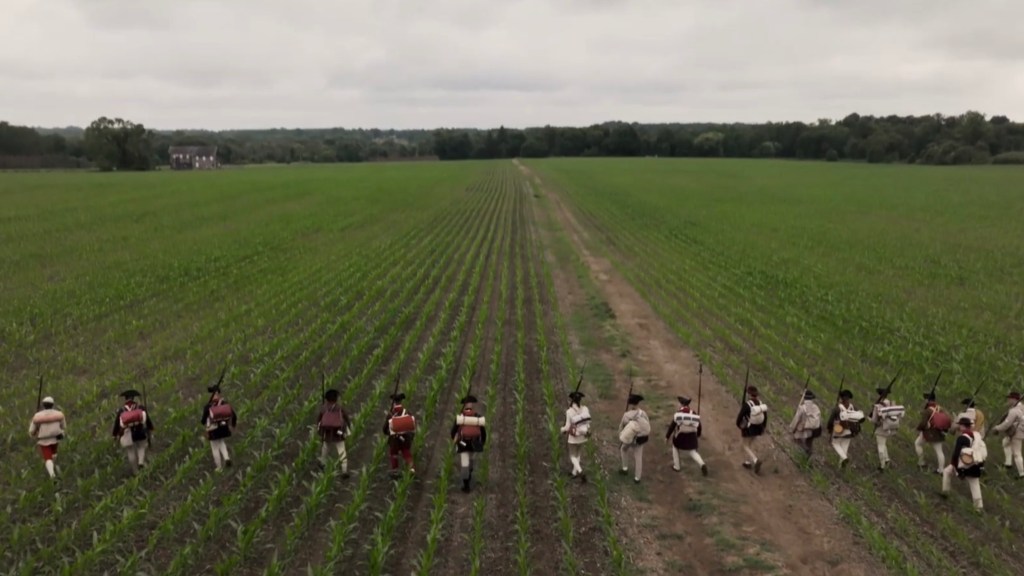
    Filmmaker Ken Burns has outlined a vision for commemorating the United States’ 250th anniversary in 2026. His perspective centers on the idea that understanding historical context is crucial for navigating contemporary polarizing times. Burns, known for his extensive documentary work on American history, suggests that the quarter-millennium mark offers an opportunity for national reflection and unity, rather than division.

    This approach emphasizes a nuanced examination of the American story. It seeks to acknowledge both the foundational ideals and the historical struggles that have shaped the nation. Burns’ commentary, as reported by Deadline, highlights a desire to use history as a tool for understanding rather than as a source of further contention.

    A Nation at 250: Reflecting on the Past

    The year 2026 marks 250 years since the signing of the Declaration of Independence. This milestone invites contemplation on the nation’s journey from its revolutionary origins to its present state. Burns’ work consistently explores the intricate tapestry of American experience, often highlighting shared human stories amidst grand historical events.

    His documentaries frequently delve into periods of national crisis and transformation. These include the Civil War, the Great Depression, and various social movements. Such historical precedents, Burns implies, can offer valuable lessons for contemporary challenges.

    The Role of History in Polarized Times

    Contemporary society often grapples with significant political and social polarization. Burns argues that historical understanding can provide a necessary framework for navigating these divisions. By examining how past generations confronted their own internal conflicts, current generations might find pathways to resolution.

    He suggests that a deep engagement with history reveals patterns of challenge and resilience. It demonstrates that periods of profound disagreement are not unique to the current era. The nation has faced and overcome deep divides before.

    Understanding Nuance and Complexity

    History, as presented by Burns, is rarely a simple narrative of good versus evil. It is a complex interplay of motivations, events, and consequences. This complexity is vital for fostering empathy and critical thinking in a polarized environment.

    His films often present multiple perspectives on historical events. This technique encourages viewers to consider the viewpoints of all involved, even those with whom they might disagree. Such an approach can contribute to a more nuanced public discourse.

    The American Experiment: Continuous Evolution

    The founding of the United States was an experiment in self-governance. This experiment has been continuously refined and redefined over 250 years. Burns’ perspective implies that the nation’s story is one of ongoing evolution, marked by both progress and setbacks.

    The ideals articulated in 1776, such as liberty and equality, have been pursued and contested throughout American history. The struggle to live up to these ideals is a central theme in many of Burns’ historical examinations.

    From Revolution to Reconciliation

    The American Revolution itself was a deeply divisive event. Loyalists and Patriots stood on opposing sides. The subsequent history of the nation is replete with similar cleavages, from the drafting of the Constitution to the Civil Rights Movement.

    Burns’ work often explores the processes of reconciliation and national healing that followed these periods of intense conflict. These historical examples offer models for confronting contemporary divisions.

    Commemorating 2026: Beyond Mere Celebration

    A true commemoration of America’s 250th anniversary, according to Burns, goes beyond superficial celebration. It requires a willingness to confront uncomfortable truths alongside national achievements. This holistic view strengthens the national narrative rather than weakening it.

    He advocates for an inclusive historical understanding that recognizes the contributions and experiences of all Americans. This includes often-marginalized voices and perspectives that were historically overlooked.

    Educational Imperatives for the Quarter-Millennium

    Education plays a critical role in shaping how future generations understand the nation’s past. Burns’ call for perspective suggests an imperative for educational initiatives that foster historical literacy and critical engagement.

    These initiatives would encourage citizens to examine primary sources, challenge preconceived notions, and engage in thoughtful dialogue about American history. The goal is to cultivate a citizenry capable of navigating complex historical and contemporary issues.

    The Legacy of Ken Burns: A Master of American Storytelling

    Ken Burns has dedicated his career to documenting American history through film. His distinctive style, characterized by archival photographs, first-person narratives, and evocative music, has made complex historical subjects accessible to millions.

    His filmography includes seminal works such as "The Civil War," "Baseball," "Jazz," and "The National Parks: America’s Best Idea." These works have shaped public understanding of key moments and movements in American history.

    Impact on Public Discourse

    Burns’ documentaries have often sparked national conversations about identity, memory, and the meaning of America. His ability to synthesize vast amounts of historical material into compelling narratives has earned him widespread acclaim and influence.

    His continued relevance, especially as the nation approaches its 250th anniversary, underscores the enduring power of historical storytelling. He provides a framework for understanding where the nation has been and where it might go.

    Looking Ahead: Unity Through Understanding

    As the United States approaches 2026, Burns’ message resonates as a call for unity through understanding. It is an invitation to engage with the nation’s past not as a static artifact, but as a living narrative that continues to inform the present.

    The challenges of the current moment, he implies, are best met with the wisdom gleaned from 250 years of American experience. This historical perspective offers a foundation for collective action and a shared future.

    Filmmakers gathered. Historians gathered. Citizens gathered.

    Perspective.