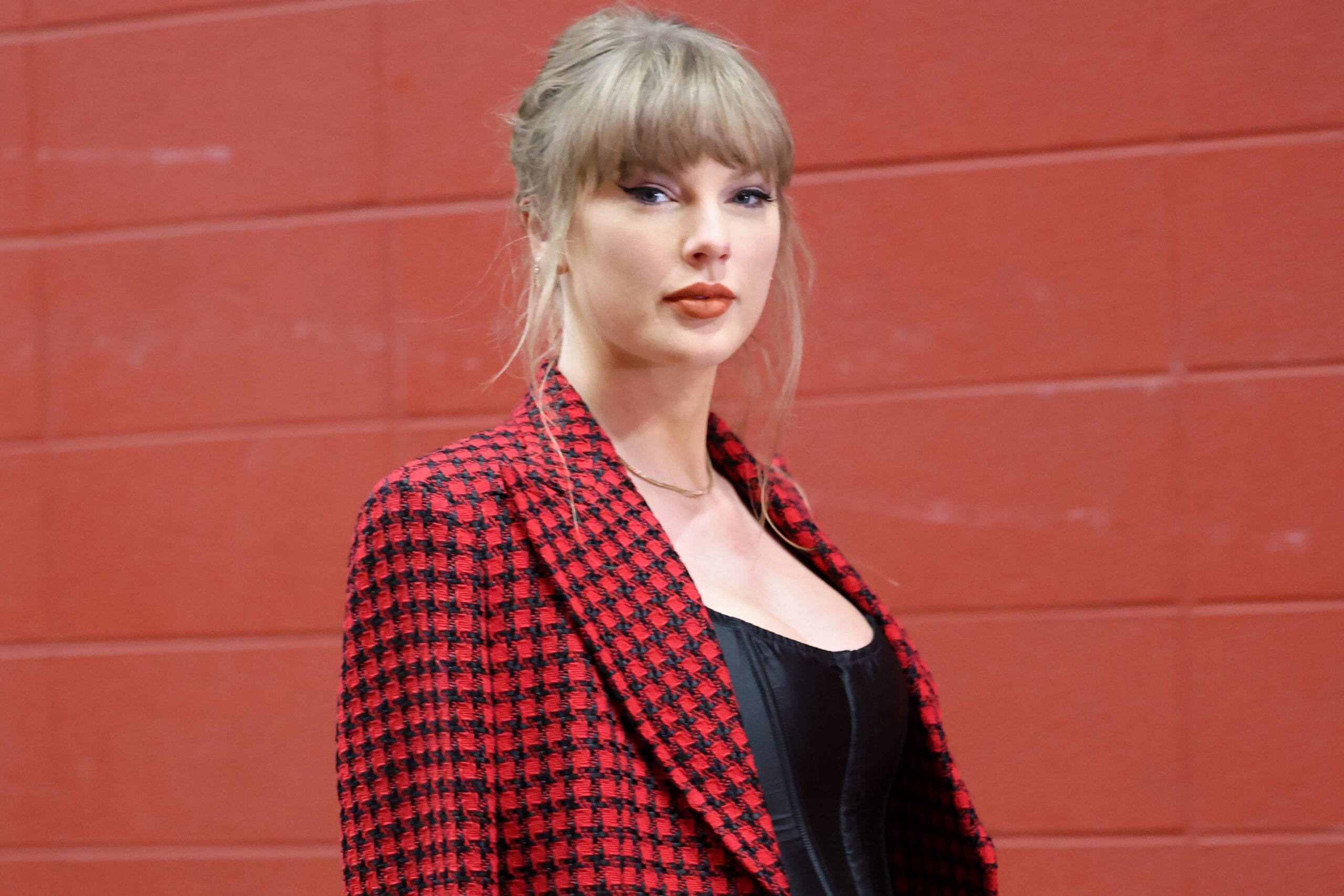
A federal judge in Florida has dismissed a plagiarism lawsuit against pop superstar Taylor Swift with prejudice. This ruling effectively ends the legal challenge, preventing the plaintiff, a poet who alleged copyright infringement, from refiling the case in the future. The decision represents a significant legal victory for Swift, reinforcing the boundaries of intellectual property claims against prominent artists.
What looks like a straightforward legal outcome actually stems from a complex interplay of copyright law, artistic expression, and the burden of proof in plagiarism allegations.
The Origin of the Allegation
The lawsuit against Taylor Swift originated from a poet who claimed Swift had plagiarized elements of their work. Details regarding the specific works in question and the exact nature of the alleged similarities were central to the court’s deliberations.
Plagiarism lawsuits in the music industry are not uncommon. Artists frequently face claims that their original compositions bear too close a resemblance to pre-existing works. Such cases often hinge on whether a substantial similarity exists between two works and if the alleged infringer had access to the original material.
In this instance, the poet asserted that certain lyrical or thematic components within Swift’s catalog were derived directly from their published poetry. The plaintiff sought damages and recognition for what they described as intellectual property theft.
Legal Proceedings Unfold in Florida
The case was filed in a federal district court located in Florida. Federal courts handle copyright infringement cases as they fall under federal law. The judicial process involved initial filings, motions, and responses from both legal teams.
Swift’s legal representation moved for dismissal, arguing that the plaintiff’s claims lacked merit and failed to establish a plausible case for copyright infringement. Such motions are standard legal strategies to challenge the sufficiency of a complaint before a full trial.
The court reviewed the arguments presented by both sides. This included comparing the specific works at the heart of the dispute and examining legal precedents related to substantial similarity and independent creation.
The Judge’s Ruling: Dismissal With Prejudice
The federal judge presiding over the case ultimately granted the motion to dismiss. The critical aspect of this ruling is the phrase “with prejudice.”
A dismissal “with prejudice” means the plaintiff is barred from bringing the same claim against the same defendant again. This is a final adjudication on the merits, indicating that the court found fundamental flaws in the plaintiff’s case that cannot be remedied through amendment or refiling.
Conversely, a dismissal “without prejudice” would allow the plaintiff to correct deficiencies in their complaint and refile the lawsuit. The judge’s decision to dismiss with prejudice underscores the court’s conviction that the poet’s allegations were not legally sustainable.
Implications for Copyright Law and Artists
This ruling reinforces established principles of copyright law. To prove copyright infringement, a plaintiff typically must demonstrate two key elements: ownership of a valid copyright and copying of protectable elements of the work.
Copying can be inferred by showing that the defendant had access to the copyrighted work and that there is substantial similarity between the two works. However, not all similarities constitute infringement. Courts differentiate between unprotectable ideas and protectable expressions.
The outcome of this case suggests that the poet failed to meet the necessary legal threshold for proving substantial similarity or that any alleged similarities constituted protectable expression rather than common ideas or themes. This provides a measure of protection for artists, preventing frivolous lawsuits from proceeding to lengthy and costly trials.
Taylor Swift’s History with Legal Challenges
Taylor Swift has faced various legal challenges throughout her career, a common occurrence for high-profile figures in the entertainment industry. These often involve disputes over songwriting credits, intellectual property, or contractual agreements.
For example, in 2017, Swift faced a copyright infringement lawsuit over the lyrics “playas gonna play” and “haters gonna hate” from her song “Shake It Off.” That case, brought by songwriters Sean Hall and Nathan Butler, was initially dismissed but later revived by an appeals court before eventually being settled.
These legal battles highlight the constant scrutiny and potential for litigation that accompanies immense commercial success and cultural impact. Swift’s legal team has consistently defended her creative output and intellectual property rights.
The Burden of Proof in Plagiarism Cases
In any plagiarism lawsuit, the burden of proof rests squarely on the plaintiff. They must present compelling evidence to convince the court that their copyrighted work was indeed copied. This often involves detailed textual analysis and expert testimony.
The legal system aims to balance the protection of original creators with the freedom of artists to draw inspiration from the world around them. Without a high bar for proving infringement, creative expression could be stifled by the constant threat of litigation.
The Florida court’s decision indicates that the poet’s evidence fell short of establishing a plausible claim that Swift had engaged in unlawful copying. This protects artists from having to defend against claims that lack substantive factual or legal grounding.
Public Perception and Celebrity Lawsuits
Celebrity lawsuits, particularly those involving intellectual property, often attract significant public attention. Fans and media outlets closely follow such cases, eager for developments.
For artists like Taylor Swift, who maintain a meticulously crafted public image and brand, legal victories like this one can reinforce their standing and artistic integrity. Conversely, an unfavorable outcome could have implications for their reputation and future creative endeavors.
The dismissal of this lawsuit allows Swift to continue her focus on her music and performances without the ongoing distraction of litigation. It also sends a message that courts will rigorously apply copyright standards even when a plaintiff is challenging a globally recognized artist.
Looking Ahead: The Landscape of Artistic Copyright
The landscape of artistic copyright continues to evolve, particularly with advancements in technology and the rapid dissemination of creative works. Cases like the one involving Taylor Swift contribute to the body of legal precedent that shapes how intellectual property is protected and contested.
Artists, songwriters, and poets frequently draw inspiration from a shared cultural lexicon. Distinguishing between genuine infringement and accidental similarity or the use of common tropes remains a perennial challenge for courts.
The Florida judge’s decision serves as a reminder of the robust legal framework in place to assess these claims. It protects both the rights of creators and the ability of artists to innovate without undue legal encumbrance.
Claims were made. Evidence was weighed. Arguments were heard. The court ruled.
Dismissed.