Tag: Persian Gulf

  • President Trump Sees ‘Good Chance’ for Iran Deal Amidst Pause

    President Trump Sees ‘Good Chance’ for Iran Deal Amidst Pause

    President Trump’s Outlook on Iran Negotiations

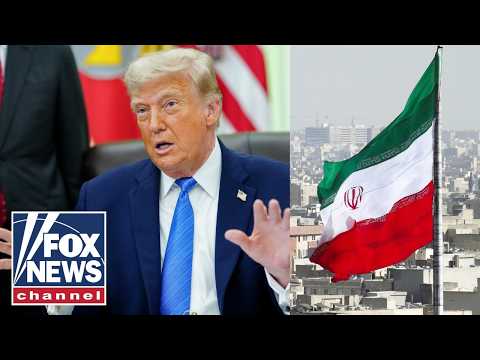
    President Trump stated on July 27, 2026, that there is a “good chance” of reaching a new deal with Iran. This assessment comes despite a reported pause in diplomatic discussions. The President’s remarks highlight the ongoing, complex efforts by the United States to address Iran’s nuclear program and its broader activities in the Middle East.

    His comments were delivered during a period of intense global scrutiny regarding international security. The potential for a new agreement carries significant implications for regional stability and global energy markets. Diplomatic channels remain active, even if the public face of negotiations has temporarily receded.

    Historical Context of US-Iran Relations

    The relationship between the United States and Iran has been marked by decades of tension and intermittent diplomatic engagement. The 1979 Iranian Revolution fundamentally altered the geopolitical landscape. This event led to the severance of diplomatic ties and a prolonged period of animosity.

    Subsequent decades saw various attempts at managing the relationship. These efforts often focused on Iran’s nuclear ambitions. International sanctions were frequently imposed, aimed at curbing Iran’s nuclear development and its support for regional proxy groups.

    The Joint Comprehensive Plan of Action (JCPOA), signed in 2015, represented a significant, albeit temporary, breakthrough. This agreement involved Iran, the P5+1 group (China, France, Germany, Russia, the United Kingdom, and the United States), and the European Union. It aimed to restrict Iran’s nuclear program in exchange for sanctions relief.

    The JCPOA and its Aftermath

    The JCPOA was a landmark agreement. It placed stringent limitations on Iran’s uranium enrichment capacity and allowed for extensive international inspections. Supporters argued it was the most effective way to prevent Iran from developing nuclear weapons.

    However, the agreement faced considerable criticism. Opponents, including then-candidate Donald Trump, argued it did not adequately address Iran’s ballistic missile program or its destabilizing regional actions. Concerns were also raised about the sunset clauses, which would gradually lift some restrictions over time.

    In May 2018, the United States, under President Trump’s previous administration, withdrew from the JCPOA. This decision reimposed stringent sanctions on Iran. The stated goal was to negotiate a more comprehensive deal that would address all aspects of Iran’s behavior.

    The withdrawal led to increased tensions in the Persian Gulf. Incidents involving oil tankers, drones, and military assets escalated. European powers, along with China and Russia, expressed regret over the U.S. withdrawal and attempted to preserve the JCPOA.

    Current Diplomatic Landscape and the ‘Pause’

    President Trump’s recent comments acknowledge a current “pause” in direct negotiations. Such pauses are not uncommon in complex international diplomacy. They can serve various purposes, including allowing parties to reassess positions, consult with domestic stakeholders, or respond to evolving geopolitical events.

    The nature of this specific pause remains subject to interpretation. It could signify a strategic cooling-off period. Alternatively, it might reflect fundamental disagreements that require deeper resolution before talks can resume effectively.

    Despite the pause, the President’s optimism suggests that back channels or indirect communications may still be active. Major powers often maintain discrete lines of communication even when formal talks are suspended. These channels can be crucial for de-escalation and for laying the groundwork for future negotiations.

    Key Players and Their Positions

    Several key actors influence the trajectory of any potential Iran deal.

    • United States: The Trump administration seeks a deal that addresses Iran’s nuclear program, ballistic missile development, and regional proxy networks. The emphasis is on a comprehensive agreement with stronger enforcement mechanisms.
    • Iran: Tehran has consistently maintained its nuclear program is for peaceful purposes. It demands the lifting of all sanctions and assurances against future withdrawals from agreements. Iran’s internal political factions hold diverse views on engagement with the West.
    • European Allies (France, Germany, UK): These nations have historically sought to preserve the JCPOA and encourage dialogue. They aim to de-escalate tensions and prevent nuclear proliferation.
    • Russia and China: Both countries have significant economic and strategic ties with Iran. They generally support the JCPOA and advocate for diplomatic solutions that respect Iran’s sovereignty.
    • Regional Actors (Israel, Saudi Arabia): These nations view Iran’s actions as a primary threat to regional security. They advocate for stringent measures against Iran’s nuclear program and its regional influence. Their perspectives heavily influence U.S. policy in the region.

    The Economic and Geopolitical Stakes

    A new Iran deal would have profound economic and geopolitical consequences. The lifting of sanctions could open Iran’s economy to international investment and trade. This would impact global oil prices and supply chains.

    Conversely, a failure to reach a deal or a further escalation of tensions could destabilize the Strait of Hormuz, a critical chokepoint for global oil shipments. Such instability would invariably lead to higher energy costs and increased geopolitical risk premiums.

    The broader implications extend to regional power dynamics. A stable agreement could reduce the likelihood of proxy conflicts in Yemen, Syria, and Iraq. It might also pave the way for broader regional security dialogues. However, a perceived concession to Iran could also embolden its regional adversaries, leading to renewed tensions.

    Sanctions and Their Impact

    U.S. sanctions have significantly impacted the Iranian economy. These measures have targeted Iran’s oil exports, banking sector, and various industries. The stated aim is to compel Iran to change its behavior.

    The sanctions have led to economic hardship within Iran. This has fueled internal dissent and complicated the government’s ability to fund its domestic programs and regional activities. However, sanctions have also strengthened Iran’s resolve in some quarters, leading to calls for greater self-sufficiency.

    Any future deal would likely involve a complex negotiation over the scope and timing of sanctions relief. Iran seeks immediate and comprehensive relief. The U.S. seeks verifiable commitments from Iran before significant sanctions are lifted.

    Paths Forward and Potential Outcomes

    President Trump’s statement implies that avenues for a deal remain open. Several pathways could lead to a renewed agreement. These include direct bilateral talks, multilateral negotiations involving other powers, or indirect diplomacy facilitated by intermediaries.

    A potential deal could take various forms. It might be a revamped version of the JCPOA with additional provisions. It could also be an entirely new framework. The specifics would hinge on the concessions each side is willing to make.

    The outcome remains uncertain. A successful negotiation would require significant diplomatic skill and a willingness from all parties to compromise. Failure could lead to a continuation of the current stalemate, or even an escalation of tensions in the region.

    Challenges to a New Agreement

    Numerous challenges confront efforts to forge a new Iran deal. Trust deficits between the U.S. and Iran are substantial. Both nations harbor deep-seated suspicions stemming from past events and perceived betrayals.

    Internal political dynamics in both countries also play a critical role. In the U.S., any deal would face scrutiny from Congress and various interest groups. In Iran, hardliners and reformists often clash over foreign policy. This makes it difficult for any Iranian government to make significant concessions.

    Regional rivalries further complicate matters. Saudi Arabia and Israel, among others, would likely scrutinize any deal closely. Their security concerns must be addressed for a durable regional framework to emerge.

    The international community’s role is also vital. The unity of the P5+1 and the European Union would be crucial in pressuring Iran and ensuring compliance with any new agreement. Disunity among these powers could undermine the diplomatic process.

    President Trump’s assessment of a “good chance” for a deal reflects an enduring commitment to diplomatic resolution. It signals a potential shift in the prolonged standoff. The global community watches. Regional actors prepare. The future of a contentious relationship hangs in the balance.

    What Would a New Deal Entail?

    The specifics of a potential new deal are not yet public. However, based on past U.S. demands, it would likely go beyond the scope of the original JCPOA. Key areas of focus would likely include:

    • Duration of Restrictions: The U.S. would likely seek longer or indefinite restrictions on Iran’s nuclear enrichment capabilities, moving beyond the sunset clauses of the JCPOA.
    • Ballistic Missiles: A new deal would almost certainly aim to address Iran’s development and proliferation of ballistic missiles, a point of contention explicitly excluded from the JCPOA.
    • Regional Influence: The U.S. seeks to curb Iran’s support for proxy groups and its destabilizing actions in countries like Yemen, Syria, and Iraq. This would be a significant and complex component of any comprehensive agreement.
    • Verification and Inspections: Enhanced and more intrusive inspection regimes, possibly including access to undeclared sites, would likely be a U.S. demand to ensure compliance.
    • Sanctions Relief: Iran would demand comprehensive and irreversible sanctions relief. The modalities of this relief, including its timing and scope, would be a major point of negotiation.

    These elements represent a significant diplomatic challenge. Each point carries deep historical grievances and national security implications for all parties involved. The path to a new deal is paved with complex trade-offs and delicate balancing acts.

    The Role of International Actors

    International organizations and individual nations play crucial roles in facilitating or hindering a new Iran deal. The International Atomic Energy Agency (IAEA) provides independent verification of Iran’s nuclear activities. Its reports are critical for international confidence.

    The United Nations Security Council (UNSC) has historically played a role in imposing and lifting sanctions. Any new deal would likely seek UNSC endorsement to provide it with international legitimacy and legal backing.

    Beyond the P5+1, other nations also exert influence. India and Japan, significant energy consumers, have an interest in stable oil markets and regional security. Their perspectives, while not directly at the negotiating table, often shape the broader international environment.

    The combined weight of these international actors creates a complex web of interests and pressures. This global dynamic profoundly impacts the feasibility and structure of any future agreement with Iran.

    Looking Ahead: The Future of Engagement

    President Trump’s statement signals a continued, albeit cautious, engagement with Iran. The “good chance” assessment suggests that the administration believes a diplomatic solution is still attainable. This contrasts with periods where military options were more openly discussed.

    The coming months will reveal the true nature of this “pause.” It will show whether it is a temporary hiatus before renewed talks or a more fundamental break. The global community watches for signs of movement.

    Diplomats will continue their work. Intelligence agencies will monitor activities. Leaders will weigh their options. The future of regional security. The future of nuclear non-proliferation. The future of a complex relationship. All hinge on these unfolding events.


  • House Rebukes Trump’s Iran War: A Constitutional Showdown

    House Rebukes Trump’s Iran War: A Constitutional Showdown

    On July 23, 2026, the United States House of Representatives cast a pivotal vote. The measure formally rebukes President Donald Trump’s recent military actions concerning Iran. This legislative maneuver directly challenges the President’s authority to commit U.S. armed forces to hostilities against Iran without explicit congressional authorization. The resolution specifically invokes the War Powers Act of 1973. It aims to restrict the executive branch’s ability to initiate or escalate military engagements.

    This action represents a significant challenge to the President’s foreign policy directives. It reignites a long-standing constitutional debate. This debate concerns the balance of power between the executive and legislative branches regarding military force. The vote carries implications for both domestic governance and international relations, particularly in the volatile Persian Gulf region.

    The War Powers Act of 1973: Congressional Assertion

    The War Powers Act of 1973, officially known as the War Powers Resolution, was enacted over President Richard Nixon’s veto. Its primary purpose was to limit the President’s ability to initiate or escalate military action abroad without congressional approval. The Act requires the President to notify Congress within 48 hours of deploying armed forces into hostilities or situations where hostilities are imminent.

    Furthermore, it mandates that the President terminate any use of military force within 60 days. This applies unless Congress has declared war or granted a specific authorization for the use of military force. A 30-day extension is allowed for troop withdrawal. The Act was a direct response to concerns that Presidents had bypassed Congress in committing U.S. forces to conflicts, notably during the Vietnam War. It sought to reassert Congress’s role in war-making.

    Despite its clear intent, the War Powers Act has faced consistent challenges. Various administrations have interpreted its provisions differently. Presidents have often argued that the Act infringes upon their constitutional role as Commander-in-Chief. Congress, in turn, has periodically sought to reassert its Article I powers to declare war and control military deployments. This ongoing tension defines the Act’s history.

    Constitutional Foundations of War Powers

    The U.S. Constitution divides war powers between the legislative and executive branches. Article I, Section 8, Clause 11, explicitly grants Congress the power to ‘declare war.’ This clause is a cornerstone of congressional authority over military engagements. It signifies the framers’ intent for collective decision-making on matters of national security. It also emphasizes the gravity of committing American lives to conflict.

    Conversely, Article II, Section 2, Clause 1, designates the President as ‘Commander-in-Chief of the Army and Navy of the United States.’ This role empowers the President to direct military operations once war has been declared or authorized. The tension between these two constitutional provisions forms the core of the current debate. Presidents often argue their inherent authority to protect U.S. interests and personnel, sometimes without prior congressional approval.

    Throughout U.S. history, this division of power has been a source of contention. Major conflicts, from Korea to Vietnam to the recent actions in the Middle East, have seen Presidents commit troops without a formal declaration of war. Instead, they have relied on resolutions, international agreements, or their inherent executive authority. The current House vote aims to clarify and reinforce Congress’s constitutional role in this delicate balance, pushing back against decades of executive expansion.

    House Challenges Executive War Powers in Iran

    The House vote on July 23, 2026, directly confronts this long-standing constitutional debate. Many members of Congress argue that President Trump has exceeded his constitutional mandate. They cite recent undisclosed military actions in the Persian Gulf region as evidence of this overreach. These actions, lawmakers contend, risk drawing the U.S. into a broader conflict without proper legislative oversight or public debate. This concern transcends party lines.

    The specific resolution considered calls for the immediate cessation of any U.S. military engagement in or against Iran that has not been authorized by Congress. It also includes a provision requiring the President to report to Congress on all current military activities in the region. This demand for transparency is a key component of the resolution. It aims to ensure Congress is fully informed of ongoing operations and can exercise its oversight responsibilities effectively.

    The push for this resolution reflects a growing concern among lawmakers. This concern centers on the executive branch’s expansive interpretation of its war powers. They believe that bypassing Congress undermines democratic principles and the system of checks and balances. The vote seeks to send a clear message: Congress must reclaim its constitutional duty in matters of war and peace, reasserting its authority as a co-equal branch of government.

    Bipartisan Concern Fuels Resolution

    Reports indicate that the measure garnered significant bipartisan support. Both Democratic and Republican lawmakers expressed concerns about the potential for escalating conflict. They also voiced worry over the perceived lack of transparency surrounding recent operations. This bipartisan consensus underscores the gravity of the issue, transcending typical party divisions and highlighting a shared commitment to constitutional order.

    Representative Elara Vance (D-NY) stated, “This is not about party; it’s about principle. Congress must reclaim its constitutional duty to authorize war.” Similarly, Senator Marcus Thorne (R-TX), known for his vocal criticism of executive overreach, added, “No President, regardless of party, should bypass the people’s representatives on matters of war and peace.” These statements highlight a shared commitment to constitutional order over partisan loyalty.

    The broad support for the resolution signals a collective legislative effort to assert congressional authority. It also reflects a desire to prevent unilateral executive action that could have far-reaching consequences for national security and international stability. The bipartisan nature of the challenge makes it particularly potent. It demonstrates a unified front against perceived executive overreach, making the message to the White House unmistakable.

    Implications for U.S. Foreign Policy and Executive Power

    The outcome of this vote holds significant implications for U.S. foreign policy and the future scope of executive power. If the resolution passes and gains traction, it could force the Trump administration to reconsider its approach to military engagements. It could establish a precedent that strengthens congressional oversight in future conflicts. This shift would mark a notable change from recent decades, where executive power in foreign policy often expanded.

    Internationally, this congressional action sends a message to allies and adversaries alike. It signals that U.S. military action, particularly in sensitive regions like the Persian Gulf, requires broad domestic consensus. This could impact diplomatic efforts and the perception of American leadership. Allies might view it as a return to more predictable foreign policy, while adversaries might interpret it as a sign of internal division, potentially altering their strategic calculations.

    For the President, a formal rebuke from Congress could limit his operational flexibility. It might necessitate greater consultation with Capitol Hill before deploying forces or engaging in hostilities. This would represent a significant check on the Commander-in-Chief role. It would force a more collaborative approach to national security decisions. The resolution’s passage would be a win for legislative power. It would be a constraint on executive discretion in military matters.

    Previous Challenges to Presidential War Powers

    The current House action is not an isolated event. Throughout history, Congress has periodically attempted to rein in presidential war powers. In the aftermath of the Korean War, for instance, debates intensified over presidential authority to commit troops without a formal declaration. The Vietnam War further solidified the perceived need for legislative checks, leading directly to the War Powers Act of 1973.

    More recently, congressional debates surrounded military actions in Libya in 2011 and Syria in 2013 and 2018. In each instance, lawmakers questioned the executive’s legal basis for intervention without explicit congressional authorization. These past challenges, while not always leading to successful legislative restraints, built a foundation of concern. They highlighted a recurring pattern of executive action preceding formal congressional consent. The July 2026 vote draws upon this history.

    The current resolution against President Trump’s actions in Iran therefore fits into a broader historical narrative. It is a continuous struggle between the branches for control over the ultimate decision of war and peace. Each challenge, successful or not, contributes to the evolving interpretation of constitutional war powers. This ongoing dialogue shapes the framework within which the U.S. engages with the world. It underscores the enduring relevance of the framers’ original intent.

    The Future of U.S. Military Engagements

    The outcome of the House vote could reshape the future landscape of U.S. military engagements. If the resolution passes both chambers and withstands a potential presidential veto, it could establish a new precedent. This precedent would demand more robust congressional involvement in decisions to use military force. It would compel a return to a more deliberative process for deploying American troops abroad.

    Such a shift would mean that future Presidents, regardless of party, would face greater scrutiny. They would need to build stronger cases for military action to secure congressional approval. This could lead to fewer unilateral interventions and a greater reliance on diplomacy and international coalitions. The emphasis would shift from executive prerogative to legislative consensus. This would be a significant rebalancing of power.

    The debate surrounding this resolution also highlights the critical role of an informed public. As details of military actions become more transparent, public discourse intensifies. This increased transparency can pressure lawmakers to act. It can also hold the executive accountable for its decisions. The intertwining of constitutional authority, public opinion, and international relations will define the path forward for U.S. military policy. It promises a more scrutinized approach to global conflict.

    Lawmakers debated. Constituents watched. The world observed. The vote determined the balance of power. The constitutional framework was tested. The future of war powers was on the line. The implications were vast. The decision resonated. The House acted. The President reacted. The nation considered. The world took note.

    Congress.


  • US and Iran Trade Strikes Amidst Truce Proposals – A Path to De-escalation?

    US and Iran Trade Strikes Amidst Truce Proposals – A Path to De-escalation?

    Recent military exchanges between the United States and Iran have punctuated a period of heightened geopolitical tension, even as international mediators actively propose a truce to de-escalate the conflict.

    This dynamic interplay of military action and diplomatic overtures underscores the intricate and often volatile nature of relations in the Middle East. The events reflect a continuous struggle to balance national interests with regional stability.

    The Immediate Precursors to Conflict

    The latest round of strikes did not emerge in a vacuum. A series of incidents preceded the current escalation. These included targeted actions by various proxy groups in the region.

    Attacks on shipping lanes in the Strait of Hormuz had been reported. These incidents raised concerns about the free flow of international trade and energy supplies.

    Installations housing US personnel in Iraq and Syria also faced aggression. These attacks were attributed to groups supported by Iran.

    These actions were met with condemnation from Washington. They were viewed as provocations threatening regional security.

    The US Department of Defense issued warnings. They emphasized the right to self-defense and the protection of American interests.

    Iran, in turn, cited the presence of US forces in the region as a source of instability. Tehran has consistently called for the withdrawal of foreign troops.

    The rhetoric from both sides intensified before the direct military engagements. Diplomatic channels remained open, but trust levels were low.

    The Exchange of Strikes

    The United States initiated a series of retaliatory strikes. These operations targeted facilities associated with Iran’s Islamic Revolutionary Guard Corps (IRGC) and its proxies.

    Specific targets included weapons depots and command centers. These were located in Syria and Iraq.

    President Trump authorized these actions. He cited the need to deter further attacks on US personnel and assets.

    The strikes were described by the Pentagon as defensive in nature. They aimed to degrade the capabilities of hostile actors.

    Iran responded with its own military actions. These responses targeted US-affiliated bases and interests in the region.

    The Iranian government stated its actions were in self-defense. They warned against continued foreign intervention.

    Details of the Iranian strikes remain partially undisclosed. However, they reportedly involved ballistic missiles and drones.

    Casualties on both sides were reported as minimal. However, the potential for wider escalation remained a significant concern for international observers.

    International Mediation Efforts Intensify

    As the strikes unfolded, international bodies and individual nations intensified their mediation efforts. The United Nations Secretary-General called for an immediate cessation of hostilities.

    The European Union High Representative for Foreign Affairs and Security Policy also urged restraint. They emphasized the need for dialogue.

    Oman and Qatar emerged as key facilitators. Both nations have historically maintained diplomatic ties with both the US and Iran.

    Envoys from these countries engaged in shuttle diplomacy. They conveyed messages between Washington and Tehran.

    The core of the truce proposals centered on several key points. These included a mutual halt to military actions and indirect talks.

    A proposed agenda for de-escalation involved establishing a communication channel. This would aim to prevent misunderstandings.

    The mediators emphasized the humanitarian impact of continued conflict. They highlighted the risk to civilian populations.

    These diplomatic endeavors aimed to create a pathway. This pathway would lead away from military confrontation and towards a more stable peace.

    Historical Context of US-Iran Relations

    The current tensions are deeply rooted in a long and complex history. The relationship between the United States and Iran has been fraught for decades.

    The 1979 Iranian Revolution marked a significant turning point. It transformed Iran from a US ally into a geopolitical adversary.

    The subsequent hostage crisis at the US embassy in Tehran lasted 444 days. This event solidified a deep-seated distrust.

    Sanctions imposed by the US have been a consistent feature of this relationship. These sanctions target Iran’s nuclear program and its support for regional proxies.

    The Joint Comprehensive Plan of Action (JCPOA), signed in 2015, offered a brief period of rapprochement. This agreement aimed to curb Iran’s nuclear ambitions in exchange for sanctions relief.

    However, the Trump administration withdrew from the JCPOA in 2018. This decision reignited tensions and reimposed stringent sanctions.

    Iran responded by gradually exceeding the limits of the nuclear deal. This move further complicated international efforts.

    The assassination of Iranian General Qassem Soleimani in January 2020 by a US drone strike also escalated tensions significantly. It brought both nations to the brink of war.

    These historical events form the backdrop of current interactions. They influence perceptions and decision-making on both sides.

    The Role of Regional Proxies

    A significant aspect of the US-Iran dynamic involves various non-state actors. These groups operate across the Middle East.

    Iran supports a network of proxy forces. These include Hezbollah in Lebanon, Houthi rebels in Yemen, and various Shiite militias in Iraq and Syria.

    These proxies serve as instruments of Iranian foreign policy. They extend Tehran’s influence without direct military engagement.

    The United States views these proxies as destabilizing forces. They often target US interests and allies like Israel and Saudi Arabia.

    The recent strikes by both the US and Iran frequently involve these proxy groups. They become both targets and instigators of conflict.

    Understanding the role of these non-state actors is crucial. It reveals the multi-layered nature of the conflict.

    The Economic Dimensions of Conflict

    The economic impact of the US-Iran conflict is substantial. Global oil markets are particularly sensitive to tensions in the Persian Gulf.

    Disruptions to oil shipping lanes can lead to price spikes. This impacts economies worldwide.

    Sanctions against Iran have severely crippled its economy. They have limited its oil exports and access to international finance.

    The Iranian Rial has depreciated significantly. Inflation rates have soared.

    The US economy also feels the effects. Military deployments and operations incur significant costs.

    Uncertainty in the region deters foreign investment. This affects overall economic stability.

    A prolonged conflict would have devastating economic consequences. This reality drives some of the calls for de-escalation.

    The Prospects for a Truce

    The current truce proposals face significant hurdles. Distrust between Washington and Tehran runs deep.

    Each side demands concessions from the other. These demands often appear irreconcilable.

    Iran seeks relief from US sanctions. It also demands an end to what it perceives as aggressive US military presence.

    The United States demands an end to Iran’s support for regional proxies. It also seeks guarantees regarding Iran’s nuclear program.

    International mediators play a crucial role in bridging these gaps. They work to find common ground.

    Previous attempts at de-escalation have often failed. This history makes the current efforts particularly challenging.

    However, the sheer cost of continued conflict provides a strong incentive for both sides to consider a truce. The potential for wider regional war remains a powerful deterrent.

    Any successful truce would likely involve a multi-stage process. It would begin with a halt to military actions and progress to indirect negotiations.

    The ultimate goal would be a more comprehensive diplomatic framework. This framework would address the underlying issues of the conflict.

    Public Opinion and Geopolitical Ramifications

    Public opinion in both the US and Iran plays a role. Domestic pressures can influence foreign policy decisions.

    In the United States, there is a desire to avoid prolonged military engagements. The public often seeks diplomatic solutions.

    In Iran, national pride and resistance to external pressure are strong. The government faces internal demands for economic relief.

    The geopolitical ramifications of the conflict extend globally. Major powers like China and Russia monitor the situation closely.

    China, a major importer of Middle Eastern oil, advocates for stability. Russia has its own strategic interests in the region.

    A wider conflict could destabilize global energy markets. It could also draw in other regional and international actors.

    The current situation is a test of international diplomacy. It is also a test of the resolve of the parties involved.

    The world watches. The world waits. The world hopes for peace.


  • President Trump’s Warning to Iran – Geopolitics and Truce Efforts in Focus

    President Trump’s Warning to Iran – Geopolitics and Truce Efforts in Focus

    The Geopolitical Chessboard: Trump’s Warning Amidst Truce Talks

    On July 20, 2026, President Donald Trump issued a direct warning to Iran. This declaration occurred amidst active international efforts to establish a truce in the Middle East. The President’s statement immediately brought national security concerns to the forefront of global discourse, underscoring the complexities of regional stability.

    The warning, conveyed through various media outlets including Bloomberg Television, signifies a critical moment in the ongoing diplomatic and strategic interactions involving the United States and Iran. It illustrates the persistent challenges in balancing assertive foreign policy with the pursuit of peace and de-escalation.

    Historical Context: A Pattern of Tensions

    Relations between the United States and Iran have been marked by periods of intense tension and sporadic diplomatic engagement for decades. Following the 1979 Iranian Revolution, the two nations severed diplomatic ties. Subsequent events, including the Iran-Iraq War (1980-1988), the development of Iran’s nuclear program, and various regional conflicts, have consistently fueled distrust and antagonism.

    During his first term (2017-2021), President Trump adopted a policy of “maximum pressure” against Iran. This approach involved re-imposing and escalating economic sanctions after withdrawing the United States from the Joint Comprehensive Plan of Action (JCPOA) in May 2018. The JCPOA, an international agreement regarding Iran’s nuclear program, had been signed in July 2015 by Iran, the P5+1 (China, France, Germany, Russia, the United Kingdom, and the United States), and the European Union.

    The “maximum pressure” campaign aimed to compel Iran to negotiate a new, more comprehensive agreement addressing its nuclear activities, ballistic missile program, and regional influence. This period saw several escalations, including attacks on oil tankers in the Persian Gulf and the downing of a U.S. drone in June 2019.

    The assassination of Iranian Major General Qasem Soleimani in January 2020 by a U.S. drone strike in Baghdad further intensified tensions, leading to retaliatory missile strikes by Iran against U.S. military bases in Iraq. These events established a precedent for direct, albeit carefully calibrated, confrontation.

    The Current Landscape: Truce Efforts and Regional Dynamics

    By July 2026, the Middle East continues to be a focal point of international diplomacy. Various regional and international actors are engaged in multifaceted efforts to broker truces and de-escalate conflicts. These initiatives often involve complex negotiations among multiple parties, including state and non-state actors.

    Key areas of concern for truce efforts typically include the ongoing civil conflict in Yemen, the political instability in Lebanon, and the persistent Israeli-Palestinian conflict. Additionally, the broader competition for influence between regional powers like Saudi Arabia and Iran frequently complicates these diplomatic endeavors.

    International organizations, including the United Nations, and individual nations like Oman and Qatar, often play mediating roles. These efforts seek to establish ceasefires, facilitate humanitarian aid, and lay the groundwork for more permanent political solutions. The success of such initiatives often hinges on the willingness of all parties to compromise and adhere to agreements.

    President Trump’s Stance: National Security Imperatives

    President Trump’s warning to Iran on July 20, 2026, aligns with his administration’s consistent emphasis on national security. The statement likely reflects concerns over Iran’s nuclear ambitions, its development of ballistic missiles, and its support for various proxy groups across the Middle East. These activities are frequently cited by the U.S. and its allies as destabilizing factors in the region.

    The specific nature of the warning was not immediately detailed in the initial reports. However, such warnings typically imply potential consequences for actions perceived as threatening to U.S. interests or the security of its allies. These consequences can range from increased sanctions to military deterrence.

    The timing of the warning is particularly noteworthy. Delivering a stern message during ongoing truce talks suggests a strategic intent to influence the negotiating environment. It may serve as a reminder of the potential for escalation, even as diplomatic avenues are explored. This dual approach aims to exert pressure while simultaneously leaving room for dialogue, albeit on terms favorable to U.S. security objectives.

    “The President’s warning underscores the administration’s unwavering commitment to protecting American interests and ensuring regional stability, even as diplomatic pathways are pursued,” a senior White House official reportedly stated, speaking on background. “Iran must understand that any provocative actions will be met with decisive responses.”

    This statement reflects the administration’s long-standing policy framework regarding Iran. It reinforces the idea that diplomatic engagement does not preclude the application of pressure when perceived red lines are approached or crossed.

    The Role of International Allies and Adversaries

    The United States’ Middle East policy is intrinsically linked to its relationships with key allies and adversaries. Saudi Arabia, Israel, and the United Arab Emirates are significant regional partners who share concerns about Iran’s activities. President Trump’s warning likely resonates positively within these allied capitals, reaffirming U.S. commitment to their security.

    Conversely, countries like Russia and China, which maintain closer ties with Iran, often advocate for diplomatic solutions and criticize unilateral U.S. actions. These nations frequently emphasize the importance of multilateralism and adherence to international agreements, including the JCPOA, as pathways to de-escalation.

    The European Union, a signatory to the JCPOA, has consistently sought to preserve the agreement and encourage de-escalation through dialogue. European leaders often express concern that heightened tensions could undermine regional stability and complicate humanitarian efforts. Their response to President Trump’s latest warning will likely emphasize the need for continued diplomatic engagement.

    Economic Implications and Global Oil Markets

    Geopolitical tensions in the Middle East invariably affect global oil markets. Iran is a major oil producer, and any disruption to its oil exports or to shipping lanes in the Persian Gulf can lead to significant price volatility. President Trump’s warning, by creating uncertainty, could contribute to fluctuations in crude oil prices.

    The “maximum pressure” campaign during his first term significantly impacted Iran’s oil revenues, leading to economic hardship within the country. Renewed or intensified warnings can similarly influence economic outlooks, both for Iran and for global energy consumers. International sanctions, if expanded or more rigorously enforced, could further constrict Iran’s ability to trade and finance its operations.

    Global financial markets also react to geopolitical instability. Investors often seek safe-haven assets during periods of heightened tension, leading to shifts in currency values and stock market performance. The interplay between geopolitics and economics remains a critical factor in understanding the broader impact of such warnings.

    The Future of U.S.-Iran Relations

    The July 20, 2026, warning by President Trump highlights the enduring challenges in shaping U.S.-Iran relations. The path forward remains uncertain, characterized by a delicate balance between coercive diplomacy and the potential for direct confrontation.

    Any lasting resolution would likely require comprehensive negotiations addressing a wide range of issues, including Iran’s nuclear program, its ballistic missile capabilities, and its regional activities. Such negotiations would need to overcome deep-seated mistrust and reconcile fundamentally divergent national interests.

    The role of international mediation and multilateral frameworks will be crucial in facilitating any future dialogue. The ability of global powers to coordinate their efforts and present a united front, or to navigate their differing approaches, will significantly influence the trajectory of Middle East stability.

    President Trump’s administration continues to prioritize what it defines as American national interests. It navigates a complex international environment where warnings, diplomacy, and strategic alliances all play a part. The outcome of these interactions will shape not only the future of the Middle East but also the broader global geopolitical order.

    Diplomats gathered. Analysts gathered. Leaders gathered.

    Uncertainty.


  • US Strikes Iran for Ninth Day: Hormuz Near Standstill Amid Escalation

    US Strikes Iran for Ninth Day: Hormuz Near Standstill Amid Escalation

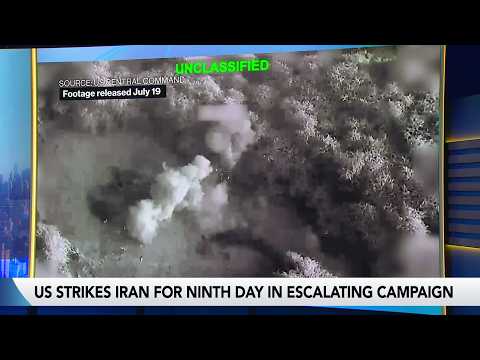
    For nine consecutive days, the United States has conducted military strikes against targets within Iran. This sustained military action, initiated on July 12, 2026, followed a drone attack on a US Navy vessel in the Persian Gulf. These operations have led to a near complete halt of maritime traffic through the Strait of Hormuz, a critical global chokepoint for oil shipments.

    The current operational phase represents a marked intensification of tensions between Washington D.C. and Tehran. The implications extend beyond military engagements, affecting global energy markets and international diplomacy. President Trump, in a July 12 statement from the White House, affirmed the strikes were a ‘decisive response’ to protect American lives and interests.

    The Catalyst: USS Kearsarge Attack

    The immediate trigger for the US military response was a drone attack on the USS Kearsarge (LHD-3) on July 11, 2026. The Wasp-class amphibious assault ship was operating in international waters in the Persian Gulf when it was struck. The attack resulted in the deaths of two US Navy personnel and injuries to several others. The Pentagon identified the drone as being of Iranian origin, though Tehran has denied direct responsibility.

    This incident marked a significant escalation. Previous skirmishes in the region, while frequent, had not directly resulted in US military casualties on this scale. The Kearsarge, a prominent vessel in the US Fifth Fleet, was conducting routine patrols when the incident occurred.

    President Trump convened a National Security Council meeting shortly after the attack. Vice President JD Vance was also present. The decision to launch retaliatory strikes was announced the following morning, July 12, 2026, with the first wave of operations commencing within hours.

    The Strait of Hormuz: A Global Chokepoint Under Siege

    The Strait of Hormuz is a narrow sea passage connecting the Persian Gulf with the Arabian Sea and the Gulf of Oman. It is one of the world’s most strategically important chokepoints. Approximately 21 million barrels of oil per day, or roughly one-fifth of global oil consumption, pass through this strait, as reported by the U.S. Energy Information Administration (EIA).

    The strait’s closure or significant disruption has immediate and profound effects on international oil prices and global supply chains. Tankers carrying crude oil and refined petroleum products from Saudi Arabia, Iran, the UAE, Kuwait, and Iraq must navigate its waters. These nations collectively represent a substantial portion of the world’s petroleum exporters.

    Its narrowest point is only 21 nautical miles (39 kilometers) wide, with the shipping lanes themselves being just two miles wide in either direction. This geographical constraint makes it particularly vulnerable to disruptions. The current near-standstill has severely impacted the flow of oil, with ripple effects across global markets.

    Economic Repercussions of Disruption

    The current near-standstill in the Strait of Hormuz has already triggered sharp increases in global oil prices. Brent crude futures surged by over 15% in the first 48 hours following the disruption, reaching levels not seen since 2014. West Texas Intermediate (WTI) also experienced a similar spike.

    Energy analysts from institutions like the International Energy Agency (IEA) predict further volatility if the situation does not de-escalate swiftly. Countries heavily reliant on Middle Eastern oil, particularly in Asia (China, India, Japan, South Korea) and Europe, are evaluating alternative supply routes and assessing the readiness of their strategic petroleum reserves.

    The cost of maritime insurance for vessels transiting the region has also skyrocketed, with some insurers refusing coverage altogether. Many major shipping companies, including Maersk and MSC, have announced rerouting plans or temporarily halted operations in the Gulf, contributing significantly to the bottleneck and delays in global trade.

    Details of the US Strikes: Targets and Objectives

    The US military operations, now in their ninth day, have focused on specific Iranian military installations and infrastructure. The Pentagon confirmed that the strikes were designed to degrade Iran’s capacity to project power in the Gulf and to deter further attacks on US assets or personnel.

    Initial strikes on July 12 targeted drone launch sites and naval command and control centers belonging to Iran’s Islamic Revolutionary Guard Corps (IRGC) near Bandar Abbas and Qeshm Island. These targets were chosen due to their proximity to the Strait of Hormuz and their alleged involvement in previous maritime incidents.

    Subsequent days saw a broadening of targets. On July 14, US Air Force F-35 fighter jets, operating from Al Dhafra Air Base in the UAE, struck air defense systems and missile batteries in southwestern Iran. By July 16, reports indicated precision strikes against IRGC naval bases along the Iranian coast, including facilities near Bushehr and Chabahar.

    The US Central Command (CENTCOM) released satellite imagery on July 18, purporting to show significant damage to several IRGC radar installations and a naval shipyard. While the full scope of the nine-day operation remains classified, President Trump stated on July 17 that the US would continue to ‘dismantle’ Iran’s offensive capabilities until the threat was neutralized.

    Escalation Timeline

    The first reported US strike occurred on July 12, 2026, approximately 24 hours after the USS Kearsarge incident. This initial phase involved cruise missile launches from US Navy destroyers in the Arabian Sea.

    Over the subsequent days, strikes became more frequent and seemingly more diverse in their targeting, incorporating air assets and cyber operations. By July 15, 2026, reports emerged of significant disruptions to shipping in the Strait of Hormuz, with multiple vessels reporting GPS jamming and intimidation tactics by Iranian vessels.

    Today, July 20, 2026, marks the ninth consecutive day of these operations. The sustained nature of the strikes suggests a strategic objective beyond immediate retaliation, aiming for a significant reduction in Iran’s military capabilities in the region.

    International Response and Diplomacy Efforts

    The international community has reacted with widespread concern. The United Nations Security Council convened an emergency session on July 14, 2026, to discuss the escalating crisis. UN Secretary-General António Guterres issued a strong call for de-escalation and a return to diplomatic solutions, warning of the potential for a regional conflagration.

    Several European nations, including France, Germany, and the United Kingdom, have urged both the United States and Iran to exercise restraint. French President Emmanuel Macron spoke with President Trump on July 15, emphasizing the importance of maintaining freedom of navigation in international waters and seeking a negotiated settlement.

    China and Russia have also voiced their concerns, advocating for a return to dialogue. Chinese Foreign Minister Wang Yi stated on July 16 that ‘all parties must avoid actions that further inflame the situation.’ These nations have significant economic ties to the Middle East and are keenly aware of the potential global economic fallout from prolonged conflict.

    Regional Allies and Alliances

    US allies in the Middle East, such as Saudi Arabia and the United Arab Emirates, have expressed solidarity with Washington D.C. Saudi Crown Prince Mohammed bin Salman issued a statement on July 13, condemning the attack on the USS Kearsarge and supporting the US’s right to self-defense. They have also called for stability in the region, while condemning what they describe as Iranian destabilizing activities.

    Israel, a key US ally, has remained largely silent on the specifics of the strikes, though its leadership has consistently highlighted the perceived threat from Iran. Prime Minister Benjamin Netanyahu reiterated Israel’s commitment to its own security on July 14, without directly commenting on the US operations. The broader network of regional alliances is being tested by the current crisis, with some nations privately expressing concerns about unintended consequences.

    The geopolitical landscape of the Middle East is already complex. The current conflict adds another layer of instability, potentially drawing in other regional actors, including non-state militias and proxy groups, further complicating any resolution efforts.

    Impact on Global Security and Humanitarian Concerns

    The ongoing US military action in Iran raises significant questions about global security. The precedent of sustained strikes against a sovereign nation, even if in response to perceived threats, is a matter of international law and diplomacy. Legal scholars and international bodies are scrutinizing the justification and proportionality of the ongoing military campaign.

    Concerns exist about the potential for miscalculation. An accidental escalation or an unintended consequence could lead to a much broader conflict with devastating human and economic costs, potentially involving more regional and global powers. The risk of cyber warfare has also been a component of modern conflicts. Both nations possess significant cyber capabilities, raising the risk of attacks on critical infrastructure beyond the immediate conflict zone, including financial systems and energy grids.

    Humanitarian Concerns

    Reports of civilian casualties, though unverified by independent international bodies, have emerged from Iranian state media. These reports underscore the humanitarian impact of the strikes. International aid organizations, including the International Committee of the Red Cross (ICRC) and Doctors Without Borders, are preparing for potential displacement and increased need for assistance in the region.

    Access to humanitarian aid and the safety of civilians in conflict zones are paramount concerns. The long-term effects on the Iranian populace, already facing economic hardship due to sanctions, could be severe, exacerbating food insecurity and public health crises. The protection of cultural heritage sites is also a consideration. Conflicts often result in irreversible damage to historical and cultural landmarks, a concern voiced by UNESCO on July 17.

    The Role of President Trump’s Administration

    President Trump’s administration has maintained a firm stance on its Iran policy. Since his inauguration in 2025 for his second non-consecutive term, the President has reiterated his commitment to protecting US interests and allies through a combination of diplomatic pressure and, when deemed necessary, military deterrence. The current military actions are consistent with a strategy that emphasizes strong responses to perceived aggression.

    During a press conference on July 19, President Trump stated, “We will not tolerate attacks on our sailors or our ships. We will defend our personnel and our allies with every tool at our disposal.” Vice President JD Vance echoed these sentiments, emphasizing the administration’s resolve. Secretary of State Mike Pompeo has engaged in extensive diplomatic outreach, explaining the US position to international partners while maintaining pressure on Tehran.

    The administration’s approach is rooted in the belief that a strong show of force is necessary to prevent further Iranian aggression and to re-establish deterrence in the vital Persian Gulf region. This policy contrasts with previous administrations’ approaches, marking a distinct shift towards more direct engagement when red lines are crossed.

    The world watches. The Strait remains disrupted. The military operations continue.


  • President Trump’s Urgent Plea: Aftermath of Iranian Attack on US Troops

    President Trump’s Urgent Plea: Aftermath of Iranian Attack on US Troops

    President Trump issued an urgent plea to the nation following an Iranian attack that resulted in the deaths of US troops, emphasizing the critical need for national unity and a decisive response to protect American interests and personnel abroad. The attack marks a serious escalation in the long-standing tensions between the United States and Iran, drawing immediate international attention and raising concerns about regional stability.

    The plea delivered by President Trump on July 19, 2026, underscored the severity of the incident. It called for solidarity in the face of aggression. This event has initiated a period of heightened alert and strategic re-evaluation within the White House and the Pentagon.

    The Attack and Immediate Aftermath

    Details surrounding the Iranian attack remain under investigation. Initial reports confirm that US service members were killed in a targeted strike. The exact location of the attack has not been publicly disclosed, but it occurred in a region where US forces are regularly deployed for various operations, including counter-terrorism and regional security missions.

    The Pentagon confirmed the casualties shortly before President Trump’s address. Secretary of Defense Pete Hegseth stated that all necessary measures were being taken to assess the situation and ensure the safety of remaining personnel. Vice President JD Vance also issued a statement condemning the attack, reiterating the administration’s commitment to protecting American lives.

    Emergency meetings were convened at the White House. National Security Advisor Michael R. Chen, Secretary of State Marco Rubio, and Chairman of the Joint Chiefs of Staff General Dan Caine were present. Discussions focused on potential retaliatory actions and diplomatic strategies to de-escalate the broader conflict while addressing the immediate threat.

    President Trump’s Urgent Plea

    President Trump’s plea was broadcast from the Oval Office. He addressed the nation directly, expressing condolences to the families of the fallen service members. His tone was resolute, balancing grief with a clear message of determination.

    The President emphasized the unprovoked nature of the attack. He vowed that those responsible would be held accountable. He called upon all Americans to unite in support of the military and the nation’s values.

    Key themes of his address included national resolve, the defense of American sovereignty, and the protection of personnel deployed overseas. He highlighted the ongoing challenges posed by state-sponsored terrorism and regional instability, specifically referencing Iran’s role.

    “Today, our nation mourns the loss of brave Americans who made the ultimate sacrifice,” President Trump stated. “This act of aggression will not go unanswered. We will defend our people, our interests, and our allies with every fiber of our being.”

    The plea also touched upon the importance of international cooperation. President Trump indicated that he had been in contact with leaders of allied nations. These discussions aimed to forge a united front against such acts of aggression.

    Historical Context of US-Iran Tensions

    The relationship between the United States and Iran has been fraught with tension for decades. The 1979 Iranian Revolution and the subsequent hostage crisis marked a significant turning point. Since then, periods of diplomatic engagement have often been overshadowed by geopolitical rivalries and proxy conflicts.

    Under previous administrations, efforts to contain Iran’s nuclear program and its regional influence have been central to US foreign policy. The 2015 Joint Comprehensive Plan of Action (JCPOA), commonly known as the Iran nuclear deal, was a landmark agreement aimed at preventing Iran from developing nuclear weapons in exchange for sanctions relief.

    President Trump withdrew the United States from the JCPOA in 2018 during his first term. This decision led to the re-imposition of stringent economic sanctions on Iran. Iran, in turn, began to incrementally violate the terms of the agreement, increasing its uranium enrichment activities.

    The period following the US withdrawal saw a series of escalations. These included attacks on oil tankers in the Persian Gulf, drone incidents, and rocket attacks on facilities housing US personnel in Iraq. The killing of Iranian General Qasem Soleimani in January 2020 by a US drone strike further intensified hostilities.

    Throughout 2025 and into 2026, intelligence reports consistently warned of increased Iranian activity in the region. This included support for various proxy groups and continued development of ballistic missile capabilities. These actions have been viewed by the US and its allies as destabilizing.

    Geopolitical Implications and Regional Stability

    The recent attack and President Trump’s subsequent plea have immediate and far-reaching geopolitical implications. The Middle East remains a volatile region, with numerous ongoing conflicts and power struggles.

    One primary concern is the potential for a broader regional conflict. Iran’s network of proxy groups, including Hezbollah in Lebanon, various militias in Iraq and Syria, and the Houthi movement in Yemen, could be activated in response to any US retaliation. This could draw other regional powers, such as Saudi Arabia and Israel, into direct confrontation.

    Oil markets reacted immediately to the news. Global crude oil prices saw a significant spike, reflecting investor concerns about supply disruptions in the Persian Gulf, a critical chokepoint for international energy trade. This economic impact further complicates the situation.

    Diplomatic efforts are underway to prevent an uncontrolled escalation. United Nations Secretary-General António Guterres called for restraint from all parties. He urged a peaceful resolution to the crisis. European leaders, including French President Emmanuel Macron and German Chancellor Friedrich Merz, have also expressed deep concern and offered mediation.

    National Security Posture and Domestic Response

    Domestically, the attack has galvanized public opinion. Calls for a strong response are balanced by concerns about the potential for prolonged military engagement. The incident has reignited debates about US foreign policy in the Middle East and the deployment of American troops abroad.

    The Department of Homeland Security has increased its alert levels. While no specific threats to the US homeland were immediately identified, precautionary measures were enacted. These measures aim to enhance security at critical infrastructure and public venues.

    Congressional leaders from both parties expressed bipartisan condemnation of the attack. Senate Majority Leader John Thune and House Speaker Mark Jefferson issued joint statements. They pledged support for the President’s efforts to protect American forces and respond decisively.

    Veteran organizations and military families have voiced their sorrow and anger. They demand justice for the fallen. Protests and vigils are being organized in several major US cities, highlighting the human cost of international conflicts.

    Future Outlook and Potential Responses

    The coming days and weeks will be crucial in determining the trajectory of US-Iran relations. The Trump administration faces complex choices. These choices range from targeted military strikes to intensified diplomatic pressure and economic sanctions.

    One potential response involves a direct military reprisal against Iranian military assets or those of its proxy groups deemed responsible for the attack. Such actions carry the risk of further escalation, potentially leading to a full-scale conflict.

    Another option involves a coordinated international response, leveraging diplomatic and economic pressure from a coalition of allies. This approach would aim to isolate Iran further and compel it to cease its aggressive actions without resorting to direct military confrontation.

    The administration’s strategy will likely involve a combination of these elements. The objective will be to deter future attacks while minimizing the risk of a wider war. The ultimate goal is to restore a measure of stability to the region.

    The situation remains fluid. The international community watches closely. The American public awaits further developments. President Trump’s urgent plea reflects the gravity of the moment.

    Families mourn. Politicians strategize. The world watches.

    Washington.

  • US and Iran Escalate Attacks: Fears of Full War Return in 2026

    US and Iran Escalate Attacks: Fears of Full War Return in 2026

    Tensions between the United States and Iran have escalated significantly in July 2026, leading to widespread fears of a return to a full-scale war. Recent reports indicate an increase in military engagements and hostile rhetoric, marking a dangerous shift in the long-standing geopolitical rivalry. This current escalation is rooted in decades of complex relations, marked by sanctions, proxy conflicts, and strategic competition for influence in the Middle East.

    But the story doesn’t begin there. The current climate of apprehension is a culmination of historical grievances and recent provocations that have pushed both nations closer to direct confrontation.

    Historical Context of US-Iran Relations

    The relationship between the United States and Iran has been fraught with tension for decades. The 1979 Iranian Revolution marked a pivotal turning point, transforming a key US ally into an adversary. The subsequent hostage crisis at the US Embassy in Tehran solidified this animosity.

    Throughout the 1980s and 1990s, relations remained strained. Iran’s pursuit of nuclear technology became a central point of contention in the early 21st century. The international community, led by the United States, imposed stringent sanctions aimed at curbing Iran’s nuclear program.

    The Joint Comprehensive Plan of Action (JCPOA), signed in 2015, offered a temporary reprieve. This agreement, involving Iran, the P5+1 nations (China, France, Germany, Russia, the United Kingdom, and the United States), and the European Union, aimed to limit Iran’s nuclear activities in exchange for sanctions relief.

    However, the United States withdrew from the JCPOA in May 2018 under the Trump administration. This withdrawal reimposed and expanded sanctions, leading to a renewed period of heightened tension and economic pressure on Iran. Iran responded by gradually reducing its compliance with the nuclear deal’s terms.

    Recent Escalation of Attacks in 2026

    The current escalation in July 2026 follows a series of incidents that began earlier in the year. Specific details of the recent attacks remain sensitive, but reports from Bloomberg Television and other international news outlets confirm an uptick in military actions.

    These actions include:

    • Reported drone strikes targeting infrastructure in the region.
    • Naval confrontations in the Persian Gulf and the Strait of Hormuz.
    • Cyberattacks attributed to both sides, disrupting critical systems.
    • Increased military deployments by both the United States and Iran in strategic areas.

    The nature of these attacks suggests a move beyond proxy warfare towards more direct engagements. This shift raises alarms among international observers and allied nations.

    The Strait of Hormuz: A Critical Flashpoint

    The Strait of Hormuz, a narrow waterway connecting the Persian Gulf to the open ocean, remains a critical flashpoint. Approximately 20% of the world’s petroleum and other liquids consumption passes through this strait daily.

    Any disruption to shipping in the Strait of Hormuz has immediate and significant global economic consequences. Both the United States and Iran have historically demonstrated their capacity to project power in this vital maritime corridor. Recent naval maneuvers and reported incidents near the Strait underscore its strategic importance in the ongoing tensions.

    Geopolitical Implications and International Response

    The escalating conflict carries significant geopolitical implications for the entire Middle East and beyond. Regional allies of the United States, such as Saudi Arabia and the United Arab Emirates, are closely monitoring the situation. These nations have their own complex relationships with Iran and stand to be directly impacted by a full-scale war.

    International bodies, including the United Nations, have issued strong calls for de-escalation. UN Secretary-General António Guterres urged both parties to exercise maximum restraint and engage in diplomatic dialogue. European Union leaders have also expressed deep concern, advocating for a return to negotiations and the revival of the JCPOA.

    The Role of Allied Nations

    Key US allies in Europe and Asia are navigating a delicate balance. While expressing solidarity with the United States, many also advocate for diplomatic solutions to avoid a protracted and costly conflict. The economic fallout from a war in the Middle East, particularly its impact on global energy markets, is a major concern for these nations.

    Conversely, some regional actors may view the escalation as an opportunity to further their own agendas. The involvement of non-state actors and proxy groups adds another layer of complexity to the conflict dynamics.

    Economic Impact of Renewed Hostilities

    A full-scale war between the United States and Iran would have severe global economic repercussions. The immediate impact would be felt in oil markets, with crude oil prices likely to surge. This would lead to higher energy costs for consumers and businesses worldwide, potentially triggering a global economic downturn.

    Beyond energy, supply chains already strained by other global events would face further disruption. International trade routes, particularly those reliant on the Suez Canal and the Strait of Hormuz, would be at risk. Investment confidence would decline, leading to market volatility and uncertainty.

    Humanitarian Concerns

    The human cost of conflict is always paramount. A war in the region would inevitably lead to a humanitarian crisis, displacing populations and increasing the need for international aid. Civilian casualties, infrastructure damage, and long-term instability are direct consequences.

    Organizations like the International Committee of the Red Cross (ICRC) and Doctors Without Borders are already preparing for potential worst-case scenarios. The focus remains on protecting civilian lives and ensuring access to essential services.

    Diplomatic Pathways and Future Prospects

    Despite the current escalation, diplomatic pathways remain a crucial, albeit challenging, avenue for de-escalation. Efforts to revive the JCPOA or initiate new talks are ongoing, though progress has been slow.

    Mediators from various countries and international organizations continue to engage with both Washington D.C. and Tehran. These efforts aim to establish channels for communication and identify common ground for reducing tensions.

    Statements from Key Leaders

    President Trump has consistently maintained a firm stance on Iran, emphasizing national security interests and the need to counter Iranian influence. His administration has reiterated its commitment to protecting US personnel and assets in the region.

    Iranian leadership, including Supreme Leader Ali Khamenei and President Masoud Pezeshkian, has denounced US actions as provocative and asserted Iran’s right to defend its sovereignty. They have called for the removal of sanctions as a precondition for meaningful dialogue.

    The path forward is uncertain. Diplomacy requires trust and a willingness to compromise, both of which are in short supply. The international community watches, hopes, and prepares.

    The Stakes for Global Security

    The current situation carries immense stakes for global security. A war between the United States and Iran would not only destabilize the Middle East but also have ripple effects across the globe. It could draw in other regional powers, leading to a wider conflict with unpredictable outcomes.

    Nuclear proliferation concerns would also intensify, as both sides might feel compelled to enhance their strategic capabilities. The global non-proliferation regime could be severely tested.

    The world waits. Leaders deliberate. Diplomats engage.

    Fear.

  • The Strait of Hormuz Crisis: Trump Claims Iran Shot Down U.S. Helicopter

    The Strait of Hormuz Crisis: Trump Claims Iran Shot Down U.S. Helicopter

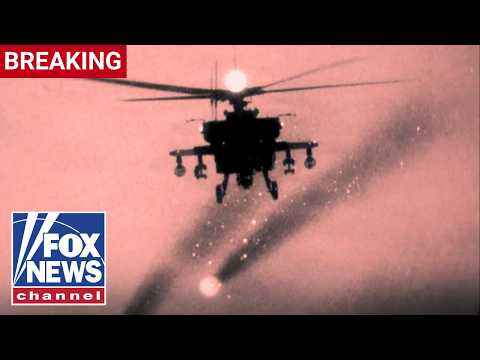
    Donald Trump stated that Iranian military forces shot down a United States helicopter operating in the Strait of Hormuz, a critical maritime chokepoint between the Persian Gulf and the Gulf of Oman. The announcement immediately escalated geopolitical tensions between Washington and Tehran. It raised urgent questions about the safety of U.S. Central Command (CENTCOM) personnel stationed in the Middle East and the stability of global energy markets. The assertion places a sudden spotlight on one of the most heavily militarized and economically vital waterways on the planet.

    The Announcement and the Immediate Geopolitical Shockwave

    The statement arrived without prior warning. It bypassed traditional Department of Defense channels and entered the public consciousness directly. The claim that a U.S. rotary-wing aircraft was brought down by hostile Iranian fire represents a massive escalation in a region already defined by perpetual brinkmanship. Washington and Tehran have engaged in a shadow war for decades. Direct, kinetic military action against a manned U.S. aircraft is a red line that historically demands a severe proportional response.

    Military analysts immediately began parsing the available data. U.S. Navy surface combatants and aviation assets operate under strict rules of engagement in the Persian Gulf. A shootdown implies either a deliberate targeted attack by Iranian air defense systems or a catastrophic miscalculation by local commanders within the Islamic Revolutionary Guard Corps (IRGC). The Pentagon’s immediate posture involves asset accountability, search and rescue protocol activation, and intelligence verification. The White House and the National Security Council face a rapidly closing window to establish the facts on the ground before public pressure dictates a military response.

    The international community watches the Persian Gulf with intense scrutiny. European allies, dependent on Middle Eastern energy exports, view any kinetic military action in the Strait of Hormuz as a direct threat to their economic security. Diplomatic backchannels, often routed through intermediaries in Oman or Switzerland, activate instantly during such crises. The goal is always to prevent a localized tactical incident from spiraling into a broader regional conflict.

    The Geography of a Chokepoint: Understanding the Strait of Hormuz

    To understand the gravity of the claim, one must understand the geography. The Strait of Hormuz is a narrow stretch of water separating the Arabian Peninsula from the Iranian coastline. At its narrowest point, the strait is only 21 miles wide. The shipping lanes that accommodate massive supertankers are just two miles wide in each direction, separated by a two-mile buffer zone. This geographic bottleneck forces civilian and military vessels into close proximity.

    The northern shore is entirely controlled by the Islamic Republic of Iran. The southern shore is shared by the Sultanate of Oman and the United Arab Emirates. The Musandam Peninsula juts northward, creating the intricate coastal geography that defines the waterway. Iranian forces maintain heavily fortified positions on Qeshm Island, Larak Island, and Abu Musa. These outposts are equipped with anti-ship cruise missiles, radar installations, and sophisticated air defense systems.

    The economic reality of the Strait cannot be overstated. Approximately 20 percent of the world’s total global petroleum consumption transits through this single waterway. That equates to roughly 21 million barrels of crude oil every single day. Liquefied natural gas (LNG) from Qatar also relies entirely on the Strait for access to Asian and European markets. If the Strait of Hormuz closes, the global economy halts. The mere threat of military conflict in these waters causes immediate spikes in the price of Brent Crude and West Texas Intermediate (WTI).

    U.S. Naval Aviation in the Persian Gulf

    The United States maintains a massive military footprint in the region to ensure the free flow of commerce. The U.S. Navy’s Fifth Fleet is headquartered in Manama, Bahrain. From this strategic hub, CENTCOM projects power throughout the Persian Gulf, the Red Sea, and the Arabian Sea. Naval aviation is a critical component of this power projection.

    Helicopters are the workhorses of the Fifth Fleet. The primary rotary-wing asset utilized by the U.S. Navy in these waters is the Sikorsky MH-60R Sea Hawk. These advanced helicopters operate from the flight decks of Arleigh Burke-class guided-missile destroyers and Nimitz-class aircraft carriers. They are tasked with anti-submarine warfare, surface warfare, search and rescue, and logistics support. When a U.S. warship transits the Strait of Hormuz, an MH-60R is almost always airborne, providing an over-the-horizon radar picture and physical escort.

    The U.S. Army also operates AH-64 Apache attack helicopters from bases in the region, occasionally conducting joint maritime patrols. These aircraft fly low and slow. They are inherently vulnerable to man-portable air-defense systems (MANPADS) and concentrated anti-aircraft artillery fire. Operating a helicopter in the Strait of Hormuz means flying within visual range of Iranian fast-attack craft and coastal missile batteries. The margin for error is zero. The airspace is congested, heavily monitored, and intensely hostile.

    The Islamic Revolutionary Guard Corps and Asymmetric Warfare

    The conventional Iranian military, the Artesh, shares responsibility for national defense with the Islamic Revolutionary Guard Corps. In the Strait of Hormuz, the IRGC Navy (IRGCN) holds primary jurisdiction. The IRGCN does not fight like a traditional Western navy. They rely on the doctrine of asymmetric warfare.

    Instead of fielding large, vulnerable frigates and destroyers, the IRGCN utilizes a massive fleet of heavily armed fast-attack craft (FAC) and fast inshore attack craft (FIAC). These small, maneuverable vessels are designed to swarm larger enemy ships. They are armed with heavy machine guns, unguided rockets, and anti-ship missiles. The IRGCN frequently uses these vessels to harass U.S. warships and commercial oil tankers transiting the strait. This harassment is designed to project power, test U.S. response times, and assert Iranian sovereignty over the waterway.

    The IRGC Aerospace Force controls Iran’s strategic missile and air defense assets. Over the past decade, Tehran has heavily invested in indigenous surface-to-air missile (SAM) systems. Systems like the Bavar-373 and the Khordad 15 provide a layered defense network covering the entire Persian Gulf. The proliferation of these advanced SAM systems has fundamentally altered the risk calculus for U.S. aviators operating in the region. The airspace over the Strait is a contested environment where radar lock-ons and radio warnings are a daily occurrence.

    Historical Precedent: From Praying Mantis to the Global Hawk

    The claim of a downed helicopter echoes a long, violent history of U.S.-Iran engagements in the Persian Gulf. The historical precedent dictates how Washington will likely respond. On April 18, 1988, the U.S. Navy launched Operation Praying Mantis in retaliation for the Iranian mining of the USS Samuel B. Roberts. The operation resulted in the destruction of half of Iran’s operational fleet and multiple offshore intelligence platforms. It remains the largest surface naval engagement for the United States since World War II.

    More recently, the airspace over the Strait has been the site of direct kinetic action. On June 20, 2019, the IRGC shot down a U.S. Navy RQ-4A Global Hawk unmanned surveillance drone. Iran claimed the drone had entered its territorial airspace. The United States maintained the aircraft was operating in international airspace over the Strait of Hormuz. The incident brought the two nations to the absolute brink of war. A retaliatory strike was authorized by the White House but famously called off with only minutes to spare.

    The distinction between an unmanned drone and a manned helicopter is profound. The loss of a $130 million drone is a financial and technological blow. The loss of a helicopter involves the loss of American lives. The U.S. military doctrine requires a definitive and overwhelming response to the deliberate killing of its service members. If the claim of a downed helicopter is verified, the diplomatic off-ramps that prevented war in 2019 will be significantly narrower.

    Economic Ramifications: Oil Markets and Global Supply Chains

    The global economy is deeply sensitive to the security of the Strait of Hormuz. Energy markets do not wait for official Pentagon confirmation before reacting to breaking news. The mere mention of military conflict in the Persian Gulf triggers algorithmic trading protocols and panic buying on the commodities exchanges.

    Brent Crude, the global benchmark for oil prices, experiences immediate volatility in response to Strait disruptions. A sustained closure of the waterway, or even a significant increase in maritime insurance premiums due to perceived risk, directly impacts the cost of gasoline, diesel, and aviation fuel worldwide. This inflationary pressure cascades through global supply chains, affecting the price of consumer goods, food transportation, and industrial manufacturing.

    The strategic petroleum reserves held by the United States and other industrialized nations serve as a buffer against such shocks. However, these reserves cannot replace the 21 million barrels per day that flow past the Musandam Peninsula. The economic reality is that the Strait of Hormuz is too big to fail. The U.S. military presence exists precisely to ensure that no single state actor can hold the global economy hostage by mining the waterway or threatening civilian shipping.

    The Diplomatic Calculus in Washington and Tehran

    In Washington, a confirmed shootdown forces a rapid consolidation of crisis management protocols. The National Security Council convenes to weigh kinetic and non-kinetic options. Kinetic options range from targeted strikes against the specific anti-aircraft battery responsible for the attack to a broader degradation of IRGC naval and aerospace infrastructure. Non-kinetic options involve severe economic sanctions, cyber warfare, and diplomatic isolation. The objective is to restore deterrence without triggering a regional conflagration that could draw in proxy forces in Iraq, Syria, Lebanon, and Yemen.

    In Tehran, the calculus is equally complex. The Supreme National Security Council must evaluate the domestic and international implications of the event. If the shootdown was a deliberate order from the highest levels of the IRGC, it represents a calculated gamble that the United States lacks the political will for a sustained conflict. If the shootdown was the result of a rogue local commander or a misidentified radar track, Tehran faces the difficult task of de-escalation while maintaining a posture of defiance for its domestic audience.

    The communication architecture between the two nations is notoriously fragile. There is no direct hotline between the Pentagon and the Iranian Ministry of Defense. Messages are relayed through the Swiss Embassy in Tehran or via backchannels managed by the Sultanate of Oman. This indirect communication increases the risk of misinterpretation and unintended escalation during a fast-moving crisis.

    The Burden of Verification

    The period immediately following a breaking military claim is defined by the fog of war. Initial reports are frequently inaccurate, incomplete, or deliberately manipulated. The burden of verification falls heavily on the U.S. intelligence community and the Department of Defense. Satellite imagery, signals intelligence (SIGINT), and radar telemetry are rapidly analyzed to construct an objective timeline of events.

    The fate of the aircrew remains the paramount concern. The U.S. military possesses robust combat search and rescue (CSAR) capabilities in the region. If an aircraft goes down, a massive coordinated effort involving surface ships, fixed-wing aircraft, and special operations forces is immediately launched. The waters of the Persian Gulf are shallow and heavily trafficked, complicating rescue operations while increasing the likelihood of rapid recovery.

    The geopolitical landscape of the Middle East is fundamentally altered by the introduction of lethal force against U.S. personnel. The deterrence architecture built over decades is tested in real-time. The credibility of U.S. security guarantees to regional allies is scrutinized. Every action and reaction is weighed against the overarching strategic goal of maintaining stability in the world’s most volatile region.

    The Enduring Standoff

    The Strait of Hormuz remains a theater of perpetual tension. It is a geographic reality that forces adversaries into uncomfortable proximity. The claims of downed aircraft, harassed shipping, and contested airspace are symptoms of a deeper, unresolved conflict between competing strategic visions for the Middle East. The U.S. seeks to maintain freedom of navigation and regional stability. Iran seeks to project regional hegemony and deter foreign military presence near its borders.

    This fundamental clash of interests ensures that the waters between the Persian Gulf and the Gulf of Oman will remain heavily militarized. The presence of U.S. naval aviation is a necessary component of the deterrence strategy, but it carries inherent risks. The men and women operating MH-60R Sea Hawks and Arleigh Burke-class destroyers bear the daily burden of this strategic standoff. They operate in an environment where a single spark can ignite a global crisis.

    The world watches the Strait. The flow of commerce continues under the shadow of military power. The rhetoric escalates and de-escalates in a familiar, dangerous rhythm. The physical reality of the chokepoint remains unchanged. Diplomats draft statements. Markets adjust prices. Fleets adjust positions. Hormuz.