Tag: Pdvsa

  • Energy Department Draws Fire for Slow Pace of Venezuelan Oil Deals

    Energy Department Draws Fire for Slow Pace of Venezuelan Oil Deals

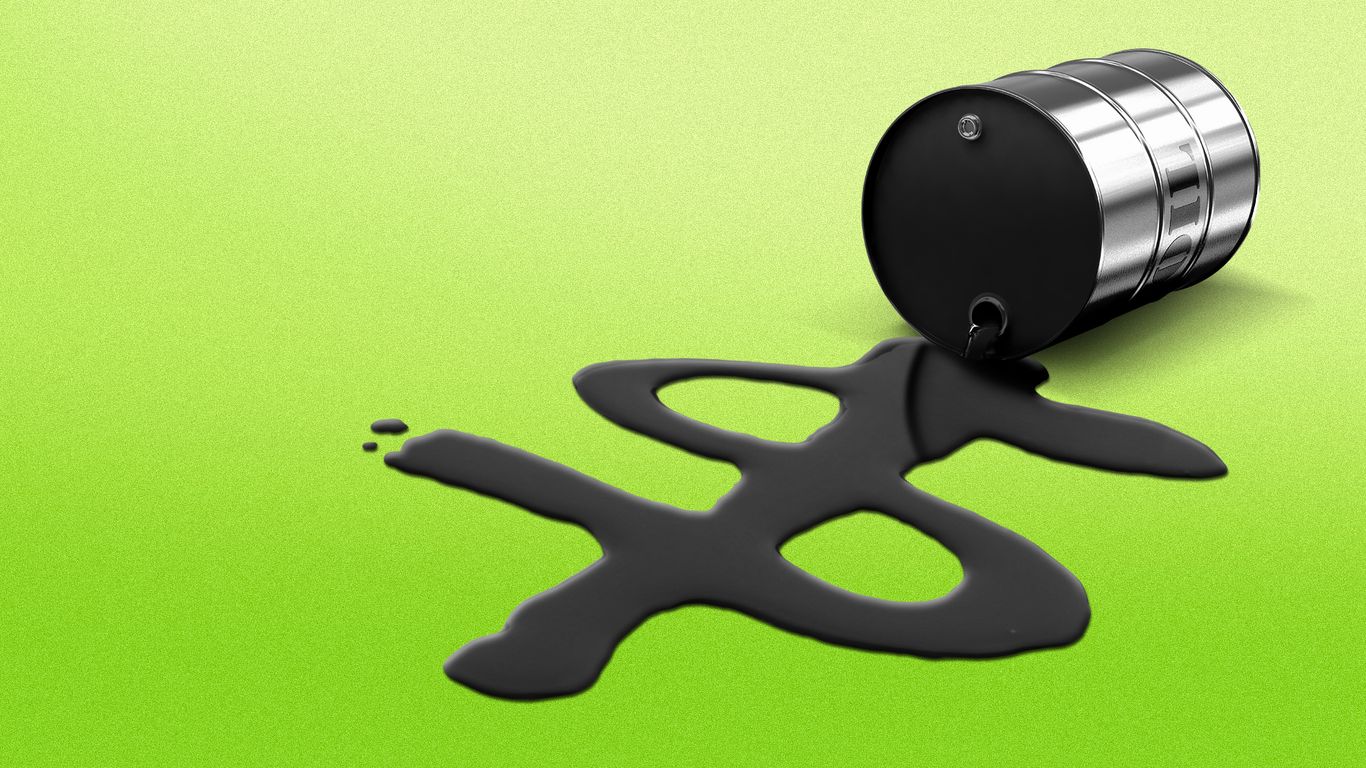
    The Energy Department finds itself in the crosshairs this August. Conservative critics say the agency is slow-walking oil deal approvals with Venezuela. The pace, they argue, is bureaucratic stalling dressed up as process.

    At issue are potential agreements that could bring Venezuelan crude back into U.S. energy markets. The deals remain in administrative limbo. Weeks have turned into months.

    The frustration is audible in congressional hallways and energy sector boardrooms alike.

    The Venezuelan Oil Question Returns

    Venezuela sits atop some of the world’s largest proven oil reserves. The Orinoco Belt alone holds an estimated 1.4 trillion barrels. For years, U.S. sanctions kept that crude largely off American shores.

    Sanctions tightened dramatically under the Trump administration starting in January 2019. The Biden administration maintained most restrictions through its term. Now, in 2026, the conversation has shifted.

    Energy market volatility has renewed interest in diversifying supply chains. Venezuela represents potential relief. But potential requires paperwork. Paperwork requires approval. Approval requires the Energy Department.

    That’s where the process has stalled.

    Conservative Scrutiny Intensifies

    Republican lawmakers on the House Energy and Commerce Committee issued statements in late July 2026. They accused the Energy Department of unnecessary delays. Some used the phrase “administrative sabotage.”

    The criticism centers on what conservatives view as political hesitation. Engaging with Nicolás Maduro’s government remains contentious. Human rights organizations document ongoing repression in Venezuela. Democratic socialists control the National Assembly. Oil revenues could prop up a regime many in Washington consider illegitimate.

    But energy hawks argue national interest outweighs diplomatic discomfort. They point to rising gasoline prices in key swing states. They cite supply chain vulnerabilities exposed during the 2025 Gulf Coast hurricane season. They want the oil flowing.

    The Energy Department, they say, is dragging its feet for political reasons rather than technical ones.

    What the Energy Department Says

    Energy Department officials defend the pace as prudent. Spokesman Michael Torres told reporters on July 29, 2026, that “due diligence on complex international energy agreements takes time.” He emphasized compliance reviews, environmental impact assessments, and coordination with the State Department and Treasury.

    Torres noted that Venezuelan state oil company PDVSA remains under multiple U.S. sanctions. Any deal requires careful legal structuring. Payment mechanisms must avoid sanctions violations. Crude quality varies across Venezuelan fields. Refinery compatibility requires technical vetting.

    The department also points to ongoing negotiations. Venezuela has proposed various partnership structures. Some involve direct crude sales. Others propose joint ventures with American energy firms. Each structure carries different legal, financial, and diplomatic implications.

    Choosing the wrong framework, officials argue, could backfire spectacularly.

    The Political Tightrope

    The current administration faces pressure from multiple directions. Energy sector lobbyists want market access. National security advisors want leverage over Maduro. Environmental groups oppose any expansion of fossil fuel partnerships. Progressive Democrats in Congress view engagement with Venezuela’s government as morally problematic.

    Energy Secretary Jennifer Callahan testified before the Senate Energy and Natural Resources Committee on July 22, 2026. She acknowledged the “challenging political environment” surrounding Venezuelan oil. She defended the department’s approach as “methodical rather than reckless.”

    Senator Mike Lee, Republican of Utah, pressed Callahan on specific timelines. “How many more months?” he asked. Callahan declined to commit to a date. “We’re working as expeditiously as possible,” she said.

    That answer satisfied no one.

    Industry Voices

    Energy companies with potential stakes in Venezuelan deals are mostly silent publicly. Executives speak off the record. They describe a “frustrating” process. One executive at a major independent refiner told industry publication Petroleum Intelligence Weekly that “we’ve submitted every document they’ve asked for, twice.”

    Another executive, speaking anonymously to Reuters on July 31, 2026, said the Energy Department keeps requesting additional analyses. “It feels like they’re hoping we’ll just give up,” the executive said.

    Trade groups are more vocal. The American Petroleum Institute issued a statement on August 1 calling for “transparent timelines and clear criteria” for Venezuelan oil deal approvals. The Independent Petroleum Association of America echoed the sentiment.

    Both groups stopped short of accusing the Energy Department of bad faith. But the implication hung in the air.

    The Venezuela Factor

    Venezuela’s government watches closely. Maduro referenced the U.S. negotiations in a televised address on July 28, 2026. He accused Washington of “playing games” and “disrespecting Venezuelan sovereignty.” He threatened to redirect oil exports exclusively to China and India if U.S. deals don’t materialize soon.

    Whether that’s a credible threat remains debatable. Venezuela’s oil infrastructure has deteriorated significantly. Production peaked above 3 million barrels per day in the late 1990s. Current output hovers around 800,000 barrels per day. The industry needs foreign investment and technical expertise. American companies offer both.

    But patience in Caracas is wearing thin. So is patience in Washington.

    Energy Markets and Election Year Math

    Gasoline prices in the United States averaged $3.89 per gallon as of August 1, 2026, according to AAA. That’s up 12 cents from a month earlier. It’s up 34 cents from a year earlier.

    Voters notice. Politicians notice voters noticing. With midterm elections three months away, energy prices are a recurring theme in campaign ads. Republican challengers in competitive districts hammer Democrats on energy policy.

    Some Democratic strategists quietly argue that approving Venezuelan oil deals could provide political cover. Lower prices at the pump before November 3, 2026, could shift the electoral calculus. But progressives in the party oppose the optics of partnering with Maduro.

    The Energy Department sits in the middle of this calculation. Every week of delay is a week closer to Election Day. Every week of delay is another week of Republican attack ads.

    What Comes Next

    Energy Department officials say they’re “nearing completion” of the review process. They’ve offered no specific date. Industry sources expect a decision by late August or early September 2026 at the earliest. Some think it could stretch into October.

    Conservative critics say that timeline is conveniently timed to avoid pre-election controversy. If deals are announced after November 3, they argue, the administration avoids blowback from progressives before voters go to the polls.

    The Energy Department denies any electoral motivation. Torres reiterated on August 2 that “our timeline is driven by technical and legal requirements, not the political calendar.”

    Meanwhile, the frustration simmers. Congressional oversight hearings are scheduled for mid-August. House Republicans promise tough questions. Energy sector executives prepare for more waiting.

    And the Venezuelan oil sits in the ground. Untapped. Untouched. The subject of Washington process rather than global markets.

    The Terminal Question

    The Energy Department moves slowly. Conservatives grow louder. Industry waits. Venezuela watches. November approaches.

    Bureaucracy.

    Frequently Asked Questions

    Why is the U.S. Energy Department facing criticism over Venezuelan oil deals?

    The Energy Department is under fire from conservative lawmakers and energy sector advocates for what they characterize as slow, bureaucratic processing of potential oil agreements with Venezuela. Critics argue the delays are politically motivated rather than driven by necessary technical or legal review, and that faster approvals could help ease energy market pressures and lower gasoline prices.

    What are the main concerns delaying Venezuelan oil deals?

    Energy Department officials cite several factors: complex sanctions compliance involving Venezuelan state oil company PDVSA, legal structuring of payment mechanisms, environmental impact assessments, crude quality and refinery compatibility reviews, and coordination with the State Department and Treasury. Political sensitivities around engaging with the Maduro government also complicate decision-making.

    How much oil does Venezuela have?

    Venezuela sits atop some of the world’s largest proven oil reserves, with the Orinoco Belt alone holding an estimated 1.4 trillion barrels. However, current production has fallen dramatically to around 800,000 barrels per day in 2026, down from over 3 million barrels per day in the late 1990s, due to infrastructure deterioration and lack of investment.

    When might the Energy Department approve Venezuelan oil deals?

    Energy Department officials say they are “nearing completion” of reviews but have not committed to a specific date. Industry sources expect a decision by late August or early September 2026 at the earliest, though some predict it could stretch into October. Critics suggest the timing may be influenced by the November 2026 midterm elections.

    What impact could Venezuelan oil have on U.S. gasoline prices?

    Proponents of Venezuelan oil deals argue that increased supply could help ease energy market pressures and potentially lower gasoline prices, which averaged $3.89 per gallon as of August 1, 2026, up 34 cents from a year earlier. However, the actual market impact would depend on the volume of oil imported, refinery capacity to process Venezuelan crude, and broader global energy market conditions.
  • Venezuela’s Economic Collapse – A Firsthand Warning from Exile

    Venezuela’s Economic Collapse – A Firsthand Warning from Exile

    A Venezuelan exile has publicly articulated a warning concerning the potential consequences of certain economic and political policies, drawing directly from their experiences within Venezuela’s socialist system. This testimony underscores the severe economic collapse, widespread social disruption, and the gradual erosion of democratic freedoms that have defined Venezuela’s recent history.

    The individual’s account serves as a cautionary narrative. It emphasizes the tangible effects of government overreach, the nationalization of industries, and unchecked inflation on the daily lives of citizens. This firsthand perspective illuminates the profound challenges faced by millions who have either remained in Venezuela or sought refuge abroad.

    The Trajectory of Chavismo: From Promise to Crisis

    The modern trajectory of Venezuela’s socialist experiment commenced with the election of Hugo Chávez in December 1998. Chávez, a former military officer, campaigned on a platform promising social justice, anti-imperialism, and a significant redistribution of wealth. His political movement, known as Chavismo, rapidly consolidated power and began implementing substantial structural changes to the Venezuelan economy and its governance.

    Early Reforms and Nationalization

    Early in his presidency, Chávez initiated a series of land reforms and nationalization efforts. These targeted key industries, including oil, telecommunications, and electricity. Petróleos de Venezuela, S.A. (PDVSA), the state-owned oil company, transformed into a primary vehicle for funding extensive social programs and consolidating political control. During periods of high global oil prices, significant oil revenues financed initiatives in housing, healthcare, and education.

    The government also promulgated a new constitution in December 1999. This constitution expanded presidential powers and established a unicameral National Assembly. These changes were presented as mechanisms to empower the populace and dismantle what Chávez characterized as a corrupt oligarchy. However, critics argued that these actions progressively undermined democratic institutions and centralized authority within the executive branch.

    Consolidation of Power Under Chávez

    Chávez’s tenure saw the continuous expansion of state control over the economy and political landscape. His administration initiated various ‘missions’ (misiones), social programs designed to address poverty and inequality. While these programs initially garnered significant popular support, their long-term sustainability and efficiency were often questioned.

    The government also exerted increasing influence over the media and judiciary. This led to concerns about freedom of expression and the rule of law. By the time of his death in March 2013, Chávez had fundamentally reshaped Venezuela’s political and economic structures, setting the stage for the subsequent crisis.

    Economic Deterioration: Hyperinflation and Resource Depletion

    Despite possessing the world’s largest proven oil reserves, Venezuela’s economy began a precipitous decline in the mid-2010s. This downturn was severely exacerbated by a sharp drop in global oil prices and years of economic mismanagement. Under President Nicolás Maduro, who assumed office in April 2013 following Chávez’s death, the crisis intensified dramatically.

    The Onset of Hyperinflation

    Hyperinflation became a defining and devastating characteristic of the Venezuelan economy. By 2018, the International Monetary Fund (IMF) projected that inflation could reach 1,000,000 percent, a figure that was ultimately surpassed. The national currency, the Bolívar, underwent multiple devaluations and re-denominations, rendering it virtually worthless. Citizens increasingly resorted to using foreign currencies, primarily the U.S. dollar, for everyday transactions, or engaging in barter for goods and services.

    The economic policies implemented, such as excessive money printing and price controls, contributed significantly to this inflationary spiral. These measures failed to address fundamental economic imbalances and discouraged production, further deepening the crisis.

    Collapse of the Oil Industry

    The collapse of PDVSA, once a robust economic engine, played a critical role in the broader crisis. Mismanagement, widespread corruption, and a severe lack of investment led to a drastic reduction in oil production. Production plummeted from over 3 million barrels per day in 1998 to less than 500,000 barrels per day by 2020. This precipitous decline crippled the government’s primary source of revenue, severely limiting its ability to import essential goods and fund public services.

    The decline of PDVSA also had ripple effects throughout the Venezuelan economy, impacting employment, infrastructure, and the availability of foreign exchange. The country, once a major oil exporter, struggled to meet its own energy needs and lost its primary source of global economic leverage.

    Humanitarian Crisis: Scarcity and Social Breakdown

    The economic downturn precipitated widespread shortages of basic necessities across Venezuela. Food, medicine, and other essential goods became either unavailable or prohibitively expensive for the average Venezuelan. Supermarket shelves frequently remained empty, and hospitals lacked critical supplies, equipment, and even basic utilities.

    Food Insecurity and Malnutrition

    The humanitarian crisis deepened significantly, with malnutrition rates rising dramatically across all demographics. The United Nations and various international aid organizations reported a severe decline in public health indicators. Preventable diseases re-emerged or became more prevalent, and the healthcare system struggled to cope with the influx of patients and the severe scarcity of resources.

    Access to clean water, electricity, and reliable transportation also deteriorated nationwide. Frequent power outages, sometimes lasting for days or weeks, affected major cities and rural areas alike. These disruptions severely impacted daily life, hindered economic activity, and exacerbated public frustration.

    Social Unrest and Public Services

    These dire conditions fueled widespread social unrest and protests against the Maduro government. Citizens demonstrated regularly against food shortages, lack of public services, and the overall economic collapse. The government often responded with force, leading to further human rights concerns.

    The breakdown of public services extended to education, sanitation, and public safety. Schools faced teacher shortages and infrastructure decay, while crime rates escalated amidst the economic hardship and social fragmentation. The societal fabric began to fray under the relentless pressure of the crisis.

    Erosion of Democratic Institutions and Human Rights

    Beyond the economic sphere, the Venezuelan exile’s warning also details the systematic erosion of democratic institutions and fundamental human rights. Critics of the Venezuelan government, including international bodies such as the Organization of American States (OAS) and the United Nations, have meticulously documented numerous instances of political repression, arbitrary detentions, and severe restrictions on freedom of speech and assembly.

    Judicial Control and Electoral Irregularities

    The judiciary in Venezuela has been widely perceived as controlled by the executive branch, effectively undermining the separation of powers. Elections, particularly after 2013, have been extensively criticized by international observers for lacking transparency, fairness, and adherence to democratic standards. These criticisms have often led to the international community questioning the legitimacy of electoral outcomes.

    Political opposition leaders have faced persistent persecution, including imprisonment, politically motivated charges, and forced exile. These actions have further consolidated the ruling party’s grip on power and stifled political dissent within the country.

    Suppression of Media and Dissent

    Journalists and independent media outlets have also faced significant pressure and repression. This includes censorship, the closure of media organizations, and the harassment and intimidation of their staff. These actions have severely limited the flow of independent information to the Venezuelan populace. They have contributed to a climate of fear and self-censorship among those who remain in the country.

    Human rights organizations, both domestic and international, have consistently reported on extrajudicial killings, torture, and enforced disappearances. These reports paint a grim picture of the state of human rights in Venezuela, highlighting the severe risks faced by critics of the government and ordinary citizens alike.

    The Venezuelan Diaspora: A Global Displacement Crisis

    The severe and deteriorating conditions within Venezuela have triggered one of the largest displacement crises in recent global history. As of 2026, millions of Venezuelans have fled the country, seeking refuge and better living conditions in neighboring Latin American countries, the United States, and Europe.

    Regional Impact of Migration

    Colombia, Peru, Ecuador, and Chile have absorbed the largest numbers of Venezuelan migrants and refugees. This influx has placed significant strain on their social services, public infrastructure, and labor markets. Humanitarian agencies continue to work with host governments to provide assistance and integrate displaced Venezuelans into their new communities.

    The exodus includes not only economic migrants seeking better opportunities but also political asylum seekers fleeing persecution. All are searching for stability, security, and basic necessities that are largely unavailable in their homeland.

    The Voice of Exiles

    These exiles often carry with them vivid memories and direct experiences of Venezuela’s collapse. These personal narratives frequently motivate their public warnings. Their accounts serve as a powerful testament to the profound human cost of the crisis. Their collective voice offers a critical perspective on the potential dangers of unchecked political power and economic mismanagement, echoing the initial warning from the Venezuelan exile.

    The global community continues to grapple with the implications of this mass displacement. Efforts are ongoing to provide humanitarian aid to those still in Venezuela and to support the millions who have sought new lives elsewhere. The story of Venezuela remains a potent reminder of how quickly a nation’s fortunes can reverse.