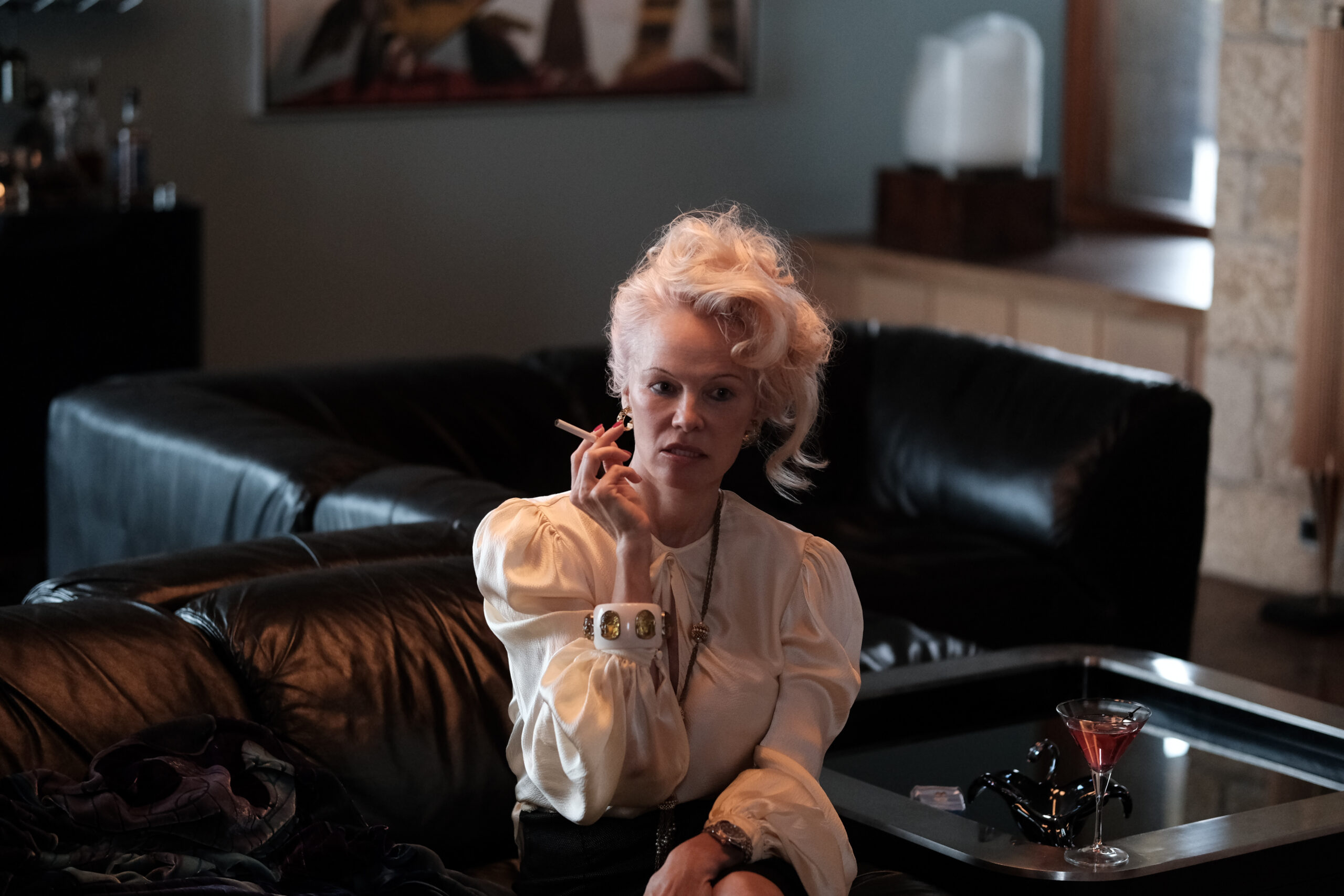
Tag: Pamela Anderson

  • Pamela Anderson: No Plans to Reprise ‘Baywatch’ Role

    Pamela Anderson: No Plans to Reprise ‘Baywatch’ Role

    Pamela Anderson’s Stance on ‘Baywatch’

    Pamela Anderson has unequivocally stated her firm position regarding any potential return to her iconic role as C.J. Parker in the television series ‘Baywatch’. The actress expressed that she has “no plans” to reprise the character, directly stating, “I’ve already done that.” This declaration signals a definitive closure to that chapter of her career.

    Her statement comes amidst ongoing public interest and speculation surrounding reboots or continuations of popular 1990s television shows. Anderson’s response reflects a common sentiment among actors who seek to diversify their professional portfolios and avoid being perpetually defined by a single role.

    The Legacy of C.J. Parker

    C.J. Parker became one of the most recognizable characters in television history during the 1990s. Portrayed by Pamela Anderson, the character was a central figure in ‘Baywatch’, a series that garnered immense global popularity. Anderson joined the cast in 1992, appearing in the third season of the show.

    Her tenure on ‘Baywatch’ spanned five seasons, concluding in 1997. During this period, she featured in 77 episodes, becoming a defining image of the series. The show itself became a cultural phenomenon, broadcast in 148 countries and translated into multiple languages.

    The character of C.J. Parker was known for her athletic prowess, empathetic nature, and the distinctive red swimsuit that became synonymous with the series. Her portrayal helped solidify ‘Baywatch’ as a global brand, influencing fashion, media, and public perception of lifeguarding.

    Anderson’s Career Post-‘Baywatch’

    Following her departure from ‘Baywatch’ in 1997, Pamela Anderson pursued a diverse range of projects. She ventured into feature films, reality television, and stage performances. Her film credits include roles in ‘Barb Wire’ (1996) and ‘Scary Movie 3’ (2003).

    In television, she starred in the syndicated series ‘V.I.P.’ from 1998 to 2002. She also participated in several reality shows, including ‘Dancing with the Stars’ in 2010 and ‘Pamela Anderson’s Barbed Wire Kisses’ in 2016. Her work extended to advocacy, particularly for animal rights, aligning with organizations like PETA.

    More recently, Anderson released a memoir titled ‘Love, Pamela’ in 2023, which offered an intimate look into her life and career. A documentary, ‘Pamela, a Love Story’, also premiered in 2023, providing further insight into her personal and professional journey. These projects underscored her desire to control her narrative and showcase her multifaceted identity beyond her ‘Baywatch’ persona.

    The Allure of Reboots and Revivals

    The entertainment industry frequently revisits popular franchises and characters from previous decades. This trend is driven by nostalgia and the established fan bases these properties possess. Recent years have seen numerous reboots, remakes, and revivals across film and television platforms.

    For actors, the decision to return to a beloved role is complex. It can offer financial incentives and reconnect them with a familiar audience. However, it also carries the risk of typecasting or failing to live up to original expectations. Many actors, like Anderson, choose to prioritize new creative ventures.

    The public’s enduring fascination with ‘Baywatch’ exemplifies the lasting impact of certain cultural touchstones. Despite its conclusion, the series remains a subject of discussion and interest, particularly concerning the lives and careers of its principal cast members.

    The Broader Context of Celebrity Identity

    Pamela Anderson’s decision highlights a broader theme in celebrity culture: the struggle to evolve beyond an iconic role. Actors often face the challenge of public perception being indelibly linked to a character that brought them widespread fame. This can limit opportunities for new roles and creative expression.

    Her statement, “I’ve already done that,” encapsulates a desire for artistic progression and personal growth. It reflects a conscious effort to define her identity on her own terms, rather than perpetually returning to a past iteration of herself. This pursuit of autonomy is a recurring narrative among long-standing public figures.

    The industry’s shift towards streaming platforms and diverse content has also provided more avenues for actors to explore different genres and formats. This expanded landscape offers greater freedom to pursue projects that align with their current artistic and personal values, moving away from past roles.

    Fan Reactions and Expectations

    Fans of ‘Baywatch’ often express a mix of emotions regarding potential revivals. Some hope for a continuation of the original series with the beloved cast members. Others respect the actors’ decisions to move on, preferring to preserve the original’s legacy.

    The enduring appeal of C.J. Parker means that any news regarding Pamela Anderson often circles back to her time on the beach. However, her recent public appearances and projects have demonstrated a renewed focus on her personal narrative and advocacy work, shifting fan attention to her current endeavors.

    Public figures navigate a delicate balance between acknowledging their past contributions and asserting their present and future aspirations. Anderson’s clear statement provides clarity for both her fanbase and the industry regarding her artistic direction.

    Looking Forward: Anderson’s Future Endeavors

    Pamela Anderson continues to be active in various fields. Her memoir and documentary in 2023 garnered critical attention and provided new insights into her life. These projects allowed her to share her story directly with the public, unfiltered by external narratives.

    She remains a prominent advocate for environmental and animal rights causes. Her public profile allows her to draw attention to issues she deeply cares about. This commitment to activism forms a significant part of her current public identity.

    As of 2026, Anderson continues to explore new creative outlets, demonstrating a career trajectory that prioritizes personal fulfillment and impactful storytelling over revisiting previous successes. Her journey exemplifies a celebrity who has consistently sought to redefine her public image and artistic contributions.

    Nostalgia endures. Speculation endures. Pamela Anderson endures.

    Herself.
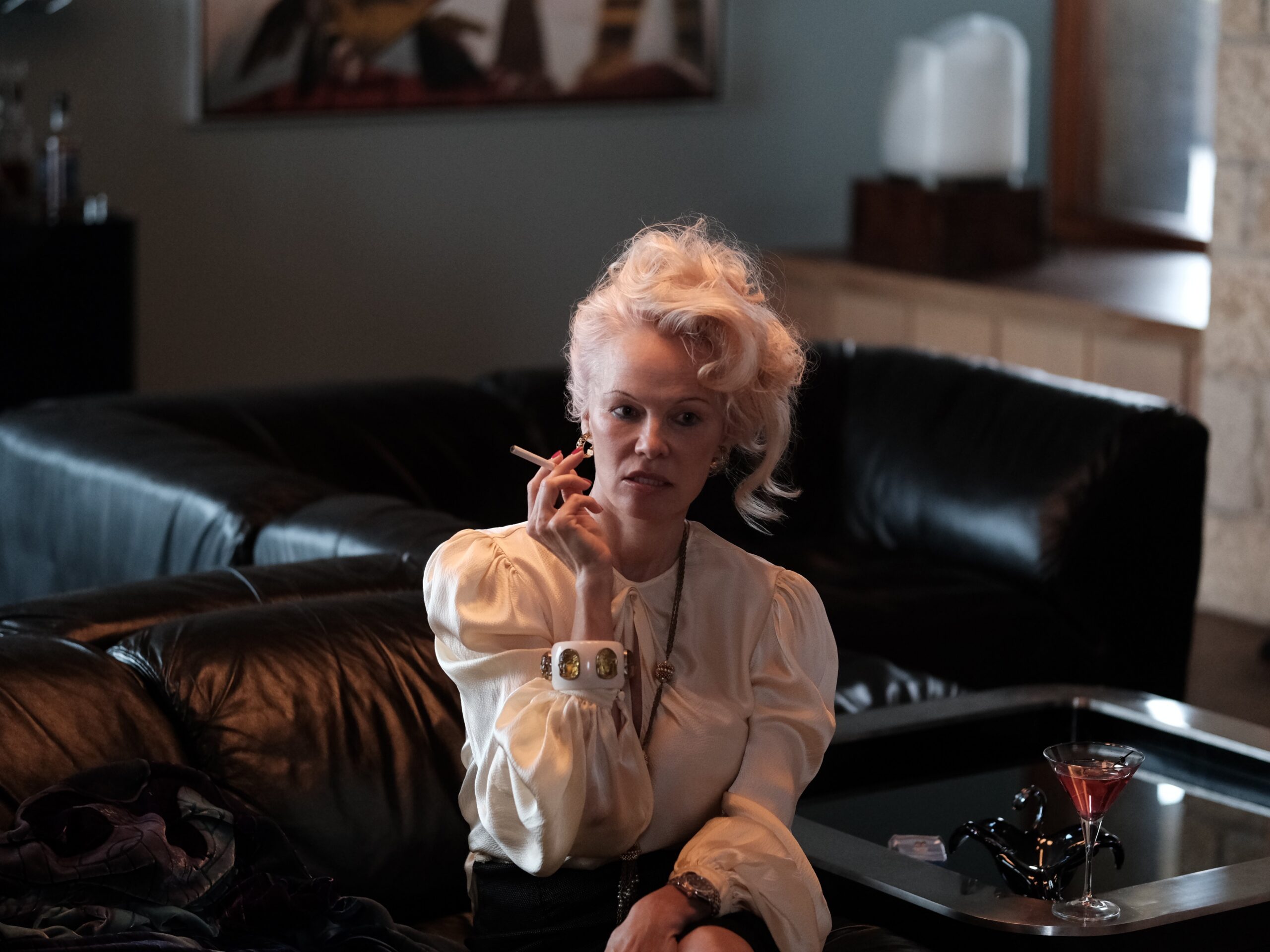

  • Pamela Anderson’s ‘Rosebush Pruning’: A ‘Twisted’ Film Sparks 2026 Controversy

    Pamela Anderson’s ‘Rosebush Pruning’: A ‘Twisted’ Film Sparks 2026 Controversy

    Pamela Anderson ignited a significant cultural discussion by publicly describing her 2026 film, ‘Rosebush Pruning,’ as ‘twisted.’ This characterization immediately drew widespread attention from media outlets and the public. Anderson’s additional comment, ‘I like stirring it up,’ clarified her intent, indicating a deliberate choice to engage with provocative material and stimulate dialogue around her work.

    This candid assessment positioned ‘Rosebush Pruning’ as one of the most talked-about films of 2026 even before its full release. Public and critical anticipation heightened, focusing on the film’s undisclosed themes and Anderson’s performance within a narrative she herself labeled as unconventional. The controversy centers on the film’s perceived challenging content and its potential impact on cultural norms.

    Pamela Anderson’s Evolving Career Trajectory

    Pamela Anderson’s career spans several decades, marked by diverse roles and significant public presence. She first achieved international fame in the 1990s, becoming a prominent cultural figure. Her early work often involved high-profile television series such as ‘Baywatch’ and extensive modeling.

    Over the years, Anderson has explored various artistic avenues beyond her initial public image. She has appeared in numerous films, television shows, and theatrical productions. Her public persona has also evolved, transitioning from initial sensationalism to embracing activism and more reflective, autobiographical projects, including her 2023 documentary ‘Pamela, a Love Story’ and her 2023 memoir ‘Love, Pamela.’

    The decision to star in ‘Rosebush Pruning’ signals a continuation of this deliberate career evolution. It suggests a willingness to tackle challenging material that deviates from mainstream expectations. This choice aligns with a pattern of selecting roles designed to prompt conversation and introspection, solidifying her status as an artist unafraid of controversy.

    Defining Moments and Public Perception

    Anderson’s career has been punctuated by moments that have redefined her public image. Her advocacy for animal rights, her public battle with Hepatitis C, and her candid discussions about her personal life have all contributed to a more complex public understanding of her identity. These experiences have informed her artistic choices, leading to projects that often reflect deeper personal or societal issues.

    Her participation in ‘Rosebush Pruning’ is seen by many as another such defining moment. It allows her to leverage her established public platform to draw attention to potentially uncomfortable or challenging narratives. This strategic move aims to engage audiences on a more intellectual or emotional level, moving beyond superficial interpretations of her work.

    The Enigma of ‘Rosebush Pruning’: Unpacking the ‘Twisted’ Label

    Specific plot details surrounding ‘Rosebush Pruning’ remain largely undisclosed to the public as of 2026. However, Anderson’s description of the film as ‘twisted’ offers a potent glimpse into its potential nature. This label suggests a narrative that significantly deviates from conventional storytelling structures or themes. It could imply complex moral dilemmas, profound psychological depth, or a focus on controversial subject matter that challenges societal norms.

    The phrase ‘stirring it up,’ used by Anderson, further implies that the film is intentionally designed to provoke. It aims to challenge audience expectations and potentially entrenched societal beliefs. This approach aligns with a long-standing tradition in cinema where filmmakers use provocative themes to push boundaries and stimulate critical thought.

    Filmmakers frequently employ challenging narratives to explore deeper human truths and societal anxieties. Such films can spark important dialogues about ethics, relationships, power dynamics, and the human condition. Given Anderson’s comments, ‘Rosebush Pruning’ appears positioned to contribute to this genre, aiming for artistic impact beyond mere entertainment.

    Speculation on Themes and Narrative Structure

    Without specific plot points, speculation about ‘Rosebush Pruning’ naturally gravitates towards its potential thematic content. A ‘twisted’ narrative often encompasses several key elements:

    • Unconventional Character Relationships: Portrayals of relationships that defy traditional romantic, familial, or social constructs.
    • Exploration of Taboos: Direct engagement with subjects considered forbidden or highly sensitive in mainstream society.
    • Morally Ambiguous Scenarios: Situations where traditional notions of right and wrong are blurred, forcing audiences to grapple with complex ethical questions.
    • Psychological Depth: A focus on the internal lives of characters, often delving into trauma, mental states, or existential crises.
    • Non-Linear Storytelling: Narrative structures that eschew chronological order, using flashbacks, multiple perspectives, or fragmented timelines to enhance the sense of unease or mystery.

    The film’s title itself, ‘Rosebush Pruning,’ carries symbolic weight. Pruning a rosebush involves careful, sometimes severe, cutting to promote healthier growth and shape. This botanical act could metaphorically represent painful decisions, necessary sacrifices for personal evolution, or the often-harsh process of shaping one’s identity through difficult experiences. Such metaphors provide fertile ground for critical analysis and public discussion, suggesting a film rich in subtext and open to interpretation.

    Anderson’s Intentional Artistic Approach

    Pamela Anderson’s explicit statement, ‘I like stirring it up,’ reveals a highly intentional and strategic approach to her acting choices. This is not a passive acceptance of a role for commercial gain. It is an active embrace of a project’s potential impact, its capacity for controversy, and its ability to generate meaningful dialogue.

    This attitude reflects a performer confident in her ability to handle challenging material and manage public reaction. It suggests an artist who values the discourse her work can generate, prioritizing artistic provocation and social commentary over universal approval. This stance aligns with a growing trend among established actors to seek out roles that offer more than just entertainment.

    Actors often seek roles that push their personal and professional boundaries. They look for characters and narratives that allow them to explore new facets of their talent and engage with deeper societal issues. For Anderson, ‘Rosebush Pruning’ appears to represent precisely such an opportunity, allowing her to further define her artistic identity in 2026.

    Impact on Anderson’s Public Image

    A leading role in a film described as ‘twisted’ and intended to ‘stir things up’ can significantly alter an actor’s public perception. For Pamela Anderson, this could mean a definitive repositioning within the industry and among audiences, moving her towards more dramatic, complex, and critically acclaimed roles.

    This strategic move could solidify her status as a serious dramatic actress, demonstrating a profound willingness to move beyond her established public image. Such roles frequently earn critical acclaim and generate new career opportunities, broadening an actor’s range and influence. It challenges pre-conceived notions about her capabilities and artistic ambitions.

    The public’s reaction to ‘Rosebush Pruning’ will be crucial in shaping this narrative. Will audiences embrace this new, more challenging direction? Or will the controversial nature of the film overshadow its artistic intent, leading to polarized opinions? The discourse surrounding ‘Rosebush Pruning’ is poised to shape Anderson’s career trajectory and public narrative for years to come.

    The Broader Landscape of Provocative Cinema in 2026

    Provocative cinema possesses a long and distinguished history, often serving as a mirror or a catalyst for societal change. Films that challenge norms, question authority, or explore uncomfortable truths frequently become cultural touchstones. They compel society to confront difficult realities or re-evaluate established beliefs, pushing the boundaries of what is acceptable or discussable.

    From early avant-garde movements to contemporary independent and mainstream productions, directors and actors have consistently utilized cinema as a powerful medium for social commentary and artistic expression. They have explored themes that might be considered too sensitive or controversial for other forms of public discourse, leveraging the visual and emotional power of film.

    The cultural landscape for such films in 2026 is complex and dynamic. Audiences are increasingly diverse in their tastes, sensitivities, and expectations regarding media content. What one person finds thought-provoking and artistically valuable, another might find gratuitously offensive or morally reprehensible. This divergence often fuels the very controversies that films like ‘Rosebush Pruning’ are designed to provoke.

    The Dual Nature of Controversy in Film

    Controversy can be a remarkably powerful tool for filmmakers. It generates buzz, attracts media attention, and draws audiences who are curious to witness what has caused such a stir. More importantly, it can spark vital conversations and critical analyses, prompting viewers to engage with the film’s themes on a deeper level.

    However, controversy also carries inherent risks. Films perceived as overly contentious can face significant backlash, potentially struggling with distribution, critical reception, and even public protests. The delicate line between thought-provoking and gratuitously offensive is often subjective, culturally dependent, and intensely debated. Filmmakers must carefully navigate this terrain to ensure their artistic intentions are understood.

    For ‘Rosebush Pruning,’ the challenge will be to skillfully navigate this complex landscape. The film must deliver a compelling and artistically sound narrative that justifies its ‘twisted’ nature. It must strive for substance, depth, and genuine artistic merit over mere shock value, ensuring its provocative elements serve a larger thematic purpose rather than existing for their own sake.

    Anticipation and Potential Impact of ‘Rosebush Pruning’

    The release of ‘Rosebush Pruning’ is highly anticipated, largely due to Pamela Anderson’s provocative remarks. Film critics, industry insiders, and the general public are all closely watching. They are keen to assess how the film lives up to its controversial billing and how it positions itself within the current cinematic discourse of 2026.

    Early reviews and audience reactions will be crucial in shaping the film’s narrative and its long-term impact. A strong critical reception could significantly elevate the film’s standing, validating Anderson’s decision to take on such a challenging project and affirming its artistic merit. This could position ‘Rosebush Pruning’ as a benchmark for contemporary provocative cinema.

    Conversely, a polarized or negative response could lead to further intense debate, intensifying discussions about the boundaries of artistic expression, censorship, and audience responsibility. Regardless of its reception, ‘Rosebush Pruning’ is poised to be a significant talking point in the cultural discourse of 2026, contributing to ongoing conversations about art, controversy, and celebrity.

    Influence on Future Film Trends

    ‘Rosebush Pruning’ has the potential to influence future filmmaking trends. If it achieves critical or commercial success by effectively navigating its controversial themes, it could encourage more filmmakers to explore challenging narratives. This could lead to a broader acceptance of unconventional storytelling and a greater willingness to tackle difficult subjects in mainstream cinema.

    The film’s reception will also provide valuable insights into audience appetite for provocative content in 2026. It will indicate how far contemporary viewers are willing to be pushed and what constitutes compelling, rather than merely shocking, artistic expression. This feedback loop between creators and audience continually shapes the evolution of the film industry.

    Pamela Anderson’s involvement, coupled with her candid commentary, ensures ‘Rosebush Pruning’ will not be an easily ignored film. It is set to spark conversations, provoke thought, and challenge perceptions.

    The industry watches. Critics prepare. Audiences engage.

    Controversy.

  • Pamela Anderson’s New Dark Comedy ‘Rosebush Pruning’ & A Potential ‘Baywatch’ Revisit

    Pamela Anderson’s New Dark Comedy ‘Rosebush Pruning’ & A Potential ‘Baywatch’ Revisit

    Pamela Anderson’s New Creative Chapter

    Pamela Anderson is currently engaging with audiences about her latest project, a dark comedy film titled ‘Rosebush Pruning.’ This new role signals a continued evolution in her acting career, moving into genres that offer different creative challenges. The film’s announcement has generated considerable interest, aligning with a broader trend of Anderson taking on diverse and unexpected roles in recent years.

    The discussion around ‘Rosebush Pruning’ also provides a platform for Anderson to reflect on her journey in the entertainment industry. Her career has spanned several decades, marked by iconic roles and significant public attention. This new film offers a fresh perspective on her artistic direction and her willingness to explore different narrative styles.

    The Enduring Legacy of ‘Baywatch’

    Alongside her current endeavors, Pamela Anderson frequently addresses questions about ‘Baywatch,’ the television series that cemented her global fame. The show, which originally aired from 1989 to 2001, remains a cultural touchstone for many. Its enduring popularity often leads to speculation about potential reboots or revivals.

    Anderson’s comments on a ‘Baywatch’ revisit tap into a deep well of nostalgia for fans. The series, set against the backdrop of the California beaches, became synonymous with a particular era of television. Discussions about its return highlight the lasting impact of its characters and storylines on popular culture.

    The Cultural Impact of ‘Baywatch’

    ‘Baywatch’ was more than just a television show; it was a global phenomenon. It aired in 148 countries and consistently drew over a billion viewers worldwide during its peak. The series launched the careers of many of its stars, including Anderson, who became an international icon as C.J. Parker.

    The show’s influence extended beyond entertainment, shaping fashion trends and contributing to the imagery of 1990s pop culture. Its reruns continue to find new audiences, demonstrating its timeless appeal and ability to connect across generations. The prospect of a modern iteration, with original cast members, holds significant appeal for both long-time devotees and new viewers.

    Second Chances and Career Evolution

    Pamela Anderson’s recent projects and interviews often explore the theme of second chances. Her career trajectory has been marked by periods of intense public scrutiny and subsequent periods of artistic reinvention. ‘Rosebush Pruning’ represents another step in this ongoing evolution.

    The concept of a ‘second chance’ in Hollywood is not uncommon, but Anderson’s path has been particularly public. Her willingness to engage with new creative teams and different genres speaks to a desire for continued growth and exploration as an artist. This approach resonates with many who follow her career, seeing it as a testament to resilience and adaptability.

    Documentaries and Personal Narratives

    In recent years, Anderson has also engaged in projects that offer more personal narratives. These endeavors have allowed her to reclaim her story and present her experiences in her own words. This shift has been instrumental in reshaping public perception and highlighting her agency as an artist and individual.

    These personal projects often provide context for her career choices, including her ventures into new film genres. They underscore a commitment to authenticity and a desire to control the narrative surrounding her public image. This has created a renewed interest in her work and her perspective on the entertainment industry.

    The Appeal of Dark Comedy

    ‘Rosebush Pruning’ marks a significant foray into dark comedy for Anderson. This genre often allows for nuanced performances and explores complex themes with a blend of humor and seriousness. It offers an opportunity for actors to showcase a broader range of their abilities.

    Dark comedy, by its nature, challenges audience expectations and can provide a fresh take on familiar archetypes. For an actress known for more dramatic or action-oriented roles, a dark comedy can reveal new facets of her talent. This move suggests a strategic choice to diversify her portfolio and engage with more intricate characterizations.

    Exploring New Thematic Territory

    The choice of a dark comedy also indicates an interest in exploring new thematic territory. These films often delve into societal issues, human foibles, and the absurdities of life through a comedic lens. This can be a powerful medium for commentary and reflection.

    For Anderson, this might mean tackling subjects that resonate with her personal experiences or observations. It allows her to contribute to stories that are both entertaining and thought-provoking. The genre provides a unique space for artistic expression that differs significantly from her previous work.

    The Possibility of a ‘Baywatch’ Revisit

    The question of a ‘Baywatch’ revisit remains a persistent topic in interviews with Pamela Anderson. Her responses often balance an acknowledgment of the show’s importance with a realistic assessment of what a return would entail. The concept of a revival always carries both excitement and inherent challenges.

    Any potential ‘Baywatch’ revisit would need to address how the series would adapt to contemporary sensibilities while retaining its core appeal. The original show was a product of its time, and a new version would require careful consideration of its tone, storylines, and character development. Anderson’s involvement would be a critical factor for many fans.

    Challenges and Opportunities

    A ‘Baywatch’ revisit presents both challenges and opportunities. The challenge lies in updating a beloved classic without alienating its original fanbase. The opportunity lies in introducing the series to a new generation while satisfying the nostalgia of long-time viewers.

    Considerations for a revival include the format (film, limited series, or ongoing show), the involvement of original cast members, and the creative direction. The success of other reboots and revivals in recent years suggests that there is an audience for such projects, provided they are executed thoughtfully and respectfully.

    Public Perception and Re-evaluation

    Pamela Anderson’s career has seen a notable re-evaluation of public perception in recent years. This shift has been influenced by her own narrative control, as well as a broader cultural reassessment of how female celebrities are portrayed and treated in the media. This re-evaluation has opened new doors for her professionally.

    The public’s understanding of her past experiences has evolved, leading to a more nuanced appreciation of her resilience and advocacy. This change in perception has allowed her to pursue projects that might have been less accessible in earlier stages of her career. It reflects a growing awareness of the complexities of celebrity and media representation.

    The Role of Media and Documentation

    The availability of new media formats, such as documentaries and streaming series, has played a significant role in this re-evaluation. These platforms offer a deeper dive into personal stories, allowing for more context and empathy than traditional media outlets often provided. Anderson has utilized these avenues effectively.

    This shift in media landscape has enabled a more comprehensive understanding of her life and career. It has highlighted her contributions beyond acting, including her activism and philanthropic efforts. This holistic view has solidified her status as a multifaceted public figure, influencing her current career choices and opportunities.

    The Future of Anderson’s Career

    Pamela Anderson’s current trajectory suggests a future marked by diverse projects and continued creative exploration. Her involvement in ‘Rosebush Pruning’ indicates an interest in challenging roles and genres. The ongoing discussion about ‘Baywatch’ signals her awareness of her legacy and fan expectations.

    As the entertainment industry continues to evolve, so too does Anderson’s role within it. Her career demonstrates adaptability and a willingness to embrace new challenges. This approach ensures that she remains a relevant and engaging figure, constantly surprising audiences with her choices.

    Projects announced. Roles considered. Futures imagined. Legacies revisited. Hollywood.

    FAQ Section

    • What is Pamela Anderson’s new dark comedy film called?
      Pamela Anderson’s new dark comedy film is titled ‘Rosebush Pruning’. This project marks a new direction in her acting career, exploring a different genre than many of her previous roles.
    • Has Pamela Anderson commented on a ‘Baywatch’ revisit?
      Yes, Pamela Anderson has discussed the possibility of a ‘Baywatch’ revisit. She acknowledges the enduring interest from fans and the cultural impact of the original series, though specific plans for a revival remain speculative.
    • What themes are explored in discussions about Pamela Anderson’s recent work?
      Discussions about Pamela Anderson’s recent work often explore themes of second chances, career evolution, and the re-evaluation of public perception. Her projects reflect a desire for creative growth and an opportunity to reclaim her narrative.
    • How has public perception of Pamela Anderson evolved recently?
      Public perception of Pamela Anderson has evolved significantly, moving towards a more nuanced appreciation of her career and personal journey. This shift is partly due to her own efforts to control her narrative and a broader cultural reassessment of celebrity portrayals.
    • Why is ‘Baywatch’ still a topic of discussion for Pamela Anderson?
      ‘Baywatch’ remains a topic of discussion because of its immense cultural impact and global popularity during its original run. Fans continue to hold nostalgia for the series, leading to persistent questions about potential reboots or revivals involving original cast members like Anderson.


  • The Disproportionate Pummeling, How Pamela Anderson Guided Olivia Wilde Through the ‘Don’t Worry Darling’ Backlash

    The Disproportionate Pummeling, How Pamela Anderson Guided Olivia Wilde Through the ‘Don’t Worry Darling’ Backlash

    Olivia Wilde found her survival guide in an unlikely place. Speaking to Variety in June 2026, the director revealed that Pamela Anderson served as a vital mentor during the chaotic 2022 rollout of her sophomore film, Don’t Worry Darling. When the internet turned a psychological thriller into a daily soap opera, Anderson offered a blueprint for enduring the fire. The scrutiny, Wilde noted, was not just intense. It was “insanely disproportionate.”

    The revelation bridges two eras of Hollywood media cycles. It connects the tabloid cruelty of the 1990s with the algorithmic outrage of the 2020s. Both women experienced the sensation of having their professional work eclipsed by manufactured public narratives. Both women watched as audiences consumed their personal lives as entertainment.

    But the story of this mentorship does not begin in 2026. It begins four years earlier. It begins on a stage in Las Vegas, peaks on a red carpet in Italy, and ends with a quiet realization about the mechanics of fame.

    The Anatomy of a Public Pummeling

    The timeline of the Don’t Worry Darling drama remains a case study in modern media combustion. The spark ignited on April 26, 2022. Wilde was standing on stage at CinemaCon inside Caesars Palace in Las Vegas. She was presenting the first footage of her highly anticipated follow-up to the 2019 hit Booksmart.

    An unidentified person approached the stage. They slid a manila envelope marked “Personal and Confidential” across the floor. Inside were custody papers from her former partner, actor Jason Sudeikis.

    The moment went viral instantly. It shattered the traditional boundaries between professional promotion and private turmoil. Warner Bros. executives scrambled. Security protocols at the annual theater convention were permanently rewritten. But for Wilde, the envelope was merely the opening act of a relentless months-long siege.

    By August 2022, the narrative had spiraled entirely out of the studio’s control. Rumors of a rift between Wilde and the film’s lead actress, Florence Pugh, began to dominate social media. Pugh notably limited her promotional duties for the film, citing scheduling conflicts with the production of Dune: Part Two. The internet rejected the logistical explanation. The internet wanted a feud.

    The Video Leak and the Venice Boiling Point

    The situation escalated when Shia LaBeouf, who was originally cast in the lead role before being replaced by Harry Styles, contacted the press. In late August 2022, LaBeouf forwarded emails and a video to Variety. The video showed Wilde driving a car, asking LaBeouf to reconsider leaving the project, and referring to Pugh as “Miss Flo.”

    The leak was catastrophic for the film’s press tour. It provided raw, out-of-context video evidence for the internet to analyze, dissect, and weaponize. The conversation was no longer about a $35 million psychological thriller set in a 1950s utopian community. The conversation was entirely about interpersonal friction.

    Then came September 5, 2022. The Venice Film Festival.

    The world premiere of Don’t Worry Darling at the Sala Grande was arguably the most intensely scrutinized red carpet event of the decade. Every glance, every seating arrangement, and every absence was treated like forensic evidence. Pugh arrived late, walking the carpet but skipping the official press conference. Wilde faced reporters alone, attempting to steer the conversation back to the cinematography, the production design, and the work.

    “The pummeling that I took was so insanely disproportionate. You look around and realize the rules of engagement are entirely different depending on who is standing at the center of the room.”

    The internet ignored the work. Instead, social media users spent days analyzing a brief video clip of Harry Styles taking his seat next to co-star Chris Pine. A bizarre optical illusion convinced millions of people that Styles had spat on Pine. The phenomenon, dubbed “Spitgate,” forced representatives for both actors to issue formal denials. It was a mass digital hallucination. It was the peak of the frenzy.

    Enter Pamela Anderson: The Architect of Resilience

    Surviving a media cycle of that magnitude requires a specific kind of endurance. Very few people in Hollywood understand the sheer weight of global, sustained, and gendered mockery. Pamela Anderson is one of them.

    Throughout the 1990s, Anderson was reduced to a punchline. Her image was commodified. Her private life, most notably the theft and illegal distribution of her private tape with Tommy Lee, was consumed by the public with zero regard for her humanity. She was pummeled by late-night hosts, tabloid magazines, and paparazzi.

    But by 2023, Anderson had engineered one of the most remarkable narrative reclamations in modern pop culture. She released a bestselling memoir, Love, Pamela. She partnered with Netflix for the documentary Pamela, a love story. She attended Paris Fashion Week completely bare-faced, stripping away the glamorous armor the public had come to expect. She stopped fighting the noise and simply transcended it.

    This was the blueprint Wilde needed. The connection between the two women makes profound sense in hindsight. Both were forced to navigate a public square that demanded their humiliation. Both were expected to apologize for surviving.

    The “Insanely Disproportionate” Standard

    Wilde’s specific phrasing to Variety in 2026 is critical. She called the pummeling “insanely disproportionate.” The data supports her claim.

    Historically, male directors have presided over chaotic sets, massive budget overruns, and actual physical altercations without facing a fraction of the character assassination Wilde endured. Directors like Francis Ford Coppola and James Cameron are often praised as visionary auteurs when their productions spiral into madness. Their chaotic methods are romanticized as the price of genius.

    Wilde, a female director transitioning from a beloved indie comedy to a mid-budget studio thriller, was afforded no such grace. The friction on her set was not framed as the byproduct of a passionate artistic endeavor. It was framed as petty drama. It was reduced to a catfight. It was weaponized to undermine her authority as a filmmaker.

    Anderson understood this double standard intimately. For decades, her intelligence was actively ignored by a media apparatus that preferred her as a two-dimensional caricature. Anderson’s advice to Wilde likely centered on the futility of trying to correct a narrative that the public enjoys consuming.

    The Financial Reality Behind the Fiction

    The ultimate irony of the Don’t Worry Darling saga is that the internet’s perception did not match the financial reality. The digital echo chamber declared the film a disaster. The box office receipts told a different story.

    • Production Budget: $35 million
    • Opening Weekend (Domestic): $19.3 million
    • Final Global Box Office: $87.7 million

    By any traditional Hollywood metric, the film was a commercial success. Warner Bros. turned a profit. The core demographic turned out to theaters. But the financial victory was entirely eclipsed by the cultural noise. The film’s legacy was cemented not by its ticket sales, but by TikTok explainers and Twitter threads.

    Wilde stepped back from the public eye following the film’s release. She focused on her children. she quietly developed new projects. She let the outrage cycle burn itself out. This, too, echoes the Anderson playbook. Silence, when deployed strategically, is a highly effective shield.

    The Hollywood Renaissance Playbook

    By June 2026, the dust has long settled. Florence Pugh is a massive blockbuster star. Harry Styles continues to sell out stadiums. Jason Sudeikis concluded his run on Ted Lasso. And Olivia Wilde is ready to speak about the experience on her own terms.

    The revelation of Anderson’s mentorship highlights a quiet network of support among women in Hollywood. When the industry apparatus fails to protect its creators from the mob, the creators must protect each other. The advice is passed down. The survival strategies are shared.

    Anderson survived the analog tabloids. Wilde survived the digital algorithms. The medium changed, but the mechanics of the public square remained identical. The crowd demands a spectacle. The crowd demands a villain.

    Wilde refused to play the part permanently. She took the hit. She absorbed the disproportionate pummeling. And then, guided by a woman who had walked through the exact same fire two decades earlier, she simply walked out the other side.

    The cameras flashed. The internet typed. The timeline refreshed.

    Survival.