Tag: Oman

  • US and Iran Trade Strikes Amidst Truce Proposals – A Path to De-escalation?

    US and Iran Trade Strikes Amidst Truce Proposals – A Path to De-escalation?

    Recent military exchanges between the United States and Iran have punctuated a period of heightened geopolitical tension, even as international mediators actively propose a truce to de-escalate the conflict.

    This dynamic interplay of military action and diplomatic overtures underscores the intricate and often volatile nature of relations in the Middle East. The events reflect a continuous struggle to balance national interests with regional stability.

    The Immediate Precursors to Conflict

    The latest round of strikes did not emerge in a vacuum. A series of incidents preceded the current escalation. These included targeted actions by various proxy groups in the region.

    Attacks on shipping lanes in the Strait of Hormuz had been reported. These incidents raised concerns about the free flow of international trade and energy supplies.

    Installations housing US personnel in Iraq and Syria also faced aggression. These attacks were attributed to groups supported by Iran.

    These actions were met with condemnation from Washington. They were viewed as provocations threatening regional security.

    The US Department of Defense issued warnings. They emphasized the right to self-defense and the protection of American interests.

    Iran, in turn, cited the presence of US forces in the region as a source of instability. Tehran has consistently called for the withdrawal of foreign troops.

    The rhetoric from both sides intensified before the direct military engagements. Diplomatic channels remained open, but trust levels were low.

    The Exchange of Strikes

    The United States initiated a series of retaliatory strikes. These operations targeted facilities associated with Iran’s Islamic Revolutionary Guard Corps (IRGC) and its proxies.

    Specific targets included weapons depots and command centers. These were located in Syria and Iraq.

    President Trump authorized these actions. He cited the need to deter further attacks on US personnel and assets.

    The strikes were described by the Pentagon as defensive in nature. They aimed to degrade the capabilities of hostile actors.

    Iran responded with its own military actions. These responses targeted US-affiliated bases and interests in the region.

    The Iranian government stated its actions were in self-defense. They warned against continued foreign intervention.

    Details of the Iranian strikes remain partially undisclosed. However, they reportedly involved ballistic missiles and drones.

    Casualties on both sides were reported as minimal. However, the potential for wider escalation remained a significant concern for international observers.

    International Mediation Efforts Intensify

    As the strikes unfolded, international bodies and individual nations intensified their mediation efforts. The United Nations Secretary-General called for an immediate cessation of hostilities.

    The European Union High Representative for Foreign Affairs and Security Policy also urged restraint. They emphasized the need for dialogue.

    Oman and Qatar emerged as key facilitators. Both nations have historically maintained diplomatic ties with both the US and Iran.

    Envoys from these countries engaged in shuttle diplomacy. They conveyed messages between Washington and Tehran.

    The core of the truce proposals centered on several key points. These included a mutual halt to military actions and indirect talks.

    A proposed agenda for de-escalation involved establishing a communication channel. This would aim to prevent misunderstandings.

    The mediators emphasized the humanitarian impact of continued conflict. They highlighted the risk to civilian populations.

    These diplomatic endeavors aimed to create a pathway. This pathway would lead away from military confrontation and towards a more stable peace.

    Historical Context of US-Iran Relations

    The current tensions are deeply rooted in a long and complex history. The relationship between the United States and Iran has been fraught for decades.

    The 1979 Iranian Revolution marked a significant turning point. It transformed Iran from a US ally into a geopolitical adversary.

    The subsequent hostage crisis at the US embassy in Tehran lasted 444 days. This event solidified a deep-seated distrust.

    Sanctions imposed by the US have been a consistent feature of this relationship. These sanctions target Iran’s nuclear program and its support for regional proxies.

    The Joint Comprehensive Plan of Action (JCPOA), signed in 2015, offered a brief period of rapprochement. This agreement aimed to curb Iran’s nuclear ambitions in exchange for sanctions relief.

    However, the Trump administration withdrew from the JCPOA in 2018. This decision reignited tensions and reimposed stringent sanctions.

    Iran responded by gradually exceeding the limits of the nuclear deal. This move further complicated international efforts.

    The assassination of Iranian General Qassem Soleimani in January 2020 by a US drone strike also escalated tensions significantly. It brought both nations to the brink of war.

    These historical events form the backdrop of current interactions. They influence perceptions and decision-making on both sides.

    The Role of Regional Proxies

    A significant aspect of the US-Iran dynamic involves various non-state actors. These groups operate across the Middle East.

    Iran supports a network of proxy forces. These include Hezbollah in Lebanon, Houthi rebels in Yemen, and various Shiite militias in Iraq and Syria.

    These proxies serve as instruments of Iranian foreign policy. They extend Tehran’s influence without direct military engagement.

    The United States views these proxies as destabilizing forces. They often target US interests and allies like Israel and Saudi Arabia.

    The recent strikes by both the US and Iran frequently involve these proxy groups. They become both targets and instigators of conflict.

    Understanding the role of these non-state actors is crucial. It reveals the multi-layered nature of the conflict.

    The Economic Dimensions of Conflict

    The economic impact of the US-Iran conflict is substantial. Global oil markets are particularly sensitive to tensions in the Persian Gulf.

    Disruptions to oil shipping lanes can lead to price spikes. This impacts economies worldwide.

    Sanctions against Iran have severely crippled its economy. They have limited its oil exports and access to international finance.

    The Iranian Rial has depreciated significantly. Inflation rates have soared.

    The US economy also feels the effects. Military deployments and operations incur significant costs.

    Uncertainty in the region deters foreign investment. This affects overall economic stability.

    A prolonged conflict would have devastating economic consequences. This reality drives some of the calls for de-escalation.

    The Prospects for a Truce

    The current truce proposals face significant hurdles. Distrust between Washington and Tehran runs deep.

    Each side demands concessions from the other. These demands often appear irreconcilable.

    Iran seeks relief from US sanctions. It also demands an end to what it perceives as aggressive US military presence.

    The United States demands an end to Iran’s support for regional proxies. It also seeks guarantees regarding Iran’s nuclear program.

    International mediators play a crucial role in bridging these gaps. They work to find common ground.

    Previous attempts at de-escalation have often failed. This history makes the current efforts particularly challenging.

    However, the sheer cost of continued conflict provides a strong incentive for both sides to consider a truce. The potential for wider regional war remains a powerful deterrent.

    Any successful truce would likely involve a multi-stage process. It would begin with a halt to military actions and progress to indirect negotiations.

    The ultimate goal would be a more comprehensive diplomatic framework. This framework would address the underlying issues of the conflict.

    Public Opinion and Geopolitical Ramifications

    Public opinion in both the US and Iran plays a role. Domestic pressures can influence foreign policy decisions.

    In the United States, there is a desire to avoid prolonged military engagements. The public often seeks diplomatic solutions.

    In Iran, national pride and resistance to external pressure are strong. The government faces internal demands for economic relief.

    The geopolitical ramifications of the conflict extend globally. Major powers like China and Russia monitor the situation closely.

    China, a major importer of Middle Eastern oil, advocates for stability. Russia has its own strategic interests in the region.

    A wider conflict could destabilize global energy markets. It could also draw in other regional and international actors.

    The current situation is a test of international diplomacy. It is also a test of the resolve of the parties involved.

    The world watches. The world waits. The world hopes for peace.

  • Trump’s Stark Warning: Iran ‘Will No Longer Exist’ If Ceasefire Violations Persist

    Trump’s Stark Warning: Iran ‘Will No Longer Exist’ If Ceasefire Violations Persist

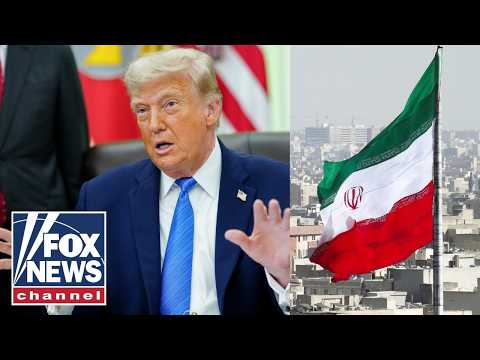
    Former President Donald Trump issued a stark declaration on June 28, 2026. He stated that Iran “will no longer exist” if ceasefire violations continue. This direct warning was broadcast across major news networks, including Fox News and CNN.

    Trump’s statement specifically cited recent aggressions in the Gulf of Oman, where commercial shipping lanes have experienced increased targeting. He also referenced Iran’s continued support for various proxy militias operating in Syria, which have been linked to breaches of existing de-escalation agreements.

    The Immediate Context of Trump’s Warning

    The former President’s remarks came during a rally in Phoenix, Arizona. He detailed what he described as a pattern of unprovoked actions. These actions, according to Trump, undermine regional stability and international agreements.

    Aggressions in the Gulf of Oman

    Recent reports from international maritime security agencies have documented multiple incidents in the Gulf of Oman. These include drone attacks and attempts to board commercial vessels. While no definitive attribution was made in all cases, intelligence assessments have frequently pointed towards Iranian-backed elements.

    Proxy Activities in Syria

    In Syria, ceasefire agreements brokered by various international parties have been routinely challenged. Iranian-backed militias have been accused of violating these terms. These violations often involve cross-border shelling and expansion into demilitarized zones.

    International Reactions and Geopolitical Implications

    Trump’s statement immediately drew attention from global leaders and diplomatic bodies. The severity of the language used suggests a potential shift in policy, should he return to office.

    Statements from World Leaders

    The United Nations Security Council convened an emergency session to discuss the escalating rhetoric. Secretary-General António Guterres urged de-escalation from all parties. European Union officials expressed concern over the potential for wider conflict in the Middle East.

    Iranian Response

    Iranian Foreign Minister Hossein Amir-Abdollahian condemned Trump’s remarks as “provocative and baseless.” He reiterated Iran’s stance on regional security, asserting its right to defend its interests. The Iranian Revolutionary Guard Corps (IRGC) also issued a statement, vowing a “crushing response” to any aggression.

    Historical Precedent and Ongoing Tensions

    Relations between the United States and Iran have been fraught for decades. Multiple administrations have grappled with Iran’s nuclear program and its regional influence. Former President Trump’s previous term saw the withdrawal from the Joint Comprehensive Plan of Action (JCPOA) and the imposition of stringent sanctions.

    The JCPOA and Sanctions

    The 2015 nuclear deal, known as the JCPOA, aimed to limit Iran’s nuclear capabilities in exchange for sanctions relief. The Trump administration withdrew from this agreement in 2018. This action reimposed and expanded sanctions, severely impacting Iran’s economy.

    Regional Power Dynamics

    The Middle East remains a complex geopolitical landscape. Iran’s relationships with neighboring countries, its support for groups like Hezbollah and the Houthis, and its rivalry with Saudi Arabia contribute to persistent instability. Ceasefire agreements are frequently tested within this intricate web of alliances and conflicts.

    The current declaration by Donald Trump adds another layer of complexity. It underscores the fragility of existing de-escalation efforts. It also highlights the deep-seated distrust that characterizes U.S.-Iran relations.

  • Trump Seeks Diplomatic Offramp with Iran Amid Rising Tensions

    Trump Seeks Diplomatic Offramp with Iran Amid Rising Tensions

    Donald Trump is actively seeking a diplomatic offramp to de-escalate the current geopolitical standoff with Iran. According to June 21, 2026, reporting from Bloomberg Television, backchannel negotiations are underway to prevent further military escalation in the Persian Gulf. The move represents a sudden pivot. Tensions in the region have dominated recent weeks. Now, the focus shifts toward avoiding direct military or economic confrontation.

    The Bloomberg Television Broadcast

    Early reports on June 21 broke across multiple financial and global news outlets. Bloomberg Television led the coverage. Sources indicate that Trump is looking for a viable exit strategy to ease the pressure with Tehran. The exact nature of the proposed de-escalation remains classified.

    The strategy involves complex backchannel communications. Regional intermediaries in the Middle East, primarily Oman and Qatar, often facilitate these high-stakes messages. The immediate goal is to provide both Washington and Tehran a way to step back. Neither side wants to lose domestic political capital. Both sides want to avoid crossing unmanageable red lines.

    Shifting Stances in the Persian Gulf

    The relationship between the United States and Iran remains historically volatile. Economic sanctions, nuclear enrichment parameters, and regional proxy conflicts keep the baseline tension high. A deliberate search for an offramp suggests that recent escalations have reached a critical threshold.

    The spring of 2026 saw a rapid deterioration of maritime security. Commercial shipping faced increased harassment. Insurance premiums for oil tankers transiting the Strait of Hormuz spiked. Global energy markets registered the instability immediately. The United States responded by increasing its naval footprint. Iran countered with coastal defense mobilizations. The escalation ladder offered few safe exits.

    Economic Pressures and Energy Markets

    Financial markets reacted immediately to the Bloomberg report. Crude oil futures historically fluctuate on any news out of the Persian Gulf. A potential de-escalation signals stability for global energy markets and commercial shipping lanes. The Strait of Hormuz remains a vital chokepoint for global trade.

    Domestic economic factors heavily influence these foreign policy decisions. Energy prices remain a critical vulnerability. A sustained conflict would disrupt millions of barrels of daily oil exports. Gasoline prices in the United States would surge. Iran faces even starker economic realities. Years of compounding sanctions have isolated the Iranian economy. A diplomatic offramp offers a temporary release valve for both nations.

    A Developing Diplomatic Situation

    Details regarding specific concessions, diplomatic frameworks, or timelines remain unconfirmed. Diplomatic offramps require careful maneuvering. Public rhetoric must eventually align with backroom reality.

    Updates will follow as international observers and administration officials clarify the next steps. The situation is highly fluid. The geopolitical stakes are massive. Regional allies, including Israel and Saudi Arabia, are monitoring the backchannel communications closely. Any shift in American posture reshapes the entire Middle Eastern security architecture.

    Frequently Asked Questions

    Why is Donald Trump seeking an offramp with Iran?

    According to June 21, 2026, reports from Bloomberg Television, Donald Trump is seeking a diplomatic offramp to de-escalate rising geopolitical tensions in the Persian Gulf. The administration aims to avoid a direct military confrontation.

    What does a diplomatic offramp with Iran mean?

    A diplomatic offramp refers to a negotiated exit strategy. It allows both the United States and Iran to step back from military or severe economic escalation without appearing weak to their respective domestic audiences.

    Who reported the Trump Iran offramp story?

    Bloomberg Television first broke the story on June 21, 2026. The network cited sources familiar with the ongoing backchannel diplomatic efforts between Washington and Tehran.

    Carriers patrol. Markets calculate. Intermediaries whisper.

    Washington.

  • Rep. Tim Burchett Warns the Fine Print of the 2026 U.S.-Iran Framework Is Critical

    Rep. Tim Burchett Warns the Fine Print of the 2026 U.S.-Iran Framework Is Critical

    The unwritten terms of the June 2026 U.S.-Iran nuclear framework hinge entirely on the fine print, according to Representative Tim Burchett. As the State Department negotiates through Omani intermediaries to cap Iranian uranium enrichment at 60 percent in exchange for sanctions relief, the Tennessee Republican warns that broad diplomatic strokes mean nothing. The focus remains on verifiable commitments, the exact dollar amounts of unfrozen assets, and the long-term security implications for the Middle East. What looks like a de-escalation strategy in Washington can quickly fund proxy conflicts if the details fail to protect American interests.

    This is not a new dynamic for the House Foreign Affairs Committee. The history of U.S.-Iran relations is defined by mistrust, complex backchannel negotiations, and agreements that are heavily scrutinized by lawmakers on both sides of the aisle. The stakes in 2026 involve nuclear non-proliferation, the security of Red Sea shipping lanes, and the global energy market. When a representative like Burchett emphasizes the details, it signals a broader congressional intent to examine every clause, every financial waiver, and every enforcement protocol before allowing the executive branch to bypass legislative oversight.

    Burchett has consistently argued that money is fungible. When the United States unfreezes billions of dollars in Iranian assets, even if restricted to humanitarian use, it frees up equivalent funds in Tehran’s domestic budget. Those domestic funds, Burchett notes, are routinely funneled to the Islamic Revolutionary Guard Corps (IRGC). The fine print of the 2026 framework is not just about uranium; it is about the exact mechanisms tracking where the money flows.

    The 2026 Framework and the Omani Backchannel

    Diplomatic agreements with Tehran are rarely signed on public stages. They are intricate webs of conditional actions, phased relief, and unwritten understandings. In the context of the June 2026 negotiations, the talks are mediated by officials in Muscat, Oman, and Doha, Qatar. The Biden administration seeks to limit Iran’s nuclear program and curb its support for proxy groups. Iran seeks relief from economic sanctions and access to billions of dollars tied up in foreign banks.

    The challenge lies in the sequencing and the verification. The State Department, led by figures like Middle East coordinator Brett McGurk, has pursued an unwritten “understanding” rather than a formal treaty. This approach theoretically avoids triggering the Iran Nuclear Agreement Review Act (INARA) of 2015, which requires congressional approval for formal nuclear treaties with Iran. Burchett and his colleagues on the Foreign Affairs Committee view this strategy as a deliberate evasion of the law.

    If the U.S. issues sanctions waivers too quickly, it loses leverage. If Iran feels the economic relief is delayed, it accelerates its nuclear activities. The details Burchett refers to are the exact mechanisms that govern this delicate balance. How are banking transactions monitored in Doha? What is the timeline for the Iraqi electricity waivers? What happens if Iran resumes 90 percent weapons-grade enrichment? These are the specific questions that define the framework.

    The Precedent of Frozen Assets

    A critical component of the 2026 negotiations involves the continuous renewal of sanctions waivers. In previous years, such as the late 2023 transfer of $6 billion from South Korea to Qatar, the funds were ostensibly locked down for food and medicine. By 2026, the focus has shifted to roughly $10 billion in Iraqi payments for Iranian electricity, held in escrow accounts in Oman.

    Burchett has repeatedly pointed out the flaws in this financial architecture. The Treasury Department insists the funds are heavily monitored. However, Burchett argues that the mere availability of these funds emboldens Tehran. The details matter because the banking protocols dictating how these funds are disbursed are notoriously opaque. Lawmakers demand to see the exact treasury guidance provided to Omani banks to ensure no loopholes exist.

    Burchett’s Demand for INARA Compliance

    The political environment in Washington heavily influences how any U.S.-Iran arrangement is executed. Congress established INARA to ensure lawmakers have a voice in the process and can hold the administration accountable. The legislation mandates that any agreement related to Iran’s nuclear program be submitted to Congress for a review period.

    When Burchett states that the details are critical, he is challenging the administration’s classification of the deal as an “unwritten understanding.” Chairman Michael McCaul and other committee members have subpoenaed documents and demanded briefings to drag the details into the light. There is a strong consensus among Republicans that past financial concessions have directly funded Iran’s broader destabilizing activities across the region.

    Any new financial waiver faces intense scrutiny. Lawmakers are dissecting the text of the Treasury Department’s communications to ensure they do not compromise national security. Bypassing INARA, according to Burchett, sets a dangerous precedent where the executive branch can alter global security dynamics without the consent of the American people.

    Verification at Fordow and Natanz

    Beyond the money, the physical verification of Iran’s nuclear sites remains a massive hurdle. The International Atomic Energy Agency (IAEA), led by Director General Rafael Grossi, plays a central role in monitoring facilities like Fordow and Natanz. However, Iran removed dozens of IAEA surveillance cameras in 2022, creating a massive blind spot that persists into 2026.

    Burchett has highlighted this lack of visibility. An agreement to cap enrichment at 60 percent is meaningless if inspectors cannot verify the centrifuge cascades. Recent IAEA reports in May 2026 indicated that Iran had installed advanced IR-6 centrifuges deep underground at Fordow. The level of access granted to inspectors, the frequency of unannounced visits, and the protocols for resolving disputes are the specific details Burchett demands to see.

    Enforcement mechanisms are equally critical. If Iran is found to be enriching uranium beyond the agreed limit, what are the immediate consequences? The concept of “snapback” sanctions is often debated, but its effectiveness depends on European allies in London, Paris, and Berlin actually enforcing the penalties. The details of how these snapback mechanisms are triggered without a formal UN Security Council resolution are a primary concern for the House Foreign Affairs Committee.

    The Proxy Funding Equation

    A U.S.-Iran deal does not exist in a vacuum. It has profound implications for the broader Middle East and for U.S. allies like Israel and Saudi Arabia. These nations view Iran as an existential threat and are deeply concerned about any financial relief that might legitimize Tehran’s government. They fear that unfreezing assets directly correlates to increased rocket fire and drone attacks across the region.

    Burchett frequently connects the dots between sanctions relief and proxy violence. The Houthis in Yemen, heavily armed by the IRGC, have continually disrupted global shipping in the Red Sea and the Bab el-Mandeb strait throughout 2025 and 2026. Hezbollah in Lebanon and Hamas in Gaza rely on Iranian logistics and funding to maintain their operations. Burchett argues that ignoring these proxies in the nuclear negotiations is a fatal flaw in the administration’s strategy.

    The details of the 2026 framework must address these regional realities. Lawmakers are looking for assurances that the agreement does not alter the balance of power. They are examining whether the unwritten understanding includes any verifiable halt to the production of Shahed-136 suicide drones, which Iran has not only used in the Middle East but also exported heavily to Russia.

    The Broader Geopolitical Context

    The U.S.-Iran dynamic is further complicated by the roles of Moscow and Beijing. Both countries have significant economic and strategic interests in Iran. China remains the largest buyer of illicit Iranian crude oil, effectively keeping the Iranian economy afloat despite U.S. sanctions. Russia relies on Iranian drone technology for its ongoing military operations.

    Burchett has noted that dealing with Iran in 2026 means dealing with this broader autocratic axis. Sanctions relief granted by Washington might simply facilitate easier trade between Tehran and Beijing. The details of the Treasury Department’s enforcement of secondary sanctions on Chinese independent refineries, known as “teapots”, are just as important as the nuclear enrichment caps.

    Congressional Oversight and the Next Steps

    As the summer of 2026 progresses, the standoff between the House Foreign Affairs Committee and the State Department continues. Burchett and his colleagues are preparing further legislative roadblocks to prevent the unilateral unfreezing of Iranian assets. They are drafting amendments to the National Defense Authorization Act (NDAA) to explicitly tie any sanctions waivers to INARA compliance.

    The focus remains strictly on the fine print. Broad promises of de-escalation hold no weight in congressional hearings. The exact text of banking waivers, the precise number of operating centrifuges at Natanz, and the specific telemetry data of Houthi missile launches are the metrics by which this framework will be judged.

    Representative Tim Burchett has made the strategy clear. The committee will pull at every thread. They will demand every document. They will question every Treasury official involved in the Omani backchannel. The era of unwritten understandings passing without scrutiny has ended.

    Diplomats drafted memos. Inspectors calibrated cameras. Lawmakers read the fine print. Washington.

  • The Lebanon Ultimatum – How Trump Linked Iran’s Proxy War to the Nuclear Table

    The Lebanon Ultimatum – How Trump Linked Iran’s Proxy War to the Nuclear Table

    President Donald Trump has explicitly threatened to collapse ongoing nuclear negotiations with Iran if Tehran does not immediately halt its military support and weapons transfers to Hezbollah forces in Lebanon. The ultimatum, delivered as diplomatic talks reached a fragile stage on June 21, 2026, formally links America’s nuclear diplomacy to Iran’s proxy warfare on the Israeli-Lebanese border. The message was delivered without ambiguity. Washington will not separate the nuclear file from the regional map.

    In many ways, this represents a return to the maximum pressure architecture of the previous decade. But the geopolitical board has fractured. What looks like a standard diplomatic standoff is actually a high-stakes recalibration of Middle Eastern power dynamics. The administration is forcing Tehran to choose between vital sanctions relief and its most valuable regional proxy.

    The Architecture of an Ultimatum

    For years, Western diplomats attempted to compartmentalize the Middle East. The nuclear threat sat on one table. Regional terrorism sat on another. That era of diplomatic firewalling is over. The Trump administration has formally merged the dockets.

    The shift was triggered by a surge in intelligence. Throughout the spring of 2026, U.S. and Israeli surveillance tracked an unprecedented volume of precision-guided munitions moving from the Islamic Revolutionary Guard Corps (IRGC) into the Bekaa Valley. These weapons were destined for Hezbollah, the heavily armed Shiite militant group that controls southern Lebanon. The transfers included advanced guidance kits designed to upgrade Hezbollah’s existing stockpile of 150,000 unguided rockets.

    The administration viewed the transfers as a direct provocation. Negotiating a freeze on uranium enrichment while Iran simultaneously armed a proxy force on Israel’s northern border was deemed politically and strategically untenable. The ultimatum was drafted. The message was passed through backchannels in the Swiss embassy in Tehran and directly to negotiators in the Gulf.

    “We will not fund the destruction of our allies by lifting sanctions while the IRGC arms the Levant. The nuclear talks end if the weapons to Lebanon do not.”

    The directive fundamentally altered the negotiations. It placed the supreme leadership in Tehran in an impossible position. Abandoning Hezbollah means surrendering forty years of forward-defense strategy. Abandoning the nuclear talks means embracing economic ruin.

    The Shadow War in the Levant

    To understand the ultimatum, one must look at the Blue Line. The United Nations-demarcated border between Israel and Lebanon has been a powder keg since the brutal skirmishes of late 2024 and 2025. Hezbollah operates as a state within a state. It is the crown jewel of Iran’s “Axis of Resistance.”

    Hezbollah is not merely a militia. It is a highly trained, battle-hardened army. Iran provides the group with an estimated $700 million annually in financial support, alongside a steady stream of military hardware. This arsenal is positioned aggressively south of the Litani River, in direct violation of UN Security Council Resolution 1701.

    The Trump administration’s intelligence briefings highlight a specific threat: the proliferation of Fateh-110 ballistic missiles. These weapons possess the range and accuracy to strike critical infrastructure deep inside Israel, including the port of Haifa and the Ben Gurion Airport in Tel Aviv. By threatening the nuclear talks over these specific weapons, Washington is attempting to defuse a regional war before it detonates.

    The Centrifuges of Fordow

    While the focus shifts to Beirut, the centrifuges continue to spin in Iran. The nuclear reality of 2026 is vastly more dangerous than the landscape of 2018, when the United States first exited the Joint Comprehensive Plan of Action (JCPOA).

    Today, Iran is a threshold nuclear state. The International Atomic Energy Agency (IAEA), led by Director General Rafael Grossi, reports that Tehran is enriching uranium to 60 percent purity at its heavily fortified underground facilities at Fordow and Natanz. This is a technical hairsbreadth away from the 90 percent purity required for weapons-grade material.

    The backchannel talks in Muscat, Oman, were designed to halt this progress. The proposed framework was a “freeze-for-freeze” agreement. Iran would cap its enrichment at 60 percent and dilute a portion of its stockpile. In exchange, the United States would unfreeze approximately $15 billion in Iranian assets held in restricted accounts in South Korea and Iraq. The funds were strictly earmarked for humanitarian use.

    Trump’s Lebanon ultimatum has frozen the freeze. State Department negotiators have been instructed to walk away from the table in Oman if the IRGC Quds Force, commanded by Esmail Qaani, does not cease its logistical flights into Beirut-Rafic Hariri International Airport.

    The Economic Vice

    The alternative to diplomacy is a return to total economic warfare. The Trump administration has prepared a sweeping package of secondary sanctions designed to target the shadow fleet of oil tankers that keep the Iranian economy afloat.

    • Targeting the Teapots: New sanctions will directly penalize the independent Chinese refineries, known as “teapots,” that purchase millions of barrels of heavily discounted Iranian crude every month.
    • Financial Blacklisting: The Treasury Department has drawn up lists of front companies in the United Arab Emirates and Malaysia that facilitate Iranian money laundering.
    • Maritime Interdiction: The U.S. Navy’s Fifth Fleet, based in Bahrain, is preparing for enhanced interdiction operations to seize illicit oil shipments in the Strait of Hormuz.

    Iran’s economy is fragile. Inflation hovers above 40 percent. The national currency, the rial, trades at historic lows on the unregulated open market. The $100 billion shadow economy orchestrated by the IRGC is the only mechanism keeping the state solvent. The administration believes this economic desperation is its ultimate leverage.

    The Israeli Calculus

    Looming over the diplomatic standoff is the shadow of Jerusalem. Prime Minister Benjamin Netanyahu and the Israeli defense establishment have made their position clear. Israel will not tolerate a nuclear Iran. Israel will not tolerate a precision-guided Hezbollah.

    The Israel Defense Forces (IDF) Northern Command is fully mobilized. Contingency plans for a preemptive strike on Hezbollah’s missile depots in the Bekaa Valley are updated weekly. The Israeli Air Force routinely conducts simulated strike missions over the Mediterranean, practicing the complex refueling and evasion maneuvers required to penetrate Iranian airspace.

    Trump’s ultimatum is, in part, an effort to restrain Israel. By taking a hardline stance on Lebanon and linking it to the nuclear file, Washington is signaling to Jerusalem that America will handle the threat diplomatically and economically. If the talks collapse, however, the U.S. may step aside and allow Israel to act militarily.

    The Tehran Dilemma

    Supreme Leader Ali Khamenei faces a historic choice. The 87-year-old cleric has spent his entire tenure building the “Axis of Resistance” as an insurance policy against Western regime change. Hezbollah is the ultimate deterrent. If Israel or the United States strikes Iran’s nuclear facilities, Hezbollah is designed to unleash hell on Tel Aviv.

    To stop arming Hezbollah is to dismantle the deterrent. But to continue arming Hezbollah is to invite the collapse of the nuclear talks, the triggering of catastrophic new sanctions, and the potential for direct military conflict with the United States.

    President Masoud Pezeshkian, who campaigned in 2024 on a platform of sanctions relief and economic pragmatism, is pushing for a compromise. The IRGC hardliners are pushing for defiance. The internal power struggle in Tehran will determine the fate of the Middle East.

    The Final Move

    The board is set. The pieces are locked in place. The diplomatic firewall has been burned to the ground. The United States has demanded a total surrender of Iran’s regional strategy in exchange for nuclear stabilization.

    Diplomats gather in quiet rooms in Oman. Soldiers mass along the Litani River. Centrifuges spin in the underground bunkers of Fordow.

    Midnight.

    Next in the Series: The Shadow Fleet

    Next in the Series: How the IRGC uses a fleet of aging, uninsured oil tankers to bypass Western sanctions and fund its proxy wars across the Middle East.

  • Andy Burnham’s Victory Pressures UK PM; US-Iran Talks Halted – Global Repercussions

    Andy Burnham’s Victory Pressures UK PM; US-Iran Talks Halted – Global Repercussions

    Burnham’s Win and Sunak’s Challenge

    Andy Burnham’s recent political triumph in the United Kingdom has intensified the political pressure on Prime Minister Rishi Sunak and the ruling Conservative Party. The outcome, confirmed on June 19, 2026, signals a potential shift in the British political landscape, prompting renewed debate over the government’s mandate and future direction.

    Burnham, a prominent figure within the Labour Party, secured a significant mandate, reinforcing his position as a key voice in UK politics. This victory is widely interpreted as a barometer of public sentiment, reflecting growing discontent with the current government’s policies and performance.

    The win comes at a critical juncture for Prime Minister Sunak. His administration faces ongoing challenges, including economic headwinds, public service pressures, and internal party divisions. Burnham’s success adds another layer of complexity to the Prime Minister’s efforts to consolidate power and prepare for the next general election, constitutionally due by January 2025 but widely anticipated in 2024 or 2025.

    The Political Landscape of the UK

    The United Kingdom’s political environment remains volatile. Recent polling data, prior to Burnham’s victory, consistently showed the Labour Party holding a substantial lead over the Conservatives. This electoral result further underscores the difficulties the Conservative Party faces in regaining public trust and momentum.

    Sunak, who assumed office in October 2022 following a period of political turmoil, has focused on stabilizing the economy and delivering on key pledges. However, the impact of these efforts has been limited, according to recent economic indicators and public surveys.

    Burnham’s platform often emphasizes regional empowerment, social justice, and addressing inequalities. His success is seen as a validation of these priorities, resonating with a significant portion of the electorate that feels marginalized by Westminster-centric policies.

    Implications for the Next General Election

    The timing of Burnham’s victory is particularly significant. With a general election on the horizon, every electoral contest is scrutinized for clues about national voting intentions. This result provides further evidence of a potential swing away from the Conservative Party.

    Labour Party leader Keir Starmer has been working to position his party as a credible alternative government. Burnham’s win provides a morale boost for Labour and strengthens the narrative of a party gaining ground across the country.

    For Prime Minister Sunak, the challenge is clear: he must articulate a compelling vision for the UK that can counter Labour’s momentum. The pressure to deliver tangible results and demonstrate effective leadership will only intensify in the coming months.

    US-Iran Talks Halted: A Diplomatic Setback

    Simultaneously, international diplomatic efforts faced a significant setback on June 19, 2026, as crucial nuclear negotiations between the United States and Iran were abruptly called off. The talks, which had been taking place in Muscat, Oman, aimed to de-escalate tensions and potentially revive aspects of the Joint Comprehensive Plan of Action (JCPOA).

    The cancellation of these talks, confirmed by official sources from both the US State Department and Iran’s Foreign Ministry, has raised alarms among international observers. It signals a potential hardening of positions and a reduction in diplomatic channels available for addressing the Iranian nuclear program.

    Muscat has frequently served as a neutral ground for indirect discussions between Washington and Tehran. The Sultanate of Oman has historically played a mediating role, facilitating communication between the two adversaries on various issues.

    Background of the Nuclear Negotiations

    The JCPOA, signed in 2015, placed limits on Iran’s nuclear activities in exchange for sanctions relief. However, the agreement began to unravel in 2018 when the United States, under then-President Donald Trump, withdrew from the accord and reimposed sanctions.

    Iran, in response, gradually reduced its compliance with the JCPOA’s restrictions, increasing its uranium enrichment levels and expanding its nuclear infrastructure. Efforts to revive the deal have been ongoing for several years, with intermittent periods of progress and stagnation.

    The current talks in Oman were understood to be indirect, with Omani officials shuttling between American and Iranian delegations. The goal was to explore pathways for de-escalation and to establish a framework for future, more comprehensive discussions.

    Reasons for the Cancellation

    Neither the US nor Iran provided a detailed explanation for the immediate cessation of the talks. However, diplomatic sources familiar with the negotiations suggested fundamental disagreements persisted on key issues.

    One major sticking point has consistently been the scope of sanctions relief sought by Iran and the verifiable steps Iran is willing to take to roll back its nuclear advancements. The US has maintained that any agreement must ensure Iran cannot develop nuclear weapons.

    Another factor may involve regional dynamics. Tensions in the Middle East remain high, with ongoing conflicts and proxy confrontations. These regional issues often complicate efforts to achieve a breakthrough on the nuclear file.

    Global Repercussions and Future Outlook

    The cancellation of the US-Iran talks carries significant global repercussions. It increases the risk of a renewed nuclear crisis in the Middle East, potentially leading to further instability in a region vital for global energy supplies.

    International organizations, including the International Atomic Energy Agency (IAEA), have expressed concern over the lack of diplomatic progress. The IAEA has consistently called for full Iranian cooperation with its inspectors to ensure the peaceful nature of its nuclear program.

    The breakdown of talks also sends a message to other states regarding the efficacy of multilateral diplomacy in addressing complex geopolitical challenges. The path forward now appears less clear, with increased reliance on unilateral actions or further escalation.

    Interconnected Global Instability

    The simultaneous developments in the UK and the Middle East highlight a period of interconnected global instability. Domestic political pressures in key Western nations often have ripple effects on international policy decisions.

    A UK government preoccupied with internal challenges may have less capacity or political capital to engage robustly on the international stage. This could impact alliances, trade agreements, and diplomatic initiatives.

    Conversely, international crises, such as the halted US-Iran talks, can exacerbate domestic political difficulties. The economic consequences of regional instability, particularly in energy markets, can directly affect citizens and fuel public discontent.

    The Role of Public Opinion

    Public opinion plays an increasingly significant role in shaping both domestic and foreign policy. In the UK, Andy Burnham’s win reflects a public desire for change and accountability. This sentiment can influence how the government approaches international commitments.

    Globally, citizens are increasingly aware of geopolitical developments through real-time news and social media. The cancellation of crucial talks like those between the US and Iran can generate public anxiety and demand for clarity from their respective governments.

    The pressure on leaders, both domestically and internationally, is immense. They must navigate a complex web of internal expectations and external threats, often with limited room for error.

    What Lies Ahead?

    For the UK, the focus will now turn to Prime Minister Sunak’s strategy for addressing the challenges posed by Burnham’s success and the broader political climate. Expect renewed efforts to articulate a clear vision for the Conservative Party and to prepare for the upcoming general election.

    In the Middle East, the immediate future of US-Iran relations remains uncertain. Without a direct diplomatic channel, the risk of miscalculation or escalation increases. International efforts may shift towards alternative diplomatic avenues or increased sanctions pressure.

    The global community will watch closely for any signs of renewed engagement or further deterioration in these critical areas. The events of June 19, 2026, serve as a stark reminder of the fluid and unpredictable nature of contemporary politics and international relations.

    Leaders gathered. Diplomats gathered. Citizens gathered. Uncertainty.

  • The Leverage Exchange – Who Actually Wins in a US-Iran Deal?

    The Leverage Exchange – Who Actually Wins in a US-Iran Deal?

    When analyzing who benefits more from a United States and Iran diplomatic deal, the answer depends entirely on the metric of success. Iran secures immediate financial liquidity and sanctions relief, while the United States secures temporary caps on uranium enrichment and the return of detained citizens. They do not trade in the same currency.

    This fundamental asymmetry defines every negotiation between Washington D.C. and Tehran. The two nations have not maintained formal diplomatic relations since the 1979 Islamic Revolution and the subsequent hostage crisis. Every agreement forged in the decades since has been transactional, highly scrutinized, and fiercely debated in both capitals.

    From the 2015 Joint Comprehensive Plan of Action (JCPOA) to the September 2023 prisoner swap involving $6 billion in unfrozen assets, the architecture of the deals remains consistent. One side holds the keys to the global financial system. The other holds the dials to nuclear centrifuges.

    The Architecture of Asymmetric Leverage

    Negotiations between the United States and the Islamic Republic of Iran are rarely about mutual prosperity. They are exercises in mutual containment. The leverage each side brings to the table dictates the terms of the eventual compromise.

    The United States wields the power of the U.S. Treasury Department. Through the Office of Foreign Assets Control (OFAC), Washington maintains a complex web of primary and secondary sanctions. These financial weapons effectively lock Iran out of the SWIFT global banking system. They threaten foreign banks and corporations with massive penalties if they process Iranian transactions. This leverage is designed to strangle the Iranian economy, limit its oil exports, and force its leadership to the negotiating table.

    Iran counters with geographic and scientific leverage. Tehran controls the Strait of Hormuz, a critical chokepoint for global oil shipments. More importantly, it controls the Natanz and Fordow nuclear facilities. When Washington applies maximum economic pressure, Tehran responds by spinning advanced IR-6 centrifuges. They enrich uranium from civilian-grade 3.67 percent to 20 percent, and eventually to 60 percent, just a technical step away from the 90 percent required for a nuclear weapon.

    Iran also utilizes a human element. The detention of Western dual-nationals on charges of espionage serves as a grim but effective diplomatic bargaining chip. When the two sides finally sit down, usually through intermediaries, they are trading money for time, and people for centrifuges.

    The View from Tehran: Liquidity and Survival

    For the government in Tehran, led by Supreme Leader Ayatollah Ali Khamenei, a deal is primarily a mechanism for economic survival. The Iranian economy operates under severe distress. Inflation regularly tops 40 percent. The national currency, the rial, frequently plummets to record lows against the U.S. dollar on the unregulated market.

    When Iran negotiates, it demands access to its own money. Decades of sanctions have left tens of billions of dollars in Iranian oil revenue trapped in foreign banks. South Korea, Iraq, and Japan have all held massive reserves of Iranian funds, unable to transfer the money to the Central Bank of Iran without triggering U.S. secondary sanctions.

    Unfreezing the Billions

    The September 2023 agreement perfectly illustrates Tehran’s calculus. In exchange for the release of five detained Iranian-Americans, the Biden administration issued a sanctions waiver. This waiver allowed South Korean banks to convert $6 billion in frozen Iranian won into euros. The funds were then transferred to the central bank of Qatar in Doha.

    For Iran, this was a massive victory. Even though the funds were placed in restricted accounts, theoretically limited to humanitarian purchases like food, medicine, and agricultural products, money is fungible. Accessing $6 billion for domestic necessities frees up $6 billion in the national budget for other priorities. Those priorities often include funding the Islamic Revolutionary Guard Corps (IRGC) and supporting regional proxy networks like Hezbollah in Lebanon and the Houthis in Yemen.

    Tehran views these deals as a necessary pressure release valve. They secure enough capital to quiet domestic unrest and stabilize the rial, without fundamentally altering their long-term strategic posture in the Middle East.

    The View from Washington: Time and Containment

    For the United States, the calculus is entirely different. Washington does not need Iranian money, Iranian goods, or Iranian goodwill. Washington needs time. Specifically, it needs to extend the “breakout time”, the estimated duration it would take Iran to produce enough fissile material for one nuclear weapon.

    During the Obama administration, the 2015 JCPOA was heralded as a triumph of containment. The United States, alongside the European Union, Russia, and China, agreed to lift crippling economic sanctions. In return, Iran agreed to dismantle two-thirds of its centrifuges, ship 97 percent of its enriched uranium stockpile out of the country, and submit to the most intrusive inspection regime ever implemented by the International Atomic Energy Agency (IAEA).

    The Breakout Clock

    Before the 2015 deal, U.S. intelligence estimated Iran’s breakout time was roughly two to three months. After the JCPOA was implemented, that timeline was pushed back to a year. For Washington, this was the ultimate prize. It removed the immediate threat of a nuclear arms race in the Middle East and delayed the prospect of preemptive military strikes by Israel.

    However, the Trump administration viewed the deal as fundamentally flawed. In May 2018, President Donald Trump officially withdrew the United States from the JCPOA. The administration argued the deal’s “sunset clauses” eventually allowed Iran to resume enrichment, and that it failed to address Iran’s ballistic missile program or its funding of regional terrorism.

    Washington reimposed sanctions. Iran responded by gradually abandoning its commitments under the deal. By 2023, the IAEA reported that Iran had accumulated enough 60 percent enriched uranium to potentially build multiple nuclear devices if enriched further. For the U.S., any new deal is an attempt to reset that clock and regain visibility into facilities like Natanz and Fordow.

    The Role of the Intermediaries

    Because Washington and Tehran refuse to engage in direct, face-to-face diplomacy, third-party nations reap significant geopolitical benefits from the friction. The architecture of a modern U.S.-Iran deal requires trusted middlemen.

    The Sultanate of Oman has historically served as the quiet backchannel. Muscat hosted the secret talks in 2012 and 2013 that laid the groundwork for the JCPOA. Oman’s strict adherence to neutrality allows U.S. and Iranian diplomats to stay in separate hotels while Omani officials shuttle messages between them.

    More recently, Qatar has emerged as the primary broker. Doha possesses the financial infrastructure and the diplomatic ties necessary to facilitate complex transactions. During the 2023 prisoner swap, Qatar did not just pass messages; it acted as the financial guarantor. The $6 billion in unfrozen assets sits in Qatari banks. The Qatari government is responsible for monitoring the accounts and ensuring the funds are only used for approved humanitarian purchases.

    By mediating these deals, nations like Qatar and Oman elevate their status on the global stage. They make themselves indispensable to the United States while maintaining workable relations with the Islamic Republic.

    The Verification Game: The IAEA and Transparency

    A crucial element of any U.S.-Iran agreement is verification. The United States demands proof that Iran is adhering to its nuclear commitments. This burden falls on the International Atomic Energy Agency, headquartered in Vienna.

    When a deal is active, IAEA inspectors are granted unprecedented access. They install cameras in centrifuge manufacturing plants. They monitor uranium mines. They place electronic seals on nuclear material. This transparency is a massive strategic win for Western intelligence agencies.

    When deals collapse, the cameras are turned off. In 2022, Iran disconnected dozens of IAEA surveillance cameras at its nuclear sites. Rafael Grossi, the Director General of the IAEA, warned that the agency was losing continuity of knowledge regarding Iran’s nuclear activities. For Washington, negotiating a new deal is often less about achieving a permanent peace and more about getting the cameras turned back on.

    The Political Costs of Compromise

    Determining who makes out better in these deals also requires examining the domestic political fallout in both nations. In the United States, negotiating with Iran carries a massive political cost.

    Republicans and hawkish Democrats in Congress routinely condemn any sanctions relief as appeasement. When the Biden administration authorized the $6 billion transfer in 2023, critics immediately argued the United States was paying a ransom for hostages. They pointed out that unfreezing funds indirectly subsidizes the IRGC. In Washington, a deal with Iran rarely wins elections, but a failed deal can dominate the news cycle.

    In Tehran, the political dynamics are equally fraught. Hardliners within the Iranian parliament and the IRGC view any compromise with the “Great Satan” as a betrayal of the 1979 revolution. Former President Hassan Rouhani championed the 2015 JCPOA, promising economic prosperity. When the U.S. withdrew in 2018, the Iranian economy crashed, and Rouhani’s moderate faction was discredited. His successor, Ebrahim Raisi, adopted a much harsher stance, demanding absolute guarantees that no future U.S. president could abandon an agreement.

    The Verdict on Leverage

    Who wins? The answer is dictated by time horizons.

    In the short term, Iran frequently emerges as the victor. Tehran secures tangible, immediate assets. A sanctions waiver allows billions of dollars to flow into restricted accounts. Prisoner swaps return Iranian nationals to Tehran. The economic pressure is temporarily relieved, allowing the regime to consolidate power and fund its regional objectives.

    In the long term, the United States achieves its primary strategic objective: stopping the clock. A deal prevents Iran from crossing the nuclear threshold. It averts a regional war. It keeps the global oil markets stable. Washington pays a financial and political price to maintain the geopolitical status quo.

    The Terminal Drop

    Diplomats meet in Vienna. Funds move through Doha. Centrifuges spin in Natanz. Politicians argue in Washington. The architecture of the standoff remains exactly the same.

    Stalemate.

  • The Shadow Accord – How the US and Iran Advance a Quiet Deal Amid Hormuz Skirmishes

    The Shadow Accord – How the US and Iran Advance a Quiet Deal Amid Hormuz Skirmishes

    The United States and Iran are quietly executing an unwritten diplomatic understanding to cap Tehran’s nuclear enrichment and unfreeze billions in sanctioned assets, even as Iranian naval forces continue to harass commercial shipping in the Strait of Hormuz. This dual-track reality defines the modern geopolitical standoff between Washington and Tehran. Diplomats negotiate behind closed doors in the Middle East while fast boats swarm oil tankers in the Persian Gulf. The paradox is intentional. Both nations are seeking a mechanism to de-escalate the threat of a direct military conflict without appearing to capitulate to their respective domestic political bases.

    The framework taking shape is not a formal treaty. It is a choreographed sequence of reciprocal steps. Washington secures a pause on Iran’s march toward weapons-grade uranium and the release of detained American citizens. Tehran secures access to frozen capital required to stabilize a collapsing domestic economy. Yet, the waters of the Middle East remain volatile. The Islamic Revolutionary Guard Corps (IRGC) maintains a posture of calibrated aggression in the world’s most critical maritime chokepoint.

    Understanding this fragile equilibrium requires looking past the daily headlines. The skirmishes at sea and the handshakes in secure diplomatic compounds are not contradictory events. They are two sides of the same strategic coin.

    The Muscat Backchannel

    Direct negotiations between the United States and Iran effectively ended following the collapse of efforts to revive the 2015 Joint Comprehensive Plan of Action (JCPOA). Washington and Tehran do not sit at the same table. Instead, they rely on intermediaries.

    The Sultanate of Oman has historically served as the indispensable bridge between the West and the Islamic Republic. Under the direction of Sultan Haitham bin Tariq, Omani diplomats have facilitated a complex proximity dialogue. US Middle East coordinator Brett McGurk and Iran’s chief nuclear negotiator Ali Bagheri Kani have traveled to Muscat for these indirect talks. They occupy separate rooms. Omani officials shuttle messages back and forth.

    The objective in Muscat is not a grand bargain. The objective is crisis management.

    The Biden administration recognizes that a return to the original JCPOA is politically unviable. The Iranian regime has advanced its nuclear infrastructure too far. The political appetite in Washington for a sweeping deal with Tehran is non-existent. Instead, the focus has shifted to an unwritten “mini-deal” or “understanding.”

    The terms of this quiet arrangement are highly specific. Iran agrees to halt the accumulation of uranium enriched to 60 percent purity. Weapons-grade uranium requires 90 percent purity. By capping enrichment at 60 percent, Iran maintains its nuclear leverage but stops short of crossing the red line that would trigger Israeli or American military strikes against facilities like Natanz and Fordow.

    In exchange, the United States turns a blind eye to a baseline level of Iranian oil exports, primarily to China. Furthermore, Washington facilitates the unfreezing of Iranian assets trapped in foreign banks due to US sanctions. The most prominent example involves roughly $6 billion in Iranian oil revenue held in South Korea, transferred to restricted accounts in Qatar for strictly humanitarian purchases.

    The Theater of the Strait

    While diplomats map out financial transfers in Oman, the physical reality of the conflict plays out in the Strait of Hormuz. This narrow waterway, separating the Arabian Peninsula from Iran, is the arterial vein of the global economy. Approximately 21 million barrels of oil transit the strait every day. That represents roughly 20 percent of global petroleum liquids consumption.

    The US Navy’s Fifth Fleet, headquartered in Manama, Bahrain, patrols these waters to ensure freedom of navigation. Vice Admiral Brad Cooper and US Central Command (CENTCOM) maintain a constant vigil over the shipping lanes. They face an asymmetric adversary.

    The IRGC Navy does not field a fleet of traditional destroyers or aircraft carriers. It relies on a swarm doctrine. Hundreds of heavily armed fast attack craft, coastal defense cruise missiles, and aerial drones form a layered anti-access/area denial (A2/AD) network.

    Over the past two years, the IRGC has systematically harassed, boarded, and seized commercial vessels. In early 2023, Iranian forces seized the Marshall Islands-flagged oil tanker Advantage Sweet in the Gulf of Oman. Days later, they seized the Panama-flagged tanker Niovi as it transited the Strait of Hormuz. These actions trigger immediate alarms in global energy markets and force the Pentagon to deploy additional assets, including F-35 fighter jets and Arleigh Burke-class guided-missile destroyers like the USS Thomas Hudner, to the region.

    The Logic of Calibrated Aggression

    To an outside observer, seizing oil tankers while simultaneously negotiating for sanctions relief appears counterproductive. For the leadership in Tehran, it is entirely rational.

    The Iranian government is not a monolith. The civilian government, led by President Ebrahim Raisi and the Ministry of Foreign Affairs, handles the diplomatic portfolio. The IRGC, which answers directly to Supreme Leader Ayatollah Ali Khamenei, controls the military and regional proxy networks. The IRGC operates with its own institutional imperatives.

    By escalating tensions in the Strait of Hormuz, the IRGC achieves several objectives. First, it demonstrates to domestic hardliners that the regime is not capitulating to Western pressure. Second, it reminds the Gulf Arab states, particularly Saudi Arabia and the United Arab Emirates, of Iran’s geographic dominance over their economic lifelines. Third, it provides the Iranian diplomatic corps with leverage. The implicit message delivered in Muscat is simple: Relieve the economic pressure, or the waters of the Gulf will become unnavigable.

    The skirmishes are carefully calibrated. The IRGC targets commercial vessels, not US Navy warships. A direct attack on an American destroyer would invite a devastating kinetic response. Seizing a Greek-owned, Panama-flagged tanker creates a geopolitical headache without crossing the threshold into all-out war.

    The Washington Calculus

    The Biden administration navigates its own complex domestic landscape. The political toxicity surrounding Iran policy in Washington cannot be overstated.

    Under the Iran Nuclear Agreement Review Act (INARA) of 2015, the US President is required to submit any formal agreement regarding Iran’s nuclear program to Congress for review. A formal treaty would face intense opposition from Republicans and hawkish Democrats on Capitol Hill. It would likely be blocked.

    By pursuing an unwritten, informal understanding, the White House bypasses the INARA requirement. There is no document to sign. There is no treaty to ratify. There are only parallel, unilateral actions. Iran slows its centrifuges. The US Treasury Department issues quiet waivers for frozen funds. The arrangement relies entirely on mutual verification and temporary trust.

    The strategy is a holding pattern. The administration’s primary goal is to keep the Iranian nuclear issue off the crisis agenda ahead of domestic election cycles. A war in the Middle East, or a sudden spike in global gasoline prices caused by a blockade of the Strait of Hormuz, would be politically disastrous.

    The Economic Reality in Tehran

    For Iran, the shadow deal is a matter of regime survival. The Islamic Republic faces unprecedented internal and external pressures.

    The “maximum pressure” sanctions campaign initiated by the Trump administration in 2018 severely crippled the Iranian economy. The national currency, the rial, has plummeted in value, trading at historic lows of over 500,000 to the US dollar on the unregulated market. Inflation routinely hovers above 50 percent. Basic goods, medicine, and food staples are increasingly out of reach for the average Iranian citizen.

    This economic devastation compounded the widespread civil unrest sparked by the death of Mahsa Amini in the custody of the morality police in late 2022. The regime violently suppressed the protests, but the underlying grievances remain. The leadership in Tehran desperately needs a pressure valve.

    Accessing the $6 billion frozen in South Korea, and potentially billions more held in Iraq, provides that valve. Even if the funds are strictly earmarked for humanitarian goods, money is fungible. Relieving the financial burden of importing food and medicine frees up domestic capital for other state priorities.

    The Role of Regional Proxies

    The unwritten understanding extends beyond the nuclear file and maritime shipping. It touches the complex web of Iranian proxy forces across the Middle East.

    The United States maintains a military presence in Iraq and Syria, primarily to counter the remnants of the Islamic State. These US outposts have frequently been targeted by rocket and drone attacks launched by Iran-backed militia groups. Part of the quiet diplomacy involves Tehran reining in these militias.

    When the backchannel talks in Oman make progress, the frequency of attacks on US bases in the Levant noticeably decreases. When talks stall, the rockets return. It is a violent form of Morse code. The IRGC uses its proxy network to dial the pressure up or down based on the status of the financial negotiations.

    The International Atomic Energy Agency

    Verification remains the fundamental flaw in any unwritten agreement. Without a formal treaty, the role of the International Atomic Energy Agency (IAEA) becomes both critical and precarious.

    IAEA Director General Rafael Grossi has repeatedly warned about the diminishing visibility his inspectors have into Iran’s nuclear program. Tehran has disconnected surveillance cameras at key facilities and barred some of the agency’s most experienced inspectors. Under the terms of the shadow accord, Iran is expected to restore a baseline level of cooperation with the IAEA.

    However, the lack of a binding legal framework means Tehran can revoke this access at any moment. The centrifuges at Natanz and Fordow are highly advanced. If Supreme Leader Ali Khamenei makes the political decision to break out and produce weapons-grade uranium, the timeline is measured in weeks, not months. The unwritten deal does not dismantle the nuclear infrastructure. It merely unplugs the machines temporarily.

    The Fragile Equilibrium

    The current state of US-Iran relations is a masterclass in brinkmanship. Both sides are operating at the absolute limit of their adversary’s tolerance.

    The United States accepts a reality where Iran operates as a threshold nuclear state, possessing the knowledge and material to build a weapon, provided they do not take the final step. Iran accepts a reality where its economy remains heavily sanctioned, provided it receives enough financial relief to prevent a total domestic collapse.

    The skirmishes in the Strait of Hormuz will not stop. The IRGC will continue to assert its presence in the Persian Gulf. The US Navy will continue to deploy destroyers and aircraft to deter them. The maritime friction is baked into the geopolitical baseline.

    There is no grand resolution on the horizon. There is only the daily management of hostility. The backchannels remain open. The fast boats remain armed. The diplomats negotiate. The warships patrol. The centrifuges spin.

    Equilibrium.


    Next in the Series: The Architecture of Sanctions – How Global Financial Networks Isolate State Actors.