Tag: Obituary

  • Ralph W. Hemecker, Director of ‘Blue Bloods’ and ‘The X-Files,’ Dies

    Ralph W. Hemecker, Director of ‘Blue Bloods’ and ‘The X-Files,’ Dies

    A Legacy in Television Directing

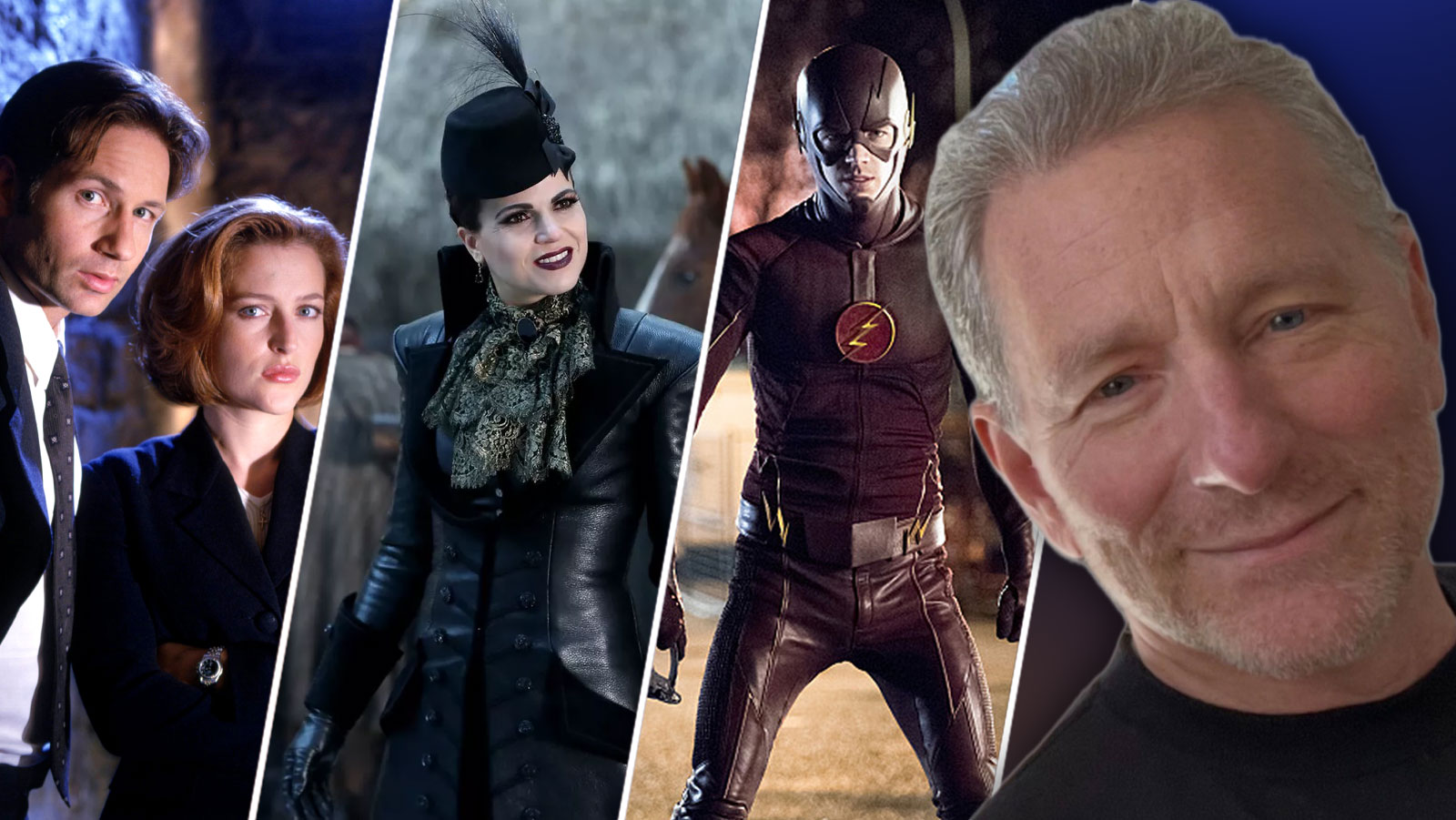
    Ralph W. Hemecker, a director whose work defined many popular television series, has died. His career spanned decades, contributing to some of the most memorable episodic television of recent times. Hemecker’s directorial credits include significant contributions to ‘Blue Bloods,’ ‘The Flash,’ and ‘The X-Files,’ among numerous other productions.

    His passing marks the end of a prolific career that shaped the visual storytelling of genre-defining shows. Hemecker’s impact is evident in the sustained success and critical reception of many long-running series. He left a distinctive directorial voice within the industry, influencing how audiences experienced these narratives.

    The Early Years of a Director

    Ralph W. Hemecker began his journey in the film and television industry during a period of significant growth for episodic content. His early work often involved honing skills in various production roles, learning the intricate mechanics of bringing scripts to the screen. This foundational experience proved crucial for his later success as a director.

    Hemecker developed a reputation for his meticulous attention to detail. He focused on character development through visual cues and the effective use of camera movement. These early projects, though perhaps less widely known, laid the groundwork for his distinctive style. They allowed him to experiment with pacing, tone, and narrative structure within the confines of television production schedules.

    Transition to Directing

    The transition to full-time directing was a natural progression for Hemecker. He demonstrated an innate ability to translate complex scripts into compelling visual stories. Producers and network executives began to recognize his talent for managing large casts and crews while maintaining a consistent artistic vision.

    His early directorial assignments often involved single episodes of established series. These opportunities allowed him to prove his capabilities and build a portfolio of diverse work. The experience gained during this period was instrumental in securing more prominent and recurring directorial roles on major network shows.

    Defining ‘The X-Files’ Aesthetic

    One of Ralph W. Hemecker’s most notable contributions came with ‘The X-Files.’ This iconic science fiction series, which premiered in 1993, became a cultural phenomenon. Hemecker directed multiple episodes, helping to solidify its unique blend of suspense, horror, and government conspiracy.

    His work on ‘The X-Files’ often involved crafting atmospheric tension and visual ambiguity. He utilized shadow and light to enhance the show’s mysterious tone. Hemecker understood the subtle nuances required to portray the paranormal and the unexplained effectively, making each episode a standalone cinematic experience.

    The visual language he helped establish became synonymous with the series. It influenced countless other shows in the science fiction and mystery genres. Fans of ‘The X-Files’ often praised the show’s consistent mood, a testament to the directors, including Hemecker, who meticulously crafted each installment.

    “Hemecker had a knack for making the mundane feel menacing. That was crucial for ‘The X-Files,’ where the threat was often unseen,” noted a former crew member during an industry panel in 2023.

    The Fast-Paced World of ‘The Flash’

    Ralph W. Hemecker also left his mark on the superhero genre, particularly with ‘The Flash.’ This CW series, part of the Arrowverse, required a director who could balance intricate special effects with character-driven drama. Hemecker proved adept at navigating these demands.

    He directed episodes that featured complex action sequences and emotionally resonant character arcs. His ability to visualize superhero powers and integrate them seamlessly into the narrative was a key strength. Hemecker ensured that the spectacle never overshadowed the human element of the story.

    The fast-paced nature of ‘The Flash’ demanded a director who could work efficiently under pressure. Hemecker’s experience across various genres prepared him for this challenge. He became a trusted hand for bringing the comic book world to life on the small screen.

    The Procedural Precision of ‘Blue Bloods’

    ‘Blue Bloods,’ the long-running CBS police procedural, benefited significantly from Ralph W. Hemecker’s directorial touch. The series, known for its family dynamics and realistic portrayal of law enforcement, required a grounded yet engaging approach. Hemecker delivered this consistently across his many episodes.

    His direction emphasized strong performances from the ensemble cast, including Tom Selleck and Donnie Wahlberg. Hemecker understood the rhythm of a police procedural, balancing investigative plotlines with personal character moments. The iconic Reagan family dinners, a staple of the show, often showcased his ability to frame intimate conversations with quiet power.

    Hemecker’s contributions helped maintain the show’s consistent quality over its extensive run. He directed episodes that explored complex moral dilemmas and high-stakes criminal investigations. His work on ‘Blue Bloods’ solidified his reputation as a versatile and reliable director in network television.

    Other Notable Directorial Credits

    Beyond these tentpole series, Ralph W. Hemecker’s filmography is extensive and diverse. He directed episodes for a wide array of popular shows, demonstrating his adaptability and range. These credits include:

    • ‘Stargate SG-1’
    • ‘Stargate Atlantis’
    • ‘Nikita’
    • ‘Beauty and the Beast’ (2012 series)
    • ‘Smallville’
    • ‘The Secret Circle’
    • ‘Bionic Woman’ (2007 series)
    • ‘Terminator: The Sarah Connor Chronicles’
    • ‘V’ (2009 series)

    Each of these series presented unique challenges, from science fiction world-building to action-thriller pacing. Hemecker consistently brought a professional and creative approach to every project. His ability to seamlessly transition between genres made him a sought-after director in the episodic television landscape.

    The Impact on Television Storytelling

    Ralph W. Hemecker’s career coincided with a golden age of television. He was instrumental in shaping the visual identity of many shows that pushed the boundaries of episodic storytelling. His work contributed to the elevated cinematic quality now expected from television productions.

    Directors like Hemecker are the unsung heroes of long-running series. They provide the visual continuity and thematic consistency that allows a show to thrive for years. His keen eye for detail and his ability to elicit strong performances from actors were hallmarks of his craft.

    The legacy of his work lives on in the countless hours of television he directed. These episodes continue to be watched by new generations of viewers, solidifying his place in the annals of television history. He helped define what made network television compelling and enduring.

    A Director’s Dedication

    Hemecker was known for his dedication on set. He fostered collaborative environments, working closely with writers, cinematographers, and actors to realize a shared vision. This collaborative spirit was a key factor in the consistent quality of the episodes he directed.

    His approach to directing was often characterized by a calm demeanor, even amidst the pressures of television production. This professionalism earned him respect from colleagues and crew members alike. He was a director who understood the importance of both artistic integrity and practical execution.

    The industry mourns the loss of a talent who contributed so much to the landscape of television. His work will continue to influence aspiring directors and entertain audiences for years to come. The stories he helped tell will remain a testament to his skill and passion.

    Cameras rolled. Scripts were dissected. Characters came to life. Stories unfolded. Frames were composed. Audiences watched. Legacies were built.

    Hemecker.

  • Scott Bryce Dies at 68: Remembering the ‘As The World Turns’ and ‘Popular’ Actor

    Scott Bryce Dies at 68: Remembering the ‘As The World Turns’ and ‘Popular’ Actor

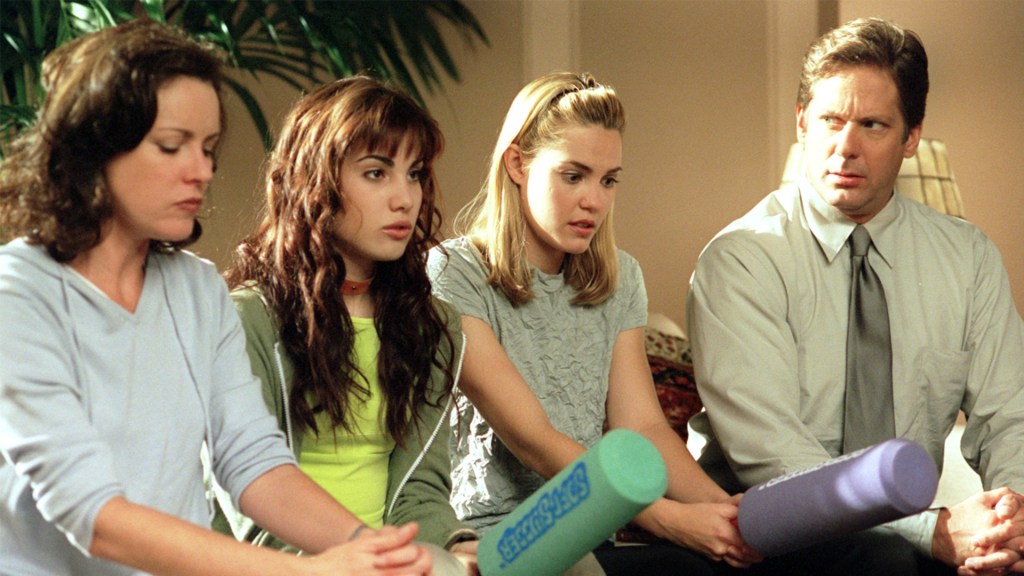
    Scott Bryce, an actor with an extensive career spanning decades in television, film, and theater, died on July 12, 2026, at the age of 68. Bryce was widely recognized for his prominent role as Craig Montgomery on the long-running CBS daytime drama ‘As The World Turns’ and for his performance as Mike McQueen in the WB series ‘Popular’. His passing has prompted a wave of remembrance and condolences from across the entertainment industry and his dedicated fanbase, celebrating his contributions and memorable characters.

    Bryce’s career showcased a remarkable versatility. He moved seamlessly between the demanding schedule of daytime television and the character-driven narratives of primetime and film. His ability to inhabit complex roles resonated with audiences, making him a familiar and respected face on screen.

    Early Life and Career Beginnings

    Scott Bryce was born on January 6, 1958. His early life involved a burgeoning interest in acting, which he pursued with dedication. He honed his craft through various stage productions before making the transition to screen roles.

    The foundational years of his career were critical. They allowed him to develop the range and presence that would later define his most iconic characters. These early experiences provided a strong base for his future success in both dramatic and comedic roles.

    Bryce’s commitment to his craft was evident from the outset. He approached each role, regardless of its size, with a professional intensity. This dedication earned him respect among his peers and directors.

    The Impact of ‘As The World Turns’

    Scott Bryce first joined the cast of ‘As The World Turns’ in 1982. He took on the role of Craig Montgomery, a character who quickly became central to many of the show’s most compelling storylines. His initial tenure lasted until 1987, during which he established Craig as a complex and often troubled figure.

    Craig Montgomery was known for his ambitious nature and his complicated romantic entanglements. Bryce’s portrayal brought depth to the character, making him both infuriating and sympathetic to viewers. This nuanced performance earned him significant recognition.

    Bryce received two Daytime Emmy Award nominations for Outstanding Younger Actor in a Drama Series for his work on ‘As The World Turns’. These nominations underscored the critical acclaim for his performance and his rising profile in daytime television.

    He returned to the role of Craig Montgomery multiple times throughout the show’s run. His subsequent appearances included stints from 1988 to 1991, 1993 to 1994, 2007 to 2008, and a final return in 2010 for the show’s concluding episodes. Each return was met with enthusiasm from long-time fans.

    His long association with the character made Craig Montgomery one of the most enduring figures in the soap opera’s history. Bryce’s consistent portrayal ensured continuity and depth for the character across different eras of the show.

    Venturing into Primetime: ‘Popular’ and Beyond

    Beyond his extensive work in daytime, Scott Bryce also made a significant mark in primetime television. One of his notable roles was Mike McQueen in the WB series ‘Popular’. This series, which aired from 1999 to 2001, explored the social dynamics of high school life with a satirical edge.

    As Harrison John, Bryce played a character who navigated the complexities of adult life surrounding the central teenage drama. His performance contributed to the show’s unique blend of comedy and drama. ‘Popular’ developed a cult following, and Bryce’s role was an integral part of its appeal.

    His work on ‘Popular’ demonstrated his ability to adapt to different narrative styles and target audiences. It broadened his appeal beyond the traditional soap opera viewership. This period marked a successful expansion of his career into new genres.

    Throughout the 1980s, 1990s, and 2000s, Bryce accumulated a substantial list of guest appearances and recurring roles on various popular television shows. These included appearances on ‘The Golden Girls,’ ‘Law & Order,’ ‘Sex and the City,’ ‘Diagnosis: Murder,’ and ‘Reba,’ among many others.

    Each guest spot allowed him to showcase different facets of his acting abilities. He could transition from comedic timing to dramatic intensity with ease. This versatility made him a sought-after character actor in Hollywood.

    Film Roles and Stage Work

    Scott Bryce’s career was not confined to the small screen. He also appeared in several feature films, demonstrating his range on a larger canvas. While perhaps less prolific in film than television, his cinematic contributions added another dimension to his portfolio.

    His film credits included roles in movies such as ‘Lethal Vows’ (1999) and ‘The Last Shot’ (2004). These roles allowed him to explore different character types and work alongside a diverse array of actors and directors.

    In addition to his screen work, Bryce maintained a strong connection to the theater. The stage provided him with an opportunity to engage directly with audiences and explore the nuances of live performance. His theatrical background informed his screen acting, adding a certain depth and discipline to his performances.

    Theater roles allowed him to continuously refine his craft. The immediate feedback and the demanding nature of live acting contributed to his growth as an artist. He was known for bringing a theatrical gravitas to his television and film roles.

    A Legacy of Performance and Professionalism

    Scott Bryce’s career was characterized by consistency and a strong work ethic. He was known among his colleagues for his professionalism and his collaborative spirit. These qualities earned him respect within the often-turbulent entertainment industry.

    His ability to portray complex characters, from the conniving Craig Montgomery to the more grounded Harrison John, spoke to his talent. He made each character memorable through his dedicated performances. Audiences connected with the authenticity he brought to his roles.

    Bryce’s contributions to television, particularly in the soap opera genre, helped shape the landscape of daytime drama for decades. His presence on screen was often a highlight for viewers, drawing them into the narratives he helped create.

    The news of his death on July 22, 2026, brought forth numerous tributes. Colleagues and fans shared memories of his performances and his character. They highlighted his impact on their lives and on the industry.

    His legacy is one of a dedicated actor who consistently delivered compelling performances. He entertained millions and left an indelible mark on the entertainment world. His work will continue to be remembered and appreciated by generations of viewers.

    Tributes and Remembrances

    Upon the announcement of Scott Bryce’s death, social media platforms and entertainment news outlets became flooded with messages of remembrance. Actors, directors, and fans alike shared their condolences and personal anecdotes.

    Many of his former co-stars from ‘As The World Turns’ expressed their sadness. They recalled his kindness on set and his talent as a scene partner. These tributes painted a picture of a well-regarded individual.

    Fans shared their favorite storylines involving Craig Montgomery. They recounted how Bryce’s portrayal made the character feel real and relatable. The emotional connection viewers felt with his characters underscored his impact.

    The entertainment community recognized his enduring presence. His ability to remain relevant across different eras of television was a testament to his skill. He was a familiar and welcome face for many years.

    His contributions extended beyond just acting. He was also a mentor to younger actors and a respected voice in the industry. His passing marks the end of an era for many who grew up watching his work.

    Looking Back at a Distinguished Career

    Scott Bryce’s career trajectory demonstrated a remarkable journey through the evolving landscape of television. From the serialized storytelling of daytime soaps to the sharper, more modern narratives of primetime, he adapted and excelled.

    His work on ‘As The World Turns’ alone cemented his place in television history. The long-term commitment to a single character, evolving with the show’s narrative, is a unique challenge that Bryce met with consistent success.

    The diverse range of his roles, from romantic leads to supporting characters in various genres, highlighted his versatility. He was an actor who could be relied upon to deliver a strong performance, regardless of the material.

    His influence extended to how characters were portrayed in long-running series. He brought a certain gravitas and believability to roles that could easily become caricatures. This made his performances stand out.

    Scott Bryce’s passing on July 22, 2026, leaves a void in the entertainment world. His body of work remains a testament to his talent and dedication. He will be remembered as a significant figure in American television.

    Friends gathered. Colleagues gathered. Fans gathered.

    The world turned.


  • Wai Ching Ho, ‘Daredevil’ and ‘Iron Fist’ Star, Dies at 82

    Wai Ching Ho, ‘Daredevil’ and ‘Iron Fist’ Star, Dies at 82

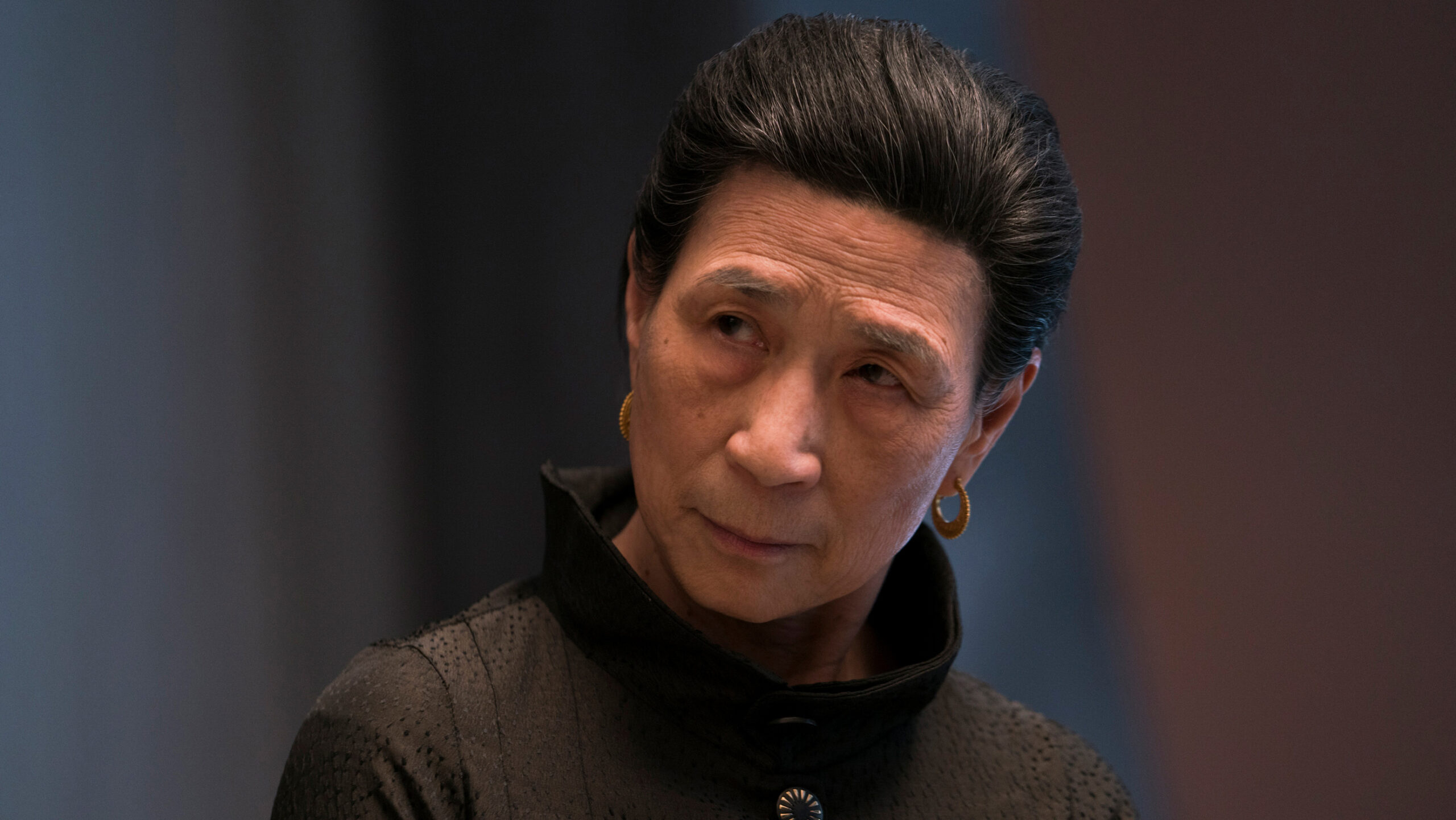
    Wai Ching Ho, the accomplished actress who brought the formidable and mysterious Madame Gao to life in Marvel’s acclaimed Netflix series ‘Daredevil’ and ‘Iron Fist,’ passed away on July 10, 2026, at the age of 82. Her death was confirmed by The Hollywood Reporter, sending ripples through the entertainment community.

    Ho’s portrayal of Madame Gao solidified her as a memorable figure in the superhero genre, imbuing the character with an unsettling calm and profound influence that resonated with audiences and critics alike. Her career, however, extended far beyond the Marvel Universe, encompassing a diverse array of roles across film and television.

    The Enigmatic Madame Gao: A Marvel Legacy

    Madame Gao emerged as a pivotal antagonist within the Marvel Netflix universe, specifically in the gritty street-level narratives centered on Hell’s Kitchen. Her character was introduced in the inaugural season of ‘Daredevil’ in 2015, immediately establishing herself as a powerful and enigmatic leader within the criminal underworld.

    Ho’s performance was characterized by a quiet menace. Madame Gao operated with a serene demeanor that belied her vast power and ruthless effectiveness. She was depicted as an elderly woman with unexpected physical strength and immense influence, particularly within the heroin trade and the mystical elements tied to the ancient organization known as the Hand.

    The character’s role expanded significantly in ‘Iron Fist,’ where her connections to the mythical city of K’un-Lun and the deeper origins of the Hand were explored. Ho’s ability to convey ancient wisdom and a timeless quality without explicitly stating it became a hallmark of her performance. Audiences were left to ponder the true extent of Madame Gao’s age and power, a testament to Ho’s nuanced acting.

    Her impact was further cemented with an appearance in ‘The Defenders,’ the crossover series uniting Daredevil, Jessica Jones, Luke Cage, and Iron Fist. This solidified Madame Gao’s status as a major player in the interconnected narrative, a consistent threat whose motivations often remained shrouded in mystery. Ho’s gravitas and commanding presence ensured that even brief appearances were impactful.

    A Career Spanning Continents and Decades

    Born in Hong Kong, Wai Ching Ho’s journey into acting was marked by a dedication to her craft that saw her build a diverse and respected filmography. Her early career and training provided a strong foundation for the varied roles she would undertake throughout her life.

    Before her prominent Marvel roles, Ho was a familiar face in numerous television productions, often delivering powerful supporting performances. She appeared in episodes of critically acclaimed and popular series, showcasing her versatility and ability to inhabit complex characters.

    Television Appearances

    • Law & Order: Special Victims Unit: Ho made several appearances across different seasons of the long-running crime drama. Her roles often involved portraying characters caught in difficult circumstances, highlighting her capacity for emotional depth.
    • Blue Bloods: Another staple of procedural television, ‘Blue Bloods’ also featured Ho in guest roles. These performances further demonstrated her ability to blend seamlessly into ensemble casts while leaving a distinct impression.
    • The Americans: While not as central as her Marvel role, Ho also contributed to other acclaimed series, underscoring her consistent presence in quality television productions.

    These roles, though often smaller in scope than Madame Gao, were crucial in establishing Ho’s reputation as a reliable and impactful character actress. She brought authenticity to every part, regardless of screen time.

    Notable Film Contributions

    Wai Ching Ho’s filmography also included several notable big-screen projects. She demonstrated her range by appearing in various genres, from action thrillers to critically acclaimed dramas.

    • Premium Rush (2012): In this high-octane action-thriller starring Joseph Gordon-Levitt, Ho played a supporting role, adding to the film’s fast-paced narrative. Her presence contributed to the film’s ensemble cast, which also included Michael Shannon and Dania Ramirez.
    • Hustlers (2019): More recently, Ho was part of the ensemble cast of ‘Hustlers,’ a critically acclaimed film based on a true story. She appeared alongside stars like Jennifer Lopez, Constance Wu, and Cardi B. Her role, though brief, added to the film’s rich tapestry of characters and its exploration of economic desperation and female empowerment.
    • Robot Stories (2003): An independent film that garnered critical attention, ‘Robot Stories’ allowed Ho to explore more dramatic and contemplative themes, showcasing a different facet of her acting prowess.
    • A Thousand Cuts (2007): This independent drama provided another platform for Ho to demonstrate her dramatic capabilities in a challenging role.

    Her film roles frequently showcased her talent for bringing depth and gravitas to supporting characters, often elevating the scenes she was in with her understated yet powerful delivery.

    The Hand: A Criminal Empire in the Marvel Universe

    Madame Gao’s character was intrinsically linked to the Hand, a shadowy and ancient criminal organization that served as a primary antagonist across multiple Marvel Netflix series. The Hand’s origins are steeped in mysticism and martial arts, with roots tracing back centuries.

    The organization’s goal often involved controlling key aspects of society, from the drug trade in Hell’s Kitchen to more supernatural ambitions related to immortality and resurrection. Madame Gao was depicted as one of the five fingers, or leaders, of the Hand, each controlling a different aspect of their vast operations.

    Her particular sphere of influence often involved the importation of heroin, which she managed with an iron fist, despite her outwardly frail appearance. The heroin, often laced with mystical properties, played a significant role in the plotlines of ‘Daredevil’ and ‘Iron Fist,’ connecting the street-level crime to the more fantastical elements of the Marvel universe.

    The Hand’s presence provided a consistent, overarching threat that forced the heroes to confront not just common criminals, but an ancient evil with immense resources and a global reach. Ho’s portrayal of Gao gave a face to this ancient power, making it both tangible and terrifying.

    Impact and Tributes

    Wai Ching Ho’s passing on July 10, 2026, has prompted an outpouring of remembrance from colleagues and fans. Her ability to embody complex and powerful figures, particularly Madame Gao, ensured her place in the pantheon of character actors.

    Tributes are expected to highlight her professionalism, her dedication to her craft, and the quiet intensity she brought to every role. Directors and fellow actors who worked with her often spoke of her commanding presence and her ability to convey volumes with minimal dialogue or subtle expressions.

    Her work continues to resonate with audiences who appreciated her unique ability to bring authenticity and depth to characters that could easily have become caricatures. The enigmatic nature of Madame Gao, largely crafted by Ho’s performance, remains a talking point among fans of the Marvel Netflix series.

    Details regarding the specific cause of Wai Ching Ho’s death have not yet been publicly released. The entertainment community continues to process the news of her passing, reflecting on the enduring legacy of her contributions to film and television.

    Fans remember. Colleagues remember. The industry remembers.

    Wai Ching Ho.

  • Sam Neill, Iconic ‘Jurassic Park’ Actor, Dies at 78

    Sam Neill, Iconic ‘Jurassic Park’ Actor, Dies at 78

    The Passing of a Screen Icon

    Sam Neill, the acclaimed actor globally recognized for his portrayal of Dr. Alan Grant in the seminal “Jurassic Park” film series, died today, July 13, 2026, at the age of 78. His passing was first reported by Deadline, marking the end of a career that spanned several decades and encompassed a wide range of film and television projects. Neill’s work transcended genres, leaving a significant impact on contemporary cinema and television audiences worldwide.

    His distinctive presence and understated performances earned him a reputation as a respected and enduring talent. Neill continued to remain active in his craft, taking on roles and engaging with his audience throughout his career. The news of his death has prompted an outpouring of reactions from the entertainment industry and fans across the globe.

    Early Life and Career Foundations

    Born in Omagh, County Tyrone, Northern Ireland, in 1947, Neill spent his early childhood in New Zealand. This dual heritage would later influence his nuanced performances and global appeal. He began his acting career in the early 1970s, initially working in New Zealand and Australian cinema. His early work established him as a compelling dramatic actor.

    One of his breakthrough roles came in the 1977 New Zealand film “Sleeping Dogs.” This performance garnered critical attention and set the stage for his entry into international productions. Neill’s early career was characterized by a willingness to explore complex characters in independent films.

    He honed his craft through diverse roles, demonstrating an early command of subtle emotional expression. These formative years laid the groundwork for the more prominent roles that would define his later career.

    The Road to International Recognition

    Neill’s international profile began to rise in the late 1970s and early 1980s. He took on significant roles in British and American productions, expanding his reach beyond Australasia. His performance in the 1981 horror film “Omen III: The Final Conflict” introduced him to a broader mainstream audience.

    This period also saw him starring in films such as Andrzej Żuławski’s psychological horror “Possession” (1981), where his intense performance earned critical acclaim. He demonstrated an ability to navigate challenging material, solidifying his reputation as a versatile actor.

    The 1980s further cemented his status with roles in films like “Plenty” (1985) alongside Meryl Streep and “Cry in the Dark” (1988) withMeryl Streep. These projects showcased his range, moving between different dramatic registers with ease.

    Iconic Roles and Global Stardom

    The year 1993 proved to be a pivotal moment in Neill’s career. He starred in two highly acclaimed and commercially successful films that would define his legacy: Steven Spielberg’s “Jurassic Park” and Jane Campion’s “The Piano.”

    Dr. Alan Grant: The Paleontologist Who Faced Dinosaurs

    His role as Dr. Alan Grant in “Jurassic Park” transformed Neill into a household name. The film, a groundbreaking achievement in special effects and storytelling, became a global phenomenon. Neill’s portrayal of the reluctant hero, a paleontologist thrust into a prehistoric nightmare, resonated with audiences.

    Dr. Grant became an iconic character, synonymous with the awe and terror of Isla Nublar. Neill reprised the role in “Jurassic Park III” (2001), further cementing his connection to the beloved franchise. His return to the character in later productions was always met with enthusiasm from fans.

    Stewart: A Quiet Strength in “The Piano”

    In stark contrast to the blockbuster spectacle of “Jurassic Park,” Neill also delivered a powerful performance in “The Piano.” In this film, he played Alisdair Stewart, a frontiersman in 19th-century New Zealand. His portrayal of the complex and often conflicted husband earned him widespread critical praise.

    “The Piano” went on to win numerous awards, including the Palme d’Or at the Cannes Film Festival and multiple Academy Awards. Neill’s ability to embody such vastly different characters in the same year underscored his remarkable versatility as an actor.

    A Career of Diverse Choices

    Beyond these tentpole roles, Neill maintained a career marked by diverse and often unexpected choices. He frequently worked across different genres, from science fiction and thrillers to dramas and historical pieces. His filmography reflects a commitment to compelling storytelling over typecasting.

    Notable Film Contributions

    • “Dead Calm” (1989): A psychological thriller that showcased his intense performance opposite Nicole Kidman.
    • “Merlin” (1998): A television miniseries where he played the titular wizard, bringing gravitas to the mythical figure.
    • “Bicentennial Man” (1999): A science fiction drama alongside Robin Williams, exploring themes of humanity and artificial intelligence.
    • “The Hunter” (2011): An Australian thriller that saw him in a more rugged, contemplative role.
    • “Hunt for the Wilderpeople” (2016): A critically acclaimed New Zealand adventure-comedy, demonstrating his comedic timing.

    Television Successes

    Neill also made significant contributions to television. His role as Chief Inspector Chester Campbell in the acclaimed British series “Peaky Blinders” (2013-2014) introduced him to a new generation of viewers. His menacing portrayal of the antagonist was widely praised.

    Other television work included appearances in series like “The Tudors” (2007) and “Alcatraz” (2012). He consistently brought a level of sophistication and depth to his television roles, elevating the productions he joined.

    The Enduring Legacy of Sam Neill

    Sam Neill’s impact on the entertainment industry extended beyond his individual performances. He was known for his professionalism, his collaborative spirit, and his genuine passion for acting. His career serves as a testament to the power of versatility and sustained dedication to one’s craft.

    He remained a beloved figure among fans, often engaging with them through social media. His personal warmth and dry wit were as much a part of his public persona as his on-screen intensity. Neill’s passing leaves a void in the cinematic landscape, but his extensive body of work will continue to inspire and entertain.

    His ability to seamlessly transition between major Hollywood blockbusters and more intimate, character-driven independent films set him apart. This unique trajectory allowed him to explore a wide array of human experiences through his art.

    Reactions and Tributes

    Upon the news of his death on July 13, 2026, tributes began to pour in from across the film and television industries. Colleagues and collaborators shared memories of working with Neill, highlighting his talent, kindness, and professionalism.

    Fans took to social media to express their condolences and share their favorite moments from his films and shows. The collective grief underscored the deep connection audiences felt with his work and his persona.

    The specific circumstances surrounding Neill’s death are still emerging. The initial reports confirm his passing but have not yet provided extensive details. The entertainment industry and fans worldwide are expected to continue reacting to the news as more information becomes available from official sources.

    Neill’s legacy is not just in the characters he played, but in the indelible impression he left on the art of acting itself. His career is a masterclass in range, resilience, and quiet brilliance.

    Actors remembered his generosity. Directors praised his commitment. Audiences mourned his loss.

    Sam Neill.

  • Wai Ching Ho, ‘Daredevil’ and ‘Hustlers’ Actress, Dies at 82

    Wai Ching Ho, ‘Daredevil’ and ‘Hustlers’ Actress, Dies at 82

    A Career Defined by Strength and Nuance

    Wai Ching Ho, an actress recognized for her impactful performances across film and television, died at the age of 82. Her passing marks the end of a career that brought her distinctive talent to a global audience. Ho was particularly celebrated for her portrayal of Madame Gao in the Marvel Cinematic Universe’s Netflix series, a role that cemented her as a formidable presence on screen. Her work extended to critically acclaimed films, showcasing her versatility.

    Ho’s contributions to the entertainment world were significant. She consistently delivered performances that resonated with viewers, often embodying characters of profound strength and complexity. Her ability to convey deep narratives with subtlety made her a standout in every project she joined. The news of her death, reported on July 12, 2026, has prompted reflections on her enduring legacy.

    Madame Gao: A Marvel Villain’s Lasting Impact

    One of Wai Ching Ho’s most iconic roles was that of Madame Gao in Marvel’s Netflix series. She first appeared as the enigmatic and powerful leader of a heroin trafficking operation in ‘Daredevil,’ which premiered in 2015. Her character quickly became a fan favorite, known for her calm demeanor, martial arts prowess, and connection to the Hand, a mystical ninja order.

    Ho reprised her role as Madame Gao in subsequent Marvel series. She appeared in ‘Iron Fist,’ which debuted in 2017, further exploring her character’s ancient origins and influence. Her final appearance as Madame Gao was in the 2017 crossover event series, ‘The Defenders,’ where she united with other villains against the titular heroes. Ho’s portrayal brought a unique blend of menace and wisdom to the Marvel universe, making Madame Gao one of its most memorable antagonists.

    Her performance was lauded for its nuanced depiction of a villain. Madame Gao was not merely evil; she was ancient, strategic, and deeply rooted in her philosophies. Ho’s quiet intensity and precise delivery made every scene she was in compelling. She elevated the character beyond a typical antagonist, creating a figure that continues to be discussed by fans of the series.

    From ‘Hustlers’ to Independent Cinema

    Beyond her work in the superhero genre, Wai Ching Ho showcased her range in a variety of other projects. One notable film role was in the 2019 crime drama ‘Hustlers.’ In the film, Ho played the grandmother of Destiny, the character portrayed by Constance Wu. Her brief but poignant appearance added emotional depth to the narrative, providing a grounding force for the protagonist.

    Her filmography also included appearances in independent films and other mainstream productions. Ho often took on roles that highlighted her ability to portray authentic, grounded characters. This commitment to diverse roles allowed her to work with various directors and actors, enriching her professional experience and expanding her artistic reach.

    She was known for her dedication to craft. Whether in a major studio production or a smaller independent feature, Ho approached each role with the same level of professionalism and commitment. This consistency earned her respect among her peers and admiration from critics.

    A Distinguished Career in Television and Theater

    Wai Ching Ho’s career was not limited to film and high-profile television series. She also had a significant presence in episodic television and theater. Her early work in the performing arts laid the foundation for her later successes. She appeared in numerous television shows over the years, often in guest roles that left a lasting impression.

    Her television credits included appearances in popular dramas and procedural shows. These roles allowed her to demonstrate her versatility, moving between different genres and character types. Ho’s ability to adapt to various storytelling formats made her a sought-after talent in the industry. Her performances were consistently praised for their authenticity and emotional depth.

    The stage also played a crucial role in Ho’s artistic journey. Theater work provided her with opportunities to hone her craft and explore complex narratives. The discipline and immediacy of live performance contributed to her strong screen presence. She brought a theatrical gravitas to her film and television roles, enhancing the overall quality of her performances.

    Legacy and Influence

    Wai Ching Ho leaves behind a significant legacy in the entertainment industry. Her career served as an inspiration for many, particularly for Asian American actors seeking representation and diverse roles. She broke barriers and paved the way for more nuanced portrayals of Asian characters in Western media.

    Her performances, especially as Madame Gao, demonstrated that age and ethnicity were not limitations to playing powerful and memorable characters. Ho’s work challenged stereotypes and expanded the scope of roles available to actresses of her background. She proved that complex, compelling narratives could be crafted around diverse individuals.

    The impact of her work will continue to be felt for years to come. Her contributions to film and television are part of a growing movement towards greater inclusivity and authentic representation. Ho’s dedication to her art and her ability to embody such distinct characters will remain a benchmark for future generations of performers.

    Fans and colleagues remember her for her talent, her grace, and her commanding presence. Her ability to inhabit a character completely, whether a formidable villain or a comforting grandmother, was her hallmark. She brought dignity to every role she undertook.

    Her passing on July 12, 2026, marks a moment of reflection. It is a time to remember the artistry and dedication she brought to every project. It is a time to appreciate the unique talent that was Wai Ching Ho.

    Characters gathered. Narratives gathered. Tributes gathered. Legacy.

  • Jayden Adams, South African World Cup Soccer Pro, Dies at 25

    Jayden Adams, South African World Cup Soccer Pro, Dies at 25

    The Sudden Loss of a World Cup Star

    Jayden Adams, a professional soccer player who proudly represented South Africa in the 2026 FIFA World Cup, has died at the age of 25. His passing, confirmed on 2026-07-11, has cast a pall over the international sports community, eliciting widespread expressions of sorrow and remembrance for a young talent lost too soon. Adams was a dynamic midfielder whose contributions on the pitch were becoming increasingly vital for both his national team and his club.

    His career trajectory had been marked by consistent growth and notable achievements, culminating in his participation on football’s grandest stage. The news of his death sparked an immediate reaction across social media platforms and sports news outlets, highlighting the impact he had made in his relatively short but brilliant career. Tributes poured in from former teammates, coaches, and administrators, reflecting on his character, skill, and potential.

    Adams’ Rise Through South African Football

    Jayden Adams began his professional journey in the highly competitive South African Premier Division. His early years were spent honing his skills within youth academies, where his talent for controlling the midfield and distributing the ball quickly became apparent. Scouts recognized his potential early on, and he soon transitioned into senior team play, making a name for himself with his composure under pressure and strategic vision.

    His club career saw him play for several prominent South African teams, where he consistently demonstrated his ability to influence games. He was known for his work rate, precise passing, and occasional bursts of attacking flair. These qualities made him a fan favorite and a crucial component of any team he joined. His performances at the club level were instrumental in drawing the attention of national team selectors.

    National Team Debut and International Recognition

    Adams’ dedication and skill eventually earned him a call-up to the South African national team, affectionately known as Bafana Bafana. His debut was met with anticipation, and he quickly solidified his place within the squad. He became a regular fixture in midfield, contributing to important victories and showcasing his ability to compete against international opponents. His presence brought a youthful energy and technical proficiency to the team.

    His journey with Bafana Bafana culminated in his selection for the 2026 FIFA World Cup squad. This was a significant milestone for Adams, representing the pinnacle of his professional aspirations. Playing on the global stage, he had the opportunity to demonstrate his abilities to an even wider audience, and he embraced the challenge with characteristic determination.

    The 2026 FIFA World Cup Performance

    The 2026 FIFA World Cup saw Adams feature prominently for South Africa. While specific details of his individual performances are still being recalled by fans and analysts, his participation alone was a testament to his standing as one of the country’s brightest footballing talents. He played a key role in the team’s midfield, battling against some of the world’s best players and contributing to South Africa’s efforts in the tournament.

    His presence in the squad was not just about his technical skills; it was also about the inspiration he provided. As a young, homegrown talent, Adams represented the dreams and aspirations of many aspiring footballers across South Africa. His journey to the World Cup stage was a story of perseverance and talent, resonating deeply with fans who followed Bafana Bafana’s campaign.

    Impact on Teammates and Coaching Staff

    Within the national team setup, Adams was regarded as a respected and well-liked individual. Teammates often spoke of his positive attitude, his willingness to work hard, and his supportive nature. Coaching staff relied on his versatility and tactical understanding, often deploying him in various midfield roles depending on the opponent and game strategy. His commitment to the team’s success was unwavering.

    His participation in the World Cup was a moment of pride for his family, his community, and the entire nation. It underscored the potential of South African football on the international stage. His performances, even in the intensity of World Cup competition, demonstrated his capacity to perform at the highest level, suggesting a long and impactful career ahead.

    Tributes and Mourning from the Football World

    News of Jayden Adams’ death elicited an immediate outpouring of grief from across the global football community. FIFA, the governing body of international football, issued a statement expressing condolences to his family, friends, and the South African Football Association. Clubs Adams had played for, both domestically and potentially internationally, shared their sorrow and honored his memory.

    Social media platforms became a space for fans and fellow players to share their tributes. Many highlighted his infectious smile, his humility, and his dedication to the sport. Hashtags related to Adams trended, showcasing the widespread impact of his passing. Messages of support for his family flooded in from various corners of the world, emphasizing the universal language of grief in sports.

    “Jayden was not just a player; he was a beacon of hope for many young South Africans. His talent was immense, but his spirit was even greater. We are all heartbroken by this profound loss.” – Statement from a former teammate.

    <

    Remembering a Rising Star

    Adams’ death is a stark reminder of the fragility of life, especially for those in the public eye. His relatively young age of 25 amplifies the tragedy, as he was believed to be entering the prime of his career. Experts and pundits had often discussed his potential to become one of South Africa’s most influential players for years to come. His vision on the field and his ability to dictate the pace of a game made him a rare asset.

    His contributions extended beyond the pitch, often participating in community initiatives and serving as a role model for aspiring young athletes in South Africa. He understood the responsibility that came with his platform and used it to inspire others. His legacy will undoubtedly include not just his sporting achievements but also his character and his positive influence.

    The Broader Impact on South African Football

    The loss of Jayden Adams represents a significant blow to South African football. He was part of a new generation of players who were expected to carry the national team forward in future international competitions. His experience at the 2026 FIFA World Cup was invaluable, providing a foundation for future campaigns. His absence will be felt deeply in upcoming fixtures and squad selections.

    His death also highlights the emotional toll such events take on sports communities. The camaraderie among professional athletes often extends beyond club rivalries, creating a close-knit global family. The grief expressed by players from different nations underscores this bond. The South African Football Association will likely honor his memory in various ways, ensuring his contributions are not forgotten.

    A Legacy of Inspiration

    Jayden Adams’ journey from local pitches to the global stage of the FIFA World Cup serves as a powerful testament to hard work and determination. His story will continue to inspire countless young footballers in South Africa and beyond. He demonstrated that with talent, perseverance, and dedication, dreams can indeed become reality, even against challenging odds.

    His impact on his teammates, coaches, and the broader football community is undeniable. He leaves behind a legacy of passion for the game, a commitment to excellence, and a spirit that touched many. The memory of his performances, particularly during the recent World Cup, will remain etched in the minds of fans who witnessed his talent unfold.

    The football community mourned. The nation mourned. The world mourned. Jayden Adams.

  • Michael Byrne, Actor in ‘Harry Potter’ and ‘Braveheart,’ Dies

    Michael Byrne, Actor in ‘Harry Potter’ and ‘Braveheart,’ Dies

    Michael Byrne, a British actor whose career spanned over five decades, has died. He was widely recognized for his portrayal of the elderly Gellert Grindelwald in the 2010 film ‘Harry Potter and the Deathly Hallows – Part 1.’ Byrne also held a prominent role as the English commander Smythe in the 1995 historical epic ‘Braveheart.’ His passing marks the end of a long and varied career that encompassed significant work in film, television, and stage productions.

    Byrne’s filmography is extensive, reflecting a consistent presence in both British and international cinema. His roles often featured him as a stern, authoritative, or villainous figure, a typecasting he embraced with a distinctive intensity. This consistent presence made him a familiar face to audiences worldwide, particularly those who followed British dramatic productions.

    Early Life and Career Beginnings

    Michael Byrne was born in London, England. Details of his early life remain largely private, but his acting career began to take shape in the late 1950s and early 1960s. He received training at a reputable drama school, a common path for many aspiring British actors of his generation. This foundational training equipped him with the classical techniques that would define his stage and screen presence.

    His earliest credited appearances were in British television series. These roles provided him with essential experience and visibility within the burgeoning television industry. The 1960s were a period of rapid expansion for television broadcasting in the United Kingdom, offering numerous opportunities for new talent.

    Byrne’s stage work also commenced during this period. Performing in London’s West End and with various repertory companies, he honed his craft in live theater. The discipline and immediate feedback of stage acting are often cited by actors as crucial for developing presence and vocal control. Byrne’s command of these elements became a hallmark of his performances.

    Breakthrough Roles and International Recognition

    The 1970s saw Michael Byrne’s career gain significant momentum. He began to secure more prominent roles in films and major television dramas. His ability to convey complex characters, often with an underlying menace or gravitas, made him a sought-after character actor.

    ‘The Eagle Has Landed’ (1976)

    One of Byrne’s notable early film roles was in the 1976 war movie ‘The Eagle Has Landed,’ directed by John Sturges. In this film, he played Oberstleutnant Karl von Steiner, a German paratrooper officer. The film, which also starred Michael Caine and Donald Sutherland, brought Byrne to the attention of a wider international audience. His portrayal contributed to the film’s tense atmosphere and critical reception.

    ‘A Bridge Too Far’ (1977)

    Following this, Byrne appeared in Richard Attenborough’s epic 1977 war film ‘A Bridge Too Far.’ He played a supporting role as Generalfeldmarschall Model, alongside an ensemble cast that included Sean Connery, Robert Redford, and Laurence Olivier. These large-scale productions established Byrne as a reliable performer in historical dramas, particularly those depicting World War II.

    Collaborations with Major Directors

    Byrne’s career path led him to work with some of the most acclaimed directors in Hollywood and British cinema. These collaborations often resulted in memorable performances in genre-defining films.

    Steven Spielberg and ‘Indiana Jones’

    His collaboration with Steven Spielberg in ‘Indiana Jones and the Last Crusade’ (1989) is a significant highlight. Byrne portrayed Vogel, a ruthless Gestapo Colonel and one of the primary antagonists. This role pitted him directly against Harrison Ford’s Indiana Jones, cementing his image as a formidable cinematic villain. The film was a critical and commercial success, further elevating Byrne’s international profile.

    The intensity of his performance as Vogel showcased his talent for embodying characters driven by ideology and power. This role, in particular, resonated with audiences due to the character’s unwavering dedication to the Nazi cause, making him a truly chilling adversary for the adventurous archaeologist.

    Mel Gibson and ‘Braveheart’

    In 1995, Byrne took on the role of Smythe in Mel Gibson’s Academy Award-winning film ‘Braveheart.’ As an English commander, he represented the oppressive English rule over Scotland. His scenes contributed to the film’s central conflict and its portrayal of historical struggle. ‘Braveheart’ achieved massive global success, and Byrne’s contribution was an integral part of its narrative.

    His portrayal of Smythe, though not a central character, was pivotal in establishing the antagonistic forces against William Wallace. Byrne’s ability to convey authority and disdain for the Scottish rebels added depth to the film’s historical context.

    Television and Stage Work

    Beyond his film career, Michael Byrne maintained a consistent presence in television. He appeared in numerous British television series and made-for-television movies. His versatility allowed him to move between different genres, from period dramas to contemporary thrillers.

    • ‘The Saint’ (1962-1969): Byrne made several appearances in the classic spy-fi series starring Roger Moore.
    • ‘The Avengers’ (1961-1969): He also featured in episodes of this iconic British espionage show.
    • ‘Sharpe’ (1993-2008): Byrne played various roles across this popular historical drama series.
    • ‘Midsomer Murders’ (1997-present): He appeared in episodes of the long-running detective series, showcasing his ability to adapt to modern crime dramas.
    • ‘Casualty’ (1986-present): Byrne made guest appearances in this enduring medical drama.

    His stage career was equally robust. Byrne performed in various theatrical productions throughout his life. The discipline of live theater, with its demands for sustained performance and direct audience engagement, remained a significant part of his artistic output. He was known for his powerful stage presence and clear diction, qualities often highlighted in reviews of his theatrical work.

    The ‘Harry Potter’ Legacy

    For a generation of viewers, Michael Byrne’s most recognizable role came late in his career. In ‘Harry Potter and the Deathly Hallows – Part 1’ (2010), he portrayed the elder Gellert Grindelwald. This character was the dark wizard who preceded Lord Voldemort and had a complex history with Albus Dumbledore.

    Byrne’s appearance as Grindelwald was brief but impactful. He depicted the character imprisoned in Nurmengard, offering a glimpse into the past and the consequences of Grindelwald’s actions. The role required a portrayal of a once-powerful but now broken figure, a nuance Byrne delivered effectively. This role introduced him to a new, younger audience, solidifying his place in one of the most successful film franchises in history.

    “His portrayal of Grindelwald, though brief, captured the essence of a formidable wizard whose power had waned but whose legacy remained.”

    The ‘Harry Potter’ films have a massive global following, ensuring that Byrne’s performance as Grindelwald will be revisited by fans for many years to come. His inclusion in such a cultural phenomenon underscored his enduring relevance as an actor.

    A Career Defined by Versatility and Gravitas

    Michael Byrne’s career was marked by his consistent ability to deliver strong, memorable performances. He often played characters who held positions of power or authority, whether military officers, government officials, or imposing villains. His commanding presence and distinctive voice were assets that directors frequently utilized.

    He navigated the evolving landscape of film and television for over five decades. From the classical British dramas of the mid-20th century to the global blockbusters of the 21st, Byrne adapted his craft to meet the demands of each era. His work is a testament to the enduring power of character acting.

    Byrne’s impact extends beyond specific roles. He was part of a generation of British actors who brought a particular blend of theatrical training and screen naturalism to international productions. This cohort helped shape the perception of British acting talent on the global stage.

    Legacy and Influence

    The passing of Michael Byrne evokes a sense of loss for those who appreciated his craft. His contributions to film and television are preserved in a substantial body of work that continues to be watched and celebrated.

    He leaves behind a legacy of dedicated artistry. Actors like Byrne, who consistently delivered strong supporting performances, are crucial to the fabric of storytelling. They provide the depth and context that elevate major productions.

    His work will continue to be studied by aspiring actors. Directors will point to his ability to convey complex emotions with minimal dialogue. Audiences will remember the indelible characters he brought to life.

    The lights dim. The final scene plays. The credits roll.

    Curtain.

    Frequently Asked Questions About Michael Byrne

  • Penelope Keith Dies at 86 – Remembering a BAFTA-Winning Career

    Penelope Keith Dies at 86 – Remembering a BAFTA-Winning Career

    A Legacy of Refined Comedy: Penelope Keith’s Enduring Impact

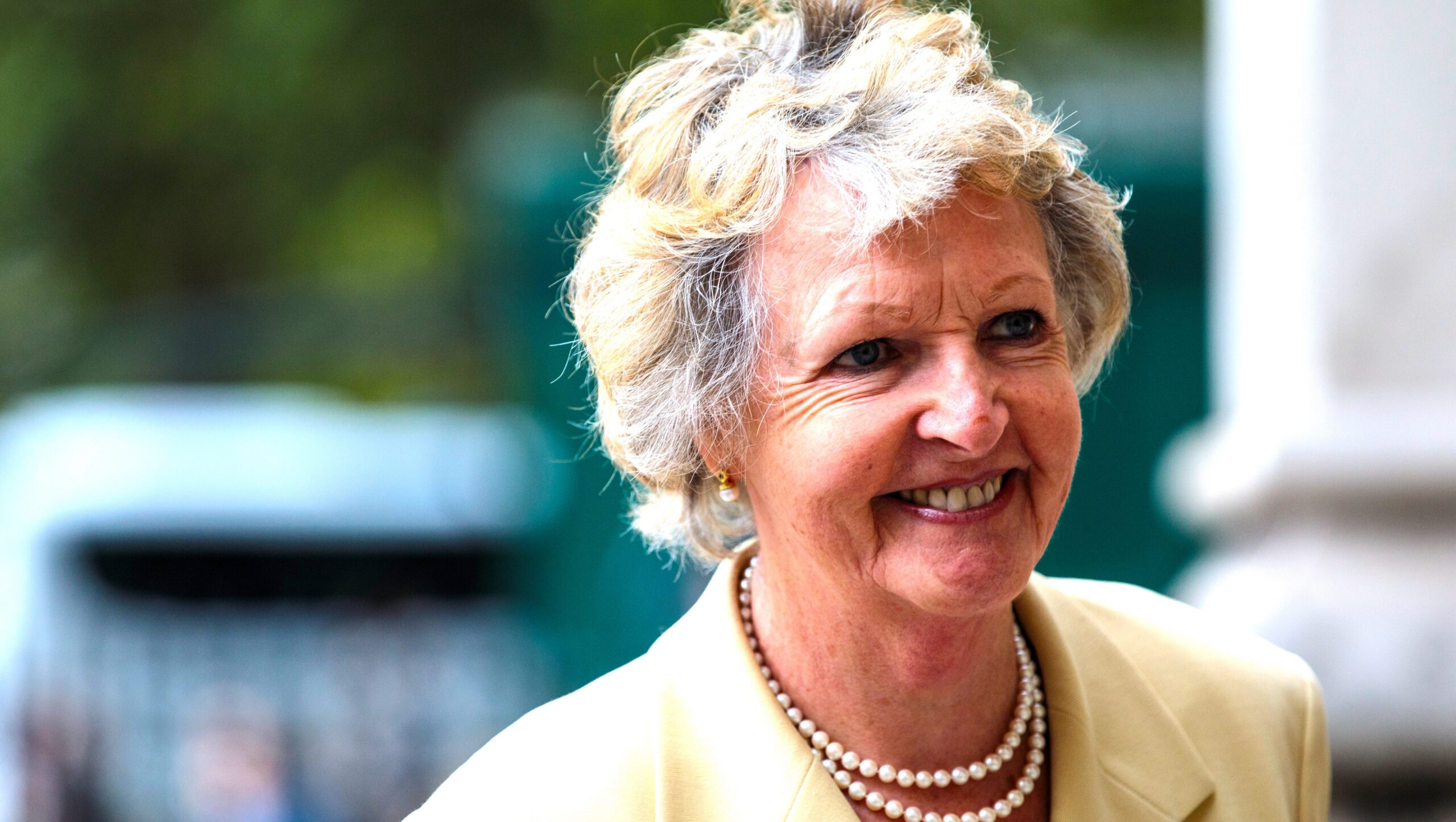
    British actress Dame Penelope Keith, celebrated for her distinctive portrayals of upper-class characters, passed away on June 29, 2026, at the age of 86. Her death marks the end of a career that cemented her status as a beloved figure in British entertainment, particularly through her memorable roles in the classic television comedies ‘The Good Life’ and ‘To the Manor Born’. Her contributions to acting were recognized with multiple BAFTA awards and a Damehood, reflecting a profound impact on both screen and stage.

    What looks like a simple passing actually signifies the loss of a foundational talent in British comedic acting. Keith’s ability to imbue seemingly haughty characters with depth, vulnerability, and immense comedic timing created roles that resonated with millions of viewers across generations. Her work defined an era of British television, becoming synonymous with sophisticated humor and impeccable performance.

    Early Life and Theatrical Roots

    Penelope Keith was born Penelope Anne Constance Keith on February 2, 1940, in Chichester, West Sussex, England. Her early life was marked by a keen interest in performance, leading her to pursue formal training at the Webber Douglas Academy of Dramatic Art in London. This rigorous classical training provided the foundation for a career that would encompass a wide range of dramatic and comedic roles.

    Her professional debut came in the early 1960s, quickly establishing her presence on the British theatrical stage. Keith performed with the Royal Shakespeare Company and the National Theatre, working alongside some of the most respected figures in British drama. Her stage work honed her craft, developing the precise diction and commanding presence that would become her trademarks.

    Throughout the 1960s and early 1970s, Keith balanced her stage commitments with smaller television roles. These early appearances provided crucial experience, preparing her for the breakout success that awaited her in the mid-1970s.

    ‘The Good Life’: A Cultural Phenomenon

    The role that would catapult Penelope Keith to national stardom was that of Margot Leadbetter in the BBC sitcom ‘The Good Life’. The series, which first aired in 1975, followed the lives of Tom and Barbara Good, who decide to abandon the rat race and become self-sufficient in their suburban Surbiton home. Keith’s character, Margot, was their snobbish, social-climbing next-door neighbor, whose meticulously ordered world was constantly disrupted by the Goods’ unconventional lifestyle.

    Margot Leadbetter became an instant icon. Keith’s portrayal perfectly captured the anxieties and aspirations of the middle class, delivering lines with a clipped, aristocratic precision that masked an underlying vulnerability. The dynamic between Margot and the Goods, particularly Richard Briers’ Tom Good and Felicity Kendal’s Barbara Good, formed the comedic heart of the show.

    The series was a massive success, running for four seasons until 1978 and attracting millions of viewers. Its popularity was not just confined to the United Kingdom; it gained a significant following internationally. Keith’s performance earned her the BAFTA TV Award for Best Entertainment Performance in 1977, solidifying her status as a leading comedic actress.

    From Surbiton to the Manor: ‘To the Manor Born’

    Following the conclusion of ‘The Good Life’, Keith quickly found another defining role in ‘To the Manor Born’. This BBC sitcom, which began in 1979, was specifically written for her by Peter Spence. Keith starred as Audrey fforbes-Hamilton, an aristocratic widow forced to sell her ancestral home, Grantleigh Manor, after her husband’s death leaves her financially destitute. She then moves into the smaller lodge on the estate, determined to reclaim her former position.

    The series explored the comedic clash between Audrey and the new owner of the manor, Richard DeVere (played by Peter Bowles), a self-made millionaire from Czechoslovakia. The witty banter and simmering romantic tension between the two characters captivated audiences. ‘To the Manor Born’ was an immediate hit, with its first episode attracting an astonishing 23.95 million viewers in the UK, a record for a British sitcom that still stands today as of 2026.

    Keith’s portrayal of Audrey earned her another BAFTA TV Award, this time for Best Actress in 1978, further cementing her comedic prowess. The series ran for three seasons, concluding in 1981, with a one-off special in 2007 that revisited the characters.

    A Distinguished Career Beyond Sitcoms

    While ‘The Good Life’ and ‘To the Manor Born’ brought her widespread fame, Penelope Keith’s career was far more extensive and varied. She continued to work extensively in theatre, performing in West End productions and touring with various companies. Her stage credits included roles in plays by Noël Coward, William Shakespeare, and Alan Ayckbourn, showcasing her versatility as an actress.

    Diverse Television and Film Work

    Throughout the 1980s, 1990s, and 2000s, Keith appeared in numerous television dramas, comedies, and films. Notable television roles included ‘Executive Stress’ (1986-1988), where she played a high-powered businesswoman, and ‘Next of Kin’ (1995-1997). She also lent her distinctive voice to various narrations and radio plays.

    Her film appearances, though less frequent than her television and stage work, included roles in ‘Catch Me a Spy’ (1971) and ‘The Hound of the Baskervilles’ (1978). She also appeared in ‘The Old Guys’ (2009-2010), a BBC comedy series, demonstrating her continued engagement with contemporary television.

    Philanthropy and Public Service

    Beyond her acting career, Penelope Keith was a dedicated philanthropist and advocate for various causes. She served as President of the Actors’ Benevolent Fund for many years, working to support actors in need. Her commitment to public service and the arts was widely recognized.

    In 1989, she was appointed an Officer of the Order of the British Empire (OBE). This was followed by her appointment as a Commander of the Order of the British Empire (CBE) in 2007. In 2014, she was elevated to Dame Commander of the Order of the British Empire (DBE) for services to the arts and to charity, a testament to her extensive contributions both on and off screen.

    The Enduring Appeal of Penelope Keith

    Penelope Keith’s appeal lay in her unique ability to portray characters who were often perceived as formidable or aloof, yet always managed to reveal a relatable human core. Her precise comedic timing, elegant demeanor, and resonant voice made her performances unforgettable. She brought a sense of dignity and intelligence to every role, whether it was a grand dame or a suburban snob.

    Her characters, particularly Margot Leadbetter and Audrey fforbes-Hamilton, have remained popular through decades of reruns and streaming, introducing her work to new generations of viewers. The humor of ‘The Good Life’ and ‘To the Manor Born’ is timeless, largely due to the strength of her performances and the sharp writing.

    Keith’s legacy is one of comedic excellence, theatrical dedication, and unwavering commitment to her craft and community. She received numerous accolades throughout her career, including the Lifetime Achievement Award at the British Comedy Awards in 2009, acknowledging her significant impact on British comedy.

    A Fond Farewell

    The news of Dame Penelope Keith’s passing on June 29, 2026, has prompted an outpouring of tributes from across the entertainment industry and from her many admirers. Colleagues remember her professionalism, wit, and kindness. Fans recall the laughter and joy she brought into their homes.

    Her passing leaves a void in the landscape of British acting. Her contribution to comedic roles, her dedication to the stage, and her philanthropic efforts will be remembered for years to come. She was a true grande dame of British entertainment.

    Tributes poured in from fellow actors. Directors praised her unwavering commitment. Audiences mourned a beloved figure. Penelope Keith.

  • K. Bhagyaraj, Influential Tamil Filmmaker, Dies at 73

    K. Bhagyaraj, Influential Tamil Filmmaker, Dies at 73

    K. Bhagyaraj, the acclaimed Indian filmmaker, actor, and screenwriter, a central figure in Tamil cinema, died on 2026-06-27 at the age of 73. His passing marks the end of an era for an artist who profoundly influenced the trajectory of South Indian film through his distinctive narrative voice and multifaceted contributions as a director, writer, and performer.

    Bhagyaraj was celebrated for his ability to blend social commentary with commercial entertainment. His films often addressed complex issues with a light touch, making them accessible to a broad audience. This unique approach cemented his status as a cinematic innovator.

    The Early Life and Rise of a Storyteller

    K. Bhagyaraj was born in 1953 in Gobichettipalayam, Erode district, Tamil Nadu. His journey into cinema began with a fervent passion for storytelling and an innate understanding of rural life and its nuances. He arrived in Chennai, then Madras, with aspirations of making films.

    His initial years in the industry were spent assisting established directors. This period provided him with invaluable practical experience. He honed his craft under the tutelage of legendary filmmaker K. Balachander, known for his realistic and socially conscious films. Balachander’s influence is often cited as foundational to Bhagyaraj’s own directorial philosophy.

    Bhagyaraj also worked with Bharathiraja, another prominent director of the time. These apprenticeships were crucial. They allowed him to absorb different filmmaking techniques and develop his own unique voice.

    Breaking Through as a Writer and Director

    Bhagyaraj’s breakthrough came as a writer. His ability to craft compelling screenplays was recognized early on. He demonstrated a keen sense of dialogue and character development, which quickly set him apart in the competitive Tamil film industry.

    He transitioned to directing with the 1979 film Puthiya Vaarpugal. This film marked his debut as a leading actor as well. The film was a critical and commercial success, signaling the arrival of a new talent with a fresh perspective.

    His early directorial ventures established a pattern. Bhagyaraj often wrote, directed, and starred in his own films. This holistic approach allowed him complete creative control over his projects, ensuring his distinct vision was fully realized on screen.

    A Signature Style: Humor, Social Themes, and Realism

    K. Bhagyaraj developed a signature style characterized by its blend of humor, social commentary, and relatable realism. His films often explored themes pertinent to the common person. He tackled issues like rural poverty, class differences, and gender dynamics.

    He frequently used comedy as a vehicle for serious messages. This made his films entertaining while still provoking thought. This approach resonated deeply with audiences across Tamil Nadu and beyond.

    Many of his films featured protagonists who were ordinary individuals. These characters faced everyday challenges but found extraordinary ways to overcome them. This relatability was a cornerstone of his appeal.

    Notable Works and Commercial Success

    Bhagyaraj’s filmography includes numerous critically acclaimed and commercially successful titles. Films like Oru Kai Oosai (1980), Mundhanai Mudichu (1983), and Enga Chinna Rasa (1987) are considered classics of Tamil cinema.

    Mundhanai Mudichu, in particular, was a blockbuster. It showcased his talent for crafting engaging narratives with strong emotional cores. The film was later remade in several other Indian languages, a testament to its universal appeal.

    His films were not just popular in Tamil Nadu. They often found success in other South Indian states and among the Tamil diaspora. This widespread appeal solidified his reputation as a pan-Indian filmmaker.

    Beyond Directing: Acting and Screenwriting

    While known for his directorial prowess, K. Bhagyaraj was also a prolific actor. He starred in many of his own films, often playing the everyman protagonist. His acting style was naturalistic and understated, complementing his directorial vision.

    He also acted in films directed by others, demonstrating his versatility as a performer. His screen presence was unique, marked by his expressive eyes and subtle comedic timing.

    As a screenwriter, Bhagyaraj was revered for his innovative plots and sharp dialogues. He penned stories that were often unconventional yet deeply rooted in cultural context. His scripts were sought after by other filmmakers.

    Impact on the Industry

    K. Bhagyaraj’s influence extended beyond his individual films. He is credited with inspiring a generation of filmmakers and actors. Many aspiring artists looked to his work as a blueprint for commercial and critical success.

    He also mentored several individuals who went on to become successful directors and writers themselves. His production house provided opportunities for new talent, contributing to the growth of the Tamil film industry.

    His narrative techniques, particularly his use of non-linear storytelling and unexpected plot twists, were often emulated. He demonstrated that films could be both entertaining and thought-provoking without sacrificing commercial viability.

    A Legacy of Innovation and Entertainment

    K. Bhagyaraj’s passing leaves a significant void in Indian cinema. His contributions as a director, actor, and screenwriter were immense. He consistently pushed boundaries, offering fresh perspectives on familiar themes.

    His films continue to be celebrated for their timeless appeal and relevant social messages. They are frequently re-watched and discussed, demonstrating their enduring impact on popular culture. His work remains a testament to his creative genius.

    The film fraternity and his fans mourn the loss of a true visionary. Tributes have poured in from across the industry, highlighting his pivotal role in shaping Tamil cinema.

    He crafted stories. He mentored artists. He entertained millions.

    K. Bhagyaraj.

  • Jeff Olson, VFX Producer for ‘Star Wars,’ ‘Roger Rabbit,’ Dies

    Jeff Olson, VFX Producer for ‘Star Wars,’ ‘Roger Rabbit,’ Dies

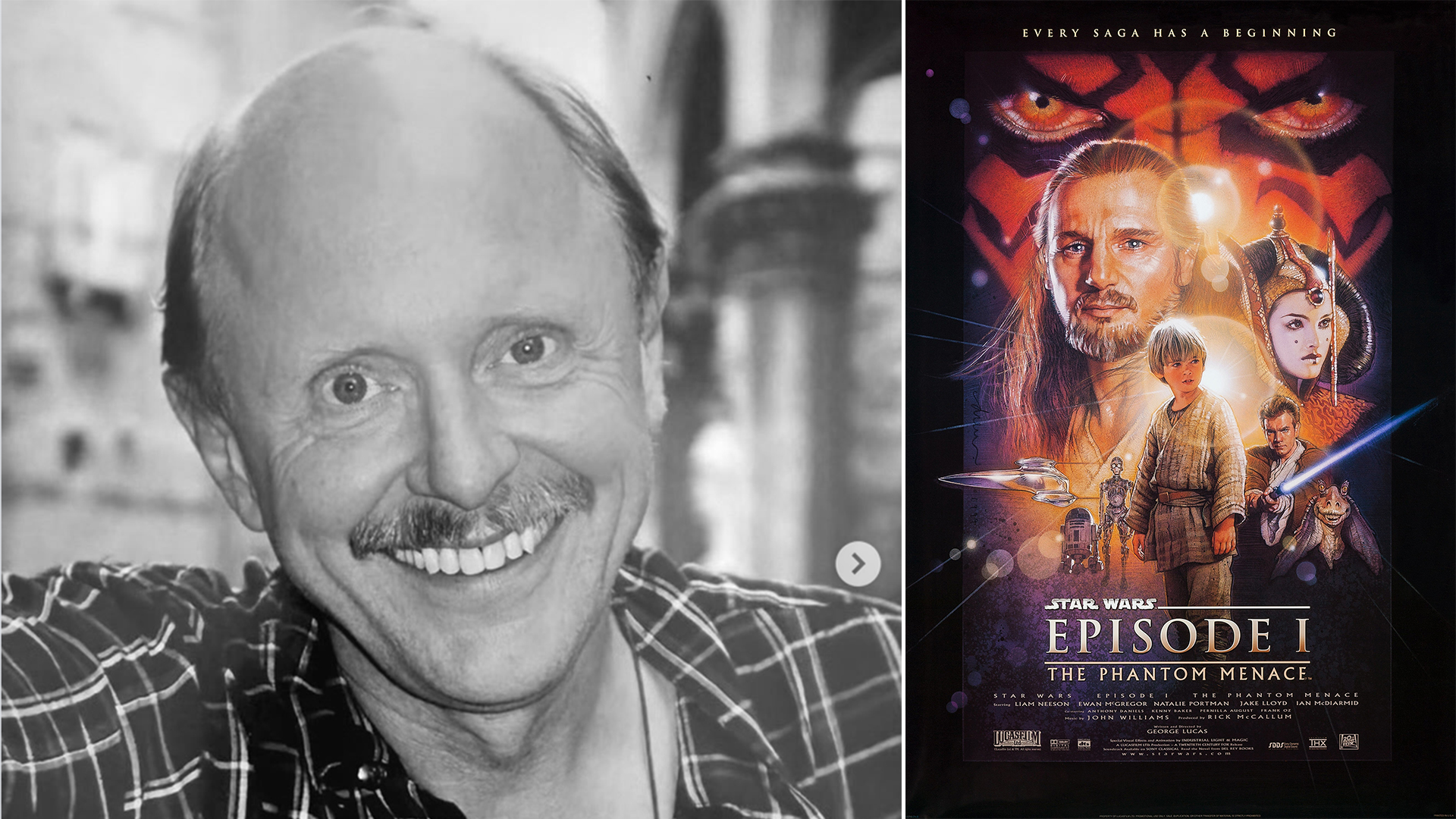
    Veteran visual effects producer Jeff Olson has died, as confirmed on June 25, 2026. Olson was widely recognized for his contributions to numerous high-profile films, leaving a significant mark on the visual effects industry.

    His extensive career included work on the groundbreaking film ‘Who Framed Roger Rabbit’, where his expertise helped blend live-action and animation seamlessly. This project is often cited as a benchmark in visual effects innovation.

    A Legacy in Sci-Fi and Fantasy

    Olson also played a key role in the visual effects for ‘Star Wars: Episode I – The Phantom Menace’. This film, released in 1999, was a pivotal entry in the Star Wars saga and heavily relied on advanced visual effects for its ambitious world-building and action sequences.

    Beyond Star Wars, Olson’s filmography included multiple installments in the ‘Star Trek’ franchise. His work helped define the aesthetic and technological advancements seen in these iconic science fiction films, solidifying his reputation within the genre.

    Other Notable Contributions

    Throughout his career, Jeff Olson collaborated with numerous studios and directors, contributing to a diverse range of cinematic projects. His work often involved managing complex visual effects pipelines and ensuring the creative vision of filmmakers was realized on screen.

    This is a developing story. Additional information regarding Olson’s passing and his full career retrospective is anticipated as more details become available from official sources.

    The Impact of a VFX Pioneer

    Visual effects producers like Olson are crucial to modern filmmaking. They bridge the gap between creative concepts and technical execution, often overseeing vast teams of artists and technicians. Olson’s career exemplifies the dedication required to bring imaginative worlds to life.

    His influence extended across different eras of visual effects, from the practical and optical effects of earlier films to the digital advancements of the late 20th and early 21st centuries. Olson’s ability to adapt and innovate allowed him to remain a relevant and respected figure in Hollywood.