Tag: Nostalgia

  • Wilford Lloyd Baumes, ‘Wonder Woman’ and ‘Love Boat’ Producer, Dies

    Wilford Lloyd Baumes, ‘Wonder Woman’ and ‘Love Boat’ Producer, Dies

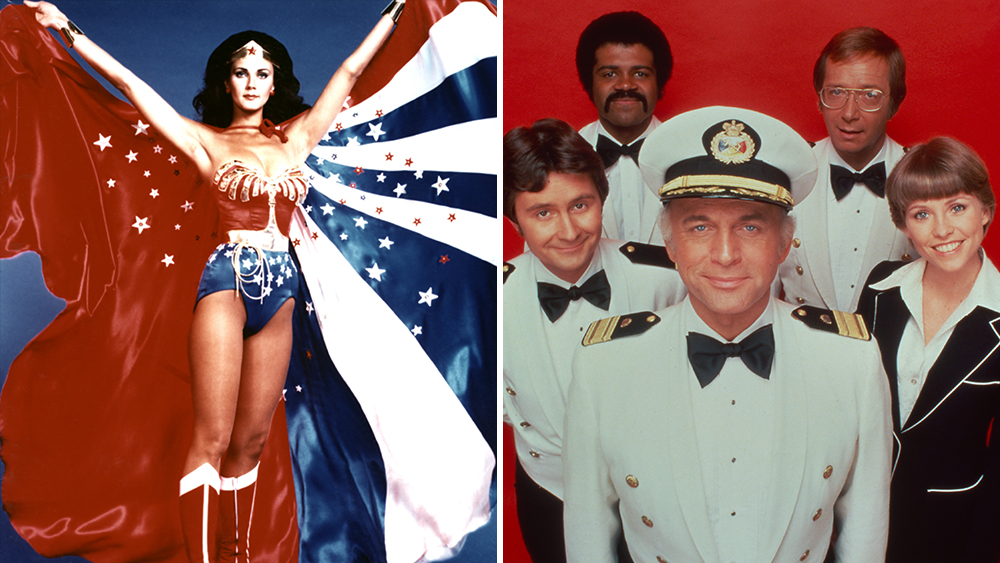
    Wilford Lloyd Baumes, a television producer recognized for his contributions to seminal 1970s and 1980s series including Wonder Woman and The Love Boat, died on July 1, 2026, at the age of 86. His passing marks the end of an era for a figure who helped define the golden age of episodic television through his production work.

    Baumes’s career spanned several decades, influencing the creation and execution of programs that became household names. His involvement with these shows ensured their quality and cultural resonance for millions of viewers.

    Early Life and Career Beginnings

    Wilford Lloyd Baumes began his journey in the television industry during a period of significant growth and innovation. Details of his early life and initial forays into media production are foundational to understanding his later successes.

    The burgeoning television landscape of the mid-20th century provided fertile ground for new talent. Baumes navigated this environment, learning the intricacies of production from the ground up.

    His early roles likely involved various aspects of television creation, building a comprehensive understanding of the craft. This foundational experience would prove crucial for his later executive responsibilities.

    The era demanded versatility and a keen eye for engaging content. Baumes developed these skills, positioning himself for more prominent roles as the industry matured.

    He established a reputation for dedication and an understanding of audience appeal. These qualities would become hallmarks of his work on some of television’s most memorable shows.

    Producing Wonder Woman (1975-1979)

    Wilford Lloyd Baumes served as a producer for the iconic Wonder Woman television series, which aired from 1975 to 1979. This show, starring Lynda Carter as the Amazonian princess Diana Prince, became a cultural phenomenon.

    The series initially debuted on ABC for its first season before moving to CBS for its subsequent two seasons. Baumes’s role was critical in managing the complex production of a superhero narrative for a primetime audience.

    Wonder Woman required intricate stunt work, special effects for its time, and a careful balance of action and character development. Baumes helped ensure these elements coalesced into a cohesive and entertaining program.

    His efforts contributed to the show’s lasting legacy, making Lynda Carter’s portrayal of Wonder Woman a definitive interpretation for generations. The series remains a touchstone of 1970s television.

    The production team, including Baumes, navigated the challenges of adapting a beloved comic book character for a mainstream audience. Their success laid groundwork for future superhero adaptations.

    The Phenomenon of The Love Boat (1977-1987)

    Another significant credit in Wilford Lloyd Baumes’s career was his role as a producer for The Love Boat. This romantic comedy-drama series premiered in 1977 and became a staple of ABC’s Saturday night lineup, running for ten seasons until 1987.

    The Love Boat depicted the comedic and romantic adventures of passengers and crew aboard a luxury cruise ship, the Pacific Princess. Baumes was instrumental in bringing this anthology-style show to air each week.

    The series was known for its rotating cast of guest stars, often prominent actors from film and television. Managing this extensive ensemble and multiple storylines presented a unique production challenge.

    Baumes’s work on The Love Boat contributed to its status as a ratings success and a cultural touchstone. The show’s theme song and format are instantly recognizable to millions.

    His production oversight helped maintain the show’s lighthearted tone and consistent quality over its long run. The Love Boat became synonymous with escapist television entertainment.

    Impact on 1970s and 1980s Television

    Wilford Lloyd Baumes’s work on Wonder Woman and The Love Boat placed him at the heart of popular television production during the 1970s and 1980s. These decades were transformative for the medium.

    He contributed to shows that captivated diverse audiences, from superhero enthusiasts to viewers seeking romantic comedy. His ability to work across genres demonstrated his versatility as a producer.

    The success of these programs helped solidify the episodic format that dominated network television. Baumes’s production skills were vital in delivering consistent content to demanding broadcast schedules.

    His influence extended to the practical aspects of television making, from budgeting and scheduling to creative decisions that shaped the final product. Producers like Baumes were the unsung heroes behind the scenes.

    The cultural footprint of shows like Wonder Woman and The Love Boat endures, largely due to the dedicated efforts of individuals like Wilford Lloyd Baumes. They crafted entertainment that resonated deeply with the viewing public.

    The Role of a Television Producer

    The role of a television producer, as exemplified by Wilford Lloyd Baumes, is multifaceted and crucial. Producers are responsible for overseeing all aspects of a show’s creation, from concept to final broadcast.

    This includes financial management, ensuring the project stays within budget. It also involves logistical coordination, such as scheduling filming and managing crew and cast.

    Creatively, producers often work closely with writers, directors, and actors to shape the narrative and artistic vision of a series. They act as a central hub, ensuring all departments work in harmony.

    Baumes’s longevity in the industry suggests a mastery of these various responsibilities. His success on high-profile shows underscores his effectiveness in this demanding role.

    A producer’s impact can often be seen in the overall quality and consistency of a television series. Baumes’s credits reflect a career dedicated to delivering engaging and memorable content.

    Legacy in Classic Television

    Wilford Lloyd Baumes leaves behind a significant legacy within the realm of classic American television. His contributions are etched into the history of programs that continue to be celebrated and rewatched.

    The enduring popularity of Wonder Woman, with its themes of empowerment and justice, speaks to the quality of its original production. Baumes played a key role in bringing this vision to life.

    Similarly, The Love Boat remains a beloved series, synonymous with feel-good entertainment and the glamour of cruise travel. Its unique format and guest star roster were expertly managed under his oversight.

    His work helped establish the benchmarks for episodic storytelling and character development in primetime television. These shows provided comfort and escape for millions of viewers across the globe.

    Baumes’s career serves as a testament to the dedication and skill required to produce successful and impactful television. His influence helped shape an entire generation’s viewing habits.

    The Enduring Appeal of Nostalgia

    The passing of figures like Wilford Lloyd Baumes often triggers a wave of nostalgia for the eras they helped define. His work is deeply embedded in the collective memory of those who grew up watching 1970s and 1980s television.

    Shows like Wonder Woman and The Love Boat offered a particular brand of entertainment. They provided escapism and often explored themes of heroism, romance, and human connection in accessible ways.

    This nostalgic appeal ensures that Baumes’s work continues to be relevant. Reruns, streaming services, and fan communities keep these classic series alive for new and old audiences alike.

    The ability of these shows to transport viewers back to a simpler time is a powerful aspect of their enduring charm. Baumes was a key architect of this televised comfort.

    His passing reminds audiences of the creators behind the magic. It prompts reflection on the impact these programs had on their lives and the broader cultural landscape.

    The Evolution of Television Production

    Wilford Lloyd Baumes’s career spanned a period of significant evolution in television production. From the network-dominated era to the early days of cable, he witnessed and adapted to changes.

    The methods and technologies used in television production have transformed dramatically since his early days. Yet, the core principles of storytelling and audience engagement remain constant.

    Producers like Baumes were foundational in developing the practices that still influence modern television. Their experience laid the groundwork for today’s complex productions.

    His ability to consistently deliver high-quality content across different series speaks to his adaptability and understanding of the medium’s demands. Television production is a constantly moving target.

    The legacy of producers from this era, including Baumes, continues to inform contemporary approaches to episodic storytelling and show management. Their contributions are fundamental.

    Wilford Lloyd Baumes was a craftsman. A storyteller. A manager. A producer. An architect of televised dreams.

  • Dark Shadows Resurrected: Warner Bros. Animation Revives Cult Classic for Adults

    Dark Shadows Resurrected: Warner Bros. Animation Revives Cult Classic for Adults

    Warner Bros. Animation is developing an adult animated series based on the 1960s cult television show ‘Dark Shadows’. This project aims to bring the supernatural melodrama to a new generation through a contemporary animation format. The original series, which ran from 1966 to 1971 on ABC, garnered a dedicated following for its unique blend of gothic horror, romance, and serialized storytelling.

    The announcement indicates a strategic move by Warner Bros. to leverage established intellectual property. This approach seeks to capitalize on nostalgia while also attracting new viewers with a fresh interpretation. The ‘adult animated’ designation suggests a narrative tone and thematic content suitable for mature audiences, potentially exploring darker or more complex aspects of the ‘Dark Shadows’ universe.

    The Legacy of Collinswood

    ‘Dark Shadows’ first premiered on June 27, 1966, initially conceived as a conventional gothic daytime drama. Creator Dan Curtis developed the series, which quickly evolved into a supernatural phenomenon. The introduction of vampire Barnabas Collins, portrayed by Jonathan Frid, on April 17, 1967, marked a pivotal shift.

    Barnabas Collins rapidly became the show’s breakout character. His conflicted nature and tragic backstory resonated deeply with viewers. The character’s popularity significantly boosted the show’s ratings, transforming it from a struggling soap opera into a cult sensation.

    The series explored a wide array of supernatural elements. Ghosts, werewolves, witches, warlocks, and parallel universes became regular features. This eclectic mix set ‘Dark Shadows’ apart from its daytime television contemporaries.

    The setting for much of the series was the fictional Collinwood estate in Collinsport, Maine. This sprawling, often eerie mansion served as the backdrop for countless supernatural occurrences and dramatic family conflicts. The atmosphere of Collinswood was central to the show’s gothic appeal.

    Original cast members included Grayson Hall as Dr. Julia Hoffman, Alexandra Moltke as Victoria Winters, and Nancy Barrett as Carolyn Stoddard. These actors became synonymous with their roles, contributing to the show’s distinctive ensemble.

    The show concluded its original run on April 2, 1971, after 1,225 episodes. Its influence extended beyond its initial broadcast, maintaining a devoted fanbase for decades.

    Previous Attempts at Revival

    The enduring popularity of ‘Dark Shadows’ has led to several attempts at revival and adaptation over the years. These projects demonstrate the franchise’s lasting appeal and the challenges of recapturing its unique essence.

    The 1970s Film Adaptations

    Two feature films were produced shortly after the original series ended. ‘House of Dark Shadows’ was released in 1970, featuring much of the original cast. It offered a more condensed and violent version of the Barnabas Collins storyline.

    ‘Night of Dark Shadows’ followed in 1971. This film focused on new characters and a different supernatural plotline, though it still featured original cast members. Neither film achieved the cult status of the television series.

    The 1991 NBC Revival

    In 1991, NBC launched a prime-time revival of ‘Dark Shadows’. This series starred Ben Cross as Barnabas Collins and Jean Simmons as Elizabeth Collins Stoddard. It aimed for a more serious and dramatic tone, updating the gothic elements for a modern audience.

    The 1991 revival received critical acclaim for its production values and performances. However, it faced stiff competition in its time slot and was ultimately canceled after only 12 episodes. Its cancellation remains a point of contention for many fans, who felt it deserved a longer run.

    The 2004 The WB Pilot

    Another attempt to revive the series came in 2004 with a pilot produced for The WB network. This version starred Alec Newman as Barnabas Collins and Marley Shelton as Victoria Winters. It aimed for a more contemporary, youth-oriented take on the material.

    The pilot was directed by P.J. Hogan. Despite the network’s interest, The WB ultimately decided not to pick up the series. The pilot was never aired, becoming a lost artifact for fans of the franchise.

    Tim Burton’s 2012 Film

    The most recent major adaptation was Tim Burton’s 2012 feature film. Johnny Depp starred as Barnabas Collins, with a cast that included Michelle Pfeiffer, Helena Bonham Carter, and Eva Green. The film took a more comedic approach to the gothic horror elements.

    Burton’s film received mixed reviews from critics and audiences. While praised for its visual style and cast, many felt it deviated too far from the original series’ tone. It underperformed at the box office, failing to ignite a new wave of ‘Dark Shadows’ popularity.

    The Adult Animation Approach

    The decision by Warner Bros. Animation to develop an adult animated series represents a significant departure from previous live-action revivals. This format offers unique advantages for adapting the ‘Dark Shadows’ narrative.

    Animation allows for greater creative freedom in depicting supernatural phenomena. Complex transformations, spectral appearances, and historical flashbacks can be rendered without the limitations of live-action special effects budgets. This could enhance the gothic atmosphere and horror elements that were central to the original series.

    The ‘adult animation’ designation also suggests a willingness to explore mature themes. The original ‘Dark Shadows’ dealt with murder, betrayal, forbidden love, and existential dread. An adult animated series could delve into these topics with more depth and visual intensity than a traditional network soap opera or a family-friendly film.

    The success of other adult animated series, such as ‘Castlevania’ and ‘Harley Quinn’, demonstrates the viability of this genre for adapting established properties. These shows have proven that animation can deliver sophisticated storytelling and complex character development for mature audiences.

    This new project will need to balance fidelity to the original series’ spirit with modern storytelling conventions. It must appeal to long-time fans while also attracting new viewers unfamiliar with the Collins family saga. The unique blend of melodrama and the macabre will be crucial to its success.

    The Enduring Appeal of Gothic Melodrama

    The original ‘Dark Shadows’ tapped into a universal fascination with the supernatural and forbidden romance. Its serialized nature allowed for intricate character arcs and convoluted plotlines, characteristic of the gothic literary tradition.

    Barnabas Collins, in particular, embodied the Byronic hero archetype. He was a tormented figure, cursed to immortality, yearning for lost love and redemption. This tragic quality made him a compelling and sympathetic antagonist, blurring the lines between hero and villain.

    The show’s production, often described as campy due to its low budget and fast-paced shooting schedule, became part of its charm. Flubbed lines, visible wires, and wobbly sets contributed to its unique, almost theatrical, aesthetic. Fans embraced these imperfections as part of the ‘Dark Shadows’ experience.

    The themes of fate, destiny, and the cyclical nature of time were central to the narrative. Characters often found themselves entangled in ancient curses and historical echoes, reliving past tragedies. This sense of inescapable doom contributed to the show’s dark allure.

    The series also explored complex family dynamics within the Collins family. Generational curses, hidden secrets, and power struggles were constants, grounding the supernatural events in human drama. This blend of the fantastical and the familiar created a rich, immersive world for viewers.

    The cultural impact of ‘Dark Shadows’ extended beyond television. It spawned novels, comic books, and audio dramas, further expanding its universe. Fan conventions and merchandise kept the flame alive for decades after its cancellation.

    This new animated series has the opportunity to reintroduce these elements to a contemporary audience. It can leverage modern animation techniques to enhance the gothic atmosphere and provide a fresh perspective on the classic characters and storylines. The challenge will be to maintain the balance of horror, romance, and camp that defined the original.

    The Collins family legacy continues. The secrets of Collinwood persist. The shadows lengthen once more.

    Barnabas.

  • Passing the Pink Torch: Reese Witherspoon Crowns Lexi Minetree at Legally Blonde Reunion

    Passing the Pink Torch: Reese Witherspoon Crowns Lexi Minetree at Legally Blonde Reunion

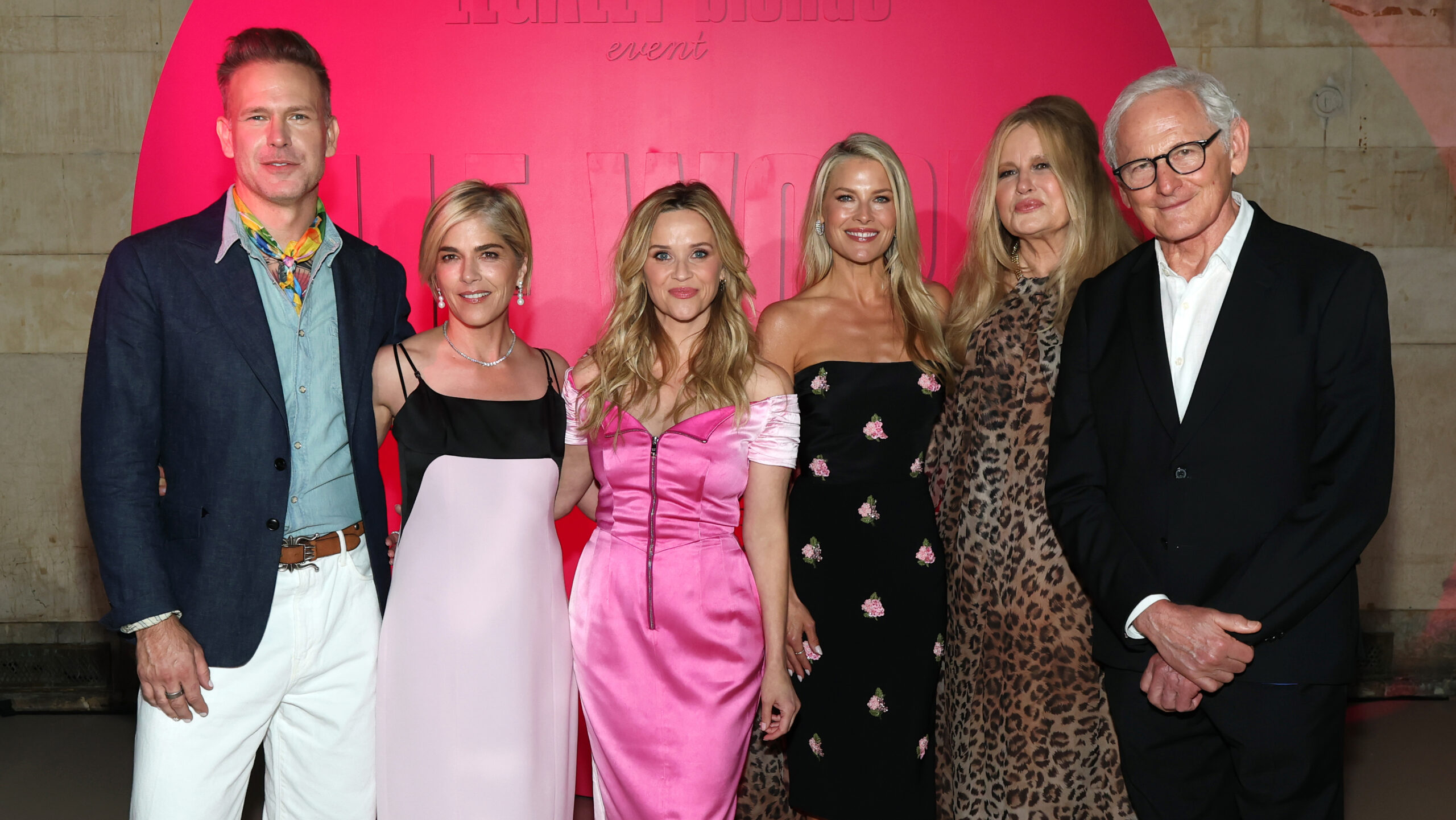
    Reese Witherspoon officially crowned the next Elle Woods on June 20, 2026, during a highly anticipated twenty-fifth-anniversary reunion panel for the original Legally Blonde film. Taking the stage in West Hollywood, Witherspoon introduced actress Lexi Minetree as the star of the upcoming Amazon Prime Video prequel series, Elle. The transition carried unexpected emotional weight for the veteran producer and actress. Witherspoon became visibly teary-eyed while addressing the audience, describing the handover as passing the pink torch to a young performer she praised for having such a beautiful heart. For Amazon MGM Studios and Witherspoon’s Hello Sunshine production banner, this moment represented more than nostalgia. It marked the launch of a major television franchise designed to bridge two distinct generations of viewers.

    A Tearful Handover in West Hollywood

    The Pacific Design Center hosted the gathering. Fans, industry executives, and fashion influencers filled the 380-seat Silver Screen Theater. A heavy pink carpet lined the entrance, signaling the enduring aesthetic power of the brand. The event was initially billed as a simple retrospective. It quickly evolved into a strategic passing of the baton. Witherspoon sat center stage, flanked by original cast members Luke Wilson and Selma Blair. The conversation inevitably turned from the past to the future of the intellectual property.

    Witherspoon addressed the specific challenge of embodying the iconic character. She noted that the role requires a specific, unironic frequency.

    You cannot manufacture the kind of bright, relentless optimism that Elle requires. You either have that light inside of you, or you don’t. When we found Lexi, it was immediate.

    Witherspoon paused as emotion caught in her throat.

    I am so honored to be passing the pink torch to someone with such a beautiful heart. She is going to protect this character.

    Lexi Minetree then stepped onto the stage to a standing ovation. The young actress wore a vintage 1990s Chanel tweed blazer. The sartorial choice was deliberate and highly calculated. It signaled the exact era in which the new series takes place. Minetree has previously built a quiet resume in independent cinema and streaming guest roles. Now, she shoulders the weight of a multi-million-dollar Amazon investment and the expectations of a fiercely loyal global fandom.

    The 25-Year Legacy of Elle Woods

    To understand the stakes of the prequel, one must look at the original film’s massive cultural footprint. Legally Blonde debuted in theaters on July 13, 2001. Director Robert Luketic shot the film on a modest 18 million dollar budget. Metro-Goldwyn-Mayer distributed the picture. It grossed 141 million dollars globally. More importantly, it became a cultural touchstone that redefined early-2000s cinema.

    Author Amanda Brown wrote the original novel based on her own experiences at Stanford Law School. She famously compiled her observations on pink paper. Producer Marc Platt read the manuscript and saw the cinematic potential. Screenwriters Karen McCullah Lutz and Kirsten Smith adapted the book. They crafted the specific comedic tone that defined the 2001 film. The character of Elle Woods subverted the dumb blonde trope of late-1990s media. She did not abandon her hyper-feminine aesthetic to achieve intellectual success. She weaponized it.

    The film spawned a 2003 theatrical sequel, Legally Blonde 2: Red, White & Blonde. It inspired a highly successful 2007 Broadway musical that ran for hundreds of performances. A direct-to-DVD spinoff, Legally Blondes, followed in 2009. Yet, the core magic always rested with Witherspoon’s specific performance. Replacing her was considered an impossible industry task. The solution was not to replace her, but to rewind the timeline.

    Hello Sunshine and the Amazon Strategy

    The reunion was not just a nostalgic gathering. It was a calculated corporate launch. Witherspoon founded Hello Sunshine in 2016. The company’s mission was to center female-driven narratives across film and television. In 2021, Blackstone-backed Candle Media acquired a majority stake in Hello Sunshine. The deal valued the company at 900 million dollars. Executives Kevin Mayer and Tom Staggs demanded scalable intellectual property to justify the valuation. Legally Blonde provided the perfect foundation.

    Amazon’s 8.5 billion dollar acquisition of MGM in 2022 gave the tech giant control of the Legally Blonde film rights. Witherspoon already held a deep working relationship with Amazon. The synergy was inevitable. Amazon MGM Studios head Jennifer Salke prioritized the Elle prequel as a flagship project for the 2026 television slate. The streaming platform needs recognizable, multi-generational hits. A 1990s-set teen drama based on a beloved 2000s film hits two distinct demographic quadrants.

    The Economics of Nostalgia

    The 2026 entertainment economy runs on familiar comfort. Production costs have skyrocketed across the board. Marketing budgets often exceed actual production budgets. Studios mitigate risk by betting on recognizable titles. The Legally Blonde franchise guarantees a baseline level of viewer curiosity. Amazon’s subscription model relies on keeping users engaged within the Prime ecosystem. A high-profile series like Elle drives both viewership and retail engagement.

    The original film influenced early-2000s fashion. The prequel aims to do the same for 2026. The 1990s revival trend in modern fashion aligns perfectly with the show’s setting. Amazon is uniquely positioned to capitalize on this. Viewers will likely be able to purchase Elle-inspired wardrobes directly through the Prime interface while streaming the series. This synergistic retail-content loop was impossible in 2001. It is the core of Amazon’s media strategy today.

    What to Expect from the ‘Elle’ Prequel

    Amazon Prime Video officially greenlit Elle in early 2024 following a competitive development process. The series operates as a direct prequel to the 2001 film. It follows Elle Woods through her high school years in 1990s Los Angeles. Showrunner Laura Kittrell built the narrative around the formative experiences that shaped the character’s unique worldview. Before the Harvard Law School admissions video, there was Bel Air. Before the courtroom triumphs, there were high school social politics.

    • The Setting: Mid-1990s Los Angeles, focusing on the elite social circles of Bel Air high schools.
    • The Tone: Earnest coming-of-age comedy, avoiding the trap of retro-camp or cynical irony.
    • The Aesthetic: A stark contrast between the heavy grunge movement of the 1990s and Elle’s unwavering commitment to pastels and prep.
    • The Plot: Exploring the early friendships, academic challenges, and family dynamics that forged her relentless optimism.

    Television history is littered with mixed results when adapting iconic adult characters into teenage prequels. The CW’s The Carrie Diaries attempted to explore a young Carrie Bradshaw with limited ratings success. Conversely, CBS struck gold with Young Sheldon, proving that audiences will embrace a prequel if the tonal shift feels earned. Amazon and Hello Sunshine studied these case studies extensively. Elle is designed to avoid the pitfalls of parody.

    The Pressure on Lexi Minetree

    Finding a young actress to embody that specific frequency took months. Casting directors auditioned hundreds of teenagers across the United States and the United Kingdom. The mandate from Hello Sunshine was clear. Do not find an actress who can do a Reese Witherspoon impression. Find an actress who understands the earnestness of the character. Irony is the enemy of Elle Woods. Minetree won the role by playing the audition scenes with complete, unblinking sincerity.

    Minetree faces immediate industry scrutiny. Internet fandoms are notoriously protective of childhood favorites. Social media platforms immediately dissected the reunion footage within minutes of the livestream. The consensus, however, leaned overwhelmingly positive. Witherspoon’s emotional endorsement served as a powerful shield for the young actress. A tearful co-sign from the original star neutralizes much of the legacy-casting backlash.

    Handing the character over to Minetree allows Witherspoon to step back into a purely executive role. She retains creative control without the physical demands of leading the franchise on screen. Witherspoon spent two decades fielding questions about a potential Legally Blonde 3. While a third film languished in development hell, the television prequel gained massive momentum. The torch has officially been passed.

    Looking Ahead to the Premiere

    Filming for the first season of Elle wrapped in early May 2026. Amazon Prime Video plans a late-fall premiere to capitalize on the holiday streaming window. Marketing campaigns will likely dominate the third quarter of the year. The pink branding will be inescapable across digital and physical billboards. Cross-promotional tie-ins with fashion and beauty brands are already finalized and ready for deployment.

    The business of Elle Woods is definitively more lucrative today than it was in 2001. What started as a modest summer comedy has evolved into a cornerstone of a multi-billion-dollar corporate strategy. The tears at the West Hollywood reunion were genuine, but they were also the starting gun for a massive commercial rollout. The character remains a beacon of optimism. The executives remain focused on the analytics.

    The Pacific Design Center emptied. The cameras stopped flashing. The executives returned to Culver City. The torch was passed. Pink.

  • Ice Cube and Nia Long Reunite for ‘Are They Gone Yet?’, The 2026 Legacy Sequel

    Ice Cube and Nia Long Reunite for ‘Are They Gone Yet?’, The 2026 Legacy Sequel

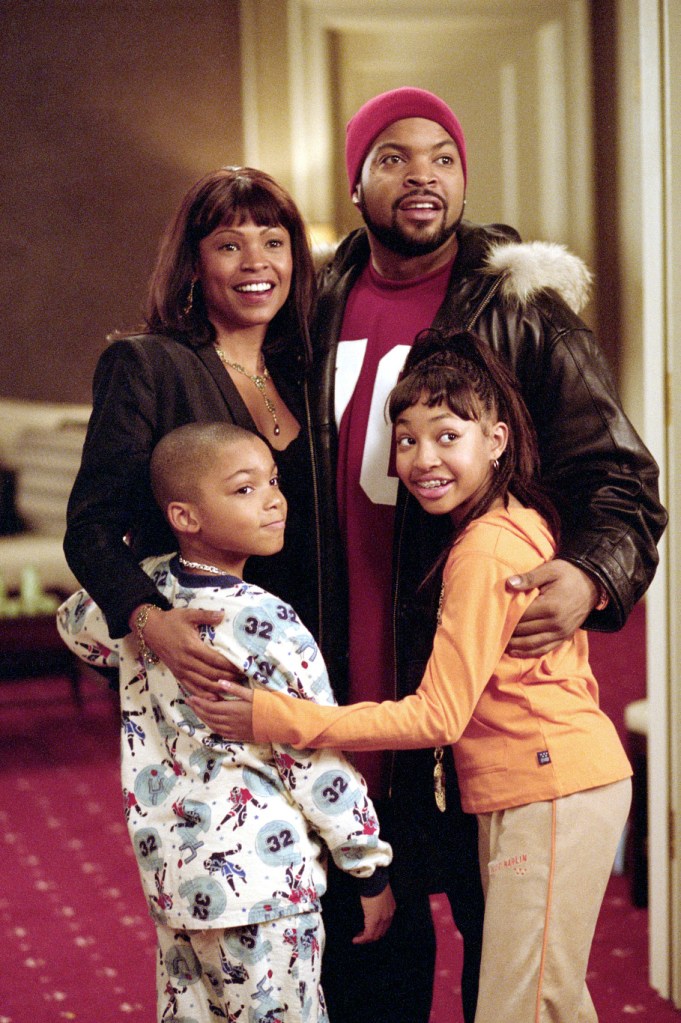
    Ice Cube and Nia Long are officially reuniting for “Are They Gone Yet?”, a legacy sequel to the 2005 family comedy “Are We There Yet?”, currently in development under Skydance Sports in 2026. The project brings the original stars back to the franchise twenty-one years after their characters first survived a disastrous road trip from Portland, Oregon, to Vancouver, British Columbia. The announcement signals a shift in Hollywood’s nostalgia mining, moving beyond action blockbusters to resurrect the mid-2000s family comedy. What looks like a simple casting reunion is actually a calculated play on generational demographics.

    In 2005, the original film asked a simple question about a bachelor surviving a road trip with two hostile children. In 2026, the new title flips the premise. “Are They Gone Yet?” points directly to the modern reality of the boomerang generation. The children have grown. The parents want their house back. The audience that watched the original film in middle school is now dealing with their own housing crises and family dynamics. Hollywood knows exactly who this movie is for.

    The 21-Year Evolution of Nick and Suzanne

    The story of Nick Persons and Suzanne Kingston did not stop in 2005. The franchise has a long, highly monetized history that laid the groundwork for this 2026 revival.

    The 2005 Road Trip That Changed Everything

    Released on January 21, 2005, “Are We There Yet?” was a financial triumph for Revolution Studios and Columbia Pictures. Directed by Brian Levant, the film operated on a modest $32 million budget. It grossed $97.9 million worldwide. The premise was aggressively simple. Nick Persons, a child-hating sports memorabilia dealer played by Ice Cube, buys a brand-new Lincoln Navigator. He falls for Suzanne Kingston, a divorced event planner played by Nia Long. To win her over, he agrees to transport her two children, Lindsey and Kevin (played by Aleisha Allen and Philip Daniel Bolden), up the Pacific Northwest coast.

    The children systematically destroy the SUV. They destroy Nick’s patience. They eventually break down his emotional walls. The film ended with a makeshift family formed in the wreckage of a luxury vehicle. It was a critical punching bag. It was a massive commercial hit.

    The 2007 Suburban Expansion

    Hollywood does not leave money on the table. Two years later, Revolution Studios released “Are We Done Yet?” on April 4, 2007. The sequel abandoned the road trip format entirely. It functioned as a loose remake of the 1948 Cary Grant comedy “Mr. Blandings Builds His Dream House.” Nick and Suzanne were married. Suzanne was pregnant. They moved from the city to a sprawling, decaying suburban fixer-upper.

    The film introduced Chuck Mitchell Jr., an eccentric local contractor played by John C. McGinley, who served as the primary antagonist and eventual friend. The sequel grossed $58 million globally. It proved the characters had legs beyond the confines of a Lincoln Navigator. It established Nick and Suzanne as a permanent fixture in the 2000s comedy landscape.

    The 10/90 Syndication Television Play

    The franchise then made a revolutionary pivot. In 2010, “Are We There Yet?” became a television sitcom on TBS. Ice Cube transitioned to an executive producer role, though he occasionally guest-starred as Suzanne’s brother. Terry Crews took over the role of Nick Persons. Essence Atkins stepped in as Suzanne.

    The show utilized the aggressive 10/90 syndication model pioneered by Debmar-Mercury. If the first 10 episodes hit specific ratings targets, the network was contractually obligated to order 90 more episodes immediately. The gamble worked. The show ran for exactly 100 episodes between 2010 and 2013, securing massive syndication profits. The intellectual property was thoroughly embedded in American living rooms.

    Why Skydance Sports?

    The most revealing detail of the 2026 announcement is the production company. Skydance Sports is backing “Are They Gone Yet?”. This is not a traditional comedy studio.

    Founded in 2021 as a joint venture between David Ellison’s Skydance Media and the NFL, Skydance Sports built its reputation on projects like the 2023 Ben Affleck film “Air” and high-end sports documentaries. Their involvement in a family comedy sequel seems incongruous at first glance. But the original text holds the key.

    “Nick Persons was never just a bachelor. He was a sports memorabilia dealer. His prized possession was a Satchel Paige bobblehead that spoke to him in the voice of Tracy Morgan.”

    Skydance Sports focuses on narratives adjacent to athletics. If Nick Persons still operates in the sports collectible space, an industry that exploded into a multi-billion-dollar alternative asset class during the 2020s, the production company fit makes perfect sense. The sequel will likely anchor its plot in the modern sports memorabilia boom, blending family comedy with the high-stakes world of sports auctions and collectibles.

    Ice Cube’s Masterclass in Audience Retention

    The return of Nick Persons highlights one of the most successful career pivots in Hollywood history. O’Shea Jackson began his career terrifying middle America. As the primary lyricist for N.W.A. on the 1988 album “Straight Outta Compton,” he was the architect of gangsta rap. His early film roles in “Boyz n the Hood” (1991) and “Higher Learning” (1995) cemented him as a serious, dramatic force.

    Then came “Friday” in 1995. Ice Cube proved he could write and anchor a comedy. But it was the early 2000s that defined his financial empire. “Barbershop” (2002) and “Are We There Yet?” (2005) transitioned him from an R-rated cultural provocateur to a PG-rated family staple.

    • He retained his core audience as they aged.
    • He captured their children through family-friendly releases.
    • He built franchises that could be serialized and syndicated.

    By 2026, Ice Cube represents multi-generational nostalgia. He is simultaneously a rap legend to Generation X, a comedy icon to Millennials, and the frustrated dad from cable reruns to Generation Z.

    Nia Long and the Architecture of the Modern Rom-Com

    Nia Long’s return as Suzanne Kingston is equally vital to the project’s viability. Long is a foundational pillar of Black Hollywood. Her run through the 1990s and early 2000s is unmatched in its cultural resonance.

    From “Boyz n the Hood” to “Friday,” from “Love Jones” (1997) to “The Best Man” (1999) and “Big Momma’s House” (2000), Long defined the modern romantic lead. She brought a specific gravity to “Are We There Yet?”. Suzanne Kingston was not just a foil for Nick Persons; she was the emotional anchor that made his transformation believable.

    In 2026, Long’s presence elevates “Are They Gone Yet?” from a simple cash-grab to a genuine cultural event. Audiences have a deeply rooted parasocial relationship with her characters. Seeing Suzanne navigate the complexities of adult children and an aging marriage provides the emotional hook the sequel requires.

    The Economics of the 2026 Legacy Sequel

    Hollywood in 2026 operates on a strict diet of established IP. Original concepts carry immense financial risk. The legacy sequel, bringing back original cast members decades later to pass the torch or confront their age, has become the industry’s safest bet.

    The Boomerang Generation Meets Hollywood

    The genius of “Are They Gone Yet?” lies in its thematic update. The children from the 2005 film, Lindsey and Kevin, would now be in their late twenties or early thirties. The modern economic reality features millions of adults moving back into their childhood homes due to housing costs and inflation.

    A comedy about Nick Persons finally getting his house to himself, only to have his adult stepchildren move back in, writes itself. It mirrors the exact frustrations of the core audience. It allows the film to comment on the modern economy without abandoning its slapstick roots. It gives Ice Cube a new reason to scowl.

    What Happens Next

    Development under Skydance Sports will move quickly. Casting announcements regarding the adult versions of Lindsey and Kevin will dictate the specific comedic tone of the film. The script will need to balance 2005 nostalgia with 2026 sensibilities.

    The original audience is ready. The stars are aligned. The intellectual property is secure. The industry knows the formula.

    The minivan is gone.

    The empty nest is full again.

    The headache returns.

    Hollywood.

  • Michael J. Fox Returns to the Microphone – Voicing the Lead in Animated Feature ‘Dragoons’

    Michael J. Fox Returns to the Microphone – Voicing the Lead in Animated Feature ‘Dragoons’

    Michael J. Fox is returning to the entertainment industry to voice the lead character in the upcoming animated feature film, Dragoons. Four years after his official retirement from on-screen acting in 2020, the 64-year-old actor has signed on to anchor the voice cast of the new fantasy adventure. The project allows Fox to utilize his iconic vocal talents while navigating the physical realities of Parkinson’s disease. The announcement broke through an exclusive report in Variety. The entertainment landscape immediately reacted. Nostalgia drives modern box office returns. Fox remains a central pillar of late twentieth-century pop culture.

    His return to the microphone signals a strategic move by the studio. They want to capture both older audiences and younger viewers. Animation offers a forgiving environment for actors managing physical health challenges. The recording booth requires no blocking. There are no marks to hit. There are no grueling fourteen-hour days under hot studio lights. The microphone only demands the voice. For Fox, whose voice carries the emotional weight of decades of beloved cinema, the medium is a perfect fit.

    The Architecture of a Voice Acting Legacy

    This is not Fox’s first time in the recording booth. His voice acting resume is as formidable as his live-action career. In 1993, Fox voiced Chance, the energetic American Bulldog in Disney’s Homeward Bound: The Incredible Journey. The film became a massive commercial success. It grossed $41.8 million domestically and spawned a 1996 sequel, Homeward Bound II: Lost in San Francisco. Fox proved that his comedic timing translated perfectly without his physical presence.

    In 1999, he took on the titular role in Stuart Little. The adaptation of the E.B. White classic required a voice that was simultaneously vulnerable and courageous. Fox delivered. The film grossed $300.1 million worldwide. He returned for Stuart Little 2 in 2002 and Stuart Little 3: Call of the Wild in 2005. Between those projects, he voiced Milo Thatch in Disney’s 2001 animated sci-fi adventure Atlantis: The Lost Empire. Milo was a fast-talking, highly intelligent linguist. The character was practically tailor-made for the cadence Fox perfected on Family Ties and Spin City.

    What We Know About Dragoons

    The details surrounding Dragoons remain tightly guarded. Industry sources indicate the film centers on a group of older, retired dragons forced back into action to save a crumbling kingdom. Fox will voice the lead dragon, a character described as possessing immense wisdom but lacking his former physical agility. The thematic parallels to Fox’s own life are impossible to ignore. The casting is deliberate. The studio is leaning into the meta-narrative of a beloved hero returning for one more ride.

    Production is currently underway. Voice recording sessions have already begun in specialized studios designed to accommodate Fox’s schedule. Modern animation pipelines allow actors to record their dialogue over months rather than days. This flexibility is crucial. It ensures Fox can work on days when his symptoms are manageable and rest when they are not.

    Recording Around the Reality of Parkinson’s

    Fox was diagnosed with young-onset Parkinson’s disease in 1991 at the age of 29. He kept the diagnosis private for seven years. In 1998, he disclosed his condition to the public. In 2000, he stepped down from his starring role on the ABC sitcom Spin City. He continued to take guest roles on shows like The Good Wife, Curb Your Enthusiasm, and Rescue Me. He earned multiple Emmy nominations for these appearances. He integrated his physical tremors into his characters. He refused to hide the reality of his body.

    In 2020, Fox published his fourth memoir, No Time Like the Future: An Optimist Considers Mortality. In the book, he officially announced his retirement from acting. He cited declining cognitive abilities, specifically his struggle to memorize lines. Memorization is the lifeblood of a live-action actor. When that faculty fades, the work becomes nearly impossible. Voice acting circumvents this obstacle. In an ADR (Automated Dialogue Replacement) booth, actors read directly from a script on a music stand or a digital tablet. The pressure of memorization vanishes. The actor can focus entirely on performance, emotion, and timing.

    The Cultural Weight of a Familiar Voice

    The 2023 release of the Apple TV+ documentary Still: A Michael J. Fox Movie brought the actor’s daily struggles back into the global spotlight. Directed by Davis Guggenheim, the film was unflinching. It showed Fox falling. It showed his physical therapy. It showed his enduring sense of humor. The documentary won four Emmy Awards. It reminded the public of exactly who Michael J. Fox is. He is not just Marty McFly. He is not just Alex P. Keaton. He is a man who took a devastating diagnosis and turned it into a global crusade for a cure.

    When audiences hear Fox’s voice in a movie theater in 2026, they will hear all of that history. They will hear the teenager who traveled back to 1955. They will hear the mouse who drove a red convertible. They will hear the man who has raised billions for medical research. A voice is not just sound. It is a vessel for memory. Studios understand this. The casting of legacy actors in animated features is a growing trend, but few carry the emotional resonance of Michael J. Fox.

    The Michael J. Fox Foundation’s Ongoing Mission

    While Fox returns to the entertainment world, his primary legacy remains rooted in science. In 2000, he launched The Michael J. Fox Foundation for Parkinson’s Research. The organization disrupted the traditional medical funding model. They prioritized speed, efficiency, and direct funding to researchers. By 2023, the foundation had raised and funded over $2 billion in global research programs. They are the largest nonprofit funder of Parkinson’s drug development in the world.

    In April 2023, the foundation announced a massive breakthrough. Researchers funded by the organization discovered a biomarker that can detect Parkinson’s disease in living patients before severe symptoms appear. The discovery of the alpha-synuclein seed amplification assay (SAA) changed the landscape of neurological medicine. Fox’s return to acting does not diminish this work. It amplifies it. Every press junket for Dragoons will inevitably highlight the foundation’s progress.

    The Animation Industry Shifts Toward Legacy Casting

    The animation industry has evolved significantly since Fox recorded Stuart Little. In the late 1990s, casting A-list celebrities in animated films was a relatively new phenomenon, popularized heavily by Robin Williams in Aladdin (1992) and Tom Hanks in Toy Story (1995). Today, it is the industry standard. However, the strategy is shifting. Studios are no longer just looking for the hottest current star. They are looking for voices that evoke specific eras of cinema.

    • Nostalgia as a Marketing Tool: Parents who grew up watching 1980s cinema are now taking their children to the movies. A familiar voice bridges the generational gap.
    • Technological Advancements: High-fidelity remote recording setups allow older actors or those with health conditions to record from home studios without sacrificing audio quality.
    • Shorter Production Commitments: A lead voice role might only require thirty to forty hours of total recording time, spread across two years.

    These factors make projects like Dragoons highly appealing to veteran actors. It provides a creative outlet without the physical toll of a traditional film set.

    The Next Chapter

    Fox has often described himself as an incurable optimist. His return to acting is a testament to that mindset. He found a door that was still open. He walked through it. The entertainment industry is notoriously unforgiving to aging bodies and chronic illness. Fox has consistently rewritten the rules of engagement. He acted with Parkinson’s on live television. He wrote best-selling memoirs about his cognitive decline. Now, he is headlining a major animated feature.

    “With gratitude and optimism, I’m ready for whatever comes next.”, Michael J. Fox, No Time Like the Future.

    The production of Dragoons will continue quietly in sound booths and animation studios over the next year. The marketing campaign will eventually launch. The trailers will drop. The posters will hit theater lobbies. But the true impact of this film has already been cemented by a single casting announcement. It is proof of endurance. It is proof of adaptation. It is proof that a great performer always finds a way to reach the audience.

    The animators sketch the frames. The sound engineers adjust the levels. The audience waits for the lights to dim. The voice remains.

  • Netflix’s ‘Little House on the Prairie’ Reboot: The 2026 Trailer and the Return to Walnut Grove

    Netflix’s ‘Little House on the Prairie’ Reboot: The 2026 Trailer and the Return to Walnut Grove

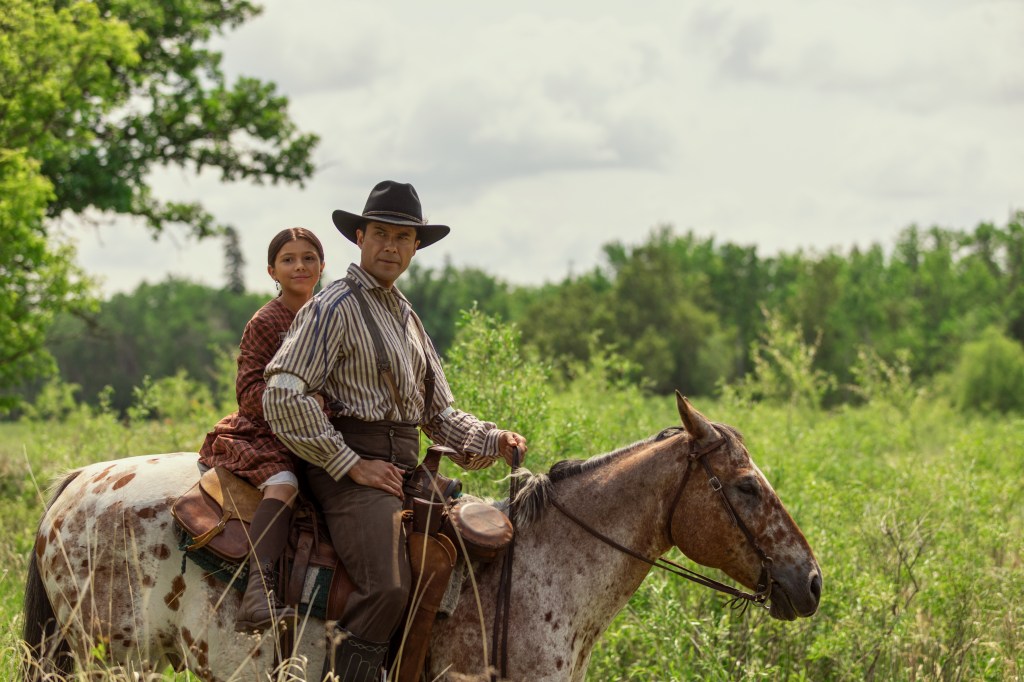
    Netflix released the first trailer for its highly anticipated Little House on the Prairie reboot on June 4, 2026, signaling a dramatic shift from the sunny 1970s television adaptation to a grounded, survival-focused retelling of the Ingalls family’s 1870s western migration. The two-minute preview, titled “A Fresh Start,” confirms a November 12, 2026, global premiere date and positions the series as a prestige historical drama. Audiences seeking nostalgia will find the familiar characters of Charles, Caroline, Mary, and Laura Ingalls, but placed against a harsher, historically accurate American frontier.

    The announcement immediately dominated social media algorithms. Deadline reported the trailer capitalizes on a deep cultural longing for simpler times. But the footage reveals that “simpler” does not mean easier. The reboot strips away the golden-hour gloss of previous adaptations. It replaces it with mud, freezing rain, and the vast, indifferent landscape of the American Midwest.

    What looks like a sudden pivot to historical nostalgia is actually a calculated multi-million-dollar bet. The streaming platform is banking on the idea that an exhausted, hyper-connected modern audience wants to watch a family survive on nothing but timber, wheat, and sheer will.

    The 2026 Trailer: Mud, Wind, and a Fresh Start

    The trailer opens without music. Only the sound of prairie wind and the creak of wooden wagon wheels. A title card appears in a stark, serif font: A Fresh Start.

    Within two minutes and fourteen seconds, the visual language of the new series is established. Charles Ingalls, played with quiet intensity by Garrett Hedlund, is shown driving a covered wagon across a swollen, dangerous river. Caroline Ingalls, portrayed by Lily Rabe, stares across an endless expanse of tallgrass prairie. The camera work is handheld. The lighting relies heavily on practical firelight and overcast skies.

    There are no pristine calico dresses. The wardrobe is frayed. The dirt is permanent. The trailer culminates in a sweeping drone shot of a tiny wooden cabin dwarfed by the massive, unforgiving landscape of Plum Creek.

    This is not the Walnut Grove of 1974. This is the Walnut Grove of 1874. The stakes are not localized town drama. The stakes are starvation, weather, and survival.

    The Economics of Frontier Nostalgia

    Nostalgia is a lucrative commodity. Netflix recognized this when it greenlit the project in October 2024. Co-produced with Paramount Television Studios, the first season carries a reported production budget of $85 million. This averages to over $10 million per episode for the eight-episode run.

    The investment reflects a broader industry trend. Following the massive, sustained success of the Yellowstone franchise, networks and streamers realized the American West still holds immense commercial power. But while Yellowstone offers modern soap-opera violence, Little House on the Prairie offers historical endurance.

    The target demographic is uniquely broad. Netflix aims to capture the older generation who grew up watching the original series in syndication, while simultaneously hooking younger viewers drawn to prestige, high-budget survival narratives. The longing for “simpler times” is actually a longing for tangibility. In an era defined by artificial intelligence and digital screens, chopping wood and planting wheat offer a psychological anchor.

    Reclaiming Laura Ingalls Wilder’s Text

    To understand the 2026 reboot, one must look past the television screen and back to the printed page. Laura Ingalls Wilder published Little House in the Big Woods in 1932. She was 65 years old. Over the next decade, with heavy editorial assistance from her daughter, Rose Wilder Lane, she released eight more books chronicling her childhood.

    The books are stark. They are written for children, but they do not hide the brutality of the era. Wilder wrote about a sky blackened by millions of Rocky Mountain locusts in 1874. She wrote about the devastating blizzards of the Long Winter in 1880, where the family survived for months on nothing but ground seed wheat and twisted hay for fuel.

    The new series showrunner, Margaret Vance, has publicly stated her intention to adapt the original text, not the 1974 television show. The scripts draw heavily from historical records, land deeds, and Wilder’s original, unedited manuscript, Pioneer Girl, which was finally published in 2014. The goal is historical fidelity. The Ingalls family were not wealthy farmers. They were perpetual migrants, driven by the promises of the Homestead Act of 1862, constantly chasing the edge of the frontier.

    The 1974 Legacy of Michael Landon

    It is impossible to launch a property named Little House on the Prairie without confronting the ghost of Michael Landon. In 1974, Landon and producer Ed Friendly brought the Ingalls family to NBC. The show ran for nine seasons, producing 204 episodes.

    Landon’s vision was distinct. He served as the executive producer, frequent director, and the patriarchal star. His Charles Ingalls was a moral pillar, always ready with a gentle lesson and a perfectly timed tear. The series was filmed primarily at the Big Sky Movie Ranch in Simi Valley, California. The California sun gave the show a perpetual, golden-hour warmth that looked nothing like the harsh reality of the Dakota Territory.

    The NBC series was a massive hit. Airing on Monday nights at 8:00 PM, it became a staple of American family viewing. It launched the career of Melissa Gilbert, who became the definitive face of Laura Ingalls for half a century. But Landon’s version often strayed far from historical fact, inventing adopted children, town villains, and melodramatic storylines to satisfy the demands of weekly episodic television.

    The 2026 reboot deliberately distances itself from this legacy. It respects the 1970s iteration as a cultural touchstone, but treats it as a separate entity entirely.

    Casting the Frontier

    Casting a reboot of this magnitude requires precision. The actors must carry the historical weight of the 19th century without feeling like modern transplants in costume.

    • Garrett Hedlund as Charles Ingalls: Hedlund brings a weathered, physical presence to “Pa.” He looks like a man who can actually swing an axe. His portrayal leans less on moralizing speeches and more on the silent, desperate weight of keeping a family alive.
    • Lily Rabe as Caroline Ingalls: Rabe anchors the family as “Ma.” Historical accounts paint Caroline as a deeply resilient woman who managed the homestead alone for weeks while Charles sought labor. Rabe’s casting signals a more complex, central role for the matriarch.
    • Eliana Jones as Laura Ingalls: The 11-year-old newcomer faces the steepest challenge. She must embody the wild, observant spirit of the author. The trailer shows her running through tall grass, capturing the untamed energy that defines the character.
    • Clara Bowden as Mary Ingalls: Playing the older, more obedient sister, Bowden’s role carries the tragic foresight of Mary’s eventual blindness, a storyline the producers have confirmed will be handled with strict medical and historical accuracy.

    Production: Leaving California for Alberta

    To capture the true menace of the Midwestern climate, production could not remain in Southern California. The 2026 series moved its base of operations to Calgary, Alberta. Filming commenced in August 2025 and ran through the bitter cold of February 2026.

    The Canadian province offered the vast, unbroken plains necessary to replicate 1870s Minnesota and the Dakota Territory. The production crew built a fully functioning 19th-century mill. They constructed the iconic sod house and the Plum Creek dugout using historically accurate techniques. There was no drywall. There were no hidden generators on set.

    This commitment to practical effects extends to the environment. When the script called for a blizzard, the crew filmed in sub-zero Albertan weather. The breath leaving the actors’ mouths in the trailer is real. The shivering is not acting. This physical discomfort translates directly to the screen, adding a layer of tension that CGI cannot replicate.

    The Historical Reality of Walnut Grove

    The central hub of the trailer is Walnut Grove, Minnesota. In reality, the Ingalls family lived on a farm situated on the banks of Plum Creek, roughly one and a half miles north of the town.

    In 1874, Charles Ingalls paid $500 for the rights to the 160-acre farm. The family initially lived in a dugout carved directly into the bank of the creek. It was a home made of dirt, roots, and prairie grass. The reality of dugout living was claustrophobic and damp. The trailer briefly shows this cramped, subterranean existence, a stark contrast to the spacious wooden cabin featured in the 1970s series.

    The financial reality of the era was brutal. Wheat was the cash crop. When the Rocky Mountain locusts descended in the summer of 1874, they did not just eat the crops; they ate the family’s financial future. The insects consumed the wheat, the vegetable garden, and even the clothing on the clothesline. Charles was forced to walk two hundred miles east to find work harvesting crops that had been spared. The 2026 series promises to dedicate an entire episode to the psychological horror of the locust swarm.

    Why “A Fresh Start” Resonates Today

    The tagline “A Fresh Start” operates on two levels. Narratively, it refers to the Ingalls family leaving the Big Woods of Wisconsin to claim land in the West. Culturally, it speaks directly to the modern viewer.

    The 2020s have been defined by global instability, technological saturation, and a pervasive sense of burnout. The allure of the 1870s frontier is not that it was easy. The allure is that the problems were physical, not existential. If you were cold, you chopped wood. If you were hungry, you hunted or harvested. The cause and effect of daily survival were immediate and visible.

    This psychological phenomenon is often called anemoia, nostalgia for a time you never experienced. The Netflix reboot taps directly into this vein. It offers a brutal, beautiful escape into a world where the rules of survival were dictated by the seasons, not by the screen.

    The trailer ends with a simple shot. A lantern is blown out. The screen goes black. The premiere date appears. The digital age prepares to look backward.

    The wagons rolled west. The cameras stopped rolling. The algorithms captured the longing.

    Walnut Grove.