Tag: Nbcuniversal

  • Sun Valley 2026: AI, Comcast, Paramount-WBD Deals Dominate Mogul Discussions

    Sun Valley 2026: AI, Comcast, Paramount-WBD Deals Dominate Mogul Discussions

    The annual Sun Valley conference, held in July 2026, served as a key forum for media and technology leaders to address critical industry trends, including the pervasive influence of artificial intelligence, the prospective restructuring of Comcast, and the persistent rumors of a merger between Paramount Global and Warner Bros. Discovery. This gathering, known for its high-level, private discussions, frequently sets the tone for future corporate strategies and market developments.

    What looks like an exclusive retreat in Idaho is often a crucible for the next generation of media and tech. Decisions made or hinted at in Sun Valley can ripple across global markets. The 2026 iteration proved no different, with attendees focused on navigating a rapidly evolving landscape.

    The AI Revolution: A Central Theme

    Artificial intelligence emerged as the foremost topic at the 2026 Sun Valley conference. Industry titans engaged in extensive dialogues concerning AI’s transformative capacity. These discussions spanned its application in content creation, distribution, and monetization.

    Executives from streaming services explored AI’s role in personalized recommendations and audience engagement. Studio heads considered AI’s potential in script development and post-production efficiencies. The implications for intellectual property rights and creative labor were also central to these conversations.

    The economic impact of AI was a recurrent subject. Companies are evaluating substantial investments in AI infrastructure and talent. The competitive advantage offered by advanced AI capabilities was a driving force behind many strategic discussions.

    Concerns were also voiced regarding ethical considerations and regulatory frameworks for AI. Leaders acknowledged the need for responsible development and deployment of these powerful technologies. The rapid pace of AI advancement presented both immense opportunities and complex challenges for all sectors represented.

    Comcast’s Future: A Potential Split

    The corporate structure of Comcast became a significant point of discussion at Sun Valley 2026. Speculation intensified regarding a potential split of the conglomerate. This would involve separating its various business units, most notably NBCUniversal.

    Comcast’s portfolio includes cable television, internet service provision, and media assets under NBCUniversal. NBCUniversal encompasses film studios, television networks, and theme parks. Analysts and executives debated the strategic rationale for such a divestiture.

    Proponents of a split suggested it could unlock greater shareholder value. They argued that different business segments might perform better as independent entities. This could allow each unit to pursue more focused growth strategies.

    The challenges of a potential separation were also considered. These included operational complexities and the disentanglement of shared resources. The financial implications for Comcast’s debt structure and future investment capacity were also analyzed.

    No definitive announcements were made. However, the intensity of the discussions indicated that a corporate restructuring for Comcast remained a live topic among industry leaders. The future of NBCUniversal as a standalone entity or under new ownership was a key element of these talks.

    Paramount-WBD: Merger Speculation Continues

    The prospect of a merger between Paramount Global and Warner Bros. Discovery remained a hot topic at the 2026 conference. This potential consolidation has been a subject of industry speculation for an extended period. The Sun Valley setting provided a backdrop for further high-level consideration.

    Both companies possess extensive content libraries and distribution networks. A merger could create a media giant with significant market power. The combined entity would command a formidable presence in both linear television and streaming services.

    The strategic benefits of such a combination were discussed. These included increased scale to compete with larger rivals. Cost synergies from combining operations were also a major consideration. The potential for cross-promotion of content across platforms was another attraction.

    However, significant hurdles were also acknowledged. Regulatory scrutiny would be intense, given the size of the proposed merger. The integration of two large, complex organizations presents substantial operational challenges. Valuations and deal structures were likely subjects of private conversations.

    The shifting landscape of media consumption fuels these merger discussions. Companies seek to achieve greater efficiency and market dominance in a fragmented environment. The 2026 Sun Valley conference underscored the ongoing pressure for consolidation within the entertainment industry.

    The Power of Convergence

    The intermingling of media and technology sectors was a recurring theme. The lines between content creation, distribution, and technological infrastructure continue to blur. This convergence drives many of the strategic decisions discussed at Sun Valley.

    Technological innovations, particularly AI, are reshaping traditional media business models. Media companies are increasingly becoming technology companies. Tech companies are expanding into content creation and distribution.

    This convergence impacts everything from advertising strategies to consumer engagement. Data analytics, powered by AI, offers unprecedented insights into audience behavior. This allows for more targeted content and marketing efforts.

    The competitive environment is globalized and intensely dynamic. Companies must innovate constantly to maintain relevance. The discussions at Sun Valley reflected this imperative for continuous adaptation and strategic foresight.

    Networking and Future Foresight

    Beyond the formal discussions, the Sun Valley conference serves a critical networking function. Informal interactions between CEOs, founders, and investors often lay the groundwork for future partnerships and deals. The secluded setting fosters candid conversations.

    Attendees gain insights into emerging trends and potential market disruptions. The collective intelligence gathered at such events provides a valuable strategic advantage. Participants leave with a refined understanding of the industry’s trajectory.

    The conference provides a barometer for the health and direction of the media and technology industries. It highlights the prevailing concerns and the most promising opportunities. The 2026 gathering affirmed AI’s central role and the ongoing restructuring of legacy media. Strategic partnerships were forged. Future deals were conceptualized. Industry leaders convened. They shaped the future.


  • Comcast-NBCUniversal Split: Navigating D.C.’s Regulatory Landscape

    Comcast-NBCUniversal Split: Navigating D.C.’s Regulatory Landscape

    The potential split of Comcast and NBCUniversal faces substantial regulatory scrutiny in Washington D.C., influenced by the prevailing political climate and the Federal Communications Commission (FCC).

    This corporate maneuver, if pursued, would navigate a complex web of federal oversight. The outcome holds implications for the media industry and the regulatory bodies tasked with ensuring market competition and public interest.

    What looks like a purely corporate decision actually unfolds within a highly politicized administrative state.

    The Genesis of a Media Giant

    Comcast’s acquisition of NBCUniversal began in 2009. The initial deal involved Comcast purchasing 51% of NBCUniversal from General Electric (GE).

    This transaction received regulatory approval in January 2011. Conditions were placed on the merger, including commitments to local news, children’s programming, and online video distribution.

    Comcast completed its full acquisition of NBCUniversal in March 2013. The company paid $16.7 billion to GE for the remaining 49% stake. This solidified Comcast’s position as a dominant force in both internet service provision and media content creation.

    The combined entity brought together cable television, internet, and phone services with broadcast television, film studios, and theme parks. This vertical integration created a conglomerate with vast market reach.

    Regulatory Oversight of the Original Merger

    The 2011 merger faced extensive review from the Department of Justice (DOJ) and the Federal Communications Commission (FCC). Both agencies imposed conditions aimed at mitigating potential anti-competitive effects.

    The DOJ required Comcast to divest its ownership in Hulu, a streaming service, within six months of the merger’s close. This was to prevent Comcast from wielding undue influence over the nascent streaming market.

    The FCC imposed further behavioral conditions. These included ensuring access to NBCUniversal content for competing distributors and preventing discrimination against online video providers. These conditions were designed to expire in 2018.

    The regulatory environment of 2011 was characterized by concerns over media consolidation. Regulators sought to balance the benefits of scale with the risks of reduced competition.

    The Shifting Sands of Media Ownership

    The media landscape has evolved significantly since 2013. Streaming services have proliferated. Traditional cable subscriptions have declined.

    Technological advancements have altered content distribution models. Consumer habits have shifted dramatically towards on-demand viewing.

    This transformation has led many media companies to re-evaluate their strategies. Vertical integration, once seen as an advantage, now presents new challenges and opportunities.

    Comcast, like other legacy media companies, grapples with adapting to this dynamic market. The company has invested heavily in its Peacock streaming service.

    The Strategic Rationale for a Potential Split

    The rationale behind a potential Comcast-NBCUniversal split is multifaceted. One primary driver could be investor pressure. Wall Street often favors pure-play companies.

    Separating the high-growth content business (NBCUniversal) from the more mature broadband and cable operations (Comcast) could unlock shareholder value. Each entity might command a higher valuation independently.

    Another factor is the differing capital requirements and investment horizons for each business segment. Content creation demands continuous investment in programming and talent. Broadband infrastructure requires ongoing upgrades and expansion.

    A split could also allow each entity to pursue more focused strategic goals. NBCUniversal could compete more aggressively in the global streaming wars. Comcast could concentrate on its core connectivity business and its Xfinity brand.

    The current market environment often rewards companies with clear, distinct business models. This contrasts with the conglomerate structure that dominated previous decades.

    The D.C. Regulatory Gauntlet

    Any significant corporate restructuring involving Comcast and NBCUniversal would inevitably land on the desks of D.C. regulators. The Federal Communications Commission (FCC) and the Department of Justice (DOJ) would be the primary arbiters.

    The FCC oversees interstate and international communications by radio, television, wire, satellite, and cable. Its mandate includes promoting competition and protecting consumers.

    The DOJ’s Antitrust Division enforces federal antitrust laws. It ensures fair competition in the marketplace. Both agencies would examine the potential impact of a split on competition, consumer choice, and market structure.

    The political composition of these agencies significantly influences their approach to mergers and acquisitions. An administration with a more interventionist stance on antitrust would scrutinize such a move more closely.

    The Role of the Federal Communications Commission (FCC)

    The FCC would play a pivotal role in any Comcast-NBCUniversal separation. The agency’s jurisdiction over broadcasting and cable television ensures its involvement.

    The FCC’s review would center on the public interest standard. This involves assessing how the split impacts competition, localism, and diversity in media ownership.

    Commissioners appointed by the President shape the FCC’s policy direction. The current FCC, operating in 2026, reflects the priorities of the administration.

    A split could trigger a re-evaluation of existing licenses and regulatory obligations. The original merger conditions, which expired in 2018, would not directly apply to a de-merger. However, the FCC could impose new conditions.

    The agency would consider whether the separation leads to a more competitive media ecosystem or creates new monopolies or duopolies in specific markets.

    The Department of Justice (DOJ) Antitrust Review

    The DOJ’s Antitrust Division would also conduct a thorough review. Its focus would be on whether the separation enhances or harms competition.

    The DOJ would analyze market concentration in various segments, including content production, distribution, and broadband services. The goal is to prevent any anti-competitive behavior that could arise from the new corporate structure.

    The division employs economic analysis to determine market power and potential consumer impact. They would assess whether the split creates an environment conducive to price fixing, market allocation, or other anti-competitive practices.

    The DOJ’s enforcement posture is influenced by the administration’s overall antitrust philosophy. A more aggressive antitrust stance could lead to a more rigorous and potentially challenging review process.

    Political Currents and Regulatory Influence

    The political climate in Washington D.C. directly impacts regulatory decisions. The current administration’s approach to corporate power and media consolidation is a critical factor.

    Administrations often signal their regulatory priorities through appointments and policy statements. These signals guide the actions of agencies like the FCC and DOJ.

    A White House that emphasizes robust antitrust enforcement may encourage regulators to take a harder line on large corporate transactions. Conversely, an administration focused on deregulation might adopt a more permissive approach.

    The interplay between corporate lobbying efforts and political ideology is constant. Companies invest significant resources to influence policy outcomes.

    The Administration’s Stance on Corporate Power

    The administration, in 2026, has articulated its views on corporate consolidation. Its rhetoric and policy directives shape the regulatory environment.

    Statements from the White House or key economic advisors can set the tone for agency reviews. These statements often reflect a broader economic philosophy.

    For example, an administration concerned about the power of tech giants might extend that concern to large media conglomerates. This could lead to increased scrutiny of any proposed split.

    Conversely, an administration prioritizing business growth and market efficiency might view a split as a positive development, potentially streamlining the approval process.

    The political landscape is not static. Public sentiment, congressional pressure, and electoral considerations can all influence regulatory outcomes.

    Industry Reactions and Future Outlook

    The prospect of a Comcast-NBCUniversal split elicits various reactions across the industry. Competitors, investors, and consumer advocacy groups all have a stake.

    Competitors in both the broadband and content spaces would closely watch the regulatory process. A split could alter competitive dynamics, creating new opportunities or challenges.

    Investors would assess the potential for increased shareholder value. The market often responds positively to corporate actions perceived to unlock value.

    Consumer advocacy groups would likely weigh in on the public interest implications. They would focus on issues such as consumer choice, pricing, and access to diverse content.

    The Broader Media Landscape Impact

    A Comcast-NBCUniversal split would send ripples throughout the media industry. It could inspire other diversified conglomerates to consider similar strategies.

    The move would contribute to the ongoing restructuring of legacy media companies. Many are seeking optimal strategies to compete with digital-native platforms.

    The separation could lead to more focused competition in specific sectors. NBCUniversal, as an independent entity, might pursue different acquisition targets or strategic partnerships.

    Comcast, free from the complexities of a major content arm, could intensify its focus on broadband expansion and emerging technologies like smart home services.

    The regulatory decisions made in D.C. will not only shape Comcast’s future but also influence the trajectory of the broader entertainment and telecommunications sectors for years to come.

    Companies strategized. Regulators deliberated. Politicians weighed in. The market waited.

    Washington.

  • Comcast’s Strategic Shift: Separating NBCU and Cable Operations

    Comcast’s Strategic Shift: Separating NBCU and Cable Operations

    Comcast Corporation is separating its NBCUniversal (NBCU) content and cable communications businesses, a strategic decision that company leaders state is not primarily designed to pursue merger and acquisition (M&A) deals. This move marks a significant pivot from Comcast’s previous stance that the integrated operations of these two distinct segments were mutually beneficial. The restructuring reflects a re-evaluation of corporate strategy in response to evolving market dynamics and the distinct challenges and opportunities faced by each business.

    The announcement underscores a shift in how large media conglomerates are approaching their diverse portfolios. Traditional vertical integration models are being re-examined. Companies are seeking greater agility and specialized focus for their core assets.

    The Rationale Behind the Separation

    Comcast executives articulated that the decision to separate NBCU and the cable division stems from a re-assessment of their operational synergies. For years, Comcast maintained that the combined entity offered competitive advantages, including cross-promotional opportunities and shared infrastructure. This perspective has now evolved.

    The media landscape has undergone rapid transformation. Streaming services have reshaped content distribution. Broadband connectivity has become an essential utility. These changes have created divergent paths for content creation and distribution businesses.

    The cable division, primarily Xfinity, focuses on broadband internet, video, voice, and wireless services. It operates in a mature market with increasing competition from fiber providers and fixed wireless access (FWA).

    NBCUniversal encompasses a vast array of assets. These include film studios (Universal Pictures), television networks (NBC, Telemundo, Bravo), theme parks (Universal Studios), and the Peacock streaming service. These operations are capital-intensive and subject to volatile consumer preferences and global market trends.

    The distinct operational requirements and growth trajectories of these segments may benefit from independent strategic planning. This autonomy could allow each business to pursue tailored investment strategies and partnerships.

    Not an M&A Play, According to Leadership

    Company leadership explicitly addressed speculation regarding the separation’s purpose. They affirmed that the primary driver is not to position either NBCU or the cable business for an immediate sale or major acquisition.

    This statement aims to manage investor and market expectations. It suggests a focus on internal optimization rather than external deal-making. However, such corporate restructurings often precede future strategic options, even if not immediately intended.

    The media industry has seen numerous large-scale M&A transactions in recent years. Companies like Warner Bros. Discovery and Paramount Global have undergone significant consolidations. These deals highlight the pressure on traditional media companies to achieve scale and adapt to changing consumption habits.

    Comcast’s current strategy, as articulated, prioritizes operational efficiency and market responsiveness. This approach seeks to unlock value by allowing each segment to operate with greater focus. It aims to eliminate potential conflicts of interest or resource allocation challenges inherent in a highly diversified structure.

    Historical Context of Comcast’s Diversification

    Comcast’s journey into media content ownership began in earnest with its acquisition of a controlling stake in NBCUniversal from General Electric (GE) in 2011. The deal, valued at approximately $30 billion, created a powerful vertically integrated media and technology company.

    The full acquisition of NBCUniversal by Comcast was completed in 2013. This brought an extensive portfolio of broadcast, cable, film, and theme park assets under Comcast’s direct control. The rationale at the time was to leverage content ownership to strengthen its distribution platforms and vice-versa.

    This vertical integration model was prevalent among media giants. It aimed to control the entire value chain from content creation to delivery. The belief was that owning both the pipes and the programming would create a resilient and dominant market position.

    Over the past decade, Comcast invested heavily in NBCUniversal. It expanded its theme park presence globally. It launched the Peacock streaming service in 2020. These investments reflected a commitment to the integrated model.

    Challenges and Opportunities for Each Segment

    The Cable Communications Business

    Comcast’s cable division, primarily Xfinity, faces evolving market conditions. The rise of fiber-optic networks from competitors like AT&T and Verizon presents a significant challenge. These networks often offer higher speeds and more reliable connections.

    Fixed wireless access (FWA) from T-Mobile and Verizon also offers an alternative for some consumers. This competition puts pressure on subscriber growth and pricing power for traditional cable internet providers.

    The decline of linear television subscriptions, or ‘cord-cutting,’ continues to impact the video services provided by the cable segment. While broadband remains strong, the traditional bundle is eroding.

    Opportunities for the cable business lie in further expansion of its broadband footprint. It also includes the development of smart home services and the continued growth of its mobile virtual network operator (MVNO) service. Increased independence could allow more focused investment in next-generation network technologies and customer experience enhancements.

    NBCUniversal’s Content and Entertainment Portfolio

    NBCUniversal navigates a highly competitive global entertainment market. The streaming wars have escalated, requiring massive investment in original content. Peacock, while growing, competes with established players like Netflix, Disney+, and Max.

    The film studio business is recovering from pandemic-era disruptions. It faces continued challenges from shifting theatrical release windows and the direct-to-streaming model. Theme parks, a significant revenue driver, are subject to travel trends and economic conditions.

    Increased autonomy for NBCUniversal could enable more aggressive pursuit of strategic partnerships. It could also facilitate faster decision-making regarding content investments and global expansion. This separation might empower NBCU to better adapt to the rapid changes in media consumption and monetization models.

    Investor and Market Implications

    The market often reacts positively to corporate restructurings that promise greater focus and potential for value creation. Investors may view the separation as a move to unlock value that was previously obscured within the larger conglomerate structure.

    Analysts will scrutinize the financial implications. This includes how assets and liabilities are allocated. They will also examine the new reporting structures for each entity.

    The move could lead to a re-rating of both the cable and content businesses. Specialized investors, who previously avoided Comcast due to its diversified nature, might now find one of the segments more appealing.

    Long-term, the separation could pave the way for more distinct capital allocation strategies. Each business could raise capital and pursue growth initiatives independently. This could lead to more efficient use of resources tailored to their specific market environments.

    The Broader Industry Trend of De-Integration

    Comcast’s decision aligns with a broader trend of de-integration in the corporate world. Conglomerates are increasingly shedding non-core assets to streamline operations and focus on their most profitable segments. This strategy aims to enhance shareholder value by creating more nimble and specialized companies.

    Other examples include the spin-offs seen in various industries. Companies are recognizing that the sum of the parts can sometimes be greater than the whole, especially when market conditions demand specialized attention for distinct business units.

    The media industry, in particular, has been prone to cycles of integration and de-integration. Periods of consolidation are often followed by phases where companies divest assets to focus on core competencies or respond to regulatory pressures.

    This strategic shift by Comcast underscores the dynamic nature of corporate strategy. It highlights the continuous need for large organizations to adapt their structures to remain competitive and relevant in rapidly changing markets.

    Looking Ahead: The Future of Both Entities

    The separation is not an immediate event but a strategic direction. The implementation will involve complex operational and financial considerations. These include legal structures, executive appointments, and shareholder approvals.

    NBCUniversal will continue its focus on content creation, distribution, and theme park experiences. Its success will hinge on its ability to produce compelling content, grow its streaming audience, and innovate in the entertainment space.

    The cable communications business will concentrate on delivering high-speed internet and related services. Its future will depend on network upgrades, competitive pricing, and expanding its customer base in a challenging broadband market.

    The strategic pivot by Comcast’s leadership indicates a proactive approach to future-proofing its core businesses. It aims to ensure both NBCU and the cable division are optimally positioned for long-term growth and profitability.

    Investors watched. Analysts speculated. Executives deliberated. The market shifted.

    Comcast.

  • Ponies Canceled: Cast Reactions from Haley Lu Richardson and Vic Michaelis

    Ponies Canceled: Cast Reactions from Haley Lu Richardson and Vic Michaelis

    The Sudden End of Ponies

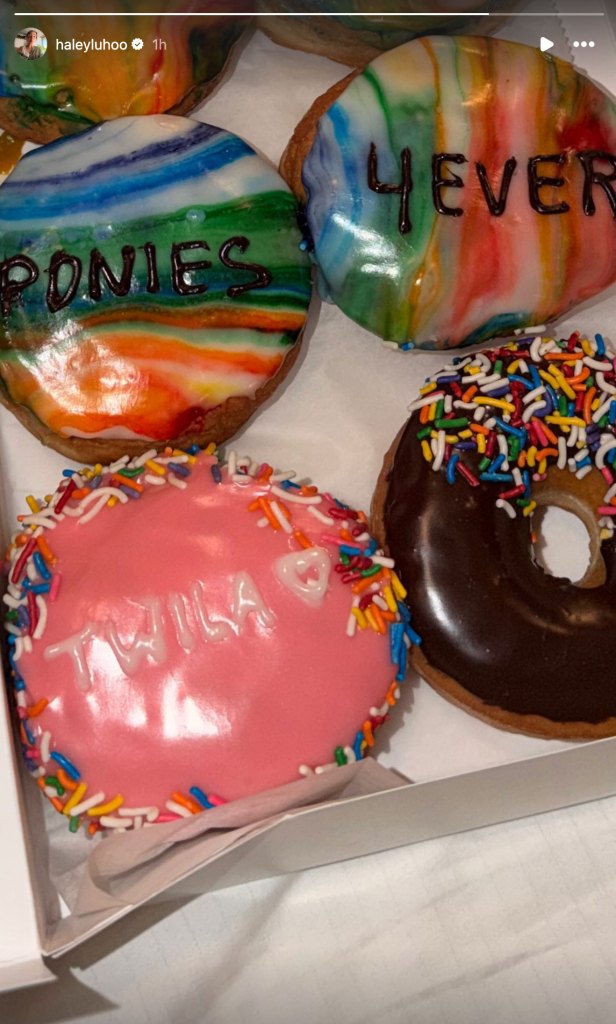
    The Peacock streaming service has canceled its original series, ‘Ponies’. This decision, announced in June 2026, has prompted significant reactions from the show’s cast, including prominent figures such as Haley Lu Richardson and Vic Michaelis. The cancellation marks an abrupt end for the series, which had garnered a dedicated following during its run.

    The news arrived without a prior warning, leaving both the production team and the audience surprised. Such cancellations have become a common occurrence in the competitive streaming market, but they rarely pass without public comment from those directly involved.

    Cast Members Share Disappointment

    Haley Lu Richardson, known for her roles in other popular productions, expressed her disappointment regarding the cancellation of ‘Ponies’. Her statement, released through social media, conveyed a sense of loss for the project and its narrative potential. Richardson had been a key component of the show’s ensemble, and her performance was frequently highlighted by critics.

    Vic Michaelis, another central figure in the ‘Ponies’ cast, also shared sentiments of frustration. Michaelis’s public comments focused on the effort and dedication invested by the entire crew. The abrupt nature of the cancellation means that many planned storylines will now remain unresolved, a point of contention for both the actors and the show’s fan base.

    The Impact on Creative Teams

    The cancellation of a series like ‘Ponies’ extends beyond the lead actors. It affects writers, directors, crew members, and supporting cast who dedicate months, sometimes years, to a production. For many, a show represents not just a job but a significant creative endeavor. The sudden termination can disrupt careers and creative momentum.

    Writing staff, in particular, face the challenge of unfinished narratives. Series often conclude with cliffhangers or open-ended plots designed to lead into future seasons. When a cancellation occurs, these threads are left dangling, frustrating both the creators who envisioned their continuation and the viewers who invested in the story.

    Audience Reactions and Streaming Trends

    The audience response to the ‘Ponies’ cancellation has been vocal. Social media platforms saw an influx of comments from fans expressing their sadness and anger. Many viewers highlighted the unique storytelling and character development they appreciated in the series, questioning the platform’s decision.

    This reaction is not isolated. The streaming industry, characterized by high production costs and intense competition for subscribers, frequently makes difficult programming decisions. Platforms like Peacock continually evaluate viewership numbers, subscriber acquisition, and retention rates to determine the viability of their original content.

    The Economics of Streaming Content

    The decision to cancel a show like ‘Ponies’ is often rooted in complex financial models. Streaming services invest heavily in content creation, hoping to attract and retain subscribers. However, not all shows achieve the necessary metrics to justify their continued production.

    Factors such as global reach, critical acclaim, and awards season performance also play a role. While ‘Ponies’ may have had a passionate fan base, it might not have met the broader strategic goals set by Peacock’s parent company, NBCUniversal. This economic reality often clashes with the artistic and emotional investment of creators and viewers.

    The Future for Cast and Crew

    For actors like Haley Lu Richardson and Vic Michaelis, a cancellation means moving on to new projects. While disappointing, it is a common part of an acting career. Both Richardson and Michaelis have established careers and will likely find new roles in other television series or films.

    The crew members, including camera operators, sound engineers, costume designers, and many others, also face the challenge of finding new employment. The television production industry is highly project-based, and the end of one show necessitates the search for the next. Industry professionals often move from one production to another, adapting to the transient nature of the work.

    Lessons from Ponies’ Cancellation

    The cancellation of ‘Ponies’ serves as a reminder of the unpredictable nature of the streaming content landscape. For creators, it emphasizes the importance of telling compelling stories within the constraints of evolving platform strategies. For viewers, it highlights the need to cherish and support shows while they are on the air, as their longevity is never guaranteed.

    The industry continues to evolve, with new platforms emerging and existing ones refining their content strategies. The experience of ‘Ponies’ contributes to a growing body of case studies illustrating the challenges and opportunities within this dynamic entertainment sector.

    The Broader Context of Streaming Cancellations

    The cancellation of ‘Ponies’ by Peacock is part of a larger trend in the streaming industry. Platforms are increasingly scrutinizing their content libraries, often making difficult decisions to cut shows that do not meet specific performance indicators. This environment has created a sense of uncertainty for both creators and audiences.

    In 2026, the streaming market is more saturated than ever. Services like Netflix, Max, Disney+, Hulu, Apple TV+, and Amazon Prime Video, alongside Peacock, are all vying for subscriber attention. This intense competition necessitates a constant evaluation of content portfolios.

    Factors Influencing Cancellation Decisions

    Several key factors contribute to a streaming service’s decision to cancel a series. These include:

    • Viewership Numbers: While specific metrics are rarely made public, platforms track how many subscribers watch a show, how many complete it, and how many new subscribers it attracts.
    • Production Costs: High production values, extensive location shoots, and large ensemble casts can drive up costs significantly. A show’s budget must be justified by its return on investment.
    • Critical Reception and Awards: While not always the deciding factor, critical acclaim and major awards can boost a show’s profile and attract new viewers, sometimes influencing renewal decisions.
    • Subscriber Acquisition and Retention: Ultimately, streaming services exist to grow and maintain their subscriber base. Shows that fail to contribute meaningfully to these goals are at risk.
    • Licensing and Distribution Rights: The complexities of intellectual property rights and international distribution can also play a role in a show’s financial viability.

    The Role of Fan Engagement

    Fan engagement, while powerful, does not always guarantee a show’s survival. Online campaigns, petitions, and social media trends can demonstrate passionate support, but they must translate into tangible business metrics for a platform to consider renewal. The ‘Ponies’ fan community, despite its dedication, ultimately could not sway the decision makers at Peacock.

    The Evolution of Content Strategies

    Streaming platforms are continually refining their content strategies. Some are moving towards more limited series or event programming, while others focus on building strong franchises with broad appeal. The era of blindly renewing shows for multiple seasons without clear performance indicators appears to be fading.

    Peacock, as a relatively newer entrant in the streaming wars compared to giants like Netflix, faces particular pressure to establish its identity and subscriber base. Its content strategy often involves a mix of NBCUniversal catalog titles, live sports, and original programming designed to differentiate it in a crowded market.

    The Impact on the Industry Ecosystem

    The frequent cancellation of shows has broader implications for the television industry ecosystem. It creates a more transient workforce, with creative talent constantly seeking new opportunities. It also encourages a greater focus on short-term success rather than long-term narrative development.

    For independent studios and production companies, securing a series order from a major streamer is a significant achievement. However, the risk of early cancellation means that even successful pitches do not guarantee sustained work or the full realization of a creative vision. This dynamic shapes how projects are developed and pitched in the current landscape.

    Looking Ahead for ‘Ponies’ Legacy

    Despite its cancellation, ‘Ponies’ will leave a legacy. It introduced audiences to compelling characters and unique storytelling. The performances by actors like Haley Lu Richardson and Vic Michaelis will be remembered by those who watched the series.

    The show’s abrupt ending will undoubtedly contribute to discussions about the fragility of original content in the streaming era. It serves as a case study for future analyses of platform strategies and audience expectations.

    The Enduring Power of Story

    Even with an unfinished narrative, the core story elements of ‘Ponies’ resonated with its viewers. The emotional investment from the audience highlights the enduring power of well-crafted characters and engaging plots. This connection is what makes cancellations so impactful.

    The frustration expressed by the cast and fans is a testament to the quality of the work produced. It underscores the human element in an industry often driven by data and algorithms. The shared experience of a story, however brief, creates lasting memories and discussions.

    What Comes Next for Peacock?

    Peacock will continue to invest in new original programming. The platform’s strategy is to offer a diverse range of content to attract various demographics. While ‘Ponies’ may be gone, new series and films will take its place, aiming to capture the attention of streaming subscribers.

    The lessons learned from ‘Ponies’ and other canceled shows will inform future commissioning decisions. The platform will seek to identify content that not only attracts initial viewership but also fosters long-term engagement and contributes positively to its overall business objectives.

    The cast reacted. The fans reacted. The industry reacted. Cancellation.

  • The Return of Late Night: David Letterman’s Vintage Archive Hits Streaming

    The Return of Late Night: David Letterman’s Vintage Archive Hits Streaming

    David Letterman’s production company, Worldwide Pants, has officially partnered with NBCUniversal and digital monetization firm Merzigo to distribute vintage episodes of his late-night shows across streaming platforms.

    The agreement unlocks decades of television history. It bridges the corporate gap between Letterman’s early formative years at NBC and his long-running, legacy-defining tenure at CBS.

    For years, this massive broadcast archive sat largely dormant in corporate vaults. Fans and historians relied heavily on low-resolution clips uploaded to internet message boards and fragmented video sharing platforms.

    But the digital landscape of 2026 demands volume and verified intellectual property. What looks like a simple nostalgia play is actually a complex, multi-layered unearthing of broadcast history.

    The Architecture of a Late-Night Archive

    The history of modern late-night television is fundamentally split into two distinct eras of David Letterman. The first era began on February 1, 1982. Letterman launched Late Night with David Letterman on NBC, broadcasting from Studio 6A inside the Comcast Building at 30 Rockefeller Plaza.

    This era was defined by its anti-establishment tone. Letterman and his director, Hal Gurnee, dismantled the traditional talk show format. They utilized monkey cameras, threw watermelons off five-story buildings, and introduced audiences to a gritty, cynical version of New York City.

    The 12:30 AM time slot was crucial. Johnny Carson’s Tonight Show was an institution at 11:30 PM. Letterman was given the later slot, which allowed for a more experimental, subversive approach. The network executives largely ignored the later broadcast, giving Letterman and head writer Merrill Markoe the freedom to invent a new comedic language.

    NBC owned the intellectual property for this 1982 to 1993 run. When Letterman famously lost the Tonight Show succession battle to Jay Leno following the retirement of Johnny Carson in 1992, he departed NBC for CBS. This move changed the business of television forever.

    When Letterman launched the Late Show with David Letterman on August 30, 1993, he did so under a new business model. His newly formed production company, Worldwide Pants Incorporated, owned the show entirely. CBS simply paid a licensing fee to broadcast it from the Ed Sullivan Theater.

    This dual ownership structure created a fractured archive. NBCUniversal held the rights to the groundbreaking 1980s material. Worldwide Pants controlled the 1990s and 2000s legacy. The 2026 partnership between NBCUniversal, Worldwide Pants, and Merzigo finally unites these two massive libraries for the streaming era.

    The NBCUniversal and Merzigo Equation

    The inclusion of Merzigo in this partnership highlights the specific mechanics of modern content distribution. Merzigo specializes in digital monetization. They take vast, dormant libraries of television content and optimize them for AVOD and FAST channels.

    AVOD, or Advertising-Based Video on Demand, requires a massive volume of content to generate sustainable revenue. FAST channels, which operate like traditional linear television but exist entirely on streaming platforms, rely on bingeable, familiar programming.

    Merzigo provides the technical infrastructure to digitize, tag, and distribute thousands of hours of standard-definition broadcast tape. They process the metadata. They isolate specific segments, such as Stupid Pet Tricks or the Top Ten List, for algorithmic packaging.

    NBCUniversal brings its formidable Peacock streaming infrastructure and its deep syndication ties to the table. Peacock is a natural home for the 1982-1993 era. However, Merzigo’s involvement suggests a broader syndication strategy across platforms like Pluto TV, Tubi, and The Roku Channel.

    By partnering with Worldwide Pants, NBCUniversal can monetize an asset that has largely gathered dust since 1993. The corporate synergy allows both entities to profit from the growing demand for legacy television.

    The Economics of Television Nostalgia

    The streaming industry in 2026 is driven by retention and cost efficiency. Producing new, premium scripted television is wildly expensive. Licensing existing, highly recognizable intellectual property offers a much safer return on investment.

    The cost of acquiring new subscribers has skyrocketed. Churn rates are a primary concern for streaming executives. Archival content combats churn. A viewer might subscribe to watch a new prestige drama, but they maintain the subscription to fall asleep to classic episodes of Late Night. It is a low-cost, high-yield retention strategy.

    Nostalgia is a powerful economic driver. Audiences who grew up watching Letterman in the 1980s and 1990s are now the core demographic for ad-supported streaming platforms. They seek out the comfort of familiar formats.

    Furthermore, the current landscape of late-night television is experiencing a prolonged contraction. Ratings for linear late-night broadcasts have steadily declined as audiences migrate to digital platforms. This decline paradoxically increases the value of the genre’s golden era.

    The Anatomy of a Late-Night Broadcast

    Understanding the value of this archive requires understanding the structure of a vintage Letterman episode. Unlike modern late-night shows, which prioritize viral celebrity games, Letterman’s broadcasts were built on conversational tension and recurring structural bits.

    The Top Ten List, presented nightly from the home office in places like Wahoo, Nebraska, or Grand Rapids, Michigan, became a cultural touchstone. Viewer Mail segments allowed Letterman to directly interact with an audience that was often baffled by his sensibilities. The desk pieces were meticulously crafted by a writing staff that treated the broadcast like a nightly comedic laboratory.

    Furthermore, the guest interviews were fundamentally different. Letterman did not merely tee up promotional anecdotes. He challenged his guests. He made them uncomfortable. Interviews with figures like Cher, Madonna, and Joaquin Phoenix became legendary precisely because they abandoned the traditional public relations script.

    Preserving these episodes uncut allows modern viewers to witness this dynamic in real time. It is not just about the punchline. It is about the sustained, often awkward energy of a live-to-tape broadcast.

    The YouTube Precedent

    The groundwork for this massive streaming deal was laid years ago on YouTube. The official David Letterman YouTube channel, managed by Worldwide Pants, began uploading high-quality clips from the CBS era.

    These clips routinely generated millions of views. Interviews with iconic guests, musical performances, and remote segments demonstrated a clear, sustained demand for the content. The YouTube channel served as a proof of concept for the broader Merzigo and NBCUniversal partnership.

    The Legacy of Worldwide Pants

    Worldwide Pants Incorporated was never just a vanity banner. Founded in 1991, the company became a powerhouse in television production. It was a pioneer in creator ownership.

    Beyond the Late Show, Worldwide Pants produced The Late Late Show, launching the American careers of both Craig Kilborn and Craig Ferguson. The company also produced prime-time hits, most notably Everybody Loves Raymond, starring Ray Romano.

    Because Worldwide Pants retained ownership of these properties, the company generated hundreds of millions of dollars in syndication revenue. The 2026 streaming deal is a continuation of this aggressive, forward-thinking approach to intellectual property.

    The power of this ownership was most evident during the 2007-2008 Writers Guild of America strike. Because Worldwide Pants was an independent production company, it negotiated a separate interim agreement with the WGA. This allowed Letterman and Ferguson to return to the air with their writers while competing networks remained paralyzed.

    David Letterman retired from his CBS broadcast in 2015. However, the business entity he created remains highly active. The partnership with Merzigo proves that the Worldwide Pants vault is still a highly lucrative asset in the modern digital economy.

    The Cultural Impact of the Vintage Episodes

    The vintage episodes of Late Night and the Late Show are more than just comedy programs. They are vital cultural time capsules. They document the shifting aesthetic and political landscape of the United States from the late Cold War through the dawn of the internet age.

    The early NBC episodes capture a gritty, pre-gentrification New York City. Segments featuring Chris Elliott, Harvey Pekar, and Andy Kaufman pushed the boundaries of what was acceptable on network television. The show was inherently dangerous and unpredictable.

    The CBS era shifted the tone toward a more polished, grander spectacle. The Ed Sullivan Theater became a landmark. Characters like Rupert Jee of the Hello Deli and Biff Henderson became unlikely national celebrities. The music, anchored by Paul Shaffer and the CBS Orchestra, featured legendary performances from artists who rarely appeared on television.

    The archive also contains moments of profound national importance. On September 17, 2001, Letterman was the first late-night host to return to the air following the terrorist attacks in New York. His monologue that night remains a defining moment in American television history, offering a masterclass in grief and resilience.

    A Changing Guard in Comedy

    The late-night format that Letterman perfected is fading from the linear television schedule. The monologues, the desk interviews, and the musical guests are now routinely chopped up into short-form video for social media consumption.

    The NBCUniversal and Merzigo deal acknowledges this shift. It takes the classic long-form broadcast and adapts it for the digital ecosystem. The FAST channels provide the linear experience, while the AVOD platforms offer the on-demand flexibility.

    This is the final lifecycle of broadcast television. The shows that once defined the late-night schedule are now the foundational programming for the streaming era. The medium changes, but the content endures.

    The cameras focused. The band played. The host walked out.

    Letterman.

  • The Anatomy of a Legal Shakedown – Jeff Shell Settles High-Stakes Gambling Litigation

    The Anatomy of a Legal Shakedown – Jeff Shell Settles High-Stakes Gambling Litigation

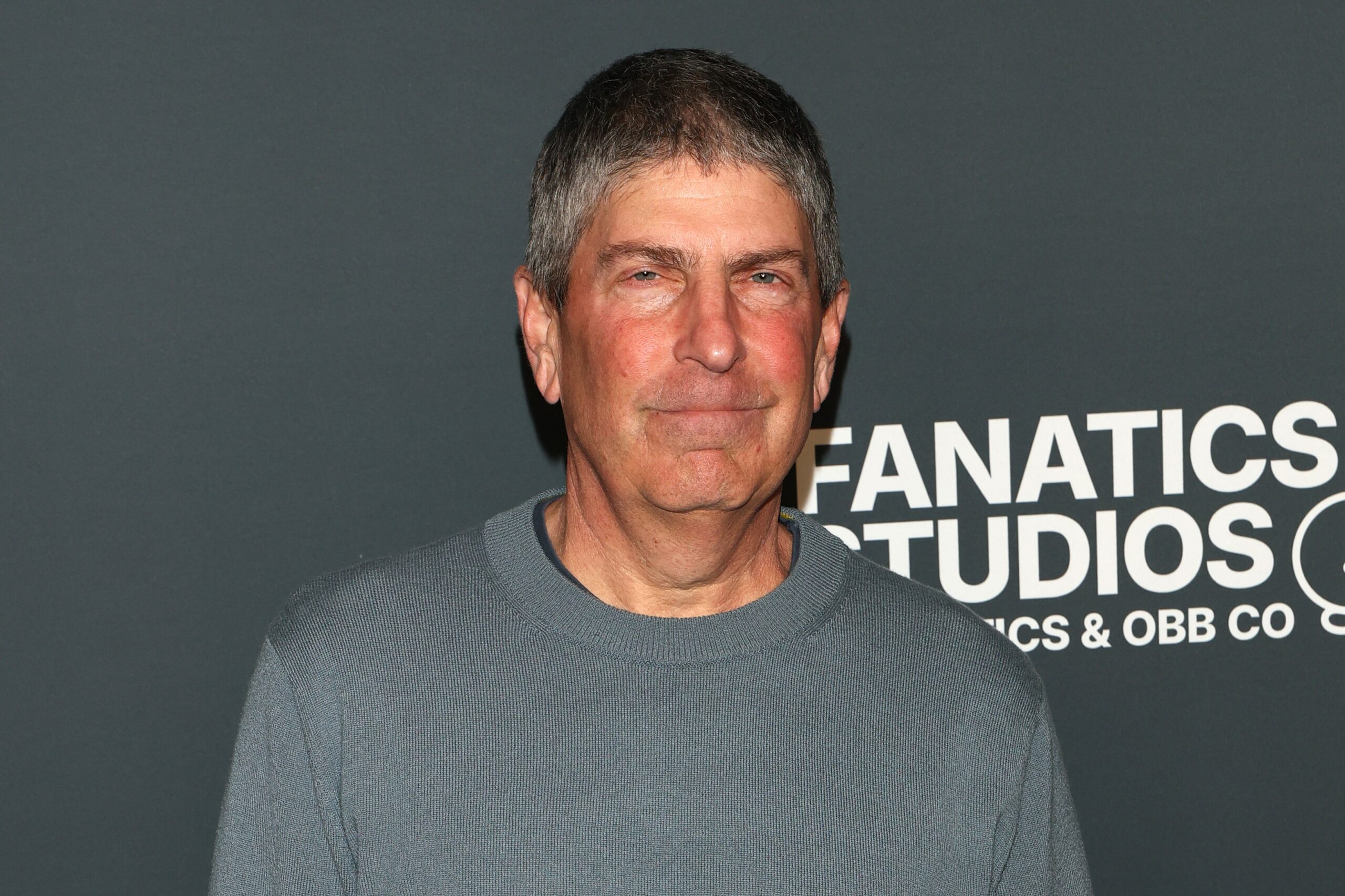
    Former NBCUniversal CEO Jeff Shell has officially settled his ongoing litigation with a high-stakes gambler whom Shell accused of orchestrating a financial shakedown. The confidential agreement, finalized in early 2026, dismisses all claims and counterclaims related to a dispute that originated over alleged debts and private encounters at a Cipriani venue. Both parties signed strict non-disclosure agreements. This permanently seals the financial terms of the resolution. It also avoids a highly publicized, potentially damaging trial in Los Angeles Superior Court.

    The settlement closes a volatile legal loop. It removes a lingering public relations liability for Shell. In many ways, the courtroom maneuvering was as high-stakes as the gambling itself. But the story of this specific legal battle is not just about personal debt. It is a case study in how corporate titans navigate private vulnerabilities.

    The Anatomy of a Shakedown Accusation

    Legal definitions matter. In civil litigation, the line between aggressive debt collection and unlawful extortion is often violently contested. Shell’s legal team drew that line early. They framed the opposing party’s financial demands not as a legitimate collection effort, but as a calculated shakedown.

    The term carries specific weight. A shakedown implies leverage. It suggests that the demand for money is tied to the threat of reputational destruction rather than the validity of a contract. In filings, Shell’s representatives argued that the gambler weaponized Shell’s status as a high-profile media executive. The strategy was allegedly simple. Threaten public exposure. Demand an exorbitant payout. Force a quiet settlement.

    The opposing counsel rejected this narrative entirely. They argued the dispute was a standard breach of contract. They claimed the funds in question were legitimate personal debts accrued during high-stakes gambling sessions. The Cipriani connection added a layer of elite exclusivity to the proceedings. Cipriani venues, known for catering to global billionaires and corporate power brokers, serve as the backdrop for private transactions that rarely see the light of day. When those transactions break down, the fallout is messy.

    From NBCUniversal to RedBird Capital

    Context is critical to understanding the timing of this settlement. Jeff Shell is not a private citizen operating in a vacuum. He is a major player in the global media landscape. His abrupt exit from NBCUniversal in 2023, following an investigation into an inappropriate relationship with anchor Hadley Gamble, stripped him of his corporate armor. It also cost him tens of millions in unvested stock and severance.

    But corporate exile is rarely permanent for top-tier executives. Shell quickly re-emerged. He joined RedBird Capital Partners, the massive private equity firm led by Gerry Cardinale. RedBird is a financial juggernaut. The firm has deep investments in sports, media, and entertainment. By 2024 and 2025, RedBird was deeply entangled in the complex negotiations surrounding the future of Paramount Global.

    This corporate reality dictated Shell’s legal strategy. RedBird Capital operates on institutional trust. Sovereign wealth funds, pension boards, and mega-banks back their plays. A prolonged, lurid trial involving high-stakes gambling, Cipriani encounters, and extortion claims is terrible for business. It distracts from dealmaking. It creates unnecessary friction with corporate boards. Settling the litigation was not just a personal relief for Shell. It was a professional necessity.

    The Mechanics of High-Stakes Dispute Resolution

    Public courts are designed for transparency. Wealthy litigants despise transparency. When high-net-worth individuals clash, the primary objective is moving the dispute out of the public docket and into private arbitration. If arbitration fails, a confidential settlement is the ultimate fail-safe.

    • The Initial Filing: Lawsuits are filed publicly to establish leverage. The plaintiff wants the media to notice.
    • The Counter-Claim: The defense responds aggressively. They accuse the plaintiff of extortion or bad faith. This is the “shakedown” defense.
    • The Discovery Threat: Both sides threaten to subpoena sensitive documents. This is the tipping point.
    • The Mediation: A retired judge or elite mediator steps in. A financial figure is reached.
    • The NDA: The settlement is bound by an ironclad Non-Disclosure Agreement. Silence is purchased.

    The Los Angeles Superior Court system processes thousands of these claims. Most never reach a jury. The system is designed to force settlements. Judges routinely push hostile parties toward mediation. For a figure like Jeff Shell, a jury trial presents an unacceptable level of risk. Juries are unpredictable. They often harbor deep resentment toward corporate executives. A settlement, regardless of the financial cost, buys certainty.

    The Threat of Legal Discovery

    The true weapon in any civil litigation is discovery. Discovery is the pre-trial phase where both parties can demand access to evidence. It is invasive. It is relentless. It destroys privacy.

    If the Shell litigation had proceeded to trial, the discovery process would have been catastrophic for both sides. Shell’s attorneys would have demanded the gambler’s financial records, tax returns, and communications. They would have looked for a pattern of extortion against other high-net-worth individuals.

    “In high-stakes civil litigation, the trial is rarely the main event. The threat of discovery is the actual weapon. Litigants settle to protect their inboxes, not their bank accounts.”

    Conversely, the gambler’s legal team would have demanded Shell’s private communications. They would have sought text messages, bank transfer records, and geolocation data from the nights in question. They would have subpoenaed witnesses who were present at Cipriani. For a newly minted executive at RedBird Capital, turning over years of private text messages is an existential threat. The settlement neutralized the discovery threat immediately.

    The Financial Architecture of Out-of-Court Settlements

    How much does a settlement like this cost? The exact figure is locked behind the NDA. But the financial architecture of these deals is well understood in Los Angeles legal circles. It comes down to a brutal calculation of risk versus reward.

    Litigating a complex civil case in California costs millions. Elite defense attorneys at top-tier firms charge between $1,500 and $2,500 per hour. A two-year legal battle involving extensive discovery, depositions, and motion practice can easily generate $3 million to $5 million in legal fees alone. That is just the cost of fighting. It does not include the potential cost of losing.

    If the disputed debt was, for example, $2 million, fighting it to the bitter end makes no economic sense. A rational actor will settle for a fraction of the disputed amount, pay their lawyers, and close the file. The gambler gets a payout. The executive gets his life back. The lawyers get paid. It is a transactional end to a deeply personal conflict.

    The Broader Culture of Celebrity Accountability

    This settlement taps into a larger cultural shift. The public appetite for celebrity accountability has never been higher. For decades, executives and public figures operated with a sense of impunity. Their wealth insulated them from the consequences of their private behavior.

    That era is over. The democratization of media means that a single lawsuit can generate global headlines in minutes. The “shakedown” dynamic is a direct result of this new reality. Bad actors know that public figures will pay a premium to keep their names out of the press. Legitimate creditors also know that public pressure is their best collection tool.

    Jeff Shell’s situation is unique in its specifics but common in its structure. The intersection of wealth, private vices, and public accountability creates a fertile ground for litigation. As long as executives have reputations to protect, there will be individuals willing to test the limits of those reputations.

    The Cipriani incident is now legally erased. The court docket will show a simple dismissal. No fault is admitted. No guilt is assigned. The system functioned exactly as it was designed to function for those who can afford it.

    Executives protect their equity. Lawyers protect the narrative. The courts process the paperwork. The public moves on to the next scandal.

    Settled.