Tag: Nature

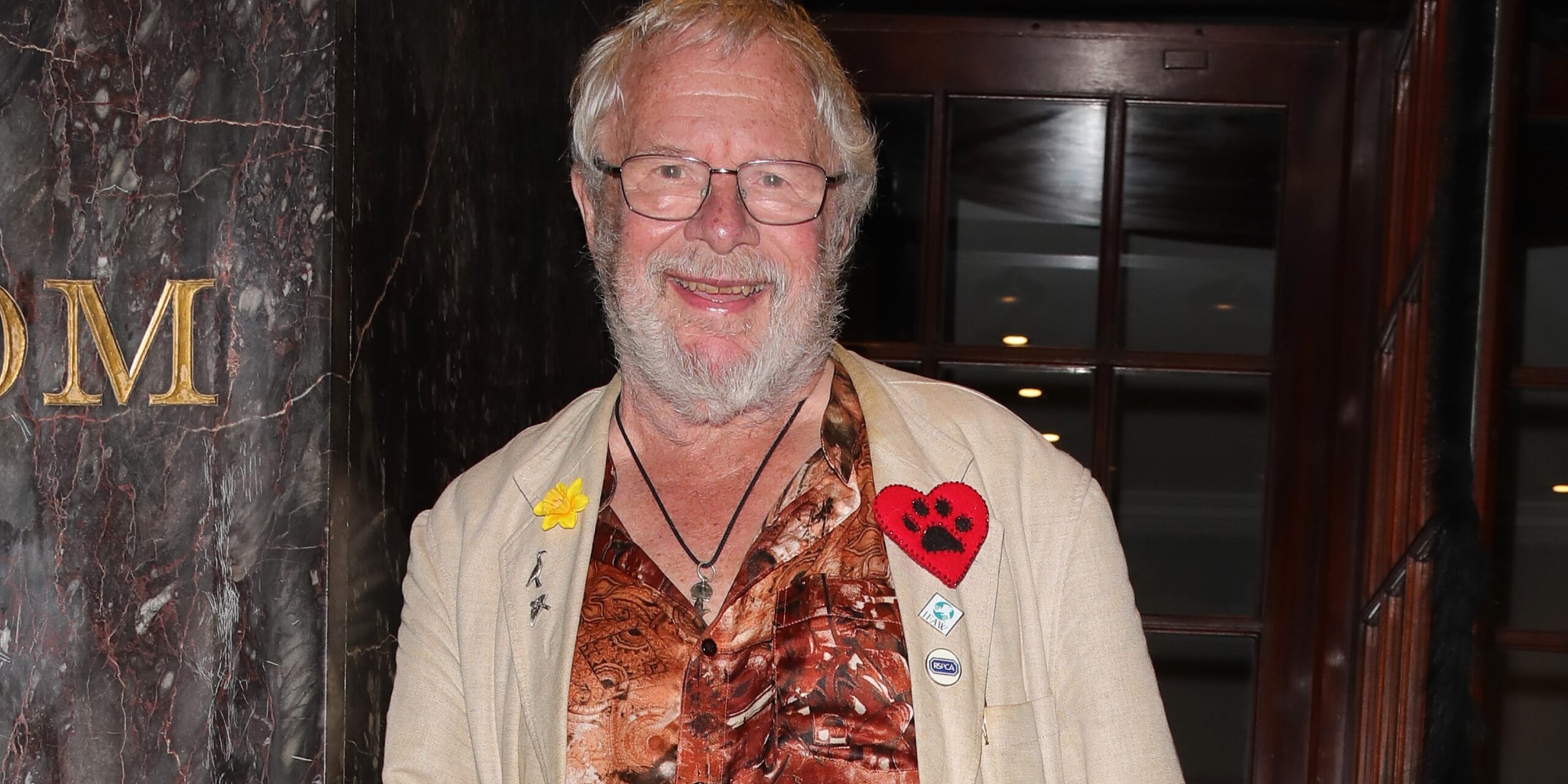
  • Bill Oddie Dies: British TV Presenter and Birdwatcher Was 85

    Bill Oddie Dies: British TV Presenter and Birdwatcher Was 85

    Bill Oddie, the esteemed British television presenter, musician, comedian, and dedicated birdwatcher, has died at the age of 85. His passing on July 25, 2026, marks the end of a remarkable career that blended surreal comedy with a deep passion for natural history, making him a beloved figure across multiple generations in the United Kingdom and beyond.

    Oddie’s public life spanned over six decades. He was a familiar face on British television screens, first as a comedic innovator and later as a passionate advocate for the natural world. His distinctive style, characterized by enthusiasm and a touch of eccentricity, endeared him to millions.

    Early Life and Education

    William Edgar Oddie was born on July 7, 1941, in Rochdale, Lancashire, England. His early years were shaped by the post-war era. The family later moved to Birmingham, where Oddie developed a keen interest in nature, particularly birds. This early fascination would become a defining characteristic of his public persona and private life.

    Oddie attended King Edward’s School in Birmingham. His academic path led him to Pembroke College, Cambridge, in 1960. It was at Cambridge University that his comedic talents began to flourish. He became an integral part of the Footlights Revue, a breeding ground for many future stars of British comedy.

    The Cambridge Footlights provided a platform for Oddie to collaborate with other emerging talents. His contemporaries included Tim Brooke-Taylor and Graeme Garden, who would later become his co-stars in one of Britain’s most iconic comedy shows. This period was crucial for developing his unique comedic voice, which often incorporated musical elements and observational humor.

    The Rise of a Comedian: From ‘I’m Sorry, I’ll Read That Again’ to ‘The Goodies’

    After graduating from Cambridge, Oddie quickly established himself in the burgeoning British comedy scene. He contributed to and performed in several radio shows, most notably the BBC Radio 4 satirical sketch show, ‘I’m Sorry, I’ll Read That Again.’

    This radio program, which ran from 1964 to 1973, showcased Oddie’s versatility as a writer and performer. He worked alongside Brooke-Taylor and Garden, further solidifying their creative partnership. The show’s success laid the groundwork for their transition to television.

    The trio’s most significant collaborative achievement arrived in 1970 with the premiere of ‘The Goodies.’ This surreal sketch comedy series, which aired on BBC Two, quickly became a cultural phenomenon. ‘The Goodies’ was known for its anarchic humor, elaborate stunts, and catchy musical numbers, many of which were written and performed by Oddie.

    The show often featured the three characters (played by Oddie, Brooke-Taylor, and Garden) undertaking absurd missions, from saving a giant kitten to building a rocket to the moon. Oddie’s character was often depicted as the more eccentric and animal-loving member of the group, a trait that resonated with his real-life passions. ‘The Goodies’ ran for 12 seasons, concluding in 1982, and garnered a loyal following both in the UK and internationally.

    Musical Contributions to Comedy

    Bill Oddie’s musical talent was a cornerstone of ‘The Goodies.’ He composed and performed many of the show’s memorable songs, which often satirized popular music genres of the time. Tracks like ‘Funky Gibbon’ and ‘The Inbetweenies’ became hit singles, demonstrating his ability to blend comedy with genuine musicality.

    His contributions extended beyond ‘The Goodies.’ Oddie was also involved in other musical projects, often with a comedic or nature-themed twist. His songs were characterized by clever lyrics and an upbeat, often whimsical, style. This musical aspect distinguished his work from many of his comedic peers.

    Transition to Nature Presenter: A Second Career

    Following the conclusion of ‘The Goodies,’ Bill Oddie embarked on a highly successful second career as a natural history presenter. This transition was a natural progression, given his lifelong passion for ornithology. He leveraged his public profile and engaging personality to bring the wonders of the natural world into millions of homes.

    One of his earliest and most influential nature series was ‘Birding with Bill Oddie,’ which first aired in the late 1980s. This program, and others like it, showcased Oddie’s encyclopedic knowledge of birds and his infectious enthusiasm. He traveled across the UK and to various international locations, sharing his observations and insights with viewers.

    Oddie possessed a unique ability to make complex ecological topics accessible and entertaining. He combined scientific accuracy with a conversational, often humorous, presenting style. This approach helped to demystify birdwatching and natural history, encouraging a new generation to engage with the environment.

    Prominent Nature Programs

    • ‘Birding with Bill Oddie’ (1987-1996): This series established Oddie as a leading voice in British natural history broadcasting.
    • ‘Bill Oddie’s Gone Wild’ (2002): Explored wildlife in various British locations.
    • ‘Springwatch’ (2005-2008): Oddie became a key presenter for the BBC’s flagship live wildlife series, ‘Springwatch,’ alongside Kate Humble and Simon King. His segments were particularly popular, often featuring his trademark excitement and detailed observations of bird behavior. He also co-presented ‘Autumnwatch’ and ‘Winterwatch.’
    • ‘Bill Oddie’s How to Watch Wildlife’ (2009): A practical guide for aspiring naturalists.

    His work on ‘Springwatch’ brought him renewed prominence. The live format allowed for spontaneous and often humorous interactions with wildlife, which suited Oddie’s presenting style perfectly. He became synonymous with the program, helping to make it one of the BBC’s most successful nature franchises.

    Conservation and Advocacy

    Beyond his television work, Bill Oddie was a tireless advocate for bird conservation and environmental protection. He used his platform to raise awareness about habitat loss, climate change, and the importance of preserving biodiversity. Oddie was a patron or supporter of numerous wildlife charities and organizations.

    He frequently wrote articles for birdwatching magazines and contributed to books on ornithology. His passion was evident in every aspect of his work, inspiring countless individuals to take up birdwatching and become more environmentally conscious. Oddie often spoke about the therapeutic benefits of connecting with nature, particularly for mental well-being.

    His advocacy extended to practical efforts, including participating in surveys and campaigning for the protection of specific bird species and their habitats. Oddie’s influence helped to bring mainstream attention to issues that were once considered niche, integrating environmental concerns into popular culture.

    Personal Life and Challenges

    Bill Oddie’s personal life was largely kept private, though he occasionally spoke about his experiences with mental health. He was open about his struggles with depression, particularly later in life. His candidness helped to destigmatize mental health issues, encouraging others to seek help and speak openly about their own challenges.

    He was married twice. His first marriage was to Jean Hart, with whom he had two daughters, Bonnie and Kate. Kate Oddie followed in her father’s footsteps, pursuing a career in acting and comedy. Oddie later married Laura Beaumont-Gant, a writer and illustrator, in 1983. They had one daughter, Rosie.

    Despite his public struggles, Oddie maintained his dedication to his passions. Birdwatching remained a constant source of joy and solace throughout his life, providing a connection to the natural world that he cherished deeply.

    Legacy and Impact

    Bill Oddie’s legacy is multifaceted. He will be remembered as a pioneering figure in British comedy, whose work with ‘The Goodies’ pushed the boundaries of television humor. His unique blend of surrealism, physical comedy, and musical talent left an indelible mark on the entertainment landscape.

    Equally significant is his contribution to natural history broadcasting. Oddie transformed the way wildlife was presented on television, making it accessible, engaging, and inspiring. He brought the beauty and fragility of the natural world into millions of homes, fostering a greater appreciation for biodiversity and conservation.

    His influence can be seen in subsequent generations of nature presenters and environmental advocates. Oddie demonstrated that it was possible to combine entertainment with education, proving that serious topics could be conveyed with warmth and humor. His work on programs like ‘Springwatch’ helped to establish a format that continues to thrive today.

    Beyond the screen, Oddie’s advocacy for conservation had a tangible impact. He helped to raise funds and awareness for numerous wildlife causes, contributing to the protection of endangered species and vital habitats across the UK and beyond. His voice was a powerful one in the environmental movement.

    Tributes poured in from across the entertainment and conservation sectors upon the news of his death. Colleagues remembered his wit, his passion, and his unwavering commitment to both comedy and nature. Fans recalled moments of laughter and inspiration, highlighting the broad appeal of his work.

    Bill Oddie’s career was a testament to the power of following one’s passions. From the anarchic humor of ‘The Goodies’ to the quiet observation of a rare bird, he approached every endeavor with characteristic enthusiasm and a genuine desire to connect with his audience. His contributions enriched British culture and left a lasting impact on both comedy and conservation.

    Comedians mourned. Naturalists mourned. Audiences mourned.

    Bill Oddie.

    FAQ

    Q: Who was Bill Oddie?
    A: Bill Oddie was a British television presenter, comedian, musician, and birdwatcher. He was known for his work in the surreal comedy series “The Goodies” and later became a prominent presenter for BBC nature programs like “Springwatch.”

    Q: How old was Bill Oddie when he died?
    A: Bill Oddie died at the age of 85 on July 25, 2026.

    Q: What were Bill Oddie’s most famous comedy shows?
    A: Bill Oddie was most famous for his role in the British sketch comedy series “The Goodies,” which aired from 1970 to 1982. He also contributed to the BBC Radio 4 show “I’m Sorry, I’ll Read That Again.”

    Q: What nature programs did Bill Oddie present?
    A: Bill Oddie presented several popular nature programs, including “Birding with Bill Oddie,” “Bill Oddie’s Gone Wild,” and was a key presenter for the BBC’s “Springwatch,” “Autumnwatch,” and “Winterwatch” series.

    Q: What was Bill Oddie’s impact on conservation?
    A: Bill Oddie was a dedicated advocate for bird conservation and environmental protection. He used his public platform to raise awareness about habitat loss and biodiversity, supporting numerous wildlife charities and inspiring many to engage with nature and conservation efforts.

  • Ric Flair Set for Brain Surgery Amid Ongoing Health Battles

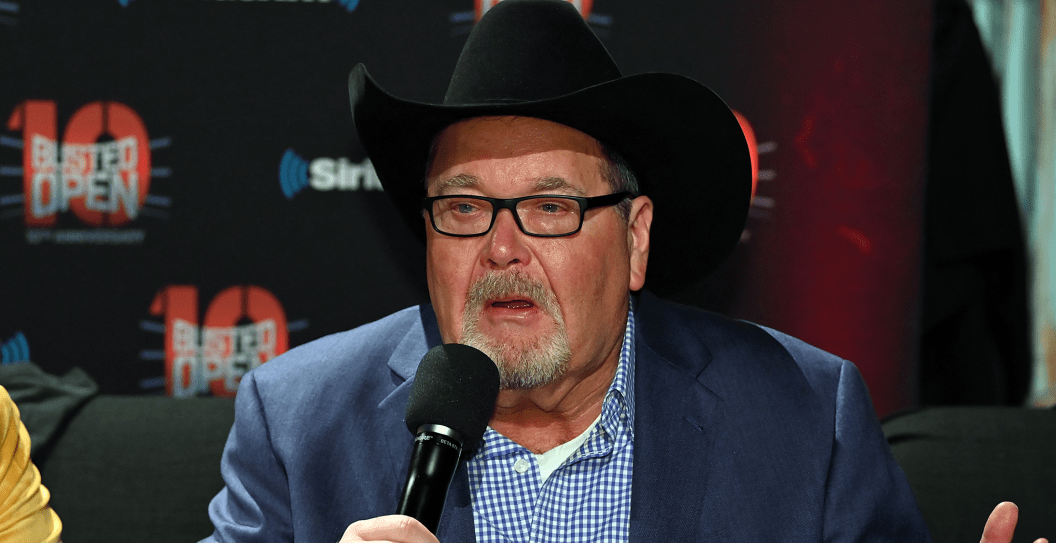
    Ric Flair Set for Brain Surgery Amid Ongoing Health Battles

    Ric Flair, the iconic professional wrestler known globally as ‘The Nature Boy,’ is reportedly scheduled for brain surgery in late 2026. This medical procedure marks a significant and concerning development in the 77-year-old legend’s ongoing health struggles. The announcement has drawn widespread attention from fans and the professional wrestling community, underscoring the severe physical demands and potential long-term consequences associated with a career spanning over four decades in professional wrestling.

    Professional wrestling, while entertaining, is known for its intense physical nature. Athletes often endure rigorous schedules, high-impact maneuvers, and numerous injuries throughout their careers. These factors can contribute to a range of chronic health issues, some of which manifest years after retirement from active competition. Flair’s situation serves as a stark reminder of these realities.

    The Enduring Physicality of Ric Flair’s Career

    Ric Flair’s professional wrestling career began in 1972 and officially concluded in 2022, spanning an extraordinary 50 years. During this time, he was a central figure in promotions like the National Wrestling Alliance (NWA), World Championship Wrestling (WCW), and World Wrestling Federation/Entertainment (WWF/WWE). His style, characterized by high-flying moves, brutal chops, and lengthy matches, placed immense strain on his body.

    Flair holds the record for the most recognized world championship reigns, with 16 official titles, though he claims 21. Each championship run involved a grueling schedule of nightly matches, international travel, and constant physical punishment. This relentless pace contributed significantly to the wear and tear on his body over five decades.

    Signature Moves and Their Impact

    Flair’s signature ‘Figure-Four Leglock’ submission move, while iconic, put considerable stress on his knees and lower back. His frequent ‘chop’ exchanges, where he would strike opponents’ chests, also involved repetitive impact. The countless bumps, falls, and slams he absorbed throughout his career are cumulative.

    Falls from the top rope, suplexes, and other high-impact maneuvers became routine for Flair. These actions, repeated thousands of times, are known to contribute to degenerative joint disease, spinal issues, and increased risk of concussions among professional wrestlers. Flair’s longevity in the business meant he experienced these impacts for a longer duration than most.

    A History of Significant Health Challenges

    Ric Flair’s journey through professional wrestling has been punctuated by numerous serious health scares. His resilience in overcoming these challenges has become almost as legendary as his in-ring prowess. However, each medical event has left its mark.

    In 1975, Flair was involved in a plane crash that broke his back in three places. Doctors told him he would never wrestle again, but he returned to the ring just eight months later, albeit with a changed, less acrobatic style. This early career injury established a pattern of severe physical setbacks.

    Cardiac and Kidney Complications

    More recently, Flair has faced life-threatening cardiac and kidney issues. In August 2017, he was hospitalized for what was initially described as alcohol-related complications, leading to kidney failure and requiring a portion of his bowel to be removed. He was placed in a medically induced coma and spent over a month in the hospital. Doctors estimated his chances of survival at 20%.

    Following this, Flair was fitted with a pacemaker in early 2019. These events highlighted the severe impact of decades of a demanding lifestyle, including reported issues with alcohol consumption, on his internal organs. His recovery from these incidents was widely publicized and celebrated by his fans.

    The Upcoming Brain Surgery

    The specific details surrounding Ric Flair’s impending brain surgery have not been fully disclosed, respecting his privacy. However, reports indicate the procedure is scheduled for late 2026. This type of surgery is typically performed to address various conditions, including tumors, aneurysms, blood clots, or other structural abnormalities within the brain.

    The decision to proceed with such a delicate operation is made after extensive evaluation by medical professionals, weighing the potential benefits against the inherent risks. Given Flair’s age and his complex medical history, the procedure is considered high-stakes, requiring specialized care and a lengthy recovery period.

    Potential Causes and Concerns

    While the exact reason for Flair’s brain surgery remains private, several factors common in professional wrestling careers could contribute to neurological concerns. Repetitive head trauma, often associated with concussions and repeated impacts, is a significant concern for athletes in contact sports. Conditions like Chronic Traumatic Encephalopathy (CTE) are linked to such trauma, though a definitive diagnosis can only be made posthumously.

    Flair’s history of high-impact maneuvers and the sheer volume of matches he participated in over fifty years raise questions about cumulative neurological stress. Additionally, his previous health issues, particularly those affecting his cardiovascular system, could also contribute to conditions requiring neurosurgical intervention, such as stroke-related complications or vascular abnormalities.

    Support from the Wrestling World

    Upon the news of Ric Flair’s impending surgery, an immediate outpouring of support was observed across the professional wrestling community. Current WWE Superstars, AEW talent, legends, and promoters took to social media to send well wishes and prayers. Triple H, Chief Content Officer and Head of Creative for WWE, reportedly reached out personally.

    Fellow Four Horsemen members, Arn Anderson and Barry Windham, have also publicly expressed their concern and support for their long-time friend. The wrestling community often rallies around its members during times of medical crisis, demonstrating a strong sense of camaraderie and shared experience.

    Fan Reactions and Social Media Engagement

    Fans worldwide have reacted strongly to the news. Social media platforms like X (formerly Twitter) and Instagram have been flooded with messages using hashtags such as #PrayForFlair and #NatureBoy. Fans have shared personal anecdotes, favorite match memories, and heartfelt wishes for a successful surgery and recovery.

    This collective outpouring highlights the enduring connection between Ric Flair and his audience. For many, Flair represents a golden era of professional wrestling, and his health struggles resonate deeply with those who have followed his career for decades.

    The Broader Conversation on Athlete Health

    Ric Flair’s situation contributes significantly to the ongoing broader conversation about athlete health, particularly in contact sports like professional wrestling. Organizations like WWE have implemented wellness policies, concussion protocols, and enhanced medical screening for their active roster in recent years.

    However, the long-term effects of a career spanning decades, especially for those who wrestled before these protocols were in place, continue to be a subject of concern and study. Discussions often revolve around retirement planning, access to healthcare for retired athletes, and the need for comprehensive support systems to address issues that may arise years after their active careers conclude.

    Legacy and Future Implications

    Ric Flair’s legacy is undeniable, encompassing multiple world championships, iconic promos, and an unforgettable persona. His health battles, while personal, also serve as a public reminder of the sacrifices made by these performers for the entertainment of millions. His journey through this latest medical challenge will undoubtedly be closely watched.

    The outcome of his brain surgery and subsequent recovery will add another chapter to his storied life. It will also continue to fuel important conversations within the sports world about the long-term care and well-being of its most enduring figures.

    Looking Ahead for ‘The Nature Boy’

    The immediate future for Ric Flair involves preparing for and undergoing brain surgery, followed by a period of intense recovery and rehabilitation. This critical time will require significant medical attention, personal resilience, and the continued support of his family, friends, and the global wrestling community.

    The specific date of the surgery and the medical team involved may remain private, respecting Flair’s right to privacy during a challenging time. The wrestling world awaits updates, hoping for a successful outcome and a path towards recovery for one of its most beloved and iconic figures.

    Wrestling. Resilience. Recovery. Flair.

  • Madonna on AI: “Opposite of Making Art,” Prefers Nature Connection

    Madonna on AI: “Opposite of Making Art,” Prefers Nature Connection

    Madonna’s Stance on Artificial Intelligence and Art

    Madonna recently expressed a clear position on artificial intelligence (AI) and its relationship to artistic creation. She articulated that AI represents “the opposite of making art.” This statement underscores a philosophical divide concerning the nature of creativity in an increasingly technological landscape.

    Her perspective emphasizes the intrinsic human element in art. This viewpoint suggests that genuine artistic expression originates from human experience, emotion, and connection, rather than algorithmic generation.

    The Essence of Art: Human Connection and Nature

    The acclaimed artist clarified her preferred sources of inspiration. Madonna stated a preference for “connecting to nature.” This indicates a belief in the organic world as a primary wellspring for creative thought and output.

    Furthermore, her comments imply a value placed on human interaction. This form of connection is often cited by artists as crucial for developing empathy, understanding, and the complex emotional palettes necessary for profound artistic work.

    These sentiments resonate with traditional artistic philosophies. Many historical and contemporary artists champion direct engagement with the physical world and interpersonal relationships as foundational to their craft.

    A Broader Cultural Conversation

    Madonna’s remarks are not isolated. They contribute to a larger, ongoing cultural conversation. This dialogue explores the implications of AI on various creative fields, including music, visual arts, and literature.

    Artists, critics, and technologists are debating the definition of authorship. They also question the value of works generated by machines versus those conceived and executed by human hands.

    Concerns often center on authenticity. The discussion frequently asks whether AI-generated content can possess the same depth, originality, or emotional resonance as human-made art.

    The Role of Technology in Creative Processes

    The integration of technology into creative processes is not new. Throughout history, artists have adopted new tools and methods. Photography, synthesizers, and digital editing software all faced initial skepticism.

    However, AI presents a different challenge. It moves beyond being merely a tool for human artists. AI can generate entire compositions, images, or texts with minimal human input, blurring the lines of creation.

    This capability raises questions about intellectual property. It also prompts reevaluation of the skills and intentions traditionally associated with artistic endeavor.

    Madonna’s Legacy of Innovation and Authenticity

    Madonna’s career has been marked by continuous innovation. She has consistently pushed boundaries in music, performance, and visual presentation. Her work often incorporates new technologies and artistic forms.

    Despite this history of embracing progress, her current stance on AI highlights a specific concern. It suggests that certain technological advancements may fundamentally diverge from what she perceives as authentic artistic practice.

    Her emphasis on nature and human connection can be seen as a return to foundational principles. It contrasts with the synthetic and algorithmic nature of artificial intelligence.

    The Philosophical Divide: Algorithm vs. Emotion

    The core of Madonna’s argument appears to lie in a philosophical distinction. She separates the algorithmic processes of AI from the emotional and experiential wellsprings of human art.

    AI operates based on data, patterns, and computational logic. While it can produce aesthetically pleasing or technically complex results, its creations lack conscious intent or lived experience.

    Human art, conversely, is often seen as an outward expression of an inner world. It is driven by subjective feelings, personal histories, and the unique perspective of the creator.

    Impact on the Music Industry

    The music industry, in particular, has been grappling with AI. Tools for generating melodies, lyrics, and even full instrumental tracks are becoming more sophisticated.

    Some artists and producers view AI as a valuable assistant. They use it for inspiration, to overcome creative blocks, or to automate repetitive tasks.

    Others, like Madonna, express caution. They worry about the potential for AI to dilute the value of human artistry. They also fear it might lead to a proliferation of generic or uninspired content.

    Artists and the Future of Creation

    The discourse surrounding AI in art is likely to intensify. As AI capabilities advance, more artists will be compelled to define their relationship with this technology.

    Some may find ways to integrate AI ethically and creatively, using it as a sophisticated tool. Others may double down on traditional methods, emphasizing the irreplaceable human touch.

    Madonna’s public statement serves as a significant voice in this evolving debate. It challenges the notion that all technological progress automatically equates to artistic advancement.

    The Allure of the Organic

    Madonna’s statement about connecting to nature points to a desire for the organic. This contrasts with the digital and synthetic. In an increasingly virtual world, many seek grounding in the tangible.

    This preference for the natural reflects a broader cultural trend. People are increasingly valuing authenticity, handcrafted goods, and experiences that feel genuinely human.

    Her comments can be interpreted as a call to artists. It suggests they should look to fundamental sources of inspiration rather than relying solely on technological shortcuts.

    Defining “Art” in the AI Era

    Ultimately, Madonna’s position contributes to a fundamental question: What defines “art” in the age of artificial intelligence? If a machine can generate compelling imagery or music, does it qualify as art?

    The answer often hinges on the presence of consciousness, intention, and emotional depth. These are qualities traditionally attributed exclusively to human creators.

    Madonna’s statement reinforces a perspective that art requires a human soul. It suggests that without this soul, creations, however sophisticated, remain mere outputs.

    A Continuing Dialogue

    The debate over AI’s place in art is far from settled. Artists, critics, and audiences will continue to explore these complex questions. Madonna’s recent remarks add a prominent voice to this crucial conversation.

    Her perspective highlights the importance of preserving human-centric values. These values include originality, emotion, and genuine connection, within the rapidly changing landscape of creative expression.

    The discussion extends beyond aesthetics. It touches upon philosophical understandings of creativity, consciousness, and the very definition of humanity’s unique contributions.

    Artists voice opinions. Technologists develop tools. Audiences engage with creations.

    The future of art.