Tag: Nationalism

  • President Trump Vows Fresh Tariffs: Economic Strategy in 2026

    President Trump Vows Fresh Tariffs: Economic Strategy in 2026

    President Trump announced plans for new tariffs on July 24, 2026, during an appearance on Bloomberg Television’s “Balance of Power.” This declaration signals a firm commitment to protectionist trade policies and economic nationalism, which have been central tenets of his administration’s agenda. The strategy aims to bolster domestic industries, encourage the return of manufacturing jobs to the United States, and address perceived imbalances in global trade.

    The announcement resonates with previous trade actions taken by President Trump. His administration has consistently advocated for policies designed to protect American workers and businesses from foreign competition. The renewed focus on tariffs suggests a continuation of these efforts, building upon the groundwork laid during his first term in office.

    The Rationale Behind Tariffs

    Tariffs serve as taxes on imported goods. Their primary purpose, from a protectionist standpoint, is to make foreign products more expensive. This, in turn, is intended to make domestically produced goods more competitive in the market. Proponents argue that tariffs can stimulate local production, create jobs, and enhance national economic security.

    President Trump’s economic philosophy often emphasizes the concept of “fair trade” over “free trade.” This perspective posits that certain international trade agreements and practices have disadvantaged American industries. Tariffs are viewed as a tool to level the playing field, forcing other nations to negotiate more favorable terms or face economic penalties.

    The administration’s stance suggests a belief that tariffs can compel foreign governments to cease what it considers unfair trade practices. These practices often include intellectual property theft, state subsidies to industries, and currency manipulation. By imposing tariffs, the U.S. aims to exert leverage and protect its economic interests.

    Historical Context of Trump’s Trade Policy

    President Trump’s approach to tariffs is not new. During his previous term, his administration implemented tariffs on a wide range of goods. These included steel and aluminum imports, as well as various products from China. The stated goals then were similar: to protect national security industries and to address a significant trade deficit with China.

    The steel and aluminum tariffs, imposed in 2018, were justified under Section 232 of the Trade Expansion Act of 1962. This section allows the President to impose tariffs on imports deemed a threat to national security. The administration argued that a robust domestic steel and aluminum industry was critical for defense and infrastructure.

    Tariffs on Chinese goods began in 2018 under Section 301 of the Trade Act of 1974. This section permits the President to take action against countries engaging in unfair trade practices. The U.S. Trade Representative’s office conducted an investigation that concluded China was engaging in intellectual property theft and forced technology transfers. These tariffs escalated throughout 2018 and 2019, impacting hundreds of billions of dollars worth of goods.

    Impact of Previous Tariffs

    The effects of these earlier tariffs were mixed. Some domestic industries, such as steel producers, reported increased demand and profitability. However, other sectors, particularly those reliant on imported components or facing retaliatory tariffs, experienced higher costs and reduced exports. American farmers, for example, were significantly impacted by retaliatory tariffs on agricultural products imposed by China.

    Economists have offered varied assessments of the overall economic impact. Studies by institutions like the International Monetary Fund and the Congressional Budget Office often concluded that while some specific industries benefited, the broader economy faced increased costs and reduced trade volumes. Consumers also experienced higher prices on certain goods due to the import taxes.

    The 2026 Tariff Landscape

    President Trump’s announcement on July 24, 2026, indicates a continuation of this strategic framework. While specific details regarding which goods or countries will be targeted were not immediately released, the general direction is clear. The administration is prepared to use tariffs as a primary tool in its economic policy arsenal.

    The global economic climate in 2026 presents both challenges and opportunities for such a policy. Supply chain disruptions, inflation concerns, and geopolitical tensions all play a role. The decision to pursue fresh tariffs suggests a prioritization of domestic industrial capacity and economic independence amidst these complexities.

    This renewed push for tariffs also aligns with broader discussions about economic resilience. Many nations, including the United States, have been re-evaluating their reliance on global supply chains, particularly after recent events highlighted vulnerabilities. Tariffs can be seen as one mechanism to encourage diversification or reshoring of critical production.

    Potential Targets and Economic Implications

    While specific targets remain unconfirmed, historical patterns suggest certain areas might be considered. Industries where the U.S. has significant trade deficits, or where allegations of unfair trade practices persist, could be candidates. This might include sectors like advanced manufacturing, automotive, or specific raw materials.

    The economic implications of new tariffs could be substantial. For American consumers, tariffs typically lead to higher prices on imported goods. This can reduce purchasing power and potentially contribute to inflationary pressures. Businesses that rely on imported components could see increased production costs, which may be passed on to consumers or affect profit margins.

    Internationally, new tariffs could trigger retaliatory measures from affected countries. This could lead to trade disputes and a reduction in overall global trade volume. Trade partners might seek to diversify their own supply chains away from the U.S. or strengthen trade alliances with other nations. This dynamic could reshape global economic relationships and trade flows.

    Political and Geopolitical Considerations

    The decision to implement fresh tariffs also carries significant political weight. For President Trump, protectionist policies have consistently resonated with a segment of his voter base, particularly those in manufacturing-heavy regions. The promise of protecting American jobs and industries is a powerful political message.

    Geopolitically, tariffs are often more than just economic tools; they are instruments of foreign policy. By imposing tariffs, the U.S. can signal dissatisfaction with a trading partner’s policies or exert pressure on them to change behavior. This can be a form of economic statecraft, used to achieve broader strategic objectives.

    However, this approach also carries risks. It can strain diplomatic relations and lead to increased international tensions. Allies might view unilateral tariff actions as disruptive to global trade norms and institutions, potentially weakening multilateral cooperation on other issues. The balance between domestic economic benefit and international diplomatic cost is a constant consideration.

    The Role of International Trade Organizations

    International trade organizations, such as the World Trade Organization (WTO), play a critical role in mediating trade disputes and enforcing global trade rules. The U.S. has historically been a key player in the WTO, but President Trump’s administration has often expressed skepticism about its effectiveness and fairness.

    New tariffs could lead to challenges within the WTO framework. Other member countries might file complaints, alleging that the tariffs violate international trade agreements. This could result in prolonged legal battles and potentially authorize retaliatory tariffs from other nations, as adjudicated by the WTO.

    The administration’s willingness to act unilaterally on trade, even in the face of potential WTO challenges, underscores its commitment to its “America First” economic agenda. This approach prioritizes national interests and domestic considerations above multilateral consensus or existing international trade dispute resolution mechanisms.

    Looking Ahead: Economic Nationalism in Practice

    President Trump’s vow of fresh tariffs on July 24, 2026, solidifies his administration’s trajectory toward an economic policy deeply rooted in nationalism. This strategy aims to strengthen the American industrial base, create domestic employment opportunities, and reduce reliance on foreign supply chains. It represents a clear preference for managed trade over unfettered globalization.

    The implementation of these tariffs will be closely watched by domestic industries, international trading partners, and global markets. Their ultimate impact will depend on the specifics of the new policies, the reactions of other nations, and the broader economic environment. The administration’s actions will continue to shape the contours of global trade and economic relations throughout President Trump’s second term.

    Companies will adapt. Markets will adjust. Nations will respond.

    Trade will evolve.

  • Trump’s Generic Drug Tariff – The Economic Impact on India’s Pharmaceutical Sector

    Trump’s Generic Drug Tariff – The Economic Impact on India’s Pharmaceutical Sector

    President Donald Trump’s administration is implementing new tariff policies targeting generic drug imports, a move expected to have substantial economic ramifications, particularly for India. This policy is a key component of the President’s broader economic nationalism agenda, aiming to bolster domestic manufacturing and reduce reliance on foreign supply chains. The impending tariffs pose a direct challenge to India, which stands as the world’s largest supplier of generic medicines, producing 20% of the global supply by volume.

    The policy reflects a strategic shift in U.S. trade relations. It prioritizes domestic production over globalized supply chains. The pharmaceutical sector is a critical area for this focus, especially after global supply chain disruptions highlighted vulnerabilities.

    The Global Pharmacy: India’s Role in Generic Drugs

    India’s pharmaceutical industry is a global powerhouse. It is often referred to as the ‘Pharmacy of the World’. The country supplies over 50% of the global demand for various vaccines. It also fulfills 40% of generic demand in the U.S. and a significant portion of medicine in the UK.

    The sector’s growth has been fueled by a skilled workforce and cost-effective manufacturing capabilities. Indian companies have become dominant players in the generic drug market. They produce affordable alternatives to patented medicines.

    Major Indian pharmaceutical companies include Sun Pharmaceutical Industries, Dr. Reddy’s Laboratories, and Cipla. These firms have extensive manufacturing facilities. They also have significant research and development investments. Their products reach markets across the globe, including the United States.

    India’s pharmaceutical exports reached approximately approximately 30.5 billion USD in the fiscal year 2024-25. The U.S. remains the largest export destination. This strong trade relationship makes India particularly vulnerable to U.S. tariff actions.

    President Trump’s Economic Nationalism Agenda

    President Trump’s economic policies have consistently emphasized ‘America First’ principles. This involves protecting domestic industries and jobs. Tariffs are a primary tool in this strategy. They are designed to make foreign goods more expensive. This, in turn, encourages consumers to buy domestically produced alternatives.

    The current tariff policy on generic drugs aligns with this broader economic vision. The administration aims to reduce U.S. dependence on foreign pharmaceutical manufacturers. This goal is driven by concerns over national security and public health, especially in times of crisis.

    Previous administrations have also discussed pharmaceutical supply chain vulnerabilities. However, President Trump’s approach involves direct economic levers. These levers include tariffs and incentives for domestic production. The President’s focus on reshoring critical industries gained momentum during the global health crises of the early 2020s.

    The specific details of the generic drug tariffs are under review. However, the intent is clear: to shift pharmaceutical manufacturing back to the United States. This includes both active pharmaceutical ingredients (APIs) and finished drug products.

    Potential Ramifications for India’s Pharmaceutical Sector

    The imposition of tariffs on generic drugs from India could have severe consequences for its pharmaceutical industry. Indian companies rely heavily on exports to the U.S. market. Increased costs due to tariffs would make their products less competitive.

    This could lead to a decrease in export volumes. It might also force Indian manufacturers to absorb some of the tariff costs. This would reduce their profit margins. Smaller and medium-sized enterprises (SMEs) in India’s pharmaceutical sector could be particularly hard hit.

    Job losses within the Indian pharmaceutical industry are a significant concern. The sector employs millions directly and indirectly. A downturn in exports could lead to widespread unemployment. This would have broader socio-economic impacts across India.

    Research and development investments by Indian firms might also be curtailed. Reduced revenue could limit their capacity to innovate. This could slow the development of new generic formulations and biosimilars.

    India’s government has expressed concerns regarding the proposed tariffs. Diplomatic discussions are expected to take place. India seeks to protect its vital pharmaceutical export market. The Indian Ministry of Commerce and Industry is reportedly evaluating strategies to mitigate the impact.

    Impact on Research and Development

    Indian pharmaceutical companies have invested significantly in R&D over the past two decades. This has enabled them to develop complex generic drugs. They have also entered the biosimilar market. Tariffs could jeopardize these investments. Reduced profitability might force companies to cut R&D budgets. This would hinder future innovation and competitiveness.

    Diversification Strategies

    Some Indian pharmaceutical firms have already begun exploring diversification strategies. They are looking to expand into other markets. These include emerging economies in Africa, Latin America, and Southeast Asia. However, the U.S. market remains the most lucrative. It is difficult to fully compensate for its loss or reduction.

    Implications for the United States

    While the tariffs aim to benefit U.S. manufacturing, there are potential drawbacks for American consumers and the healthcare system. Generic drugs are crucial for affordability. They provide cost-effective treatment options for millions of Americans.

    If tariffs increase the cost of imported generic drugs, U.S. consumers could face higher prescription prices. This might disproportionately affect low-income individuals and those with chronic conditions. The overall cost of healthcare in the U.S. could also rise.

    The transition to increased domestic production may not be immediate. Building new manufacturing facilities and scaling up production takes time. During this transition, supply shortages could occur. This could further exacerbate price increases and limit access to essential medicines.

    U.S. pharmaceutical companies that rely on active pharmaceutical ingredients (APIs) from India could also face challenges. Many American drug manufacturers source APIs from abroad. Tariffs on these components could increase their production costs. This would impact the competitiveness of U.S.-made drugs.

    The U.S. government’s stated goal is to enhance pharmaceutical supply chain resilience. This involves reducing reliance on single-country suppliers. The long-term aim is to ensure a stable and secure supply of essential medicines for American citizens.

    Consumer Access and Affordability

    The average American household relies on generic drugs for a significant portion of their prescriptions. Generic drugs typically cost 80-85% less than their brand-name counterparts. Any policy that increases generic drug prices could create a substantial financial burden for patients. This is a critical consideration for public health advocates and policymakers.

    Supply Chain Reconfiguration

    The tariffs are intended to catalyze a reconfiguration of the global pharmaceutical supply chain. This involves moving production closer to home. However, the complex nature of drug manufacturing means this transition is not simple. It requires significant capital investment, skilled labor, and regulatory approvals. The short-term effects could include disruptions before long-term benefits are realized.

    Global Trade Dynamics and Geopolitical Impact

    President Trump’s tariff policy on generic drugs is not an isolated event. It is part of a broader trend of increasing protectionism globally. This trend has implications for international trade relations and geopolitical stability.

    Other countries may view U.S. tariffs as a precedent. They might implement similar protectionist measures. This could lead to a fragmentation of global trade. It might also spark retaliatory tariffs from affected nations.

    The U.S.-India trade relationship is significant. It spans various sectors beyond pharmaceuticals. Tensions over tariffs could spill over into other areas of cooperation. This includes technology, defense, and strategic partnerships.

    India has been actively pursuing free trade agreements with other countries. This is a strategy to diversify its export markets. However, the U.S. remains a crucial partner. Maintaining a stable trade relationship with the U.S. is a priority for India’s economic growth.

    The World Trade Organization (WTO) could become a forum for dispute resolution. Member countries often challenge tariff actions they deem inconsistent with international trade rules. India might consider challenging the U.S. tariffs through the WTO. This would further complicate the trade landscape.

    Bilateral Trade Discussions

    Discussions between U.S. and Indian trade representatives are ongoing. The goal is often to find common ground. Both nations have economic interests that extend beyond specific tariffs. The outcome of these discussions will significantly influence the final impact of the policy.

    Impact on Developing Nations

    Many developing nations rely on affordable generic drugs from India. If India’s production capacity or export volume is significantly reduced due to tariffs, these nations could face supply issues. This would impact public health outcomes in regions already struggling with access to essential medicines.

    The Road Ahead: Navigating Trade Tensions

    The coming months will be critical for understanding the full impact of President Trump’s generic drug tariff policy. India’s government and pharmaceutical industry will need to adapt. They must navigate these new trade realities. This could involve lobbying efforts, diplomatic negotiations, and strategic shifts in business operations.

    For the U.S., the success of the policy will depend on its ability to stimulate domestic production. It must do so without unduly burdening consumers or disrupting essential drug supplies. The balance between economic nationalism and global health needs will be a delicate one.

    The global pharmaceutical landscape is complex. It is interconnected. Changes in one major market can send ripples across the entire system. Stakeholders on both sides will monitor developments closely.

    Governments will negotiate. Industries will adapt. Consumers will feel the changes.

    The global pharmacy.

  • Trump’s FIFA Call: Balogun Eligibility Sparks Global Debate

    Trump’s FIFA Call: Balogun Eligibility Sparks Global Debate

    A direct intervention by President Donald Trump with FIFA, the international governing body for soccer, led to a reversal in the eligibility status of footballer Folarin Balogun. This presidential involvement, which reportedly secured Balogun’s ability to play in an upcoming match, sparked a global controversy. The incident highlights the complex and often contentious intersection of sports, national politics, and international organizational autonomy.

    The decision by FIFA, following President Trump’s reported call, immediately became a focal point for discussion across political and sports communities. This unexpected blend of high-level diplomacy and sports regulation raised questions about fairness, the influence of powerful individuals, and the integrity of independent sporting bodies. The event underscored a growing trend of political leaders engaging directly in matters traditionally confined to sports federations.

    Presidential Intervention Alters FIFA Decision

    Folarin Balogun, a prominent footballer, faced an eligibility dispute with FIFA. The specifics of FIFA’s initial stance remain largely undisclosed. However, the situation escalated dramatically with President Trump’s reported direct engagement. This high-level communication marked a significant departure from standard protocols governing international sports disputes.

    Reports indicate that President Trump contacted FIFA directly to advocate for Balogun. While the precise nature of the discussion has not been fully detailed by either the White House or FIFA, the outcome was clear: FIFA’s position on Balogun’s eligibility was altered. This change allowed Balogun to participate, suggesting the President’s intervention carried substantial weight with the international body.

    The Genesis of Balogun’s Eligibility Dispute

    Folarin Balogun’s case involved intricate rules regarding national team representation. Athletes often hold dual citizenships and must choose which nation to represent in international competition. Such decisions are governed by strict FIFA regulations, designed to prevent players from switching allegiances indiscriminately after participating in official competitions for one country.

    Balogun’s specific circumstances, though not fully public, likely involved a request for a change of association or an interpretation of his previous competitive history. FIFA’s initial review of these details presumably led to a provisional ruling or an ongoing assessment that cast doubt on his immediate eligibility. This bureaucratic process typically unfolds without external political input.

    Trump’s Rationale for Intervention

    President Trump’s decision to intervene was likely multifaceted. Supporting an American athlete on the global stage aligns with a broader nationalistic platform. Such an action can be framed as defending American interests and promoting national talent internationally.

    The visibility of such an intervention also offers a political benefit. It demonstrates a President willing to act decisively and directly on behalf of citizens, even in non-traditional diplomatic arenas. This move resonates with a segment of the electorate that values strong, direct leadership and a proactive approach to international affairs, regardless of the specific issue at hand.

    Widespread Political and Public Reactions

    News of President Trump’s intervention quickly permeated media cycles and public discourse. The reactions were immediate and sharply divided, reflecting existing political fault lines within the nation and internationally. The incident became another touchstone in the ongoing debate about the role of politics in every facet of public life.

    Supporters of President Trump largely applauded his actions. They viewed the intervention as a powerful display of leadership and a commitment to national pride. For these individuals, the President’s direct call was a decisive move to ensure an American athlete could compete, a testament to his ability to influence global bodies.

    Criticism Over Undue Influence

    Conversely, critics voiced significant concerns over what they perceived as undue political pressure on an independent sports organization. Questions arose about the integrity of FIFA’s decision-making process when faced with direct communication from a world leader. Many argued that such interventions undermine the autonomy and fairness of international sports governance.

    Concerns were also raised about the precedent this action might set. If heads of state can directly influence eligibility rulings, it could open the door for other powerful nations to exert similar pressure, potentially politicizing every aspect of international sports. This could erode public trust in the impartiality of sporting competitions.

    FIFA’s Official Response and Implications

    FIFA’s official statements regarding the incident have been notably restrained. The organization confirmed its ruling on Balogun’s eligibility but offered minimal comment on the specific nature or impact of the presidential intervention. This reticence has fueled further speculation and public debate, with many interpreting FIFA’s silence as an acknowledgment of the political pressure.

    The long-term implications for FIFA and other international sports federations could be substantial. The incident may force these organizations to re-evaluate their protocols for handling communications from national governments. It could also lead to increased scrutiny over their decision-making processes, especially when high-profile political figures become involved.

    The Blurring Lines of Sports and Politics

    President Trump’s involvement in a FIFA eligibility decision exemplifies a growing trend: the increasing entanglement of political figures with international sports. This trend blurs the traditional boundaries between athletic competition and geopolitical interests. Sports, once often perceived as an apolitical arena, are increasingly becoming a stage for national pride, political maneuvering, and even direct diplomatic intervention.

    This phenomenon is not isolated. Throughout the 20th and 21st centuries, major sporting events have frequently served as backdrops for political statements, boycotts, and diplomatic efforts. The Balogun-FIFA situation represents a more direct and granular form of political influence, impacting a specific regulatory decision rather than just the broader context of an event.

    Historical Precedents of Political Engagement in Sports

    History offers numerous examples of political leaders utilizing sports for national objectives. The 1936 Berlin Olympics, for instance, were infamously exploited by Nazi Germany for propaganda purposes, showcasing a regime’s attempt to legitimize itself through athletic spectacle.

    During the Cold War, sports became a proxy battleground. The United States led a boycott of the 1980 Moscow Olympics, and the Soviet Union retaliated with a boycott of the 1984 Los Angeles Olympics. Both actions were direct responses to geopolitical tensions, demonstrating how national policy could directly impact international sporting events.

    More recently, host nations for major sporting events, such as the FIFA World Cup or the Olympic Games, frequently face intense scrutiny over their human rights records or political policies. These instances, while varying in scale and directness, consistently demonstrate the persistent connection between the world of sports and the realm of politics. President Trump’s call to FIFA adds a contemporary dimension to this enduring dynamic, emphasizing direct executive influence on specific sporting regulations.

    The Interplay of Celebrity, Patriotism, and Influence

    The controversy surrounding Balogun also taps into the powerful currents of celebrity and patriotism. Professional athletes, particularly those who compete on international stages, often transcend their sport to become potent symbols of national identity. Their successes, challenges, and choices can evoke profound emotional responses from the public, fostering a sense of collective pride or disappointment.

    President Trump’s intervention can be understood through this lens. By advocating for an American athlete, he strategically aligned himself with a widespread sense of national pride and a desire to see American talent succeed globally. This move resonates with a segment of the population that perceives such actions as a robust defense of national interests and a celebration of American achievement on the world stage. The celebrity status of both the President and the athlete amplifies the public’s engagement with the issue, transforming a regulatory matter into a widely discussed cultural and political event.

    Dissecting Public Opinion and Future Outlook

    The public’s reaction to the FIFA decision and President Trump’s involvement has been highly polarized. This polarization reflects deeper divisions within the political landscape, where individuals often interpret events through the prism of their pre-existing beliefs about leadership, national identity, and international relations.

    Those who support President Trump often view his actions as decisive, effective, and patriotic. They might interpret the FIFA reversal as a victory for American influence and a testament to his unique negotiating prowess. For these individuals, the outcome demonstrates the tangible power of direct action from the nation’s highest office, showcasing a President who prioritizes national interests and delivers results.

    Concerns Over Due Process and Sporting Integrity

    On the other side, critics have voiced significant outrage and concern over due process. They argue that direct political intervention undermines the established rules and independent governance of international sports. These critics contend that such actions could lead to a system where eligibility is determined by political clout rather than sporting merit and regulation.

    The debate extends to the integrity of sporting competitions themselves. If political leaders can influence outcomes, it raises questions about the fairness of the playing field and whether all athletes are subject to the same impartial rules. This perspective emphasizes the importance of maintaining a clear separation between sports and state to preserve the perceived neutrality and integrity of international athletic bodies.

    The Enduring Legacy of the Intervention

    The Balogun-FIFA incident is likely to have an enduring legacy. It will serve as a case study in the increasing politicization of global sports and the expanding reach of national leaders into international domains. Future discussions about athlete eligibility, sporting regulations, and the independence of federations will undoubtedly reference this event.

    The controversy also highlights the power of individual influence, particularly when wielded by a figure of President Trump’s stature. His ability to reportedly shift the decision of a major international organization underscores the significant impact that high-profile personalities can have on global institutions, further blurring the lines between celebrity, politics, and sports governance.

    A footballer’s eligibility. A President’s phone call. A global sports body’s sudden change. A nation watched. A world debated. The lines blurred.

    Influence.

  • Bruce Springsteen Defines ‘Critical Patriotism’ in Response to President Trump

    Bruce Springsteen Defines ‘Critical Patriotism’ in Response to President Trump

    Defining Patriotism in the Modern Era

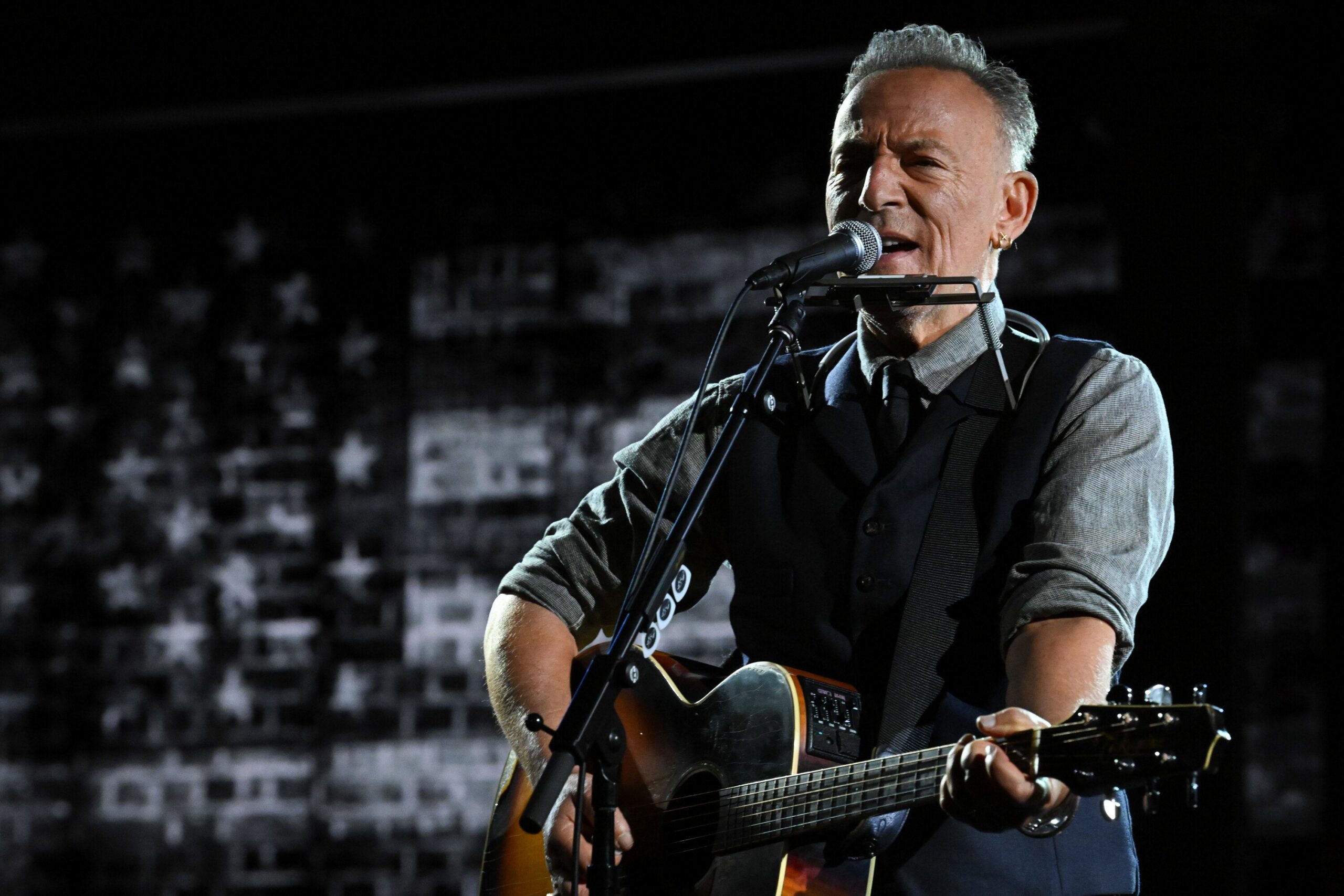
    Bruce Springsteen recently articulated his perspective on patriotism, defining himself as a ‘patriot’ who practices ‘critical patriotism’. This concept, as expressed by Springsteen, involves a commitment to one’s country coupled with the willingness to challenge its leadership and policies when necessary. He specifically mentioned his stance regarding President Donald Trump as an example of this critical engagement.

    Springsteen’s comments emerged from an interview reported by Variety. The remarks contribute to ongoing public discourse about national identity and civic responsibility in the current political climate. His words resonate with varying interpretations of what it means to be a patriot in the 21st century.

    The Evolution of a Public Figure’s Stance

    Bruce Springsteen has maintained a visible public profile for decades. His career spans from the 1970s through 2026, encompassing numerous albums, tours, and public statements. Throughout this time, Springsteen has often addressed social and political themes in his music and interviews.

    His early work often explored the struggles of the American working class. Songs like ‘Born in the U.S.A.’ (1984) became anthems, though their meanings were sometimes misinterpreted. This particular song, for instance, is often seen as a celebration of American exceptionalism, but it also contains verses detailing the plight of Vietnam War veterans.

    Over time, Springsteen’s political engagement became more explicit. He has publicly supported various political candidates and causes. His involvement has often aligned with progressive viewpoints, advocating for social justice and economic equality.

    ‘Critical Patriotism’ as a Concept

    The term ‘critical patriotism’ suggests a nuanced form of national loyalty. It implies that genuine love for one’s country does not equate to unquestioning support of its government or its leaders. Instead, it posits that a patriot has a duty to hold their nation and its representatives accountable.

    This perspective contrasts with definitions of patriotism that emphasize unconditional allegiance. Proponents of critical patriotism argue that constructive criticism and dissent are essential for a healthy democracy. They believe that addressing national shortcomings is a fundamental aspect of working towards a ‘more perfect union’.

    Historically, figures throughout American history have embodied elements of critical patriotism. Abolitionists, civil rights leaders, and social reformers often critiqued the existing systems of their time while simultaneously expressing a deep commitment to the nation’s founding ideals. Their actions were often driven by a belief that the country could and should live up to its stated principles.

    Springsteen’s Relationship with President Trump

    Bruce Springsteen has been an outspoken critic of President Donald Trump’s policies and rhetoric. His opposition has been consistent since President Trump’s first election in 2016 and continued through his second term, which began on January 20, 2025.

    Springsteen has used various platforms to voice his concerns. These have included interviews, public appearances, and sometimes subtle allusions within his musical performances. He has expressed worries about the direction of the country under President Trump’s leadership.

    His recent comments, as reported by Variety, directly link his ‘critical patriotism’ to his willingness to ‘stand up to Trump’. This indicates a direct application of his philosophical stance to current political realities. It frames his criticism not as opposition to the nation, but as a commitment to its betterment.

    Public Reaction and Broader Discourse

    Springsteen’s remarks have generated significant public discussion. Supporters of his viewpoint often commend his courage and consistency. They view his stance as an example of an artist using their platform to advocate for their beliefs.

    Conversely, some individuals disagree with his interpretation of patriotism. Critics sometimes argue that public figures should refrain from political commentary. Others may interpret his criticism of President Trump as unpatriotic or divisive.

    The conversation surrounding Springsteen’s statements reflects broader societal debates. These debates often center on the role of celebrities in politics, the boundaries of free speech, and the evolving definition of national identity in a polarized society. The discourse highlights the differing ways Americans perceive their country and its leadership.

    The Artist’s Role in Political Commentary

    The role of artists in political commentary has long been a subject of debate. Throughout history, musicians, writers, and visual artists have used their work to reflect on, critique, and influence societal norms and political actions.

    From protest songs of the civil rights era to contemporary political satire, artistic expression often serves as a mirror or a megaphone for public sentiment. Artists like Springsteen, with established careers and dedicated fan bases, possess a unique ability to reach and influence a wide audience.

    Their statements, whether direct or indirect, often spark conversations that might not otherwise occur. This capacity can be seen as both a privilege and a responsibility. Springsteen’s recent comments exemplify an artist embracing this role, directly engaging with a contentious political figure and a complex national ideal.

    The discussion around his comments underscores the enduring power of cultural figures to shape public thought. It demonstrates how art and artists remain integral to the ongoing dialogue about national values and political direction.

    Legacy of Political Engagement

    Bruce Springsteen’s political engagement is not an isolated event. It is part of a long tradition of artists using their platforms for social and political commentary. His legacy includes not only his music but also his consistent willingness to speak out on issues he deems important.

    His actions align with a lineage of musicians who have challenged authority and advocated for change. Figures such as Woody Guthrie, Joan Baez, and Bob Dylan used their art to articulate political dissent and inspire social movements. Springsteen continues this tradition, adapting it to the contemporary political landscape.

    His definition of ‘critical patriotism’ provides a framework for understanding his past and present actions. It suggests a deeply held belief that true loyalty to one’s country involves a commitment to its ideals, even when those ideals appear to be undermined by current leadership.

    This perspective solidifies his position not just as a musician, but as a public intellectual engaged with the fundamental questions of American identity and governance. His voice adds to the chorus of those who believe that patriotism requires vigilance and an unwavering commitment to justice.

    Artists spoke. Musicians spoke. Citizens spoke.

    Springsteen.