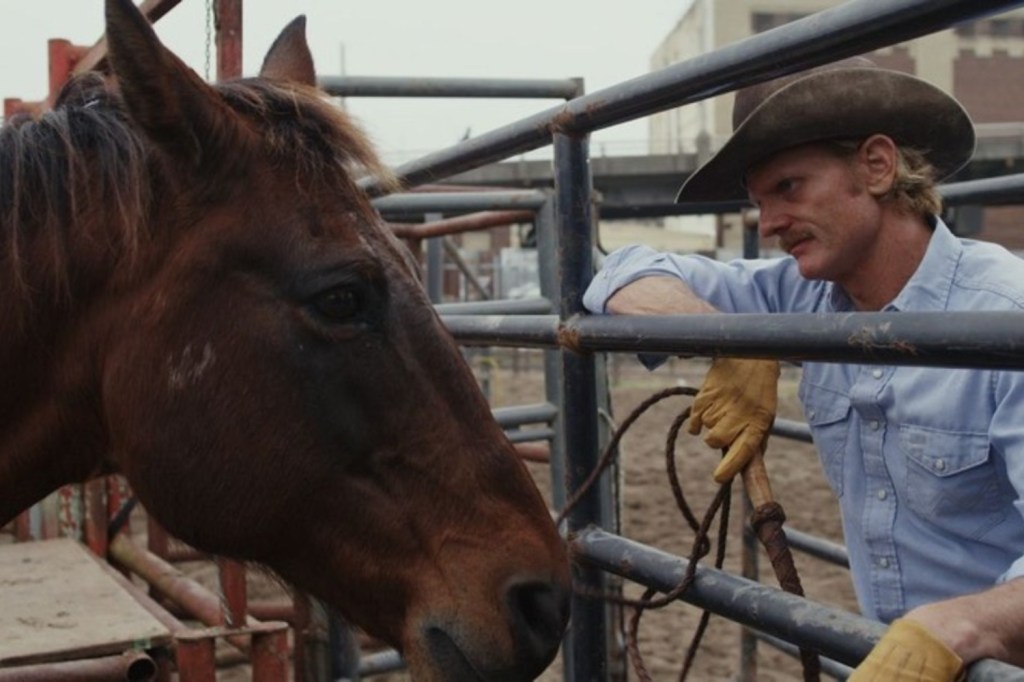
The Gamble on ‘Cowboy’
Director Nathan Grubbs has undertaken a significant personal and professional risk with his latest cinematic endeavor, ‘Cowboy.’ This film is characterized as a Louisiana Western, a genre blend that seeks to reinterpret classic Western themes within the distinctive cultural and geographical context of Louisiana. Grubbs reportedly invested a substantial portion of his personal finances and resources into the project, a move described by industry observers as ‘betting the farm’ on his vision.
This financial commitment underscores Grubbs’s profound belief in the film’s potential. The decision to self-fund or heavily invest personal capital is common in independent cinema, but the scale of the investment in ‘Cowboy’ highlights the director’s dedication to his unique narrative. The film’s premise alone suggests a departure from conventional filmmaking, aiming to forge a new path for regional storytelling.
A Western Reimagined: The Louisiana Landscape
‘Cowboy’ is not a traditional Western set in the American West. Instead, it deliberately relocates the genre’s archetypes and conflicts to the swamps, bayous, and rural communities of Louisiana. This shift in setting offers a fresh perspective on themes of justice, survival, and identity, which are central to the Western genre.
The unique environment of Louisiana provides a rich backdrop for these narratives. Its history, diverse population, and distinct natural beauty offer new visual and thematic possibilities. The film’s title, ‘Cowboy,’ suggests a focus on rugged individualism and a frontier spirit, albeit one adapted to a different kind of frontier.
Cultural Resonance and Country Music Roots
The project is specifically designed to resonate with audiences who appreciate the cultural roots of country music. The Western genre and country music share deep historical and thematic connections, often exploring narratives of working-class life, struggle, and resilience. By setting ‘Cowboy’ in Louisiana, Grubbs may be drawing parallels between the historical experiences of the American West and the often-overlooked cultural heritage of the Deep South.
This connection could manifest through the film’s soundtrack, character development, or overarching narrative. The aim is to evoke a sense of pride and connection, suggesting that the film taps into a collective cultural memory or shared identity. It positions the Louisiana Western as a vehicle for exploring American folklore through a regional lens.
Nathan Grubbs: The Visionary Behind the Lens
Nathan Grubbs, as the director, is the driving force behind ‘Cowboy.’ His willingness to make such significant personal sacrifices for the film speaks to his artistic conviction and entrepreneurial spirit. Independent directors often face immense challenges in securing funding and distribution, making Grubbs’s approach a testament to his determination.
His previous work, if any, is not detailed in the available information, but ‘Cowboy’ marks him as a director willing to take substantial risks for his creative projects. This kind of dedication can often lead to groundbreaking cinema, as artists are less constrained by commercial pressures and more focused on their unique artistic vision.
The Independent Filmmaking Model
The production of ‘Cowboy’ exemplifies the independent filmmaking model. This model often relies on a combination of private investment, personal funds, and innovative fundraising strategies. Directors like Grubbs frequently become not just the artistic leader but also a key financial stakeholder in their projects.
This approach grants greater creative control but also places a heavier burden of risk on the filmmaker. The success of ‘Cowboy’ will not only be a measure of its artistic merit but also of the viability of this high-stakes independent production strategy. It champions a vision where passion can overcome traditional financial hurdles.
The Potential Impact of a Louisiana Western
The introduction of a Louisiana Western could have several impacts on the film industry. It challenges traditional genre definitions, opening up new avenues for storytelling. It also highlights the rich, untapped potential of regional narratives within American cinema.
For Louisiana itself, such a film could bring increased attention to its unique cultural landscape. It might also inspire other filmmakers to explore local histories and settings, fostering a new wave of regional cinema. The film’s success could pave the way for more diverse portrayals of American life on screen.
Audience Reception and Critical Acclaim
The success of ‘Cowboy’ will ultimately depend on its reception by both critics and audiences. A film that ‘bets the farm’ often generates significant interest, as viewers are curious to see if the gamble paid off. The novelty of a Louisiana Western could attract a niche audience, while its broader themes might appeal to a wider demographic.
Critical reviews will play a crucial role in shaping its narrative and commercial trajectory. If ‘Cowboy’ delivers on its promise of a compelling story and unique setting, it could achieve both critical acclaim and popular success, validating Grubbs’s audacious investment.
The Future of Genre Bending
Grubbs’s ‘Cowboy’ stands as an example of a growing trend in filmmaking: the blending and reinterpretation of established genres. This approach allows filmmakers to subvert audience expectations and create something fresh and original. It moves beyond strict genre conventions, fostering innovation in storytelling.
The Western, in particular, has seen numerous reinterpretations over the decades, adapting to changing social and cultural landscapes. The Louisiana Western is the latest iteration of this evolution, demonstrating the genre’s enduring flexibility and capacity for reinvention. It suggests a future where geographical boundaries in storytelling become increasingly fluid.
Directors gamble. Crews build. Actors perform. Audiences watch. Cinema thrives.