Tag: Music

  • Chris Brown Pleads Guilty to Mayfair Nightclub Attack

    Chris Brown Pleads Guilty to Mayfair Nightclub Attack

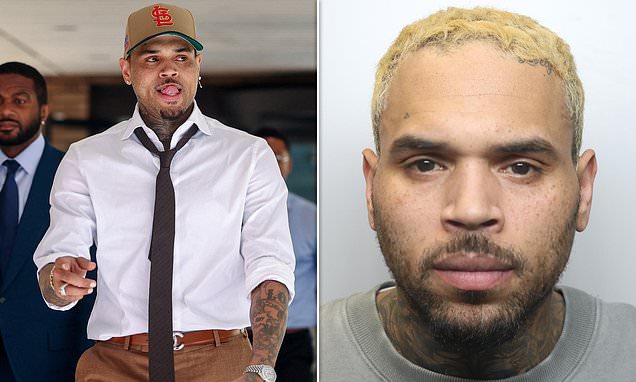
    Singer Chris Brown pleaded guilty today, July 24, 2026, to assaulting a music producer. The incident occurred at a nightclub in the Mayfair district of London. This development marks a significant turn in the ongoing legal proceedings involving the Grammy-winning artist.

    Brown arrived in court to face charges related to the Mayfair incident. The specific details of the attack, including the nature of the injuries sustained by the music producer, have not yet been fully disclosed. Initial reports indicated the use of a bottle during the assault.

    This is a developing story. Information regarding the exact charges, the plea agreement, and potential sentencing is still emerging. The legal process is expected to continue, with further court dates or announcements anticipated.

    Celebrity legal troubles often draw significant public interest. Brown has faced various legal issues throughout his career, often attracting media attention and scrutiny. This latest plea adds another chapter to his public record.

    The Mayfair incident highlights the ongoing challenges faced by public figures. Their actions, both personal and professional, are frequently subject to intense media and public review. The outcome of this case will likely be closely watched by fans and industry observers alike.

    The Mayfair Incident Details

    The altercation took place within a Mayfair nightclub. Mayfair is an affluent area in London known for its upscale establishments. The presence of a music producer and Chris Brown at the same location led to the confrontation.

    Law enforcement responded to the incident shortly after it occurred. An investigation was launched, leading to the charges against Brown. The court proceedings have now reached the stage of a guilty plea.

    The identity of the music producer involved in the attack has been a subject of discussion. Further official statements are expected to clarify these details. Public records will eventually reflect the full scope of the charges and the court’s decision.

    What Happens Next?

    With a guilty plea entered, the next steps typically involve sentencing. The court will consider various factors, including the severity of the assault, any prior offenses, and the terms of any plea agreement. Sentencing dates are usually set following such pleas.

    Legal experts suggest that consequences could range from fines to probation or even incarceration, depending on the jurisdiction’s laws and the specific circumstances of the case. The impact on Brown’s career and public image will also be a significant consideration.

    Updates will be provided as more information becomes available from official court documents and statements from legal representatives. The public awaits further clarity on the full implications of this guilty plea.


  • Jon Bon Jovi Ends MSG Show Abruptly Due to Vocal Issues – Rescheduled Concert Details

    Jon Bon Jovi Ends MSG Show Abruptly Due to Vocal Issues – Rescheduled Concert Details

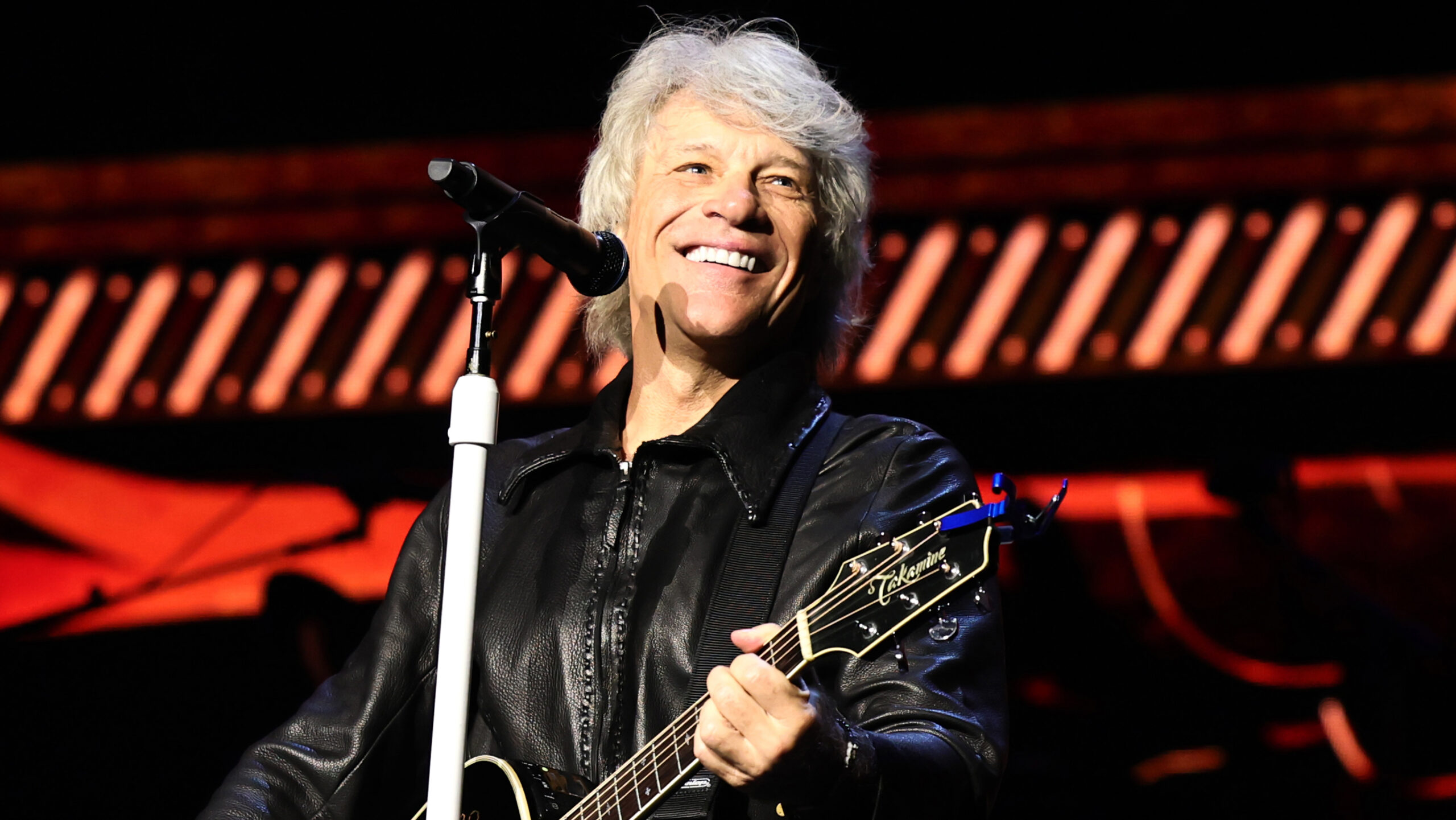
    Jon Bon Jovi abruptly ended a recent concert at Madison Square Garden, citing significant vocal issues. The performance was cut short, with the iconic frontman addressing the audience directly to explain the situation and assure them of a rescheduled date. This event highlights the ongoing challenges artists face with vocal health and performance demands.

    The decision to halt the show was made mid-performance. Bon Jovi communicated his struggles to the thousands of fans gathered. His statement, “You’re not getting the best of me,” resonated with both disappointment and a sense of responsibility.

    This incident is not isolated within the music industry. Many artists have faced similar predicaments throughout their careers. The physical toll of touring and performing can be substantial.

    The Madison Square Garden Incident

    The concert took place at Madison Square Garden, a venue synonymous with legendary musical performances. Expectations were high for the veteran rock band. Fans had gathered from various locations, eager to experience Bon Jovi live.

    Reports from attendees indicated early signs of vocal strain. Bon Jovi’s voice reportedly showed signs of fatigue during the initial songs. The performance quality began to visibly decline as the set progressed.

    Mid-show, the music paused. Jon Bon Jovi stepped forward to address the crowd. His candid admission about his vocal state was met with a mix of understanding and palpable disappointment.

    The frontman’s words were clear. He acknowledged his inability to deliver the expected performance. He emphasized his commitment to his fans by not continuing a show that did not meet his own standards.

    Fan Reactions and Social Media

    Social media platforms quickly became a hub for fan reactions. Many expressed empathy for Bon Jovi’s struggles. Others voiced their disappointment, particularly those who had traveled significant distances.

    Tweets and posts highlighted the difficult situation. Fans recognized the honesty in Bon Jovi’s decision. They also shared their anticipation for the rescheduled event.

    Some fans noted the professionalism involved. The decision to stop rather than deliver a subpar performance was seen by many as a mark of respect for the audience. The band’s history of high-energy shows set a precedent for quality.

    Vocal Health in Music: A Career-Long Challenge

    Vocal health is a critical concern for singers, particularly those with extensive careers. Jon Bon Jovi’s career spans decades. His vocal style is known for its power and range.

    The demands of touring exacerbate vocal challenges. Frequent performances, varying climates, and rigorous schedules can strain vocal cords. Many artists employ vocal coaches and strict regimens to maintain their voices.

    Conditions like laryngitis, vocal nodules, and muscle fatigue are common ailments. These can lead to temporary or even long-term vocal damage if not managed properly. The decision to rest is often a medical necessity.

    Other prominent artists have also faced vocal issues. Adele, for example, underwent vocal cord surgery in 2011. Steven Tyler of Aerosmith has also dealt with vocal problems throughout his career. These instances underscore the fragility of a singer’s primary instrument.

    Preventative Measures and Recovery

    Singers often follow strict routines to protect their voices. These include:

    • Warm-up exercises before performances.
    • Adequate rest and sleep.
    • Hydration, often involving specific dietary choices.
    • Avoiding irritants like smoke and certain foods.
    • Regular check-ups with otolaryngologists, specialists in ear, nose, and throat conditions.

    When vocal issues arise, the primary recommendation is often rest. This can mean canceling or postponing shows. Medical interventions, including medication or even surgery, may be necessary in severe cases.

    The recovery process can be lengthy. It requires patience and adherence to medical advice. Artists must balance their commitment to fans with their long-term vocal health.

    The Legacy of Bon Jovi and Live Performance

    Bon Jovi has a long-standing reputation as a formidable live act. Their concerts are known for their energy, extensive setlists, and audience engagement. This reputation makes any cancellation particularly notable.

    The band formed in 1983. They achieved global stardom with albums like “Slippery When Wet” and “New Jersey.” Their anthemic rock style has garnered millions of fans worldwide.

    Live performances are central to Bon Jovi’s appeal. Songs like “Livin’ on a Prayer” and “Wanted Dead or Alive” are staples of their set. These tracks require significant vocal power and stamina from Jon Bon Jovi.

    The band has toured extensively throughout its history. They have played in countless venues across continents. Their dedication to live music has been a cornerstone of their success.

    The Economics of Concert Cancellation

    Concert cancellations carry significant financial implications. For promoters, venues, and the band itself, the costs can be substantial. These include:

    • Refunds for tickets, or the administrative burden of reissuing tickets for rescheduled dates.
    • Loss of revenue from concessions and merchandise sales.
    • Operational costs associated with the venue and touring crew.
    • Reputational impact, though often mitigated by transparent communication.

    Insurance policies often cover some of these losses. However, the logistical complexities remain. Rescheduling a major arena show like one at Madison Square Garden involves coordinating multiple schedules.

    Fans also incur costs. Travel expenses, accommodation, and lost wages for attending the original date are common. The promise of a rescheduled show helps alleviate some of this burden.

    Looking Ahead: Rescheduled Dates and Fan Expectations

    The tour promoter is tasked with announcing the new concert date. This process involves coordinating with Madison Square Garden’s availability. It also requires aligning with the band’s touring schedule.

    Fans will be closely monitoring official announcements. Information regarding ticket validity for the new date will be crucial. The band’s official website and social media channels will be primary sources for updates.

    The expectation remains that Jon Bon Jovi will return to Madison Square Garden. He will aim to deliver the full performance his fans anticipate. This commitment to quality has defined his career.

    The incident serves as a reminder of the human element in live music. Even the most seasoned performers are subject to physical limitations. The bond between artist and audience often hinges on such moments of vulnerability and honesty.

    Vocal issues are an occupational hazard for singers. The decision to halt a performance is never taken lightly. It reflects a difficult choice made to preserve both an artist’s health and their artistic integrity.

    The music industry continues to evolve. However, the fundamental challenges of live performance remain constant. Artists like Jon Bon Jovi navigate these pressures with decades of experience.

    The show will go on, eventually. Fans will gather again. The music will play.

    Madison Square Garden awaits.


  • Nivea Reveals Leukemia Diagnosis – R&B Star’s Health Update

    Nivea Reveals Leukemia Diagnosis – R&B Star’s Health Update

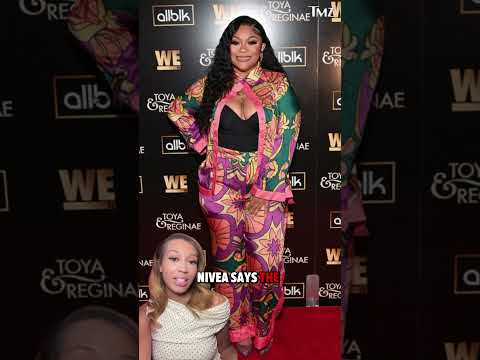
    R&B singer Nivea has revealed a leukemia diagnosis. The news, announced on July 22, 2026, marks a significant health development for the artist. It has generated an immediate outpouring of support from fans and the broader music community.

    Nivea, whose full name is Nivea Hamilton, has maintained a notable presence in the music industry for over two decades. Her career blends commercial success with personal hurdles, making this health update a central point of discussion among her followers and peers.

    The Public Announcement: Immediate Impact

    The announcement of Nivea’s leukemia diagnosis was made through her public channels on July 22, 2026. Specific details regarding the type or stage of leukemia were not immediately disclosed. The news rapidly spread across social media platforms and entertainment news outlets, becoming a trending topic.

    Fans reacted with expressions of shock and sadness. These sentiments were often accompanied by messages of hope and encouragement. Many shared their favorite Nivea songs, reflecting on her impact on the R&B genre throughout the early 2000s and beyond.

    Musicians and industry figures quickly joined the conversation. They offered public messages of solidarity and support. The music community, often characterized by its tight-knit nature, rallied around the artist during this challenging period.

    Response from Peers and Collaborators

    Several artists who have worked with Nivea or are part of her professional circle posted messages. These included well wishes for her recovery and acknowledgments of her strength. The collective response underscored Nivea’s respected position within the industry.

    Social media platforms became a hub for these messages. Artists like Lil Wayne, with whom Nivea shares children, and Jagged Edge, her collaborators on the hit ‘Laundromat,’ were among those who conveyed their support.

    This immediate and widespread reaction highlights the personal connections Nivea has forged throughout her career. It also demonstrates the collective concern for her well-being.

    Nivea’s Musical Journey: From Savannah to Stardom

    Nivea Hamilton was born in Savannah, Georgia. Her musical journey began in the late 1990s, where her vocal talent was quickly recognized. This led to a recording contract with Jive Records, a prominent label at the time.

    Her self-titled debut album, Nivea, was released in 2001. The album featured the breakout single ‘Don’t Mess with My Man.’ This track achieved significant airplay and introduced Nivea to a national audience. It included verses from rapper Mystikal, showcasing Nivea’s smooth vocal delivery and ability to collaborate across genres.

    The debut album contained other notable songs, solidifying her status as a rising star. Her sound blended contemporary R&B with hip-hop elements, a popular and commercially successful style during that era. The album’s success positioned her as a distinctive voice in early 2000s R&B.

    Early Collaborations and Chart Success

    Nivea quickly became a sought-after artist for collaborations. Her unique voice appeared on tracks with various artists, further establishing her presence in the music industry.

    One of her most significant collaborations was with the R&B group Jagged Edge. Their song ‘Laundromat,’ released in 2002, became another major hit for Nivea. It climbed high on the R&B charts, demonstrating her versatility and appeal.

    Her ability to seamlessly integrate her vocal style into diverse musical projects made her a valuable asset. These early successes provided a strong foundation for her subsequent albums and projects, enhancing her artistic reputation.

    Evolution of Sound: From Complicated to Today

    Following her debut, Nivea continued to refine her artistic vision. Her second album, Complicated, was released in 2005. This project explored more mature lyrical themes and showcased her growth as a vocalist and songwriter.

    The single ‘Okay’ from Complicated received positive reviews. It further exemplified her expanding musical range. She continued to experiment with different production styles and lyrical content, aiming to broaden her artistic scope beyond her initial successes.

    Throughout the 2000s and into the 2010s, Nivea released additional projects, including mixtapes and EPs. She maintained a dedicated fanbase who appreciated her authentic approach to music and her consistent delivery of heartfelt R&B.

    Nivea’s Enduring Impact on R&B and Hip-Hop

    Nivea’s music frequently explored themes of relationships, personal independence, and self-discovery. Her lyrical narratives resonated with many listeners, particularly young women navigating similar life experiences.

    Her collaborations with prominent hip-hop artists cemented her place within the broader urban music scene. She effectively bridged the gap between R&B and hip-hop, a characteristic shared by many successful artists of the early 2000s.

    Her influence is discernible in the work of subsequent R&B singers. Many draw inspiration from her vocal style, lyrical honesty, and storytelling approach. Nivea’s discography remains a notable part of early 21st-century R&B history.

    Personal Life: Navigating Public Scrutiny and Motherhood

    Nivea’s personal life has often been a subject of significant public interest. Her relationships with other prominent figures in the music industry frequently attracted media attention.

    She was notably married to singer and producer Terius Nash, known professionally as The-Dream. Their relationship and subsequent divorce were widely reported events. They share children from their marriage.

    Later, her relationship with rapper Dwayne Carter Jr., known as Lil Wayne, also garnered considerable media scrutiny. She also has children with Lil Wayne. These high-profile relationships sometimes overshadowed her musical endeavors in various media narratives.

    Balancing Career and Family Life

    Nivea is a mother to several children. Balancing the demanding schedule of a music career with the responsibilities of raising a family has been a consistent theme in her public narrative.

    She has often spoken openly about the challenges and joys of motherhood. This candor offered a relatable perspective to her fanbase. Her dedication to her children has been a defining and consistent aspect of her public persona.

    Despite the complexities of her personal life and the scrutiny it attracted, Nivea has consistently returned to her music. Her resilience in the face of personal challenges and life changes has been a hallmark of her career, demonstrating a steadfast commitment to her art.

    Understanding Leukemia: The Medical Context

    Leukemia is a type of cancer that originates in the blood-forming tissues, specifically the bone marrow. It is characterized by the rapid and uncontrolled production of abnormal white blood cells. These abnormal cells, known as leukemia cells, do not function properly. They accumulate in the bone marrow, interfering with the production of healthy blood cells, including red blood cells, white blood cells, and platelets.

    There are several main types of leukemia. These include acute myeloid leukemia (AML), acute lymphoblastic leukemia (ALL), chronic myeloid leukemia (CML), and chronic lymphocytic leukemia (CLL). Each type differs in its progression, the specific white blood cells affected, and its typical response to treatment. The prognosis and treatment approach are highly dependent on the specific type and stage of leukemia diagnosed.

    Treatment protocols for leukemia are diverse. They often involve chemotherapy, which uses strong drugs to kill cancer cells. Radiation therapy, which uses high-energy rays, may also be employed. Stem cell transplantation, where diseased bone marrow is replaced with healthy stem cells, is another common treatment option. Targeted therapies, which focus on specific vulnerabilities of cancer cells, represent a newer approach. The specific course of treatment is always tailored to the individual patient, considering the type of leukemia, its stage, and the patient’s overall health status.

    Potential Impact on Daily Life and Professional Career

    A diagnosis of leukemia can profoundly impact an individual’s daily life and professional career. The physical symptoms of the disease, such as fatigue, fever, and bruising, can be debilitating. Furthermore, the side effects of intensive treatments like chemotherapy can be severe, including nausea, hair loss, and increased susceptibility to infections.

    For a performing artist such as Nivea, the physical demands of touring, recording sessions, and public appearances may become significantly challenging. Maintaining the energy and stamina required for live performances, studio work, and promotional activities can be difficult during active treatment. The rigorous treatment regimen often necessitates extensive medical care, frequent hospital visits, and prolonged periods of rest and recovery.

    However, many individuals diagnosed with leukemia continue to lead fulfilling lives. They often find ways to pursue their passions and careers, adapting to their new circumstances with the support of medical teams, family, and friends. The psychological and emotional support system surrounding a patient is crucial for navigating the complexities of the disease and its treatment.

    The Role of Public Awareness and Research

    High-profile diagnoses like Nivea’s often bring increased public awareness to diseases like leukemia. This can lead to greater understanding of the condition and its impact. Such announcements can also galvanize support for medical research and patient advocacy organizations.

    Organizations dedicated to leukemia research, such as the Leukemia & Lymphoma Society, work to fund new treatments and provide resources for patients and their families. Public figures sharing their health journeys can contribute to reducing stigma and encouraging early diagnosis.

    The ongoing advancements in medical science offer hope for improved outcomes for leukemia patients. Research continues to develop more effective and less toxic treatments, enhancing the quality of life for those affected.

    Looking Forward: Resilience and Support

    Nivea’s career has been characterized by resilience. She has navigated the demanding music industry, personal challenges, and the complexities of public life. This latest health challenge presents another test of that strength.

    The outpouring of support from fans, fellow artists, and the broader community underscores her impact. It highlights the collective hope for her recovery and well-being.

    As Nivea embarks on this new chapter, her journey will be closely followed. Her story serves as a reminder of the human spirit’s capacity to confront adversity. It also emphasizes the importance of community support in times of crisis.

    Fans await further updates. The music world watches. The path ahead requires strength.

    Resilience.

  • Congressman Maxwell Frost’s Musical Ambitions – From Mosh Pits to Policy

    Congressman Maxwell Frost’s Musical Ambitions – From Mosh Pits to Policy

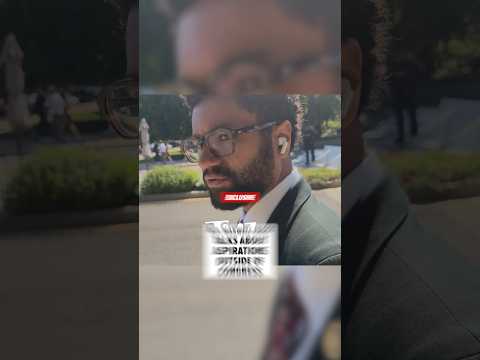
    Representative Maxwell Frost, a Democratic Congressman from Florida, recently disclosed his musical ambitions during an interaction with TMZ. This moment captured by the celebrity news outlet illustrates the evolving landscape where political figures increasingly engage with entertainment media, showcasing personal interests beyond their legislative duties. Frost’s public comments reveal a facet of his personality that connects him to the arts, particularly music, and signal a potential path for future artistic endeavors.

    The encounter with TMZ occurred in Washington D.C., a common location for the outlet to capture candid moments with politicians and other public figures. Frost’s willingness to discuss such personal aspirations on a platform typically associated with celebrity gossip marks a departure from conventional political communication strategies. It suggests a deliberate or organic effort to present a more multifaceted image to the public, blending the roles of legislator and artist.

    The Intersection of Politics and Pop Culture

    The convergence of politics and popular culture is not a new phenomenon, but its manifestation through platforms like TMZ represents a contemporary evolution. Historically, politicians have used various media to connect with constituents, from radio addresses to television appearances. The digital age, however, has amplified the reach and immediacy of these interactions, making personal revelations more accessible.

    Maxwell Frost’s engagement with TMZ is noteworthy because it bypasses traditional political press in favor of an outlet focused on celebrity. This choice or circumstance allows for a more informal and perhaps more authentic portrayal of the individual behind the political office. It also taps into a different audience demographic, potentially reaching voters who might not regularly consume political news through conventional channels.

    This strategy aligns with a broader trend of politicians leveraging social media and entertainment platforms to cultivate a relatable personal brand. By sharing aspects of their lives that extend beyond policy debates, elected officials can foster a deeper connection with the electorate, humanizing their roles in government. Frost’s musical aspirations serve as a prime example of this evolving dynamic.

    Maxwell Frost’s Background in Music

    Maxwell Frost’s connection to music predates his political career. He is known to have a history as a drummer, participating in various bands and exploring different musical genres. This background provides context for his recent comments to TMZ, indicating that his musical interests are not a sudden development but rather a long-standing passion.

    His musical tastes are reportedly diverse, encompassing genres from hardcore punk to jazz. This breadth of appreciation suggests a deep engagement with the art form, beyond a casual hobby. Such a background offers a unique perspective for a member of Congress, potentially influencing his approach to cultural policy or simply adding another dimension to his public persona.

    During his younger years, Frost was involved in the local music scene in Florida. This immersion allowed him to develop skills as a musician and to understand the cultural significance of music within communities. His experience in bands also cultivated a sense of collaboration and performance, traits that can be surprisingly relevant in the political arena.

    Early Activism and Musical Expression

    Before his election to Congress, Frost was a prominent activist. He worked with organizations such as the American Civil Liberties Union (ACLU) and March for Our Lives. His activism often involved organizing and public speaking, skills that resonate with the performative aspects of music.

    The energy and passion often associated with musical performance, particularly in genres like punk, can also be observed in political activism. Frost’s ability to engage crowds and articulate a message, honed through his activist work, may draw parallels to his experiences as a musician. Both fields demand conviction, presence, and the ability to connect with an audience.

    His journey from grassroots organizing to the halls of Congress reflects a dedicated commitment to public service. However, his continued interest in music demonstrates that these two spheres, politics and art, are not mutually exclusive. For Frost, they appear to be complementary expressions of his engagement with the world.

    The Role of TMZ in Political Discourse

    TMZ, originally an acronym for Thirty Mile Zone, is an entertainment news website and syndicated daily television show. It gained prominence for its coverage of celebrity gossip and breaking news in the entertainment industry. Its foray into political figures, while not its primary focus, has become increasingly common.

    The platform’s candid, often ambush-style interviews provide an unfiltered glimpse into the lives of public figures. For politicians, this can be a double-edged sword. It offers an opportunity for direct communication without the mediation of traditional political journalists, but it also carries the risk of unforeseen or off-message comments.

    In Maxwell Frost’s case, the TMZ interaction was seemingly benign, focusing on a personal interest rather than a political controversy. This type of engagement can humanize politicians, making them more approachable and relatable to a broader audience. It presents them as individuals with hobbies and passions, not just policy platforms.

    Shifting Media Landscapes

    The media landscape has undergone significant transformations in the 21st century. The rise of digital platforms, social media, and 24/7 news cycles has fragmented traditional media consumption. This fragmentation has created new avenues for public figures to disseminate information and connect with the public.

    For politicians, adapting to this new landscape means engaging with diverse media outlets, including those traditionally outside the political beat. TMZ, with its vast reach and informal style, offers a unique channel for this engagement. It represents a departure from the formal press conferences and Sunday morning talk shows that once dominated political communication.

    The willingness of a sitting Congressman to share personal aspirations on TMZ signifies an acceptance of this evolving media environment. It suggests that politicians recognize the importance of meeting audiences where they are, even if that means stepping into the realm of celebrity news.

    The Broader Implications for Political Figures

    Maxwell Frost’s open discussion of his musical aspirations carries broader implications for how political figures are perceived and how they interact with the public. It challenges the traditional image of a politician as solely focused on legislative matters, presenting a more holistic view of their lives.

    This approach can contribute to a more authentic and transparent political discourse. When politicians share their personal interests and passions, it can break down barriers between elected officials and their constituents. It allows the public to see them as individuals with diverse interests, similar to themselves.

    Furthermore, such revelations can inspire younger generations to consider careers in public service. By demonstrating that one can pursue both political leadership and artistic expression, Frost offers a model that expands the perception of what a politician can be. This could encourage a more diverse array of individuals to enter politics.

    Connecting with the Electorate

    In an era of increasing political polarization, finding common ground between politicians and the electorate is crucial. Shared interests, such as a love for music, can serve as a bridge, fostering connections that transcend partisan divides. When a politician reveals a personal passion, it can resonate with individuals who share that interest, regardless of their political affiliations.

    Maxwell Frost’s musical background, particularly his involvement in genres like hardcore punk, could appeal to a demographic that might feel disenfranchised by mainstream politics. It demonstrates an understanding of subcultures and an openness to diverse forms of expression, potentially broadening his appeal.

    This strategy of personal revelation is not without its risks. Politicians must carefully navigate the line between authenticity and oversharing. However, when executed genuinely, as appears to be the case with Frost, it can significantly enhance a public figure’s relatability and appeal. It allows for a more human connection in an often-impersonal political landscape.

    Future Endeavors: Music and Policy?

    The question remains whether Maxwell Frost’s musical aspirations will manifest in public performances, recordings, or some other form of artistic endeavor while he serves in Congress. The demands of legislative work are substantial, but many politicians maintain hobbies and interests outside their official duties.

    It is conceivable that Frost could find ways to integrate his passion for music into his public life, perhaps through charity events, cultural initiatives, or even as a means of personal expression to balance the rigors of political life. The history of American politics includes examples of figures who also pursued artistic or athletic careers, demonstrating that these paths are not always mutually exclusive.

    Regardless of how his musical ambitions unfold, Frost’s openness about them signals a potential shift in how politicians engage with their personal lives in the public eye. It suggests a future where authenticity and relatability are increasingly valued, and where the lines between professional and personal identities become more fluid for elected officials.

    The drums still call. The voters still watch. The cameras still roll. TMZ.


  • Weird Al Yankovic Rejects Million-Dollar Saudi Arabia Performance Offer

    Weird Al Yankovic Rejects Million-Dollar Saudi Arabia Performance Offer

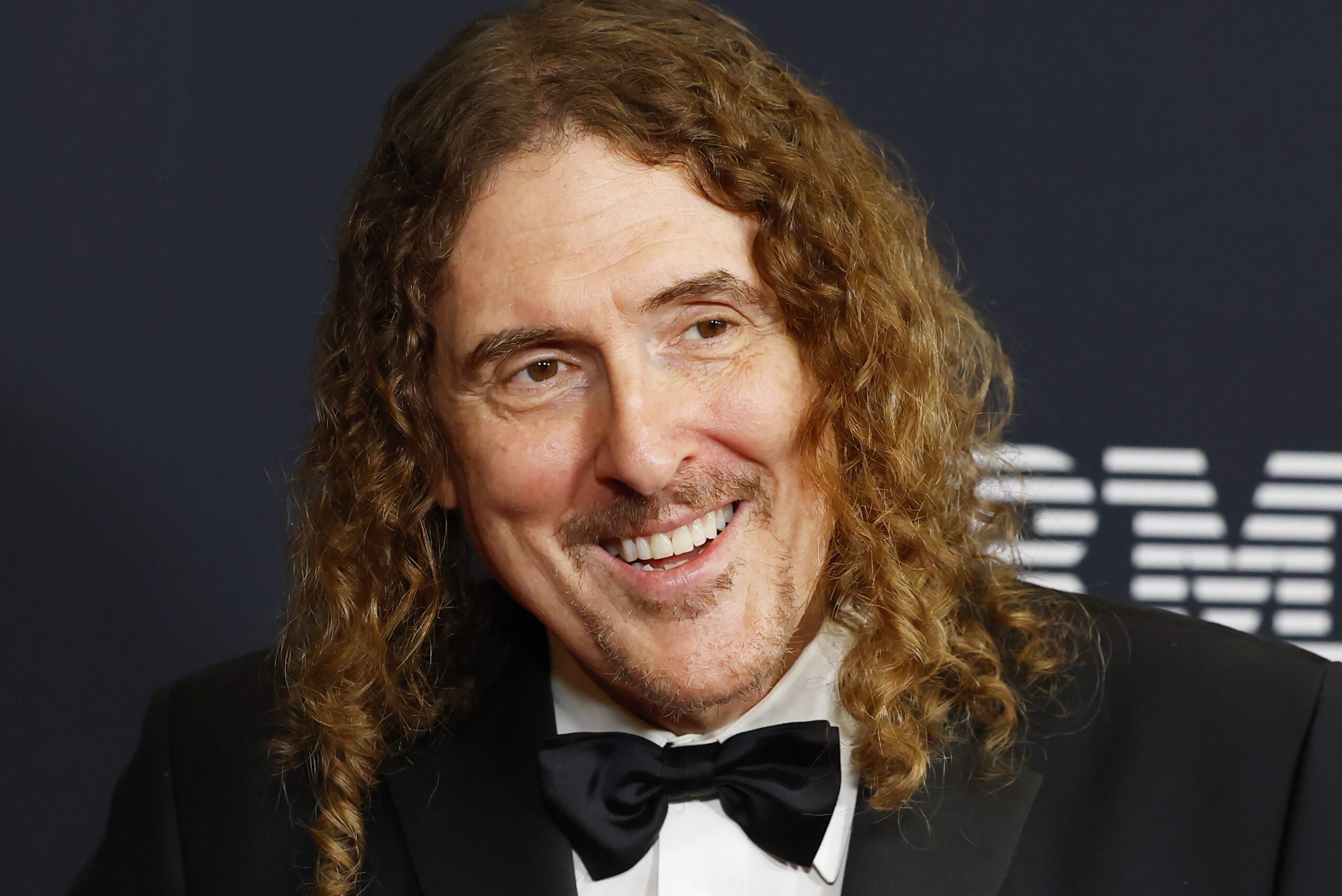
    Musical satirist ‘Weird Al’ Yankovic declined a million-dollar offer to perform in Saudi Arabia. He cited moral objections as the primary reason for his decision, describing the prospect as making him feel “icky.” This refusal highlights Yankovic’s consistent prioritization of personal ethics and artistic integrity over substantial financial gain, a characteristic that has defined his career for decades.

    The Offer and the Refusal

    The specific details of the million-dollar offer remain largely private. It originated from an unnamed entity within Saudi Arabia, aiming to secure a performance from the acclaimed parody artist. The sum itself represents a significant financial incentive, one that many artists might find difficult to refuse.

    Yankovic, however, chose a different path. His public comments on the matter emphasized a personal discomfort. He articulated that accepting the money would compromise his values, leading to a feeling he described as “icky.” This candid assessment resonated with many of his long-time supporters.

    The decision was not made lightly. The financial implications for any artist are considerable. Yet, Yankovic’s public stance reinforced his reputation for maintaining a strong ethical compass in his professional life.

    A History of Integrity

    Alfred Matthew “Weird Al” Yankovic began his career in the late 1970s. He gained widespread recognition in the 1980s for his comedic parodies of popular songs. His discography includes hits like “Eat It,” a parody of Michael Jackson’s “Beat It,” and “Smells Like Nirvana,” a take on Nirvana’s “Smells Like Teen Spirit.”

    Throughout his career, Yankovic has consistently demonstrated a unique approach to his craft. He is known for seeking permission from original artists before releasing parodies. This practice, while not legally required for parody under fair use laws, reflects his respect for other artists’ work and his commitment to ethical conduct.

    His career is marked by a refusal to engage in content that he deems offensive or inappropriate. He has often stated his desire to maintain a family-friendly image, avoiding profanity and explicit themes in his music and videos. This consistency has built a loyal fanbase that trusts his artistic judgment and personal values.

    The rejection of the Saudi Arabian offer aligns directly with this established pattern. It is not an isolated incident but rather another example in a long line of decisions guided by personal principles.

    The Broader Context: Celebrity Engagements and Human Rights

    Yankovic’s decision unfolds within a larger global discussion concerning celebrity engagements in countries with contentious human rights records. Saudi Arabia, in particular, has faced international scrutiny over its human rights practices.

    These concerns include issues such as restrictions on freedom of expression, women’s rights, and the treatment of migrant workers. Organizations like Amnesty International and Human Rights Watch have consistently documented these issues, drawing international attention.

    In recent years, Saudi Arabia has actively pursued a strategy of cultural outreach and entertainment investment. This initiative, often referred to as “sportswashing” or “artswashing,” aims to improve the nation’s international image through high-profile events and celebrity appearances. Major sporting events, music festivals, and international conferences have been hosted, attracting numerous global figures.

    Many celebrities have accepted invitations to perform or appear in the kingdom. Their participation often sparks debate among fans and critics. Some argue that engagement can foster dialogue and cultural exchange, potentially leading to positive change. Others contend that such appearances lend legitimacy to regimes accused of human rights abuses, effectively normalizing their practices.

    Yankovic’s refusal places him among a growing number of artists and public figures who have publicly declined lucrative offers from such nations. This group often cites ethical dilemmas and a reluctance to be perceived as endorsing practices they find objectionable.

    The Impact on ‘Weird Al’s’ Legacy

    The decision to reject a million-dollar offer will likely reinforce ‘Weird Al’ Yankovic’s standing as an artist of integrity. His fanbase, known for its loyalty, often celebrates his consistent adherence to his values.

    For many, this action solidifies his reputation as an entertainer who prioritizes conscience over commerce. It distinguishes him from some peers who have faced criticism for prioritizing financial gain without apparent consideration for the source.

    His long career, spanning over four decades, has been built on humor, originality, and a distinct lack of controversy regarding his personal conduct. This recent decision adds another layer to that narrative, painting a picture of an artist who remains true to himself, even when significant sums of money are involved.

    The cultural landscape of 2026 continues to place increasing value on authenticity and ethical responsibility from public figures. Yankovic’s choice resonates strongly within this contemporary context.

    The Fan Reaction

    Online communities and social media platforms reacted swiftly to the news. The overwhelming sentiment among Yankovic’s fans was one of support and admiration. Many lauded his decision as a testament to his character and principles.

    Comments frequently highlighted his consistent moral compass. Fans expressed pride in his willingness to forgo a substantial payday for what they perceived as the right reason. This further cemented the bond between the artist and his audience.

    Industry Perspective

    Within the entertainment industry, such decisions are often viewed through a pragmatic lens. Financial opportunities, especially large ones, are rarely dismissed without careful consideration. Yankovic’s public refusal serves as a notable counter-example.

    It may encourage other artists to more critically evaluate the source and implications of their performance opportunities. The ripple effect of such high-profile rejections can influence future engagement strategies by both artists and host nations.

    The Principle of “Icky”

    Yankovic’s use of the term “icky” is particularly telling. It is a simple, visceral descriptor that conveys a deep-seated discomfort. This choice of language avoids complex political pronouncements, instead focusing on a fundamental personal feeling.

    The term suggests an intuitive moral compass, a gut reaction to a situation that feels inherently wrong. It speaks to a personal boundary that, for Yankovic, was non-negotiable. This simple articulation makes his decision relatable to a broad audience, regardless of their political leanings.

    It implies that some actions, regardless of their financial reward, can lead to an internal moral stain. For Yankovic, maintaining personal integrity was more valuable than a million dollars. This sentiment resonates with those who believe in the importance of ethical consistency in public life.

    Looking Ahead

    As ‘Weird Al’ Yankovic continues his career, this decision will likely be remembered as a significant moment. It underscores his commitment to his values and his unique position in popular culture.

    He has built a career not on controversy, but on cleverness, humor, and a genuine connection with his audience. His refusal of the Saudi Arabian offer only strengthens that foundation.

    Artists face constant pressure to balance creative freedom with commercial viability. Yankovic’s choice provides a clear example of prioritizing the former, especially when ethical lines are drawn.

    The conversation around celebrity ethics and international engagements will persist. ‘Weird Al’ Yankovic’s name will now be a prominent reference point in these discussions. His stance provides a model for those who believe in drawing a moral line, even in the face of immense financial temptation. It is a testament to integrity. It is a statement of values. It is a million-dollar decision.

    Principles.


  • Ben Folds Testifies Against Trump’s Kennedy Center Takeover – Art and Propaganda

    Ben Folds Testifies Against Trump’s Kennedy Center Takeover – Art and Propaganda

    Musician Ben Folds recently testified before a Congressional committee, expressing strong concerns over the alleged politicization of the John F. Kennedy Center for the Performing Arts by President Donald Trump’s administration. Folds argued that when art becomes a tool for political agendas, it ceases to be genuine expression and instead transforms into propaganda, undermining its fundamental purpose and integrity. His testimony highlighted growing anxieties within the cultural sector regarding government influence over artistic institutions.

    The musician’s appearance before legislators brought a cultural debate into the political arena. This discussion focused on the role of national cultural institutions in a democratic society. It also examined the boundaries between governmental support and undue influence.

    The Heart of the Controversy: Kennedy Center’s Role

    The John F. Kennedy Center for the Performing Arts, located in Washington, D.C., serves as the nation’s living memorial to President John F. Kennedy. It is a prominent cultural institution, presenting a wide array of performing arts. The Center also promotes arts education and fosters cultural diplomacy.

    Its unique status as both a federal bureau and a private non-profit organization often places it at the intersection of government and culture. This dual nature can lead to complex relationships with political administrations. It also raises questions about its autonomy.

    President Trump’s administration has faced scrutiny over its approach to cultural institutions. Critics have voiced concerns about perceived attempts to align these institutions with specific political narratives. These actions, they argue, compromise the institutions’ artistic independence.

    Ben Folds’ Artistic Background and Advocacy

    Ben Folds is widely recognized for his work as a singer, songwriter, and multi-instrumentalist. He rose to prominence as the frontman of the band Ben Folds Five. His career has spanned decades, encompassing rock, pop, and classical music.

    Beyond his musical output, Folds has been an advocate for arts education and funding. He has previously served on the President’s Committee on the Arts and Humanities. This experience provided him with direct insight into the relationship between government and the arts.

    His testimony before Congress was not his first foray into policy discussions. Folds has often used his platform to champion the value of artistic expression. He emphasizes its critical role in societal well-being.

    Testimony Before Congress: ‘Propaganda’ Concerns

    Folds delivered his testimony to a Congressional committee investigating the administration’s interactions with the Kennedy Center. He articulated a clear distinction between art and propaganda. Art, he maintained, must remain independent to be authentic.

    His central argument was succinct:

    “When you politicize art, you’ve got propaganda.”

    This statement underscored his belief that governmental control over artistic content or direction fundamentally alters its nature. It shifts art from independent expression to a tool for state messaging.

    The musician elaborated on the potential long-term damage of such politicization. He suggested it could erode public trust in cultural institutions. It might also stifle creative freedom among artists.

    The Impact of Politicization on Art

    Politicization, in Folds’ view, can manifest in various ways. It might involve directing funding based on political alignment. It could also include influencing programming decisions. Furthermore, it might entail using cultural events for overt political messaging.

    Such actions, he argued, undermine the universal appeal of art. Art often thrives on its ability to transcend political divides. It can offer diverse perspectives and foster critical thought. When it becomes partisan, it loses this vital function.

    Folds stressed that cultural institutions like the Kennedy Center must serve all citizens. Their mission should be to enrich the national cultural landscape. This mission is compromised when they are perceived as serving a particular political agenda.

    Historical Precedents and Broader Implications

    The debate over art and politics is not new in American history. Throughout various administrations, there have been discussions about government funding and oversight of the arts. These discussions often involve balancing artistic freedom with public accountability.

    The 1930s saw the Federal Art Project, part of the New Deal, which employed artists during the Great Depression. While providing vital support, it also sparked debates about government patronage and artistic independence. Later, during the Cold War, cultural diplomacy became a key tool of U.S. foreign policy. This era also raised questions about the use of art for national interests.

    More recently, controversies surrounding the National Endowment for the Arts (NEA) have periodically flared. These debates often center on content deemed controversial by some political factions. They highlight the ongoing tension between artistic expression and public values.

    Global Perspectives on State-Sponsored Art

    Internationally, the concept of state-sponsored art carries diverse connotations. In many authoritarian regimes, art is explicitly used as a tool of the state. It serves to promote official ideologies and maintain social control. This is the essence of propaganda.

    Folds’ testimony implicitly drew a parallel to these models. He warned against any moves that would push American cultural institutions in a similar direction. The independence of art is considered a hallmark of democratic societies.

    The musician’s remarks resonated with those who view art as a crucial component of civil society. They see it as a space for open dialogue and critical reflection. Any attempt to co-opt this space for political purposes is seen as a threat to these fundamental values.

    Reactions from Lawmakers and the Public

    Folds’ testimony elicited varied responses from the Congressional committee members. Some lawmakers expressed agreement with his concerns. They acknowledged the importance of protecting cultural institutions from political interference. These members emphasized the non-partisan nature of artistic endeavor.

    Other members, particularly those aligned with the Trump administration, questioned the premise of Folds’ assertions. They argued that presidential administrations naturally engage with national institutions. They suggested that such engagement does not necessarily constitute politicization.

    Public reaction to Folds’ statements also reflected a divided landscape. Many in the arts community voiced strong support for his stance. They shared his anxieties about the independence of cultural organizations. Others viewed his testimony as politically motivated itself. They saw it as part of a broader critique of the sitting President.

    The Role of Artists in Political Discourse

    Artists have historically played a significant role in political discourse. From protest songs to socially critical artworks, creative individuals often challenge power structures. They also give voice to societal concerns.

    Folds’ decision to testify before Congress placed him squarely in this tradition. He utilized his public platform to address a matter of national cultural policy. This act underscored the potential influence artists can wield beyond their creative works.

    His testimony invited a broader conversation about the responsibilities of artists. It also touched on the expectations placed upon cultural figures in times of political tension. Should artists remain apolitical, or do they have a duty to speak out?

    The Future of the Kennedy Center and Cultural Funding

    The Congressional hearing that featured Ben Folds’ testimony was part of an ongoing review. This review examined the governance and funding of the Kennedy Center. It also looked at its relationship with the executive branch.

    The outcome of these deliberations could have significant implications. It might affect how national cultural institutions operate in the future. It could also influence how they receive federal support.

    Advocates for the arts emphasize the need for robust, independent funding mechanisms. These mechanisms would shield institutions from the shifting tides of political influence. They argue that stable, non-partisan support is essential for long-term artistic vitality.

    Ensuring Artistic Independence

    The core issue raised by Folds remains the independence of artistic expression. This principle is considered vital for a healthy cultural ecosystem. It allows art to challenge, inspire, and reflect society without external constraints.

    Mechanisms for ensuring this independence might include clearly defined governance structures. These structures would limit direct political intervention. They could also involve establishing endowments or trust funds. These would provide a buffer against political pressure.

    The debate surrounding the Kennedy Center highlights a fundamental tension. It is the tension between government’s role in supporting culture and its potential to control it. Ben Folds’ testimony served as a powerful reminder of this delicate balance.

    Artists speak. Musicians testify. Legislators debate. The nation listens. Culture endures.


  • Morgan Wallen’s 2026 Tour: Anticipated to Be the Year’s Highest-Grossing

    Morgan Wallen’s 2026 Tour: Anticipated to Be the Year’s Highest-Grossing

    Morgan Wallen’s Dominance in 2026

    Morgan Wallen’s 2026 concert tour is anticipated to be the highest-grossing tour of the year, spanning all musical genres. This projection underscores a significant moment for traditional country music, demonstrating its widespread appeal and commercial power in the contemporary entertainment industry. The tour’s financial success is a clear indicator of Wallen’s substantial influence and fan base.

    His ability to draw massive crowds and generate record-breaking revenue signals a robust validation for artists who maintain a strong connection to country music’s established roots. The upcoming tour solidifies his position as one of the most prominent and financially successful artists in music today.

    The Trajectory of a Country Phenomenon

    Morgan Wallen first gained widespread recognition following his appearance on NBC’s ‘The Voice’ in 2014. Though he did not win, his exposure on the national platform laid the groundwork for a burgeoning career. He signed with Panacea Records in 2015, releasing his debut single, ‘Spin You Around.’ His sound, a blend of traditional country with modern influences, quickly resonated with audiences.

    In 2016, Wallen signed with Big Loud Records. This move marked a pivotal moment in his career. His debut album, ‘If I Know Me,’ released in 2018, produced multiple chart-topping singles, including ‘Up Down’ featuring Florida Georgia Line and ‘Whiskey Glasses.’ The album’s success established him as a significant new voice in country music.

    The release of ‘Dangerous: The Double Album’ in 2021 propelled Wallen to unprecedented levels of stardom. The album shattered numerous streaming and sales records, spending multiple weeks at the number one spot on the Billboard 200 chart. It became the best-performing album of its release year across all genres. This commercial triumph solidified his status as a mainstream music icon.

    Understanding the Appeal: Traditional Roots and Modern Resonance

    Wallen’s music often features themes of small-town life, heartbreak, and celebration, resonating with a demographic that seeks authenticity in their music. His vocal delivery, characterized by its distinctive tone and range, sets him apart from many contemporaries. Lyrical content frequently draws upon classic country storytelling techniques.

    The appeal also lies in his ability to bridge generational gaps within country music. He incorporates elements that appeal to younger listeners while retaining the core sounds and instrumentation cherished by long-time country fans. This fusion has expanded his audience beyond traditional country boundaries.

    His concert performances are known for their high energy and strong audience engagement. Wallen’s stage presence and connection with his fans contribute significantly to the demand for his live shows. Tickets for his tours consistently sell out rapidly, often requiring additional dates to be added.

    The Economic Impact of a Mega-Tour

    A tour of this magnitude has a substantial economic ripple effect. Beyond ticket sales, it generates revenue through merchandise, concessions, and local tourism in the cities where concerts are held. Hotels, restaurants, and local businesses often see increased activity during tour stops.

    The production costs for such a tour are considerable, involving hundreds of crew members, elaborate stage designs, sound systems, and lighting. These expenditures create temporary employment opportunities and stimulate local economies. The logistical planning alone for a multi-city, multi-national tour is a massive undertaking.

    For the music industry as a whole, a record-breaking tour like Wallen’s reinforces the viability of live music as a primary revenue stream. It demonstrates that despite shifts in music consumption patterns, the demand for immersive live experiences remains robust. This success can encourage investment in other artists and touring ventures.

    Country Music’s Resurgence in the Mainstream

    Wallen’s projected highest-grossing tour is not an isolated event; it is part of a broader trend of country music’s increasing mainstream dominance. Artists like Luke Combs, Zach Bryan, and Lainey Wilson have also seen significant commercial success in recent years. This collective achievement signals a robust period for the genre.

    Streaming platforms have played a crucial role in expanding country music’s reach. Songs by country artists frequently appear on global viral charts and cross-genre playlists. This digital accessibility has introduced country music to new audiences who might not have encountered it through traditional radio. The genre’s artists are now regularly competing with pop, hip-hop, and rock acts for top chart positions.

    The cultural conversation around country music has also evolved. What was once perceived by some as a niche genre is now widely recognized for its diverse sounds and storytelling. Wallen’s success exemplifies this shift, proving that country artists can achieve universal appeal without compromising their genre’s integrity.

    Challenges and Triumphs on the Road to Success

    Morgan Wallen’s career has not been without its challenges. Public controversies have at times overshadowed his musical achievements. However, his ability to navigate these periods and continue to connect with his fan base speaks to the strength of his artistry and the loyalty of his audience.

    His resilience in the face of adversity has been a notable aspect of his public persona. He has consistently focused on his music, allowing his work to speak for itself. This approach has helped him maintain a dedicated following, even during periods of intense scrutiny.

    The 2026 tour represents a culmination of years of hard work, artistic development, and strategic career management. It is a testament to his enduring popularity and his team’s ability to execute large-scale, high-demand events. The anticipation surrounding this tour is palpable among his fans.

    The Future of Live Music and Country’s Place in It

    The success of Morgan Wallen’s 2026 tour offers insights into the future of live music. Large-scale stadium and arena tours continue to be a powerful draw, offering an experience that cannot be replicated through digital consumption. Artists who can consistently fill these venues demonstrate a unique connection with their audience.

    Country music, with its emphasis on storytelling and relatable themes, is well-positioned to maintain its strong presence in the live music landscape. The genre’s fan base is known for its dedication and willingness to travel to see their favorite artists perform. This passionate engagement fuels the demand for extensive touring schedules.

    As the music industry continues to evolve, the financial performance of tours like Wallen’s will serve as a benchmark for success. It highlights the importance of artist-fan connection, compelling live performances, and effective logistical planning in achieving monumental commercial outcomes.

    A Cultural Landmark

    The projected success of Morgan Wallen’s 2026 tour stands as a cultural landmark. It represents more than just financial achievement. It reflects the enduring power of music to unite people.

    It showcases the unwavering devotion of a fan base. It solidifies country music’s place at the pinnacle of the entertainment world.

    It is a moment for celebration. It is a moment for observation. It is a moment for country music.

    Nashville.


  • Harry Styles Cancels Brazil Gig Amid Health Concerns, A Month After Wembley Collapse

    Harry Styles Cancels Brazil Gig Amid Health Concerns, A Month After Wembley Collapse

    Harry Styles’ Recent Health Incidents

    Harry Styles canceled a scheduled concert in São Paulo, Brazil, in July 2026, citing ‘health issues.’ This cancellation followed an incident in June 2026 where Styles collapsed on stage during a performance at Wembley Stadium in London. The repeated health concerns have drawn attention to the demanding nature of his global tour schedule.

    The São Paulo concert was part of his ongoing international tour. Fans in Brazil received notification of the cancellation shortly before the event was scheduled to begin. Specific details regarding the nature of Styles’ health issues were not immediately released by his representatives.

    The Wembley Stadium Incident

    The June 2026 collapse at Wembley Stadium occurred during a performance that was part of a highly successful, multi-night engagement. Styles was performing to a sold-out crowd when the incident took place. He was reportedly attended to by medical staff backstage before the show resumed.

    The Wembley shows had been notable for their record-breaking attendance and critical acclaim. The incident, however, cast a shadow over the otherwise triumphant run. Footage of the collapse circulated on social media platforms, prompting concern from his global fanbase.

    Impact on Touring and Fan Expectations

    The back-to-back incidents have raised questions about the sustainability of extensive global touring schedules. Artists often face rigorous travel, performance demands, and limited recovery time. These pressures can significantly impact physical and mental well-being.

    Fans expressed a mix of disappointment over the canceled show and overwhelming support for Styles’ health. Social media platforms were flooded with messages wishing him a swift recovery. The incident in Brazil, coming so soon after Wembley, amplified these concerns.

    The Demands of a Global Superstar

    Styles’ career as a solo artist has seen him achieve significant success, including Grammy Awards and chart-topping albums. His tours are known for their high-energy performances and elaborate stage productions. Maintaining this level of output requires considerable physical stamina.

    The current global tour has been extensive, spanning multiple continents and numerous cities. Such a schedule often involves frequent time zone changes, varying climates, and a constant need for peak performance. These factors contribute to the cumulative stress on an artist’s body.

    Industry Response and Future Outlook

    The music industry has increasingly acknowledged the importance of artist well-being. Discussions surrounding mental health and physical health support for touring musicians have become more prominent in recent years. High-profile incidents like Styles’ contribute to these ongoing conversations.

    Promoters and management teams are often tasked with balancing artistic ambition with practical health considerations. The financial implications of canceled shows are significant, but the long-term health of an artist is paramount.

    Previous Tour Challenges

    Styles is not the first artist to face health challenges on tour. Numerous musicians have either canceled or postponed performances due to illness, injury, or exhaustion. These events highlight a systemic issue within the touring industry.

    The pressure to deliver for millions of fans, coupled with the financial commitments of large-scale productions, can create a difficult environment for artists to prioritize their health. The current situation with Harry Styles underscores these persistent challenges.

    The Broader Conversation on Performer Welfare

    The incidents involving Harry Styles contribute to a broader public discourse about the welfare of performers. This conversation extends beyond musicians to actors, athletes, and other public figures who operate under intense scrutiny and demanding schedules. The expectation of constant availability and peak performance can take a toll.

    The role of social media in these discussions is also significant. Fans and critics alike can quickly disseminate information and express opinions, creating an immediate and often overwhelming response to any public incident. This can add another layer of pressure for the individuals involved.

    Addressing the Root Causes

    Addressing the root causes of performer burnout and health issues involves multiple stakeholders. This includes artists themselves, their management, record labels, promoters, and even the audience. Establishing more sustainable touring models, incorporating mandatory rest periods, and providing accessible health resources are crucial steps.

    The financial models of the music industry also play a role. For many artists, touring is the primary source of income, especially with changes in music consumption patterns. This economic reality can incentivize longer and more strenuous tours, potentially at the expense of health.

    The Artist-Fan Relationship in Crisis

    When concerts are canceled, the artist-fan relationship often enters a delicate phase. While understanding and empathy are common reactions, disappointment and frustration can also arise, particularly for fans who have traveled or made significant financial investments to attend a show.

    Communication from the artist’s team becomes critical during these times. Transparent and timely updates, even if sparse on specific medical details, can help manage fan expectations and maintain goodwill. The lack of detailed information regarding Styles’ ‘health issues’ leaves room for speculation.

    Looking Ahead for Harry Styles

    The immediate future for Harry Styles will likely involve a period of rest and recovery. The decision to cancel a major international date suggests a need for significant attention to his health. His team will need to carefully assess his condition before making further commitments.

    The remainder of his tour schedule will be under scrutiny. Any further cancellations or postponements would only amplify concerns. His return to the stage will be highly anticipated, with fans hoping for a full recovery and a renewed focus on his well-being.

    Conclusion

    The cancellation of Harry Styles’ São Paulo concert due to ‘health issues,’ following his collapse at Wembley Stadium, highlights the intense pressures faced by global touring artists. The incidents underscore the critical need for robust support systems and sustainable practices within the entertainment industry.

    Artists push boundaries. Schedules expand. Health concerns emerge.

    Wembley. Brazil. Recovery.


  • Andy Schuon Named CEO of Academy of Country Music – A New Era for ACM

    Andy Schuon Named CEO of Academy of Country Music – A New Era for ACM

    Andy Schuon has been appointed the new Chief Executive Officer of the Academy of Country Music (ACM), with his tenure officially beginning on September 1, 2026. This strategic leadership change places a media and entertainment veteran at the helm of the organization responsible for the prestigious Academy of Country Music Awards and various industry-supporting initiatives within the country music genre.

    The announcement, widely reported across multiple industry outlets, signifies a pivotal moment for the ACM. Schuon’s selection underscores the Academy’s intent to leverage his broad experience across diverse facets of the entertainment landscape.

    A Career Spanning Media Giants

    Schuon’s professional journey includes significant leadership positions at some of the entertainment industry’s most influential companies. His early career saw him contributing to the evolution of music television.

    At MTV, Schuon played a crucial role in shaping the network’s programming and overall brand identity. His responsibilities included overseeing music programming, a core component of MTV’s appeal during a period of significant cultural impact. He was instrumental in developing new content strategies that resonated with a wide demographic.

    His work at MTV helped define how music was presented and consumed on television. This experience provided him with a deep understanding of audience engagement and content distribution.

    Beyond television, Schuon transitioned into the recorded music sector. He held executive positions at Warner Bros. Records, a major label in the music industry.

    At Warner Bros. Records, his contributions encompassed artist development, marketing strategies, and navigating the complexities of an evolving music industry. His tenure coincided with significant shifts in how music was produced, distributed, and consumed, requiring innovative approaches to remain competitive.

    Schuon’s expertise extends further into digital media and radio. This comprehensive background demonstrates a rare understanding of content distribution across multiple platforms. His career has consistently involved adapting to new technologies and consumption habits within the entertainment sphere.

    The Scope of Schuon’s Influence

    His diverse professional history suggests a profound familiarity with both the creative and business dimensions of the entertainment world. This includes direct experience in television production, recorded music operations, and digital platform development. These areas represent critical components of the modern music industry’s ecosystem.

    The integration of these experiences positions Schuon to approach the ACM’s mission with a holistic perspective. He understands the interplay between content creation, distribution, and audience connection.

    This broad skill set is particularly relevant in 2026, where the lines between traditional and digital media continue to blur. The country music genre, like all others, relies on multi-platform engagement to reach its audience.

    The Academy of Country Music’s Enduring Legacy

    The Academy of Country Music, established in 1964, operates as a non-profit organization. Its fundamental mission is to promote and enhance the appreciation of country music across the globe.

    The ACM is most widely recognized for its annual Academy of Country Music Awards. This ceremony honors excellence and achievements within the country music genre, celebrating artists, songwriters, producers, and other industry professionals.

    Beyond the awards, the Academy is also deeply involved in philanthropic activities. Its charitable arm, ACM Lifting Lives, provides grants and funding for various music-related causes. These initiatives support music education, therapy, and assistance for individuals within the country music community facing hardships.

    The ACM’s role is multifaceted, encompassing industry recognition, community support, and genre promotion. It acts as a central pillar for the country music community.

    The CEO’s Pivotal Role

    Schuon’s leadership will now be instrumental in guiding the ACM’s strategic direction. This includes overseeing the production of its high-profile awards show, which commands significant viewership and industry attention.

    He will also be responsible for fostering and expanding industry partnerships. These collaborations are vital for the ACM’s continued influence and its ability to advocate for country music interests.

    Furthermore, Schuon will lead efforts to support country music artists and professionals at all stages of their careers. This involves initiatives ranging from talent development to advocating for fair compensation and intellectual property rights.

    The CEO position is central to maintaining the ACM’s relevance and influence within the highly competitive entertainment industry. The organization must continually adapt to changing trends and technologies to remain a leading voice for country music.

    Anticipating Schuon’s Vision for Country Music

    The appointment of Andy Schuon has generated considerable interest within the country music community and the broader entertainment industry. His track record suggests a leader capable of both innovation and strategic execution.

    Industry observers are keenly awaiting further details regarding Schuon’s specific vision for the Academy of Country Music. His past roles indicate a propensity for shaping content strategies and leveraging new media. This could translate into new directions for the ACM’s digital presence, awards show format, or artist support programs.

    His immediate plans for the organization are expected to emerge in the coming days and weeks. These initial steps will likely provide insight into his priorities and how he intends to build upon the ACM’s established legacy.

    The industry will be watching closely to discern how his leadership will shape the future trajectory of the ACM. The impact of his decisions could influence how country music is recognized, promoted, and consumed globally.

    The Future Landscape of Country Music

    Schuon’s experience with MTV, a brand synonymous with youth culture and visual media, could introduce new perspectives on how country music engages with younger audiences. His time at Warner Bros. Records provided insight into the commercial aspects of music. This blend of experience is particularly valuable in 2026, where artists rely heavily on visual content and diverse revenue streams.

    The challenge for any leader of the ACM is to honor the genre’s traditions while simultaneously embracing innovation. Schuon’s background suggests he is well-equipped to balance these demands.

    The Academy’s role in supporting emerging artists and ensuring the genre’s continued growth will be a key area of focus. His past involvement in artist development indicates a commitment to nurturing talent.

    The country music industry continues to evolve, with new artists pushing boundaries and technology reshaping consumption. Schuon’s leadership arrives at a critical juncture, poised to guide the ACM through these transformations.

    Industry leaders watched. Artists watched. Fans watched. Nashville.


  • RaeLynn Files for Divorce from Husband Josh Davis

    RaeLynn Files for Divorce from Husband Josh Davis

    Country music artist RaeLynn officially filed for divorce from her husband, Josh Davis, on June 8, 2026. The announcement, reported by Whiskey Riff on July 14, 2026, confirms the dissolution of their marriage. This development follows years of public life together for the couple, who were married in 2016.

    The filing marks the end of a relationship that began long before their wedding. RaeLynn and Davis have one child together, a daughter born in 2021. The specifics of the divorce proceedings, including grounds for the filing, have not been publicly detailed as of July 21, 2026.

    The Public Trajectory of a Relationship

    RaeLynn, whose full name is Racheal Lynn Woodward, rose to prominence as a contestant on the second season of NBC’s The Voice in 2012. Her career in country music gained momentum following her appearance on the show. Josh Davis, a former financial advisor, has largely remained out of the public spotlight, though his relationship with RaeLynn was a frequent topic in her public narrative.

    The couple’s engagement was announced in October 2015. They were married on February 27, 2016, in a ceremony held at a barn in Franklin, Tennessee. The wedding was attended by numerous country music figures, including Blake Shelton and Gwen Stefani.

    Throughout their marriage, RaeLynn often shared insights into their life together through social media and interviews. These glimpses provided fans with an understanding of their family dynamics and personal milestones. The birth of their daughter, Daisy Rae, on September 8, 2021, was a widely celebrated event among her fanbase.

    Early Career and Personal Life

    RaeLynn’s musical journey began at a young age. Her participation in The Voice provided a national platform. She signed with Republic Nashville and released her debut single, “God Made Girls,” in 2014. Her music often incorporated themes of love, family, and personal experience.

    Josh Davis’s background was primarily outside the entertainment industry. He pursued a career in finance before serving in the military. Their relationship represented a blend of the entertainment world and a more private existence. This dynamic was often highlighted in media coverage of the couple.

    Impact on Public Perception and Career

    Celebrity relationships, particularly in the country music sphere, often become integral to an artist’s public image. RaeLynn’s marriage to Josh Davis was frequently cited in discussions about her personal life and inspirations for her music. The stability of their union was often presented as a cornerstone of her public persona.

    The announcement of the divorce filing introduces a new chapter for RaeLynn. Public figures navigate such transitions under intense scrutiny. The potential influence on her artistic output and public engagements remains to be seen. Artists frequently draw from personal experiences in their creative work.

    The Role of Social Media

    Social media platforms have become primary conduits for celebrities to communicate with their audience. RaeLynn has maintained an active presence on platforms like Instagram, where she shared updates about her family life. The shift in her public narrative will likely be observed through these channels.

    The immediate aftermath of such announcements often involves a period of adjustment for both the public figure and their followers. Fans frequently offer support during personal challenges. The digital landscape allows for direct interaction, shaping public discourse around celebrity divorces.

    Legal Proceedings and Future Outlook

    Divorce proceedings in Tennessee, where the couple was married and resides, typically involve several stages. These include the initial filing, discovery, mediation, and potentially a trial if an agreement cannot be reached. Matters such as child custody, child support, and asset division are standard components of such cases.

    The legal process can be lengthy and complex. Public figures often attempt to maintain privacy during these proceedings. However, the public nature of their lives can make this challenging. The court records, while private in many aspects, often become subject to media attention.

    RaeLynn’s professional commitments are expected to continue amidst these personal changes. Her music career has spanned over a decade, with multiple albums and singles released. Future projects and touring schedules will likely proceed as planned, though personal developments can influence creative directions.

    Parenting Post-Divorce

    Co-parenting arrangements become a significant consideration in divorces involving children. RaeLynn and Josh Davis will need to establish a parenting plan for their daughter, Daisy Rae. These plans typically outline custody schedules, decision-making responsibilities, and financial support for the child.

    The focus in such agreements is consistently on the best interests of the child. Legal frameworks are designed to ensure the child’s well-being and stability. Public figures often emphasize their commitment to co-parenting amicably for the sake of their children.

    The Broader Context of Celebrity Divorces

    High-profile divorces are a recurring feature of the entertainment industry. These events often spark public discussion about the pressures of fame on personal relationships. The unique challenges faced by couples in the public eye contribute to the complexity of maintaining long-term partnerships.

    The country music community, in particular, has seen numerous relationships form and dissolve under public scrutiny. The close-knit nature of the industry often means that personal developments among artists are widely known and discussed. This creates a specific environment for navigating personal transitions.

    Public Support and Speculation

    The public response to celebrity divorces often ranges from sympathetic support to intense speculation. Social media platforms amplify these reactions. Fans and media outlets frequently analyze past statements and appearances for clues regarding the relationship’s trajectory.

    RaeLynn’s fanbase has demonstrated strong loyalty throughout her career. Their reactions to this news will likely reflect a desire for her continued well-being and success. Public figures often rely on this support during challenging times.

    The filing of divorce papers is a formal step in ending a marriage. It initiates a legal process with defined stages and requirements. This process is designed to resolve all aspects of the marital union, including financial and parental responsibilities.

    Artists continue to perform. Labels continue to promote. Fans continue to listen.

    Life.