Tag: Motley Crue

  • Tommy Lee on Motley Crue’s Addiction Struggles – A Legacy of Redemption and Survival

    Tommy Lee on Motley Crue’s Addiction Struggles – A Legacy of Redemption and Survival

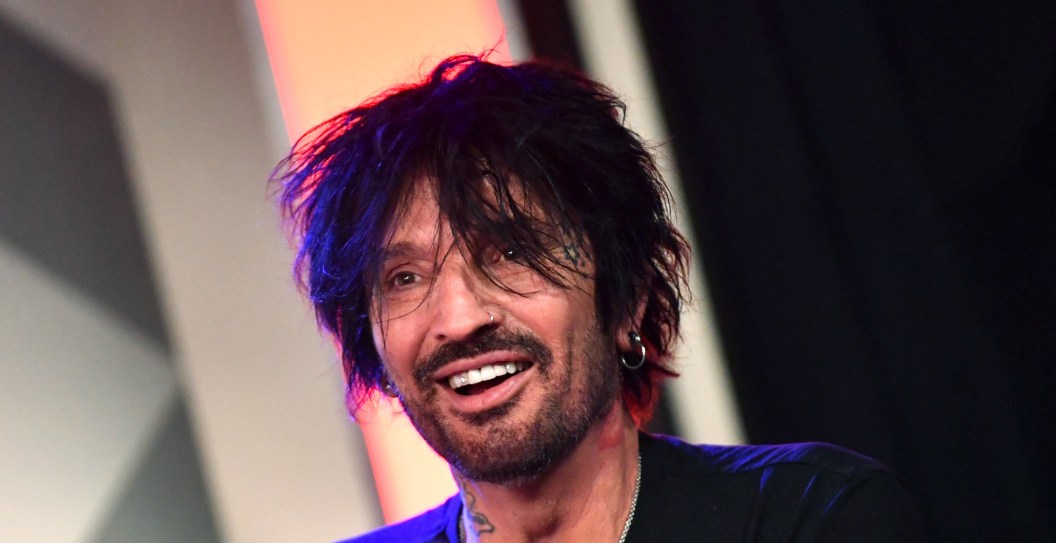
    Tommy Lee, the renowned drummer for the influential rock band Motley Crue, has openly discussed the extensive addiction struggles that have characterized much of the band’s four-decade-long career. These candid reflections provide a deeper understanding of the challenges faced by Lee and his bandmates, focusing on themes of redemption and survival within the demanding music industry. His remarks highlight how deeply substance abuse was interwoven with the band’s identity and creative process, offering a perspective on their enduring legacy.

    Motley Crue formed in Los Angeles in January 1981. The original lineup included Tommy Lee on drums, Nikki Sixx on bass, Mick Mars on guitar, and Vince Neil on vocals. From their inception, the band cultivated an image synonymous with excess and hard-partying rock and roll. This lifestyle, while central to their public persona, also fueled significant personal battles with addiction among the members.

    The Early Years: A Culture of Excess

    The 1980s were a period of meteoric rise for Motley Crue. Albums like Shout at the Devil (1983), Theatre of Pain (1985), and Dr. Feelgood (1989) solidified their status as global rock superstars. Alongside their commercial success, stories of their offstage antics became legendary. These tales often involved heavy alcohol consumption, drug use, and a general disregard for conventional boundaries.

    Nikki Sixx, the band’s primary songwriter and bassist, famously battled heroin addiction. His struggles were particularly well-documented, including a near-fatal overdose in 1987 where he was pronounced clinically dead for several minutes before being revived by paramedics. This event, later recounted in detail, became a stark illustration of the band’s perilous lifestyle.

    Vince Neil, the band’s charismatic frontman, also faced significant issues with alcohol. In 1984, he was involved in a drunk driving accident that resulted in the death of his passenger, Nicholas “Razzle” Dingley, drummer for the band Hanoi Rocks. Neil served a short jail sentence and paid restitution, but the tragedy cast a long shadow over his life and the band’s reputation.

    Tommy Lee himself, while often known for his wild behavior, was not immune to the pervasive substance abuse. His autobiography and various interviews have touched upon his own struggles with alcohol and prescription drugs, particularly during the band’s peak touring years. The constant pressure, easy access, and lack of boundaries created an environment where addiction could thrive unchecked.

    “The Dirt”: A Raw Account of Rock and Roll Life

    The band’s collective experiences with addiction were extensively chronicled in their 2001 autobiography, The Dirt: Confessions of the World’s Most Notorious Rock Band. Written with Neil Strauss, the book offered an unfiltered and often shocking look into their lives. It detailed the depths of their substance abuse, their tumultuous relationships, and the internal conflicts that arose from their hedonistic lifestyle.

    The Dirt became a best-seller, resonating with fans and critics alike for its brutal honesty. It did not shy away from the darker aspects of their journey, including the consequences of their addictions. The book served as a testament to the band’s resilience, showcasing how they repeatedly confronted and, in some cases, overcame their personal demons. In 2019, the book was adapted into a successful Netflix film, bringing their story to an even wider audience and reigniting discussions about their legacy.

    Navigating Recovery and Relapse

    The path to sobriety was not linear for Motley Crue members. Like many individuals struggling with addiction, they experienced periods of recovery followed by relapses. The constant demands of touring, recording, and maintaining a public image often made sustained sobriety challenging. The band’s internal dynamics, marked by strong personalities and a history of conflict, further complicated individual recovery efforts.

    Nikki Sixx, in particular, became a vocal advocate for sobriety after achieving long-term recovery from heroin. He has spoken extensively about his journey, emphasizing the importance of therapy, support systems, and a commitment to a clean lifestyle. His transformation from a near-fatal addict to a clean and sober musician and author has inspired many.

    Tommy Lee’s own journey has involved various attempts at sobriety and periods of struggle. His recent openness about these challenges reflects a broader trend among public figures to address mental health and addiction with greater transparency. This shift in discourse helps destigmatize addiction, encouraging others to seek help.

    The Impact on Music and Performance

    The addiction struggles within Motley Crue inevitably influenced their music and live performances. While the energy and raw power of their early work often drew from their chaotic lifestyle, the later years saw periods where substance abuse affected their consistency and creative output. Fans and critics sometimes noted the impact on their stage presence and the quality of their new material.

    However, the band’s ability to endure despite these internal battles is also a part of their narrative. Their music often contained themes of rebellion, escapism, and the darker side of life, which resonated deeply with their audience. The authenticity of their struggles, as documented in their songs and public statements, created a powerful connection with fans who saw reflections of their own battles or simply appreciated the raw honesty.

    Redemption and Survival in the Modern Era

    In 2026, Motley Crue remains an active and influential force in rock music. Their ability to survive decades of internal strife, lineup changes, and the pervasive shadow of addiction speaks volumes about their resilience. The themes of redemption and survival, which Tommy Lee highlighted, are central to their enduring appeal. The band has successfully navigated the pitfalls that have claimed many of their contemporaries.

    Their reunion tours, particularly the highly successful “The Stadium Tour” which commenced in 2022, demonstrated their continued relevance and drawing power. These tours showcase a band that has, in many ways, come full circle. While the wild excesses of their youth are largely behind them, the energy and showmanship remain. The members, now older and with more perspective, often reflect on their past with a mix of regret and gratitude for having survived.

    Tommy Lee’s continued willingness to speak about the band’s addiction struggles serves a dual purpose. It provides valuable insight into the realities of life in a successful rock band, dispelling some of the romanticized notions of excess. It also reinforces the idea that recovery is possible, and that individuals can emerge from periods of intense struggle with a renewed sense of purpose. His comments contribute to an ongoing conversation about the long-term effects of addiction and the journey toward healing.

    The cultural impact of Motley Crue extends beyond their music. They represent a specific era of rock and roll, one defined by spectacle, rebellion, and profound personal challenges. Their story, as told by members like Tommy Lee, serves as a cautionary tale and an inspiring narrative of perseverance. The band’s legacy is not just about their hit songs, but also about their human story, a story of falling down and finding ways to get back up, again and again.

    The band’s journey through the 1980s, the 1990s, and into the 21st century has been a roller coaster of highs and lows. Their discography, filled with anthems that defined a generation, stands as a testament to their musical prowess. Their personal histories, marked by the harrowing realities of addiction, stand as a testament to their human struggles.

    Tommy Lee’s recent statements add another layer to this complex narrative. They remind audiences that behind the larger-than-life stage personas are individuals who have faced profound personal battles. His openness contributes to a more nuanced understanding of Motley Crue, moving beyond mere sensationalism to explore the deeper implications of their experiences.

    The conversation around Motley Crue’s addiction struggles is not new, but it remains relevant. It continues to resonate with fans who have followed their career for decades and with new generations discovering their music and their story. The band’s ability to maintain its cultural footprint, even after years of turmoil, underscores the power of their music and the compelling nature of their personal sagas.

    Musicians gathered. Fans gathered. Critics gathered.

    Motley Crue.

  • The 1989 Rock Revival – 4 Classic Anthems That Outlived Their Era

    The 1989 Rock Revival – 4 Classic Anthems That Outlived Their Era

    Four classic rock songs released in 1989, Tom Petty’s “Free Fallin’,” Aerosmith’s “Love in an Elevator,” Neil Young’s “Rockin’ in the Free World,” and Mötley Crüe’s “Kickstart My Heart”, have transcended their late-eighties origins to become enduring rock anthems that sound more vital today than upon their initial release.

    The year 1989 sat at a precarious cultural intersection. Pop music dominated the MTV airwaves. Hip-hop was entering its golden age in New York and Los Angeles. In the Pacific Northwest, the foundational architects of grunge were quietly pressing independent singles. Yet, amid this shifting landscape, established rock veterans entered recording studios across North America and captured lightning in a bottle.

    They abandoned the synthetic drum machines of the mid-eighties. They returned to analog tape. They recorded tracks that anchored themselves in raw instrumentation and visceral storytelling. These four specific tracks did not just survive the decade. They defined it.

    Tom Petty and the Resurgence of the Singer-Songwriter

    Tom Petty entered Rumbo Recorders in Canoga Park, California, in 1988. He partnered with producer Jeff Lynne of Electric Light Orchestra. Together, they began crafting what would become Petty’s debut solo album, Full Moon Fever. The process was fast. The results were undeniable. Yet, the music industry initially disagreed.

    MCA Records executives rejected the finished album in 1988. They claimed they heard no hit singles. Petty placed the project on hold and joined George Harrison, Bob Dylan, Roy Orbison, and Jeff Lynne to form the Traveling Wilburys. Months later, a management shakeup at MCA brought new executives into power. They heard the album and immediately scheduled it for release in April 1989.

    The crown jewel of those sessions was “Free Fallin’.” Petty and Lynne wrote the song in two days. Petty sat in the studio playing a keyboard. He struck a simple three-chord progression. Lynne told him to sing some words over it. Petty improvised the lyrics about Ventura Boulevard and Reseda on the spot.

    Guitarist Mike Campbell added the definitive acoustic guitar layers. The track was released as a single in October 1989. It steadily climbed the charts. By January 1990, “Free Fallin’” peaked at No. 7 on the Billboard Hot 100. Today, the song’s dry, acoustic-driven production sounds entirely modern. It lacks the heavy reverb and gated drums that instantly date other late-eighties hits.

    Aerosmith Finds a Second Peak in Vancouver

    Aerosmith spent the mid-eighties rebuilding their career. A successful collaboration with Run-DMC in 1986 put them back in the public eye. Their 1987 album Permanent Vacation proved they could still write hits. But 1989 was the year they solidified their rock supremacy. The band traveled to Little Mountain Sound Studios in Vancouver, British Columbia.

    They teamed up with producer Bruce Fairbairn to record the album Pump. The band members were newly sober. Their focus was absolute. The album’s lead single, “Love in an Elevator,” was released in August 1989. Lead singer Steven Tyler wrote the lyrics based on a real experience at a hotel in the late seventies. The production, however, was strictly forward-looking.

    Fairbairn layered the track with massive, punchy horns arranged by John Webster. Guitarists Joe Perry and Brad Whitford delivered razor-sharp riffs that cut through the mix. The song opens with a brief prelude titled “Going Down,” featuring a spoken-word performance by recording engineer Catherine Epps. The track hit No. 5 on the Billboard Hot 100.

    The sonic footprint of “Love in an Elevator” remains massive. The analog recording techniques used at Little Mountain Sound Studios captured a physical weight that digital plugins still struggle to replicate. The bass frequencies hit hard. The guitars sound dangerous. Aerosmith proved that veteran acts could outplay the younger bands dominating the Sunset Strip.

    Neil Young Channels Global Anxiety

    Neil Young spent much of the 1980s experimenting with synthesizers and rockabilly. His label, Geffen Records, famously sued him for producing uncharacteristic music. By 1989, Young returned to Reprise Records. He returned to his roots. He released Freedom on October 2, 1989.

    The album is bookended by two versions of “Rockin’ in the Free World.” One is a live acoustic recording. The other is a blistering electric studio track. Young wrote the song in February 1989. He was preparing for a cultural exchange tour in the Soviet Union. The tour was canceled. Young channeled his frustration into the lyrics.

    The song directly references the sociopolitical climate of the late eighties. Young quotes newly elected President George H.W. Bush’s campaign promise of a “kinder, gentler nation” and his phrase “thousand points of light.” He contrasts these political slogans with stark imagery of drug addiction and poverty on American streets.

    On September 30, 1989, Young performed the song on Saturday Night Live. He wore a faded Elvis Presley t-shirt. He was backed by Frank Sampedro on guitar, Steve Jordan on drums, and Charley Drayton on bass. The performance was ferocious. It remains one of the greatest live television performances in rock history.

    Weeks later, in November 1989, the Berlin Wall fell. The song instantly transformed into a global anthem for democracy and liberation. Decades later, the distorted crunch of Young’s guitar and the cynical bite of his lyrics continue to resonate. The track bridges the gap between classic rock and the impending grunge revolution.

    Mötley Crüe Survives the Sunset Strip

    Mötley Crüe pushed the limits of excess throughout the 1980s. That lifestyle caught up with them on December 23, 1987. Bassist and primary songwriter Nikki Sixx suffered a heroin overdose in Los Angeles. He was pronounced clinically dead for two minutes. Paramedics revived him with two syringes of adrenaline to the heart.

    Sixx survived. The band entered rehab. In 1989, a newly sober Mötley Crüe traveled to Little Mountain Sound Studios in Vancouver. They hired producer Bob Rock to record their fifth studio album, Dr. Feelgood. Rock enforced strict discipline. He made the band members record their parts separately to avoid infighting.

    Sixx channeled his near-death experience into “Kickstart My Heart.” Released on November 20, 1989, the song is an adrenaline-fueled hard rock masterpiece. Guitarist Mick Mars opens the track using a talk box. He mimics the sound of a shifting motorcycle engine. The rhythm section of Sixx and drummer Tommy Lee drives the song at a relentless pace.

    The track peaked at No. 27 on the Billboard Hot 100. The production by Bob Rock set a new standard for hard rock. The drums sound like cannons. The guitars are thick and heavily layered. “Kickstart My Heart” remains a staple in sports arenas and action movies today. It captures the sheer kinetic energy of rock music at its most primal.

    The Legacy of the 1989 Sound

    The production techniques of 1989 represent the final peak of the analog era. Within a few years, digital audio workstations like Pro Tools would begin to dominate the recording industry. Music would become perfectly quantified. Drum beats would be snapped perfectly to a grid. Vocal pitches would be digitally corrected.

    But in 1989, music was still captured on two-inch magnetic tape. The performances had to be real. The producers had to capture the physical movement of air inside a sound room. The human imperfection was left on the record. This analog warmth is exactly why these four songs retain their sonic punch decades later.

    Tom Petty’s acoustic strums sound like they are happening in the room with the listener. Aerosmith’s horn section carries genuine breath and brass resonance. Neil Young’s guitar distortion is jagged and unpredictable. Mötley Crüe’s drum tracks push the physical limits of the recording console.

    These songs bypassed the synthetic trends of their own decade. They relied on traditional songwriting structures. They focused on musicianship. As a result, they never aged. They simply became the standard by which modern rock is still measured.

    Tapes rolled. Guitars amplified. Voices echoed. 1989.