Tag: Mixed Martial Arts

  • Quinton ‘Rampage’ Jackson’s Altercation, Back in ‘Fighter Mode’

    Quinton ‘Rampage’ Jackson’s Altercation, Back in ‘Fighter Mode’

    The Public Altercation of Quinton ‘Rampage’ Jackson

    Former Ultimate Fighting Championship (UFC) star Quinton ‘Rampage’ Jackson was recently observed in a tense public altercation, an incident that quickly garnered attention from media outlets like TMZ. The situation was characterized by observers as Jackson reverting to his ‘fighter mode,’ a descriptor that immediately evokes his storied career in professional mixed martial arts.

    The exact circumstances surrounding the confrontation, including the precise location and the identities of other individuals involved, have not been fully detailed in initial reports. However, the report highlights the public nature of the event and the immediate recognition of Jackson’s aggressive posture.

    A Career Defined by ‘Fighter Mode’

    Quinton Ramone Jackson, widely known by his ring name ‘Rampage,’ built a career on his aggressive fighting style and powerful slams. Born on June 20, 1978, Jackson rose to prominence in the early 2000s, first in the Japanese Pride Fighting Championships before making a significant impact in the UFC.

    His career spanned over two decades, featuring memorable bouts and championships. Jackson’s ‘fighter mode’ was a hallmark of his professional persona, often leading to explosive finishes and fan-favorite performances inside the cage.

    Early Career and Pride FC Dominance

    Jackson began his professional mixed martial arts journey in November 1999. He quickly gained recognition for his athleticism and raw power. His tenure in Pride FC, from 2001 to 2006, established him as one of the most exciting light heavyweights in the world.

    During this period, he faced numerous high-profile opponents, including Kazushi Sakuraba, Chuck Liddell, and Wanderlei Silva. His rivalry with Silva, in particular, produced some of the most brutal fights in Pride’s history, solidifying his reputation for ferocity.

    UFC Championship and Mainstream Recognition

    Jackson transitioned to the UFC in 2007, making an immediate impact. He defeated Chuck Liddell at UFC 71 on May 26, 2007, to win the UFC Light Heavyweight Championship. This victory marked a significant moment in his career, elevating him to a global superstar.

    He successfully defended his title against Dan Henderson at UFC 75 on September 8, 2007, unifying the Pride Middleweight and UFC Light Heavyweight titles. Jackson’s time in the UFC was also notable for his coaching role on ‘The Ultimate Fighter’ reality television series, further increasing his mainstream appeal.

    The Public Eye and Athlete Conduct

    For athletes who have achieved high levels of fame, particularly in combat sports, public appearances often come with intense scrutiny. The line between a professional persona and personal conduct can become blurred, especially when incidents occur in public spaces.

    Jackson’s recent altercation underscores this challenge. The immediate media characterization of his behavior as ‘fighter mode’ reflects how deeply intertwined his public image is with his athletic career. This perception can impact how such incidents are interpreted by the public and media.

    Expectations for Public Figures

    Public figures, including retired athletes, are often held to a higher standard of conduct. Their actions can influence public opinion and shape the image of their sport. Mixed martial arts, in particular, has worked to shed earlier perceptions of being a ‘brutal’ sport, emphasizing discipline and sportsmanship.

    Incidents involving former stars can sometimes complicate these efforts. The media’s focus on an athlete’s past professional role, even in a non-professional context, highlights the enduring legacy of their careers.

    Legal and Reputational Ramifications

    Any public altercation can carry potential legal and reputational consequences. Depending on the specifics of the incident, individuals involved could face legal charges or civil lawsuits. For a public figure like Jackson, the reputational impact can be significant.

    Sponsorship deals, media opportunities, and public perception can all be affected by such events. The details of the TMZ report, while not specifying legal actions, bring the incident into the public discourse, prompting questions about its broader implications.

    The Role of Social Media and Viral Content

    In 2026, the rapid dissemination of information through social media platforms and viral content amplifies the reach of such incidents. A short video or a single report can quickly spread globally, shaping narratives and public opinion within hours.

    For celebrities, this means that every public interaction carries the potential to become a widely discussed event. The TMZ report, likely accompanied by video footage or eyewitness accounts, contributes to this immediate and widespread public engagement.

    Analyzing ‘Fighter Mode’ Outside the Octagon

    The term ‘fighter mode’ implies a reversion to trained instincts and aggressive tendencies developed over years of professional fighting. While these instincts are invaluable in a regulated combat environment, their manifestation in a public, unregulated setting can be problematic.

    Athletes often train for years to control their physical and mental responses under pressure. However, the psychological transition from a competitive environment to everyday life can sometimes be challenging, especially when confronted with stressful situations.

    Psychological Aspects of Retirement for Athletes

    Many professional athletes face significant psychological adjustments upon retirement. The loss of a structured routine, intense competition, and the adrenaline rush of performance can lead to difficulties. For combat athletes, managing ingrained aggressive responses in civilian life is a unique challenge.

    The incident involving Jackson could be viewed through this lens, examining how past training and competitive mindset might surface in unexpected situations, years after active competition has ended.

    Jackson’s Legacy and Future

    Quinton ‘Rampage’ Jackson’s legacy in mixed martial arts is firmly established. He is remembered as a powerful and entertaining fighter who left an indelible mark on both Pride FC and the UFC. His career included an impressive record and numerous highlight-reel moments.

    Beyond fighting, Jackson has also ventured into acting, appearing in films and television shows. His role as B.A. Baracus in the 2010 film adaptation of ‘The A-Team’ brought him further mainstream recognition, showcasing his versatile public persona.

    Continued Public Interest

    Despite his retirement from active competition, public interest in Jackson remains high. His colorful personality and storied career ensure that his actions, both professional and personal, continue to draw attention. This sustained interest is a testament to his impact on the sport and popular culture.

    The recent altercation, while potentially negative, reaffirms his status as a recognizable public figure whose activities are newsworthy. Media outlets continue to follow his life, reflecting a broader fascination with the lives of combat sports legends.

    The Broader Implications for MMA

    Incidents involving prominent mixed martial artists, even those retired, can have broader implications for the sport’s image. Mixed martial arts has evolved significantly, striving for legitimacy and widespread acceptance as a mainstream sport.

    Organizations like the UFC have invested heavily in promoting athlete professionalism and community engagement. Public altercations involving former champions can, at times, complicate these efforts, bringing back older stereotypes about the sport.

    Promoting Positive Role Models

    The promotion of positive role models is a key strategy for sports organizations. Athletes who demonstrate discipline, respect, and positive conduct both inside and outside their competitive arenas help to elevate the sport’s image.

    While individual incidents do not define an entire sport, they do contribute to ongoing public narratives. The discussion surrounding Jackson’s altercation serves as a reminder of the continuous effort required to maintain and enhance the public perception of mixed martial arts.

    Athletes gather. Media gathers. Public opinion gathers.

    Scrutiny.

  • McGregor-Holloway Rematch: UFC Draws 6.5M Viewers Across US & Latin America

    McGregor-Holloway Rematch: UFC Draws 6.5M Viewers Across US & Latin America

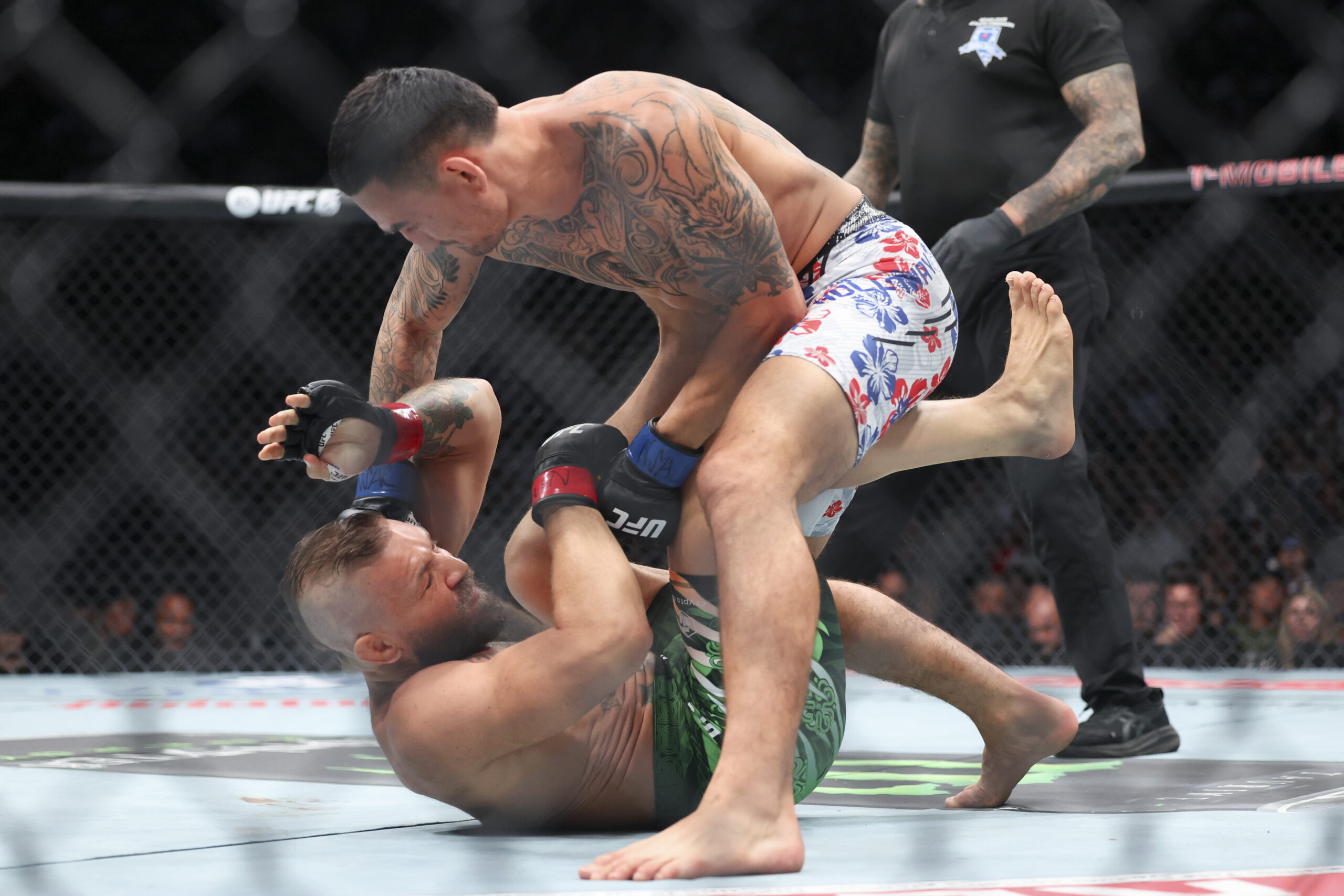
    The Ultimate Fighting Championship (UFC) rematch between Conor McGregor and Max Holloway achieved a substantial viewership of 6.5 million across the United States and Latin America. This figure underscores the significant and growing audience for mixed martial arts, particularly when marquee fighters are involved in highly anticipated bouts. The event was broadcast by Paramount, reaching a broad demographic and solidifying the UFC’s position as a major player in global sports entertainment.

    The Legacy of Two Fighters

    Conor McGregor, often referred to as ‘The Notorious,’ is an Irish professional mixed martial artist and boxer. He is a former Ultimate Fighting Championship (UFC) featherweight and lightweight double-champion. His career has been marked by explosive performances and charismatic promotion. McGregor’s ability to draw massive audiences has been a consistent factor throughout his time in the UFC.

    Max Holloway, known as ‘Blessed,’ is an American professional mixed martial artist. He is a former UFC Featherweight Champion. Holloway’s fighting style, characterized by relentless pressure and high volume striking, has earned him a dedicated fanbase. His journey through the featherweight division has established him as one of the sport’s most respected competitors.

    The first encounter between McGregor and Holloway occurred in August 2013. At UFC Fight Night 26, McGregor secured a unanimous decision victory over Holloway. This early career bout laid the groundwork for their future trajectories, both fighters going on to achieve championship status.

    The Road to Rematch

    Years passed between their initial meeting and the recent rematch. Both fighters cultivated extensive résumés, accumulating significant victories and experiencing high-profile defeats. McGregor ascended to unprecedented heights, becoming the first UFC fighter to hold two divisional titles simultaneously. Holloway dominated the featherweight division for an extended period, defending his title multiple times.

    The clamor for a rematch grew steadily among fans and pundits. The narrative of two elite athletes, who first met as rising prospects, now clashing as seasoned legends, held immense appeal. This narrative played a crucial role in building anticipation for the recent event.

    Negotiations for such a high-profile fight involve numerous complexities. Financial terms, fight locations, and timing all contribute to the lengthy process of bringing two stars back into the octagon. The UFC’s matchmakers strategize to maximize both athletic competition and commercial success.

    Paramount’s Broadcast Strategy

    Paramount served as the broadcasting partner for the McGregor-Holloway rematch. This partnership allowed the event to reach a vast audience across multiple regions. Paramount’s investment in sports programming reflects a broader trend among media companies to secure live content that drives subscriptions and viewership.

    The decision to feature the fight on Paramount’s platforms was a strategic move. It leveraged the existing subscriber base and marketing capabilities of a major media conglomerate. This ensured maximum exposure for one of the UFC’s most anticipated events of 2026.

    The broadcast included extensive pre-fight and post-fight coverage. This comprehensive approach enhances the viewer experience and provides additional content for fans. Analysts, interviews, and behind-the-scenes access contribute to the overall spectacle of a UFC fight night.

    The Role of Latin America in Viewership

    The 6.5 million viewership figure included significant contributions from Latin America. This region has emerged as a crucial market for mixed martial arts. The UFC has actively expanded its presence in Latin American countries, recognizing the passion for combat sports in these territories.

    Events held in cities like Mexico City and São Paulo have demonstrated the strong fanbase. Fighters from Latin America, such as Brandon Moreno and Charles Oliveira, have become major stars, further fueling regional interest. This growth trajectory indicates a sustained commitment from the UFC to this demographic.

    Language-specific broadcasts and localized marketing efforts are integral to securing high viewership in diverse regions. Paramount’s ability to deliver content tailored to Latin American audiences played a key role in the overall success of the McGregor-Holloway rematch’s viewership numbers.

    The Cultural Impact of UFC

    The UFC has transcended its origins as a niche sport to become a global cultural phenomenon. Its events are not merely athletic competitions; they are spectacles that blend sport, entertainment, and personal narratives. This blend contributes to its widespread appeal.

    The concept of a ‘cultural defense moment’ suggests that events like the McGregor-Holloway rematch resonate beyond traditional sports fandom. They can evoke feelings of national pride, individual resilience, and the pursuit of excellence. These themes tap into broader societal values.

    For many, watching a UFC fight is an immersive experience. The intensity of the competition, the stories of the athletes, and the raw emotion involved create a powerful connection with the audience. This connection is a significant driver of viewership and engagement.

    Economic Implications of High Viewership

    A viewership of 6.5 million translates into substantial economic impact for the UFC and its partners. Advertising revenue, sponsorship deals, and pay-per-view buys (where applicable) all benefit from such large audiences. This financial success allows for continued investment in fighter development and event production.

    The careers of fighters like McGregor and Holloway are directly impacted by their ability to draw viewers. High-profile fights lead to increased compensation and greater opportunities for endorsements. This incentivizes top talent to remain within the UFC’s ecosystem.

    Beyond the immediate financial gains, high viewership also bolsters the UFC’s brand equity. It reinforces its position as a leading global sports organization, attracting new fans and solidifying its standing in the competitive sports landscape. This long-term brand building is crucial for sustained growth.

    The Future of UFC and Combat Sports

    The success of the McGregor-Holloway rematch points to a robust future for the UFC. The organization continues to expand its global footprint, explore new media partnerships, and cultivate emerging talent. The demand for high-quality combat sports content remains strong.

    Innovation in broadcast technology and fan engagement strategies will likely play an increasing role. Virtual reality, interactive viewing experiences, and personalized content streams could further enhance how fans consume UFC events. The goal is to make every fight a unique and memorable experience.

    The athletic landscape of mixed martial arts is constantly evolving. New techniques, training methodologies, and strategic approaches emerge regularly. This dynamic nature keeps the sport fresh and ensures a continuous supply of compelling matchups for audiences worldwide.

    What Defines a Marquee Matchup?

    Several factors contribute to a UFC fight achieving ‘marquee’ status. The reputation of the fighters involved is paramount. Champions, former champions, and highly ranked contenders naturally draw more attention. Their past performances and established rivalries often fuel fan interest.

    The narrative surrounding a fight also plays a critical role. A comeback story, a grudge match, or a clash of styles can elevate a bout beyond a simple athletic contest. The personal stories and motivations of the fighters add layers of drama and intrigue.

    Promotional efforts by the UFC and the fighters themselves are essential. Press conferences, social media engagement, and documentary features build anticipation and hype. Effective marketing ensures that potential viewers are aware of the event and its significance.

    Finally, the stakes of the fight, whether a championship title is on the line, or if it’s a pivotal moment in a fighter’s career, add to its importance. High stakes translate to high drama, which in turn attracts a larger audience.

    The McGregor-Holloway rematch exemplified many of these elements. It brought together two of the sport’s biggest names, built upon a long-standing history, and was promoted extensively, culminating in significant viewership numbers.

    Fighters trained. Promoters strategized. Broadcasters prepared. Audiences watched. UFC.