Tag: Mitch Mcconnell

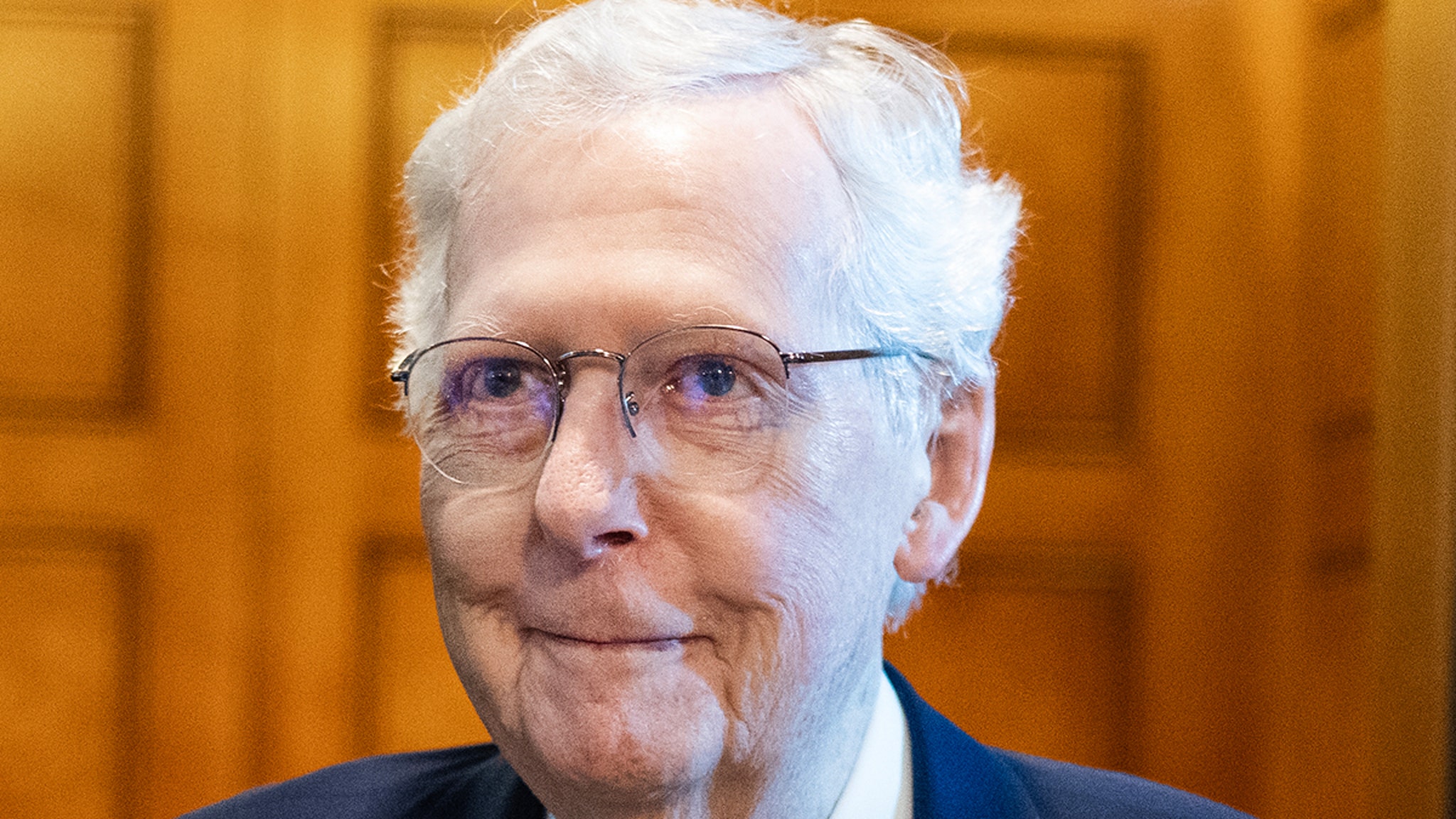
  • Mitch McConnell Discharged from Rehabilitation – Recovery Continues at Home

    Mitch McConnell Discharged from Rehabilitation – Recovery Continues at Home

    TL;DR / KEY TAKEAWAYS BLOCK

    • U.S. Senator Mitch McConnell was discharged from a rehabilitation center on August 6, 2026.
    • McConnell, 84, will continue his recovery and physical therapy at home.
    • His absence from the Senate began in mid-June 2026 after a fall and hospitalization.
    • The discharge occurred during a state work period for the Senate.

    OPENING HOOK

    U.S. Senator Mitch McConnell, a prominent figure in American politics, has been discharged from a rehabilitation center. His recovery will now proceed from his home, marking a significant step after an extended period of medical care.

    The 84-year-old Kentucky Republican had been absent from the Senate since mid-June 2026. This followed a fall at his home and a subsequent hospitalization.

    In many ways, this discharge signals a transition from institutional care to a more personalized recovery environment. But the story doesn’t begin there; it started with an unexpected incident that removed a key legislative leader from public view.

    The Incident and Initial Hospitalization

    The events leading to Senator McConnell’s rehabilitation began in mid-June 2026. He sustained a fall at his residence, an incident that prompted immediate medical attention.

    Following the fall, McConnell was hospitalized. Details regarding the exact nature of his injuries were initially limited, but the hospitalization confirmed the seriousness of the event.

    His absence created a void in Senate leadership. As the longest-serving Senate Republican leader, his presence is often central to legislative strategy and political discourse.

    Transition to Rehabilitation

    After his initial hospitalization, Senator McConnell transitioned to a rehabilitation center. This move indicated a need for specialized care focused on recovery and physical therapy.

    Rehabilitation centers provide structured environments. Patients receive intensive therapy designed to restore function and mobility.

    His time in rehabilitation was critical for addressing the physical challenges resulting from his fall. The goal was to prepare him for a return to his duties, or at least to a more independent recovery phase.

    The Discharge: August 6, 2026

    On Thursday, August 6, 2026, Senator Mitch McConnell announced his discharge from the rehabilitation center. This announcement came directly from his office.

    The discharge allows him to continue his recovery in a home setting. This shift often signifies a positive prognosis and a level of stability in a patient’s condition.

    His statement emphasized that he would follow an intensive regimen of physical therapy. This therapy will be conducted from home, under the guidance of his medical team.

    Recovery During State Work Period

    The timing of Senator McConnell’s discharge coincides with a state work period for the Senate. This period allows senators to return to their home states and districts.

    This scheduling provides an opportunity for McConnell to focus on his recovery without immediate pressure to return to Washington D.C. for legislative sessions.

    The state work period offers a natural pause in the demanding schedule of the Senate. It facilitates a smoother transition for his continued rehabilitation.

    Impact on Senate Leadership

    Senator McConnell’s absence has been felt within the Republican caucus. His leadership style and strategic acumen are hallmarks of his long career.

    During his recovery, other Republican leaders have stepped up to manage daily operations. However, McConnell’s unique influence remains significant.

    His return to full duties will be closely watched. The political landscape often shifts with the health and presence of its key figures.

    CLOSING — THE TERMINAL DROP

    A fall. A hospitalization. A period of rehabilitation. A discharge. A recovery at home.

    Kentucky.

  • Why Beshear Demanded “Verbal Proof” from McConnell – Kentucky’s Political Showdown

    Why Beshear Demanded “Verbal Proof” from McConnell – Kentucky’s Political Showdown

    Kentucky Governor Andy Beshear recently demanded “verbal proof” from Senator Mitch McConnell, a move that placed a spotlight on inter-governmental transparency and political accountability. The Governor’s request stemmed from a desire for direct, unambiguous confirmation regarding the allocation and specifics of federal aid destined for Kentucky. This public challenge underscored the ongoing tension between state executive leadership and federal legislative representation.

    The call for “verbal proof” signified a strategic push for clarity on issues vital to Kentucky’s residents. It moved beyond the usual exchanges of press releases or indirect statements. Governor Beshear sought a personal, verifiable assurance from Senator McConnell, emphasizing a commitment to immediate and transparent information for the public.

    The Catalyst: Federal Aid and Kentucky’s Needs

    Governor Beshear’s demand for “verbal proof” from Senator McConnell did not emerge in a vacuum. It was rooted in specific concerns about federal aid to Kentucky. The state has faced multiple challenges requiring federal support, including recovery from natural disasters and significant infrastructure needs.

    Reports and discussions around federal funding often involve complex legislative language and bureaucratic processes. Governor Beshear indicated that written communications or general assurances were insufficient. He sought concrete, spoken commitments from the senior Senator.

    This demand primarily focused on ensuring that Kentucky would receive its fair share of federal resources. It also aimed to clarify the timeline and specific projects these funds would support, directly impacting the state’s recovery and development efforts.

    Specific Areas of Concern

    The Governor’s office had particular interests in several areas of federal assistance. These included funding for ongoing recovery efforts from the 2021 tornadoes and 2022 floods that devastated parts of Kentucky. Infrastructure projects, such as bridge repairs and broadband expansion, also featured prominently.

    Beshear emphasized the need for Kentuckians to understand precisely how their federal tax dollars were being leveraged. He argued that direct, verbal confirmation from Senator McConnell would provide a level of assurance that official statements sometimes lacked.

    This pressure tactic aimed to cut through perceived political ambiguities. It sought to secure a public commitment that could be directly attributed to Senator McConnell, thereby increasing accountability.

    Governor Beshear’s Stance on Transparency

    Governor Andy Beshear has consistently championed transparency as a cornerstone of his administration. His public demand of Senator McConnell aligned with this broader governing philosophy. Beshear believes that an informed public is essential for a functioning democracy.

    His administration has often made efforts to communicate directly with Kentuckians through town halls, press conferences, and digital platforms. The demand for “verbal proof” extended this philosophy to inter-governmental relations. It signaled an expectation of the same level of directness from federal partners.

    Beshear’s approach suggests that transparency is not merely about making information available. It is also about making it accessible, understandable, and verifiable. This ensures that citizens can hold their representatives accountable.

    The Role of Direct Communication

    Direct communication, particularly verbal confirmation, carries significant weight in political discourse. It often conveys a stronger sense of commitment and personal responsibility than written statements. Written documents can be subject to interpretation or attributed to staff.

    By demanding “verbal proof,” Governor Beshear aimed to elicit a personal endorsement from Senator McConnell. This would make it harder for any future discrepancies to be dismissed as misinterpretations. It placed the onus directly on the Senator.

    This strategy also served to rally public support for the Governor’s push for clarity. It framed the issue as a matter of basic public right to information, rather than a partisan squabble.

    Senator McConnell’s History and Response

    Senator Mitch McConnell, a long-serving figure in the United States Senate, is known for his strategic and often guarded communication style. His career has been marked by careful legislative maneuvering and a preference for controlled messaging. A demand for impromptu “verbal proof” challenged this established approach.

    McConnell typically communicates through official press releases, floor statements, and carefully orchestrated media appearances. These channels allow for precise language and the avoidance of unintended concessions. The Governor’s demand for a direct, spoken commitment represented a departure from this norm.

    Initial responses from Senator McConnell’s office were often through spokespersons, reiterating existing federal commitments to Kentucky. These responses did not immediately provide the specific “verbal proof” Governor Beshear had requested, highlighting the strategic differences in their communication approaches.

    Navigating Political Expectations

    The Senator’s office likely weighed the implications of such a direct, unscripted response. Providing “verbal proof” could set a precedent for similar demands from other state officials. It could also potentially box the Senator into commitments that might later prove difficult to uphold.

    McConnell’s camp emphasized the established channels of communication and the legislative process. They pointed to the Senator’s track record of securing federal funding for Kentucky through legislative means. This highlighted a difference in how each leader viewed accountability.

    The exchange became a public test of wills. It showcased the contrasting styles of a long-standing federal legislator and a state executive who prioritizes direct public engagement.

    Broader Implications for State-Federal Relations

    The public demand for “verbal proof” from a federal senator by a state governor carries significant implications for state-federal relations. It illustrates the evolving dynamics between different levels of government, particularly when both are serving the same constituents.

    Such incidents can highlight the perceived power imbalance between states and the federal government. Governors often feel constrained by federal decisions or the pace of federal aid. Demanding direct answers can be a way to assert state sovereignty and advocate for local needs.

    This interaction also serves as a reminder that federal representatives are ultimately accountable to their state electorates. While they operate on a national stage, their actions and communications are closely scrutinized by state-level leaders and citizens.

    The Public’s Role in Accountability

    The public’s expectation for transparency and accountability is a powerful force in these political exchanges. Citizens increasingly demand clear, verifiable information from all elected officials, regardless of their level of government.

    Social media and 24/7 news cycles amplify these demands. They make it easier for state leaders to publicly challenge federal counterparts. This creates a more immediate pressure for responses and clarity.

    The Governor’s demand resonated with many Kentuckians who sought direct answers on critical issues affecting their lives. This public sentiment reinforces the importance of clear communication and verifiable commitments from leaders.

    Historical Context of Political Scrutiny

    Demands for direct evidence or clarification from public officials are not new in American politics. Throughout history, leaders have faced intense scrutiny, particularly during times of crisis or significant public concern. This is a fundamental aspect of democratic governance.

    For instance, during major national events or legislative debates, presidents and congressional leaders have often been pressed to provide personal assurances or detailed explanations beyond official statements. These moments reinforce the principle that leaders must stand by their words.

    The current political climate, characterized by heightened partisan divisions and a rapid information environment, further intensifies these demands. The public’s desire for authenticity and direct engagement has grown significantly.

    Impact on Political Discourse

    The public exchange between Governor Beshear and Senator McConnell significantly impacted Kentucky’s political discourse. It generated widespread media coverage and sparked discussions among citizens about political accountability and effective representation.

    This public engagement encouraged critical thinking about how information is conveyed and received in politics. It also reinforced the idea that leaders are expected to be forthright and transparent in their dealings with the public.

    The incident highlighted the media’s role in amplifying such demands. News outlets reported extensively on the Governor’s challenge and the Senator’s subsequent responses, bringing the issue to a broader audience and underscoring the ongoing call for transparency in governance.

    The Evolving Landscape of Political Communication

    This incident reflects the evolving landscape of political communication in the 2020s. Traditional methods of official statements and press conferences are increasingly supplemented, and sometimes challenged, by more direct and immediate forms of communication.

    The rise of digital platforms means that information, and demands for it, can spread rapidly. Public figures are often expected to respond quickly and directly to concerns, bypassing traditional intermediaries. This places a premium on authenticity and directness.

    The demand for “verbal proof” can be seen as a modern manifestation of these expectations. It represents a shift towards more personal and verifiable forms of political engagement. Citizens want to hear directly from their leaders, not just their spokespersons.

    The Governor’s Office and Accountability

    As the chief executive of the state, the Governor’s office holds a unique position in demanding accountability from federal representatives. Governors are directly responsible for the welfare of their state’s residents and often serve as their primary advocates on the national stage.

    Governor Beshear’s action demonstrated a willingness to use the full weight of his office to press for answers. This assertive approach can set a precedent for how state leaders interact with federal officials, particularly when state interests are perceived to be at stake.

    The incident solidified Beshear’s image as a leader willing to challenge established norms for the sake of his constituents. It underscored the continuous struggle for clarity and accountability in the complex web of American governance. The demand echoed across Kentucky.


  • Trump’s ‘Unified Party’ Claim – Amidst Senate GOP Divisions in 2026

    Trump’s ‘Unified Party’ Claim – Amidst Senate GOP Divisions in 2026

    The Assertion of Unity Amidst Division

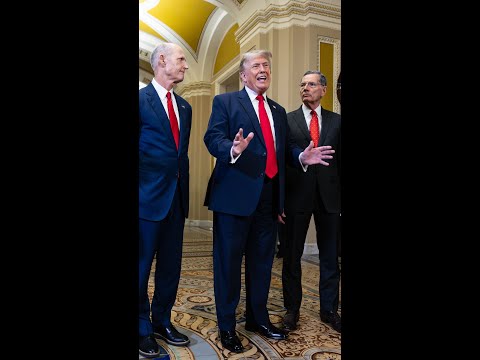
    Former President Donald Trump has consistently characterized the Republican Party as a ‘well-unified party’ during 2026. This characterization has been a staple of his public remarks, aiming to project an image of internal cohesion and strength for the party. However, these statements have been made even as reports of internal disagreements within the party apparatus, specifically involving members of the Senate GOP, have emerged. The perception of unity or disunity often impacts public confidence and electoral performance, particularly in the lead-up to critical midterm elections.

    Political parties frequently face internal debates. These debates can revolve around policy positions, leadership choices, and strategic approaches to national issues. Trump’s emphasis on unity seeks to override narratives of division, presenting a singular front to voters and political adversaries alike. This strategy is common among party leaders seeking to consolidate power and influence public opinion, even when faced with visible internal dissent.

    The Nature of Internal Republican Debates in 2026

    The Republican Party, like all major political organizations, experiences internal ideological and tactical differences. These differences are often highlighted by media outlets and political analysts, representing a natural component of a broad political coalition. In 2026, these debates are particularly salient as the party navigates its post-presidency landscape and prepares for upcoming electoral challenges.

    One common area of divergence involves fiscal policy. Some Republican members advocate for stricter budget austerity and reduced government spending, aligning with traditional conservative principles. Others prioritize investment in specific sectors, such as defense or infrastructure, reflecting varied constituent needs and economic philosophies. These differing approaches can lead to significant legislative battles and public disagreements among party members.

    Foreign policy is another arena for debate within the Republican Party. Traditional interventionist stances, often associated with a strong global presence and alliances, frequently clash with more isolationist or ‘America First’ approaches. These discussions can lead to public disagreements among prominent party figures, influencing the party’s stance on international conflicts, trade agreements, and diplomatic relations. The ongoing geopolitical landscape in 2026 further exacerbates these internal tensions.

    Social issues also contribute to internal Republican discussions. While there is a general conservative alignment, specific legislative approaches or cultural stances can vary among elected officials. These variations reflect the diverse constituencies represented by Republican officeholders, from rural conservatives to suburban moderates. Debates over issues such as abortion access, LGBTQ+ rights, and educational policy continue to create fault lines within the party, making a unified front challenging to maintain.

    Senate GOP Dynamics and Leadership Challenges

    The Senate Republican caucus often presents a distinct set of challenges for party unity. Senators represent entire states, leading to a broader range of regional interests and ideological leanings compared to the House of Representatives. This diversity makes consensus-building a complex and often protracted process, as individual senators must balance national party objectives with the specific demands of their electorates.

    Individual senators often hold significant power due to the Senate’s rules and traditions, such as the filibuster. This can allow a small number of senators to influence or even block legislation, regardless of broader party consensus. This institutional reality can empower dissenting voices and complicate efforts to present a unified legislative agenda, even under strong party leadership.

    Leadership in the Senate GOP, currently held by Senate Minority Leader Mitch McConnell (R-KY), frequently navigates these diverse viewpoints. McConnell’s leadership style has often prioritized legislative strategy and institutional continuity, seeking to manage internal divisions while advancing the party’s broader goals. His role involves extensive negotiation and coalition-building among various factions within the caucus.

    Clashes between former President Trump and certain Senate Republicans have occurred on various issues. These have included legislative priorities, judicial appointments, and the overall direction of the party. These disagreements are sometimes public, leading to significant media attention and fueling narratives of disunity. These tensions often highlight a struggle for influence and ideological direction within the Republican Party, especially concerning the role of the former President.

    For instance, some Senate Republicans have publicly criticized Trump’s rhetoric or actions, while others have remained steadfastly loyal. This spectrum of support and opposition creates a complex dynamic, where party members must weigh their allegiance to the former President against their own political convictions and constituent demands. These internal struggles are keenly observed by both political analysts and the voting public, influencing perceptions of party cohesion.

    Historical Precedents of Party Unity and Division in American Politics

    The concept of a ‘unified party’ is a persistent theme in American political history, yet its reality is often more nuanced. Both major parties, the Democrats and the Republicans, have experienced periods of intense internal division and subsequent efforts to unify. These historical examples provide context for understanding the current dynamics within the Republican Party.

    In the mid-20th century, the Democratic Party faced significant splits over civil rights legislation. The Dixiecrats, a faction of southern Democrats, famously broke away in 1948 in opposition to President Harry S. Truman’s civil rights platform. This demonstrated a profound internal schism that fundamentally reshaped the party’s geographical and ideological alignment over decades. The eventual passage of civil rights legislation, despite these divisions, marked a significant turning point in American politics.

    The Republican Party itself saw significant ideological battles in the 1960s and 1970s. The rise of conservative movements challenged the more moderate establishment wing of the party. Figures like Senator Barry Goldwater (R-AZ) spearheaded a conservative resurgence, advocating for principles that would eventually become central to the modern Republican platform. This period saw a shift from a predominantly moderate party to one increasingly defined by its conservative wing, leading to internal struggles for control and direction.

    More recently, the Tea Party movement emerged within the Republican Party in the late 2000s, gaining prominence after the 2008 financial crisis. This movement pushed for reduced government spending, lower taxes, and a strict interpretation of the Constitution. It often created friction with more established Republican leaders and their legislative agendas, leading to primary challenges and significant internal policy debates. The Tea Party’s influence reshaped the Republican caucus, pushing it further to the right on fiscal issues.

    These historical examples illustrate that claims of party unity often coexist with ongoing internal struggles. The challenge for party leaders is to manage these divisions while projecting a cohesive public image, especially when facing external political pressures or significant electoral cycles. The ability to reconcile diverse viewpoints or at least present a united front is often critical for electoral success and legislative effectiveness.

    The Role of Messaging and Public Perception in 2026

    Public declarations of party unity serve a strategic purpose in political discourse. They aim to reassure voters, discourage opponents, and maintain morale among party activists. Such messaging is particularly important in the lead-up to elections, where a united front can signal strength and stability to the electorate. In 2026, with midterm elections on the horizon, the messaging around Republican unity holds significant weight.

    When a prominent figure like Donald Trump declares the party ‘well-unified,’ it acts as an attempt to shape public perception. This can influence media narratives and voter expectations about the party’s strength and cohesion. Such affirmations can help to rally the base, project confidence, and potentially deter challenges from opposing parties, who might otherwise exploit perceived divisions.

    However, public clashes or dissenting voices can complicate these efforts. When high-profile members of the party express disagreement, it can undermine the message of a unified front. This creates a tension between declared unity and observed reality, which can be challenging for party strategists to manage. The media plays a significant role in how these dynamics are perceived, often highlighting internal party conflicts as newsworthy and indicative of broader political trends, thereby amplifying perceptions of disunity.

    Impact on Electoral Strategy for the 2026 Midterms

    Party unity is often seen as a critical factor in electoral success. A unified party can present a clear platform and a consistent message to voters, making it easier to mobilize support and win elections. When all factions of a party are aligned, resources can be directed efficiently, and campaign messages can resonate more broadly, without being diluted by internal discord.

    Conversely, a party perceived as deeply divided may struggle to attract undecided voters. Internal conflicts can distract from core campaign messages and create a sense of instability, potentially leading to decreased voter confidence. Voters may be less inclined to support a party that appears to be at odds with itself, questioning its ability to govern effectively or implement a coherent agenda.

    For the Republican Party in 2026, the perception of unity could be crucial for upcoming electoral contests. Whether the party can effectively bridge its internal differences will likely influence its performance in congressional races and other elections. The ability to present a cohesive vision for the country, despite internal policy disagreements, will be a key determinant of success.

    Strategic decisions about endorsements, campaign funding, and candidate selection are often influenced by the desire to maintain or restore party unity. Leaders often work to align various factions behind a common goal, making concessions or brokering compromises to ensure that the party can present a united front to the electorate. This delicate balancing act is central to modern political campaigning.

    Policy Divergences and Their Ramifications within the GOP

    The clashes between former President Trump and some Senate GOP members often stem from concrete policy disagreements. These are not merely personality conflicts but often reflect fundamental differences in approach to governance and the role of government. Understanding these policy divergences is key to comprehending the challenges to Republican unity.

    For example, debates over the scope and scale of government intervention in the economy can cause significant friction. Some Republicans favor minimal regulation and free-market principles, advocating for policies that reduce government oversight and promote private sector growth. Others support targeted interventions or protections for specific industries or demographics, recognizing the need for certain governmental roles in a complex economy. These differing economic philosophies can lead to divergent votes on legislation concerning everything from trade to environmental regulations.

    Healthcare policy remains a persistent point of contention. While there is broad agreement on repealing and replacing the Affordable Care Act (ACA), the specifics of an alternative plan have repeatedly divided Republicans. Some advocate for market-based solutions with minimal government involvement, while others recognize the need for a stronger safety net or protections for pre-existing conditions. These internal debates have hampered the party’s ability to present a unified healthcare proposal.

    Immigration policy also reveals deep divisions. While many Republicans advocate for stricter border security, there are differing views on pathways to citizenship, guest worker programs, and the treatment of undocumented immigrants already in the country. Some adopt a hardline stance, while others support more comprehensive reforms that address both enforcement and economic needs. These debates can be highly emotional and politically charged, making consensus difficult to achieve.

    The party’s stance on foreign aid and international alliances is another area of divergence. Some Republicans advocate for a robust international presence and continued support for allies, viewing it as essential for national security and global stability. Others, aligned with more isolationist sentiments, argue for reduced foreign commitments and a greater focus on domestic issues. These differing perspectives influence debates on defense spending, international treaties, and humanitarian aid.

    These policy divergences have significant ramifications. They can lead to legislative stalemates, where internal party disagreements prevent the passage of key bills. They can also create opportunities for the opposing party to exploit weaknesses and form cross-party coalitions. Furthermore, persistent policy disagreements can confuse voters and erode trust in the party’s ability to govern cohesively. The challenge for Republican leaders is to reconcile these diverse policy preferences while maintaining a unified public image and effective legislative strategy.

    The Future of Republican Unity and Influence

    The question of Republican unity in 2026 extends beyond immediate electoral concerns. It touches upon the long-term ideological direction and influence of the party. The ongoing dialogue between former President Trump and various factions within the Senate GOP reflects a broader struggle for the soul of the Republican movement.

    Will the party coalesce around a singular vision, or will it continue to be characterized by its internal debates? The answer will likely shape its ability to attract new voters, maintain its base, and effectively counter the agenda of the Democratic Party. The outcome of this internal negotiation will have profound implications for American politics for years to come.

    Leaders, activists, and voters within the Republican Party are all grappling with these questions. The need to define what it means to be a Republican in the 21st century is paramount. This includes establishing clear policy platforms, articulating a compelling vision for the nation, and selecting leaders who can bridge divides rather than exacerbate them.

    The political landscape is constantly shifting. The Republican Party’s ability to adapt, unify, and present a coherent message will determine its success in navigating these changes. The internal debates, while sometimes contentious, also represent an opportunity for ideological renewal and strategic realignment.

    Farmers gathered. Soldiers gathered. Editors gathered.

    Washington.