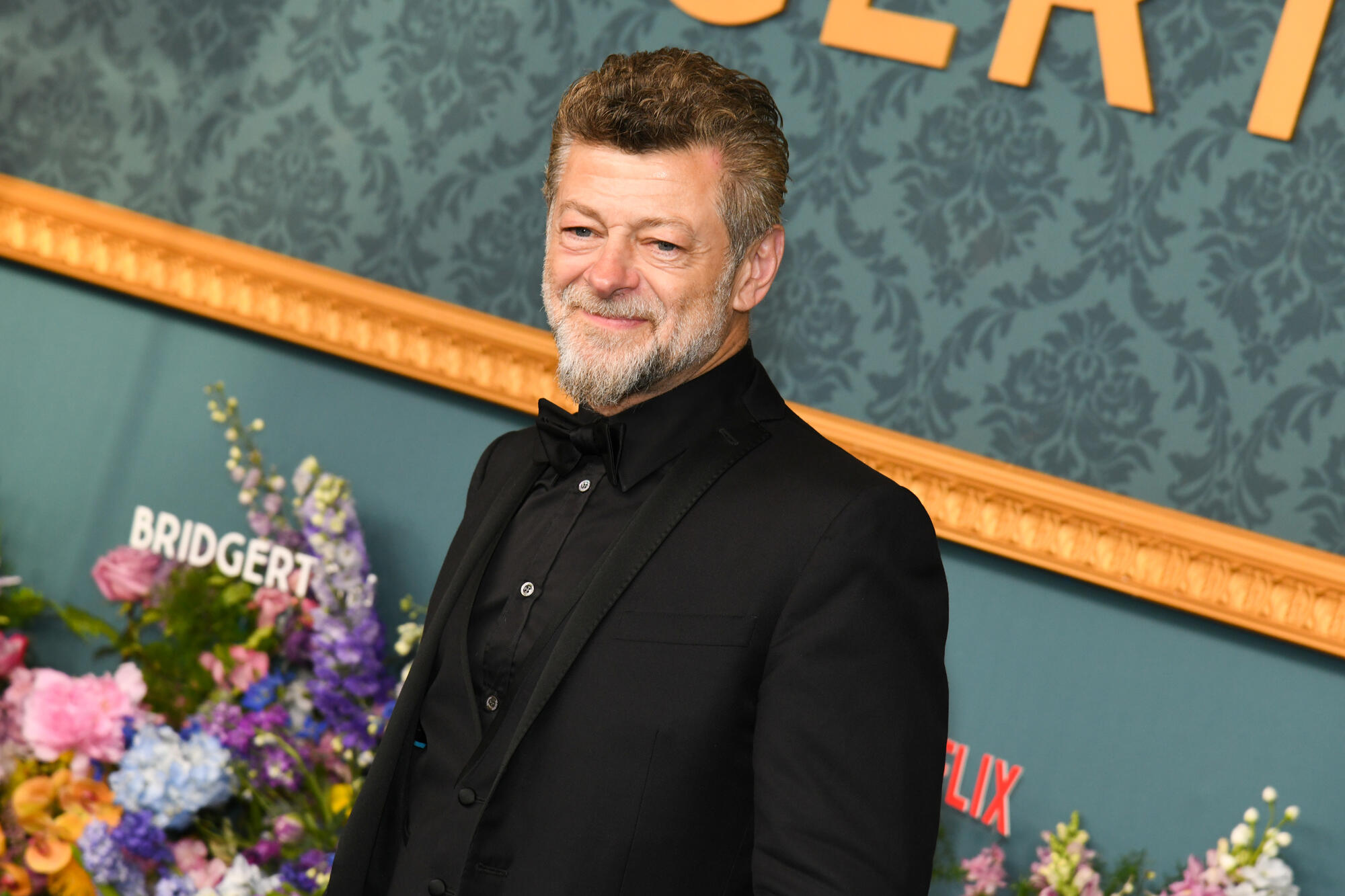
Serkis Addresses Casting Controversy
Andy Serkis, the director behind a forthcoming adaptation in the ‘Lord of the Rings’ universe, recently responded to inquiries about the predominantly white cast. Serkis explicitly stated that his production would not pursue ‘politically correct casting for the sake of casting.’ This declaration has drawn significant attention from both fantasy enthusiasts and commentators on cultural representation in media.
His comments arrived amidst ongoing industry discussions regarding diversity and inclusion in major film and television productions. The ‘Lord of the Rings’ franchise, with its global fanbase, frequently becomes a focal point for such conversations. Serkis’s stance offers a clear perspective on the casting philosophy guiding his current project.
The Director’s Statement
The core of the controversy stems from Serkis’s direct quote. He indicated a deliberate choice to prioritize specific artistic and narrative considerations. This approach, he suggested, would steer clear of what he termed ‘politically correct casting.’
The statement implies a resistance to external pressures that might dictate casting decisions based on demographic quotas rather than character suitability. Serkis’s remarks were made public on July 15, 2026, and quickly circulated across entertainment news platforms.
Context of Casting in Fantasy
Casting in fantasy adaptations has become a recurring subject of debate. Productions like Amazon’s ‘The Lord of the Rings: The Rings of Power’ and Netflix’s ‘The Witcher’ have previously faced scrutiny over their casting choices. Discussions often revolve around fidelity to source material versus modern calls for broader representation.
Proponents of diverse casting argue for the importance of seeing varied ethnic backgrounds reflected in popular narratives. They suggest that fantasy, as a genre, offers unique opportunities to transcend traditional historical or geographical limitations. This perspective emphasizes that a diverse cast can enrich a story and make it more accessible to a wider audience.
Conversely, some fans and creators advocate for strict adherence to the perceived racial or ethnic descriptions of characters within the original texts. They argue that altering established character appearances can undermine the integrity of the source material. This viewpoint often prioritizes a literal interpretation of the author’s vision.
Serkis’s Creative Vision
Andy Serkis is widely recognized for his extensive work in motion-capture performance, particularly his iconic portrayal of Gollum in Peter Jackson’s ‘Lord of the Rings’ and ‘Hobbit’ trilogies. His directorial experience includes ‘Mowgli: Legend of the Jungle’ and ‘Venom: Let There Be Carnage.’
His background suggests a deep understanding of the technical and narrative demands of large-scale fantasy productions. Serkis’s current project in the ‘Lord of the Rings’ universe is anticipated to bring his unique vision to Middle-earth. The specific details of this adaptation, including its precise plot and release window, remain largely under wraps.
Fan Reactions and Industry Implications
The director’s comments have elicited a polarized response among the ‘Lord of the Rings’ fanbase. Some individuals have expressed support for Serkis’s commitment to what they perceive as artistic freedom and fidelity to J.R.R. Tolkien’s original works. They view his statement as a welcome pushback against what they consider to be undue external influence on creative processes.
Other segments of the fanbase and broader public have voiced disappointment or criticism. These responses often highlight the perceived missed opportunity to introduce more diverse representation into a globally beloved franchise. Critics argue that even within fantasy, opportunities exist to expand character portrayals without compromising narrative quality.
The entertainment industry continues to navigate these complex issues. Major studios and streaming platforms are increasingly aware of audience expectations regarding representation. However, creative teams often grapple with balancing these expectations against artistic interpretation and commercial viability.
The Legacy of Tolkien’s World
J.R.R. Tolkien’s ‘The Lord of the Rings’ was first published in 1954 and 1955. It established a foundational mythology for modern fantasy literature. The world of Middle-earth, with its intricate history, languages, and cultures, has inspired countless subsequent works.
The textual descriptions of characters within Tolkien’s legendarium are frequently cited in discussions about casting. While some descriptions are explicit, others are open to interpretation. This ambiguity often fuels the ongoing debates about how best to translate the written word to the screen.
The enduring popularity of the ‘Lord of the Rings’ ensures that any new adaptation will face intense scrutiny. Every creative decision, particularly concerning sensitive topics like casting, is subject to widespread public discourse. Serkis’s recent remarks underscore this reality.
Future of the Project
As of July 15, 2026, the specific production timeline and distribution details for Serkis’s ‘Lord of the Rings’ project are not fully public. The project is understood to be in active development, with further announcements expected in the coming months.
The casting controversy may shape future public relations strategies for the production. It also serves as a case study in the ongoing tension between artistic autonomy and societal expectations regarding media representation. The conversation surrounding Serkis’s comments reflects broader cultural currents.
Beyond the Immediate Reaction
The discussion surrounding ‘politically correct casting’ extends beyond individual projects. It touches on fundamental questions about artistic ownership, audience expectations, and the role of popular culture in shaping societal norms. These debates are unlikely to diminish as media consumption habits continue to evolve.
Filmmakers like Serkis are at the forefront of these discussions. Their choices and public statements contribute to the ongoing dialogue. The outcomes of these creative decisions ultimately influence how diverse audiences engage with and perceive iconic fictional worlds.
Fans debate. Critics analyze. Productions continue. The world of Middle-earth endures.