
Tag: Mgm

  • Directors Guild Pension Plan Sues MGM Pictures Over Alleged Self-Dealing

    Directors Guild Pension Plan Sues MGM Pictures Over Alleged Self-Dealing

    The Directors Guild of America Producer Pension Plan has initiated a lawsuit against MGM Pictures, alleging that the studio engaged in self-dealing and breached its fiduciary duties. These accusations are specifically tied to the 2021 acquisition of MGM by Amazon, a transaction valued at approximately $8.5 billion. The pension plan contends that actions taken by MGM’s leadership during this period disadvantaged the fund and its beneficiaries.

    This legal action represents a significant challenge to the corporate practices surrounding major studio acquisitions. It brings into focus the responsibilities of company executives and board members to various stakeholders, including employee pension funds.

    The Core Allegations Against MGM

    The lawsuit filed by the Directors Guild of America Producer Pension Plan details several key allegations. Central among these is the claim of self-dealing. The pension plan asserts that certain MGM executives and board members prioritized their own financial interests or the interests of controlling shareholders over the financial well-being of the pension fund.

    Specifically, the suit points to decisions made during the negotiation and execution of the Amazon acquisition. The pension plan held a minority stake in MGM, and it alleges that the terms of the sale were structured in a way that undervalued its shares or otherwise diluted its rightful proceeds. This alleged undervaluation directly impacted the assets of the pension fund, which relies on such investments to provide benefits to retired and current directors.

    Breaches of fiduciary duty are also central to the complaint. Fiduciary duty requires those in positions of trust, such as corporate directors and officers, to act in the best interests of the entities and beneficiaries they serve. The pension plan argues that MGM’s leadership failed to uphold this standard, leading to financial detriment for the fund.

    The 2021 Amazon Acquisition Context

    The acquisition of MGM by Amazon was a landmark deal in the entertainment industry. Announced in May 2021 and finalized in March 2022, the transaction saw Amazon acquire the legendary studio for approximately $8.5 billion. This move was intended to bolster Amazon’s content library for its Prime Video streaming service, adding iconic franchises like James Bond and Rocky, along with a vast catalog of films and television shows.

    At the time of the acquisition, MGM was owned by a consortium of hedge funds and investment firms, including Anchorage Capital Group, Highland Capital Management, and Solus Alternative Asset Management. These firms had taken control of the studio after its 2010 bankruptcy. The sale to Amazon was seen as a significant exit for these investors, potentially yielding substantial returns.

    The Directors Guild of America Producer Pension Plan, as a minority shareholder, was among the many entities affected by this change in ownership. Its stake in MGM represented a portion of the retirement savings for thousands of directors working in the film and television industry.

    Impact on Pension Plan Beneficiaries

    Pension plans are critical financial instruments designed to provide retirement security for workers. The Directors Guild of America Producer Pension Plan serves a large number of directors, associate directors, and stage managers. Any alleged financial mismanagement or self-dealing that diminishes the value of the plan’s assets can have far-reaching consequences for its beneficiaries.

    The lawsuit seeks to recover funds that the pension plan believes it was unfairly denied. The ultimate goal is to ensure the plan’s financial health and its ability to meet its obligations to retirees and future retirees. This legal battle highlights the importance of rigorous oversight in corporate transactions, especially when employee benefits are tied to the financial performance of the involved companies.

    The case also serves as a reminder of the complex interplay between corporate finance, mergers and acquisitions, and the financial well-being of workers. Stakeholders often have divergent interests, and legal frameworks exist to protect the most vulnerable among them.

    Legal Precedents and Future Implications

    Cases involving allegations of self-dealing and breaches of fiduciary duty are not uncommon in corporate law. Courts often examine whether executives and board members acted with due diligence and in good faith, free from conflicts of interest. The outcome of such cases can set important precedents for future corporate transactions.

    Should the Directors Guild of America Producer Pension Plan prevail, it could embolden other minority shareholders or pension funds to scrutinize major corporate sales more closely. It could also lead to increased demands for transparency and independent oversight in the deal-making process. Conversely, if MGM successfully defends against the claims, it could reinforce the existing corporate governance structures.

    The entertainment industry, characterized by large-scale mergers and acquisitions, is particularly susceptible to these types of disputes. The high stakes involved, coupled with complex ownership structures, often create environments where conflicts of interest can arise. This lawsuit will likely be watched closely by other industry pension funds and investment groups.

    The Defense Perspective

    MGM Pictures, now an Amazon subsidiary, will likely mount a robust defense against the allegations. Corporate defendants in such cases typically argue that all actions were taken in accordance with legal and ethical standards, and that the transaction terms were fair to all shareholders. They may contend that the valuation of the company was appropriate given market conditions at the time and that the board acted in the best interests of the company as a whole.

    The defense will likely focus on demonstrating that proper procedures were followed, independent financial advice was sought, and that no self-serving motives influenced the decisions made regarding the sale to Amazon. They may also challenge the pension plan’s standing or the specifics of its financial claims.

    The legal process for such a complex case can be lengthy, involving extensive discovery, expert testimony, and potentially a trial. The resolution could take years, with significant legal costs for both parties involved.

    The Broader Industry Context

    This lawsuit against MGM Pictures operates within a broader industry context of increasing scrutiny over corporate accountability. In the 2020s, there has been a growing emphasis on environmental, social, and governance (ESG) factors in investment decisions. This includes how companies treat their employees, manage their finances, and conduct their business ethically.

    Pension funds, as institutional investors, are often at the forefront of demanding greater corporate responsibility. They manage significant capital and have a vested interest in the long-term sustainability and ethical conduct of the companies in which they invest. This case can be seen as part of a larger trend where institutional investors are more actively asserting their rights and challenging corporate actions they deem detrimental.

    The outcome could influence how major studios and media conglomerates structure future deals. It may lead to more stringent independent valuations, enhanced disclosure requirements, and greater representation for minority shareholders or employee benefit plans in transaction negotiations.

    The Directors Guild of America Producer Pension Plan filed its lawsuit. MGM Pictures prepares its defense. The legal system will now weigh the claims of self-dealing and fiduciary breach. Stakeholders watch. The future of corporate governance in Hollywood hangs in the balance.

    The industry awaits.
  • Disney’s Missed Opportunities: James Bond, Twitter, and Apple

    Disney’s Missed Opportunities: James Bond, Twitter, and Apple

    The Walt Disney Company, under the leadership of figures like Bob Iger, pursued several high-profile corporate maneuvers that ultimately did not come to fruition. These include a failed attempt to acquire the James Bond film franchise, a decision to walk away from purchasing Twitter just hours before a deal was finalized, and preliminary merger talks with Apple that never advanced. These instances collectively illustrate critical moments where Disney’s strategic direction could have shifted dramatically.

    Such decisions, whether to pursue or abandon major acquisitions, reflect the complex interplay of market conditions, valuation disagreements, and long-term strategic vision within a global entertainment and technology conglomerate. Each scenario presented unique challenges and potential benefits, underscoring the high stakes involved in corporate development at this scale.

    The Pursuit of 007: Disney and James Bond

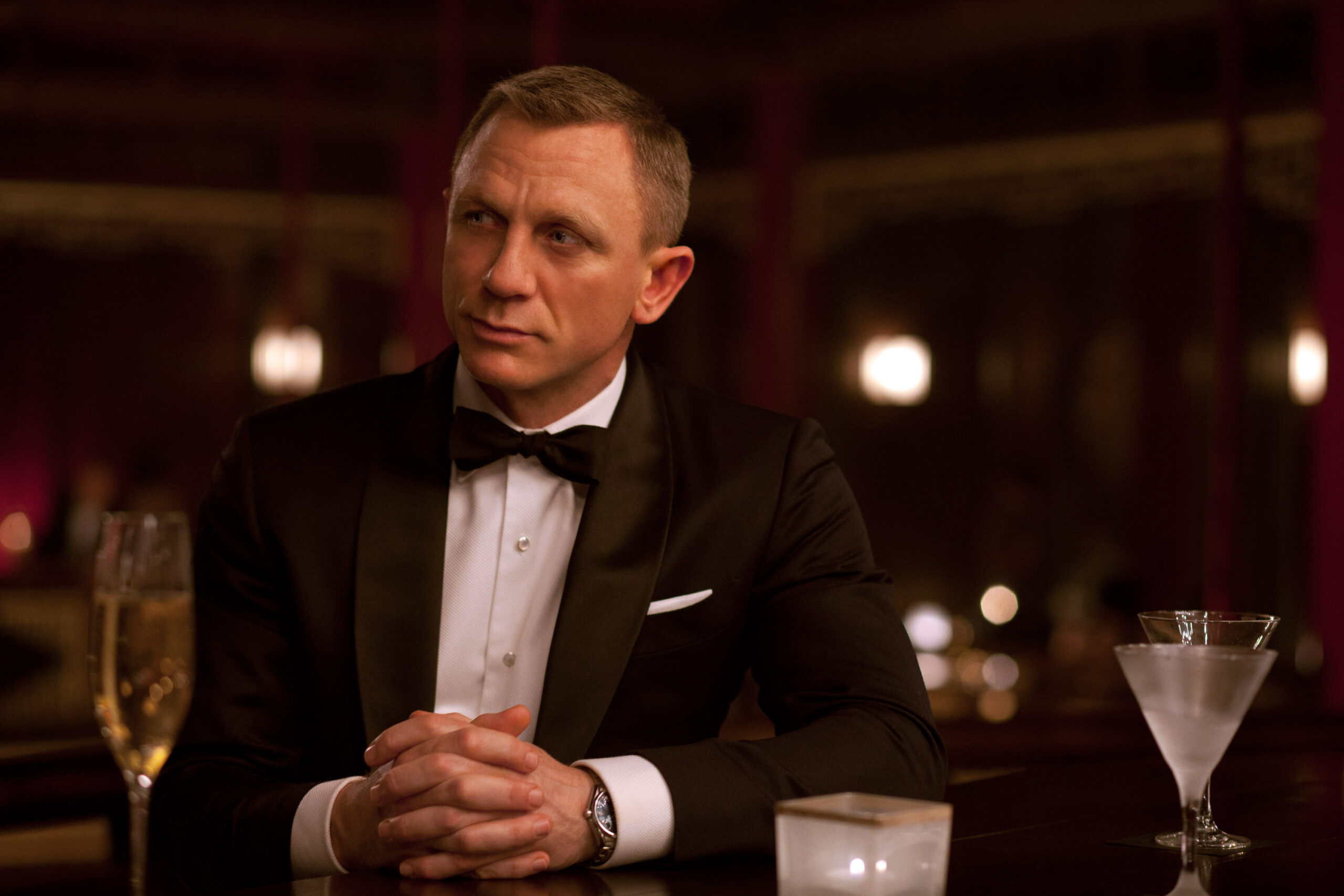
    Disney’s interest in the James Bond franchise represented a significant move into an established, globally recognized intellectual property. The Bond series, known for its longevity and consistent box office performance, would have provided Disney with a mature, adult-oriented action brand.

    Acquiring such a franchise would have complemented Disney’s existing portfolio, which includes Marvel, Star Wars, and Pixar. It would have diversified their content offerings beyond family-friendly fare and broadened their appeal to different demographic segments.

    The negotiations for the James Bond rights were complex. The franchise is controlled by Eon Productions, with distribution rights historically held by various studios, most recently by Amazon through its acquisition of MGM. Disney’s bid faced competition and intricate ownership structures.

    Ultimately, the deal for Disney to acquire the Bond franchise did not materialize. The reasons often cited include disagreements over valuation, creative control, and the unique independent structure of Eon Productions, which has historically maintained significant autonomy over the property.

    Why Bond Remained Elusive

    Eon Productions, led by Barbara Broccoli and Michael G. Wilson, has a long-standing commitment to maintaining the creative integrity and independent spirit of the James Bond series. This commitment often involves strict control over the character’s portrayal, narrative direction, and production decisions.

    Disney’s corporate culture, known for integrating acquisitions deeply into its ecosystem, may have clashed with Eon’s desire for independence. The financial terms and long-term strategic alignment likely proved too difficult to reconcile for both parties.

    The failure to secure James Bond meant Disney continued to focus on its existing tentpole franchises. It also highlighted the challenges of acquiring properties with complex legacy ownership and strong creative gatekeepers.

    The Twitter Turnaround: A Deal That Almost Was

    One of the most striking revelations concerns Disney’s near-acquisition of Twitter. Reports indicate that Disney was on the verge of purchasing the social media platform, with a deal reportedly hours away from being finalized. This proposed acquisition occurred at a time when Twitter was a prominent, though often volatile, global communication platform.

    The strategic rationale for Disney’s interest in Twitter was multifaceted. A social media platform would have provided Disney with direct access to a massive user base, real-time data, and a powerful distribution channel for its content. It could have also served as a critical tool for fan engagement and marketing.

    However, Disney ultimately withdrew from the deal. The reasons for this last-minute reversal were reportedly tied to concerns about Twitter’s user base, particularly issues related to online harassment, hate speech, and the overall brand safety environment. Disney’s family-friendly image was a primary consideration.

    The potential integration of a platform like Twitter, with its unfiltered user-generated content, presented significant reputational risks for Disney. The company’s leadership, including former CEO Bob Iger, likely weighed these risks against the perceived benefits and concluded the acquisition was not a suitable fit.

    Reputational Risks and Corporate Values

    Disney’s decision to back away from Twitter underscored the importance of brand integrity and corporate values in high-stakes acquisitions. The company has meticulously cultivated a reputation for wholesome, family-oriented entertainment.

    The controversies surrounding content moderation and user behavior on Twitter were a direct conflict with Disney’s brand identity. Acquiring the platform would have meant inheriting these challenges and potentially diluting Disney’s carefully curated image.

    This decision, in retrospect, allowed Disney to avoid the complexities and controversies that later plagued Twitter, particularly following its acquisition by Elon Musk in October 2022. It demonstrated a pragmatic approach to M&A, prioritizing brand safety over potential market expansion.

    Apple and Disney: Merger Talks That Never Blossomed

    Perhaps the most intriguing revelation involves preliminary merger discussions between The Walt Disney Company and Apple. These talks, while not reaching advanced stages, indicate a period of strategic exploration between two of the world’s most influential companies in entertainment and technology.

    The idea of an Apple-Disney merger has been a subject of speculation for decades, often fueled by the close relationship between Apple co-founder Steve Jobs and former Disney CEO Bob Iger. Jobs was Disney’s largest individual shareholder after selling Pixar Animation Studios to the company in 2006.

    A merger between Apple and Disney would have created an unparalleled conglomerate. Apple’s technological prowess, global distribution network, and massive cash reserves combined with Disney’s vast intellectual property, content creation capabilities, and theme park empire would have been transformative.

    The potential synergies were immense: Disney content integrated seamlessly into Apple’s hardware and software ecosystem, new interactive experiences, and a unified platform for entertainment, technology, and consumer products. However, these discussions remained preliminary and did not evolve into formal negotiations.

    The Vision of Steve Jobs and Bob Iger

    Steve Jobs, who served on Disney’s board of directors, often spoke of the convergence of technology and creativity. His vision aligned with the potential for Apple to play a significant role in the entertainment industry.

    Bob Iger, known for his strategic foresight, also recognized the evolving landscape where content and technology were becoming increasingly intertwined. His relationship with Jobs likely facilitated these early conversations.

    The reasons for the talks not progressing are not publicly detailed but could involve complex regulatory hurdles, valuation disagreements, and the sheer scale and complexity of integrating two such colossal and distinct corporate cultures. Antitrust concerns alone would have been monumental.

    The failure of these talks meant both companies continued on their independent trajectories. Apple expanded its services division with Apple TV+, while Disney doubled down on its streaming strategy with Disney+.

    The Strategic Implications of Missed Opportunities

    These instances, the failed James Bond acquisition, the abandoned Twitter deal, and the preliminary Apple merger talks, collectively paint a picture of a company constantly evaluating its position and future. Each decision, or lack thereof, had profound implications for Disney’s long-term strategy.

    The pursuit of James Bond showed Disney’s ambition to expand its content genres. The withdrawal from Twitter demonstrated a commitment to brand safety over immediate digital expansion. The Apple discussions highlighted a willingness to consider transformative mergers at the highest levels of corporate power.

    In 2026, Disney continues to navigate a rapidly changing media landscape. The company has focused on its core franchises, its direct-to-consumer streaming services, and its global theme park operations. Its current strategy emphasizes profitability in its streaming division and continued investment in its intellectual property.

    The lessons from these missed opportunities likely inform current decision-making processes. They underscore the importance of clear strategic alignment, careful risk assessment, and the often-unpredictable nature of high-stakes corporate negotiations.

    Leadership and Decision-Making

    Former Disney CEO Bob Iger played a central role in many of these discussions and decisions. His tenure was marked by aggressive growth through acquisitions, including Pixar, Marvel, and 21st Century Fox. These successes make the missed opportunities all the more notable.

    Iger’s autobiography, ‘The Ride of a Lifetime,’ provides some insight into his strategic thinking and the pressures involved in leading a company like Disney. The decisions to pursue or abandon these deals were not made lightly, reflecting extensive analysis and debate at the highest executive levels.

    The current leadership of Disney, under CEO Bob Iger who returned to the role in November 2022, continues to face similar strategic challenges. The media industry is in constant flux, with new technologies and evolving consumer behaviors demanding continuous adaptation.

    Understanding these historical corporate maneuvers provides context for Disney’s present and future strategies. It reveals a company that is both bold in its ambitions and cautious in its execution, constantly balancing growth opportunities with risk mitigation.

    The Shifting Media Landscape

    The media landscape of 2026 is vastly different from the periods when these negotiations took place. Streaming services have matured, and the competition for subscriber attention is intense. The role of social media in content distribution and audience engagement has also evolved significantly.

    Disney’s strategic focus has adapted to these changes, prioritizing direct-to-consumer relationships and leveraging its vast library of content. The company continues to invest heavily in original programming for its streaming platforms.

    The memory of these ‘almost’ deals serves as a reminder that even the most powerful corporations face critical junctures where the path not taken can be just as impactful as the path chosen. The history of Disney is not just a chronicle of its successes but also a testament to its strategic reconsiderations and its willingness to walk away when conditions are not aligned.

    Executives deliberate. Boards convene. Deals are struck. Deals fall apart. The future is written.

    Disney.