Tag: Mergers

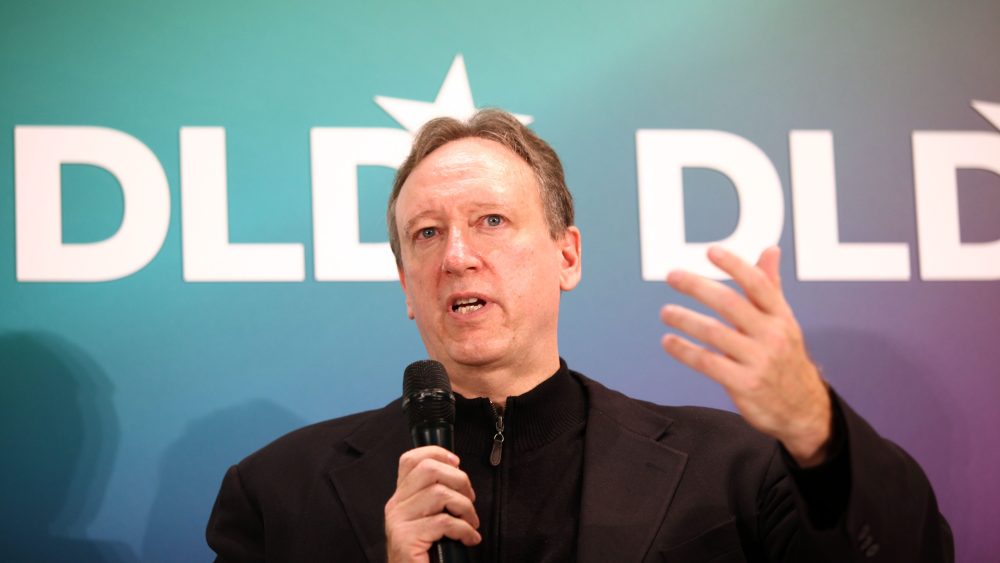
  • Jon Miller on Media Merger Mayhem: ‘Globalization Is Winning’

    Jon Miller on Media Merger Mayhem: ‘Globalization Is Winning’

    Industry executive Jon Miller has stated that globalization is a primary driver behind the current wave of media mergers and acquisitions. This observation underscores a fundamental shift in how global entertainment entities like Disney, Fox, Paramount, Skydance, and Warner Bros. operate and strategically align. The pursuit of larger scale and broader international reach often dictates these complex transactions.

    The media landscape is in constant flux. Companies are continually evaluating their positions within a globally interconnected market. This dynamic environment influences content creation, distribution strategies, and financial structures across the industry.

    The Global Imperative for Media Companies

    Globalization is not a new concept, but its impact on the media sector has intensified. Companies now strategize for audiences spanning continents, not just national borders. This necessitates a different approach to content production and market penetration.

    The drive to reach global audiences often means investing in content that transcends cultural specificities. It also involves acquiring companies with established international distribution networks or intellectual property that resonates worldwide. This push for global dominance influences every aspect of media operations.

    Jon Miller’s commentary highlights this overarching trend. He suggests that the competitive pressures of a globalized market compel media giants to seek consolidation. This is a survival mechanism as much as it is a growth strategy in the 2020s.

    Scale and Synergy in a Connected World

    Mergers are frequently justified by the promise of increased scale and operational synergies. For media companies, this can mean pooling resources for expensive productions, combining marketing efforts, or cross-promoting intellectual property across various platforms. A larger entity can theoretically negotiate better deals with advertisers, distributors, and talent.

    Consider the recent history of media mergers. Disney’s acquisition of 21st Century Fox assets in 2019 exemplified a move to consolidate intellectual property and expand streaming capabilities. This transaction brought iconic franchises like X-Men and The Simpsons under the Disney umbrella, significantly bolstering its content library for Disney+ and Hulu.

    Similarly, the Skydance Media’s acquisition of Paramount Global assets in 2025 reflects a desire to create a more robust and competitive media entity. Such moves are often framed as necessary to compete with tech giants and other large-scale content providers that have entered the entertainment space.

    Navigating a Complex Regulatory Environment

    Media mergers face intense scrutiny from regulatory bodies worldwide. Concerns often revolve around market concentration, potential monopolies, and the impact on consumer choice. Antitrust laws are designed to prevent single entities from dominating industries and stifling competition.

    In the United States, the Department of Justice and the Federal Trade Commission review major mergers. European Union regulators also play a significant role, especially when transactions involve companies with substantial European operations. These reviews can delay or even block proposed deals, adding another layer of complexity to the merger process.

    The regulatory landscape itself is globalized. A merger involving a U.S. company acquiring assets from a European firm, for example, would likely require approvals from both jurisdictions. This international coordination is a direct consequence of globalization’s influence on business.

    The Role of Technology in Globalization

    Technological advancements have accelerated globalization in media. The internet and digital distribution platforms have eliminated many geographical barriers to content consumption. Streaming services deliver films and television shows instantaneously to audiences across the globe.

    This technological shift has created new opportunities but also new challenges. Media companies must now compete not only with traditional rivals but also with a vast array of independent creators and international content producers. The demand for localized content that appeals to global tastes has also increased.

    Jon Miller’s perspective suggests that these technological forces are intertwined with the economic pressures driving mergers. Companies merge to gain the technological infrastructure, content libraries, and market access necessary to thrive in this digitally connected world.

    Cultural Defense and Media Consolidation

    The concept of ‘cultural defense’ emerges as a significant concern amid increasing media consolidation driven by globalization. As large, often Western-centric, media conglomerates expand their reach, there are fears of cultural homogenization. Local narratives, languages, and artistic expressions can be marginalized in favor of globally marketable content.

    This concern is particularly salient in countries with smaller media markets or distinct cultural identities. Governments and cultural institutions often implement policies to protect and promote local content. Quotas for local programming on television, subsidies for national film industries, and support for indigenous languages in media are common examples.

    The debate around cultural defense highlights a tension between economic efficiency and cultural preservation. While mergers may offer economic benefits, they can also raise questions about the diversity of voices and perspectives available to global audiences. Jon Miller’s comments indirectly touch upon these broader societal implications.

    The Future of Media Ownership

    The current trajectory suggests a continued trend towards consolidation in the media sector. The need for scale, technological adaptation, and global reach will likely remain paramount. This will lead to further strategic alliances and potential mergers among existing players.

    New entrants, particularly from the technology sector, may also continue to disrupt the traditional media landscape. Companies like Apple and Amazon have already made significant inroads into content production and distribution, adding another layer of competition and potential acquisition targets.

    The long-term impact on content diversity, employment within the industry, and the overall media ecosystem remains a subject of ongoing debate and analysis. The narrative of globalization ‘winning’ implies an unstoppable force reshaping fundamental industry structures.

    Impact on Content Creation and Distribution

    The consolidation of media entities fundamentally alters the landscape for content creators. Larger studios often have greater resources for big-budget productions, but they may also centralize decision-making, potentially leading to fewer diverse projects or a focus on proven, globally appealing formulas.

    Distribution models are also evolving rapidly. The shift from traditional broadcast and cable to direct-to-consumer streaming services has given media giants more direct control over how their content reaches audiences. This also allows for more personalized marketing and data collection, which can be leveraged for future content decisions.

    The competition for subscriber numbers in the streaming wars continues to drive investment in exclusive content. This environment further incentivizes mergers, as companies seek to acquire or produce the most compelling content to attract and retain subscribers globally.

    The Consumer Perspective on Mergers

    For consumers, media mergers present a mixed bag of outcomes. On one hand, consolidation can lead to greater access to a wider variety of content under a single subscription service or platform. Bundling services can also offer cost savings.

    On the other hand, increased market concentration could potentially lead to fewer choices in content, higher subscription prices if competition diminishes, or a homogenization of cultural narratives. The ability to access niche content or independent productions might also be affected.

    The ongoing dialogue around net neutrality and open internet access also plays a role. If a few large companies control most of the content and distribution channels, there are concerns about their ability to prioritize their own content or limit access to competitors’ offerings.

    The Inevitability of Global Integration

    Jon Miller’s assertion that ‘globalization is winning’ suggests an inevitable trajectory for the media industry. This perspective implies that resisting the forces of global integration is increasingly difficult for individual companies or even national markets.

    The interconnectedness of financial markets, technological infrastructure, and consumer preferences creates a powerful momentum. Companies that fail to adapt to this globalized reality risk being left behind or absorbed by larger, more internationally focused entities.

    This ‘winning’ narrative positions globalization not merely as an economic trend but as a transformative force. It reshapes not only business models but also cultural production and consumption patterns on a worldwide scale.

    Investors watch carefully. Executives strategize constantly. Audiences consume daily. Regulators review diligently. Globalization continues.


  • Paramount Skydance Merger Faces Combined Antitrust and Subscriber Suits

    Paramount Skydance Merger Faces Combined Antitrust and Subscriber Suits

    The Convergence of Corporate Scrutiny and Consumer Rights

    The completed merger between Paramount Global and Skydance Media has encountered a significant legal development. An antitrust lawsuit challenging the merger has been formally linked to an existing class-action lawsuit filed by subscribers against Paramount+. This consolidation means that two distinct but related legal challenges will now proceed in conjunction, creating a unified front of scrutiny against Paramount’s corporate practices and the potential implications of its merger with Skydance.

    This linkage underscores a broader trend of increased judicial and public oversight over large corporate mergers, particularly in the media and technology sectors. Consumer advocacy groups and regulatory bodies have expressed growing concerns about market concentration and its effects on competition, innovation, and consumer choice. The decision to combine these cases suggests a judicial acknowledgment of the interconnectedness of these issues.

    The Antitrust Challenge to the Paramount-Skydance Merger

    The antitrust case against the Paramount-Skydance merger centers on concerns that the proposed combination could lead to reduced competition in the entertainment industry. Regulators and plaintiffs in antitrust suits often argue that such mergers could result in higher prices for consumers, fewer content choices, and stifled innovation. These cases typically involve extensive economic analysis and legal arguments about market definition and competitive impact.

    The Department of Justice (DOJ) and the Federal Trade Commission (FTC) are the primary federal agencies responsible for enforcing antitrust laws in the United States. While the specific details of the antitrust filing against the Paramount-Skydance merger are under wraps, such cases often examine the market share of the combined entity, potential barriers to entry for new competitors, and the impact on various segments of the entertainment ecosystem, including content production, distribution, and streaming services.

    Historically, significant media mergers have faced intense scrutiny. Examples include the AT&T-Time Warner merger, which underwent a lengthy legal battle, and the proposed Comcast-Time Warner Cable merger, which was ultimately withdrawn due to regulatory concerns. These precedents highlight the rigorous standards applied to transactions that could reshape the media landscape.

    The Paramount+ Subscriber Lawsuit

    The pre-existing subscriber lawsuit against Paramount+ alleges various grievances from consumers. While the precise details of these allegations are not publicly detailed in the provided article, similar lawsuits against streaming services often involve claims related to service quality, pricing changes, misleading advertising, or breaches of subscriber agreements. Consumers increasingly expect transparency and consistent service from their streaming providers.

    Class-action lawsuits, like the one against Paramount+, allow a group of individuals with similar claims to collectively pursue legal action against a company. These suits can result in significant financial penalties for corporations found liable, as well as mandates for changes in business practices. The success of such lawsuits often depends on demonstrating a pattern of harm or misconduct affecting a large number of subscribers.

    Why Link the Cases?

    The decision to link the antitrust merger case with the subscriber lawsuit is a strategic move, likely driven by judicial efficiency and the potential for overlapping legal arguments and evidence. Both cases touch upon Paramount’s operational and strategic decisions, albeit from different angles.

    From an antitrust perspective, a merger’s impact on consumers, including service quality and pricing, can be a relevant factor in determining whether it is anticompetitive. From a consumer rights perspective, corporate actions related to a merger, such as changes in service offerings or content strategy, could directly affect subscribers. Combining the cases allows for a more holistic examination of Paramount’s conduct and the proposed merger’s implications.

    This consolidation could streamline discovery processes, allowing both sets of plaintiffs to access relevant internal documents and corporate communications more efficiently. It also reduces the potential for conflicting rulings or redundant litigation. For Paramount, it means facing a combined legal challenge that could be more complex and resource-intensive than defending against two separate actions.

    Implications for the Streaming Industry

    The linking of these cases sends a clear signal to the broader streaming industry. Companies contemplating mergers or operating large subscriber bases are under increasing pressure to demonstrate that their actions benefit, or at least do not harm, consumers and competition. The regulatory environment for media and tech mergers has become more stringent in recent years, reflecting concerns about the power and influence of large digital platforms.

    This legal development could encourage other streaming services to review their subscriber agreements, pricing strategies, and content policies to ensure compliance with consumer protection laws and to mitigate potential legal risks. It also highlights the importance of anticipating regulatory scrutiny when planning major corporate transactions.

    For consumers, this development reinforces the idea that their voices, through class-action lawsuits, can influence significant corporate decisions and regulatory outcomes. It validates concerns about corporate accountability and the need for robust legal mechanisms to protect consumer interests in a rapidly evolving digital marketplace.

    The Road Ahead for Paramount and Skydance

    The combined legal challenge will undoubtedly add complexity and uncertainty to the Paramount-Skydance merger process. Both companies will need to dedicate significant resources to legal defense, potentially delaying the merger’s completion or even jeopardizing its approval. The outcome of these linked cases could have profound implications for the structure and future direction of the combined entity.

    The legal proceedings will likely involve expert testimony, extensive document review, and potentially lengthy court battles. The focus will be on demonstrating whether the merger would harm competition and whether Paramount+ has violated its obligations to subscribers. The decisions rendered in these cases could establish new legal precedents for the streaming era.

    The entertainment industry watches. Regulators watch. Consumers watch.

    Accountability.

  • Nexstar Blasts Tegna Merger Injunction – Cites ‘Cynical Attempts’ by DirecTV and State AGs

    Nexstar Blasts Tegna Merger Injunction – Cites ‘Cynical Attempts’ by DirecTV and State AGs

    The Injunction and Nexstar’s Response

    Nexstar Media Group, a prominent force in local television broadcasting, has publicly condemned the injunction that has halted the integration of its $6.2 billion acquisition of Tegna Inc. The company’s strong statement directly implicated DirecTV and several state attorneys general, accusing them of ulterior motives.

    Nexstar asserted that these parties are making “cynical attempts to advance their own commercial and political interests.” This accusation marks a significant escalation in the ongoing dispute surrounding the proposed media merger.

    The Scope of the Proposed Acquisition

    The acquisition, valued at $6.2 billion, would significantly expand Nexstar’s already extensive portfolio of local television stations across the United States. Tegna Inc. operates a substantial number of stations affiliated with major networks, including NBC, CBS, ABC, and Fox.

    A successful merger would create one of the largest local broadcasting entities in the nation. This consolidation raises questions about market competition and consumer impact, which are often at the core of regulatory scrutiny.

    Accusations Against DirecTV and State Attorneys General

    Nexstar’s statement did not mince words regarding the motivations of those opposing the merger. The company specifically targeted DirecTV, a major satellite television provider, suggesting its involvement is driven by commercial self-interest.

    The criticism also extended to an unspecified group of state attorneys general. Nexstar implied that these officials are leveraging their positions to achieve political objectives, rather than solely focusing on public interest or antitrust concerns.

    The Role of Commercial Interests

    DirecTV’s alleged commercial interests in opposing the merger likely stem from potential changes in retransmission fees. These fees, paid by cable and satellite providers to local broadcasters for carrying their signals, are a significant revenue stream for station owners.

    A larger, consolidated Nexstar could potentially command higher retransmission fees. This scenario could lead to increased costs for distributors like DirecTV, which might then be passed on to consumers. Preventing the merger could help DirecTV maintain leverage in future negotiations.

    The Influence of Political Agendas

    The involvement of state attorneys general introduces a political dimension to the dispute. These officials often play a role in consumer protection and antitrust enforcement within their respective states.

    Nexstar’s accusation suggests that some attorneys general may be using the high-profile merger as an opportunity to gain political visibility or to align with populist sentiments against corporate consolidation. The specific political interests were not detailed, but the implication of self-serving actions was clear.

    The Injunction’s Immediate Impact

    The injunction effectively places the $6.2 billion merger on hold. This legal pause creates uncertainty for both Nexstar and Tegna, impacting their strategic planning and financial outlooks.

    Mergers of this scale often involve complex financial arrangements, including debt financing and shareholder agreements. A prolonged injunction can complicate these aspects, potentially leading to renegotiations or even the collapse of the deal.

    Regulatory Hurdles and Antitrust Concerns

    Large media mergers typically face intense scrutiny from federal regulatory bodies, such as the Federal Communications Commission (FCC) and the Department of Justice (DOJ). These agencies assess whether proposed consolidations would harm competition or the public interest.

    Antitrust concerns frequently revolve around market concentration, potential for price increases, and reduced diversity of voices in media. The intervention by state attorneys general suggests a broader consensus among some government entities regarding these risks.

    The Broader Landscape of Media Consolidation

    The Nexstar-Tegna situation is part of a larger trend of consolidation within the media industry. Companies are seeking scale to compete in an evolving landscape dominated by streaming services and digital platforms.

    Local television, while still a vital source of news and information, faces economic pressures. Mergers are often presented as a way to achieve efficiencies and ensure the long-term viability of local broadcasting.

    Challenges for Local Broadcasting

    Local broadcasters contend with declining advertising revenues and increasing operational costs. The ability to negotiate favorable retransmission fees has become crucial for their financial health.

    Consolidation can provide broadcasters with greater leverage in these negotiations. However, critics argue that such mergers can also lead to job losses, reduced local content, and less diverse programming.

    What Happens Next?

    Nexstar’s public statement indicates a strong intent to challenge the injunction and proceed with the merger. The company will likely pursue legal avenues to overturn the decision and gain regulatory approval.

    The involved state attorneys general and DirecTV are expected to continue their opposition. This sets the stage for further legal battles and public discourse surrounding the future of local media ownership.

    Potential Outcomes for the Merger

    Several outcomes are possible. The injunction could be lifted, allowing the merger to proceed as planned. Alternatively, the deal could be significantly modified to address regulatory concerns, perhaps by divesting certain stations.

    In a less favorable scenario for Nexstar and Tegna, the merger could be abandoned altogether. The financial and reputational costs of a failed merger can be substantial for both companies.

    The Consumer Impact Debate

    At the heart of the debate over media consolidation is the impact on consumers. Proponents of mergers argue that scale allows for better content production and technological investment, ultimately benefiting viewers.

    Opponents contend that consolidation leads to higher prices, fewer choices, and a reduction in local news coverage. The balance between corporate efficiency and public interest remains a central tension in these discussions.

    Access to Local News

    Local news remains a critical service for many communities. Concerns are frequently raised that large corporate owners, focused on national strategies, may deprioritize local journalistic resources.

    This aspect of the debate resonates with communities who rely on local stations for information relevant to their daily lives. The quality and independence of local news are often cited as key public interest considerations.

    Conclusion: A Contested Media Landscape

    Nexstar’s forceful rebuttal to the Tegna merger injunction highlights the contentious nature of media consolidation in 2026. Commercial interests, political agendas, and regulatory oversight converge in complex ways.

    The future of the $6.2 billion acquisition remains uncertain. The battle for control of local media continues to unfold.

    Broadcasters contend. Regulators scrutinize. Distributors resist. The market shifts.

    Media.

  • Paula Reid Exits CNN Ahead of Paramount’s Warner Bros. Discovery Takeover

    Paula Reid Exits CNN Ahead of Paramount’s Warner Bros. Discovery Takeover

    Paula Reid, who served as CNN’s Chief Legal Affairs Correspondent, departed from the network in 2026. This exit occurred in advance of the anticipated takeover of CNN’s parent company, Warner Bros. Discovery, by Paramount. Such personnel changes are common during periods of significant corporate mergers and acquisitions within the media industry.

    Reid’s departure marks a notable shift in CNN’s legal affairs reporting team. It also underscores the broader implications of large-scale corporate transactions on journalistic staffing and editorial strategy.

    The Shifting Sands of Media Consolidation

    The media industry has experienced a period of intense consolidation in recent years. Large corporations frequently seek to expand their portfolios through mergers and acquisitions. These strategic moves aim to achieve greater market share, diversify content offerings, and streamline operations.

    The announced Paramount takeover of Warner Bros. Discovery represents one of the largest such transactions in 2026. This deal has far-reaching consequences for numerous media properties under the Warner Bros. Discovery umbrella. It affects everything from streaming services to broadcast networks and news organizations.

    CNN, as a prominent global news organization, is directly impacted by these corporate maneuvers. Changes in ownership can lead to new leadership, revised editorial priorities, and personnel adjustments. These shifts can redefine a network’s focus and its approach to news coverage.

    A History of Major Media Mergers

    Warner Bros. Discovery itself was formed through a major merger in April 2022. Discovery Inc. acquired WarnerMedia from AT&T, creating one of the world’s largest media and entertainment companies. This transaction reshaped the competitive landscape for content creation and distribution.

    This previous merger also resulted in significant changes across the combined entity. Executive teams were restructured, and some journalistic roles were re-evaluated. The integration process involved complex decisions regarding content strategy and operational synergies.

    The impending Paramount takeover signals another wave of potential reorganization. Such events often create uncertainty for employees across all divisions. The constant evolution of ownership structures presents ongoing challenges for media professionals.

    Paula Reid’s Distinguished Career Path

    Paula Reid brought a distinctive and experienced background to her role at CNN. She joined the network in 2021, moving from CBS News. Her tenure at CBS News established her as a formidable legal and political correspondent.

    At CBS News, Reid gained prominence for her reporting on the Department of Justice and the White House. She covered major legal and political stories during her tenure, including high-stakes investigations and policy debates. Her work often provided critical insights into government operations.

    Her reporting often focused on high-profile investigations and legal proceedings. This experience positioned her as a key voice in legal affairs journalism. Reid’s ability to simplify complex legal matters for a general audience was a hallmark of her reporting style.

    High-Stakes Reporting at the White House and DOJ

    Reid’s work at CBS News included extensive coverage of the Trump administration. She reported on investigations involving Special Counsel Robert Mueller and impeachment proceedings. Her presence in the White House briefing room became a familiar sight for viewers.

    Her role required a deep understanding of complex legal frameworks and political dynamics. She often provided live analysis and breaking news updates on these critical topics. Reid’s questions during press briefings were frequently noted for their directness and precision.

    Upon joining CNN, Reid continued to focus on significant legal developments. Her expertise was particularly valuable in covering Supreme Court decisions, federal legal challenges, and major criminal cases. She offered insights into the implications of legal rulings for public policy and everyday life.

    The Critical Role of a Chief Legal Affairs Correspondent

    The position of Chief Legal Affairs Correspondent is central to a news organization’s coverage of the justice system. This role involves explaining intricate legal concepts, court decisions, and policy changes to a general audience. It requires a blend of journalistic skill and legal acumen.

    Correspondents in this role must possess strong analytical skills and a comprehensive grasp of legal precedents. They often translate complex court proceedings and legislative developments into understandable news reports. Their ability to contextualize legal news is paramount.

    They also cultivate sources within legal circles, including government agencies, law firms, and judicial offices. This network is crucial for breaking news and in-depth analysis. Access to these sources allows them to provide exclusive insights and verify information quickly.

    Impact of Senior Departures on News Teams

    The departure of a senior correspondent like Reid can create a significant void in a news organization’s specialized coverage. Other journalists may need to absorb these responsibilities, potentially stretching existing resources. The immediate impact can be felt in the depth and breadth of reporting.

    News networks often invest heavily in developing expert correspondents for specific beats. Their institutional knowledge, established contacts, and on-air presence are difficult to replace quickly. The continuity of coverage can be affected during such transitions.

    Such exits can also signal broader strategic shifts within the newsroom. These shifts might include reallocating resources, altering editorial focus, or pursuing different talent. The departure of a high-profile correspondent often prompts a re-evaluation of the team’s structure.

    Paramount’s Strategic Acquisition of Warner Bros. Discovery

    Paramount’s move to acquire Warner Bros. Discovery is part of a larger strategy to compete in the evolving media landscape. The goal is often to achieve greater scale, diversify content offerings, and create new revenue streams. This consolidation trend reflects intense competition from tech giants and streaming services.

    Consolidating media assets can lead to cost efficiencies through reduced overhead and integrated operations. It also increases bargaining power with advertisers, distributors, and content creators. Cross-promotion of content across different platforms becomes a key advantage for merged entities.

    The acquisition is subject to regulatory approval, a process that can be lengthy and complex. Antitrust concerns are often raised when major media companies merge, requiring careful scrutiny by government bodies. The Federal Trade Commission (FTC) and the Department of Justice (DOJ) typically review such deals to ensure fair competition.

    Anticipated Changes Post-Takeover at WBD

    Following the completion of the Paramount takeover, significant changes are expected across Warner Bros. Discovery. These may include executive leadership transitions at the parent company and its various subsidiaries, including CNN. New leadership often brings a fresh vision and strategic direction.

    Content strategies across film, television, and news divisions could be re-evaluated. The aim is typically to optimize performance under the new ownership structure, potentially leading to changes in programming, production, and distribution. Synergy between Paramount and WBD properties will be a key focus.

    Personnel decisions, including departures and new hires, are a common outcome of such corporate integrations. These decisions are often driven by strategic alignment, cost-saving measures, and the desire to build a team that reflects the new corporate vision. Employees at all levels can experience uncertainty during these periods of transition.

    Media Influence and Public Trust Amidst Change

    The departure of prominent journalists during corporate takeovers can influence public perception of media outlets. Audiences may interpret such moves as indicative of deeper changes in editorial priorities or journalistic independence. Trust in news organizations is a fragile commodity.

    Concerns about media independence and editorial integrity often arise during these periods. The public sometimes questions whether new ownership will alter journalistic standards or exert undue influence on news content. Maintaining editorial firewalls becomes even more critical.

    News organizations strive to maintain trust and credibility, even amidst corporate flux. Transparency about changes and consistent editorial quality are key to this effort. Clear communication about editorial guidelines and journalistic principles helps to reassure audiences.

    The Evolving Landscape for Journalists

    Journalists navigate an increasingly complex media environment. Corporate consolidations, technological advancements, and shifting audience habits continually reshape their roles. The demand for immediate, accurate, and in-depth information remains constant, but the delivery mechanisms evolve.

    The demand for specialized correspondents, like legal affairs reporters, remains high. Their expertise is crucial for making sense of intricate topics in a fast-paced news cycle. However, the platforms and structures through which they deliver news are constantly evolving, from traditional broadcast to digital and social media.

    Professional journalists adapt to these changes by honing their skills and maintaining their commitment to factual reporting. Their work remains essential for informing the public, holding power accountable, and contributing to a well-informed citizenry. The core mission of journalism persists despite structural shifts.

    Looking Ahead for CNN and Warner Bros. Discovery

    CNN faces a period of transition following Reid’s departure and the impending Paramount takeover. The network will need to navigate new corporate leadership and potentially revised strategic directives. The focus will remain on delivering breaking news and analysis to its global audience.

    Warner Bros. Discovery, under new ownership, will embark on a new chapter in its corporate history. The integration of its vast portfolio of brands with Paramount’s assets will be a monumental task. The outcome will shape a significant portion of the global entertainment and news industry for years to come.

    Personnel shifts, strategic realignments, and content strategy reviews will characterize the coming months. The media landscape is in perpetual motion.

    Companies merge. Strategies shift. Newsrooms adapt.

    Journalists continue to report.

    The story unfolds.

    Frequently Asked Questions About Paula Reid’s Departure and Media Mergers

  • Disney’s Missed Opportunities: James Bond, Twitter, and Apple

    Disney’s Missed Opportunities: James Bond, Twitter, and Apple

    The Walt Disney Company, under the leadership of figures like Bob Iger, pursued several high-profile corporate maneuvers that ultimately did not come to fruition. These include a failed attempt to acquire the James Bond film franchise, a decision to walk away from purchasing Twitter just hours before a deal was finalized, and preliminary merger talks with Apple that never advanced. These instances collectively illustrate critical moments where Disney’s strategic direction could have shifted dramatically.

    Such decisions, whether to pursue or abandon major acquisitions, reflect the complex interplay of market conditions, valuation disagreements, and long-term strategic vision within a global entertainment and technology conglomerate. Each scenario presented unique challenges and potential benefits, underscoring the high stakes involved in corporate development at this scale.

    The Pursuit of 007: Disney and James Bond

    Disney’s interest in the James Bond franchise represented a significant move into an established, globally recognized intellectual property. The Bond series, known for its longevity and consistent box office performance, would have provided Disney with a mature, adult-oriented action brand.

    Acquiring such a franchise would have complemented Disney’s existing portfolio, which includes Marvel, Star Wars, and Pixar. It would have diversified their content offerings beyond family-friendly fare and broadened their appeal to different demographic segments.

    The negotiations for the James Bond rights were complex. The franchise is controlled by Eon Productions, with distribution rights historically held by various studios, most recently by Amazon through its acquisition of MGM. Disney’s bid faced competition and intricate ownership structures.

    Ultimately, the deal for Disney to acquire the Bond franchise did not materialize. The reasons often cited include disagreements over valuation, creative control, and the unique independent structure of Eon Productions, which has historically maintained significant autonomy over the property.

    Why Bond Remained Elusive

    Eon Productions, led by Barbara Broccoli and Michael G. Wilson, has a long-standing commitment to maintaining the creative integrity and independent spirit of the James Bond series. This commitment often involves strict control over the character’s portrayal, narrative direction, and production decisions.

    Disney’s corporate culture, known for integrating acquisitions deeply into its ecosystem, may have clashed with Eon’s desire for independence. The financial terms and long-term strategic alignment likely proved too difficult to reconcile for both parties.

    The failure to secure James Bond meant Disney continued to focus on its existing tentpole franchises. It also highlighted the challenges of acquiring properties with complex legacy ownership and strong creative gatekeepers.

    The Twitter Turnaround: A Deal That Almost Was

    One of the most striking revelations concerns Disney’s near-acquisition of Twitter. Reports indicate that Disney was on the verge of purchasing the social media platform, with a deal reportedly hours away from being finalized. This proposed acquisition occurred at a time when Twitter was a prominent, though often volatile, global communication platform.

    The strategic rationale for Disney’s interest in Twitter was multifaceted. A social media platform would have provided Disney with direct access to a massive user base, real-time data, and a powerful distribution channel for its content. It could have also served as a critical tool for fan engagement and marketing.

    However, Disney ultimately withdrew from the deal. The reasons for this last-minute reversal were reportedly tied to concerns about Twitter’s user base, particularly issues related to online harassment, hate speech, and the overall brand safety environment. Disney’s family-friendly image was a primary consideration.

    The potential integration of a platform like Twitter, with its unfiltered user-generated content, presented significant reputational risks for Disney. The company’s leadership, including former CEO Bob Iger, likely weighed these risks against the perceived benefits and concluded the acquisition was not a suitable fit.

    Reputational Risks and Corporate Values

    Disney’s decision to back away from Twitter underscored the importance of brand integrity and corporate values in high-stakes acquisitions. The company has meticulously cultivated a reputation for wholesome, family-oriented entertainment.

    The controversies surrounding content moderation and user behavior on Twitter were a direct conflict with Disney’s brand identity. Acquiring the platform would have meant inheriting these challenges and potentially diluting Disney’s carefully curated image.

    This decision, in retrospect, allowed Disney to avoid the complexities and controversies that later plagued Twitter, particularly following its acquisition by Elon Musk in October 2022. It demonstrated a pragmatic approach to M&A, prioritizing brand safety over potential market expansion.

    Apple and Disney: Merger Talks That Never Blossomed

    Perhaps the most intriguing revelation involves preliminary merger discussions between The Walt Disney Company and Apple. These talks, while not reaching advanced stages, indicate a period of strategic exploration between two of the world’s most influential companies in entertainment and technology.

    The idea of an Apple-Disney merger has been a subject of speculation for decades, often fueled by the close relationship between Apple co-founder Steve Jobs and former Disney CEO Bob Iger. Jobs was Disney’s largest individual shareholder after selling Pixar Animation Studios to the company in 2006.

    A merger between Apple and Disney would have created an unparalleled conglomerate. Apple’s technological prowess, global distribution network, and massive cash reserves combined with Disney’s vast intellectual property, content creation capabilities, and theme park empire would have been transformative.

    The potential synergies were immense: Disney content integrated seamlessly into Apple’s hardware and software ecosystem, new interactive experiences, and a unified platform for entertainment, technology, and consumer products. However, these discussions remained preliminary and did not evolve into formal negotiations.

    The Vision of Steve Jobs and Bob Iger

    Steve Jobs, who served on Disney’s board of directors, often spoke of the convergence of technology and creativity. His vision aligned with the potential for Apple to play a significant role in the entertainment industry.

    Bob Iger, known for his strategic foresight, also recognized the evolving landscape where content and technology were becoming increasingly intertwined. His relationship with Jobs likely facilitated these early conversations.

    The reasons for the talks not progressing are not publicly detailed but could involve complex regulatory hurdles, valuation disagreements, and the sheer scale and complexity of integrating two such colossal and distinct corporate cultures. Antitrust concerns alone would have been monumental.

    The failure of these talks meant both companies continued on their independent trajectories. Apple expanded its services division with Apple TV+, while Disney doubled down on its streaming strategy with Disney+.

    The Strategic Implications of Missed Opportunities

    These instances, the failed James Bond acquisition, the abandoned Twitter deal, and the preliminary Apple merger talks, collectively paint a picture of a company constantly evaluating its position and future. Each decision, or lack thereof, had profound implications for Disney’s long-term strategy.

    The pursuit of James Bond showed Disney’s ambition to expand its content genres. The withdrawal from Twitter demonstrated a commitment to brand safety over immediate digital expansion. The Apple discussions highlighted a willingness to consider transformative mergers at the highest levels of corporate power.

    In 2026, Disney continues to navigate a rapidly changing media landscape. The company has focused on its core franchises, its direct-to-consumer streaming services, and its global theme park operations. Its current strategy emphasizes profitability in its streaming division and continued investment in its intellectual property.

    The lessons from these missed opportunities likely inform current decision-making processes. They underscore the importance of clear strategic alignment, careful risk assessment, and the often-unpredictable nature of high-stakes corporate negotiations.

    Leadership and Decision-Making

    Former Disney CEO Bob Iger played a central role in many of these discussions and decisions. His tenure was marked by aggressive growth through acquisitions, including Pixar, Marvel, and 21st Century Fox. These successes make the missed opportunities all the more notable.

    Iger’s autobiography, ‘The Ride of a Lifetime,’ provides some insight into his strategic thinking and the pressures involved in leading a company like Disney. The decisions to pursue or abandon these deals were not made lightly, reflecting extensive analysis and debate at the highest executive levels.

    The current leadership of Disney, under CEO Bob Iger who returned to the role in November 2022, continues to face similar strategic challenges. The media industry is in constant flux, with new technologies and evolving consumer behaviors demanding continuous adaptation.

    Understanding these historical corporate maneuvers provides context for Disney’s present and future strategies. It reveals a company that is both bold in its ambitions and cautious in its execution, constantly balancing growth opportunities with risk mitigation.

    The Shifting Media Landscape

    The media landscape of 2026 is vastly different from the periods when these negotiations took place. Streaming services have matured, and the competition for subscriber attention is intense. The role of social media in content distribution and audience engagement has also evolved significantly.

    Disney’s strategic focus has adapted to these changes, prioritizing direct-to-consumer relationships and leveraging its vast library of content. The company continues to invest heavily in original programming for its streaming platforms.

    The memory of these ‘almost’ deals serves as a reminder that even the most powerful corporations face critical junctures where the path not taken can be just as impactful as the path chosen. The history of Disney is not just a chronicle of its successes but also a testament to its strategic reconsiderations and its willingness to walk away when conditions are not aligned.

    Executives deliberate. Boards convene. Deals are struck. Deals fall apart. The future is written.

    Disney.