
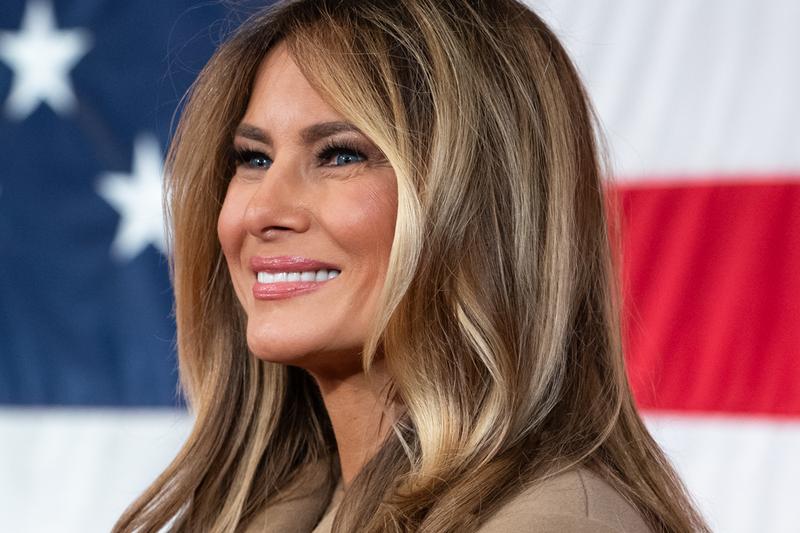
Tag: Melania Trump

  • President Trump Attends Rescheduled White House Correspondents’ Dinner

    President Trump Attends Rescheduled White House Correspondents’ Dinner

    President Donald Trump attended the White House Correspondents’ Dinner on July 24, 2026, an event that had been rescheduled from its customary April slot. This appearance marked a significant moment for the annual gathering, as it represented a sitting president’s return to the event after a period of non-attendance by previous administrations. The dinner serves as a platform to celebrate journalism and the First Amendment, fostering dialogue between the press and the presidency.

    The decision to reschedule the event for July 24, 2026, was made earlier in the year by the White House Correspondents’ Association (WHCA). This adjustment aimed to accommodate the President’s schedule and ensure his participation. The dinner typically attracts a wide array of media personalities, government officials, and celebrities to Washington D.C.

    The Tradition of the White House Correspondents’ Dinner

    The White House Correspondents’ Dinner is an annual event hosted by the White House Correspondents’ Association. It traditionally takes place in April. The association, founded in 1914, aims to represent the White House press corps. It works to ensure media access to the President and the White House.

    The first formal dinner was held in 1921. President Calvin Coolidge was the first sitting president to attend in 1924. Since then, most presidents have attended the event, often using it as an opportunity for lighthearted remarks and self-deprecating humor. The dinner also raises money for scholarships for aspiring journalists.

    The event is known for its blend of serious recognition and comedic performances. A featured comedian often performs, and the President traditionally delivers a speech. These speeches often include jokes about the media, political rivals, and even themselves.

    President Trump’s Prior Engagements with the WHCA Dinner

    President Trump had a complex history with the White House Correspondents’ Dinner prior to his 2026 attendance. During his first term, he did not attend the dinner in 2017, 2018, 2019, or 2020. This broke with a long-standing tradition observed by most of his predecessors.

    His absence in those years was a subject of considerable media discussion. Some viewed it as a sign of strained relations between the administration and the press. Others interpreted it as a statement against what he often termed “fake news” and biased reporting.

    Despite his non-attendance, the dinner continued each year. The WHCA maintained its commitment to supporting journalism and awarding scholarships. Prominent journalists and entertainers still participated in the event.

    The 2026 attendance marked a shift in this dynamic. It signaled a potential re-engagement with the traditional ceremonial aspects of the presidency. This return was widely noted by political observers and media outlets.

    The Rescheduling and Its Implications

    The decision to move the 2026 dinner from April to July 27 was a practical one. It allowed for greater flexibility in the President’s demanding schedule. The WHCA worked closely with the White House to find a suitable date.

    Rescheduling such a high-profile event is not unprecedented, but it is uncommon. It underscores the importance placed on presidential attendance by the WHCA. The association views the President’s presence as crucial for the event’s symbolic value.

    The July date allowed for a summer evening event in Washington D.C. This provided a different atmosphere than the traditional spring timing. The planning logistics for security, venue, and guest lists were adjusted accordingly for the new date.

    The rescheduling also gave organizers more time for preparations. This included securing the venue, coordinating with the White House press office, and finalizing the program. The delay ensured a smoother execution of the complex event.

    Key Figures and Attendees at the 2026 Dinner

    The 2026 White House Correspondents’ Dinner drew a diverse crowd. Journalists from major news organizations were present. Representatives from print, broadcast, and digital media attended.

    Senior White House staff and cabinet members were also in attendance. Vice President JD Vance was present, along with other high-ranking officials. First Lady Melania Trump accompanied the President.

    The guest list included prominent figures from various sectors. Media executives, foreign dignitaries, and cultural icons often receive invitations. The event serves as a significant social and networking opportunity within Washington D.C. circles.

    The presence of such a wide array of individuals highlights the dinner’s continued relevance. It remains a key date on the Washington social calendar. Its function as a bridge between government and media remains important.

    The President’s Remarks and the Evening’s Tone

    President Trump delivered remarks at the 2026 dinner. His speech was anticipated with considerable interest. Observers looked for clues regarding the administration’s relationship with the press.

    The tone of presidential speeches at these dinners often varies. Some presidents opt for a light, humorous approach. Others use the platform for more serious addresses on the state of journalism or national affairs.

    Details of President Trump’s specific remarks were closely watched. His past interactions with the media have been robust and direct. His appearance at the dinner provided a unique opportunity for direct engagement.

    The evening also featured a comedian, as is customary. This performance often sets a lighter tone for the event. The interplay between the comedian’s routine and the President’s speech is a hallmark of the dinner.

    The Role of a Free Press in a Democratic Society

    The White House Correspondents’ Dinner consistently emphasizes the importance of a free press. This principle is foundational to American democracy. The WHCA uses the event to advocate for journalistic freedoms.

    A robust and independent media serves as a crucial check on government power. It informs the public and facilitates open debate. These functions are vital for a healthy democratic process.

    The dinner provides an annual reminder of these responsibilities. It highlights the work of journalists who cover the White House and government. Scholarships awarded during the event support the next generation of reporters.

    The dialogue between the President and the press, even in a ceremonial setting, underscores this relationship. It acknowledges the distinct roles each plays. It also reaffirms the constitutional protections afforded to the media.

    Scholarships and the Future of Journalism

    A core mission of the White House Correspondents’ Association is to support future journalists. The dinner is the primary fundraising event for WHCA scholarships. These scholarships assist students pursuing careers in journalism.

    Each year, multiple students receive financial aid. These funds help cover tuition and other educational expenses. The WHCA partners with universities to identify deserving recipients.

    The investment in journalism education is critical. It helps ensure a steady supply of trained and ethical reporters. This commitment reflects the association’s long-term vision for a strong press.

    The scholarship recipients are often recognized during the dinner. Their presence serves as a reminder of the foundational purpose of the WHCA. It connects the past, present, and future of White House coverage.

    The Broader Political and Media Landscape

    President Trump’s attendance at the 2026 dinner occurred within a dynamic political and media environment. The landscape of news consumption continues to evolve. Digital platforms and social media play increasingly dominant roles.

    Traditional media outlets face new challenges and opportunities. The relationship between politicians and the press is constantly negotiated. Events like the WHCA dinner offer a moment for reflection on these dynamics.

    The public’s perception of the media also remains a significant factor. Trust in institutions, including the press, is frequently debated. The dinner provides a symbolic stage for these ongoing discussions.

    The President’s engagement, or lack thereof, with such events sends signals. His return to the dinner in 2026 was interpreted in various ways. It contributed to the ongoing narrative about media-government relations.

    Security and Protocol for a Presidential Appearance

    Hosting the President at an event like the White House Correspondents’ Dinner involves extensive security and protocol. The United States Secret Service manages all aspects of presidential protection. This includes detailed planning for the venue, travel routes, and guest screening.

    The security measures are complex and multi-layered. They involve coordination with local law enforcement and venue staff. Every attendee undergoes security checks. These protocols ensure the safety of the President and all high-profile guests.

    Presidential protocol also dictates seating arrangements and speaking order. The First Lady, Vice President, and other dignitaries are seated according to established precedence. These traditions contribute to the formal nature of the event.

    The logistical coordination for such a gathering is substantial. It requires months of planning and collaboration between multiple agencies. The successful execution of the 2026 dinner demonstrated effective inter-agency cooperation.

    Journalists gathered. Politicians gathered. Entertainers gathered. Washington.


  • Melania Trump Seeks Sanctions Against Journalist Michael Wolff

    Melania Trump Seeks Sanctions Against Journalist Michael Wolff

    The Escalation of a Legal Battle

    First Lady Melania Trump has formally requested a court to impose sanctions against journalist Michael Wolff. This action marks a significant escalation in an ongoing legal dispute. The request comes after Wolff himself initiated a defamation lawsuit against Trump. The legal entanglement centers on comments made by Trump regarding Wolff’s commentary

    The move by Trump’s legal team seeks to penalize Wolff for alleged misconduct within the legal process. Such sanctions can include monetary penalties or other restrictions. They are typically sought when one party believes the other has abused court procedures or failed to comply with orders.

    The Origins of the Dispute

    The conflict traces back to statements Melania Trump made concerning Michael Wolff’s publication. Wolff’s book, released in recent years, explores the nature of celebrity. Trump’s public comments questioned the veracity and integrity of portions of Wolff’s work. These statements formed the basis of Wolff’s subsequent defamation claim.

    Defamation lawsuits are common in cases involving public figures and media. They often hinge on whether statements made were factually false and caused harm. The current request for sanctions introduces a new layer to this already complex legal landscape.

    Michael Wolff’s Background in Journalism

    Michael Wolff is a well-known American journalist and author. He has written for numerous publications, including USA Today, The Hollywood Reporter, and New York Magazine. Wolff gained significant public attention for his books focusing on political figures and media. His earlier work, “Fire and Fury: Inside the Trump White House,” published in 2018, became a best-seller and generated considerable controversy.

    His journalistic approach often involves extensive access and candid portrayals of his subjects. This style has frequently led to disputes over accuracy and interpretation. “Too Famous” continues this pattern, examining the intersection of fame and public perception.

    What are Legal Sanctions?

    Legal sanctions are penalties imposed by a court for various reasons. These reasons can include:

    • Failure to comply with court orders
    • Abuse of discovery processes
    • Filing frivolous lawsuits or motions
    • Misconduct during legal proceedings

    The purpose of sanctions is to ensure the orderly administration of justice. They also deter parties from engaging in behaviors that undermine the legal system. The specific nature of the sanctions sought by Trump’s legal team has not been publicly detailed. However, they typically aim to compensate the aggrieved party for expenses incurred due to the misconduct or to punish the offending party.

    The Broader Context of Public Figures and Media

    This legal confrontation is part of a larger pattern. Public figures frequently engage in legal battles with journalists and authors. These cases often raise fundamental questions about freedom of the press versus protection against defamation. The digital age has amplified these tensions. Information spreads rapidly, and public statements can reach global audiences instantly.

    Melania Trump, as First Lady, operates under intense public scrutiny. Her actions and statements are often subject to detailed media coverage. Similarly, journalists like Michael Wolff operate under the principle of informing the public. Balancing these roles often leads to friction, particularly when narratives clash.

    Previous Legal Actions Involving the Trump Family

    The Trump family has a history of legal disputes with media entities and individuals. Former President Donald Trump has frequently engaged in litigation related to media coverage. These cases often involve claims of defamation or challenges to journalistic practices. These past instances provide a backdrop for the current legal action involving Melania Trump.

    Such legal actions are often seen as attempts by public figures to control narratives. They can also be interpreted as defenses of personal reputation against perceived falsehoods. The legal system becomes the arena where these conflicting interests are adjudicated.

    The Implications for Journalistic Practice

    The outcome of this sanction request could have implications for journalistic practices. If sanctions are granted, it could set a precedent for how courts view author accountability within the legal process. It might encourage more aggressive legal tactics from public figures. Conversely, if the request is denied, it could reinforce protections for journalists against such challenges.

    Journalists often rely on sources and interpretations that can be challenged. The legal framework attempts to balance the public’s right to know with an individual’s right to a good reputation. Cases like this one test the boundaries of that balance.

    The Role of Defamation Law

    Defamation law serves to protect individuals from false statements that harm their reputation. For public figures, the standard for proving defamation is higher. They must typically prove “actual malice” – meaning the false statement was made with knowledge of its falsity or with reckless disregard for the truth. This higher standard acknowledges the public’s interest in robust debate about public figures.

    Wolff’s initial lawsuit would have needed to meet this standard. Trump’s counter-move for sanctions operates under different legal principles. It focuses on procedural conduct rather than the merits of the original defamation claim.

    What Happens Next in Court?

    The court will now consider Melania Trump’s request for sanctions. Both parties will likely submit legal briefs arguing their positions. The court may also hold hearings to consider evidence and arguments. A judge will then decide whether to impose sanctions, and if so, what form they will take.

    Legal processes can be lengthy and involve multiple stages. The current request for sanctions is one step in what could be a prolonged legal battle. Each ruling can influence the trajectory of the entire case.

    Public Reaction and Media Coverage

    The news of Melania Trump’s request for sanctions has drawn significant media attention. Outlets like TMZ first reported the development on July 21, 2026. Public reaction often divides along political lines. Supporters of Trump may view the action as a necessary defense of her reputation. Critics might see it as an attempt to stifle journalistic inquiry.

    The story also resonates with broader themes of celebrity accountability and the role of the press. It fuels discussions about the responsibilities of both public figures and those who report on them.

    The Significance of “Too Famous”

    Michael Wolff’s book “Too Famous: The Car Crash of Celebrity in America” explores the often-fraught relationship between fame and public perception. The book delves into how celebrity is constructed and consumed. It examines the pressures and pitfalls that come with being a public figure. Melania Trump’s legal action implicitly challenges the book’s narrative or underlying assumptions as they pertain to her.

    The title itself suggests a critical view of celebrity culture. This perspective may have contributed to the friction with public figures who are subjects of such analysis. The legal dispute brings the themes of the book into a real-world courtroom drama.

    Potential Outcomes and Precedents

    There are several potential outcomes for Melania Trump’s sanction request. The court could grant the request, imposing penalties on Michael Wolff. It could deny the request, finding no grounds for sanctions. Or, it could grant a modified form of the request, applying lesser penalties.

    Each outcome carries implications. A decision in Trump’s favor could empower other public figures to pursue similar legal tactics. A decision against her could reinforce a higher bar for claims of legal misconduct against journalists. The legal community will observe the ruling for its precedential value.

    The legal battle continues. Documents are filed. Arguments are made. Decisions are rendered.

    The court awaits.


  • Donald Trump Received $10.7 Million for Amazon’s ‘Melania’ Documentary

    Donald Trump Received $10.7 Million for Amazon’s ‘Melania’ Documentary

    Donald Trump received a $10.7 million fee from Amazon for a documentary centered on his wife, Melania Trump, according to reports in 2026. This significant financial transaction links a former U.S. President directly with a major streaming platform, Amazon, for a content production.

    The documentary, titled ‘Melania,’ focuses on the life and public role of the former First Lady. The reported fee underscores the commercial value placed on narratives involving high-profile political personalities in the contemporary media landscape.

    The ‘Melania’ Documentary Project

    The project, named simply ‘Melania,’ aims to explore various facets of Melania Trump’s life. This includes her journey from Slovenia to the United States, her career as a model, and her tenure as First Lady. The documentary is part of Amazon’s broader strategy to expand its exclusive content offerings.

    Amazon has invested heavily in original programming for its Prime Video service. The acquisition of content featuring globally recognized figures aligns with this strategy. Such productions often attract a wide audience, driven by both political interest and curiosity about public lives.

    Details regarding the documentary’s production timeline and expected release date remain under wraps. However, the reported fee suggests a substantial production budget beyond just the payment to Donald Trump.

    Donald Trump’s Financial Engagement with Amazon

    The $10.7 million payment to Donald Trump for the ‘Melania’ documentary represents a direct financial agreement between the former President and Amazon. This type of arrangement is not unprecedented among former heads of state who often pursue post-presidency careers in media, publishing, or public speaking.

    Previous U.S. presidents have engaged in lucrative book deals, speaking tours, and documentary appearances. The scale of this particular payment for a documentary, however, draws specific attention due to its magnitude and the political climate of 2026.

    Financial disclosures related to Donald Trump’s assets and income have often been subjects of public scrutiny. This new income stream from Amazon adds a new dimension to his post-presidency financial activities.

    What Precedents Exist for Such Payments?

    High-profile political figures frequently monetize their experiences after leaving office. Former President Barack Obama and former First Lady Michelle Obama signed a multi-year production deal with Netflix in 2018. This deal included documentaries, films, and series.

    Similarly, former President Bill Clinton and former Secretary of State Hillary Clinton have also engaged in various media projects. These often include book deals and speaking engagements that command significant fees.

    The specific nature of the ‘Melania’ documentary, focusing on the former First Lady while the payment goes to the former President, adds a unique element to these precedents. It highlights the intertwined personal and public brands of political families.

    The Broader Context of Political Figures in Entertainment

    The involvement of Donald Trump and Melania Trump in a major streaming documentary reflects a growing trend. Political figures are increasingly seen as valuable commodities in the entertainment industry. Their stories and perspectives attract significant viewership across diverse demographics.

    Streaming platforms, in their quest for unique and compelling content, often turn to personalities with established public recognition. This strategy can lead to substantial financial benefits for the individuals involved. It also generates considerable buzz for the platforms.

    The intersection of politics and entertainment has become more pronounced in the 21st century. Documentaries, docuseries, and memoirs by political figures are now common. They serve both as historical records and as commercial products.

    Public Reaction and Political Implications

    The news of the $10.7 million payment sparked immediate public discussion. Reactions vary widely, often aligning with existing political viewpoints. Supporters of Donald Trump may view the payment as a recognition of his and Melania Trump’s enduring public interest.

    Critics, however, may question the ethics or appropriateness of such a large payment. Concerns might include the potential for bias in the documentary’s narrative or the use of public office for private financial gain. These discussions are characteristic of the highly polarized political environment in 2026.

    Media analysts also weigh in on the implications for Amazon. Partnering with such a divisive figure can bring both increased subscriptions and potential backlash. The company navigates these complexities in its content acquisition decisions.

    Amazon’s Content Strategy and Investment

    Amazon’s decision to fund the ‘Melania’ documentary and pay a substantial fee to Donald Trump fits into its aggressive content strategy. The company aims to differentiate Prime Video from competitors like Netflix, Disney+, and HBO Max. Exclusive content featuring globally recognized individuals is a key component of this strategy.

    The investment signifies Amazon’s belief in the commercial viability of a documentary about Melania Trump. The platform likely anticipates that the film will attract a significant audience, potentially driving new Prime subscriptions or retaining existing ones.

    Amazon’s content budget has grown exponentially over the past decade. The company continues to seek out projects that generate significant media attention and subscriber engagement. The ‘Melania’ documentary is positioned to achieve both objectives.

    The Role of Documentaries in Shaping Public Perception

    Documentaries often play a crucial role in shaping public perception of historical events and individuals. The ‘Melania’ documentary has the potential to offer a curated narrative of the former First Lady’s life. This narrative could influence how audiences view her and the Trump administration.

    The creative control and editorial independence of such projects are often debated. The extent of involvement from Donald Trump and Melania Trump in the documentary’s production will be a point of interest for viewers and critics alike. The payment structure itself suggests a level of buy-in or cooperation.

    These productions can serve to humanize political figures or to reinforce existing public images. The impact of ‘Melania’ on public discourse will depend heavily on its content, tone, and reception upon release.

    The Future of Political Personalities in Media

    The $10.7 million payment for the ‘Melania’ documentary signals a continuing trend. Political personalities will increasingly leverage their fame for media ventures. This includes documentaries, podcasts, and streaming series. The digital age offers numerous platforms for such content.

    This trend blurs the lines between politics, entertainment, and celebrity culture. Public figures often transition seamlessly between these domains. Their personal stories become valuable assets in the content economy.

    The financial scale of these deals also reflects the competitive nature of the streaming wars. Platforms are willing to pay top dollar for content that guarantees an audience. Political figures, with their built-in fan bases and detractors, offer exactly that.

    The landscape of media consumption continues to evolve. Audiences seek diverse forms of storytelling. Documentaries about prominent political figures satisfy a demand for both information and entertainment. The ‘Melania’ project is a prominent example of this ongoing evolution.

    Political figures will continue to explore new avenues for storytelling and engagement. Streaming platforms will continue to seek out compelling narratives. The financial arrangements will likely grow in scale and complexity.

    Negotiations. Contracts. Content.

    Amazon.