Tag: Media Industry

  • Cam Newton’s ESPN Departure: Analyzing His Future in Broadcasting

    Cam Newton’s ESPN Departure: Analyzing His Future in Broadcasting

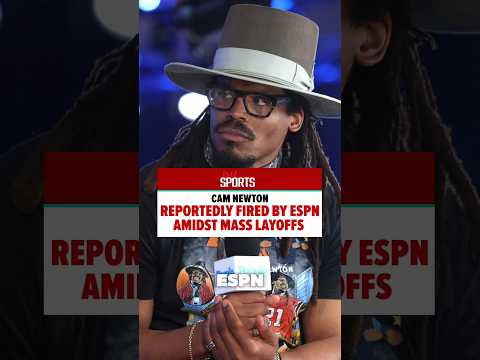
    Cam Newton has officially departed from ESPN as of July 2026, marking the end of his broadcasting tenure with the prominent sports network. This development has triggered widespread discussion across sports media and among fans, who are now speculating about the former NFL Most Valuable Player’s next career move.

    His exit from ESPN represents a significant transition in his post-playing career, opening new possibilities for his involvement in sports analysis, entertainment, or other ventures. The news, initially reported via a TMZ clip, highlights the dynamic nature of celebrity career paths following high-profile athletic careers.

    Newton’s Trajectory: From NFL MVP to Sports Analyst

    Cam Newton’s professional journey began with immense success in the National Football League. He was selected as the first overall pick in the 2011 NFL Draft by the Carolina Panthers. His rookie season immediately showcased his unique dual-threat capabilities as a quarterback.

    Newton quickly established himself as one of the league’s most exciting and dominant players. His career peaked in 2015 when he led the Carolina Panthers to Super Bowl 50 and was named the NFL’s Most Valuable Player. That season, he threw for 3,837 yards and 35 touchdowns, adding 636 rushing yards and 10 rushing touchdowns.

    Following his impactful playing career, which also included a stint with the New England Patriots, Newton transitioned into sports media. His charisma and strong personality made him a natural fit for television analysis, leading to his eventual role at ESPN.

    The ESPN Chapter: Contributions and Challenges

    Newton’s time at ESPN saw him contribute to various programs, offering his unique perspective on football. He appeared on shows such as Sunday NFL Countdown and SportsCenter, providing pre-game analysis, post-game commentary, and general football insights. His experience as a former elite quarterback brought an authentic voice to the network’s coverage.

    His broadcasting style, characterized by directness and often unconventional takes, resonated with a segment of the audience while also drawing scrutiny from others. Newton’s presence at ESPN was part of the network’s strategy to integrate former star athletes into its programming, leveraging their on-field expertise and name recognition.

    The exact duration of Newton’s contract with ESPN and the specific terms of his departure have not been publicly disclosed. However, the announcement confirms that his association with the network has concluded as of July 2026.

    Behind the Scenes: Factors in Media Departures

    Departures from major sports networks like ESPN can stem from a variety of factors. These often include the expiration of contracts, differing creative visions between talent and network executives, or the pursuit of new opportunities by the individual.

    Sometimes, talent seeks a platform that offers more creative control or a different audience demographic. Networks, in turn, continuously evaluate their on-air talent roster to align with evolving programming strategies and audience engagement metrics.

    The competitive landscape of sports broadcasting means that talent and networks are always seeking the best fit. High-profile personalities like Cam Newton often have multiple options for their media careers.

    The Broader Impact: Celebrity Career Transitions

    Cam Newton’s transition from an elite NFL player to a sports analyst, and now his departure from ESPN, mirrors a common trajectory for many high-profile athletes. The shift from the playing field to the broadcast booth is a well-trodden path, but sustaining a long-term media career requires a different set of skills.

    Success in broadcasting often depends on more than just athletic achievement; it requires strong communication skills, the ability to articulate complex ideas clearly, and a compelling on-screen presence. Athletes like Charles Barkley in basketball or Troy Aikman in football have successfully navigated this transition, becoming staples of sports commentary.

    Newton’s ongoing career evolution will be closely watched as he determines his next professional endeavor. His journey highlights the challenges and opportunities that arise when public figures pivot to new industries.

    What’s Next for Cam Newton? Exploring Future Possibilities

    With his ESPN chapter closed, speculation is rampant regarding Cam Newton’s next move. Several avenues could be explored by the former MVP.

    • Other Sports Networks: Major networks like Fox Sports, CBS Sports, or even emerging digital sports platforms could be potential destinations. Newton’s name recognition and analytical insights could be valuable assets.
    • Independent Media Ventures: Newton has previously engaged in independent content creation, including his YouTube channel. He could expand this presence, offering unfiltered commentary and interviews.
    • Coaching or Front Office Roles: While less directly related to broadcasting, a return to football in a coaching or management capacity remains a long-term possibility for many former players.
    • Entrepreneurship: Beyond sports, Newton has demonstrated entrepreneurial interests, particularly in fashion and lifestyle brands. He could further develop these ventures.
    • Entertainment Industry: His charismatic personality could open doors in other areas of the entertainment industry, including acting or reality television.

    Each of these paths presents a different set of challenges and opportunities. Newton’s decision will likely reflect his personal interests, career goals, and the platforms that best align with his vision.

    Fan and Media Reactions to the Departure

    The news of Cam Newton’s departure from ESPN has elicited a wide range of reactions. Many fans expressed surprise, while others voiced support for his future endeavors. Social media platforms became a hub for discussions, with users debating his impact at ESPN and his potential next steps.

    Sports media analysts have also weighed in, offering perspectives on what this means for both Newton and ESPN’s programming strategy. Some emphasize the network’s constant rotation of talent, while others focus on Newton’s unique contributions.

    The strong reactions underscore Newton’s enduring celebrity status and the significant interest people have in the careers of athletes who transcend their sport.

    The Evolving Landscape of Sports Media

    The sports media industry is in constant flux. Traditional broadcast networks like ESPN face competition from streaming services, digital-only platforms, and independent content creators. This evolving landscape creates both challenges and opportunities for talent.

    Athletes with established fan bases and strong personal brands can leverage these assets to create their own media empires, bypassing traditional gatekeepers. This trend has been observed with numerous former players who have launched successful podcasts, YouTube channels, and digital shows.

    Cam Newton’s next move will serve as another example of how high-profile figures adapt and innovate within this dynamic environment. His ability to connect with audiences and offer insightful commentary will remain key to his success, regardless of the platform.

    The professional landscape shifts. Contracts conclude. New opportunities arise.

    Cam Newton.

  • Ryan Clark Addresses ESPN Layoffs – A Call for Corporate Accountability

    Ryan Clark Addresses ESPN Layoffs – A Call for Corporate Accountability

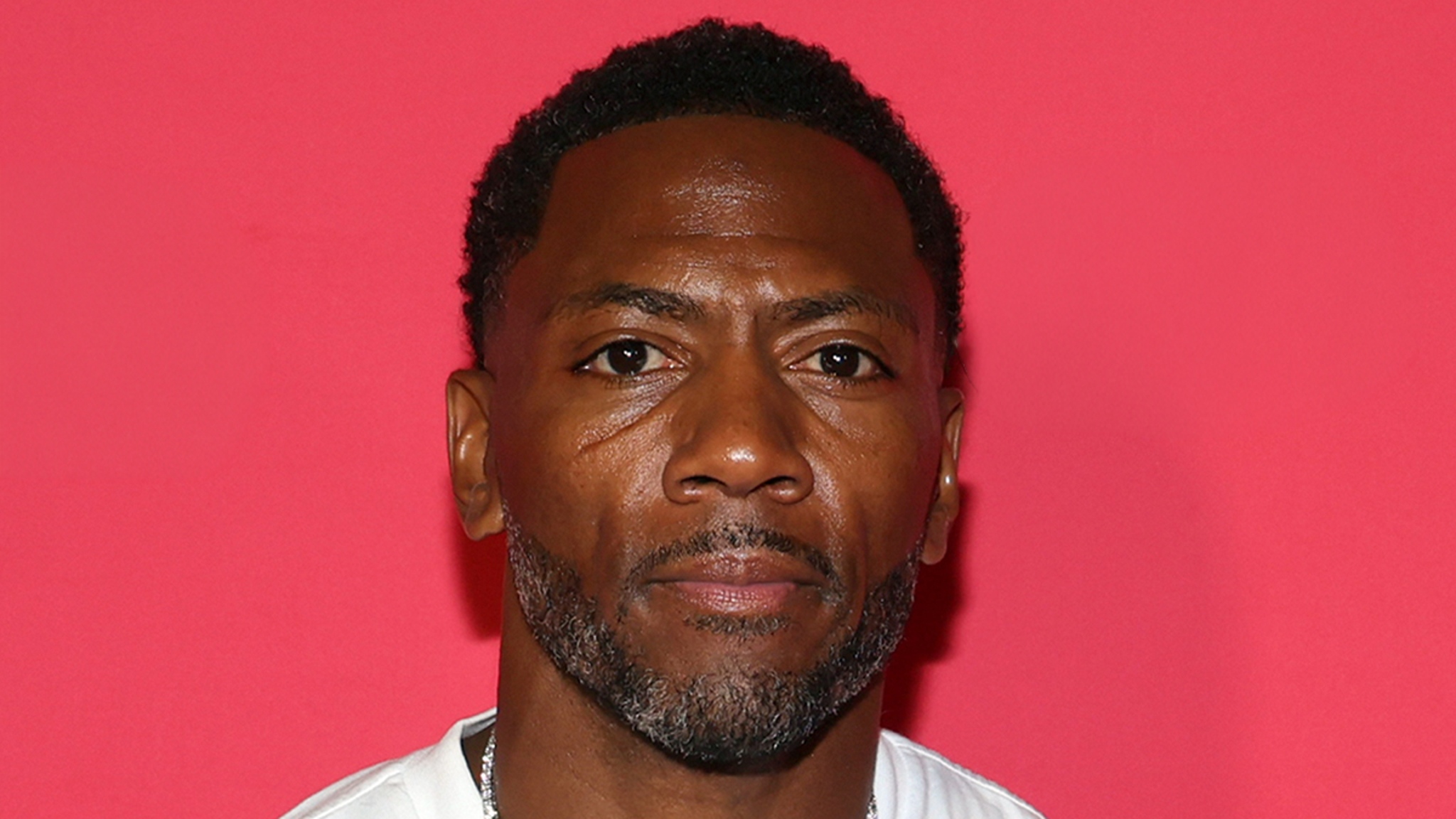
    On July 21, 2026, Ryan Clark, a prominent ESPN analyst and former NFL safety, publicly commented on the recent wave of layoffs at the sports broadcasting giant. His remarks conveyed solidarity with his affected colleagues, emphasizing the personal toll of corporate restructuring and igniting discussions on corporate responsibility within the media sector.

    Clark’s intervention arrived amidst a period of significant change and uncertainty for ESPN employees. The layoffs, impacting numerous departments, have generated widespread concern across the industry. His public statement served as a notable moment in the ongoing narrative surrounding the company’s operational adjustments.

    The Landscape of Layoffs at ESPN in 2026

    The year 2026 has witnessed substantial shifts within the media landscape, with ESPN being no exception. The company announced a series of layoffs, citing economic pressures and strategic reevaluations as primary drivers. These decisions have affected a range of positions, from on-air talent to production staff and behind-the-scenes personnel.

    The impact of these layoffs extends beyond individual employees, influencing the morale and stability of the remaining workforce. Companies like ESPN, operating in a rapidly evolving digital environment, face constant pressure to adapt business models. This adaptation often results in difficult personnel decisions.

    Industry analysts have pointed to several factors contributing to the current climate. These include declining traditional cable subscriptions, the rising costs of sports rights, and the ongoing pivot towards streaming services. Each of these elements places unique demands on established media organizations.

    The competitive nature of sports broadcasting further intensifies these challenges. New platforms and content providers continuously emerge, vying for audience attention and advertising revenue. This dynamic environment necessitates continuous strategic adjustments from major players like ESPN.

    Ryan Clark’s Public Stance

    Ryan Clark’s decision to speak out on July 21, 2026, was a significant moment. His comments, reported by TMZ.com, highlighted the human element often overlooked in corporate discussions. He specifically mentioned sending prayers to his impacted colleagues, a gesture that resonated with many.

    Clark’s career at ESPN has seen him transition from a successful NFL player to a respected analyst. This background gives his words weight, as he understands both the pressures of high-level performance and the complexities of the sports media world. His voice carries authenticity and a connection to the individuals affected.

    The specific phrasing of his statement, focusing on prayers and support, underscored a sense of community and shared vulnerability. This approach contrasted with more detached corporate communications often associated with such events. It personalized the experience of the layoffs for a broad audience.

    His public commentary also served to elevate the conversation beyond mere financial restructuring. It brought into focus the ethical considerations and the moral obligations companies have towards their employees. This shift in discourse is crucial for public perception and internal company culture.

    Corporate Responsibility in Media

    The concept of corporate responsibility has gained increasing prominence in recent years. It encompasses a company’s commitment to ethical practices, environmental sustainability, and the well-being of its employees and the broader community. Clark’s statement directly touched upon these themes.

    For media organizations, corporate responsibility also involves maintaining journalistic integrity and fostering a diverse and inclusive workplace. Layoffs, while sometimes deemed necessary for financial viability, can challenge these commitments if not handled with care and transparency.

    Public figures like Clark, who are also employees, often find themselves in a unique position. They can bridge the gap between corporate decisions and their human impact, offering a perspective that internal memos or official statements might lack. Their voices can shape public opinion and prompt further examination.

    The discussion around ESPN’s layoffs, amplified by Clark’s comments, underscores the ongoing tension between shareholder value and employee welfare. Companies are increasingly expected to balance financial performance with their social responsibilities. This balance is often difficult to strike, especially during economic downturns or industry-wide transformations.

    The Ripple Effect on Employee Morale

    Layoffs inevitably create a ripple effect throughout an organization. Beyond the direct impact on those terminated, the remaining employees often experience heightened anxiety and uncertainty. Job security concerns can lead to decreased morale, productivity, and loyalty.

    Clark’s message of solidarity could play a role in mitigating some of these negative effects. By acknowledging the pain and uncertainty, he validated the feelings of many within the company. This act of empathy can be a powerful tool for fostering a sense of community, even in difficult times.

    Companies that manage layoffs poorly risk long-term damage to their brand reputation and their ability to attract and retain talent. Conversely, organizations that handle such transitions with transparency, compassion, and support for affected employees often fare better in the long run.

    The communication strategy surrounding layoffs is critical. Clear, empathetic, and consistent messaging from leadership can help manage expectations and reduce rumors. When employees feel valued, even in challenging circumstances, it can help maintain a degree of trust and respect.

    The Broader Context of Sports Broadcasting

    The sports broadcasting industry is experiencing a period of profound transformation. The traditional model, heavily reliant on cable television subscriptions, is rapidly eroding. Consumers are increasingly opting for streaming services, direct-to-consumer platforms, and digital content.

    This shift requires massive investments in technology, infrastructure, and new content strategies. Companies like ESPN are adapting by launching their own streaming services and forging new partnerships. These strategic pivots, while necessary for long-term survival, often come with significant costs, including workforce adjustments.

    The escalating cost of acquiring sports broadcasting rights also plays a major role. Leagues and organizations demand increasingly higher fees for their content, putting immense financial pressure on broadcasters. These costs are often passed on to consumers or offset by operational efficiencies, including staff reductions.

    The evolving media consumption habits of younger generations further complicate the picture. They often prefer short-form content, social media highlights, and personalized viewing experiences over traditional linear television. Broadcasters must innovate to capture and retain these audiences.

    Public Reaction and Industry Dialogue

    Ryan Clark’s statement quickly generated public discussion across various platforms. Social media users, sports fans, and industry observers weighed in on the implications of the ESPN layoffs and Clark’s commentary. Many expressed support for the affected individuals and criticized the corporate decisions.

    The incident also contributed to a broader industry dialogue about the future of sports journalism and media employment. Questions arose regarding the stability of careers in a rapidly changing sector and the responsibilities of large corporations towards their workforce.

    This public discourse serves as a crucial feedback mechanism for companies. It highlights areas where corporate practices might be misaligned with public expectations. In an era of heightened social awareness, companies face increasing scrutiny for their labor practices and ethical conduct.

    The role of prominent figures like Clark in these discussions cannot be overstated. Their willingness to speak out can amplify the voices of those directly affected and bring critical issues to the forefront of public consciousness. This advocacy can sometimes influence corporate behavior and policy.

    Looking Ahead: The Future of ESPN and Its Workforce

    The layoffs at ESPN in 2026 represent a critical juncture for the company. While strategic adjustments are often necessary for business sustainability, the manner in which they are executed and communicated carries significant weight. The long-term success of ESPN will depend not only on its financial performance but also on its ability to maintain a strong, motivated workforce.

    The company continues to navigate the complexities of a fragmented media market. Its leadership faces the challenge of innovating and growing while also managing costs and maintaining employee morale. The balance between these objectives is delicate and constantly requires reevaluation.

    For the individuals impacted by the layoffs, the immediate future involves seeking new opportunities within a competitive industry. Support networks, both formal and informal, become vital during such transitions. The sports media community often demonstrates resilience and solidarity in these challenging times.

    The discussion initiated by Ryan Clark serves as a reminder that corporate decisions have profound human consequences. It calls for a continued focus on empathy, transparency, and ethical leadership in the business world.

    Workers gathered. Families grieved. Industries shifted.

    Accountability.


  • BBC Staff Revolt Over 1% Pay Rise, Job Cuts, and Romesh Ranganathan Ad

    BBC Staff Revolt Over 1% Pay Rise, Job Cuts, and Romesh Ranganathan Ad

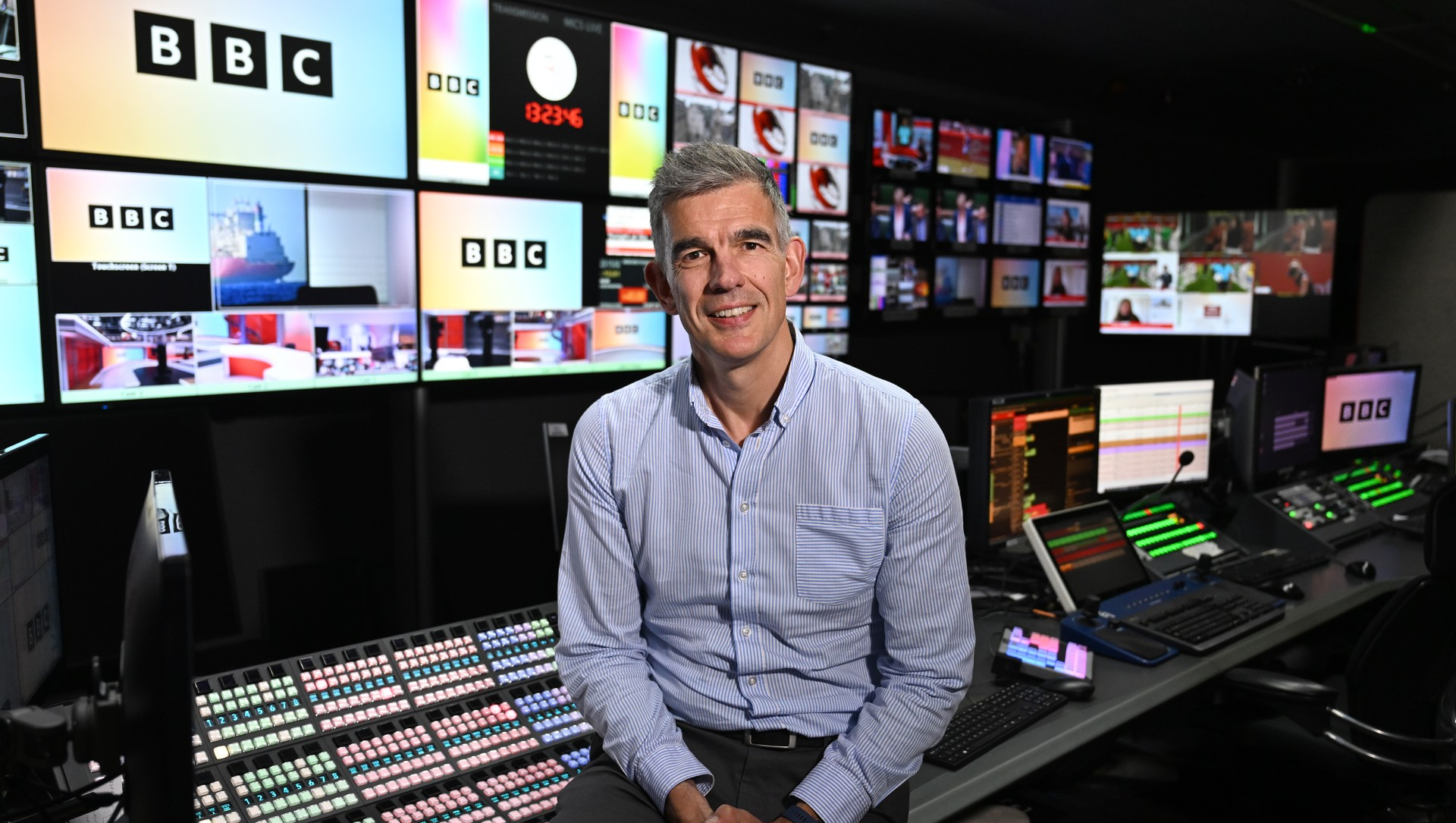
    BBC staff are currently in a state of internal revolt, expressing significant anger and frustration over a 1% pay rise, ongoing job cuts across various departments, and a recent advertising campaign featuring comedian Romesh Ranganathan. This widespread discontent surfaced prominently during a series of town hall meetings, where employees directly challenged management on issues of compensation, resource allocation, and the perceived hypocrisy of the corporation’s spending priorities.

    The confluence of these factors has created a tense atmosphere within the public broadcaster. Staff members view the modest pay increase and job reductions as a direct contradiction to the expenditure on high-profile advertising, particularly featuring a well-known personality like Ranganathan.

    The Genesis of Discontent: Pay and Cuts

    The 1% pay increase offered to BBC staff has been a primary catalyst for the current unrest. This figure is widely regarded as insufficient, especially in the context of broader economic pressures and the rising cost of living in 2026. Employees argue that such a minimal adjustment fails to acknowledge their dedication and the increasing demands placed upon them.

    Compounding the frustration are the continuing job cuts that have affected various divisions of the BBC. These reductions have led to increased workloads for remaining staff and a pervasive sense of job insecurity. The cuts are part of a broader strategy by BBC management to achieve financial efficiencies, often justified by evolving media consumption habits and budget constraints.

    The impact of these cuts extends beyond individual employees. Departments face reduced capacity, potentially affecting program quality and output. This creates a cycle where staff feel undervalued and overworked, leading to a decline in morale across the organization.

    Financial Pressures and Public Service Mandate

    The BBC operates under a unique public service mandate, funded primarily by the licence fee. This model places it under constant scrutiny regarding its financial management and its responsibility to licence fee payers. In recent years, the corporation has faced intense pressure to demonstrate fiscal prudence.

    Decisions regarding pay and staffing levels are often framed within this context of financial responsibility. However, staff argue that these decisions disproportionately affect the workforce while other expenditures, such as marketing and external talent, appear less constrained.

    The tension lies in balancing the public service mission with the realities of modern media economics. Employees often feel caught in the middle, bearing the brunt of cost-saving measures while the organization seeks to maintain its competitive edge and public profile.

    The Romesh Ranganathan Ad Campaign Controversy

    The advertising campaign featuring Romesh Ranganathan has become a flashpoint for staff anger. While the campaign’s specific content and purpose are intended to promote BBC content or values, its timing and perceived cost have ignited a significant backlash internally.

    Staff members have openly questioned the allocation of funds to such a campaign when internal resources are being cut and employee compensation remains stagnant. The contrast between external marketing spend and internal austerity measures is seen as a profound insult.

    Romesh Ranganathan, a prominent comedian and television personality, has a well-established career in British media. His involvement in the campaign, while likely intended to attract wider audiences, has inadvertently become a symbol of what many staff perceive as misaligned priorities within the BBC.

    “It’s insulting to see money spent on lavish ad campaigns while we are told there’s no budget for a decent pay rise or to prevent job losses,” one staff member reportedly stated during a town hall meeting. This sentiment encapsulates the core grievance.

    The advertising spend is not just a financial issue; it is a symbolic one. It represents a perceived disconnect between the leadership’s strategic vision and the everyday realities faced by the BBC’s workforce. The campaign, rather than bolstering the BBC’s image, has inadvertently become a focal point for internal resentment.

    The Symbolism of External Talent

    The use of external talent, particularly well-known figures like Ranganathan, is a common practice in media promotion. However, in the current climate of internal cuts, it takes on a different meaning. For many BBC employees, it highlights a perceived two-tier system.

    Internal staff, who often work long hours and contribute to the core output of the BBC, feel their value is being diminished. Meanwhile, external personalities are seen as receiving lucrative contracts for promotional work. This fuels a narrative of inequity and a lack of appreciation for the existing workforce.

    The debate is not necessarily about Ranganathan himself, but rather what his presence in the campaign represents in the context of the BBC’s internal financial decisions. It underscores a broader discussion about how public funds are allocated and where the true priorities of the organization lie.

    Town Hall Meetings: A Forum for Frustration

    The recent town hall meetings provided a crucial platform for BBC staff to articulate their grievances directly to senior management. These forums, intended for open communication, quickly became arenas for expressing deep-seated anger and disillusionment.

    Employees used these opportunities to challenge executives on the rationale behind the 1% pay rise, the necessity of the job cuts, and the justification for the advertising campaign. The atmosphere was reportedly tense, with staff members not shying away from direct and pointed questions.

    The very act of staff revolting in a town hall setting is significant. It demonstrates a breakdown in trust and communication between the workforce and leadership. It suggests that traditional channels for feedback and negotiation may have been insufficient or ignored.

    The Role of Leadership in Crisis

    The response of BBC leadership to this internal revolt will be critical in determining the future direction of employee relations. Addressing the concerns raised in the town halls requires more than just acknowledging the discontent; it demands concrete actions and transparent explanations.

    Leadership faces the challenge of justifying their financial decisions while simultaneously attempting to rebuild morale and trust. This involves clear communication about the BBC’s financial health, the strategic necessity of cuts, and the perceived value of marketing campaigns.

    Failure to adequately address these issues could lead to further industrial action, increased staff turnover, and a continued erosion of employee loyalty. The BBC’s ability to deliver its public service mandate relies heavily on a motivated and engaged workforce.

    Broader Implications for Public Broadcasters

    The situation at the BBC is not isolated. Public broadcasters globally often grapple with similar challenges: securing funding, justifying expenditures, and managing staff expectations amidst evolving media landscapes. The BBC’s current struggles offer a case study in these complex dynamics.

    The tension between financial austerity and maintaining program quality, employee welfare, and public engagement is a constant balancing act. The digital age has brought new competitors and shifted audience habits, forcing traditional broadcasters to adapt rapidly.

    The debate over the Romesh Ranganathan ad campaign and staff pay reflects a larger societal conversation about corporate responsibility, fair compensation, and the ethical use of resources, especially within publicly funded institutions.

    The Future of BBC Workforce Relations

    The immediate future for BBC workforce relations appears challenging. The current revolt signals a clear demand from staff for greater transparency, fairer compensation, and a re-evaluation of organizational priorities. Resolving these issues will require genuine engagement from management.

    Potential outcomes include renewed negotiations on pay, a re-evaluation of current job cut strategies, or a more detailed explanation of marketing expenditures. The alternative is continued unrest, which could impact the BBC’s operational efficiency and public image.

    The events of 2026 highlight the ongoing struggle for public broadcasters to remain relevant and solvent while upholding their commitments to both their workforce and the public they serve.

    Staff gathered. Voices rose. Frustration mounted.

    Unrest.


  • Fox Acquires Roku in $22 Billion Deal, The Streaming Consolidation

    Fox Acquires Roku in $22 Billion Deal, The Streaming Consolidation

    Fox Corporation is acquiring streaming platform Roku, Inc. in a $22 billion deal that fundamentally reshapes the global media landscape. The agreement merges a legacy broadcast empire with the hardware that powers modern television viewing.

    For years, content creators relied on third-party hardware to reach digital audiences. Now, Fox is buying the distribution pipeline itself.

    This is a developing story. Specific terms regarding cash, stock, and executive restructuring are still emerging. Updates will be published to this page as facts are confirmed.

    The $22 Billion Consolidation

    The acquisition price sits at a staggering $22 billion. The move signals a massive shift in the ongoing streaming wars. Fox already owns Tubi, a highly successful free, ad-supported streaming television platform. Roku operates The Roku Channel, a direct competitor in that exact same space.

    Combining the two creates an immediate advertising juggernaut.

    Roku CEO Anthony Wood built a hardware and software empire that dictates how millions of consumers access Netflix, Hulu, and Disney+. Fox CEO Lachlan Murdoch oversees a live sports, news, and entertainment machine. The strategic synergy is clear.

    Fox secures a permanent, unblockable footprint in millions of living rooms. Roku gains the financial backing of a traditional media titan.

    Regulatory Hurdles and Market Impact

    Because this is a breaking news event, the timeline for the acquisition’s closure remains unconfirmed. A $22 billion merger in the media and technology sector will inevitably trigger immediate regulatory scrutiny.

    The Federal Trade Commission and the Department of Justice frequently review deals of this magnitude for antitrust implications. Competitors in the streaming hardware space are watching closely. Amazon operates the Fire TV ecosystem. Apple controls Apple TV. Google manages Chromecast. Roku was the last major independent player in the television operating system market.

    More details will be published as official filings hit the Securities and Exchange Commission.

    The Shifting Living Room

    The television industry is shrinking into fewer, larger hands. Independent platforms are being absorbed by content creators. Hardware is merging with software.

    Deals are struck. Markets react. Audiences wait.

    Consolidation.