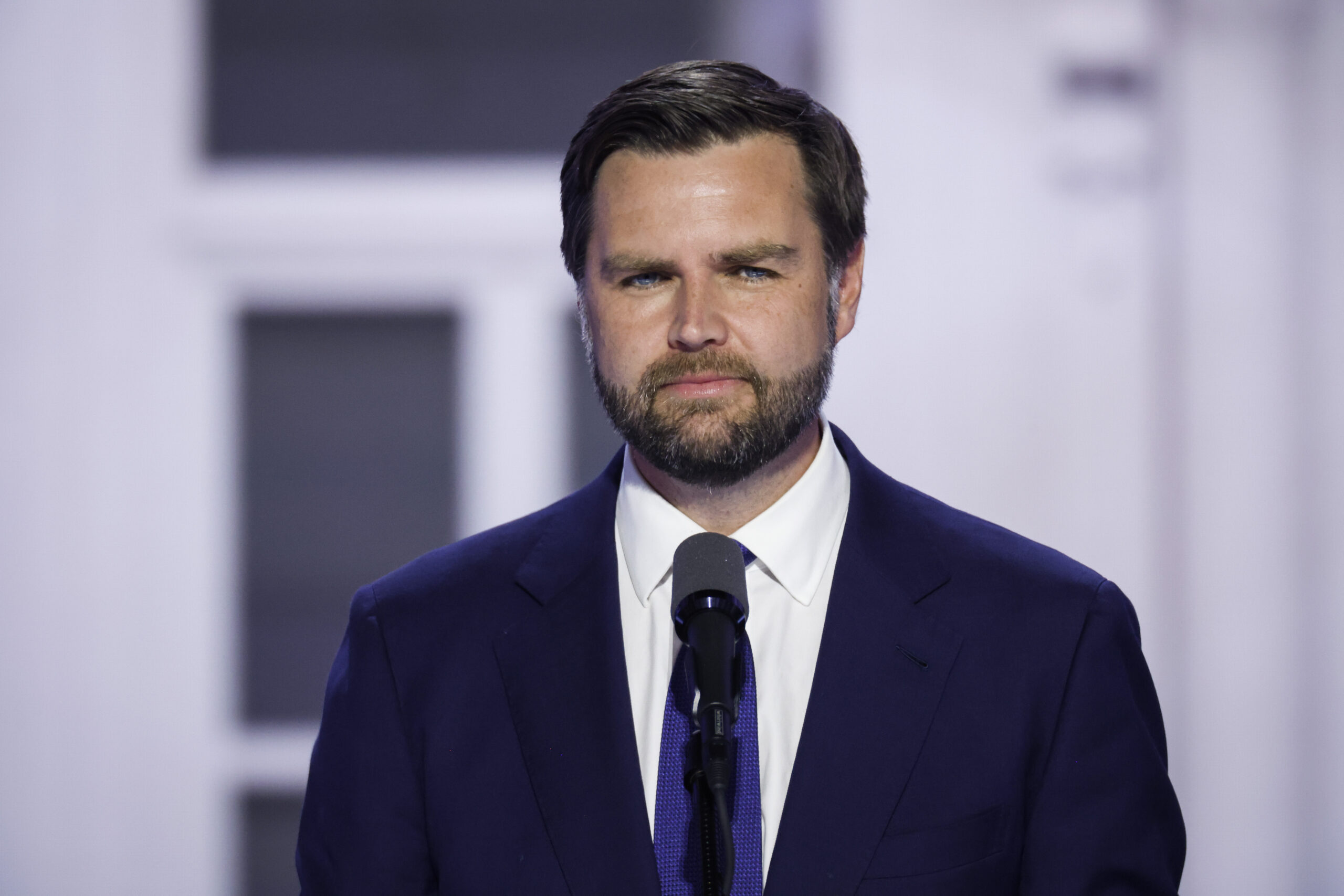
Vice President J.D. Vance is scheduled to appear on ABC’s popular daytime talk show, ‘The View.’ This engagement marks a significant moment for political discourse, bringing a high-ranking conservative official into direct conversation with the show’s panel, known for its liberal perspectives. The broadcast is anticipated to provide a platform for Vance to articulate administration policies and conservative ideologies to a broad national audience.
The announcement of Vance’s upcoming appearance has generated considerable discussion across media outlets and social platforms. Political commentators and public interest groups are closely monitoring the event. The show’s format often leads to spirited debates, and Vance’s presence is expected to continue this tradition.
This particular booking highlights an ongoing trend. Public figures from across the political spectrum engage with programs that challenge their established narratives. Such appearances aim to bridge communication gaps or to solidify existing support bases.
The specific date and time for Vice President Vance’s interview have been confirmed by ABC. Promotional materials have begun to circulate, emphasizing the significance of this high-profile guest. Viewers are preparing for a candid and potentially contentious exchange.
Historical Context of Political Appearances on ‘The View’
‘The View’ has a long history of hosting prominent political figures. Since its inception in 1997, the show has served as a unique forum for politicians. Candidates for president, sitting vice presidents, and first ladies have all graced its stage.
Hillary Clinton, then First Lady, appeared on the show in 2000. Her interview covered policy, personal life, and public perception. This set a precedent for high-level political engagement.
President Barack Obama made history in 2010 as the first sitting U.S. President to appear on a daytime talk show. His visit to ‘The View’ broke traditional media molds. It demonstrated a willingness to connect with voters outside conventional news programs.
Vice President Dick Cheney also appeared on the program during his tenure. His interviews were often characterized by firm defenses of the Bush administration’s policies. These appearances frequently led to viral moments and extensive media analysis.
The show’s format, featuring a panel of diverse women, offers a different interview dynamic. This contrasts with more formal news programs. Guests often face questions that combine policy with personal conviction.
The Role of Daytime Television in Political Communication
Daytime television, historically perceived as less serious than evening news, has evolved. It now serves as a critical battleground for political messaging. Shows like ‘The View’ reach millions of viewers who may not tune into traditional political news channels.
The demographic reach of ‘The View’ is particularly valuable. It often includes women, a crucial voting bloc in national elections. Political strategists recognize the power of this direct access.
Campaigns frequently leverage these platforms. They aim to humanize candidates or to clarify policy positions. The informal setting can sometimes allow for a different kind of connection with the electorate.
The show’s hosts often represent a spectrum of opinions. This dynamic can lead to challenging questions for guests. It also allows for a robust discussion that reflects broader public debates.
Anticipated Topics for Discussion
Vice President Vance’s appearance will likely cover a range of pressing national and international issues. The current political climate dictates many of these conversation points. Economic policy, foreign relations, and domestic social issues are almost certainly on the agenda.
The administration’s stance on inflation and economic growth will be a key topic. Vance will likely be asked to defend current fiscal strategies. He may also present future economic outlooks.
Foreign policy challenges are another probable area of focus. Discussions could involve ongoing international conflicts or diplomatic relations with key global partners. Vance’s role in the administration’s foreign policy initiatives will be scrutinized.
Domestic issues such as healthcare reform, immigration, and cultural debates will also command attention. These topics often resonate deeply with ‘The View’s’ audience. Vance’s conservative viewpoints on these matters will be central to the discussion.
The Impact of ‘Hillbilly Elegy’ on Public Perception
J.D. Vance first gained national prominence with his 2016 memoir, ‘Hillbilly Elegy: A Memoir of a Family and Culture in Crisis.’ The book provided an intimate look into the struggles of the white working class in Appalachia. It became a bestseller and a significant cultural touchstone.
The memoir offered insights into the economic and social anxieties prevalent in certain American communities. It also explored themes of poverty, education, and social mobility. The book’s success catapulted Vance into the national spotlight as a voice for a specific demographic.
His subsequent political career has been heavily influenced by the book’s themes. Vance’s political platform often emphasizes issues related to economic nationalism and cultural conservatism. His background as described in ‘Hillbilly Elegy’ shapes public perception of his policies.
Critics and supporters alike often reference the memoir when discussing Vance’s political evolution. His appearance on ‘The View’ offers an opportunity to connect his personal narrative with his current role as Vice President. This connection can be powerful for viewers.
The ‘View’ Panel and Their Interview Style
The panel of ‘The View’ is known for its diverse perspectives and direct questioning. The show typically features a moderator, a conservative voice, and several liberal co-hosts. This composition often leads to dynamic and sometimes confrontational interviews.
Whoopi Goldberg, a long-standing co-host, often serves as a moderating force. Her questions can be incisive, but she also maintains a degree of theatrical impartiality. Her presence helps to guide the conversation.
Joy Behar and Sunny Hostin are typically vocal in their liberal viewpoints. They often challenge conservative guests on policy and ideology. Their questioning style is direct and often passionate.
The conservative seat on the panel provides a counterpoint. This co-host often defends conservative positions. They also work to find common ground or to highlight areas of disagreement. This internal dynamic is key to the show’s appeal.
The collective interview style is characterized by rapid-fire questions and follow-ups. Guests must be prepared for a rigorous exchange. Vance’s political experience will be tested in this environment.
Previous Controversial Interviews on ‘The View’
‘The View’ has a history of interviews that have sparked national debate. These moments often involve high-profile political figures. They can highlight deep divisions within American society.
One notable instance involved then-candidate Donald Trump in 2015. His appearance generated significant media attention. The interview foreshadowed the contentious nature of his presidential campaign.
Former Vice President Mike Pence also had a memorable appearance. His discussions with the panel often focused on social issues. These interviews frequently led to heated exchanges and strong reactions from viewers.
The show’s ability to create such moments is part of its enduring appeal. It provides unscripted television. It also offers a raw look at political discourse. Vance’s upcoming interview is expected to continue this trend of high-stakes television.
Media and Public Reaction Expectations
The anticipation surrounding Vice President Vance’s appearance is high. Media outlets, political analysts, and the general public are all preparing for the broadcast. Reactions are expected to be polarized, reflecting the current political climate.
Conservative media will likely praise Vance’s performance. They will emphasize his ability to articulate conservative principles. They may also highlight any perceived victories in the debate.
Liberal media will likely focus on perceived inconsistencies or controversial statements. They will scrutinize his responses. They will also analyze his interactions with the panel.
Social media platforms will undoubtedly be abuzz during and after the broadcast. Hashtags related to Vance, ‘The View,’ and specific policy topics will trend. Online commentary will range from fervent support to strong criticism.
The interview will likely be dissected for days, if not weeks, following its airing. Political pundits will offer their interpretations. The discussion will contribute to the ongoing national conversation about the administration’s policies and future.
Long-Term Implications for Political Engagement
Vice President Vance’s decision to appear on ‘The View’ carries long-term implications. It demonstrates a strategy of direct engagement with audiences outside traditional political echo chambers. This approach can be both risky and rewarding.
For the administration, it offers an opportunity to reach undecided voters. It also allows for the direct rebuttal of criticisms. The goal is often to shape public opinion by going directly to the source of potential opposition.
For ‘The View,’ it reinforces its status as a relevant political forum. High-profile guests boost ratings and maintain cultural relevance. The show continues to be a destination for significant political events.
The success or failure of such an appearance is subjective. It depends on the goals of the guest and the expectations of the audience. However, the act of engaging itself signals a certain political courage or strategic calculation.
This appearance contributes to the broader narrative of how politicians communicate in the 21st century. It underscores the importance of diverse media platforms. It also highlights the evolving nature of political discourse in America.
The cameras rolled. The hosts questioned. The Vice President responded. The nation watched.
Television.