Tag: Max

  • Mike Preston, ‘Mad Max 2’ and ‘Hot Pursuit’ Actor, Dies at 93

    Mike Preston, ‘Mad Max 2’ and ‘Hot Pursuit’ Actor, Dies at 93

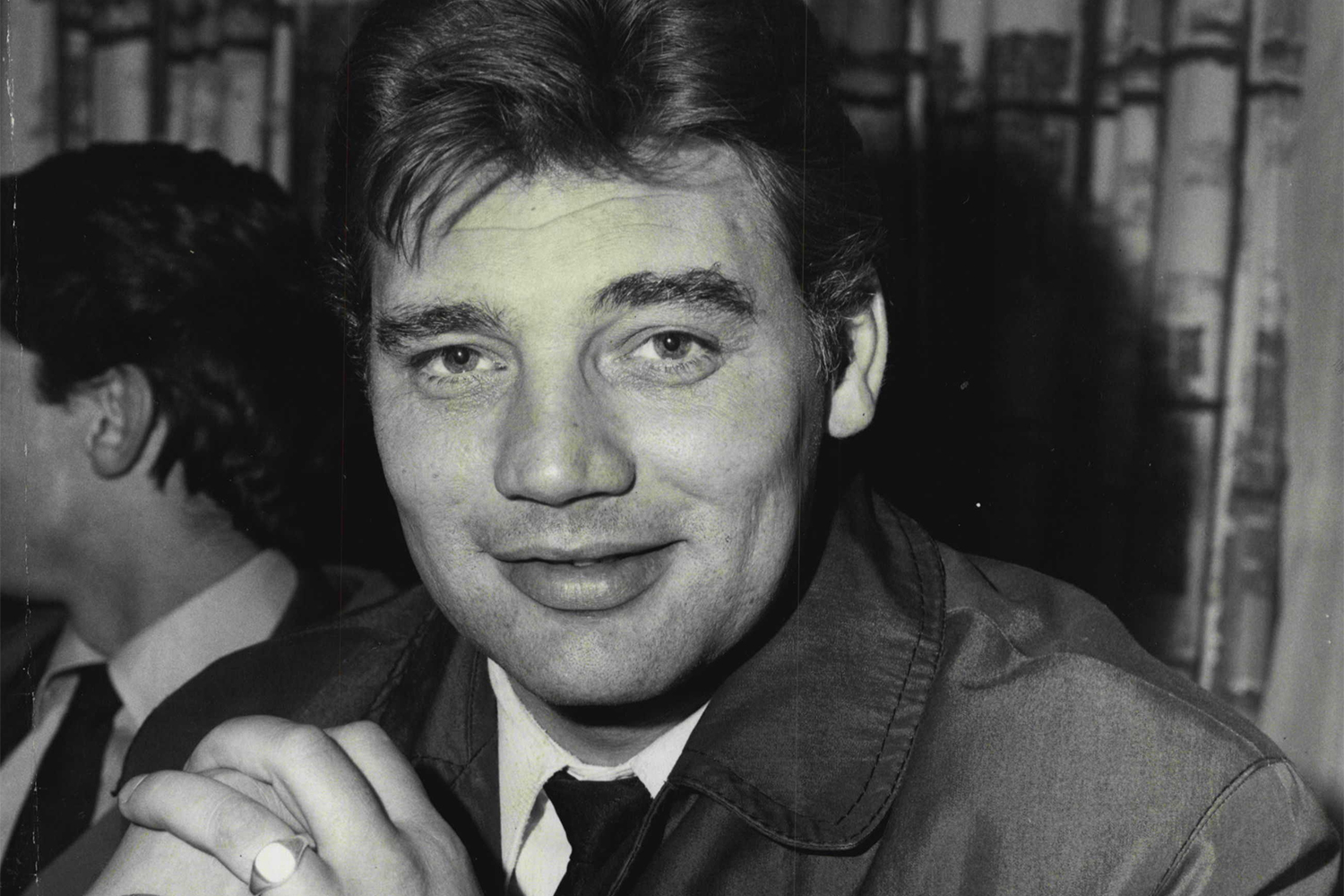
    Mike Preston, an actor recognized for his roles in the iconic 1981 film ‘Mad Max 2: The Road Warrior’ and the 1987 thriller ‘Hot Pursuit,’ died on June 8, 2026, at the age of 92. His passing marks the end of a career that spanned various genres and continents, leaving behind a body of work that resonated with audiences globally. Preston’s contributions to cinema and television cemented his place in the nostalgia of fans who grew up watching his performances.

    Preston’s career was characterized by a versatility that allowed him to transition between intense dramatic roles and more lighthearted fare. His distinctive presence on screen made him a memorable figure, particularly in the action and adventure genres. The news of his death has prompted reflections on his impactful performances and the era of filmmaking he helped define.

    The Early Career and Rise to Prominence

    Mike Preston began his journey in the entertainment industry long before his breakout international roles. He established himself in Australian media, gaining recognition in television and local film productions. This early work provided a foundation for his later success, showcasing his range and dedication to his craft.

    His initial roles often involved tough, authoritative characters, a typecasting that would follow him into his most famous performances. Preston possessed a natural gravitas that lent credibility to these parts, making him a sought-after actor for certain dramatic roles. The Australian film and television landscape of the 1960s and 1970s offered him numerous opportunities to hone his skills.

    During this period, Preston appeared in various television series, becoming a familiar face to Australian households. These experiences were crucial in developing the screen presence that would later capture international attention. He worked alongside many emerging talents who would also go on to achieve global recognition.

    The burgeoning Australian film industry provided a fertile ground for actors like Preston. He was part of a generation that helped put Australian cinema on the world map, contributing to its unique voice and style. His early career built a strong reputation for reliability and intensity.

    ‘Mad Max 2: The Road Warrior’ and International Acclaim

    Mike Preston’s role as Pappagallo in George Miller’s 1981 masterpiece, ‘Mad Max 2: The Road Warrior,’ remains one of his most iconic performances. As the charismatic leader of the oil refinery compound survivors, Pappagallo embodied a fierce determination to protect his community in a post-apocalyptic wasteland. This role introduced Preston to a global audience and solidified his image as a powerful on-screen presence.

    The film, a sequel to the 1979 original, garnered critical acclaim and commercial success, becoming a benchmark for the action genre. Preston’s portrayal of Pappagallo was central to the film’s narrative, providing a moral compass and a formidable counterpoint to Mel Gibson’s Max Rockatansky. His character’s leadership and tragic fate left a lasting impression on viewers.

    Filming ‘Mad Max 2’ was an arduous process, often taking place in remote Australian locations. Preston’s commitment to the role, enduring the harsh conditions and demanding stunts, contributed to the authenticity of his performance. The film’s gritty realism and innovative action sequences continue to be celebrated by cinephiles and filmmakers alike.

    Pappagallo’s character arc, from a hopeful leader to a fallen hero, provided Preston with significant dramatic scope. His final stand in the film is remembered as a pivotal moment, underscoring the themes of sacrifice and survival. The success of ‘Mad Max 2’ opened doors for Preston in Hollywood and other international productions.

    Venturing into Hollywood: ‘Hot Pursuit’ and Beyond

    Following the international success of ‘Mad Max 2,’ Mike Preston found more opportunities in the American film industry. One notable role was in the 1987 action-comedy ‘Hot Pursuit,’ where he starred alongside John Cusack. This film showcased a different facet of Preston’s acting ability, blending action with comedic timing.

    ‘Hot Pursuit’ saw Preston in a supporting but memorable role, further expanding his reach beyond the post-apocalyptic landscapes of ‘Mad Max.’ While not as critically acclaimed as ‘Mad Max 2,’ the film provided him with exposure to a broader audience in the United States and demonstrated his versatility across genres.

    His work in Hollywood included various television appearances and film roles, often capitalizing on his strong, commanding presence. Preston became a recognizable character actor, bringing depth to supporting parts. He navigated the transition from Australian to international productions with a consistent level of professionalism and skill.

    These roles, while perhaps not as globally recognized as Pappagallo, were crucial in establishing his career longevity. They allowed him to work with a diverse array of directors and actors, enriching his experience and reputation within the industry. Preston’s ability to adapt to different production environments was a testament to his talent.

    A Career Spanning Decades

    Mike Preston’s acting career spanned several decades, encompassing a wide range of projects in film, television, and even stage. He was a working actor who consistently delivered strong performances, regardless of the size of the role. His dedication to his craft was evident in every character he brought to life.

    Beyond his most famous roles, Preston appeared in numerous other films and television series, both in Australia and internationally. These included guest appearances in popular shows and supporting roles in various cinematic ventures. He often played characters with integrity, strength, or a certain world-weariness that resonated with audiences.

    His long career meant he witnessed significant changes in the film industry, from the rise of independent Australian cinema to the increasing globalization of Hollywood. Preston adapted to these shifts, maintaining a steady presence in an often volatile profession. His enduring appeal lay in his authenticity and his ability to inhabit complex characters.

    Preston’s filmography serves as a record of his sustained contribution to entertainment. Each role, big or small, added to the tapestry of his career, showcasing a commitment to storytelling and performance. He was a craftsman of his trade, leaving a legacy of memorable characters.

    Impact and Legacy

    Mike Preston’s impact on cinema, particularly through his role in ‘Mad Max 2,’ is undeniable. His portrayal of Pappagallo is frequently cited as one of the most compelling supporting characters in action film history. The film itself has achieved cult status and is considered a classic, ensuring Preston’s place in cinematic lore.

    Beyond specific roles, Preston’s career contributed to the broader narrative of Australian actors making their mark on the international stage. He was part of a wave of talent that demonstrated the quality and depth of Australian performers. His success helped pave the way for future generations of actors from the region.

    His passing on July 22, 2026, at 93, brings a moment of reflection for fans and colleagues alike. Tributes from the film community have highlighted his professionalism, talent, and the indelible mark he left on their memories. Preston’s work continues to be discovered by new audiences, ensuring his legacy persists.

    The nostalgia associated with his films, particularly ‘Mad Max 2,’ speaks to the enduring power of his performances. He was an actor who could command attention, convey deep emotion, and elevate the material he was given. Mike Preston will be remembered as a significant figure in both Australian and international cinema.

    Actors gathered. Directors gathered. Fans gathered. Remembered.

    Mike Preston.

  • McGregor-Holloway Rematch: UFC Draws 6.5M Viewers Across US & Latin America

    McGregor-Holloway Rematch: UFC Draws 6.5M Viewers Across US & Latin America

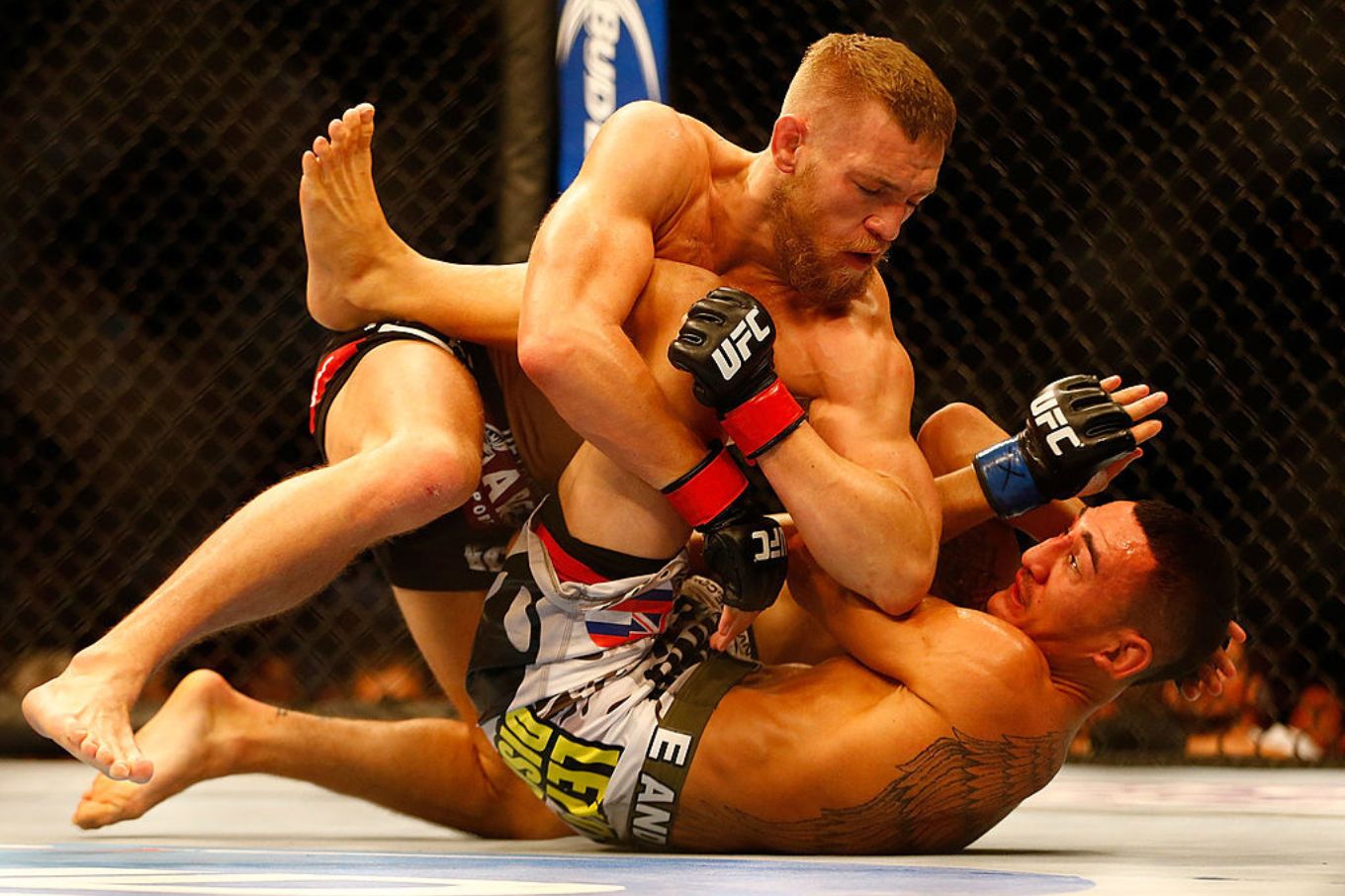
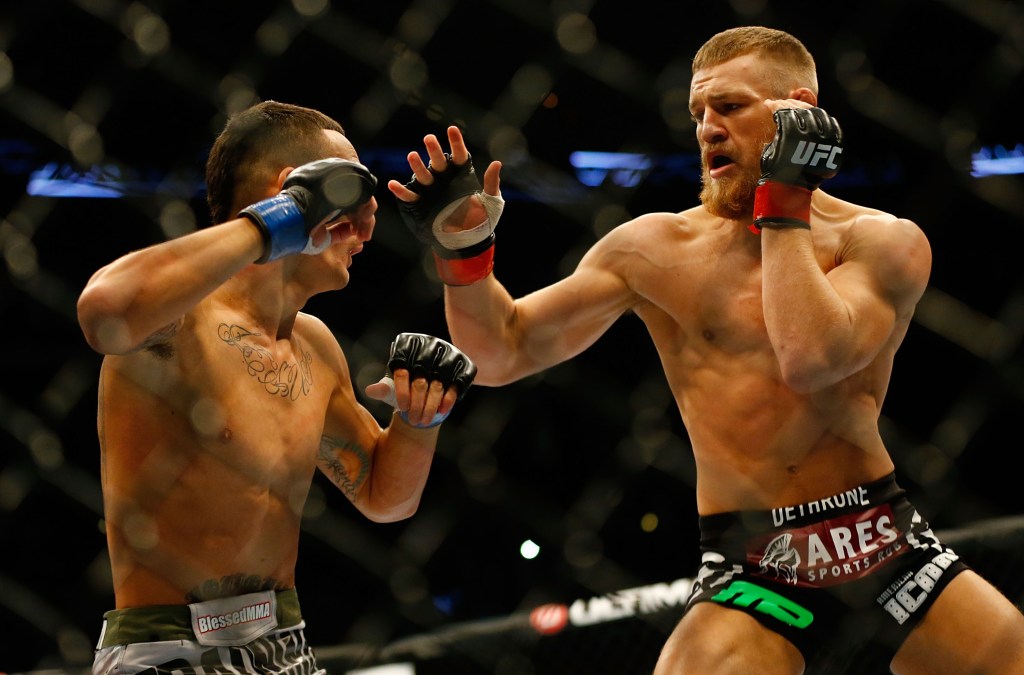
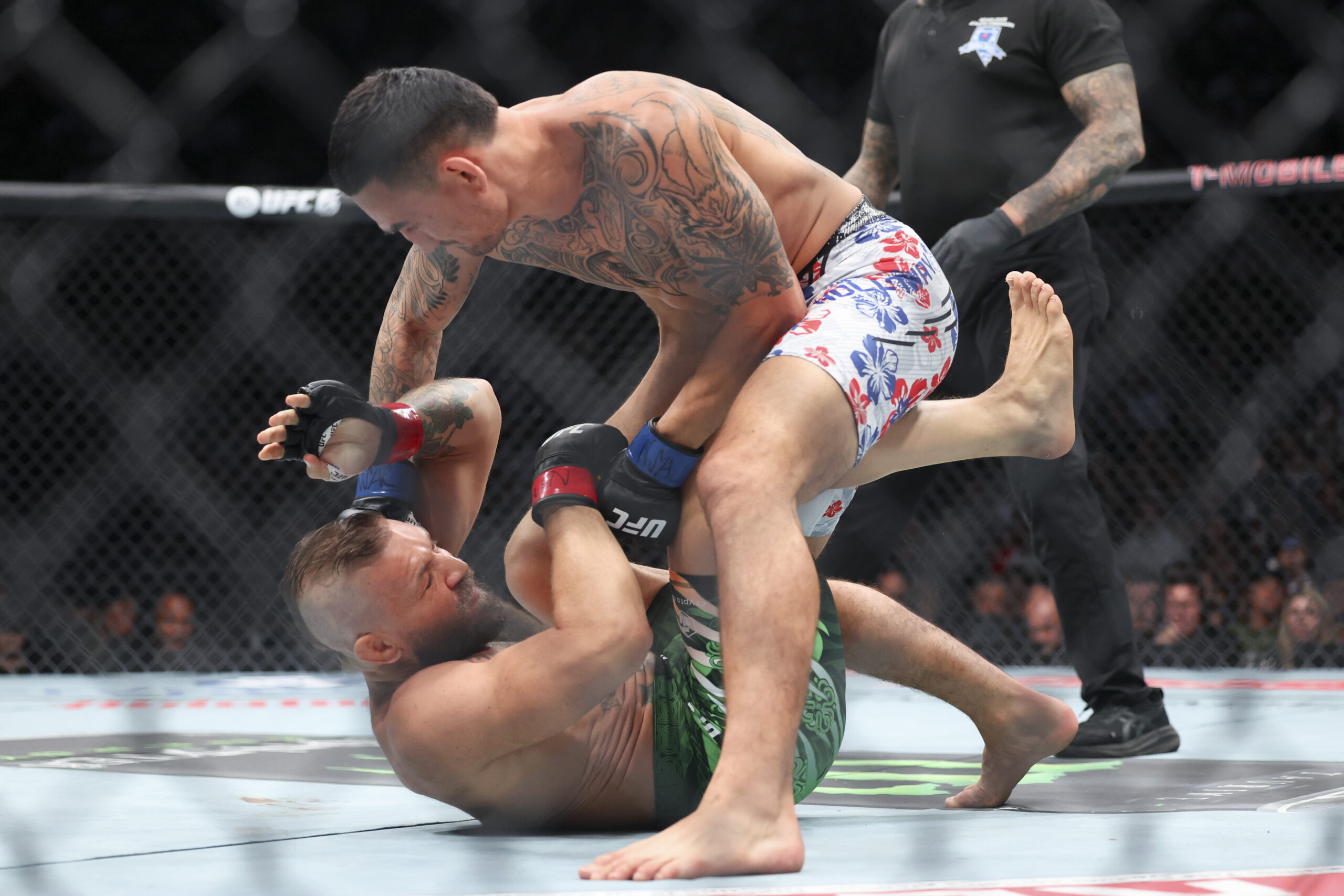
    The Ultimate Fighting Championship (UFC) rematch between Conor McGregor and Max Holloway achieved a substantial viewership of 6.5 million across the United States and Latin America. This figure underscores the significant and growing audience for mixed martial arts, particularly when marquee fighters are involved in highly anticipated bouts. The event was broadcast by Paramount, reaching a broad demographic and solidifying the UFC’s position as a major player in global sports entertainment.

    The Legacy of Two Fighters

    Conor McGregor, often referred to as ‘The Notorious,’ is an Irish professional mixed martial artist and boxer. He is a former Ultimate Fighting Championship (UFC) featherweight and lightweight double-champion. His career has been marked by explosive performances and charismatic promotion. McGregor’s ability to draw massive audiences has been a consistent factor throughout his time in the UFC.

    Max Holloway, known as ‘Blessed,’ is an American professional mixed martial artist. He is a former UFC Featherweight Champion. Holloway’s fighting style, characterized by relentless pressure and high volume striking, has earned him a dedicated fanbase. His journey through the featherweight division has established him as one of the sport’s most respected competitors.

    The first encounter between McGregor and Holloway occurred in August 2013. At UFC Fight Night 26, McGregor secured a unanimous decision victory over Holloway. This early career bout laid the groundwork for their future trajectories, both fighters going on to achieve championship status.

    The Road to Rematch

    Years passed between their initial meeting and the recent rematch. Both fighters cultivated extensive résumés, accumulating significant victories and experiencing high-profile defeats. McGregor ascended to unprecedented heights, becoming the first UFC fighter to hold two divisional titles simultaneously. Holloway dominated the featherweight division for an extended period, defending his title multiple times.

    The clamor for a rematch grew steadily among fans and pundits. The narrative of two elite athletes, who first met as rising prospects, now clashing as seasoned legends, held immense appeal. This narrative played a crucial role in building anticipation for the recent event.

    Negotiations for such a high-profile fight involve numerous complexities. Financial terms, fight locations, and timing all contribute to the lengthy process of bringing two stars back into the octagon. The UFC’s matchmakers strategize to maximize both athletic competition and commercial success.

    Paramount’s Broadcast Strategy

    Paramount served as the broadcasting partner for the McGregor-Holloway rematch. This partnership allowed the event to reach a vast audience across multiple regions. Paramount’s investment in sports programming reflects a broader trend among media companies to secure live content that drives subscriptions and viewership.

    The decision to feature the fight on Paramount’s platforms was a strategic move. It leveraged the existing subscriber base and marketing capabilities of a major media conglomerate. This ensured maximum exposure for one of the UFC’s most anticipated events of 2026.

    The broadcast included extensive pre-fight and post-fight coverage. This comprehensive approach enhances the viewer experience and provides additional content for fans. Analysts, interviews, and behind-the-scenes access contribute to the overall spectacle of a UFC fight night.

    The Role of Latin America in Viewership

    The 6.5 million viewership figure included significant contributions from Latin America. This region has emerged as a crucial market for mixed martial arts. The UFC has actively expanded its presence in Latin American countries, recognizing the passion for combat sports in these territories.

    Events held in cities like Mexico City and São Paulo have demonstrated the strong fanbase. Fighters from Latin America, such as Brandon Moreno and Charles Oliveira, have become major stars, further fueling regional interest. This growth trajectory indicates a sustained commitment from the UFC to this demographic.

    Language-specific broadcasts and localized marketing efforts are integral to securing high viewership in diverse regions. Paramount’s ability to deliver content tailored to Latin American audiences played a key role in the overall success of the McGregor-Holloway rematch’s viewership numbers.

    The Cultural Impact of UFC

    The UFC has transcended its origins as a niche sport to become a global cultural phenomenon. Its events are not merely athletic competitions; they are spectacles that blend sport, entertainment, and personal narratives. This blend contributes to its widespread appeal.

    The concept of a ‘cultural defense moment’ suggests that events like the McGregor-Holloway rematch resonate beyond traditional sports fandom. They can evoke feelings of national pride, individual resilience, and the pursuit of excellence. These themes tap into broader societal values.

    For many, watching a UFC fight is an immersive experience. The intensity of the competition, the stories of the athletes, and the raw emotion involved create a powerful connection with the audience. This connection is a significant driver of viewership and engagement.

    Economic Implications of High Viewership

    A viewership of 6.5 million translates into substantial economic impact for the UFC and its partners. Advertising revenue, sponsorship deals, and pay-per-view buys (where applicable) all benefit from such large audiences. This financial success allows for continued investment in fighter development and event production.

    The careers of fighters like McGregor and Holloway are directly impacted by their ability to draw viewers. High-profile fights lead to increased compensation and greater opportunities for endorsements. This incentivizes top talent to remain within the UFC’s ecosystem.

    Beyond the immediate financial gains, high viewership also bolsters the UFC’s brand equity. It reinforces its position as a leading global sports organization, attracting new fans and solidifying its standing in the competitive sports landscape. This long-term brand building is crucial for sustained growth.

    The Future of UFC and Combat Sports

    The success of the McGregor-Holloway rematch points to a robust future for the UFC. The organization continues to expand its global footprint, explore new media partnerships, and cultivate emerging talent. The demand for high-quality combat sports content remains strong.

    Innovation in broadcast technology and fan engagement strategies will likely play an increasing role. Virtual reality, interactive viewing experiences, and personalized content streams could further enhance how fans consume UFC events. The goal is to make every fight a unique and memorable experience.

    The athletic landscape of mixed martial arts is constantly evolving. New techniques, training methodologies, and strategic approaches emerge regularly. This dynamic nature keeps the sport fresh and ensures a continuous supply of compelling matchups for audiences worldwide.

    What Defines a Marquee Matchup?

    Several factors contribute to a UFC fight achieving ‘marquee’ status. The reputation of the fighters involved is paramount. Champions, former champions, and highly ranked contenders naturally draw more attention. Their past performances and established rivalries often fuel fan interest.

    The narrative surrounding a fight also plays a critical role. A comeback story, a grudge match, or a clash of styles can elevate a bout beyond a simple athletic contest. The personal stories and motivations of the fighters add layers of drama and intrigue.

    Promotional efforts by the UFC and the fighters themselves are essential. Press conferences, social media engagement, and documentary features build anticipation and hype. Effective marketing ensures that potential viewers are aware of the event and its significance.

    Finally, the stakes of the fight, whether a championship title is on the line, or if it’s a pivotal moment in a fighter’s career, add to its importance. High stakes translate to high drama, which in turn attracts a larger audience.

    The McGregor-Holloway rematch exemplified many of these elements. It brought together two of the sport’s biggest names, built upon a long-standing history, and was promoted extensively, culminating in significant viewership numbers.

    Fighters trained. Promoters strategized. Broadcasters prepared. Audiences watched. UFC.


  • The ‘New Girl’ Cast’s Battle for Lamorne Morris – Zooey Deschanel Recalls the Fight

    The ‘New Girl’ Cast’s Battle for Lamorne Morris – Zooey Deschanel Recalls the Fight

    The Fight for Winston Bishop

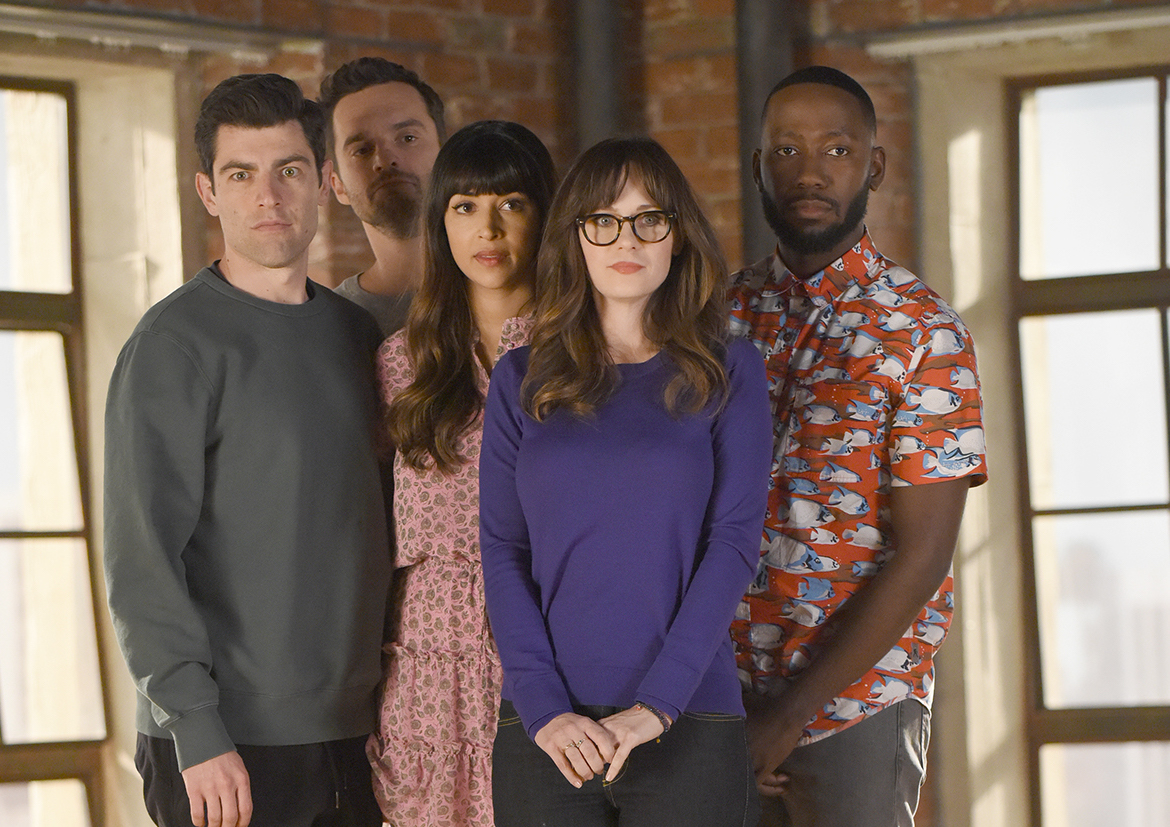
    The cast of the popular Fox comedy ‘New Girl’ actively fought to ensure Lamorne Morris, who portrayed Winston Bishop, remained a central character. Actress Zooey Deschanel, known for her role as Jessica Day, recently disclosed the behind-the-scenes efforts made by the ensemble to solidify Morris’s place on the show. This advocacy proved crucial in shaping the series’ long-term character dynamics and comedic tone.

    Morris joined the series after the pilot episode, replacing Damon Wayans Jr.’s character, Coach. His integration into the main cast was not instantaneous, requiring support from his fellow actors to secure his continued presence. This collective effort highlights the internal dynamics of television production and the influence cast members can sometimes wield.

    The Pilot’s Initial Lineup

    When ‘New Girl’ first aired in 2011, the pilot episode featured a different core group. The initial premise revolved around Jessica Day moving into a loft with three male roommates: Nick Miller (Jake Johnson), Schmidt (Max Greenfield), and Coach (Damon Wayans Jr.). This original configuration set the stage for the series’ comedic situations.

    Damon Wayans Jr. had a prior commitment to the ABC series ‘Happy Endings.’ This scheduling conflict meant that despite his appearance in the ‘New Girl’ pilot, he was unable to continue with the show as a regular cast member. This departure created an opening that would eventually be filled by Lamorne Morris.

    Lamorne Morris Enters the Loft

    Lamorne Morris stepped into the role of Winston Bishop, joining the cast in the second episode of the first season. His character was introduced as a childhood friend of Nick and Schmidt, returning to the loft after a basketball career in Latvia. This storyline provided a seamless way to integrate a new dynamic into the existing ensemble.

    Winston’s character evolved significantly over the show’s run. Initially portrayed as a more grounded figure, he gradually developed into one of the series’ most eccentric and beloved personalities. His quirky behaviors, love for his cat Furguson, and unique friendship with Cece Parekh (Hannah Simone) became hallmarks of the show.

    The Cast’s Advocacy for Morris

    Zooey Deschanel’s recent comments shed light on the specific period when Morris’s future on the show was uncertain. She indicated that the entire cast recognized Morris’s comedic talent and the value he brought to the ensemble. Their collective decision to advocate for him underscored their belief in his character’s potential and his chemistry with the other actors.

    This advocacy involved direct conversations with the show’s producers and network executives at Fox. The cast members emphasized Morris’s contributions to the show’s humor and his ability to integrate seamlessly into the established group. Their unified front played a critical role in ensuring Morris’s character would not be phased out.

    The Evolution of Winston Bishop

    Winston Bishop’s character arc became one of the most memorable aspects of ‘New Girl.’ His journey from a professional basketball player to an unconventional police officer provided numerous comedic opportunities. His storylines often explored themes of self-discovery, friendship, and finding one’s true calling.

    Morris’s portrayal of Winston allowed for a gradual unfolding of the character’s unique personality. His deadpan delivery, elaborate pranks, and often bizarre but endearing behaviors resonated strongly with the audience. This character development was a direct result of the creative freedom afforded to Morris and the writers, supported by the cast’s initial efforts.

    Impact on ‘New Girl’s’ Legacy

    ‘New Girl’ ran for seven seasons, from 2011 to 2018, totaling 146 episodes. Lamorne Morris appeared in every episode from his introduction onwards. His sustained presence was integral to the show’s success and its enduring appeal.

    The ensemble cast, including Deschanel, Johnson, Greenfield, Morris, and Simone, became synonymous with the show’s quirky humor and heartfelt moments. The chemistry among the actors was a significant factor in the series’ popularity, and Morris’s inclusion was vital to that dynamic. The behind-the-scenes fight for his role illustrates the collaborative nature of successful television production.

    The Broader Context of Cast Dynamics

    Stories of cast members advocating for their colleagues are not uncommon in television history. These situations often arise when a new actor joins a series or when a character’s future is in question due to network decisions or creative changes. A united cast can often sway these outcomes, particularly on established and popular shows.

    Such interventions highlight the importance of cast chemistry and the personal relationships forged on set. When actors genuinely believe in each other’s contributions, it can translate into a more cohesive and successful show. The ‘New Girl’ cast’s support for Lamorne Morris stands as an example of this dynamic in action.

    Zooey Deschanel’s Continued Reflections

    Zooey Deschanel has frequently reflected on her time on ‘New Girl’ since the series concluded. Her recent comments about Lamorne Morris’s situation provide new insight into the production process. Deschanel often speaks fondly of her castmates and the camaraderie they shared, both on and off screen.

    These reflections contribute to the ongoing legacy of ‘New Girl,’ offering fans a deeper understanding of the show’s creation. They also reinforce the idea that successful television is often a product of strong collaborative efforts and mutual support among its creative team and performers.

    The Enduring Appeal of ‘New Girl’

    ‘New Girl’ continues to be a popular series on streaming platforms, attracting new viewers and retaining its original fanbase. The show’s blend of humor, romance, and relatable character struggles has given it lasting appeal. The core relationships between the loftmates remain a central draw.

    The story of the cast’s fight for Lamorne Morris adds another layer to the show’s narrative, showcasing the dedication and loyalty within the group. It underscores how individual talents, supported by a collective belief, can significantly impact a project’s trajectory.

    Actors gathered. Writers gathered. Producers gathered. Network executives gathered. Fans gathered. Winston Bishop gathered.

    Television.

  • UFC 329 Livestream: How to Watch McGregor vs. Holloway Rematch Online

    UFC 329 Livestream: How to Watch McGregor vs. Holloway Rematch Online

    The Ultimate Fighting Championship (UFC) is set for a monumental event on July 11, 2026, with UFC 329 headlining the highly anticipated rematch between Conor McGregor and Max Holloway. This main event, years in the making, promises to be a pivotal moment in mixed martial arts, drawing global attention and significant pay-per-view buys. Fans worldwide are seeking reliable methods to stream the fight online, ensuring they do not miss a single moment of the action.

    The rivalry between McGregor and Holloway dates back to their initial encounter in 2013. That fight saw McGregor emerge victorious via unanimous decision. Both fighters have since carved out legendary careers, making their second meeting a highly anticipated spectacle for mixed martial arts enthusiasts.

    The Road to UFC 329: McGregor vs. Holloway II

    Conor McGregor, often dubbed ‘The Notorious,’ has remained one of the most polarizing and popular figures in combat sports. His career includes holding UFC titles in both the featherweight and lightweight divisions simultaneously. His striking prowess and charismatic persona have cemented his status as a global icon.

    Max Holloway, known as ‘Blessed,’ has established himself as one of the most dominant featherweight champions in UFC history. His relentless pace, exceptional striking volume, and iron chin have led him to numerous victories against top contenders. Holloway’s journey since his first fight with McGregor has seen him mature into a formidable force within the sport.

    The announcement of UFC 329 and its main event sent ripples throughout the MMA community. Speculation about the rematch has been ongoing for years. The timing in 2026 aligns with both fighters’ current career trajectories, presenting a compelling narrative for their second clash.

    First Encounter: UFC Fight Night 26 (2013)

    Their initial bout at UFC Fight Night 26 in Boston, Massachusetts, on August 17, 2013, was a significant moment for both athletes. McGregor, then an emerging talent, fought through a knee injury during the contest. He secured a unanimous decision victory over a young Holloway.

    This fight marked a turning point for both. McGregor’s win propelled him further into the spotlight. Holloway gained valuable experience that would shape his future championship run. The memory of this first fight adds a layer of historical significance to their upcoming rematch.

    How to Watch UFC 329 Livestream in the United States

    For viewers in the United States, the exclusive platform for streaming UFC 329’s main card is Paramount+, and it does not require a separate pay-per-view purchase.

    To watch McGregor vs. Holloway II, fans will need to:

    • Subscribe to ESPN+ if they are not already members.
    • Purchase the UFC 329 pay-per-view event separately.

    ESPN+ often offers bundle deals that combine an annual subscription with a pay-per-view purchase, providing a slight discount for new subscribers. The platform is accessible via various devices, including smart TVs, streaming sticks, gaming consoles, and mobile devices.

    ESPN+ Pay-Per-View Details

    The cost of the UFC 329 pay-per-view event will be announced closer to the fight date, but it typically aligns with previous major UFC PPV prices. These prices generally range from $70 to $85, in addition to the ESPN+ subscription fee.

    Subscribers can purchase the event directly through the ESPN+ app or website. It is advisable to purchase the PPV in advance to avoid potential technical issues or delays on fight night. Pre-ordering ensures access to the event as soon as it begins.

    International Streaming Options for UFC 329

    Viewers outside the United States have a range of options to livestream UFC 329. The availability of specific broadcasters and platforms varies significantly by region.

    UFC Fight Pass

    UFC Fight Pass serves as a primary international streaming service for UFC content. It offers live events, an extensive fight library, and exclusive content. While UFC Fight Pass often carries preliminary cards globally, main card pay-per-views may be geo-restricted or require separate purchase depending on regional broadcasting rights.

    Subscribers should check their local UFC Fight Pass offerings to confirm access to UFC 329’s main card.

    Regional Broadcasters

    Many countries have specific broadcasters with exclusive rights to UFC events. Examples include:

    • Canada: TSN and UFC PPV providers like Bell, Rogers, Shaw, and Eastlink.
    • United Kingdom: TNT Sports (formerly BT Sport) typically broadcasts UFC events, often requiring a subscription.
    • Australia: Main Event on Kayo Sports or Foxtel.
    • New Zealand: Sky Arena.
    • Europe: Various national sports channels or streaming services may hold rights.

    It is crucial for international fans to consult their local sports broadcasting schedules and official UFC channels for precise streaming information in their respective regions.

    The Significance of the Rematch

    The McGregor vs. Holloway rematch carries immense significance for both fighters and the UFC. For McGregor, it represents an opportunity to solidify his legacy against a fighter who has evolved considerably since their first meeting. A victory over Holloway would reaffirm his position at the top of the sport.

    For Holloway, the fight is a chance for redemption and to avenge one of his early career losses. It also provides an opportunity to challenge himself against a high-profile opponent, potentially boosting his already impressive standing in the sport. The outcome could significantly impact the featherweight and even lightweight title pictures.

    Beyond the individual stakes, the fight is a massive draw for the UFC. High-profile rematches involving two of the sport’s biggest names generate substantial revenue through pay-per-view sales, sponsorships, and merchandise. It also brings new eyes to the sport, expanding its global reach.

    UFC 329 Full Fight Card and Event Details

    While the main event is the primary draw, UFC 329 will feature a full card of exciting matchups. The event typically consists of three parts:

    1. Early Preliminary Card: Features emerging talent and up-and-coming fighters.
    2. Preliminary Card: Showcases established fighters and potential future contenders.
    3. Main Card: Comprises the highest-ranked fighters and the headline bout.

    The full fight card, including all preliminary and early preliminary bouts, will be released by the UFC in the weeks leading up to July 11, 2026. Fans can expect a lineup designed to support the main event and deliver an action-packed night of fights.

    Weigh-ins and Pre-Fight Coverage

    Leading up to UFC 329, a series of pre-fight activities will take place. These include:

    • Press Conferences: Featuring McGregor, Holloway, and other main card fighters. These events often generate significant media attention due to the fighters’ personalities.
    • Official Weigh-ins: A critical event where fighters make their official weight and face off for the final time before fight night. This is often a source of drama and intensity.
    • Ceremonial Weigh-ins: A public event providing fans an opportunity to see the fighters up close and witness the final face-offs.

    Coverage of these events will be available across UFC’s official social media channels, YouTube, and various sports news outlets. They provide additional content and build anticipation for the main event.

    The Impact on National Identity and Sports Fandom

    Major sporting events like UFC 329 often transcend the realm of pure competition. They tap into themes of national pride and collective identity. Conor McGregor, hailing from Ireland, has consistently evoked strong nationalistic support from his home country. His fights become cultural events, with Irish flags and chants prevalent among his fanbase.

    Max Holloway, representing Hawaii, also garners significant support from his home state and the broader Polynesian community. His fights are often celebrated as demonstrations of resilience and warrior spirit. The pride associated with these athletes extends beyond their individual performances, becoming a source of collective joy and inspiration.

    The excitement surrounding UFC 329 connects fans globally. It unites them through shared anticipation and the spectacle of elite athleticism. These events become moments of national and cultural celebration, reinforcing bonds among supporters.

    Fans gathered. Media gathered. Fighters gathered. Excitement surged. History awaited.

    The Octagon.

  • McGregor vs. Holloway: Primetime Special on CBS Precedes Paramount+ Bout

    McGregor vs. Holloway: Primetime Special on CBS Precedes Paramount+ Bout

    CBS is set to air a live primetime special in advance of the highly anticipated fight between Conor McGregor and Max Holloway, with the main event scheduled for exclusive streaming on Paramount+.

    This strategic move integrates a traditional broadcast network with a modern streaming platform. It aims to maximize audience engagement and build national excitement for the combat sports spectacle.

    The Primetime Special on CBS

    The decision to air a live primetime special on CBS underscores the importance of this particular fight. Network television provides a broad reach, extending beyond the typical combat sports audience.

    A primetime slot on a major network guarantees significant exposure. This exposure is crucial for generating buzz and attracting new viewers to the sport.

    The special is expected to feature fighter profiles, training camp footage, and expert analysis. It will provide a narrative build-up to the main event.

    This pre-fight programming is a common tactic in major sporting events. It creates a sense of anticipation and investment among potential viewers.

    Paramount+ as the Exclusive Streaming Home

    The main event, McGregor vs. Holloway, will be exclusively available on Paramount+. This highlights the shift in content distribution for high-profile events.

    Paramount+ has been actively expanding its live sports offerings. Exclusive fights like this are key to attracting and retaining subscribers.

    Streaming platforms offer flexibility and accessibility for viewers. They can watch the event on various devices, often with additional features.

    The exclusivity on Paramount+ also represents a significant revenue opportunity for the platform. Pay-per-view models continue to be a lucrative aspect of combat sports.

    Conor McGregor: A Global Icon

    Conor McGregor remains one of the most recognizable figures in combat sports. His fights consistently draw massive viewership and generate substantial media attention.

    McGregor’s charisma and fighting style have cultivated a global fanbase. His presence alone elevates the profile of any event he participates in.

    His return to the octagon is always a major story. Fans and media outlets closely follow his every move and announcement.

    The anticipation around a McGregor fight contributes directly to the success of associated broadcasts and streaming events.

    Max Holloway: The Resilient Contender

    Max Holloway is a highly respected and skilled competitor. He has a history of engaging fights and a reputation for durability.

    Holloway’s fighting style, characterized by high volume and relentless pressure, makes him a formidable opponent. He consistently delivers exciting performances.

    His previous encounters with top-tier fighters have solidified his status. He is a legitimate threat in any matchup.

    The pairing of Holloway with McGregor promises an action-packed contest. It pits two of the sport’s most dynamic strikers against each other.

    The Undercard and Supporting Events

    While the focus is on the main event, the undercard fights also contribute to the overall appeal. These matches often feature rising stars and established contenders.

    Details regarding the full fight card are typically released closer to the event date. These announcements further fuel fan excitement.

    Promotional events, such as press conferences and weigh-ins, precede the fight night. These events are often streamed live and covered extensively by sports media.

    The entire fight week generates a continuous stream of content. This content keeps the event in the public consciousness leading up to the main bout.

    The Business of Combat Sports

    The collaboration between CBS and Paramount+ illustrates the evolving business model in combat sports. It combines free-to-air promotion with premium streaming content.

    This hybrid approach seeks to capture both casual viewers and dedicated fans. It maximizes both reach and direct revenue.

    Major networks like CBS benefit from the increased viewership during the special. This viewership can translate into higher advertising rates.

    Streaming platforms like Paramount+ gain new subscribers and reinforce their position in the competitive sports streaming market.

    The financial implications for both fighters are substantial. High-profile fights lead to significant paydays, often including a share of the pay-per-view revenue.

    National Pride and Cultural Impact

    Major sporting events like McGregor vs. Holloway often evoke a sense of national pride. Fans rally behind their preferred fighters, especially those representing their home countries.

    The spectacle transcends mere competition. It becomes a cultural event, discussed in homes, workplaces, and social media.

    The narratives surrounding the fighters, their journeys, their rivalries, their personal stories, resonate with a broad audience. These stories contribute to the event’s cultural impact.

    Such events can temporarily unite diverse groups of people. They offer a shared experience and a common topic of discussion.

    Technological Advancements in Broadcasting

    Modern broadcasting techniques enhance the viewing experience. High-definition cameras, advanced graphics, and immersive sound contribute to the spectacle.

    The integration of social media during live broadcasts allows for real-time interaction. Viewers can share their reactions and opinions instantly.

    Streaming platforms also offer features like multi-angle views and on-demand replays. These features were not available in traditional linear television broadcasts.

    These technological advancements make the viewing experience more dynamic and engaging for the audience.

    The Future of Sports Entertainment

    The partnership between CBS and Paramount+ for McGregor vs. Holloway provides a glimpse into the future of sports entertainment.

    More major events are likely to adopt similar hybrid distribution models. This model leverages both traditional reach and digital exclusivity.

    Content creators and distributors are constantly seeking innovative ways to reach audiences. They aim to monetize premium sports content effectively.

    The landscape of sports broadcasting continues to evolve. It adapts to changing consumer habits and technological progress.

    Fighters train. Promoters strategize. Networks broadcast. Paramount+ streams. Millions watch.

    The fight.

  • Paramount-Warner Bros. Discovery Merger Nears Completion – Regulatory Hurdles Cleared

    Paramount-Warner Bros. Discovery Merger Nears Completion – Regulatory Hurdles Cleared

    The Path to Consolidation

    The proposed merger between Paramount Global and Warner Bros. Discovery is nearing its final stages as of June 2026. This significant industry consolidation is proceeding after securing critical regulatory approvals from various international bodies. The move is poised to create a dominant force in the global entertainment and media sector.

    Discussions regarding a potential merger have been ongoing for months, driven by increasing competition in the streaming wars and the rising costs of content production. Both companies have faced financial pressures and strategic imperatives to scale their operations. The synergy aims to leverage combined intellectual property, reduce operational overhead, and enhance market share.

    Paramount Global, formerly ViacomCBS, operates a vast portfolio of assets. These include the Paramount Pictures film studio, CBS television network, and cable channels such as MTV, Comedy Central, BET, and Nickelodeon. Its streaming service, Paramount+, has been a key focus for growth.

    Warner Bros. Discovery, formed from the 2022 merger of WarnerMedia and Discovery Inc., also holds a substantial collection of media properties. Its assets include Warner Bros. film and television studios, HBO, CNN, and the Discovery Channel. The Max streaming service, formerly HBO Max, represents its primary direct-to-consumer offering.

    Navigating Regulatory Landscapes

    The journey to merger completion involves a complex process of regulatory review. Antitrust authorities in numerous countries scrutinize such large-scale transactions. Their primary concern is to prevent monopolies and ensure fair competition within the market. Each approval represents a green light from a specific national or regional governing body.

    The United States Department of Justice (DOJ) and the Federal Trade Commission (FTC) typically lead these investigations domestically. Internationally, bodies like the European Commission, the UK’s Competition and Markets Authority (CMA), and similar agencies in Canada, Australia, and other major markets conduct their own assessments. The article indicates that multiple international approvals have now been granted.

    These regulatory bodies examine several factors. They assess the potential impact on consumer choice, market concentration, and the competitive landscape for content creators and distributors. Conditions or divestitures may be imposed by regulators to mitigate concerns. However, the current status suggests that most, if not all, material conditions have been met or are being addressed.

    The completion of these regulatory hurdles signals a high degree of confidence in the merger’s ability to proceed. It also reflects the companies’ success in demonstrating that the combined entity would not unduly harm competition.

    Strategic Motivations for the Merger

    The motivation behind such a large-scale merger is multi-faceted. The media industry is undergoing rapid transformation, driven by technological advancements and shifting consumer habits. Traditional linear television models are declining, while streaming services are ascendant.

    For Paramount Global, a merger offers the opportunity to scale its streaming capabilities and content library. Paramount+ has shown growth, but faces formidable competition from established players like Netflix and Disney+. Combining with Warner Bros. Discovery would instantly expand its subscriber base and content offerings.

    Warner Bros. Discovery, under CEO David Zaslav, has been focused on debt reduction and maximizing the value of its existing assets since its own formation. A new merger would provide further financial flexibility and potentially unlock new revenue streams. The combined entity would possess an unparalleled catalog of films, television series, news, and sports content.

    The combined intellectual property would include iconic franchises from both studios. These range from Paramount’s Star Trek and Mission: Impossible to Warner Bros.’ DC Comics universe, Harry Potter, and classic Looney Tunes. This extensive library is crucial for attracting and retaining subscribers in the competitive streaming market.

    The Power of Scale

    Scale is paramount in the modern media landscape. Larger companies can negotiate better terms with distributors, advertisers, and talent. They can also invest more heavily in original content, which is a major driver of subscriber acquisition and retention.

    The cost of producing high-quality content has escalated significantly. Blockbuster films and premium television series require substantial budgets. A merged entity would have a larger financial capacity to compete for top-tier projects and talent. This could lead to a more robust and diverse content slate for consumers.

    Furthermore, a larger global footprint allows for more efficient international expansion. Both Paramount Global and Warner Bros. Discovery have international operations. Merging these would streamline operations, reduce redundancies, and accelerate growth in key global markets.

    Potential Impacts on the Industry

    This merger, once finalized, will send ripples throughout the entertainment and media industry. It will create one of the largest media conglomerates globally, directly impacting competitors and consumers alike.

    Other major players, such as Disney, Netflix, Comcast (NBCUniversal), and Amazon (MGM Studios), will face a newly strengthened rival. The increased competition could spur further consolidation or strategic partnerships among remaining independent entities. This could lead to a more concentrated media landscape overall.

    For consumers, the impact could be mixed. On one hand, a combined streaming service might offer a broader array of content under a single subscription. This could simplify choices and potentially offer better value. On the other hand, reduced competition could lead to fewer choices or higher prices in the long term, though regulators aim to prevent such outcomes.

    Content creators, including writers, directors, and actors, may find fewer major buyers for their projects. However, a larger, more stable studio could also offer more opportunities for large-scale productions. The negotiation power of talent agencies and unions could also be affected.

    The Future of Streaming and Content

    The future of streaming remains a central theme in these industry maneuvers. Both Paramount+ and Max have invested heavily in their direct-to-consumer offerings. A merger would likely lead to the consolidation of these services, potentially creating a new super-streamer.

    The combined platform would need to decide how to integrate the distinct libraries and branding of Paramount+ and Max. This integration would be a complex technical and marketing challenge. It would involve merging subscriber bases, content delivery systems, and user interfaces.

    The trend towards bundling streaming services may accelerate as a result. Companies might offer tiered subscriptions or package deals to provide greater value. The goal is to reduce churn and increase customer lifetime value in a market saturated with options.

    Moreover, the merger underscores the continued importance of intellectual property. Owning and controlling valuable franchises and characters provides a competitive advantage. These assets can be leveraged across films, television, video games, theme parks, and merchandise. The combined entity would possess a formidable arsenal of such properties.

    The successful navigation of regulatory approvals marks a significant milestone. It brings the media industry closer to a new era of consolidation and competition. The full implications will unfold in the coming months and years as the integration process begins.

    Economic Considerations

    Financial analysts will closely monitor the post-merger performance. The integration process often presents challenges, including cost synergies that don’t materialize as expected, cultural clashes between organizations, and complexities in merging technological infrastructures.

    The companies involved will need to manage significant debt loads. Warner Bros. Discovery’s formation in 2022 involved substantial debt, and any new transaction would add to or restructure this. The market will evaluate how the combined entity plans to achieve profitability and generate shareholder value.

    Advertising revenue remains a crucial component for both companies. A larger audience base across various platforms could attract more advertisers and command higher rates. This would be especially true for news and sports content, which typically draw large live audiences.

    Looking Ahead to Finalization

    With regulatory approvals largely secured, the focus shifts to the final administrative and legal steps required to complete the merger. This includes shareholder votes, if applicable, and the formal closing of the transaction. The announcement of a definitive closing date is expected in due course.

    The integration planning would already be well underway. Teams from both companies would be working on organizational structures, content strategies, and technological roadmaps. The goal is a seamless transition that minimizes disruption to operations and maximizes value creation.

    The media industry watches. Competitors strategize. Consumers await the potential changes to their entertainment options. The merger signifies a continued evolution in how content is produced, distributed, and consumed globally.

    Executives convened. Shareholders deliberated. Regulators approved. Consolidation.

  • Will & Grace Creators Honor James Burrows – A Television Legend Remembered

    Will & Grace Creators Honor James Burrows – A Television Legend Remembered

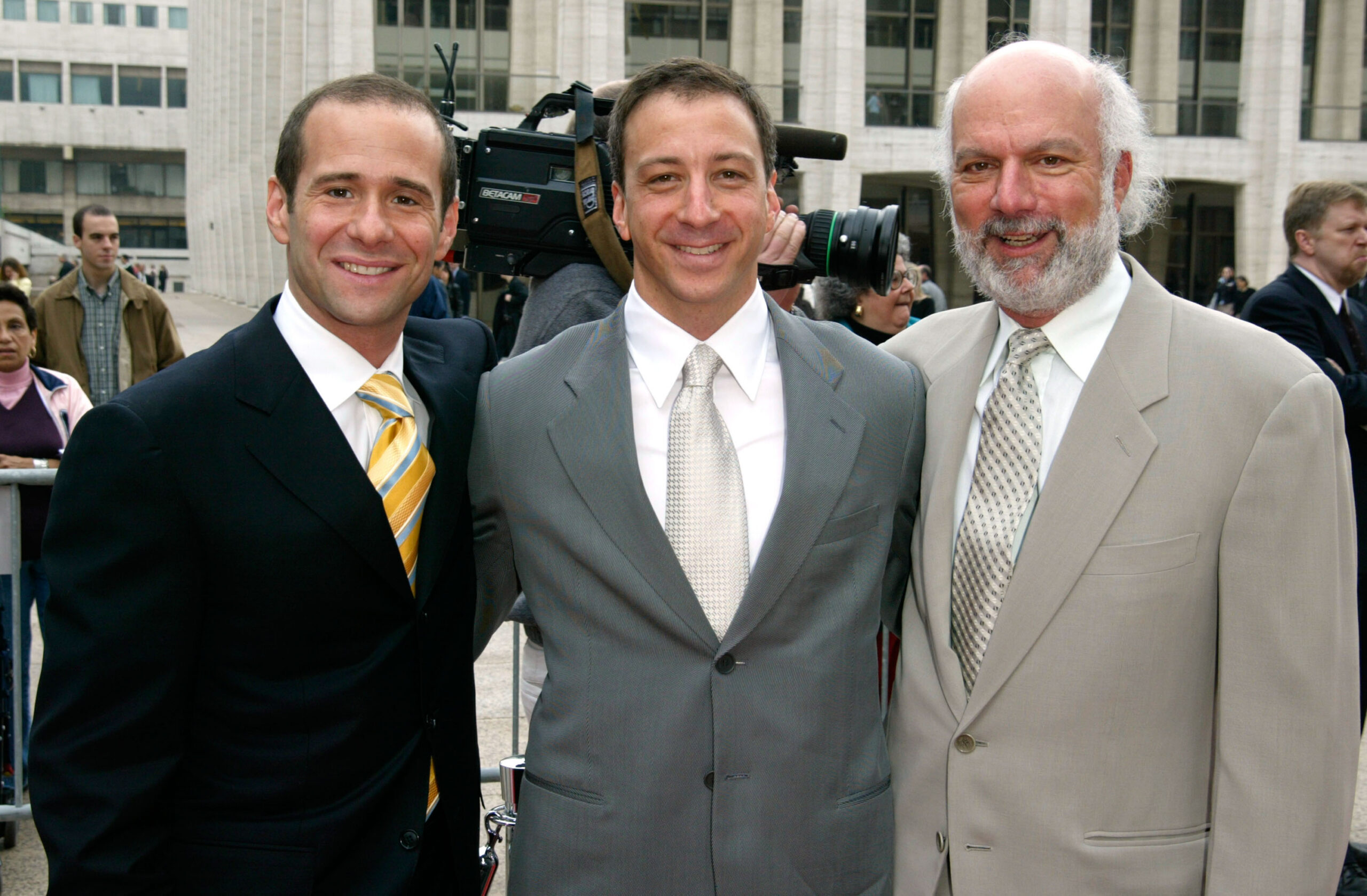
    Max Mutchnick and David Kohan, the acclaimed co-creators of the hit series ‘Will & Grace,’ recently delivered a heartfelt eulogy for legendary television director James Burrows. At a private memorial service held in late 2025, they celebrated Burrows’ profound influence on their careers and his unparalleled contributions to the landscape of television comedy. Their tribute included personal anecdotes and reflections on his meticulous approach to directing, particularly during the formative years of ‘Will & Grace.’

    Burrows, whose career spanned decades, directed episodes for some of the most iconic sitcoms in history, including ‘Taxi,’ ‘Cheers,’ ‘Friends,’ and ‘Will & Grace.’ His distinctive directorial style became synonymous with the multi-camera comedy format. Mutchnick and Kohan’s eulogy offered an intimate perspective from collaborators who witnessed his genius firsthand, detailing his ability to elevate comedic performances and shape the very rhythm of a show.

    The Early Encounters: A Legend’s Influence

    Max Mutchnick and David Kohan first encountered James Burrows as their careers in television writing and producing began to ascend. These initial meetings were more than professional introductions; they were formative experiences that profoundly shaped the creative trajectories of both men. Burrows, already a seasoned veteran, commanded every set with an aura of authority and expertise.

    The creators of ‘Will & Grace’ frequently recounted their initial awe at the prospect of working with a director of Burrows’ stature. He had already helmed pivotal episodes of seminal comedies such as ‘Cheers,’ which ran from 1982 to 1993, and ‘Taxi,’ which aired from 1978 to 1983. This extensive resume positioned him as a living legend within the industry, a figure whose presence could both inspire and, at times, intimidate aspiring talent.

    Mutchnick and Kohan quickly discovered that Burrows’ formidable reputation was entirely justified. His discerning eye for comedic timing, his deep understanding of character dynamics, and his unparalleled ability to orchestrate complex ensemble performances were immediately apparent. These early interactions laid the crucial groundwork for a collaborative relationship that would come to define one of the most successful sitcoms of the late 20th and early 21st centuries.

    Crafting ‘Will & Grace’: Burrows’ Visionary Direction

    James Burrows directed numerous episodes of ‘Will & Grace,’ most notably the pilot episode, which aired in September 1998. He continued his pivotal involvement throughout the show’s original run from 1998 to 2006, and again during its revival from 2017 to 2020. His directorial hand was crucial in establishing the series’ signature fast-paced dialogue, its unique blend of physical comedy, and the undeniable chemistry among its four lead actors: Eric McCormack (Will Truman), Debra Messing (Grace Adler), Megan Mullally (Karen Walker), and Sean Hayes (Jack McFarland).

    Mutchnick and Kohan consistently credited Burrows with helping to define the show’s visual language and its distinctive comedic rhythm. He possessed an innate understanding of how to frame a joke for maximum impact, how to utilize camera blocking to enhance a punchline, and how to create a dynamic and energetic environment for comedic performances. This expertise was particularly vital for a show that relied heavily on verbal sparring, rapid-fire exchanges, and precise physical comedy.

    The collaboration between the creators and Burrows was a testament to his adaptability and unwavering commitment to the material. He was never merely a technician; he functioned as a true creative partner who grasped the intricate nuances of character and story. His directorial decisions frequently amplified the comedic intent of the writers, solidifying ‘Will & Grace’s’ status as a benchmark for modern sitcoms and earning it 18 Primetime Emmy Awards during its initial run.

    A Mentor and a Friend: Personal Tributes from the Eulogy

    Beyond his extensive professional contributions, Max Mutchnick and David Kohan’s eulogy revealed the deep personal connection they shared with James Burrows. They spoke of him not merely as a director, but as a mentor, a trusted guide, and a cherished friend. This deeper, personal relationship underscored the profound impact Burrows had on their lives, both professionally and personally.

    The eulogy included several poignant anecdotes that highlighted Burrows’ generosity with his vast knowledge and his consistent willingness to nurture emerging talent. He was known for his directness and his high standards, but also for his unwavering support of the actors and crew members he worked with. Many within the industry regarded him as a true leader, someone capable of commanding a set with authority while simultaneously fostering a collaborative and highly creative atmosphere.

    Mutchnick and Kohan’s words painted a vivid picture of a man who was deeply passionate about his craft and equally dedicated to the people he collaborated with. The private memorial service, held in late 2025, became an occasion not solely for mourning his passing, but for celebrating a life lived with immense purpose and a career that enriched the lives of millions globally. The mixture of laughter and tears shared at the service reflected the complex emotions evoked by his indelible legacy.

    The Burrows Blueprint: What Defined a Master Director?

    James Burrows developed a directorial style that became instantly recognizable and widely emulated across the television industry. His innovative approach to multi-camera sitcoms was characterized by several key, enduring elements:

    • Precision in Blocking: Burrows was a master at choreographing actors’ movements within a scene, ensuring that every gesture, glance, and physical interaction contributed directly to the comedic effect and advanced the narrative.
    • Rhythm and Pacing: He possessed an exceptional ear for comedic timing, expertly guiding actors to deliver lines with perfect rhythm and pacing. He often accelerated dialogue to heighten humor or used strategic pauses for maximum impact.
    • Ensemble Chemistry: Burrows excelled at fostering strong ensemble chemistry among casts. He allowed each actor to shine individually while meticulously maintaining a cohesive and believable group dynamic. His sets were frequently described as spaces where actors could truly connect and build authentic relationships.
    • The Live Audience Integration: He understood and leveraged the critical importance of the live studio audience. Burrows expertly staged scenes to maximize their reactions, incorporating their laughter and energy directly into the final product, making them an integral part of the show’s comedic success.
    • Subtlety in Performance: Despite the often broad nature of sitcoms, Burrows consistently encouraged subtlety and nuance in performances. He allowed characters to convey complex emotions and humor through understated expressions and reactions, adding depth to the comedic portrayals.

    These elements combined to create a distinctive directorial signature that made his shows not just funny, but enduringly watchable, critically acclaimed, and consistently popular. His remarkable ability to consistently produce hit after hit across different networks and with diverse casts solidified his status as an unparalleled television icon.

    A Pantheon of Comedies: Burrows’ Extensive Filmography and Awards

    James Burrows’ filmography reads like a definitive history of American television comedy. Beyond ‘Will & Grace,’ he directed over 1,000 episodes of television, a record unsurpassed by any other director. His credits include:

    • ‘Taxi’ (1978-1983): Directed 75 episodes, helping to launch the careers of Danny DeVito, Christopher Lloyd, and Andy Kaufman.
    • ‘Cheers’ (1982-1993): Directed 243 episodes, including the pilot, and co-created the series. He was instrumental in establishing its iconic ensemble cast and setting the standard for bar-centric sitcoms.
    • ‘Friends’ (1994-2004): Directed 15 episodes, including the pilot, establishing the visual style and comedic rhythm for one of the most successful sitcoms of all time.
    • ‘Frasier’ (1993-2004): Directed 32 episodes, including the pilot, contributing to its critical acclaim and numerous awards.
    • ‘Mike & Molly’ (2010-2016): Directed all 127 episodes, showcasing his continued relevance and mastery of the multi-camera format well into the 21st century.
    • ‘The Big Bang Theory’ (2007-2019): Directed 14 episodes, including the pilot, helping to define the early tone of the hugely popular series.

    Throughout his illustrious career, Burrows earned 11 Primetime Emmy Awards for Outstanding Directing for a Comedy Series, a testament to his consistent excellence and innovative contributions. His work profoundly influenced generations of directors, writers, and performers, establishing a template for how multi-camera sitcoms are conceived, written, and executed.

    The Lasting Legacy: Burrows’ Imprint on Television

    The eulogy delivered by Max Mutchnick and David Kohan at the late 2025 memorial service underscored the comprehensive and lasting legacy of James Burrows. His impact extended far beyond the individual episodes he directed; he helped to define the very genre of the American sitcom. He was a craftsman who understood the mechanics of laughter and a visionary who could translate written humor into dynamic, memorable television.

    Burrows’ ability to nurture talent, his unwavering commitment to comedic precision, and his unparalleled work ethic created an environment where creativity flourished. Actors thrived under his direction, writers saw their scripts brought to life with enhanced comedic timing, and audiences worldwide found joy and connection in the worlds he helped create.

    His passing marked the end of an era, but his influence continues to resonate throughout television production. Every multi-camera sitcom produced today, whether directly or indirectly, bears the imprint of James Burrows’ pioneering work. His contributions to the art form are immeasurable, ensuring his status as a permanent fixture in the pantheon of television greats. He left behind a body of work that will continue to entertain and inspire for generations.

    Writers gathered. Actors gathered. Directors gathered. A legend.

  • The Cost of the Crown, How the ‘House of the Dragon’ Season 3 Premiere Broke Rhaenyra

    The Cost of the Crown, How the ‘House of the Dragon’ Season 3 Premiere Broke Rhaenyra

    The third season of HBO’s House of the Dragon premiered on Sunday, June 21, 2026, opening with the devastating Battle of the Gullet. The massive naval engagement resulted in the death of Prince Jacaerys Velaryon and his dragon Vermax, delivering a catastrophic tactical loss and profound personal heartbreak for Queen Rhaenyra Targaryen. The war of succession known as the Dance of the Dragons has officially abandoned all pretense of diplomacy. The era of fire and blood has arrived.

    Television audiences spent two years waiting for the fallout of Season 2. The wait ended in a massacre. Warner Bros. Discovery and showrunner Ryan Condal promised an escalation in hostilities. They delivered a masterclass in television tragedy.

    The premiere did not waste time reacquainting viewers with the political board. It set the board on fire. The episode plunged directly into the logistical nightmares of a multi-front war, forcing the Black faction at Dragonstone into a desperate defense of their naval blockades.

    The Battle of the Gullet Realized

    George R.R. Martin’s source material, Fire & Blood, describes the Battle of the Gullet as one of the bloodiest sea battles in history. Translating that to the screen required an unprecedented television budget. HBO spared no expense for the June 2026 premiere.

    The Triarchy fleet, sailing under the banners of Myr, Lys, and Tyrosh, ambushed the Velaryon blockade. The visual execution was staggering. Director Alan Taylor returned to the franchise to helm the premiere, utilizing practical water tanks in Leavesden Studios mixed with cutting-edge volumetric LED stages.

    Ninety warships clashed in the narrow strait. Dragons descended from the clouds. The tactical geometry of the sequence was clear, brutal, and chaotic. This was not the triumphant dragon-riding of earlier seasons. This was an aerial dogfight over a burning ocean.

    Prince Jacaerys Velaryon, played by Harry Collett, led the counter-attack on the back of Vermax. The young heir to the Iron Throne had spent the previous season securing alliances in the North and the Vale. His diplomatic victories meant nothing against a fleet armed with scorpions.

    Vermax was brought down by grappling hooks and concentrated crossbow fire. The dragon crashed into a burning galleon. Jacaerys survived the initial fall, only to be executed by Myrish crossbowmen in the wreckage. The sequence was abrupt. It lacked the traditional heroic send-off. The suddenness of the violence anchored the show in a grim, unforgiving reality.

    Emma D’Arcy and the Architecture of Grief

    The emotional core of the episode belonged entirely to Emma D’Arcy. Queen Rhaenyra Targaryen has spent the entire series absorbing loss. She lost her mother, her father, her daughter Visenya, and her son Lucerys. The death of Jacaerys pushes the character past the breaking point.

    D’Arcy’s performance in the premiere was a study in internal collapse. When the surviving Velaryon sailors brought the news to the Painted Table at Dragonstone, Rhaenyra did not scream. She did not immediately call for fire. She simply stopped moving.

    The camera lingered on D’Arcy for a full, unbroken minute. The physical manifestation of grief was palpable. The posture of a queen dissolved into the posture of a hollowed-out mother. It was a silent, devastating acting choice that will likely dominate the 2026 Emmy conversations.

    This heartbreak fundamentally changes the trajectory of the Black faction. Rhaenyra is no longer fighting for her birthright. She is fighting for vengeance. The measured, cautious leader who sought to hold the realm together is gone. The woman who remains is ready to burn it down.

    The Velaryon Fleet in Ruins

    The tactical fallout of the Gullet is just as severe as the emotional toll. Lord Corlys Velaryon, portrayed by Steve Toussaint, watched his life’s work burn in the strait. The Sea Snake’s legendary fleet, the foundation of the Black faction’s military power, took catastrophic losses.

    Toussaint played Corlys with a weary, furious resignation. His character has now lost his children, his wife, his heir, and his armada. The alliance between House Velaryon and House Targaryen is bound by blood, but that blood is rapidly spilling into the sea.

    The destruction of Spicetown and High Tide on the island of Driftmark was shown in brutal, sweeping wide shots. The economic engine of the Velaryon house was sacked by the Triarchy mercenaries. The Black faction is now financially crippled and geographically vulnerable.

    This forces a strategic pivot. Without naval supremacy, Rhaenyra must rely entirely on her dragons. The blockade of King’s Landing is broken. The supply lines are severed. The war must now move to the mainland.

    Shifting Power Dynamics in King’s Landing

    While Dragonstone drowned in grief, the Red Keep celebrated a hollow victory. The Green faction, holding the Iron Throne, capitalized on the Triarchy’s intervention. But the victory was entirely engineered by Aemond Targaryen, played with chilling precision by Ewan Mitchell.

    Aemond serves as Prince Regent. King Aegon II, played by Tom Glynn-Carney, remains incapacitated from his injuries at Rook’s Rest. Aemond’s grip on the Small Council is absolute. He views the Gullet not as a tragedy, but as a successful chess move.

    The contrast between the two factions was sharply edited. Rhaenyra’s silent mourning was juxtaposed with Aemond’s cold, calculated debriefing of the battle. The Greens did not lose a single Westerosi soldier in the naval clash. They outsourced the violence to Essos.

    Alicent Hightower, played by Olivia Cooke, observed her son’s ruthless pragmatism with growing horror. The Queen Dowager realizes she has created a monster. Aemond does not care about ruling the realm. He only cares about winning the war. The moral rot at the center of the Green faction is now fully exposed.

    The Economics of Fantasy Television in 2026

    The Season 3 premiere was not just a narrative milestone. It was a corporate necessity for Warner Bros. Discovery. In the evolving streaming landscape of 2026, platform retention relies on event television. House of the Dragon is the crown jewel of the Max portfolio.

    CEO David Zaslav and HBO Chief Content Officer Casey Bloys heavily marketed the June 21 premiere. Billboards in Times Square and interactive AR installations in London dominated the marketing cycle. The investment paid off. Initial viewership metrics indicate a massive Sunday night audience, rivaling the peak numbers of the original Game of Thrones series.

    The production budget for Season 3 reportedly exceeded $25 million per episode. The visual fidelity of the Gullet sequence justifies the expenditure. The water physics, the dragon animation, and the seamless integration of practical and digital elements set a new industry standard.

    But spectacle alone does not sustain a franchise. The cultural footprint of the show relies on its willingness to challenge its audience. By killing a major character in the first hour of the season, HBO signaled that no one is safe. The stakes are real. The consequences are permanent.

    Cultural Commentary on Storytelling

    The premiere also serves as a sharp cultural commentary on the nature of storytelling itself. Modern audiences are conditioned to expect the hero’s journey. They expect the protagonist to suffer a setback, learn a lesson, and return stronger. House of the Dragon rejects this framework entirely.

    Rhaenyra’s grief is not a catalyst for personal growth. It is a catalyst for institutional destruction. The show is actively deconstructing the concept of the “rightful ruler.” It asks the audience to consider the cost of absolute power.

    Every time a dragon takes flight, innocent people burn. The sailors who died in the Gullet were not royalty. They were conscripts. The show makes a point to highlight the collateral damage of dynastic disputes. The high lords play their game of thrones, and the smallfolk pay the price in blood.

    This thematic resonance is what elevates the series above standard fantasy fare. It is a political thriller wrapped in dragon scales. The heartbreak experienced by Rhaenyra is a microcosm of the heartbreak experienced by the entire continent of Westeros. The war is a machine that consumes everything it touches.

    The Path Forward for Season 3

    With the Gullet behind them, the narrative engine of Season 3 is fully primed. The Blacks are wounded but heavily armed with dragons. The Greens are politically entrenched but internally fractured. The conflict will inevitably move toward the Riverlands and the capital.

    Showrunner Ryan Condal has structured the season as a slow descent into total war. The premiere established the tone. The remaining episodes will execute the consequences. The Dragonseeds, the bastard dragon riders recruited in Season 2, will now be forced to prove their loyalty on the mainland.

    The death of Jacaerys also creates a succession crisis within the Black faction. Rhaenyra’s younger sons, Aegon the Younger and Viserys, are now thrust into the line of fire. The protective bubble around the royal children has burst.

    The June 21 premiere delivered exactly what it promised. It was brutal. It was beautiful. It was deeply unsettling. The audience is now strapped in for a season of unprecedented television violence. The board is set. The pieces are moving.

    Dragons fell. Fleets burned. Mothers wept. War.