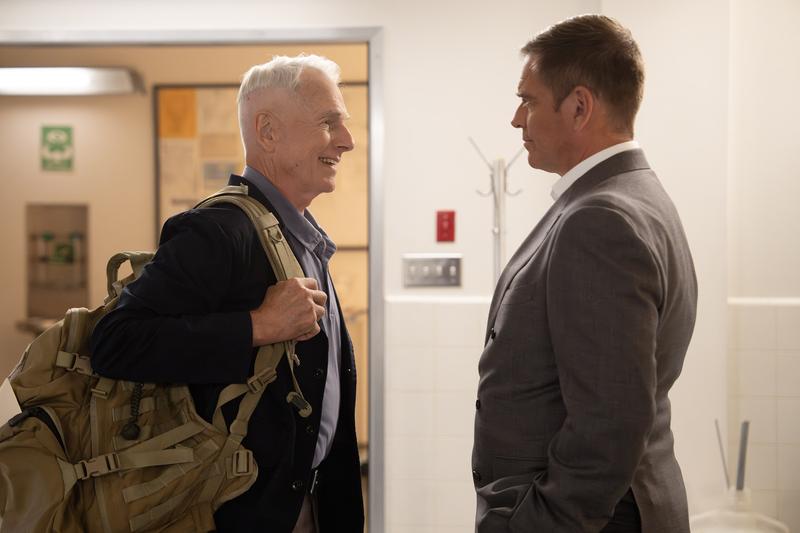
Mark Harmon will return to the ‘NCIS’ franchise, reprising his role as Leroy Jethro Gibbs for the third season of the prequel series ‘NCIS: Origins’. This return is driven by Harmon’s ongoing commitment as an executive producer for the series, ensuring the authentic portrayal of the character he originated. The announcement on June 30, 2026, by Deadline confirms his continued involvement, reinforcing the narrative connection between Gibbs’ past and present.
Harmon’s character, Special Agent Leroy Jethro Gibbs, has been a cornerstone of the ‘NCIS’ franchise since its inception. His portrayal defined the stoic, rule-bending leader of the Major Case Response Team for nearly two decades. The decision for Harmon to return to ‘NCIS: Origins’ for a third season highlights the enduring appeal of the Gibbs character and the franchise’s commitment to its foundational elements.
The Enduring Legacy of Leroy Jethro Gibbs
Leroy Jethro Gibbs first appeared in the two-part backdoor pilot for ‘NCIS’, which aired as episodes of ‘JAG’ in April 2003. Harmon’s portrayal quickly established Gibbs as a complex figure, a former Marine sniper turned NCIS Special Agent. His character’s backstory, marked by personal tragedy and a strict moral code, became a defining feature of the series.
Gibbs led the NCIS team for 18 seasons, departing in the fourth episode of season 19, which aired in October 2021. His exit saw the character choose to remain in Alaska, finding peace away from the demands of federal law enforcement. This departure left a significant void for many viewers, making any return to the franchise a notable event.
‘NCIS’ itself launched on September 23, 2003, and quickly became one of CBS’s most successful and long-running procedural dramas. The series has spawned multiple spin-offs, including ‘NCIS: Los Angeles’, ‘NCIS: New Orleans’, ‘NCIS: Hawaiʹi’, and ‘NCIS: Sydney’. The creation of ‘NCIS: Origins’ further expands this universe by delving into the past of its most iconic character.
Gibbs’ Character Evolution and Impact
The character of Leroy Jethro Gibbs evolved significantly over his nearly two decades on screen. Initially presented as a hardened, no-nonsense agent, layers of his personal history were gradually revealed. These included his four marriages, the tragic deaths of his first wife Shannon and daughter Kelly, and his complex relationships with his father and various proteges.
His signature ‘Gibbs’ Rules’ became a fan favorite, offering a glimpse into his pragmatic and often unconventional approach to law enforcement. These rules, ranging from ‘Never apologize – it’s a sign of weakness’ to ‘Never screw over your partner’, provided both comic relief and deeper insight into his moral compass. The consistency of these rules contributed to the character’s long-term appeal and predictability within the unpredictable world of crime-solving.
Harmon’s performance earned him multiple People’s Choice Awards nominations and a loyal fan base. His ability to convey deep emotion with minimal dialogue became a hallmark of the character. This nuanced portrayal cemented Gibbs as one of television’s most memorable procedural drama leads, influencing countless other fictional law enforcement figures.
‘NCIS: Origins’ and Gibbs’ Formative Years
‘NCIS: Origins’ focuses on the early career of Leroy Jethro Gibbs. The series is set in 1993 and explores Gibbs’ first years as a newly minted special agent at the NCIS Camp Pendleton office. This period predates many of the events and relationships established in the flagship ‘NCIS’ series.
The prequel aims to fill in the gaps of Gibbs’ professional and personal history, showing how he developed into the agent fans came to know. It details his interactions with early mentors and colleagues, providing context for his later leadership style and operational philosophy.
Austin Stowell portrays the younger Leroy Jethro Gibbs in ‘NCIS: Origins’. Stowell’s casting was a critical component of the prequel’s development, as he was tasked with embodying a younger version of a character made famous by Harmon. His performance is intended to capture the essence of Gibbs while also showing his evolution.
Exploring Key Mentors and Early Cases
‘NCIS: Origins’ delves into pivotal relationships that shaped Gibbs. One central figure is Mike Franks, portrayed by Robert Patrick in the original series and by Kyle Schmid in the prequel. Franks served as Gibbs’ mentor, guiding him through his initial years as a Special Agent. The prequel explores the genesis of their complex, father-son-like dynamic.
The series also introduces viewers to other formative colleagues and superiors, such as Special Agent Vera Strickland, played by Diany Rodriguez. These characters help illustrate the environment in which Gibbs learned the ropes of NCIS. Early cases featured in ‘NCIS: Origins’ often highlight the nascent stages of Gibbs’ investigative techniques and his developing moral code, which would later define his leadership.
The narrative of ‘NCIS: Origins’ also touches upon the political climate and technological limitations of the early 1990s. This setting provides a contrast to the more advanced investigative tools seen in the main ‘NCIS’ series, emphasizing the ingenuity and grit required of agents during that era.
Harmon’s Dual Role: Actor and Executive Producer
Mark Harmon’s involvement in ‘NCIS: Origins’ extends beyond his on-screen return. He also serves as an executive producer for the series, a role he has held since the show’s inception. This position allows him to maintain creative oversight and influence over the portrayal of his character’s origins.
Harmon’s executive producer credit ensures that the narrative direction of ‘NCIS: Origins’ aligns with the established lore and character development of Leroy Jethro Gibbs. This level of involvement is crucial for maintaining continuity and authenticity within a beloved franchise. His intimate knowledge of the character, developed over nearly two decades, provides invaluable guidance to the creative team.
His contributions as an executive producer likely include guiding story arcs, character interpretations, and overall tone. This dual role provides a direct link between the original series’ star and the prequel’s narrative, ensuring a cohesive vision that respects the character’s history while exploring new territory.
The Importance of Executive Producer Input
For a character as iconic as Leroy Jethro Gibbs, the input of the actor who originated the role is paramount. As an executive producer, Harmon can weigh in on scripts, casting decisions, and overall thematic direction. This ensures that the younger Gibbs portrayed by Austin Stowell remains consistent with the essence of the character fans have known for years.
Harmon’s experience also provides a bridge for the younger cast members, offering insights into Gibbs’ motivations and mannerisms. This collaborative approach helps to maintain the integrity of the character across different timelines and actors. It also provides a level of quality control that reassures long-time fans about the direction of the prequel.
The Impact of a Returning Icon for Season 3
The return of Mark Harmon as Gibbs, even in a narrative capacity for a prequel, carries significant weight for the ‘NCIS’ franchise. It signifies a continued connection to its roots and acknowledges the importance of its central figures.
Fan engagement with the ‘NCIS’ universe remains robust, driven by a loyal viewership that has followed the series for over two decades. The announcement of Harmon’s return for ‘NCIS: Origins’ Season 3 is poised to reignite excitement and draw attention to the prequel series. This strategic move leverages the established popularity of Harmon and the Gibbs character to attract new viewers while satisfying existing ones.
The decision to feature Harmon in ‘NCIS: Origins’ also reflects a broader trend in television. Franchises often leverage established characters and actors to launch or sustain spin-off projects. This strategy capitalizes on existing fan bases and familiar intellectual property, ensuring a built-in audience from day one.
Bridging Generations of ‘NCIS’ Fans
The ‘NCIS’ franchise has cultivated multiple generations of viewers. Some have followed the series since its 2003 debut, while others have discovered it through streaming platforms. ‘NCIS: Origins’ aims to appeal to both groups.
For long-time fans, the prequel offers a chance to see the genesis of their favorite character, providing answers to questions about his past. For newer viewers, it provides an entry point into the rich history of the NCIS universe, offering context for the flagship series and its spin-offs. This dual appeal strengthens the overall franchise.
Harmon’s return helps bridge this gap. His presence, even if not in every episode or in a primary acting role, offers a tangible link to the original series. This connection can reinforce the narrative continuity across different timelines and iterations of the ‘NCIS’ story, creating a more cohesive viewing experience.
The Future of the ‘NCIS’ Universe
The ‘NCIS’ universe continues to expand and evolve. With multiple active series and the ongoing success of ‘NCIS: Origins’, the franchise demonstrates remarkable longevity and adaptability. This continued growth is a testament to the strong foundational characters and compelling storytelling that define the series.
The commitment to exploring Gibbs’ past through ‘NCIS: Origins’ indicates a strategic effort to deepen the lore of the franchise. By understanding the character’s beginnings, viewers gain a richer appreciation for his journey and decisions in the original series. This enriches the entire viewing experience, offering new perspectives on established narratives.
Future seasons of ‘NCIS: Origins’ could explore more pivotal moments in Gibbs’ early career, potentially introducing younger versions of other characters who later played significant roles. This narrative approach allows for both nostalgic appeal and fresh storytelling, keeping the franchise vibrant and engaging for years to come.
Franchise Expansion and Character Development
The ‘NCIS’ universe has successfully expanded by focusing on character-driven narratives within the framework of military crime investigation. Each spin-off, from ‘NCIS: Los Angeles’ to ‘NCIS: Sydney’, introduces new teams and settings while maintaining the core themes of duty, loyalty, and justice.
‘NCIS: Origins’ specifically enhances this by providing depth to the most central character. Understanding Gibbs’ early struggles, triumphs, and choices adds significant layers to his later persona. This kind of character development, spanning multiple series and decades, is rare in television and contributes to the franchise’s unique appeal.
The ongoing success of the ‘NCIS’ franchise, bolstered by returns like Harmon’s, suggests a robust future. This future will likely involve continued exploration of its established characters and the introduction of new ones, ensuring the universe remains dynamic and relevant.
Fans will watch. Critics will analyze. The ‘NCIS’ universe expands.
Continuity.